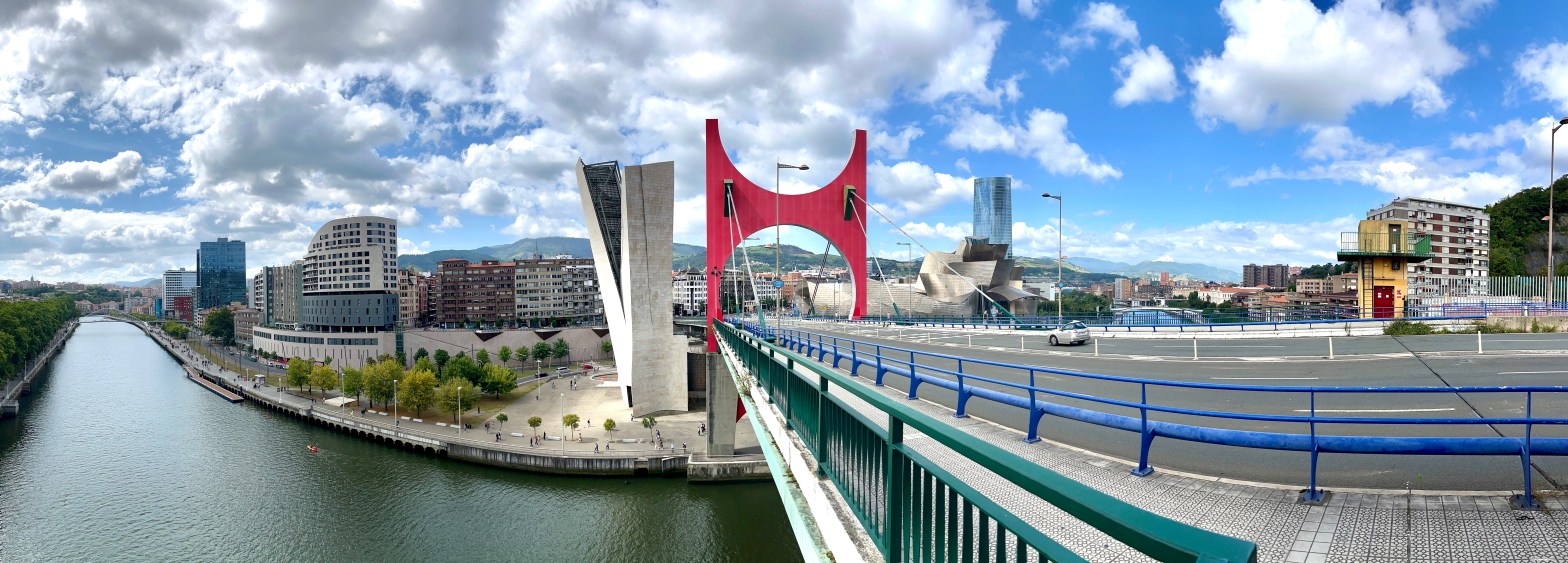
For the remaining days of our vacation, we set our sights on a trajectory that started in Bilbao and ended in Madrid (with a midway stop in Burgos). This way we’d get to visit the Basque Country capital city and discover one of its main attractions, the renown Guggenheim Museum (designed by Frank Gehry – a sister museum to the original in New York City). From there we continued southward towards Burgos and after a day and a half visit we concluded our trip with 3 days in Madrid, Spain’s capital.
Bilbao
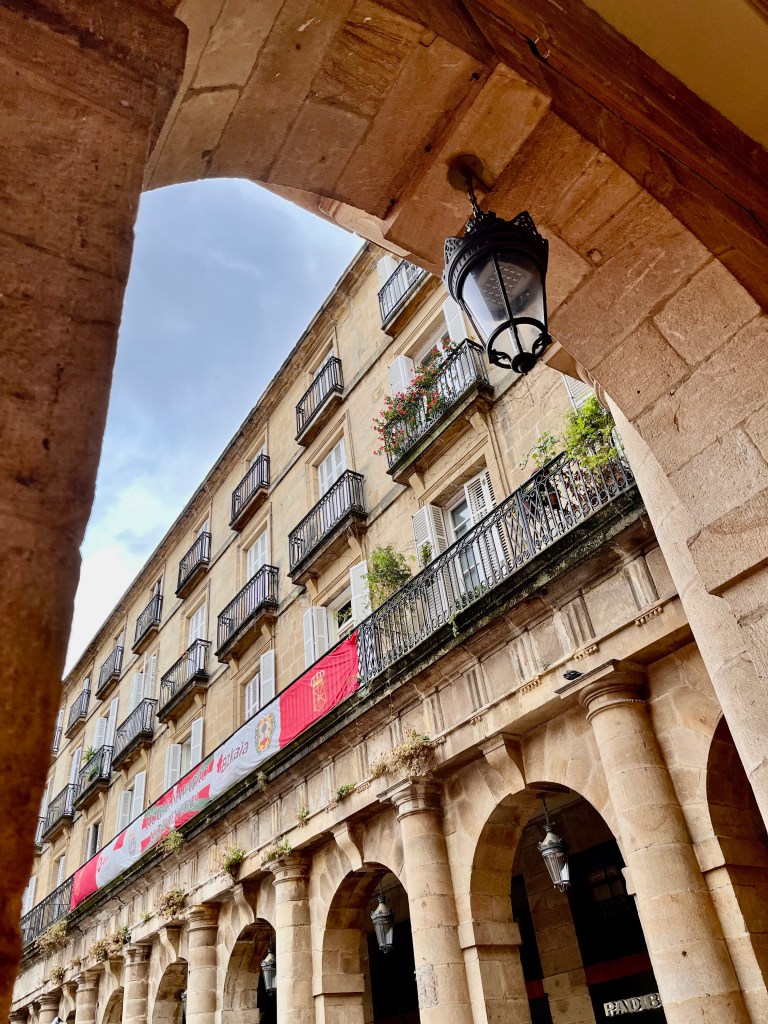
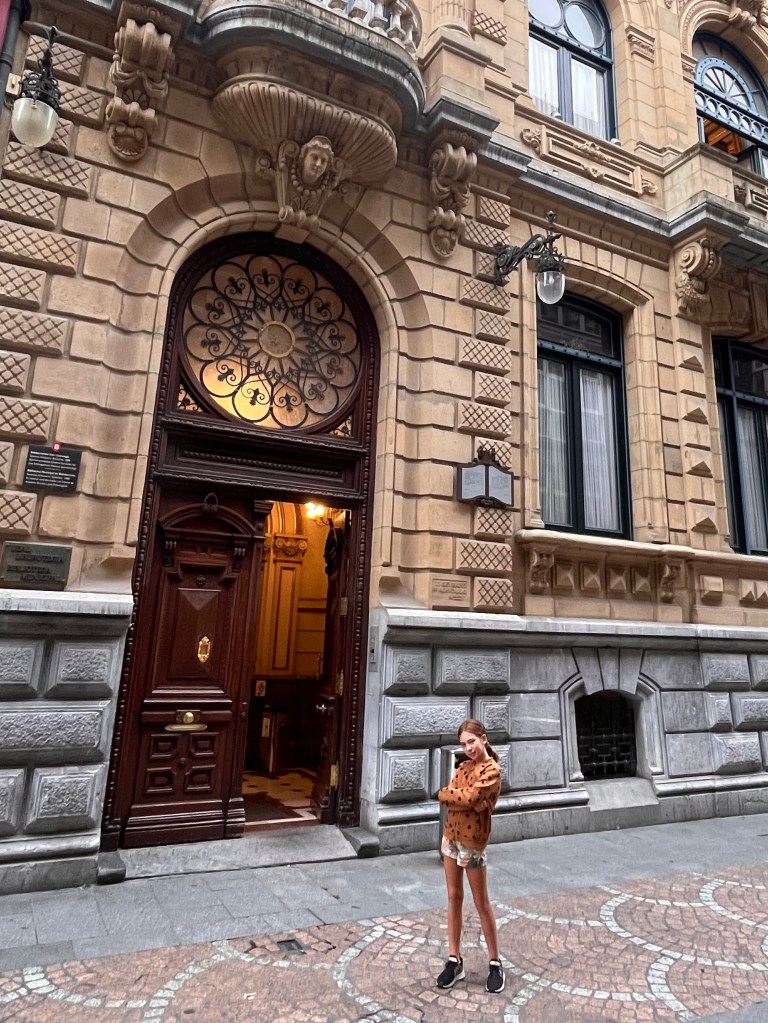
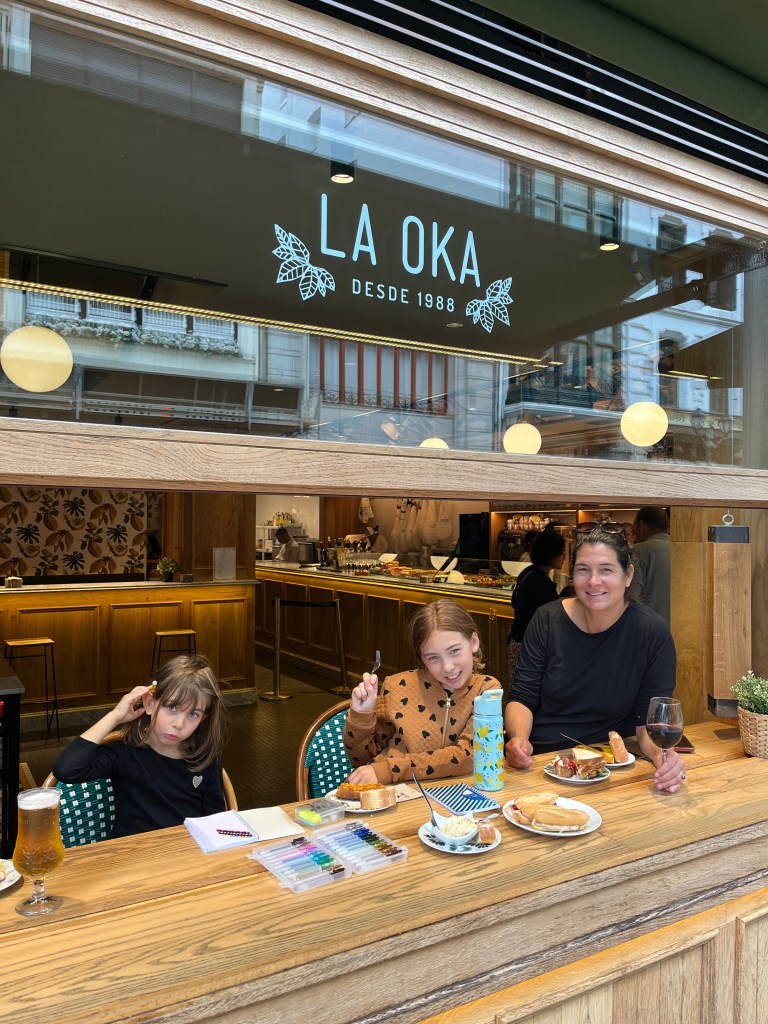
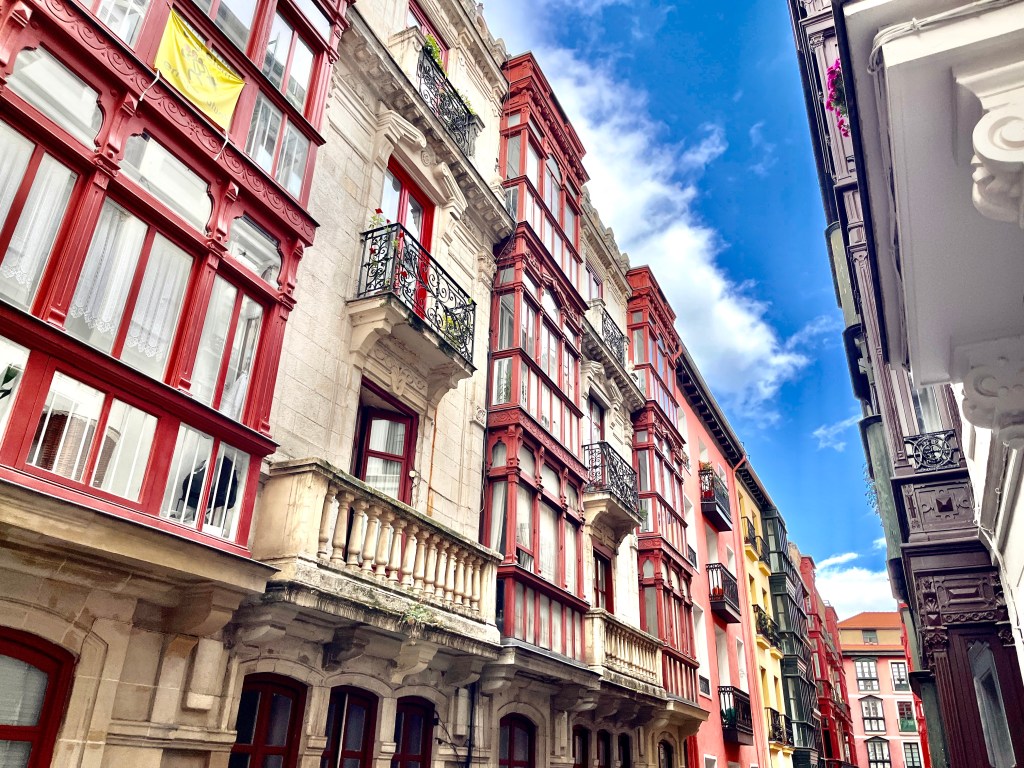
Bilbao, Spain’s 10th largest city is home to about 350,000 inhabitants and has a long history dating to the 13th century. It’s setting on the north coast, with port access to the Atlantic while straddled by the Basque Mountains, graces Bilbao’s landscape with unique features. Even the air felt different, fresher and more vibrant, the mountains perhaps imparting their finest touch upon it. We loved our accommodations at the nucleus of Casco Viejo or the old medieval center, where beautifully ornate and colorful building facades with protruding balconies, make a strong case for Bilbao’s handsome appearance. We also loved the cooler climate and appreciated the city’s just right size, and covered a good amount in a few hours. Doing so worked up our appetite and pintxos (small bites) became the clear answer, offering us great variety. The girls were particularly excited about the Spanish tortilla, while the chorizo got me excited, and the wine and beer were delicious with every sip.
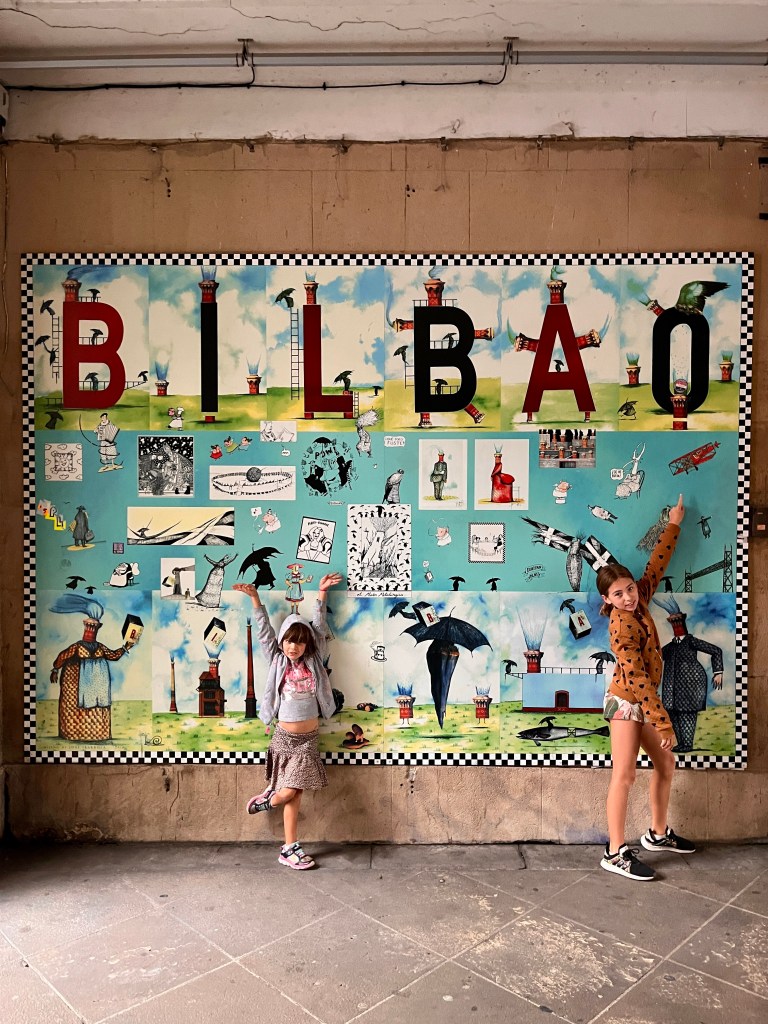
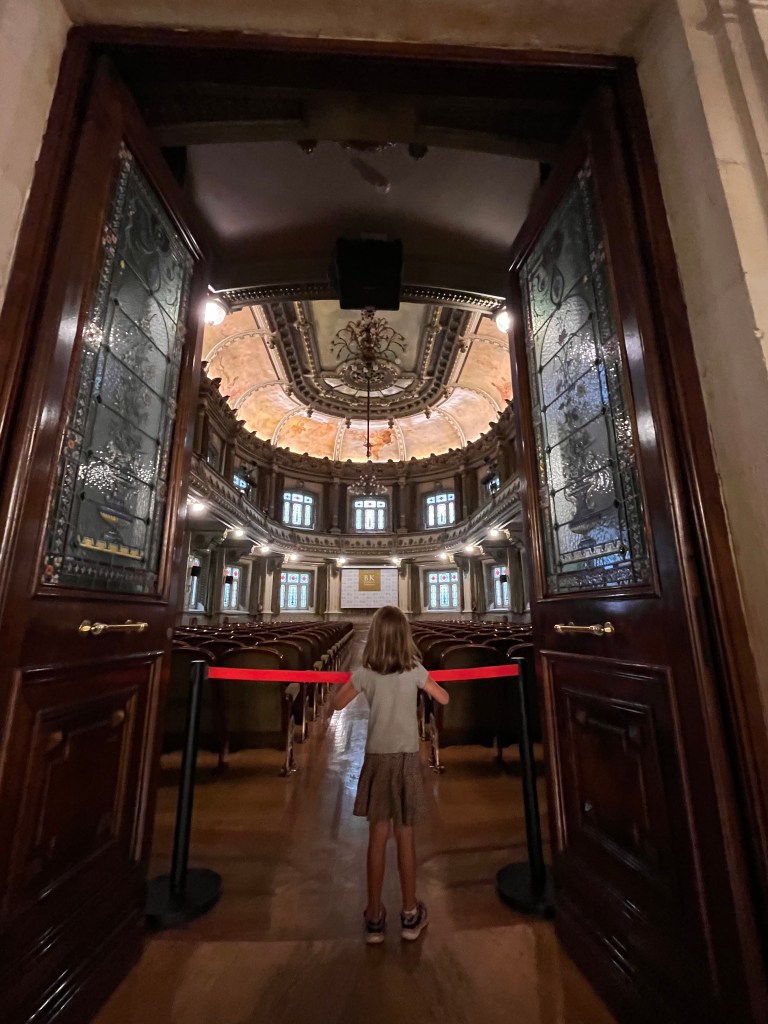
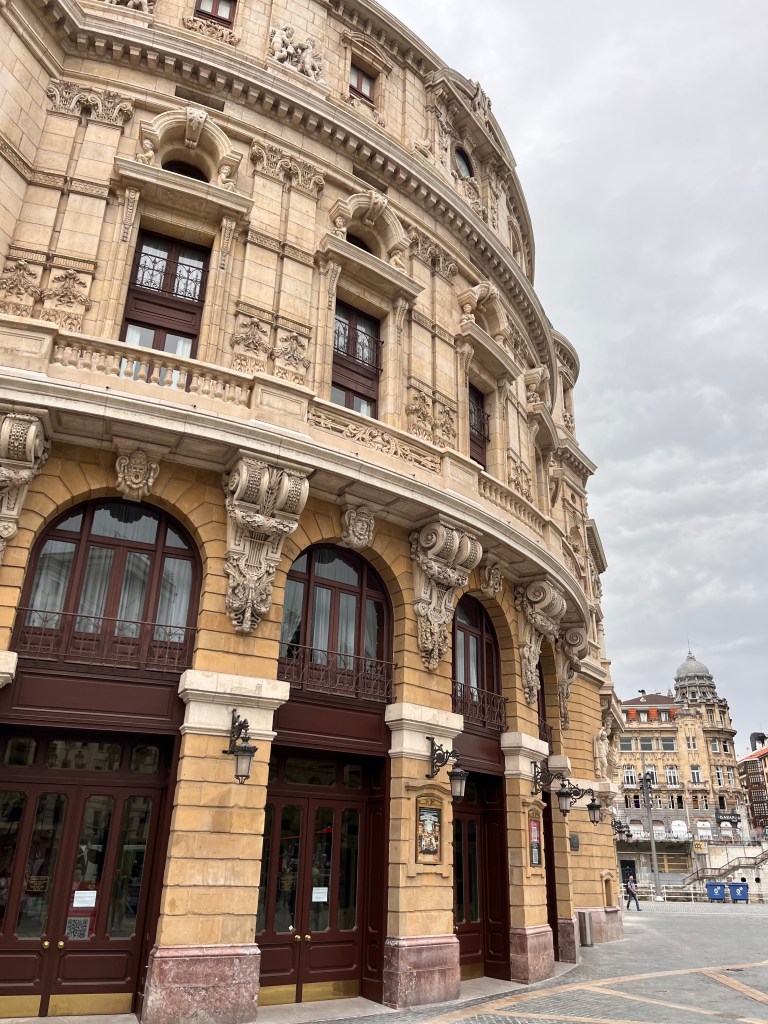

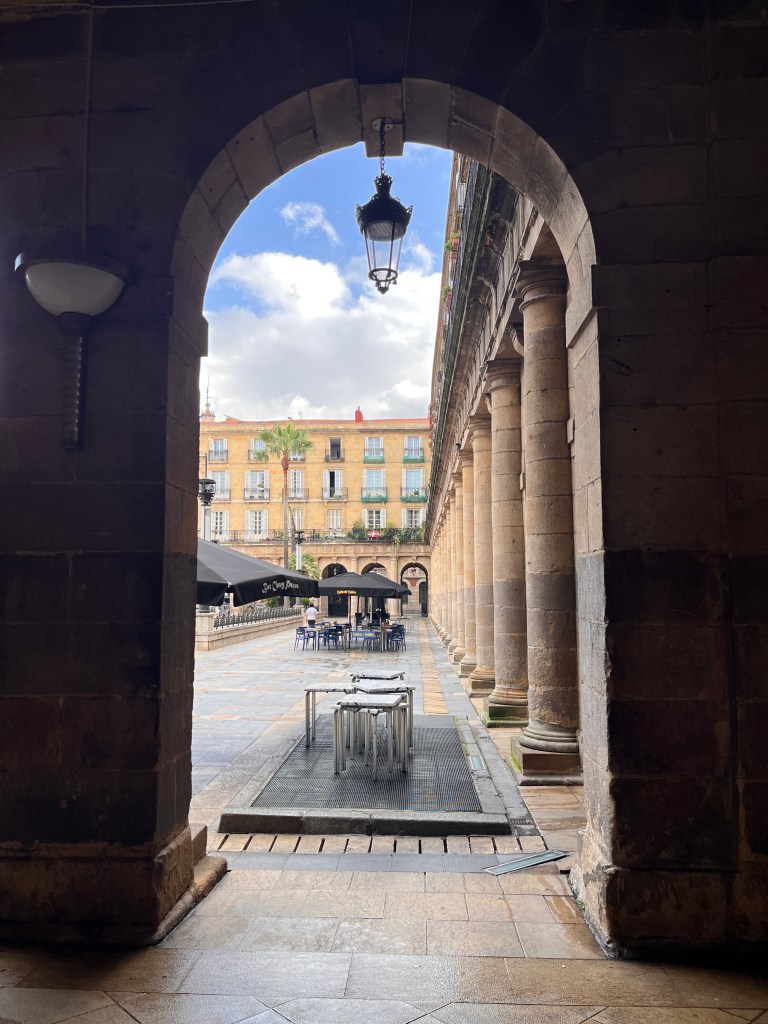
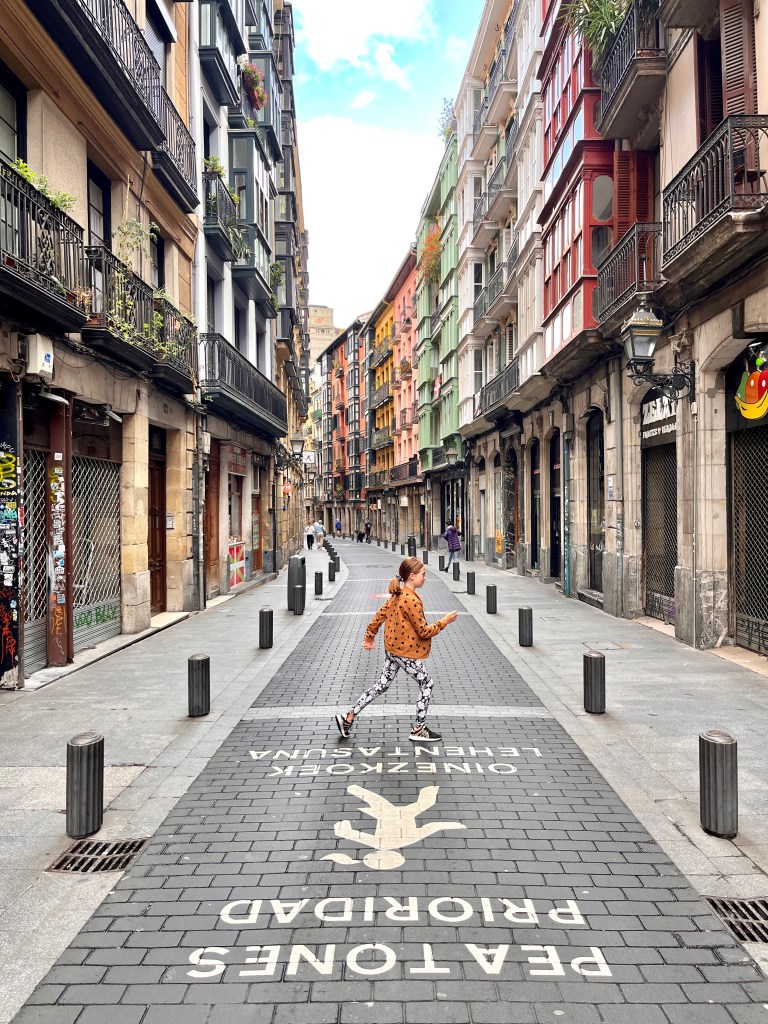
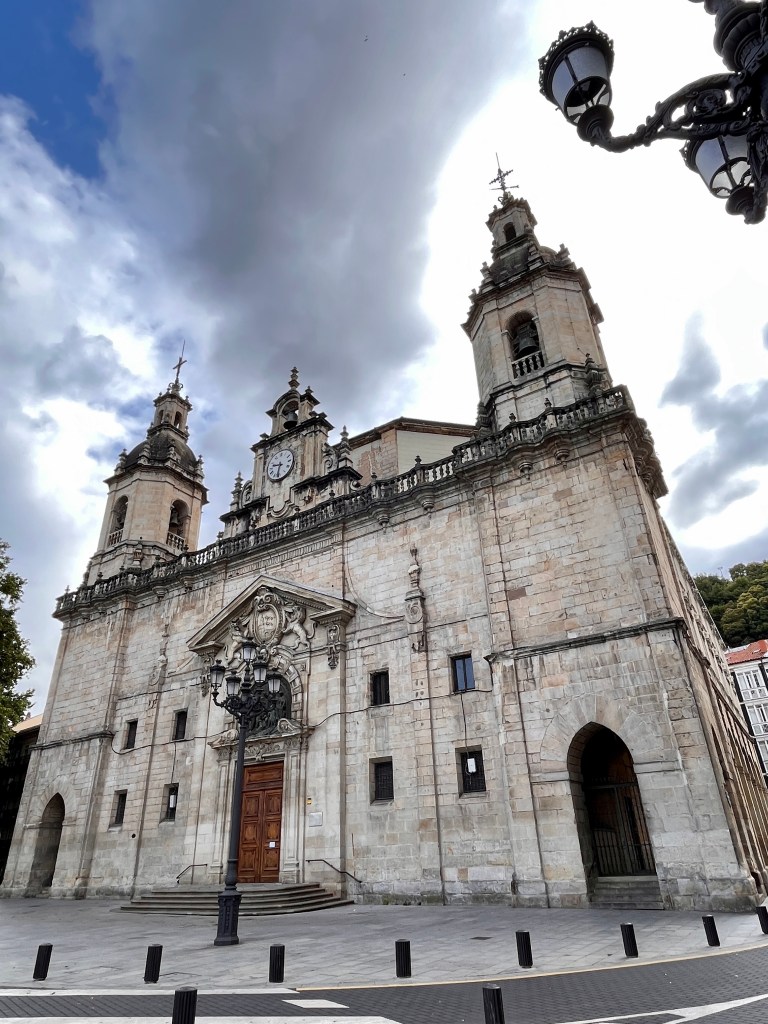


The Guggenheim Museum Bilbao occupied us for an entire morning and exposed us to masterful works from various artists (including my favorite genre, pop art). What drew the girls in was a lavishly jovial Yayoi Kusama exhibit along with Richard Serra’s undulating architectural marvels with a magnitude of their own.
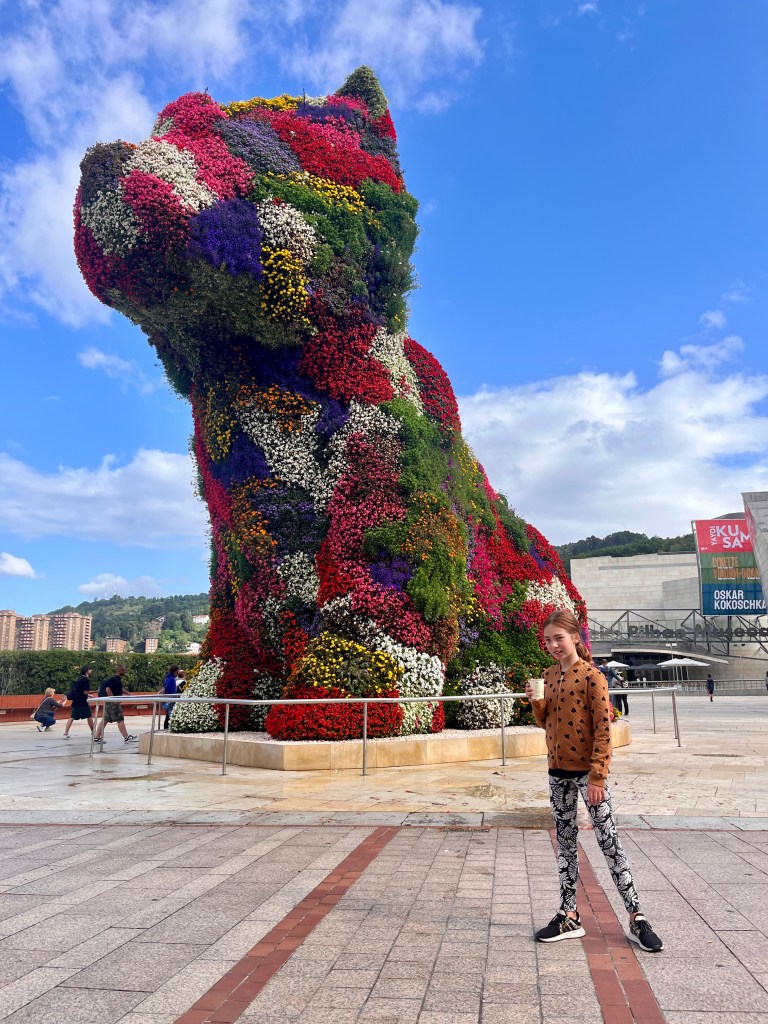
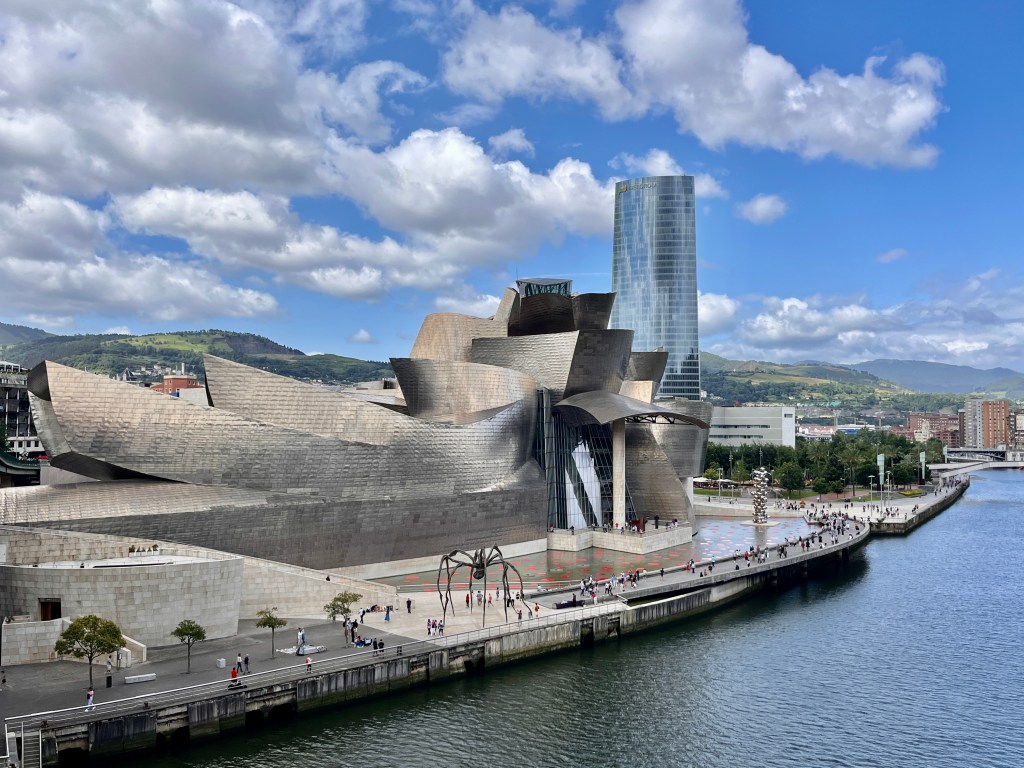
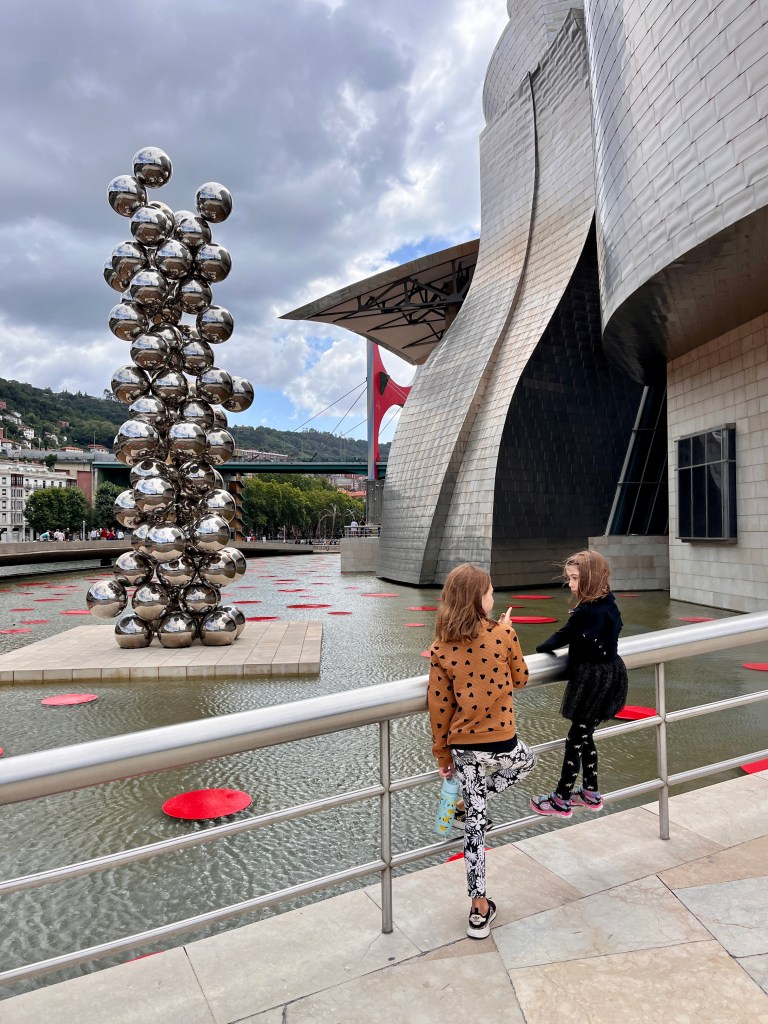
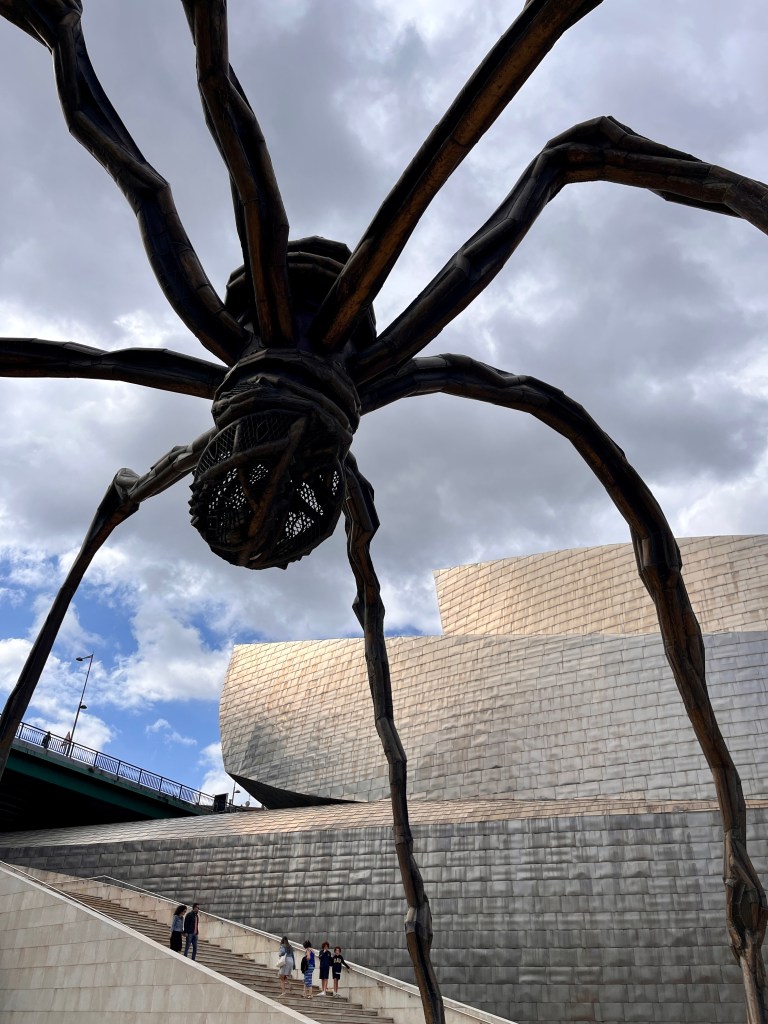
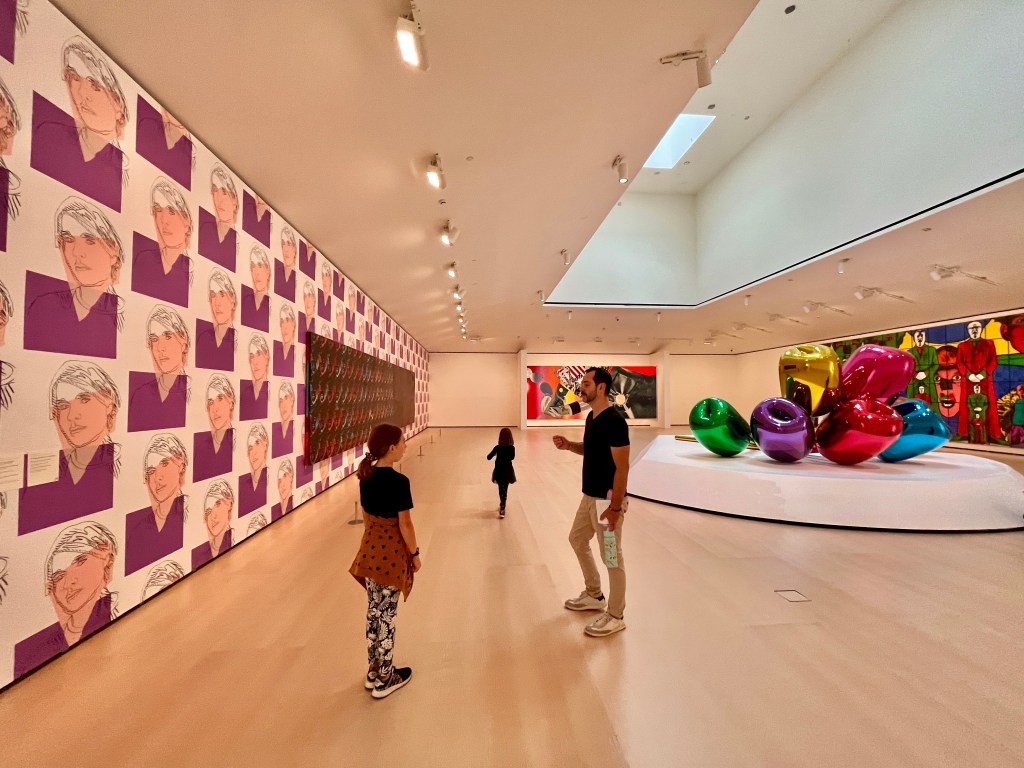
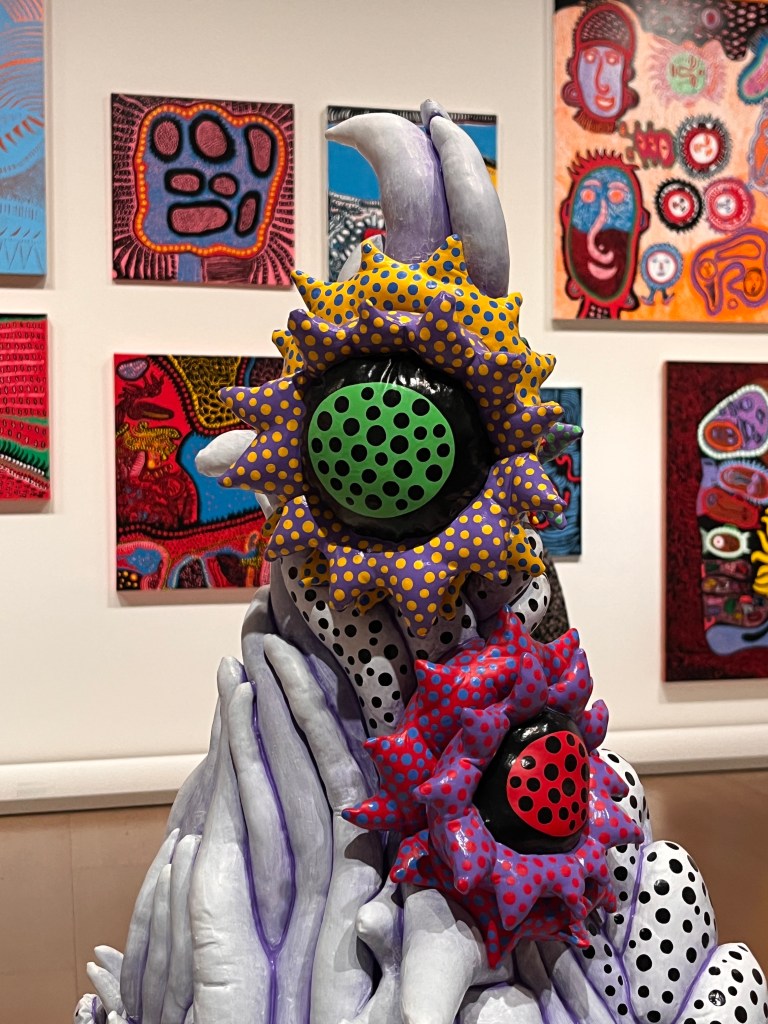
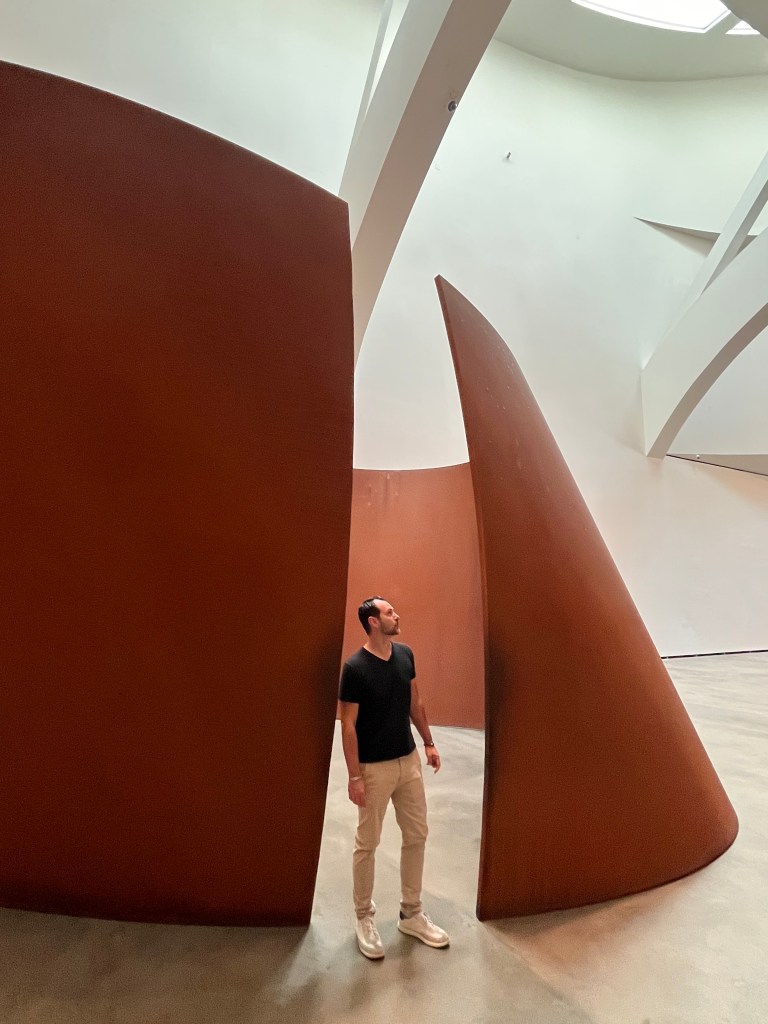
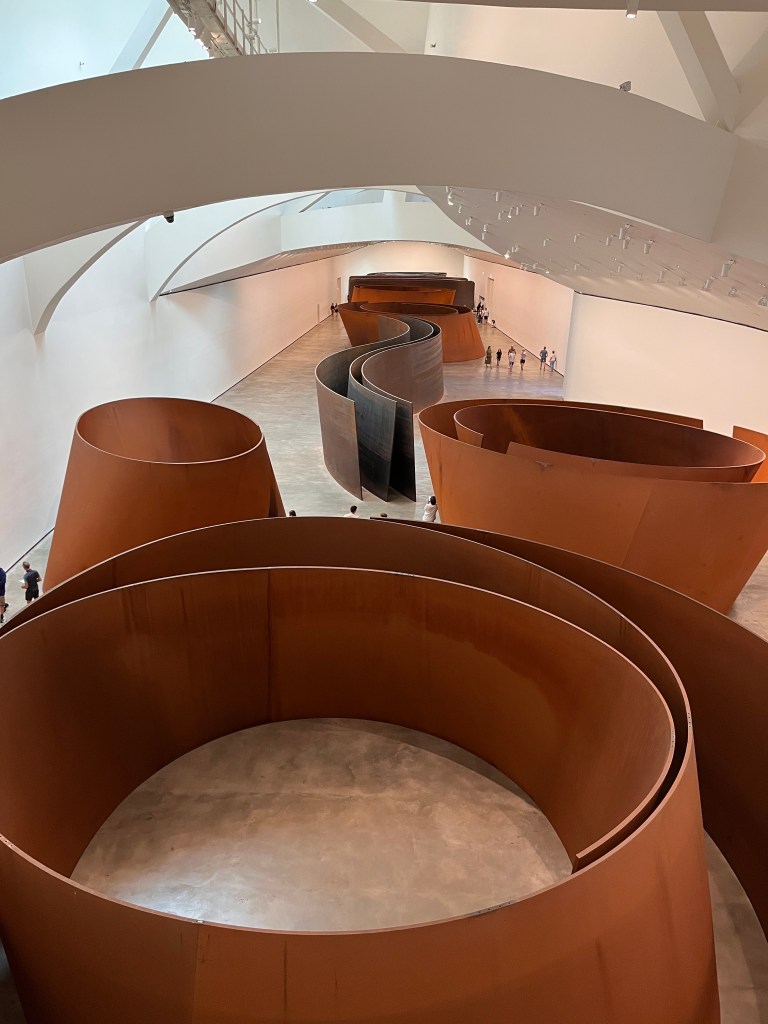
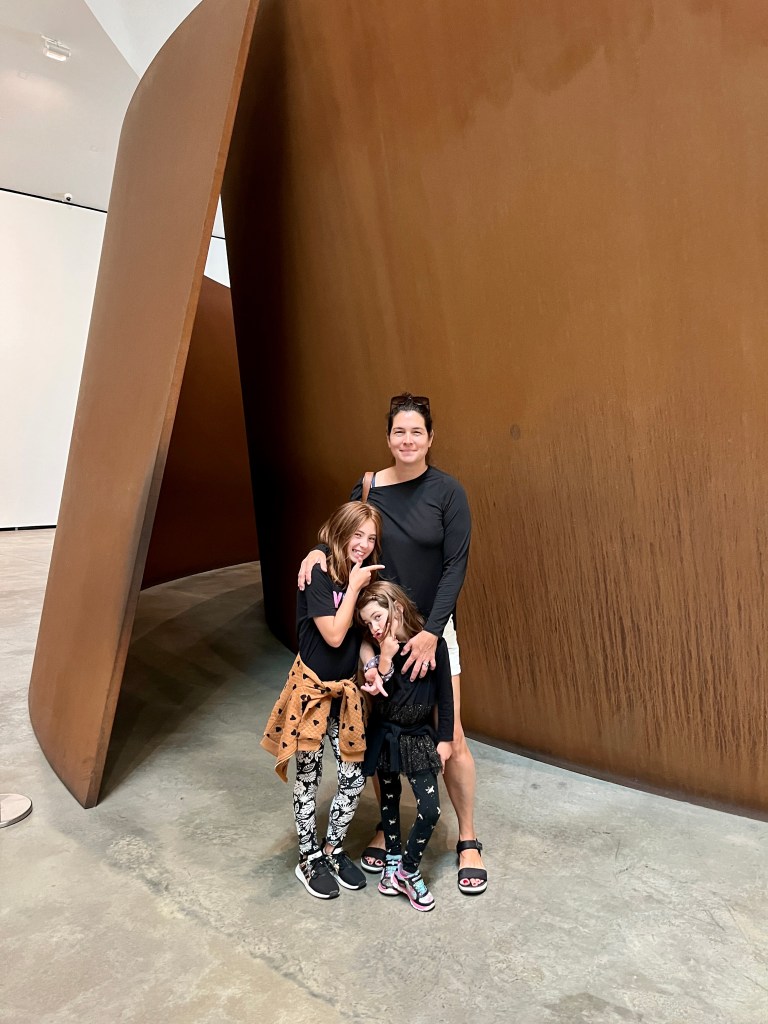
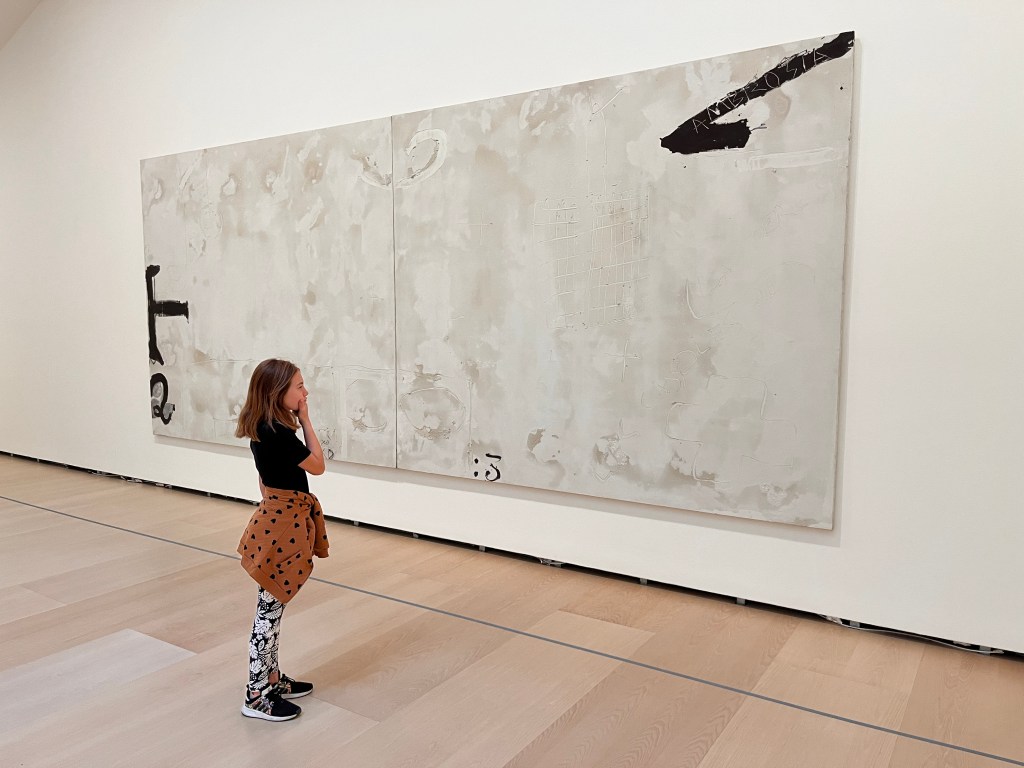
Like the Guggenheim Museum, Bilbao was somewhat enigmatic, full of unexpected surprises that awed and pleased us along the way.
Burgos
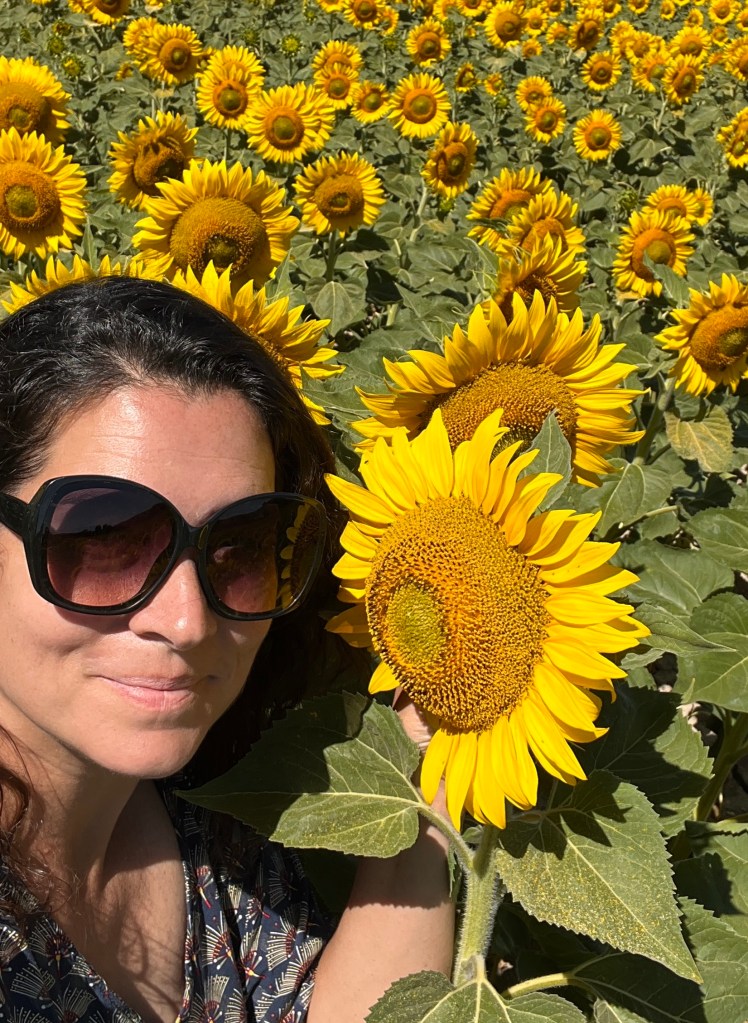
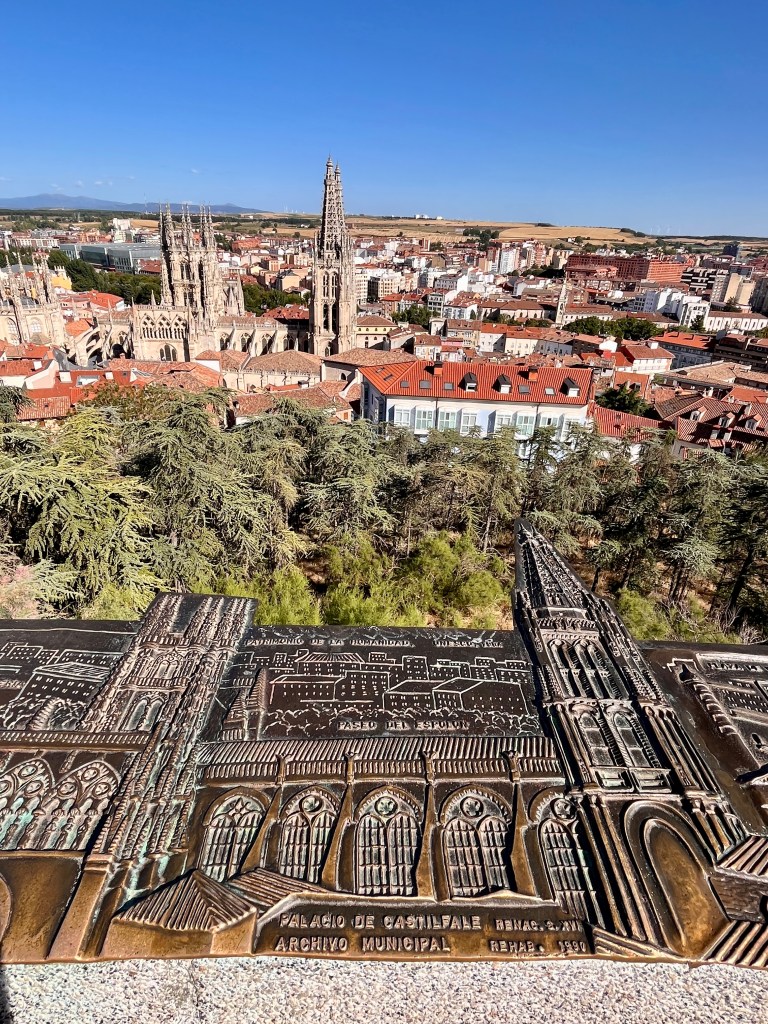
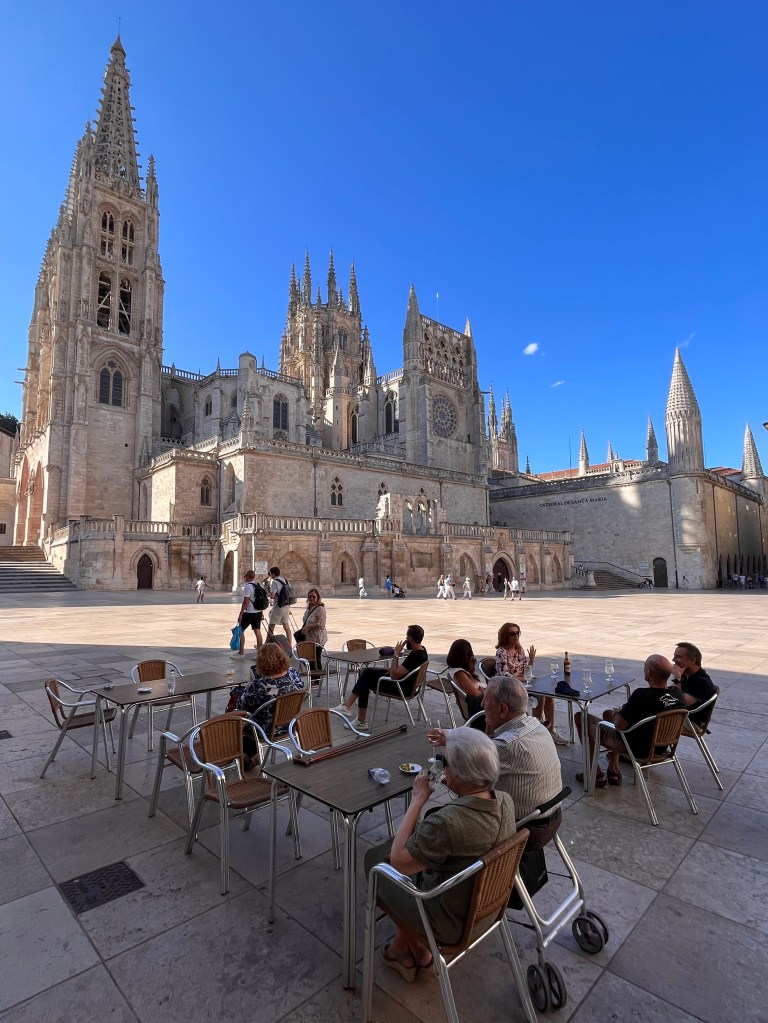
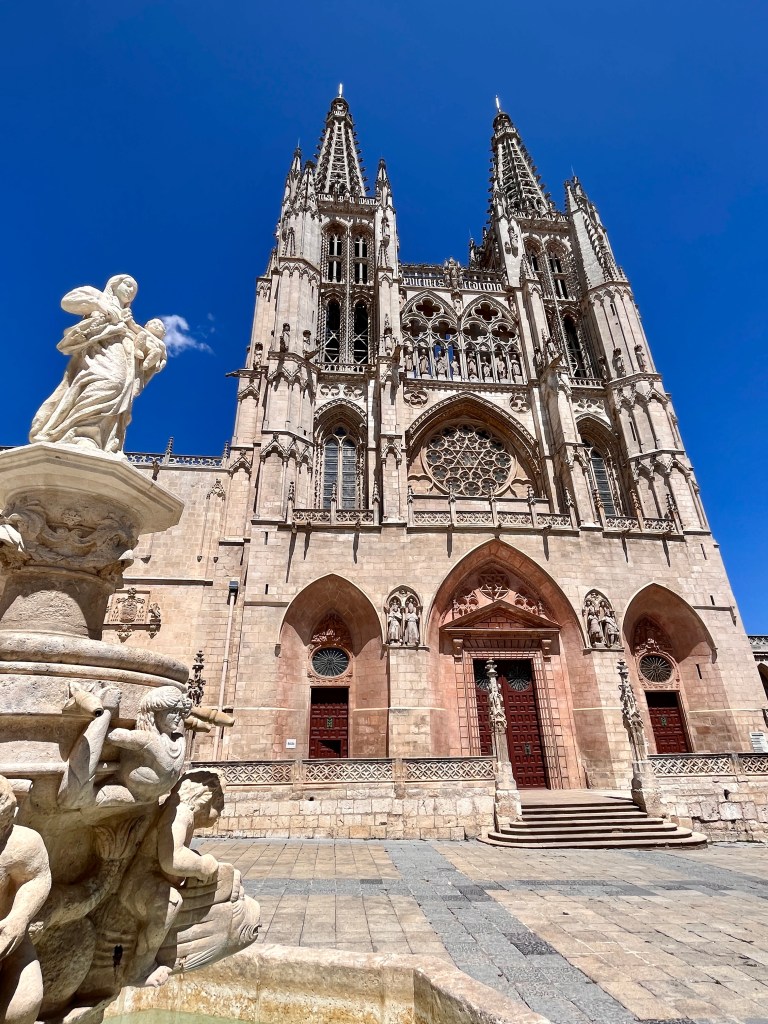
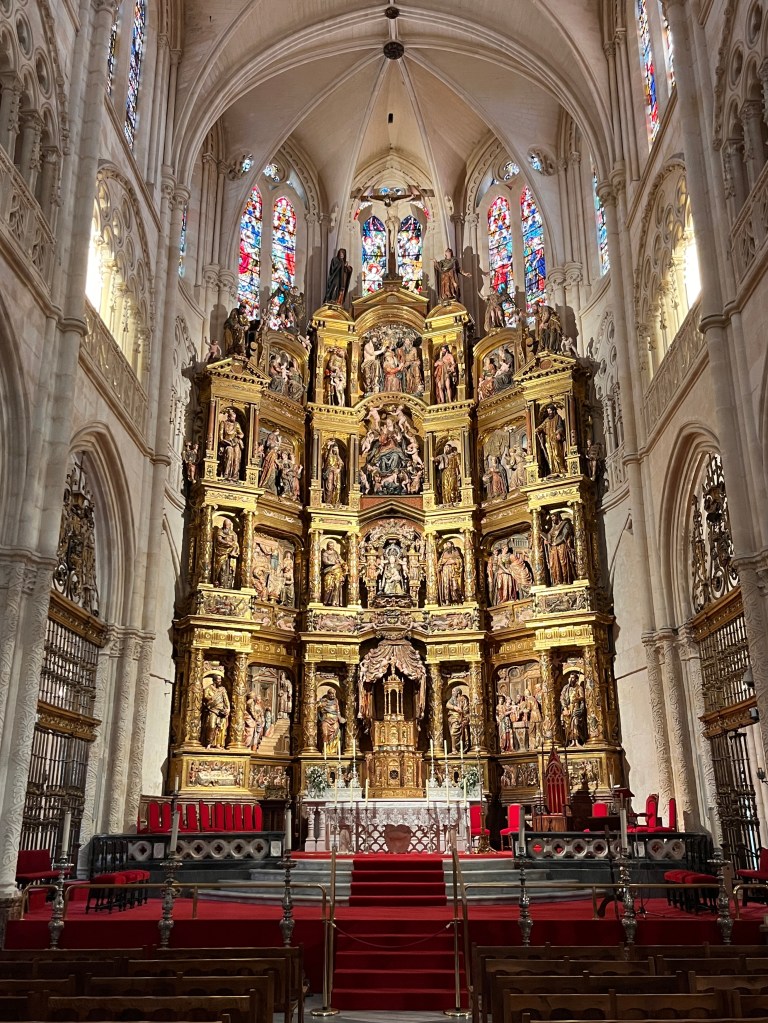
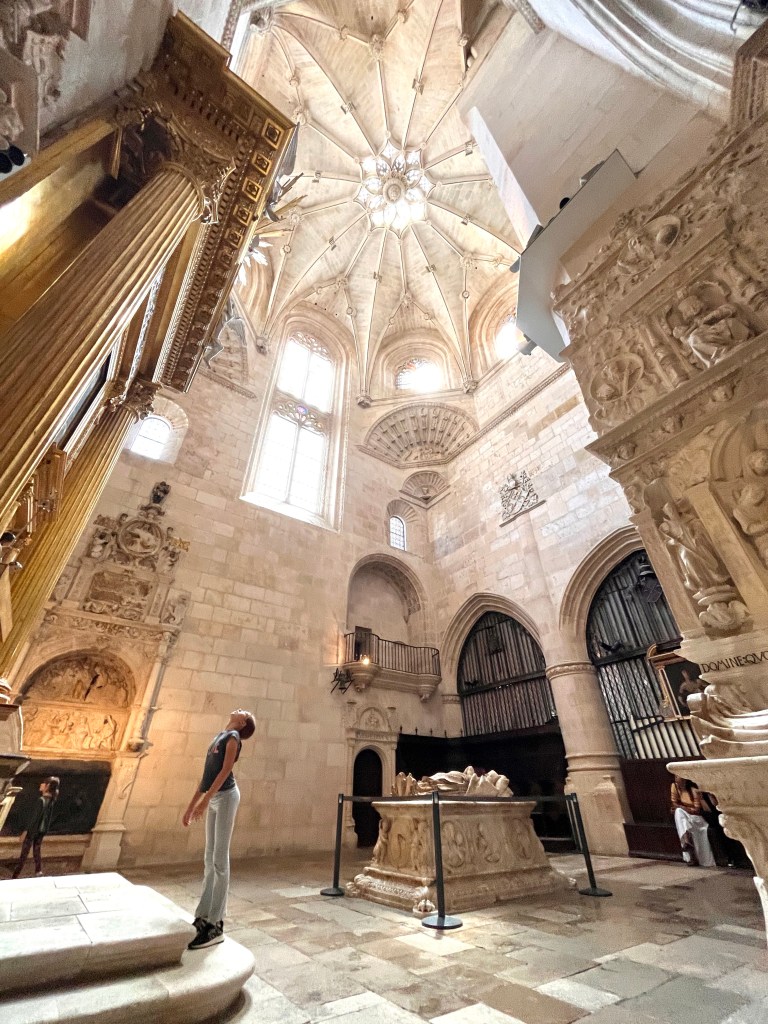
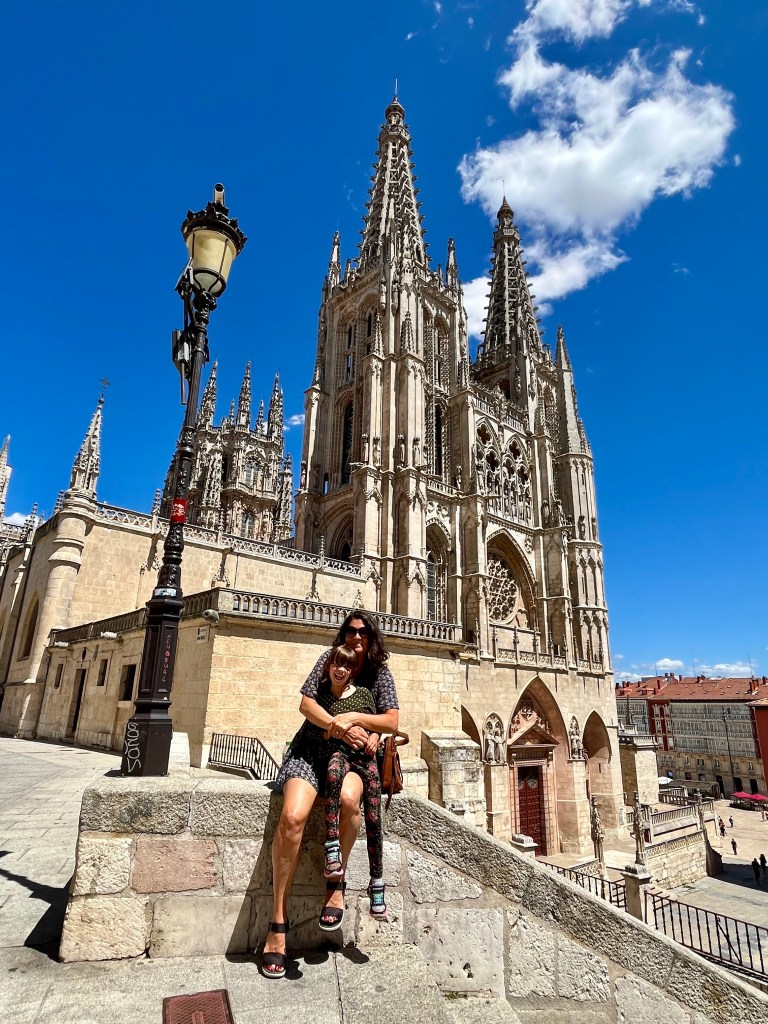
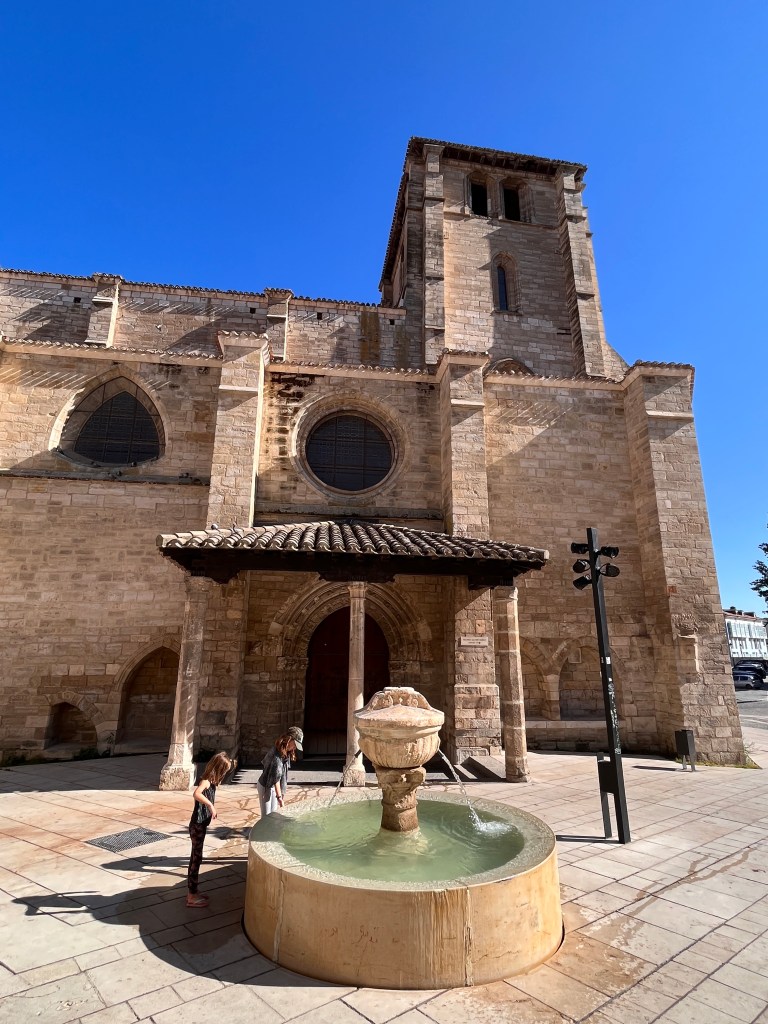
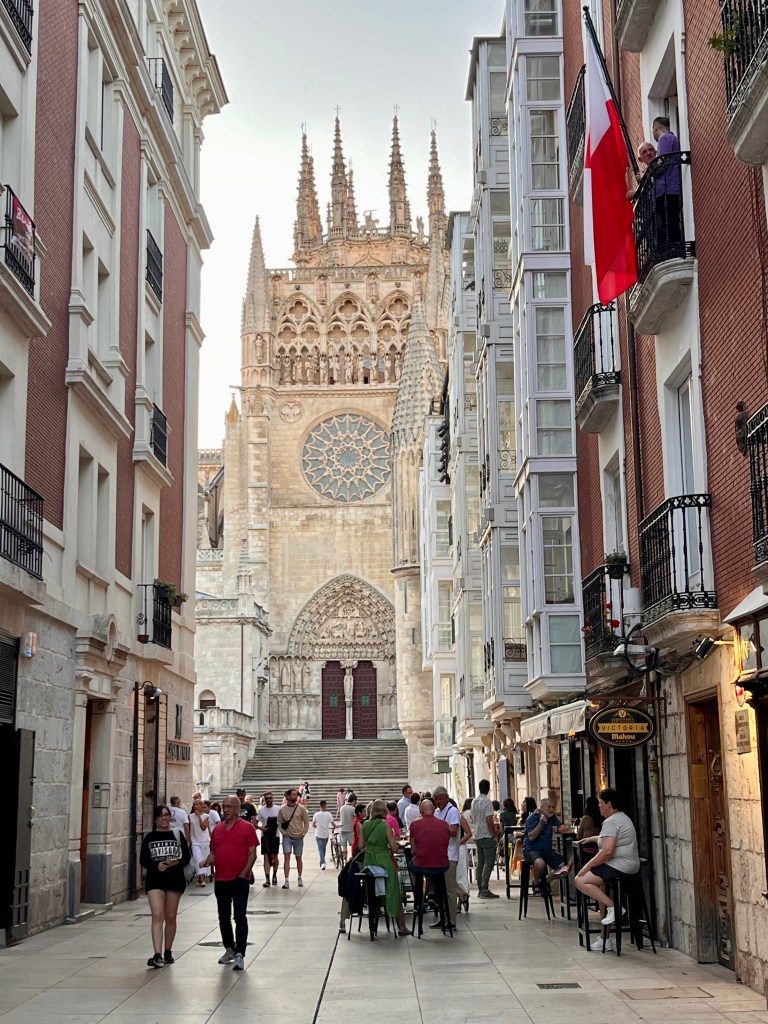
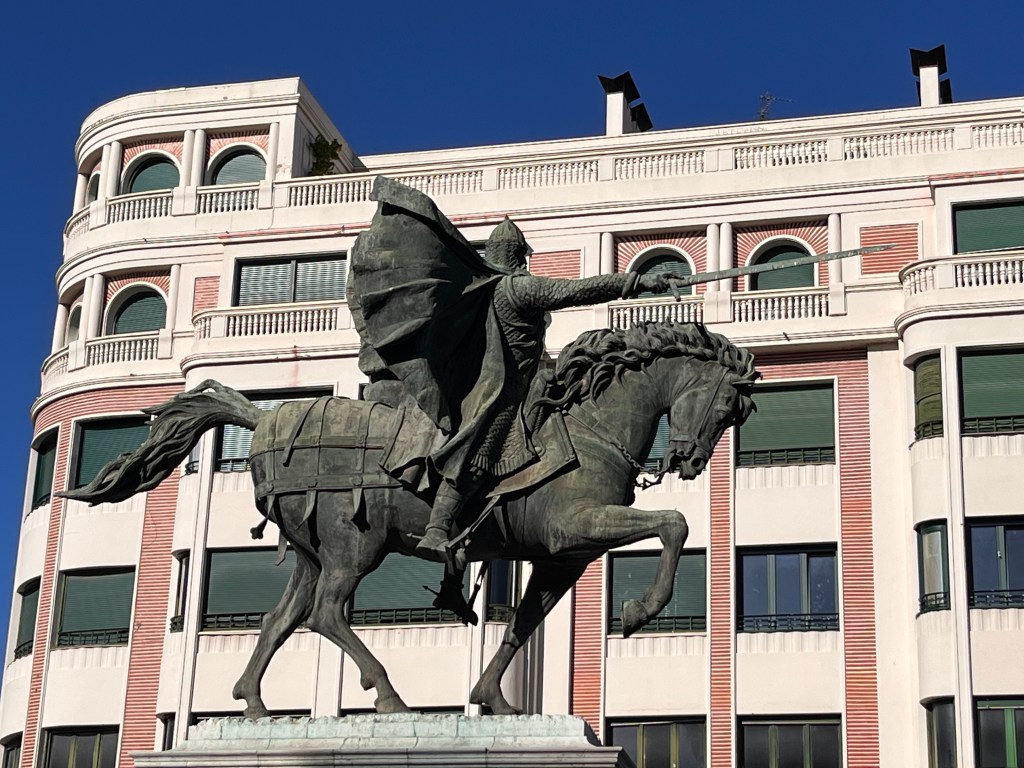
We found Burgos after an hour and half’s drive south from Bilbao. Located in the Castille & Leon province, the city is dominated by the French Gothic Saint Mary Cathedral, perhaps the number one reason Burgos has made a name for itself. The Cathedral was initially built in the 1200s with hiatus of a couple of hundred years. In the 15th and 16th centuries, it underwent a transformation that set it ahead and into the history books. Mostly gothic (constructed by help of French architects and funding from King Ferdinand III), the Saint Mary Cathedral integrates renaissance and baroque styles which contribute to its abundant splendor. All this was visible and noted in our tour of the cathedral as described in its downloadable guide app. As impressive as Saint Mary was, there was a lot more to Burgos than the magnificent cathedral. We found Burgos to be perfectly walkable with a contained city center lined by colorful streets of which all seemed to lead to the cathedral. Beyond the old center, we encountered some of the city’s other beautiful sights set along the Arlanźon tributary. It was there that we came across Plaza del Mio Cid, the setting for an imposing statue of the hometown hero, El Cid or Rodrigo Díaz de Vivar. As a knight and a warlord during medieval Spain, El Cid contributed to staving off Moorish conquests and rose to national hero status. He is a highly celebrated figure not only in Burgos but throughout Spain.
Sad Hill Cemetery
Burgos was surprisingly charming and to our greater surprise was the proverbial icing on the cake, which happened just a 40-minute drive south of the city. When collecting information from the tourism office in Burgos for activities in and around town, we came upon the booklet that featured the setting for the final shootout scene from the legendary film The Good The Bad & The Ugly, one of my favorite movies of all time. Coincidently a couple of months leading up to our European trip, we started listening to much of the film’s soundtrack accompanied by some of the renown clips, chief among them, the Sad Hill Cemetery shootout. Our trip to Sad Hill was as much a pilgrimage to Sergio Leone’s masterpiece film, as it was a trip to a beautiful and mountainous iconic setting. The cemetery has been unearthed by volunteers several years ago, and now serves as an important location to fans of the film who converge upon it from all places around the world. We enjoyed our time there scouring the graves and retracing the steps of Tuco, Blondie and Angel Eyes.
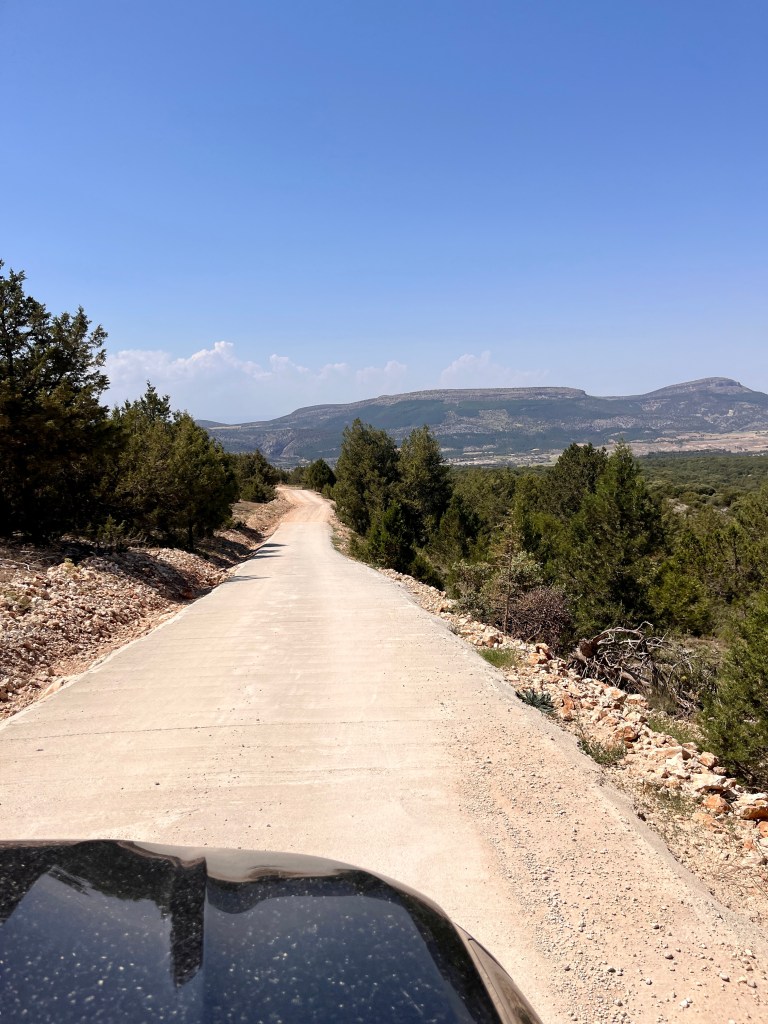
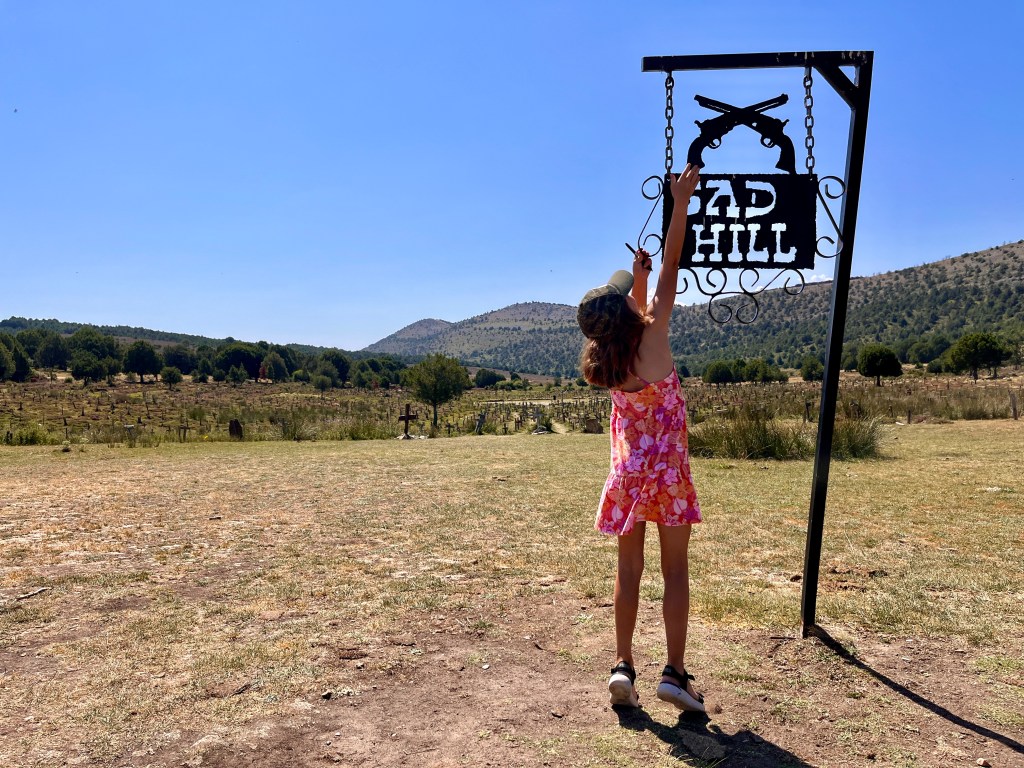
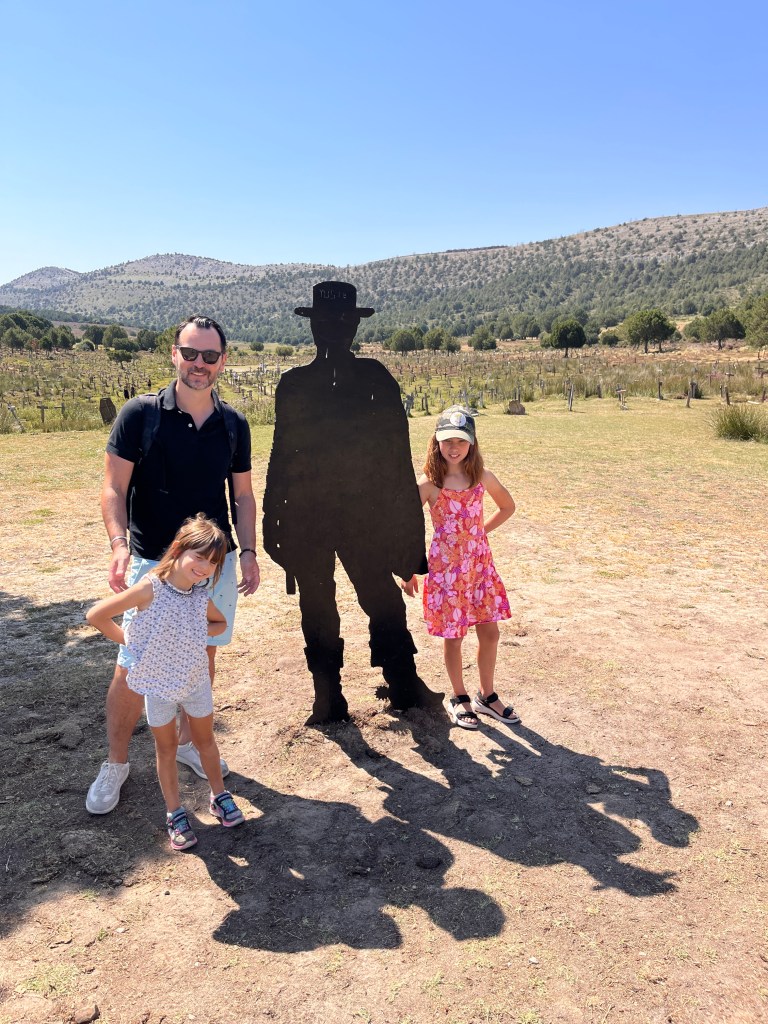
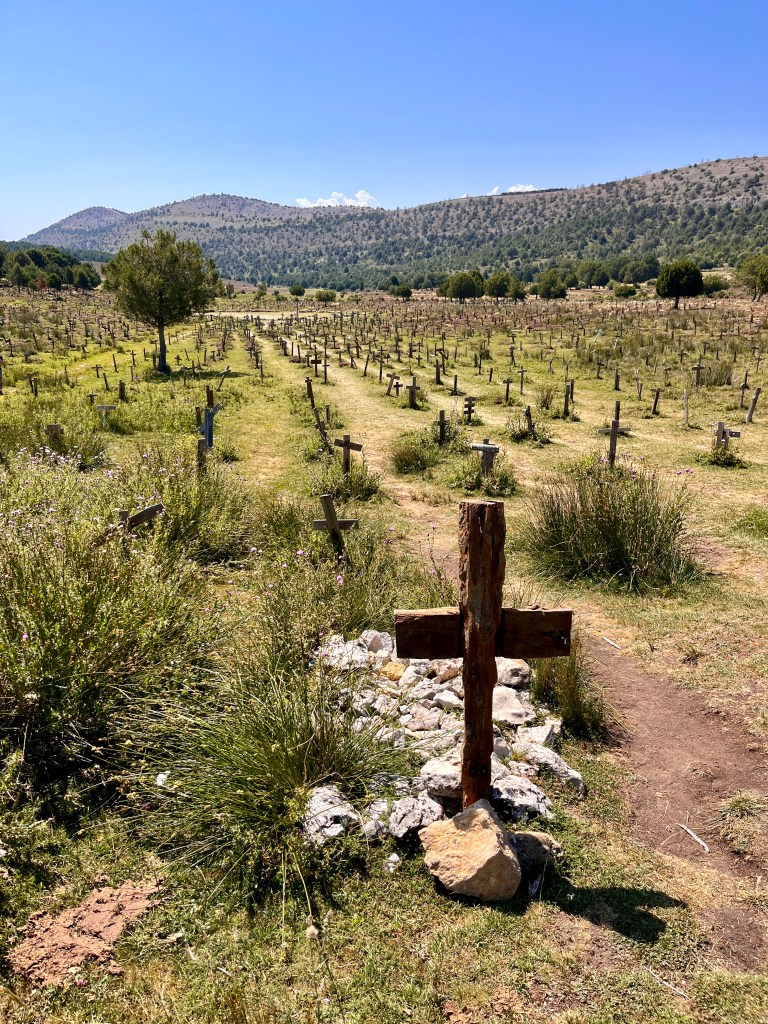
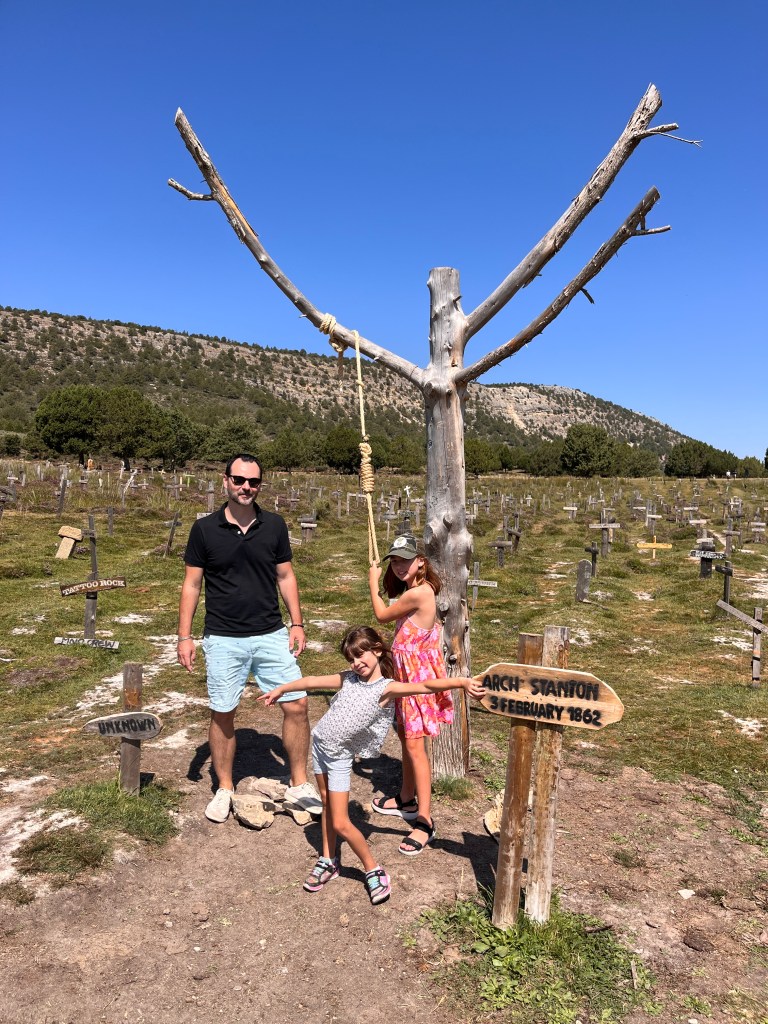
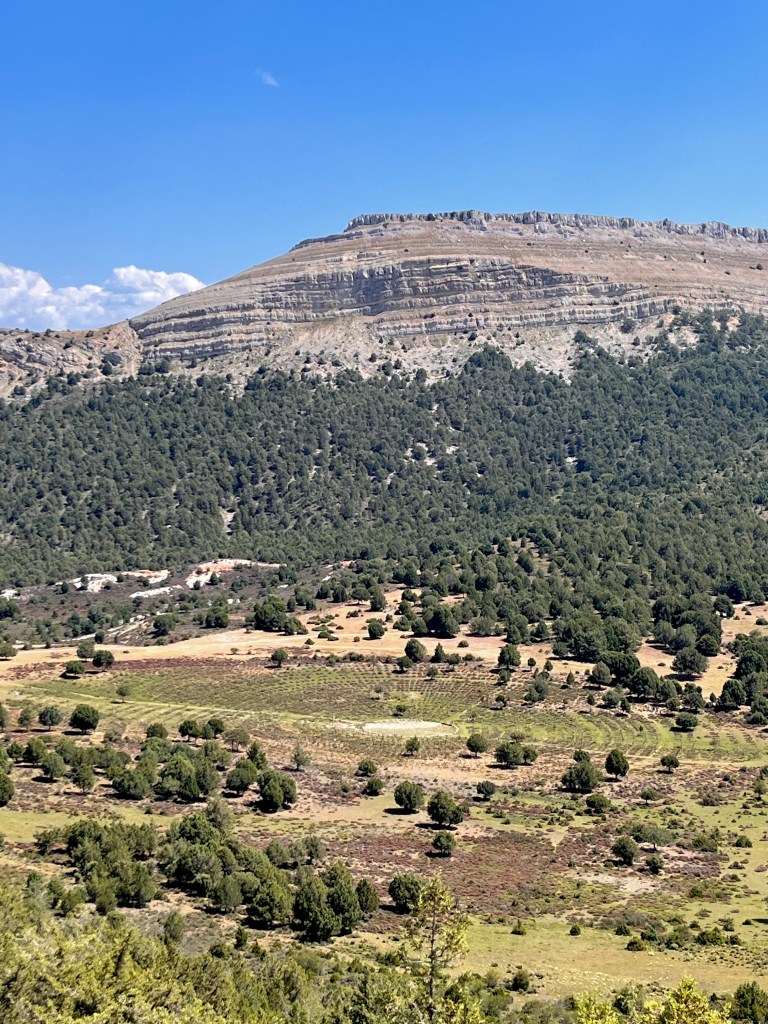
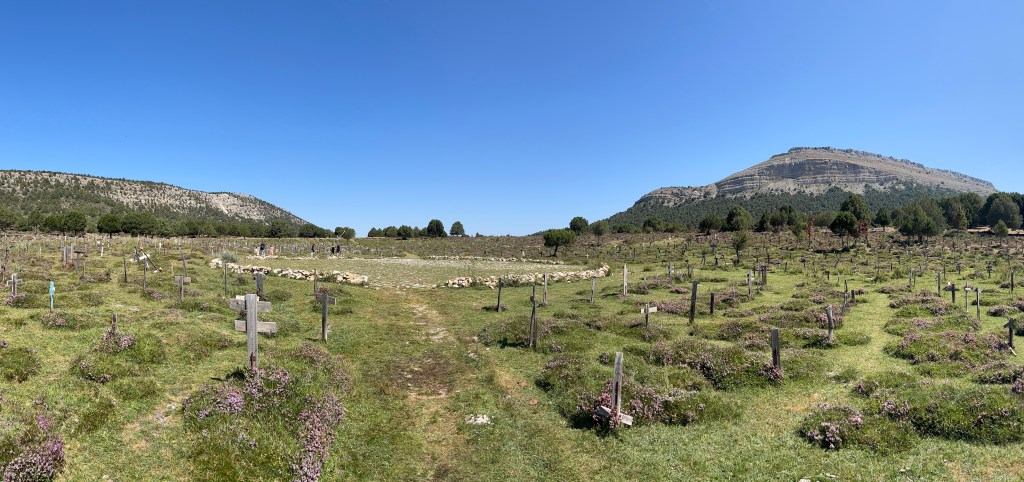
Once we’re back home, it’s only fitting that we watch the film and look for the subtleties of Sad Hill Cemetery that we experienced first hand in the Spanish countryside.
 Our Provençal Year
Wow! Beautifully written and illustrated.
<
div>Wh
LikeLike