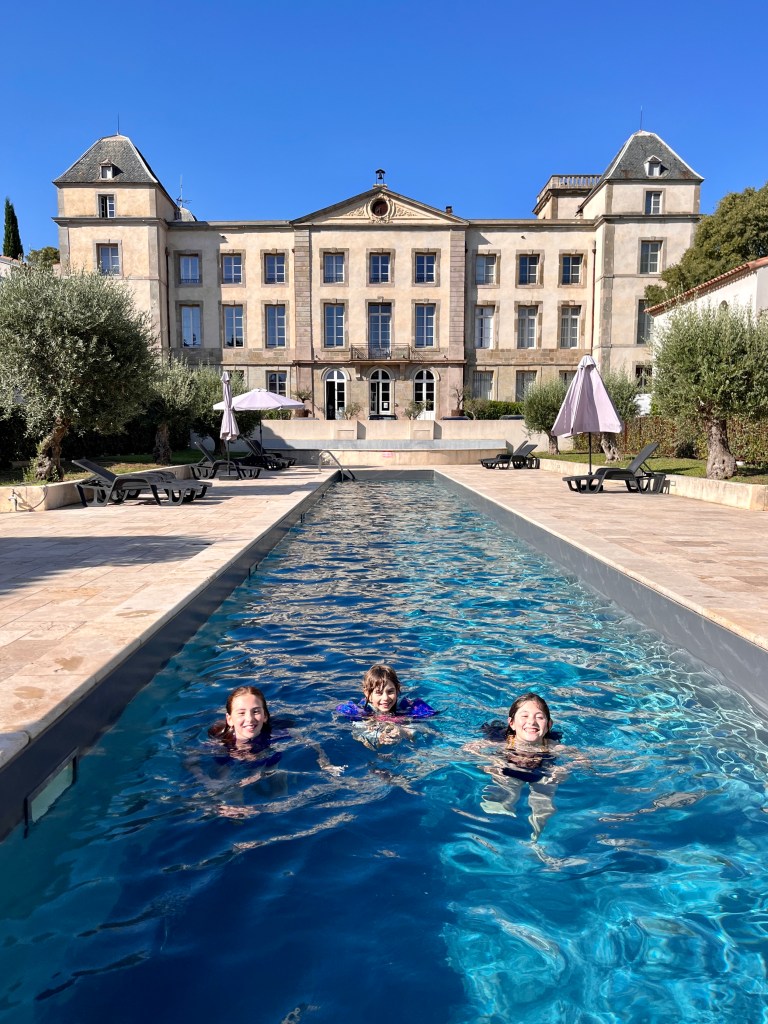
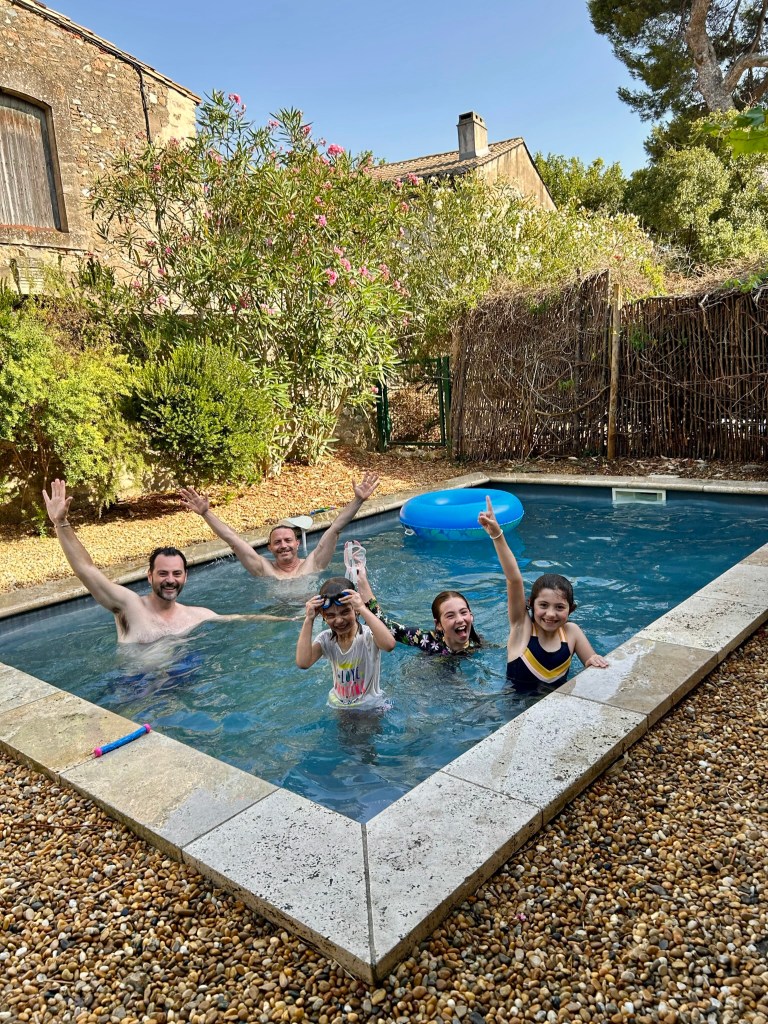
With two weeks of vacation we decided to spend our first week in France and meet up with friends as we made our way from the Var towards Bordeaux and what would ultimately be Spain. We caught up with friends in The Occitanie province which is known for its ancient Roman past, notable cities (among them Toulouse), and a never ending tapestry of vineyards that blanket the vast region. Similar to the Var, the heat reached intolerable levels at times driving us to profit abundantly from our accommodations’ personal swimming pool and a larger shared lap pool courtesy of the hotel complex.
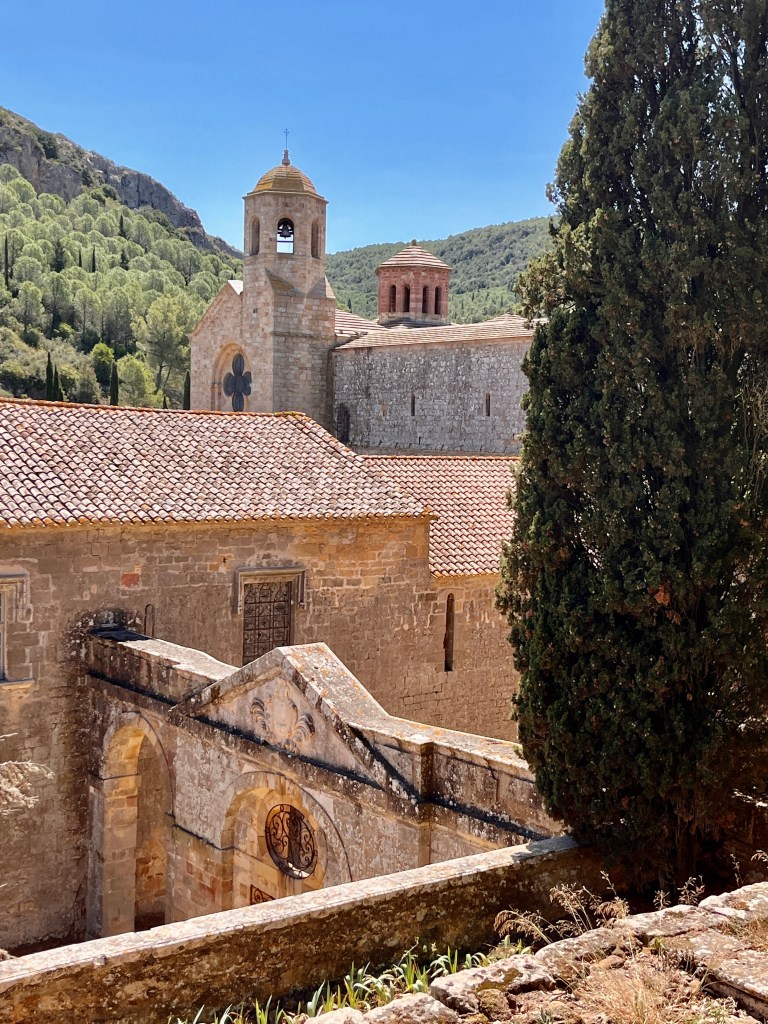
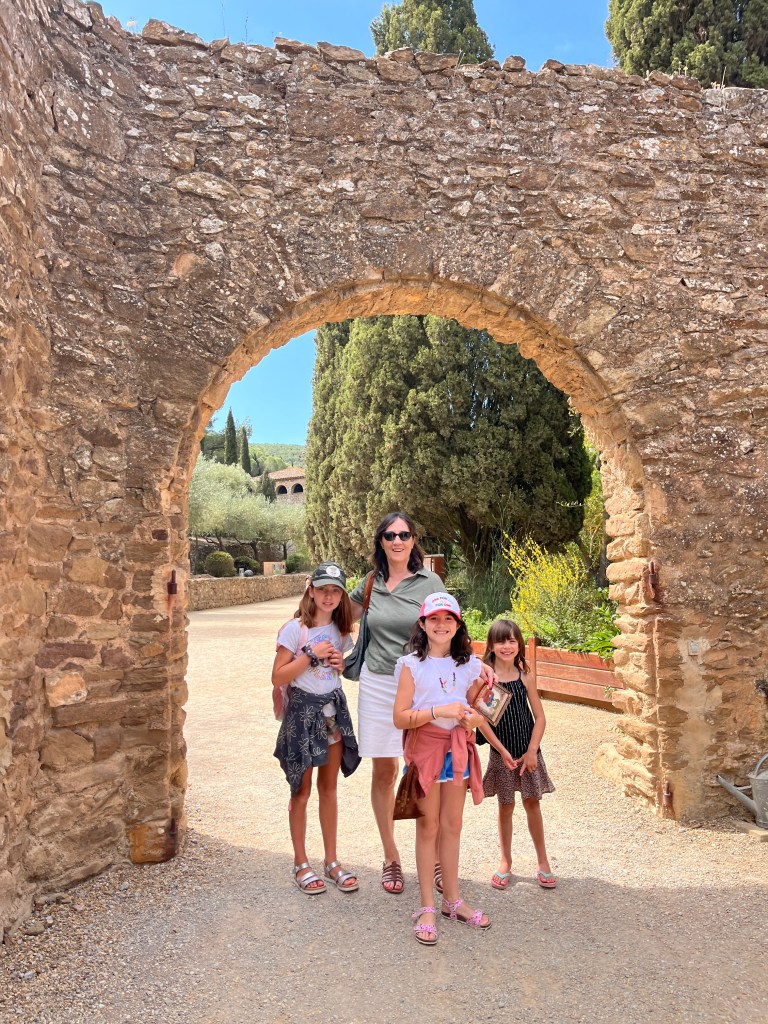
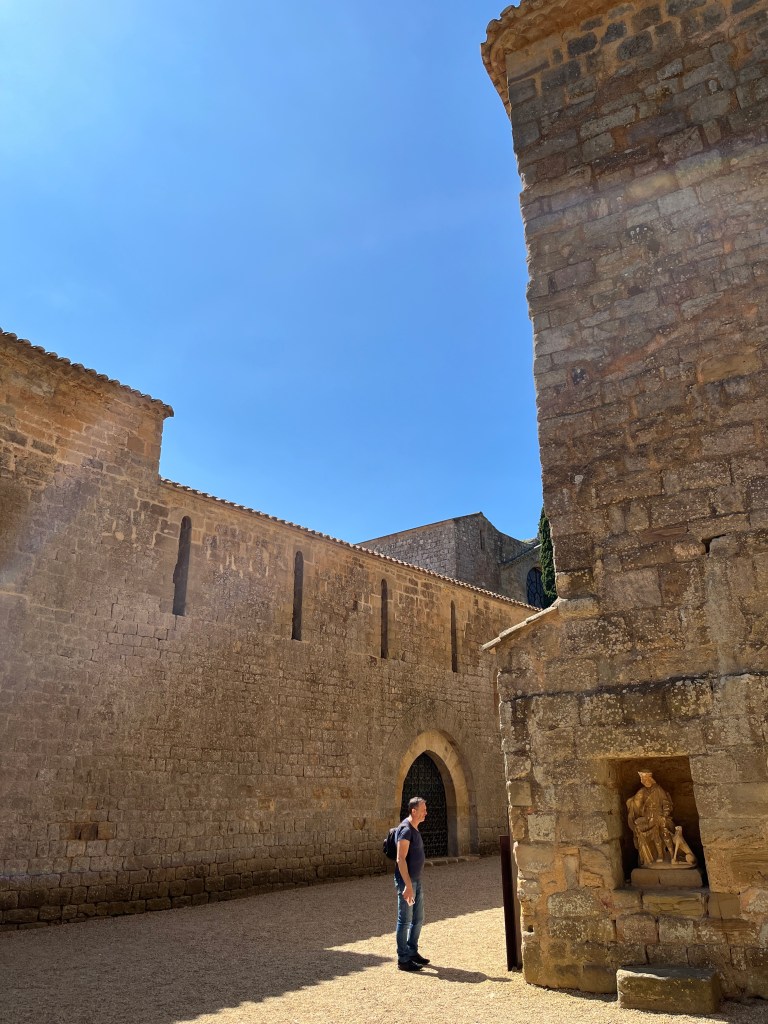
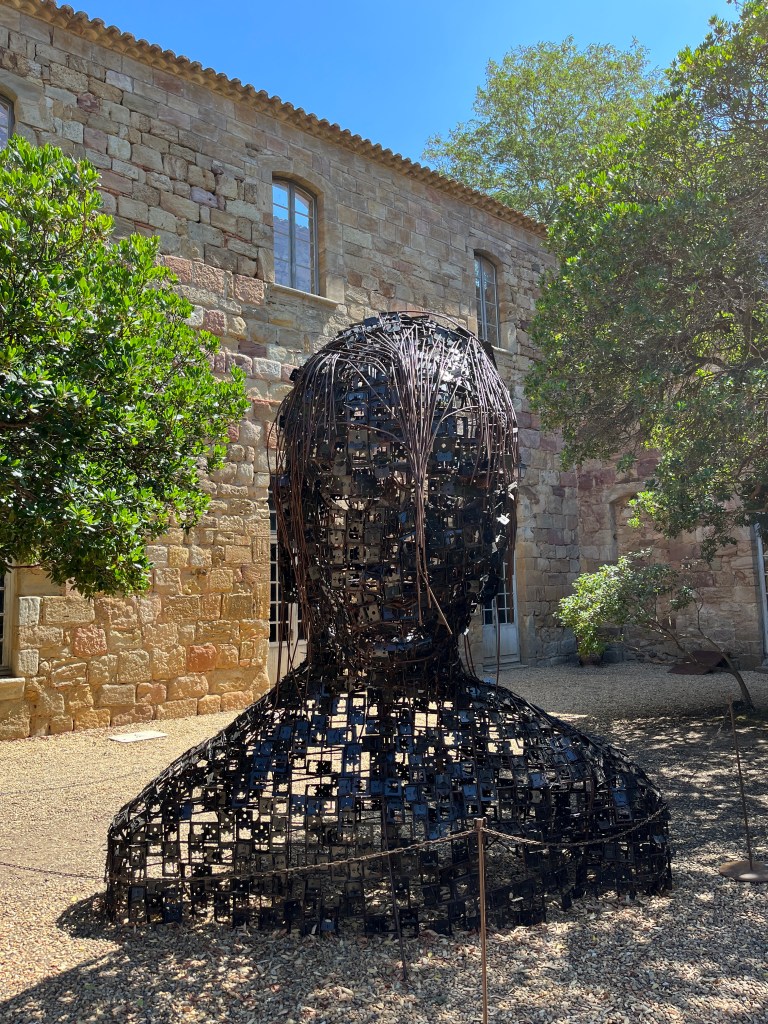
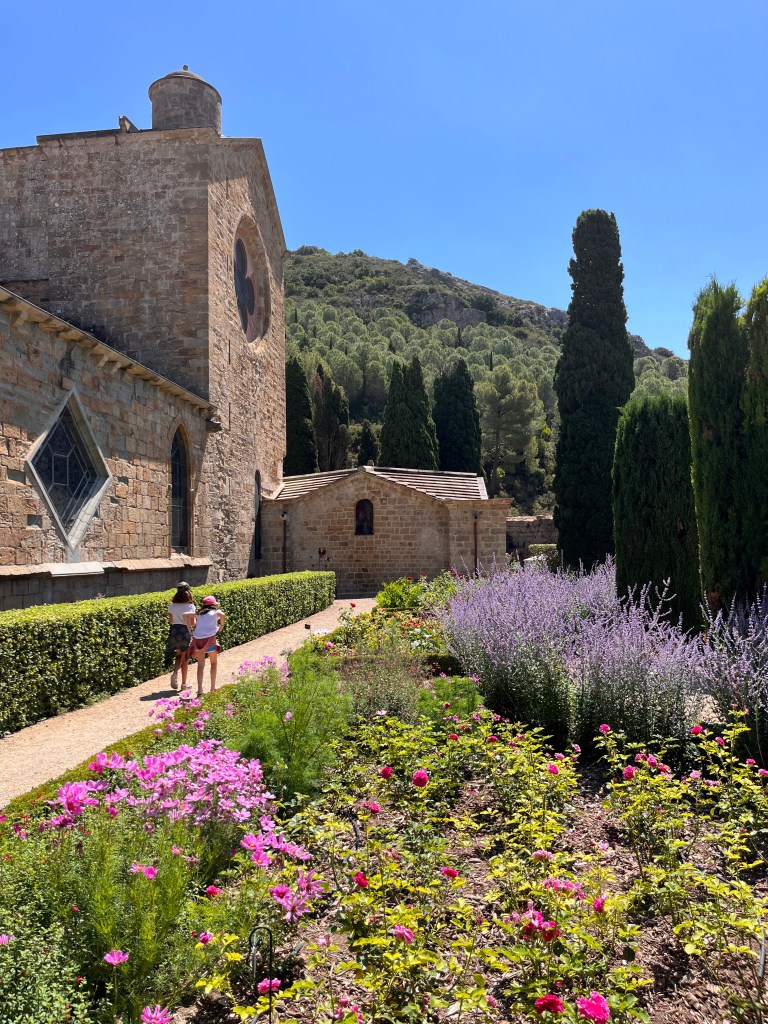
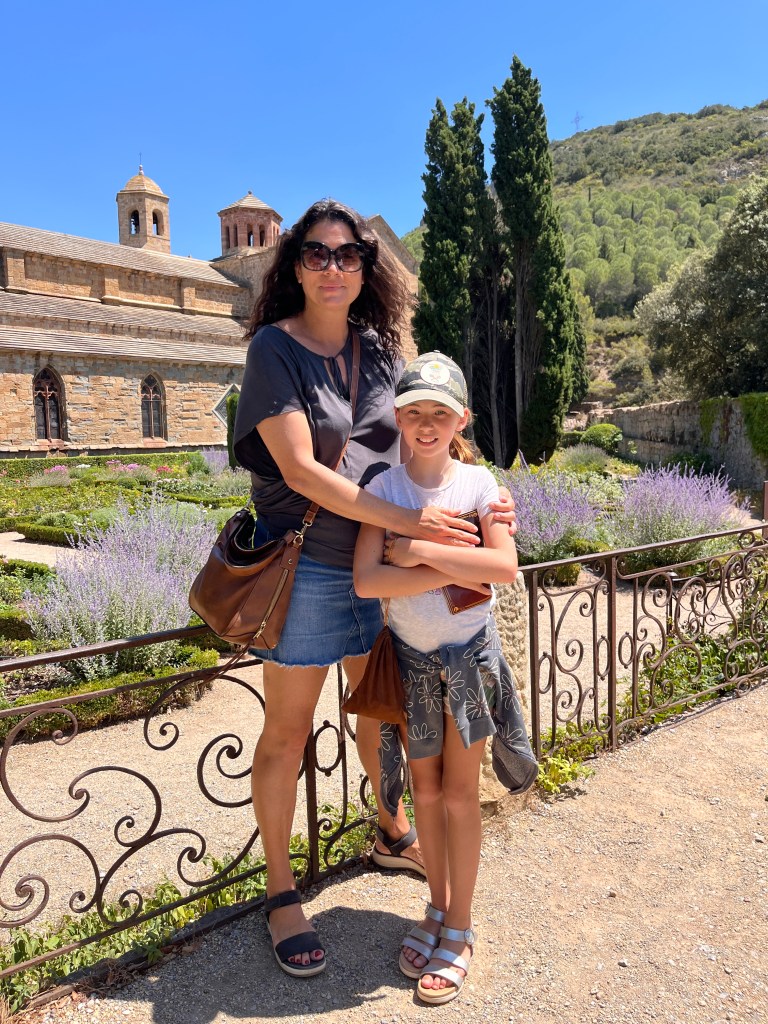
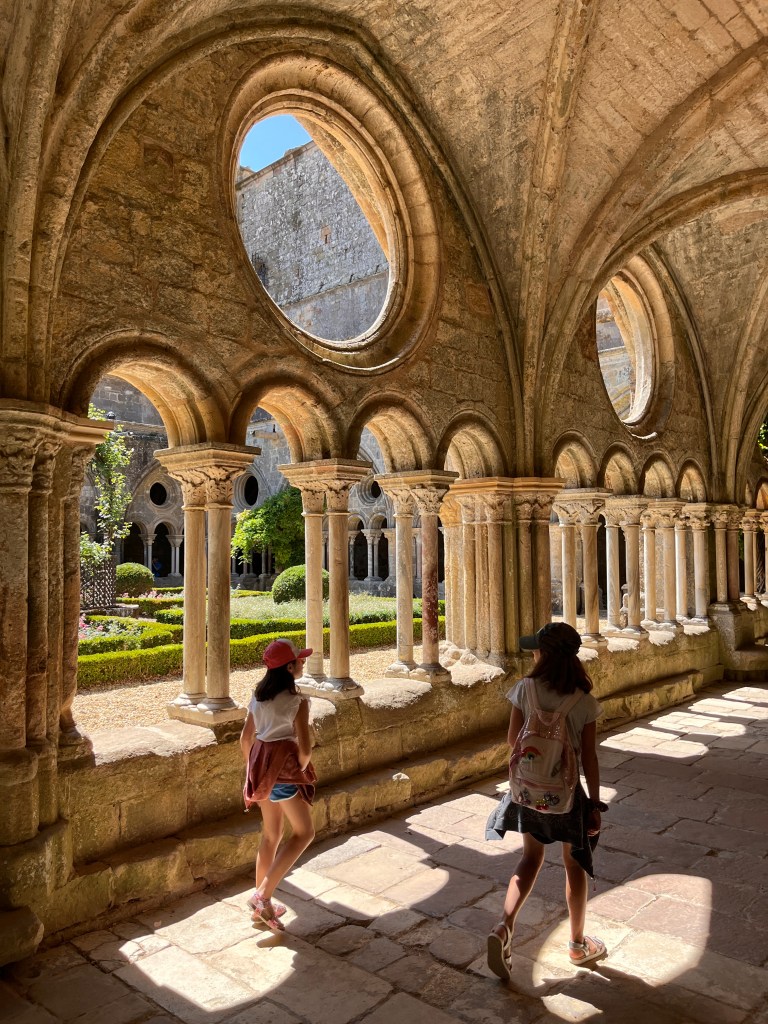
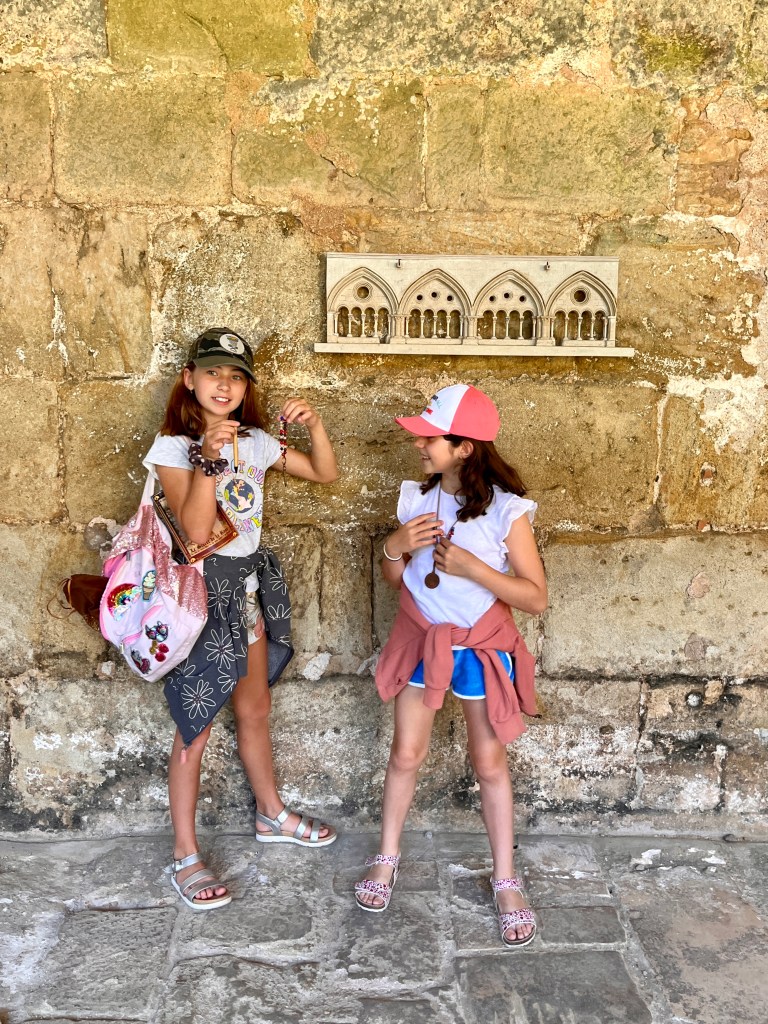
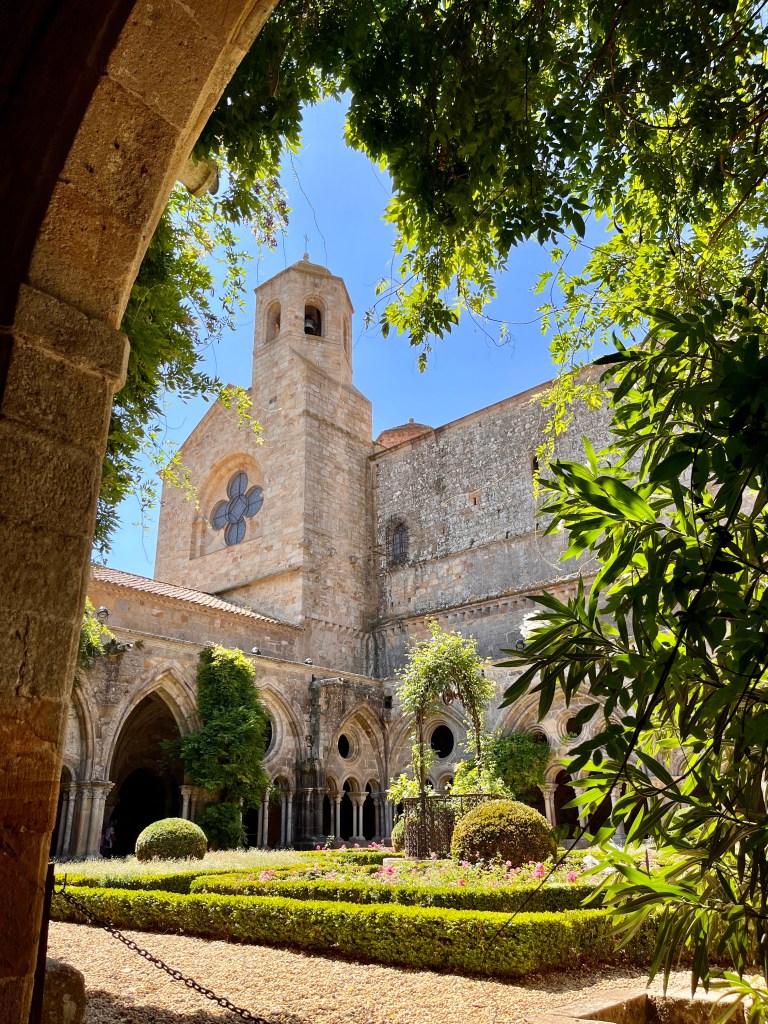
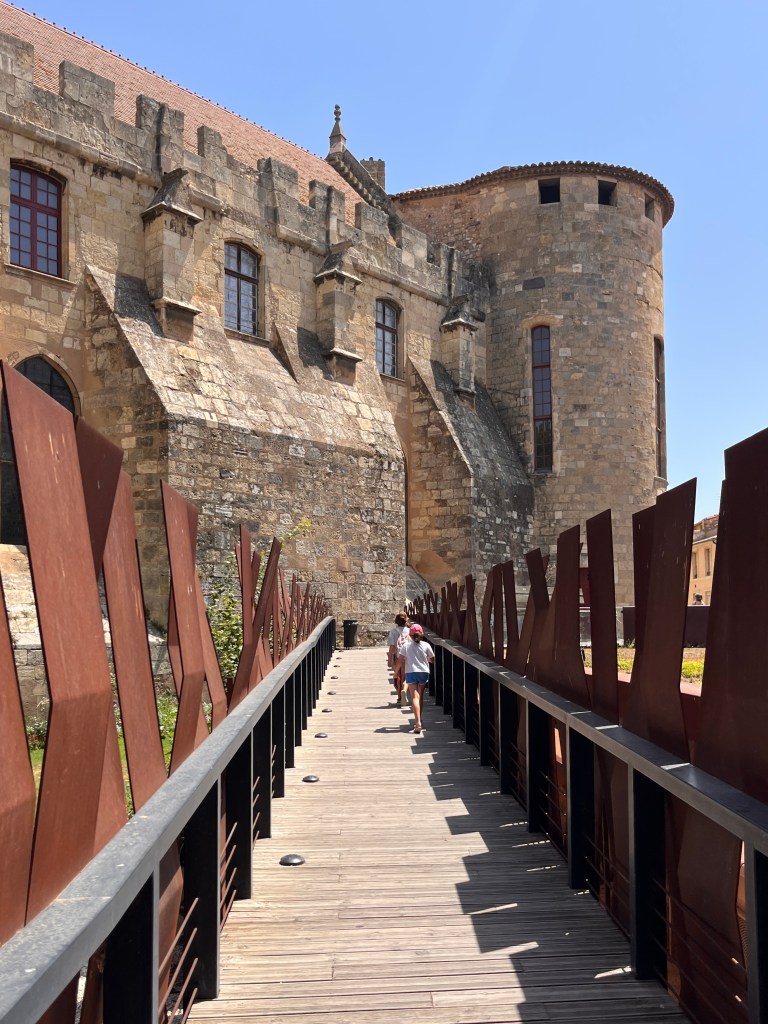
Among things to see in this area are medieval towns, castles, monasteries, caves, and wineries, attesting to the region’s colorful historical past. The sights that got our attention were the Fontfroide Abbey (founded in 1093), and the town of Narbonne. We paid day visits to both sights and enjoyed the bucolic sprawl of the abbey as well as the contrasting urban setting of Narbonne, dissected by the Canal de la Robine (an offshoot of the renown manmade Canal du Midi which links the Mediterranean Sea with the Atlantic Ocean). The abbey or former Cistercian Monastery was an impressive complex with beautiful courtyards and gardens, ornate cloisters and an impeccable state of preservation. There’s a noticeable maintenance effort in play there and there’s hospitality and entertainment that takes place on the ground in form of dining, wine tastings (of the Abbey’s own winery), and concerts. Fontfroide was a bridge to a centuries old past and for the girls it was also a treasure hunt challenge (provided by the ticket reception), as they worked together to find all of the hidden spots scattered throughout the abbey’s grounds, for a reward at the end. We’ve noticed more and more places are offering these types of activities as a fun and creative way to engage kids. The setting could not have been more perfect for it!
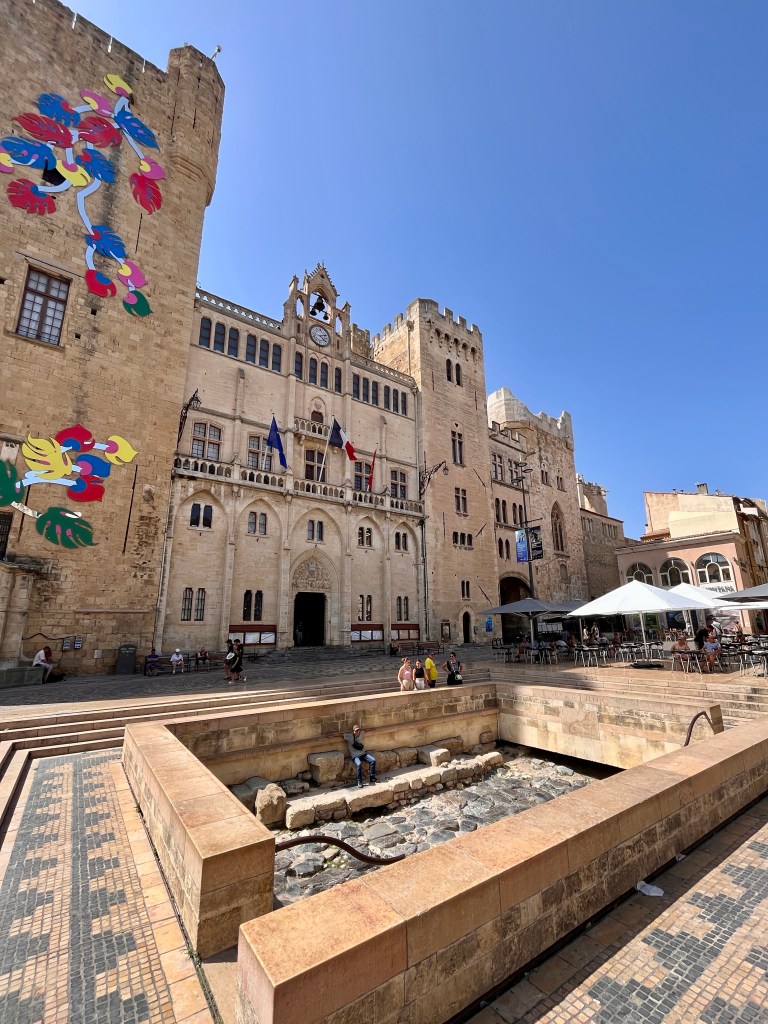
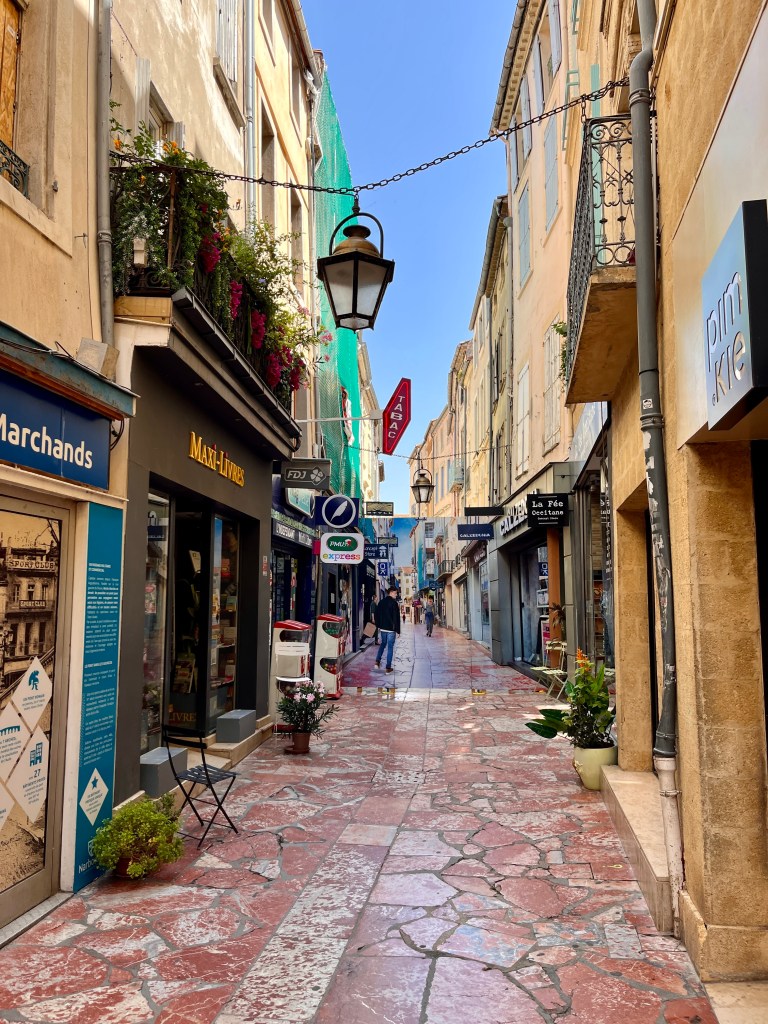
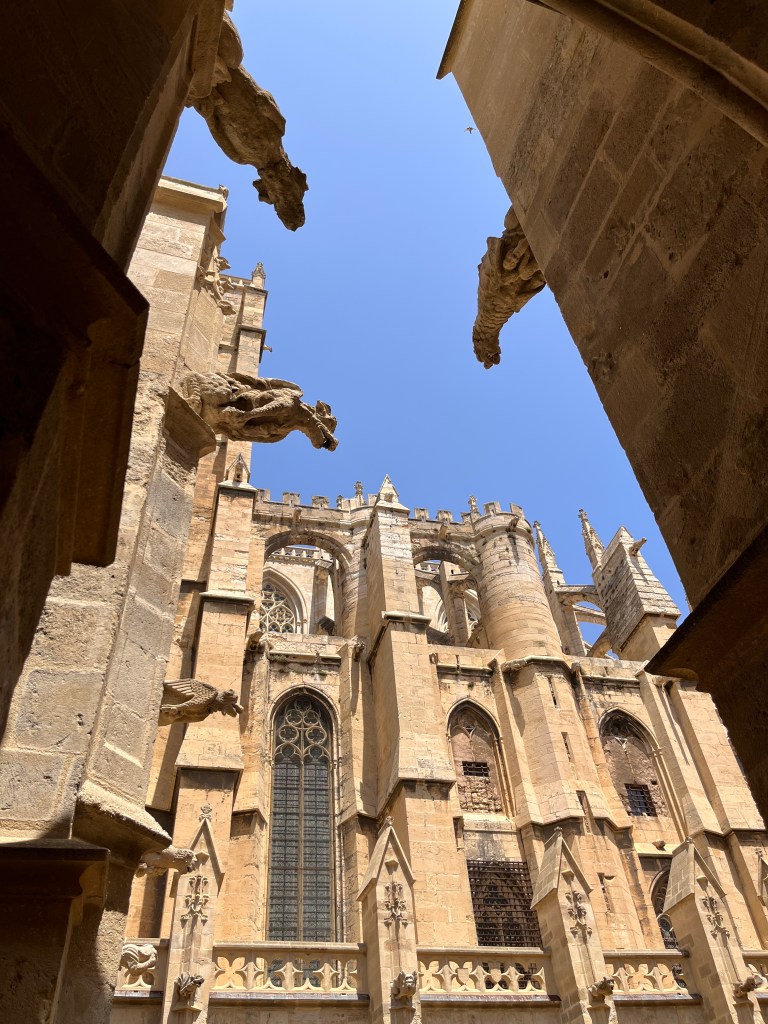
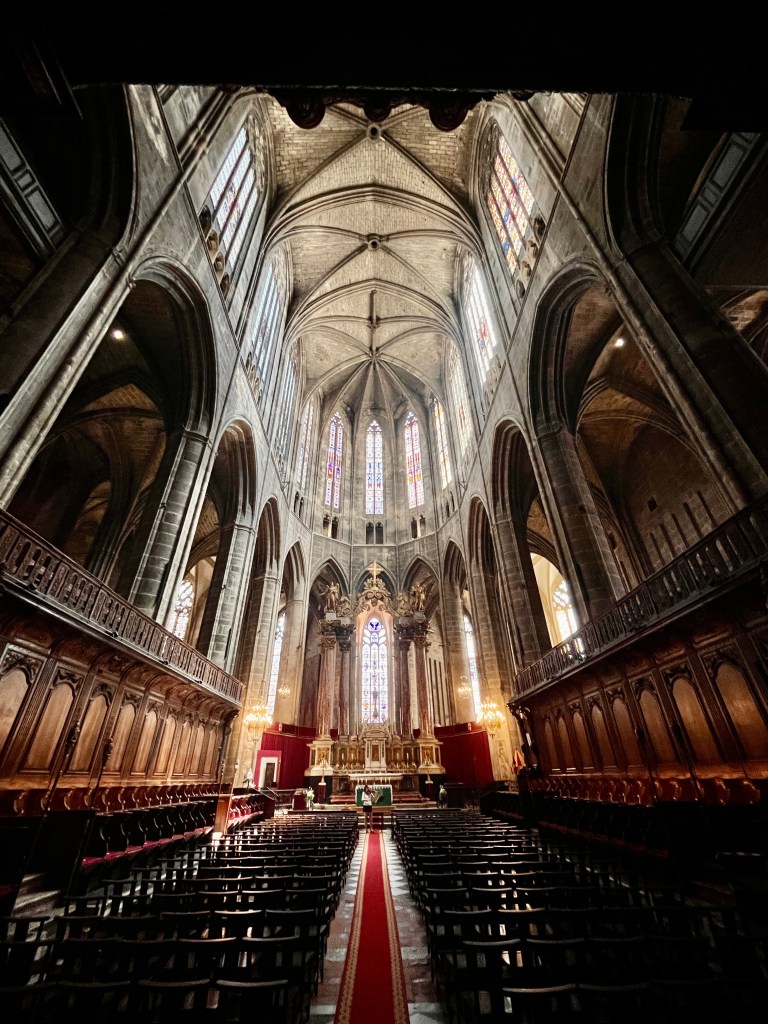
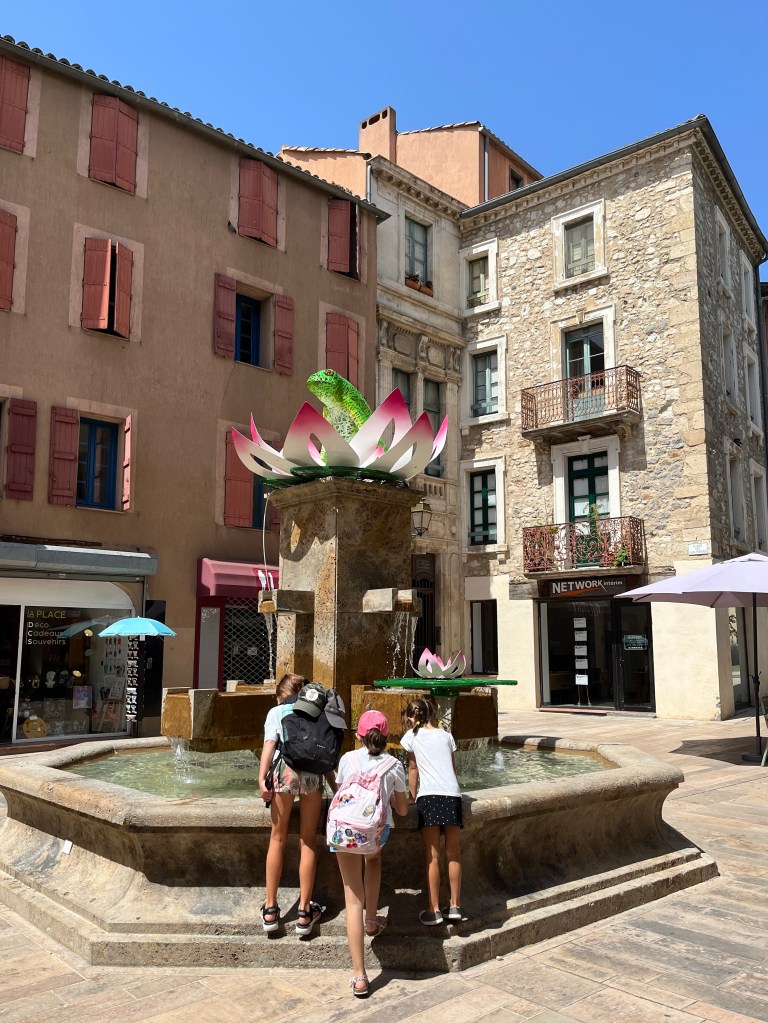
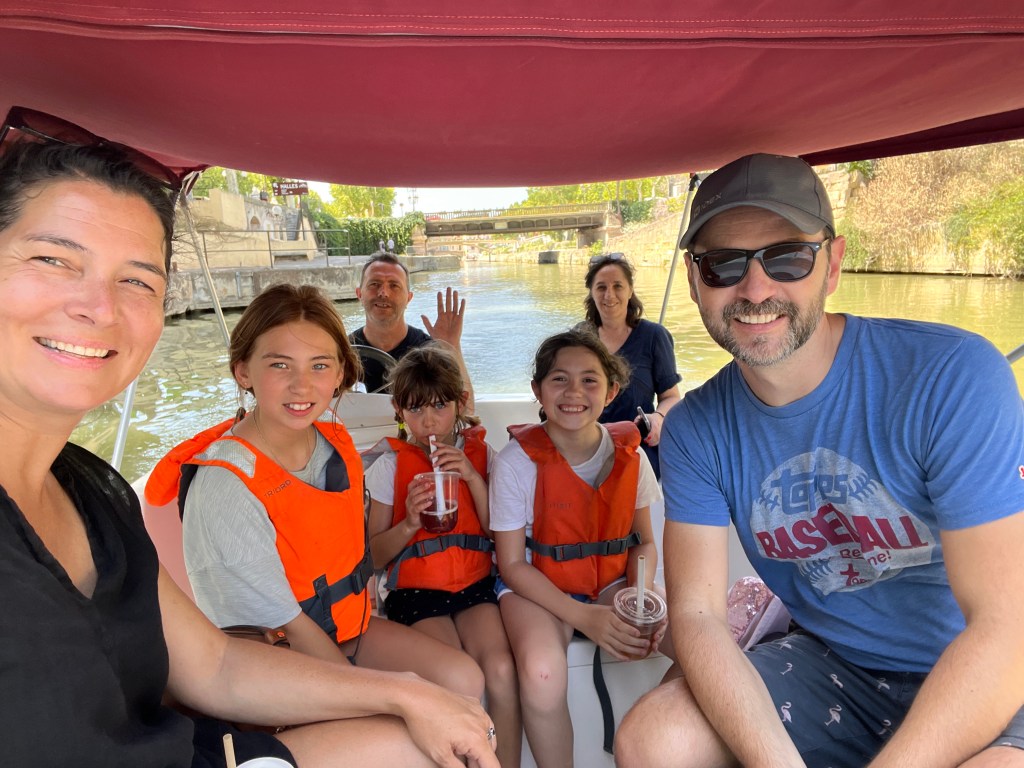
In contrast to the dreamy countryside setting of Fontfroide, our visit to Narbonne was as much a visit of the historic town as it was an exercise in keeping cool on a day in which temperatures climaxed in the mid-90s degree Fahrenheit range. Our visit of Narbonne emanated from the office of tourism where we planned our route of the top sights and also got inspired to book a boat trip on the Canal de La Robine to gain a different perspective of the town and its surroundings. Narbonne too played a role in Roman history and is the site of the first Roman road in ancient France known as Gaul (the Via Domitia). Part of the via sits in front of the Palace of the Archbishops in the Place de l’Hôtel de Ville of city hall, which is a great access point to other attractions, including the Saint Justus & Pastor Cathedral (constructed between 1272 – 1340 but never fully completed). The gothic style cathedral served as the seat of the Archbishop of Narbonne and spoke of grandeur and power.
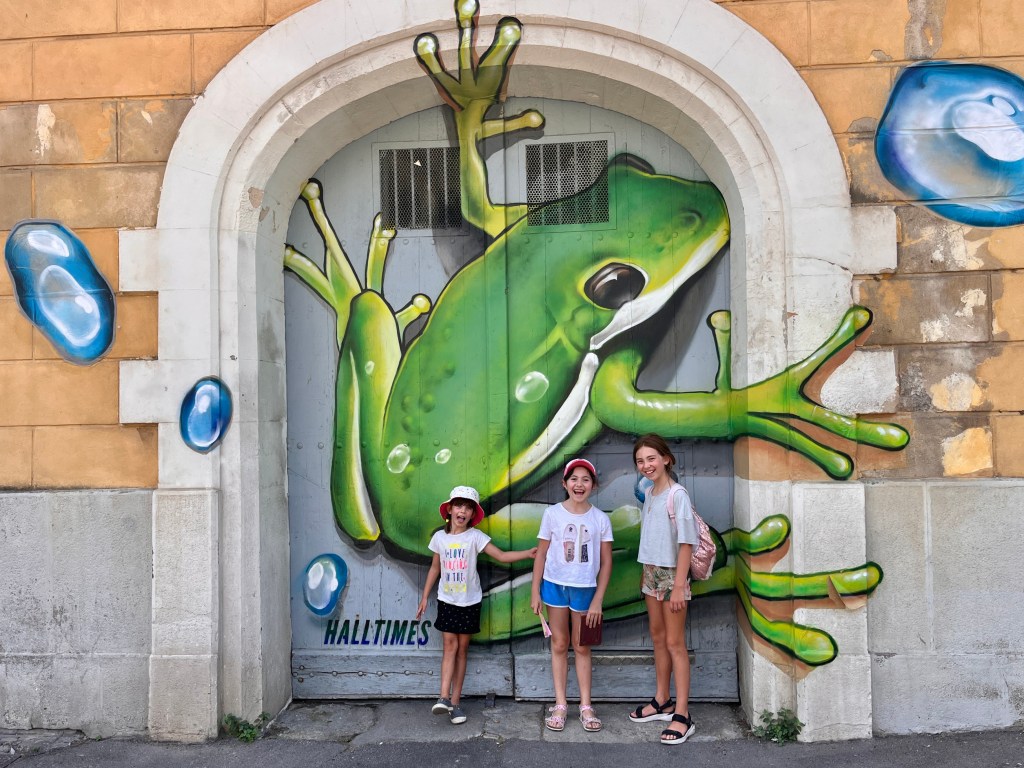
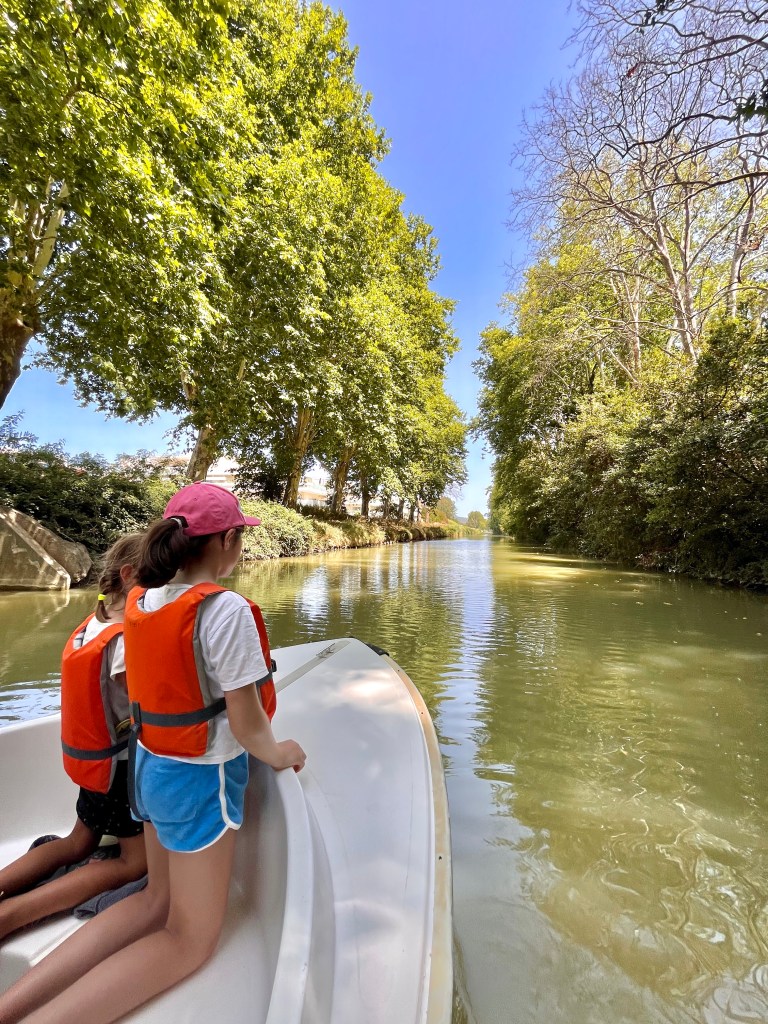
Our three days together enriched us with time spent with great friends and the cultural experiences we shared in (not to mention some great regional wines from Languedoc-Rousillon).

Toulouse
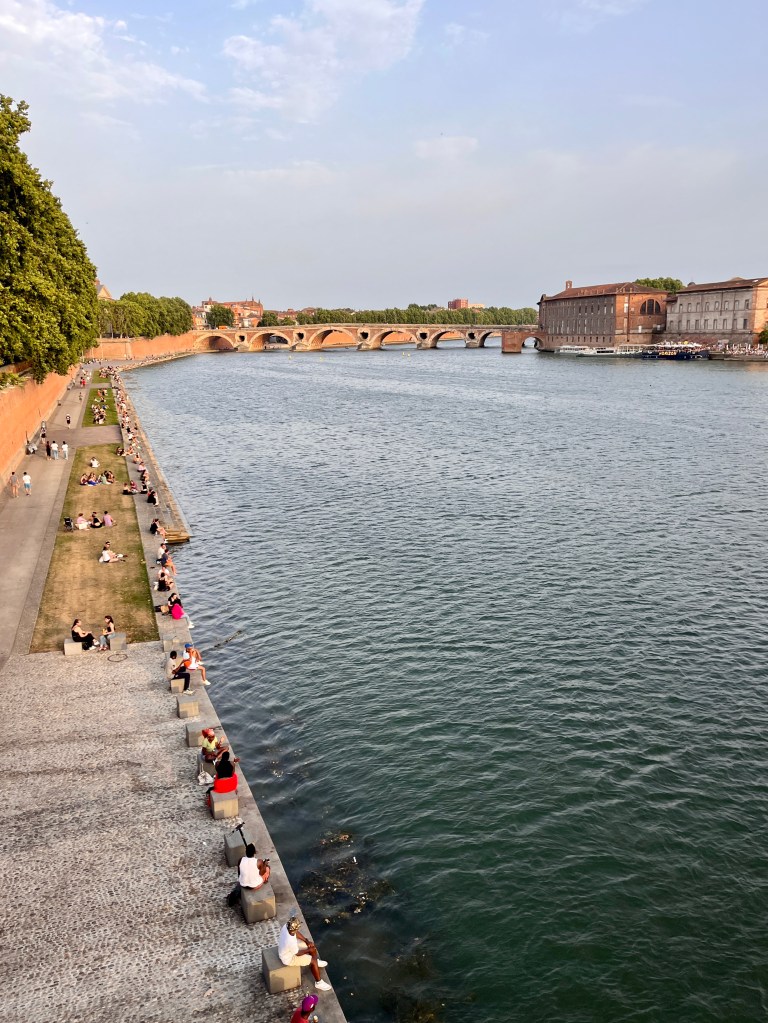
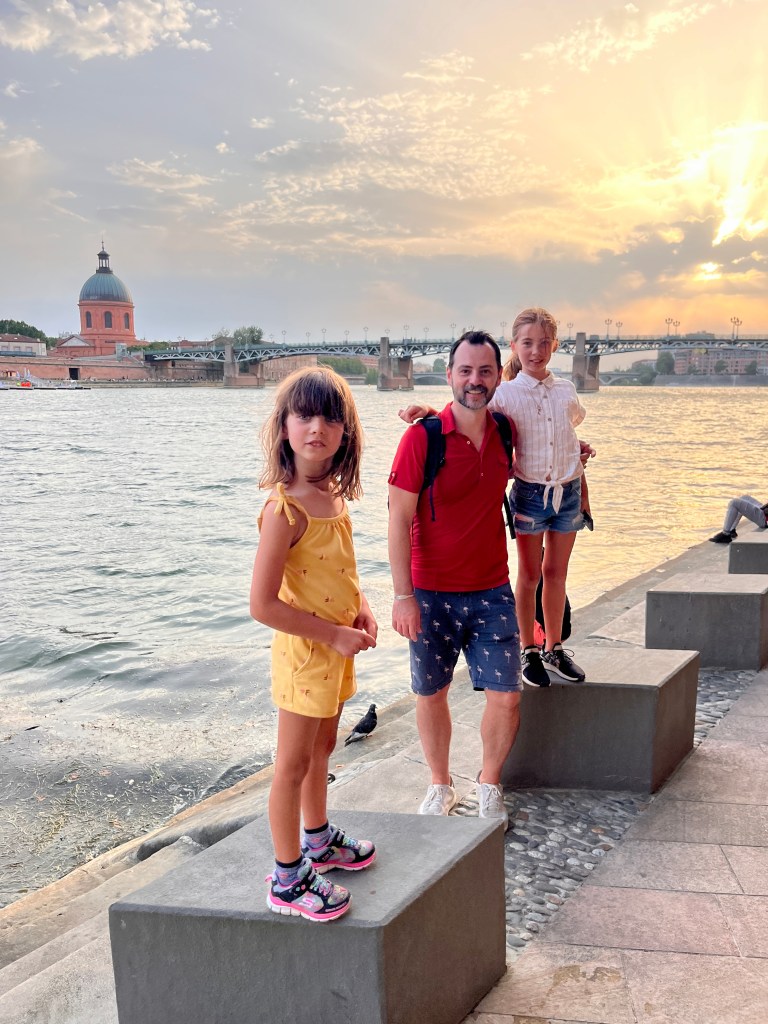
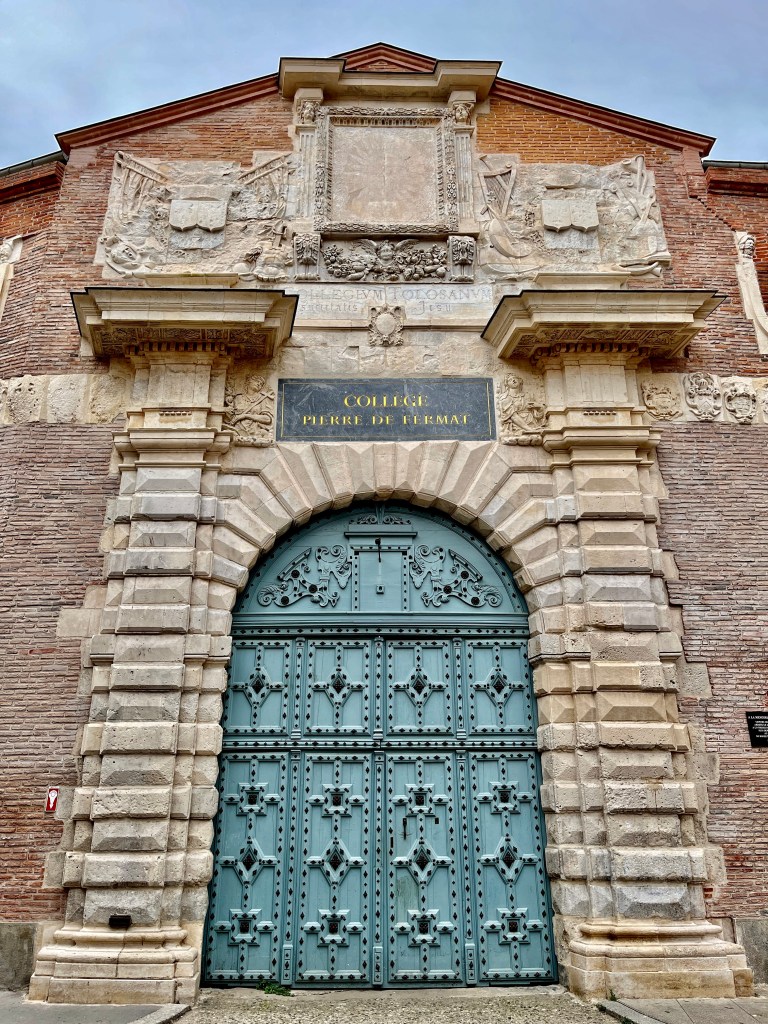
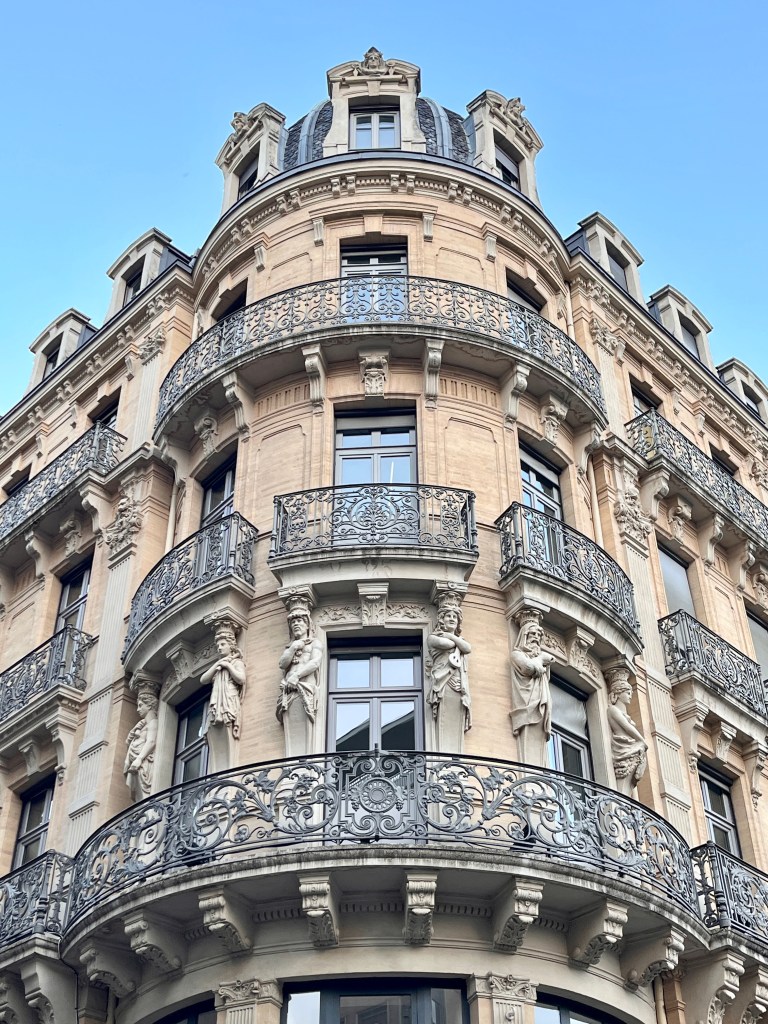
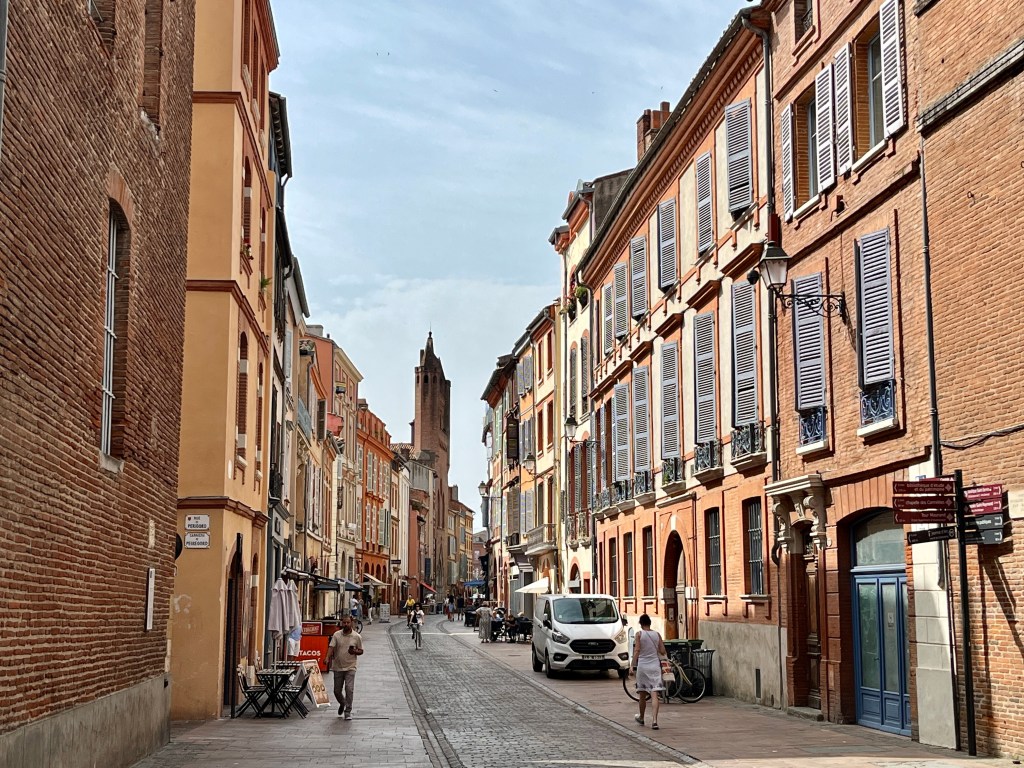
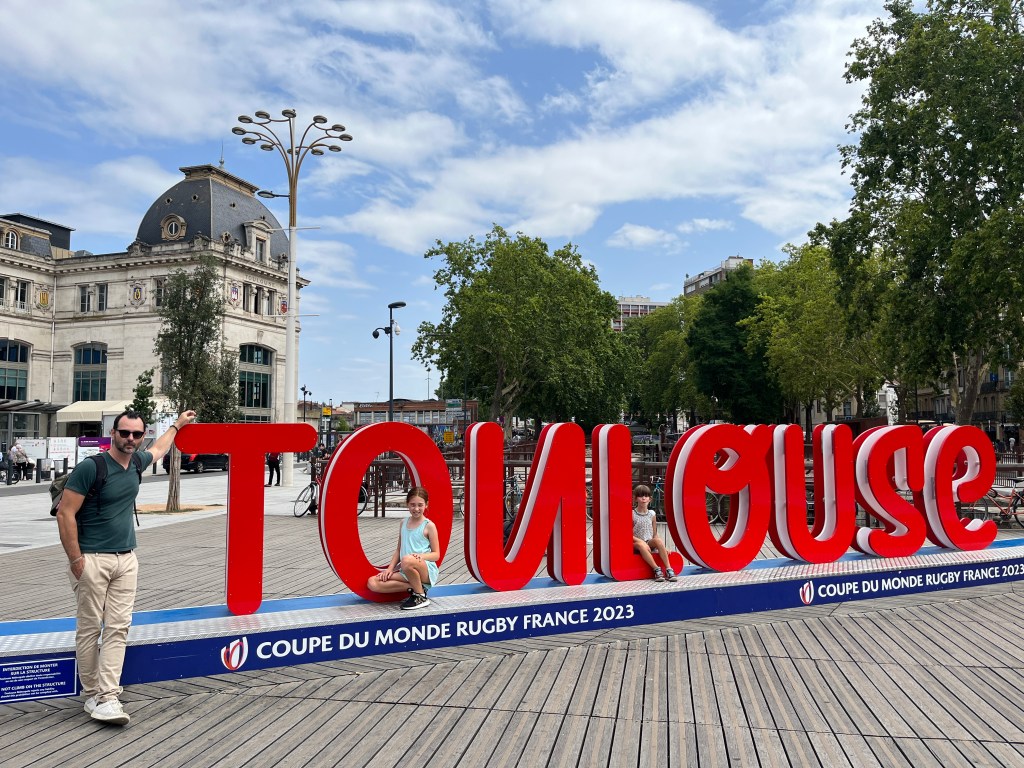
Our “mid-way” point westward became Toulouse or La Ville Rose (The Pink City), as it’s known due to the pale reddish hue of the ubiquitous brick building facades. At 500,000 inhabitants, Toulouse is France’s fourth largest city and is home to Airbus (the largest airline manufacturer worldwide), and Europe’s space industry. One of the oldest universities in Europe (Université de Toulouse), is also found there (founded 1229 and pushing 1,000 years). The city has a unique vibe, a mélange of college town with a distinct architectural identity (it really doesn’t resemble other French cities like Paris, Marseille, Bordeaux), and in some ways brought us back to parts of Brooklyn. It’s set on the Garrone River where we noticed myriads of groups of people lining riverfront by evening perhaps detaching themselves from their daily trials and tribulations.
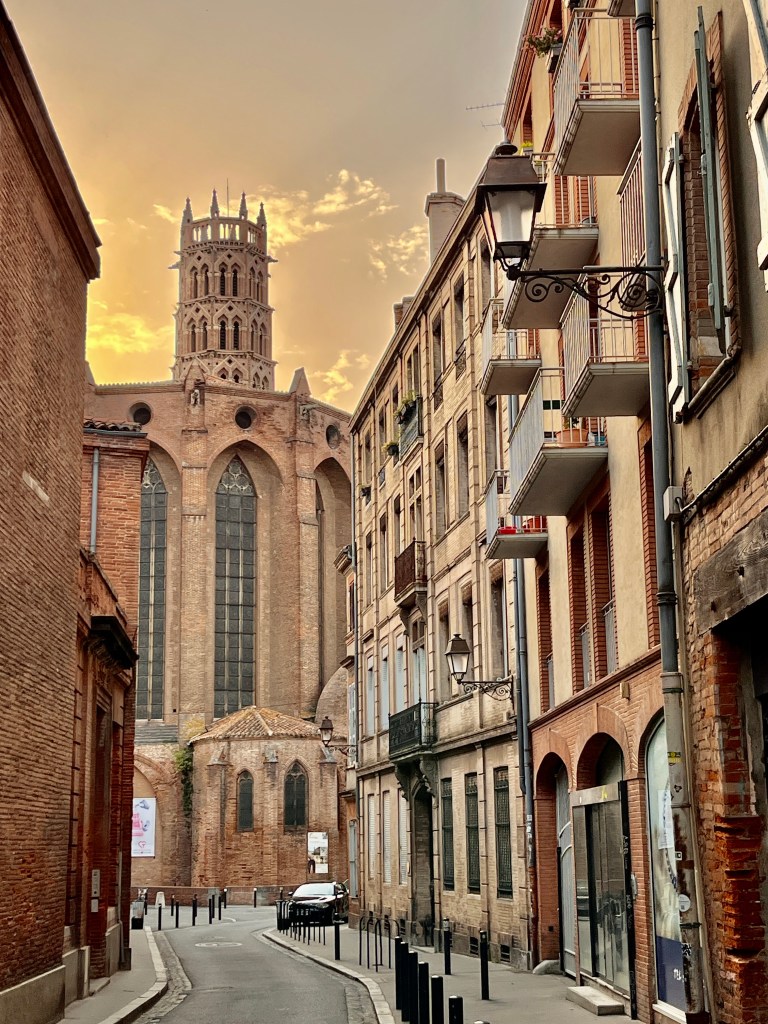
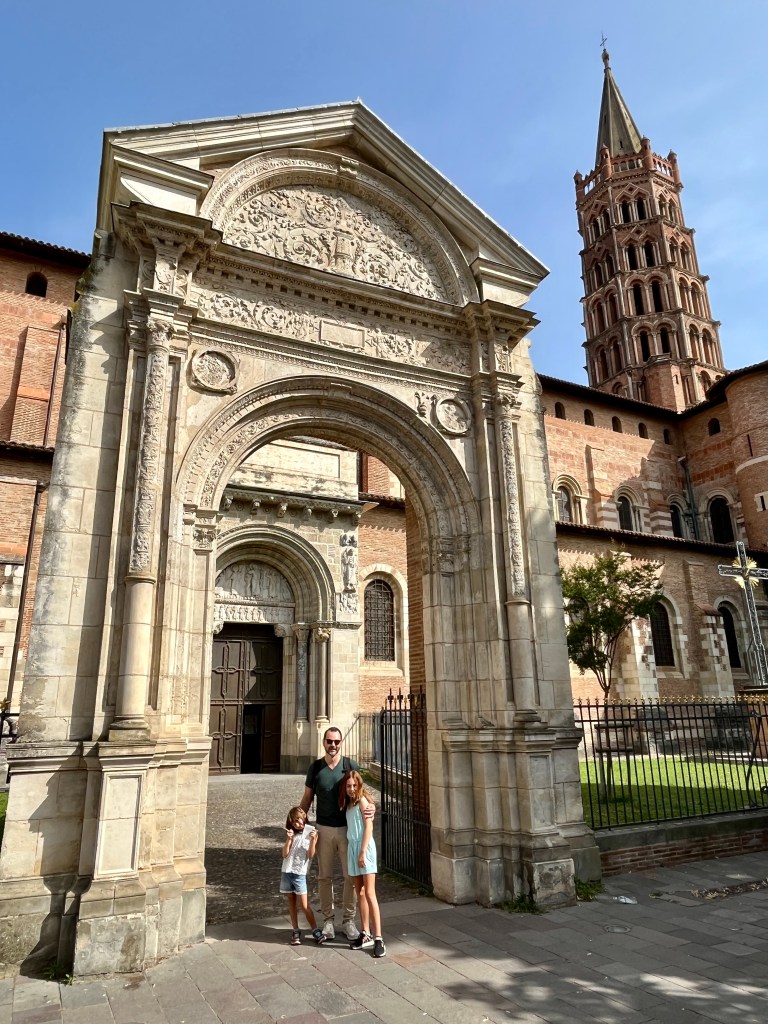
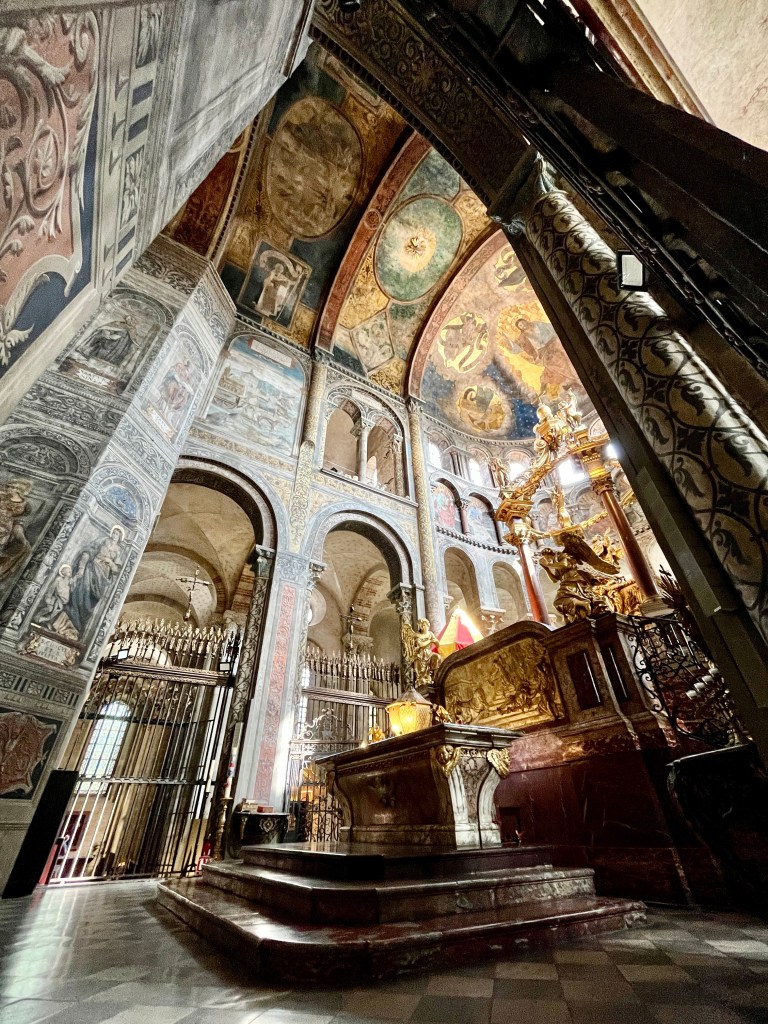
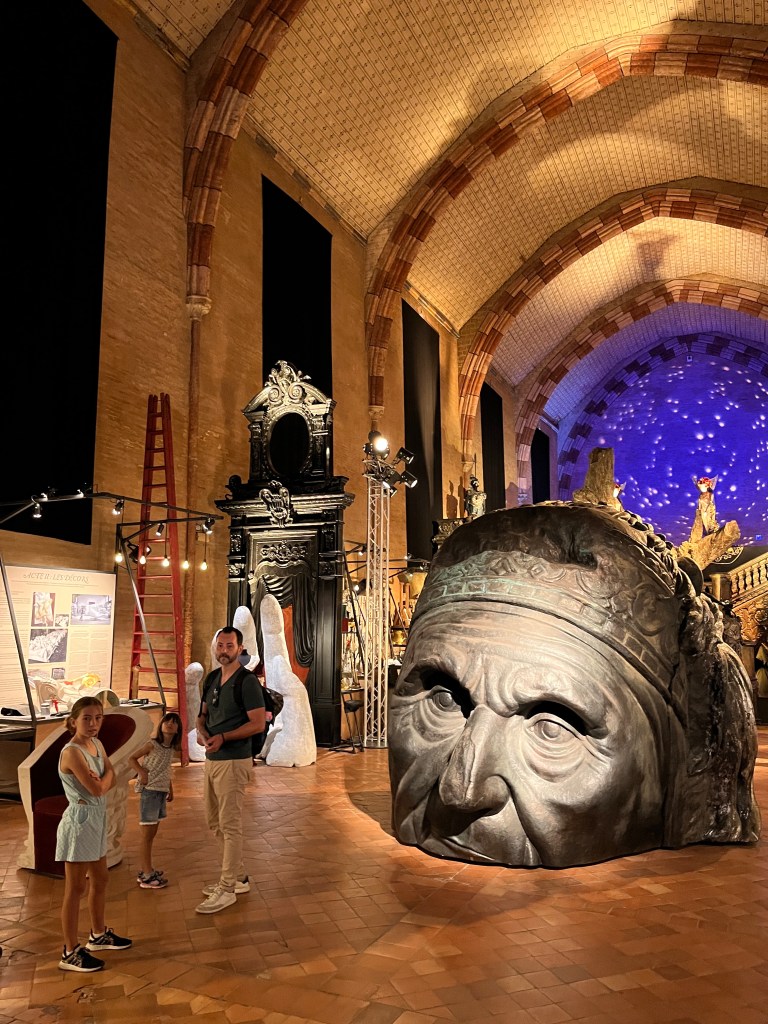
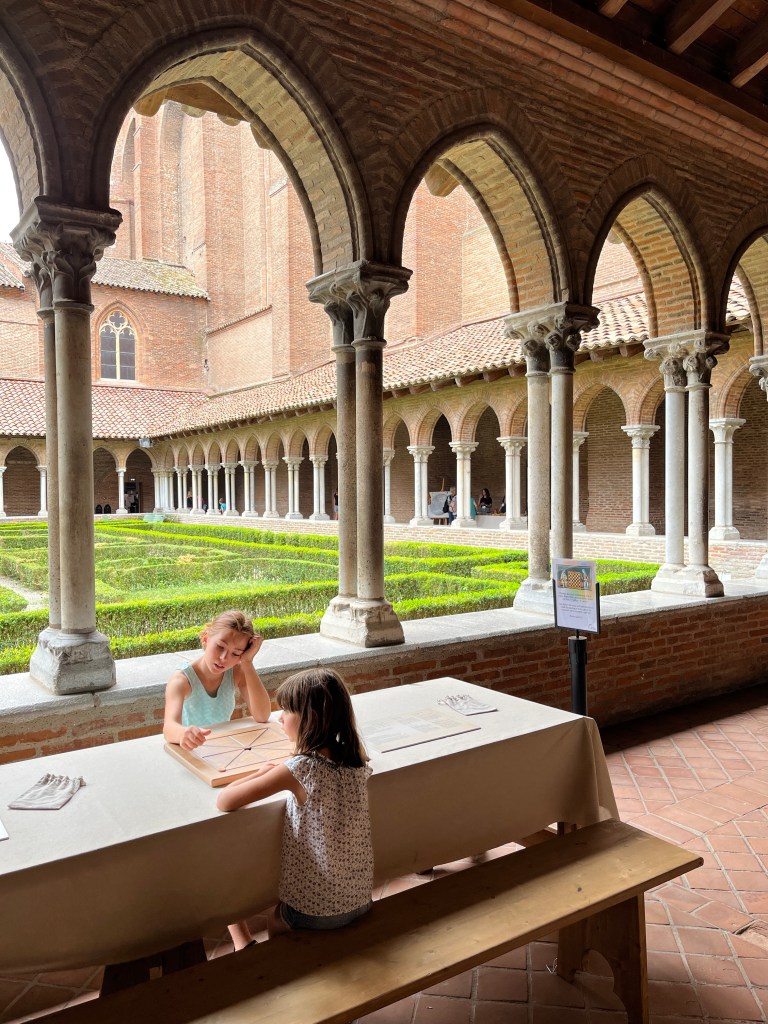
We were in discovery mode in Toulouse as this was our initial visit of the city and we concentrated our time on some the main sights. From a morning visit of the Saint Sernin Basilica (the largest remain ing Romanesque building in Europe), we continued to the Jacobins Convent where an exhibit on opera set design stimulated our imagination and offered a look at the vast array of things (costumes, makeup, props), that make a performance. We made our way through the exhibit with admiration, intrigue and awe. Among other important relics housed at the convent are those of Thomas Aquinas.
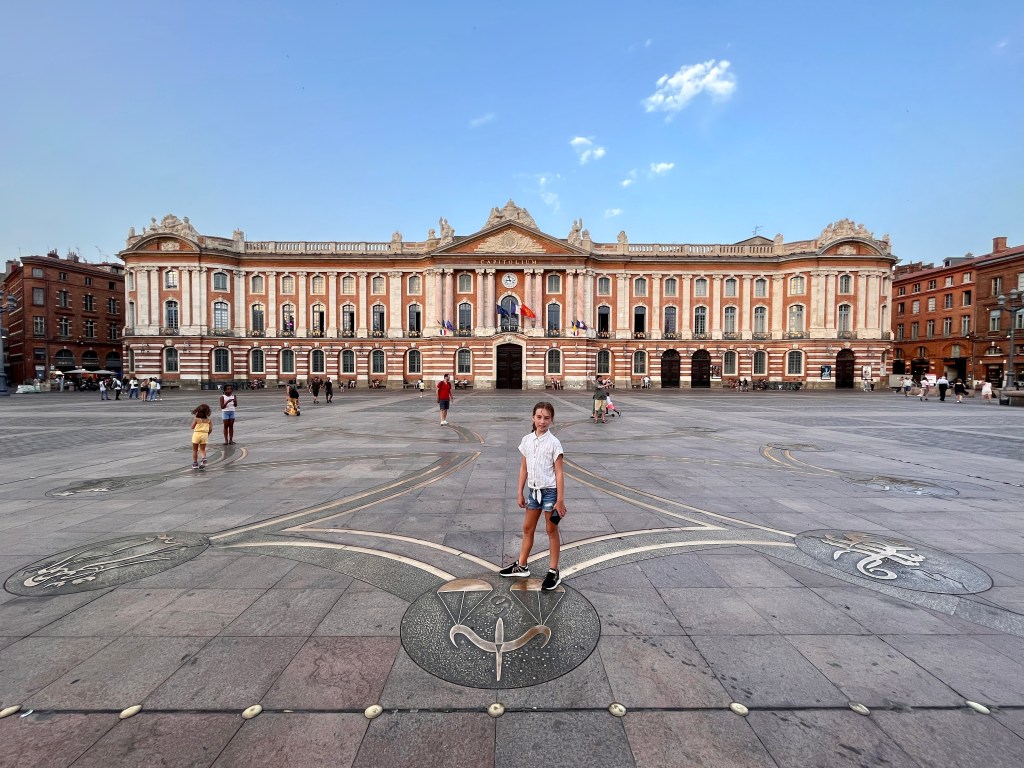
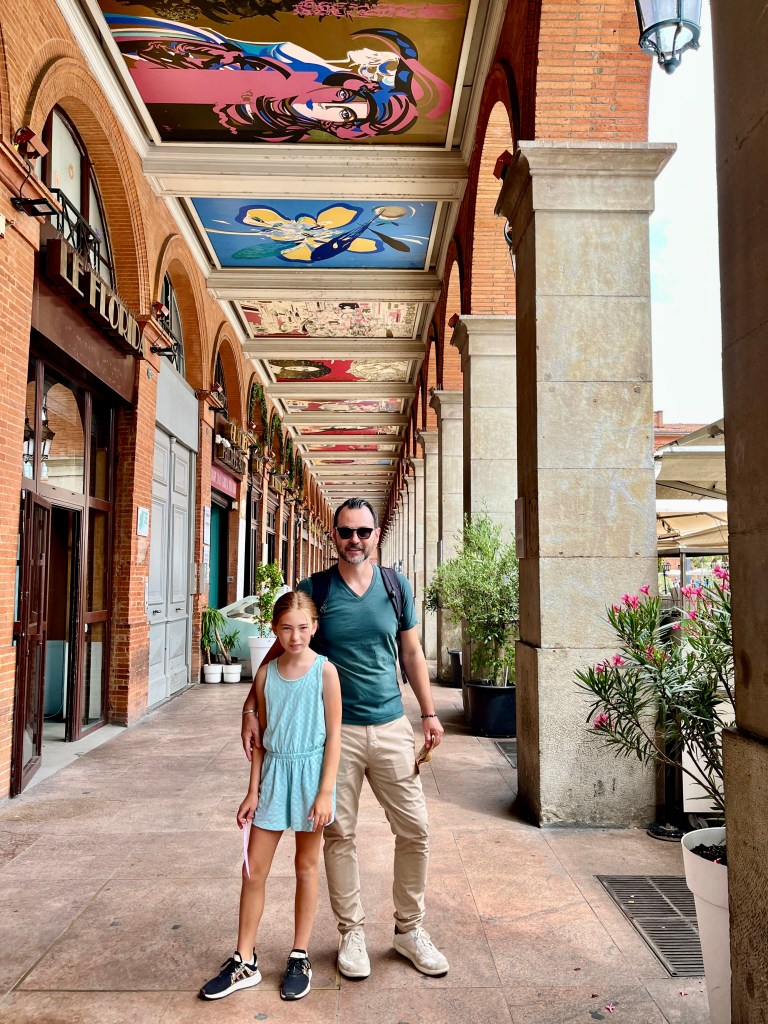
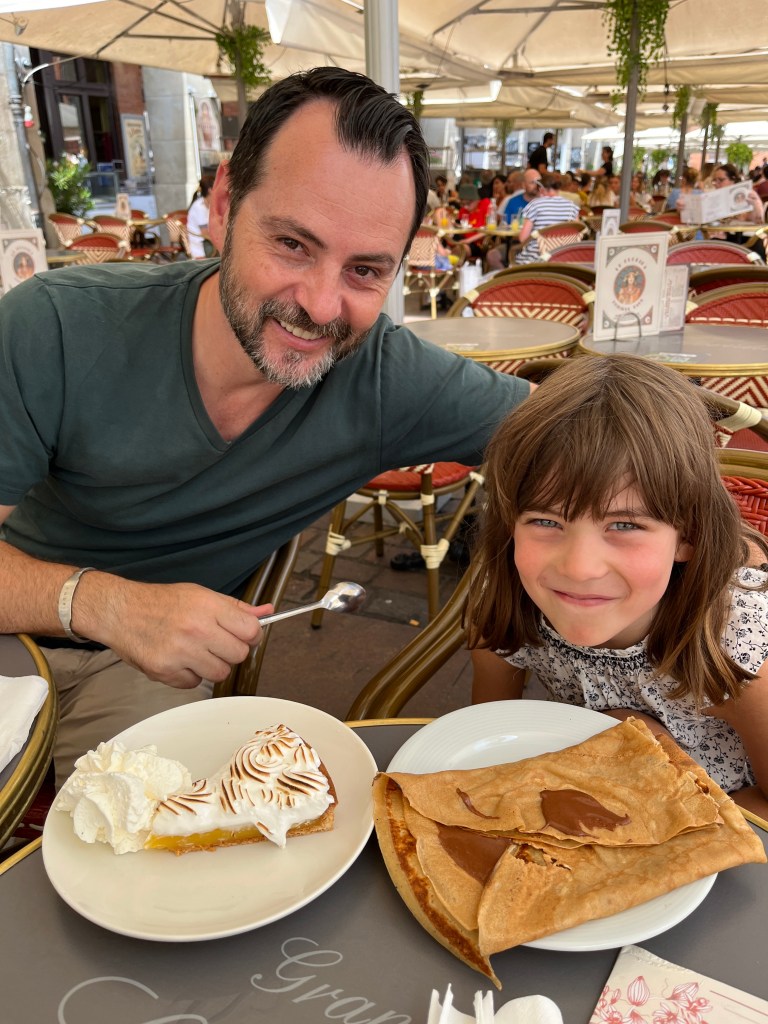
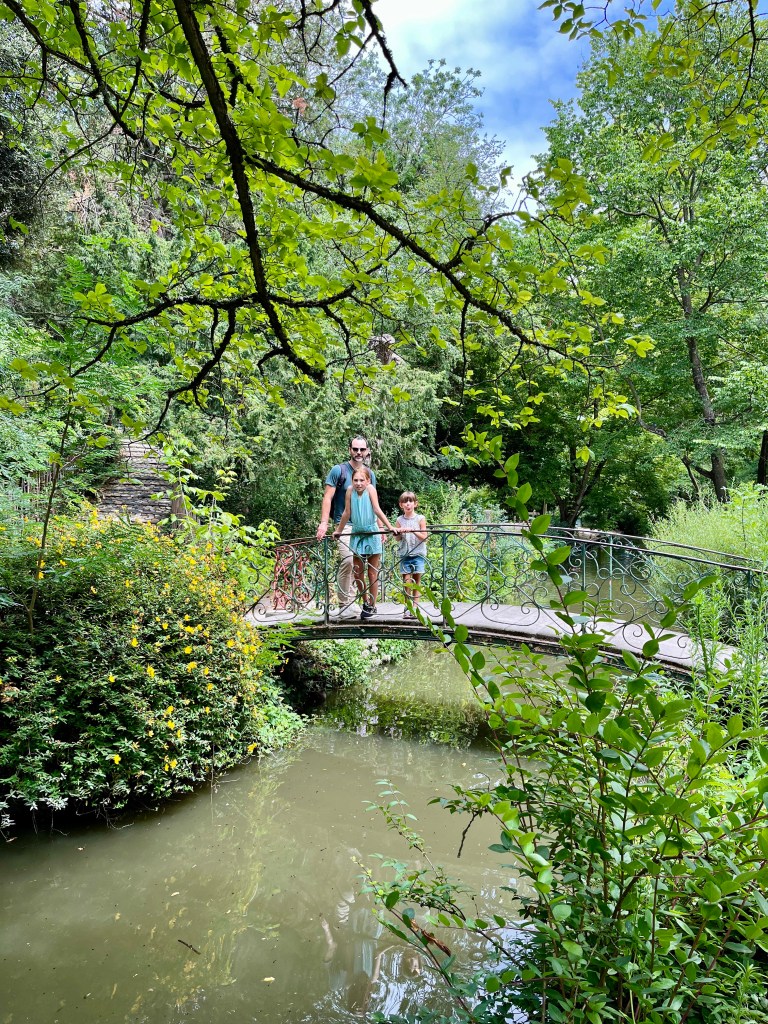
The heart of Toulouse lies at Place du Capitole (where city hall is found), and is so centrally located that seemingly all streets in the historical district converged upon it. It was hard not to find ourselves passing through on multiple occasions, leading us to browse the flea market where a second hand book vendor caught our attention and captured some of our euros as well. We also paused in the plaza for a midafternoon snack at Le Florida Brasserie before continuing our tour of the city which ultimately concluded with a stroll through the Jardin des Plantes park. With the Toulouse box checked it was on to Bordeaux for our final few days in France.
Bordeaux (Vacation Part 1.5)
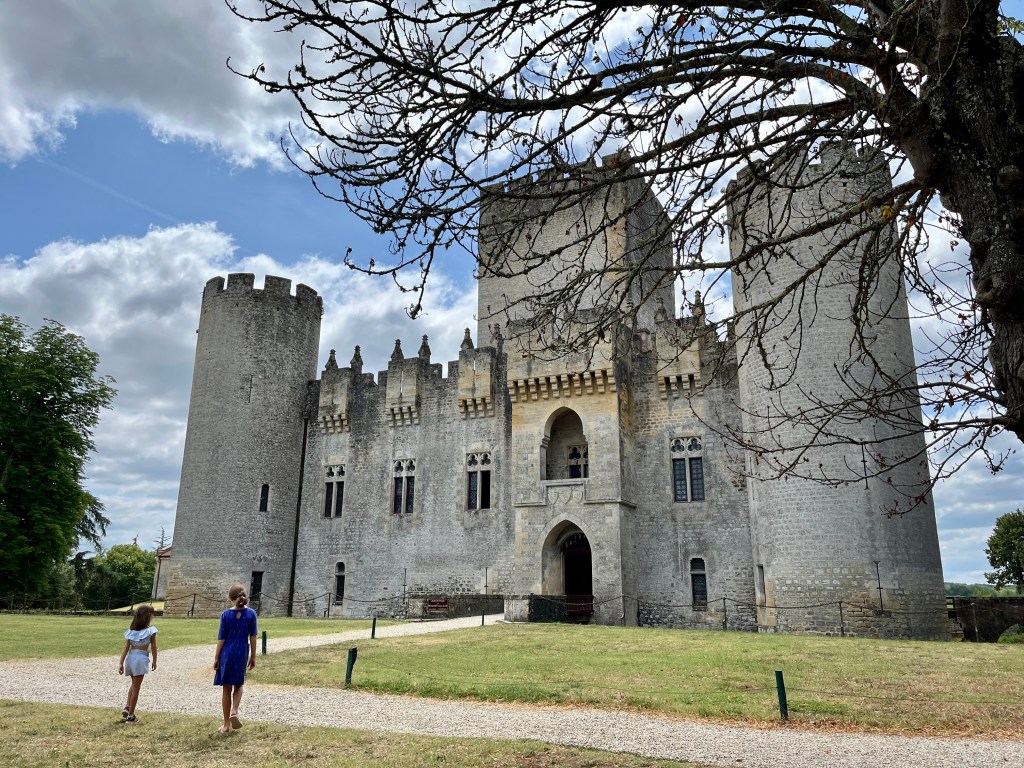
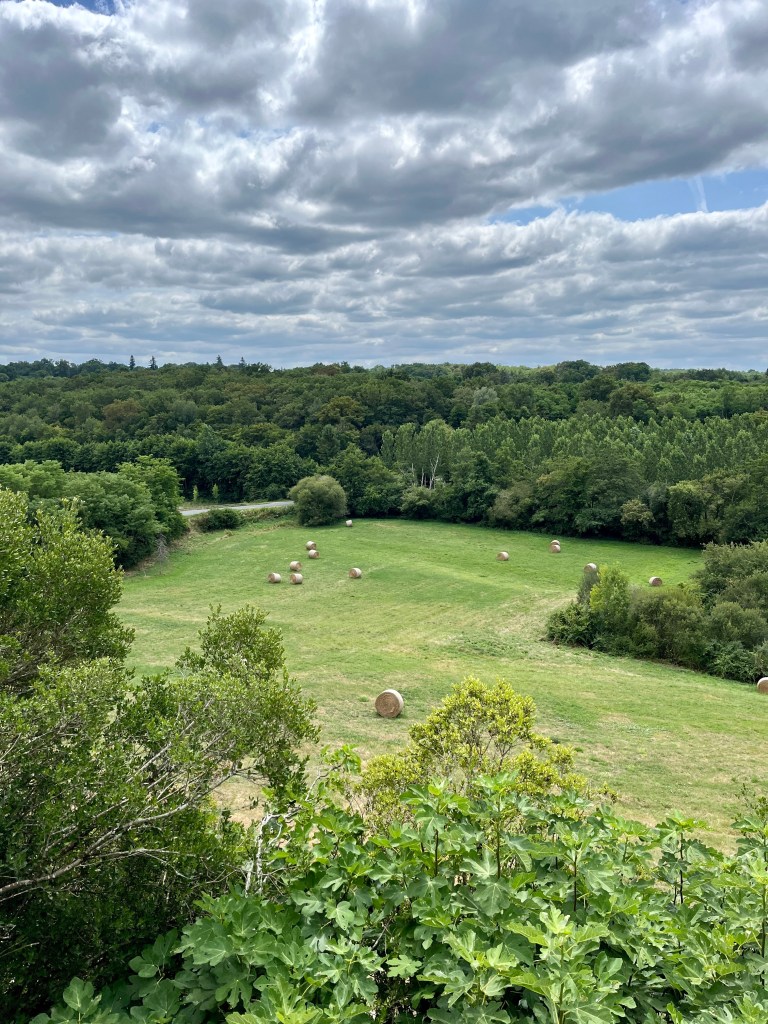
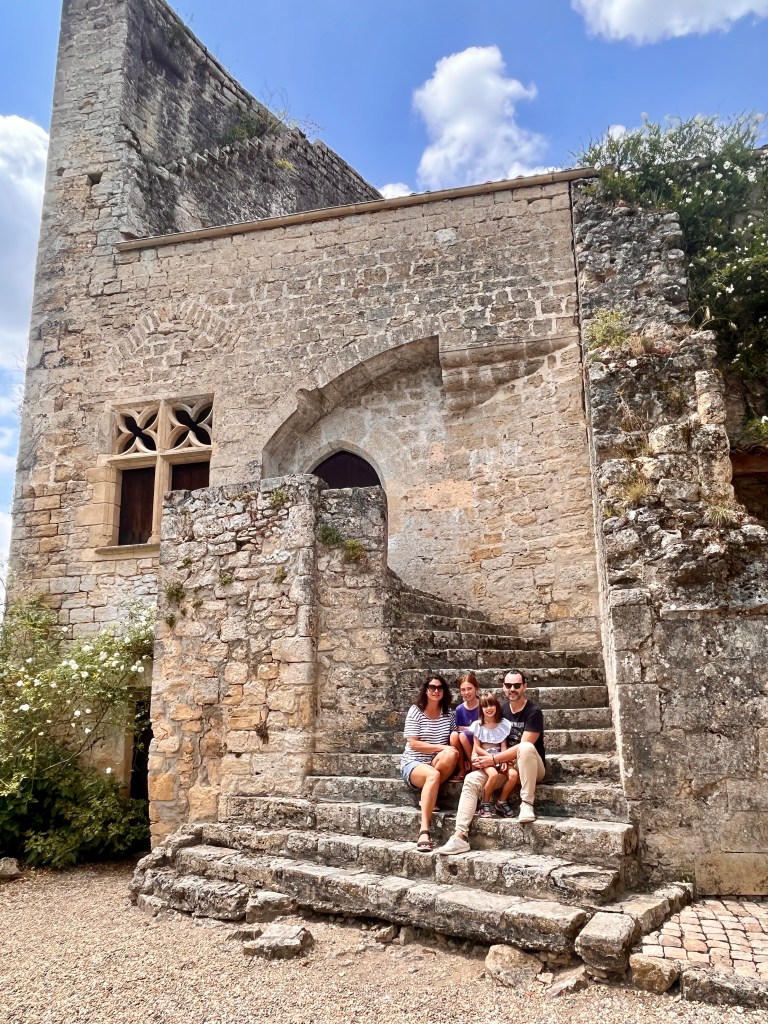
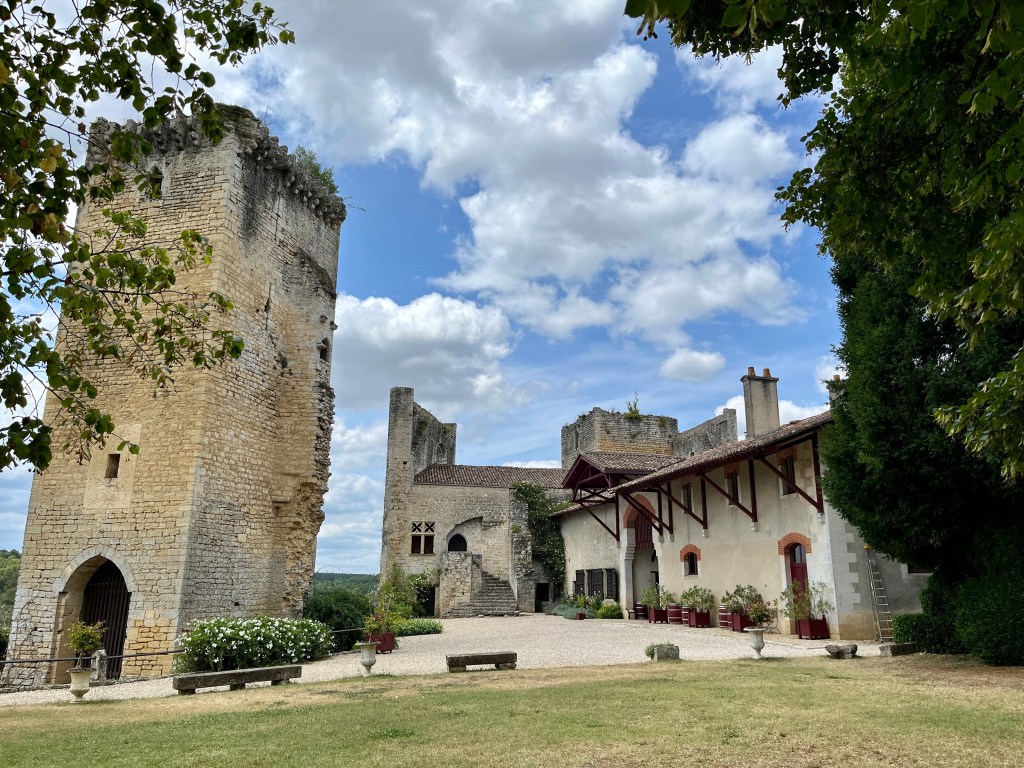
The drive from Toulouse to Bordeaux is about 2.5 hours mainly by highway. Around the two hour mark we stopped for lunch and a visit of Château de Roquetaillade, a castle with origins dating to the 12th century (rebuilt in the 17th for better access to water and protection from possible invaders). Interestingly Pope Clement V had financially supported the construction of the castle in the early years of the 1300s (as one of his nephews lived in it), and Roquetaillade remained in the same private family for over 700 years, the legacy continuing to this day. We signed up for the tour which ushered us through various parts of the castle (no pictures were allowed in the interior), giving us an understanding of the way the château is still utilized today, marrying centuries old traditions with the reality of present day living.

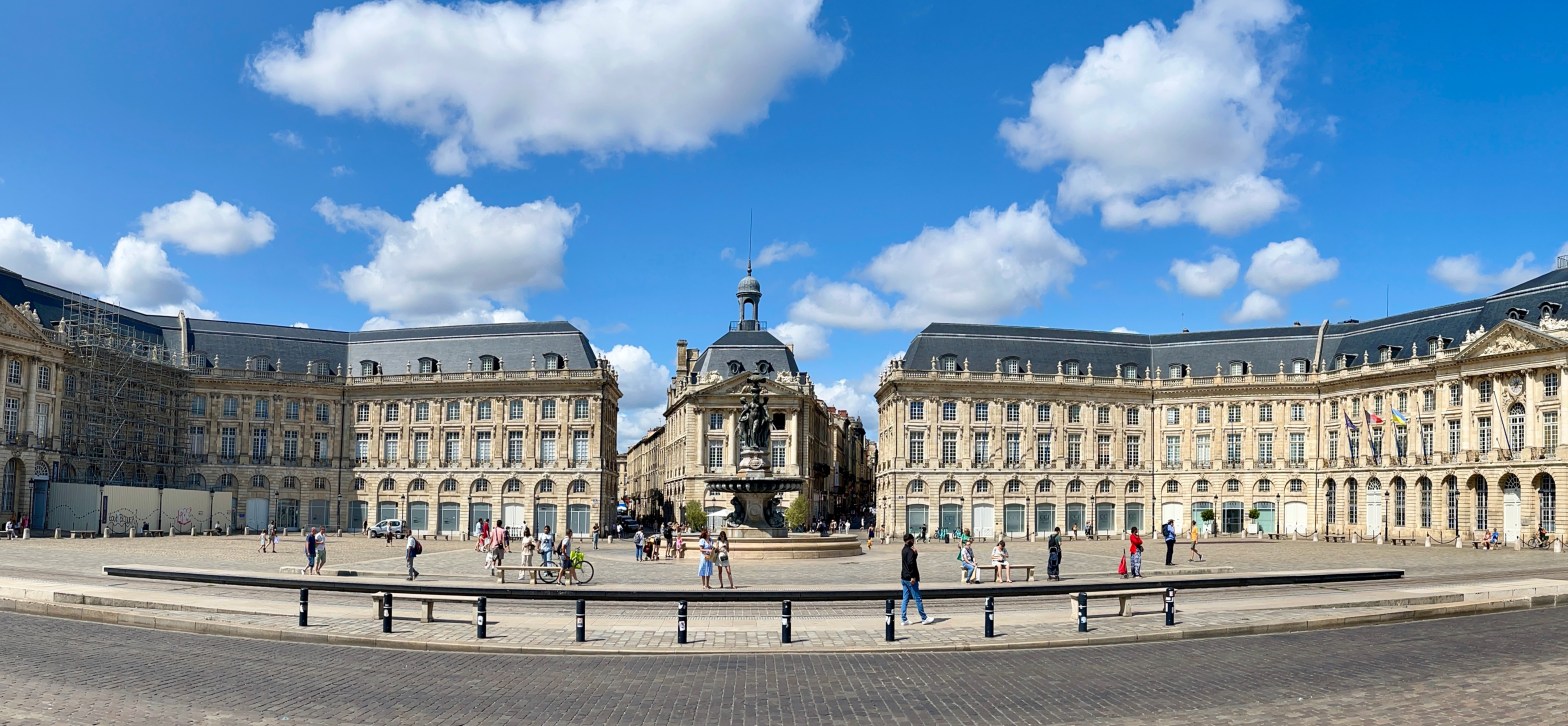
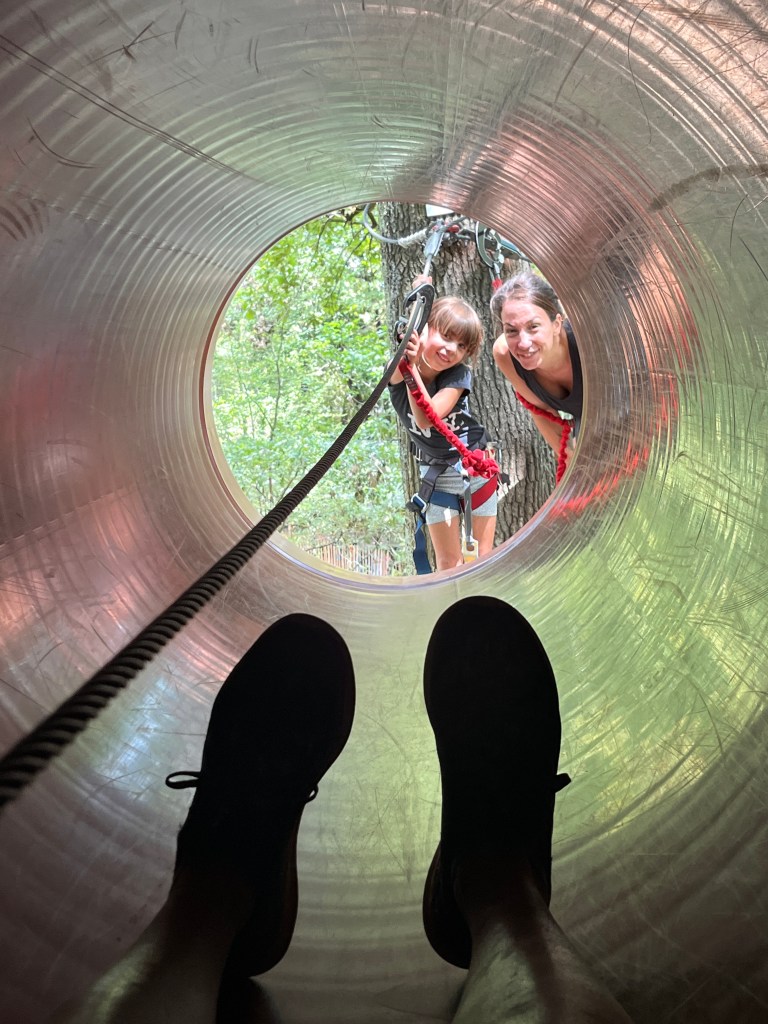
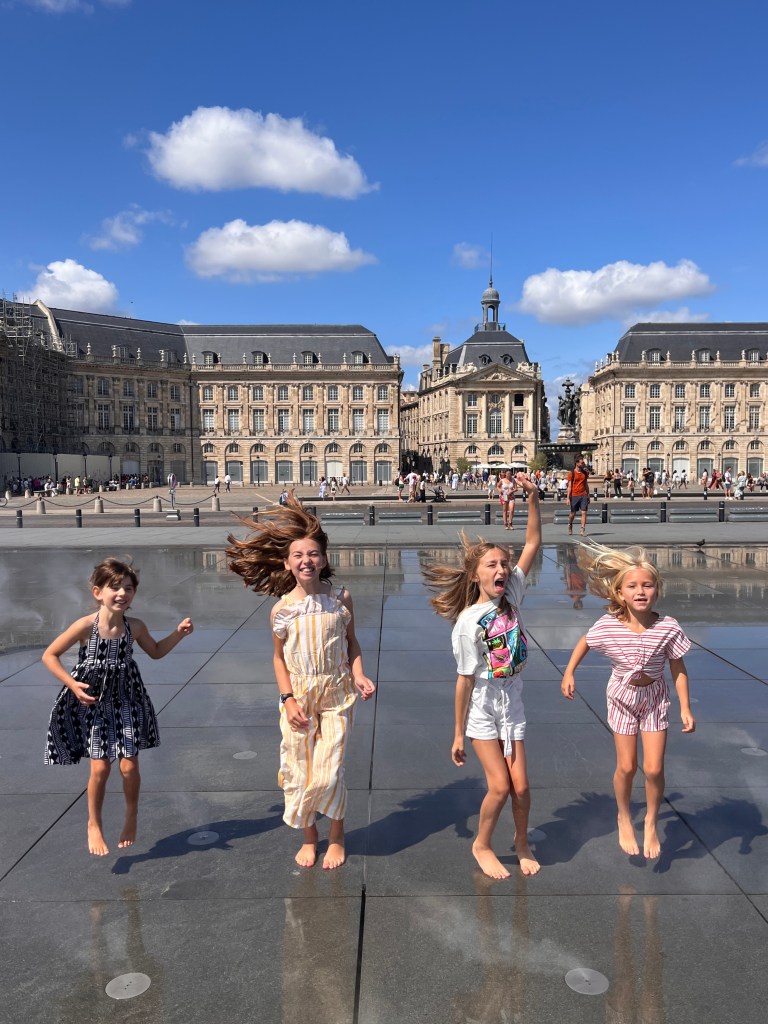
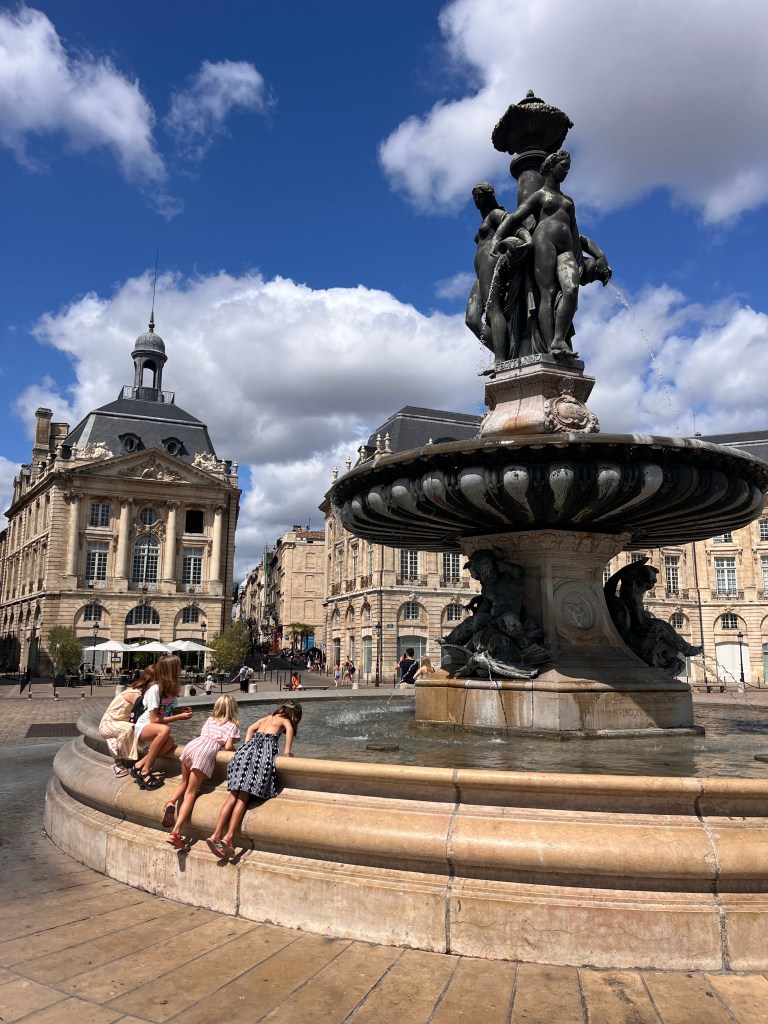
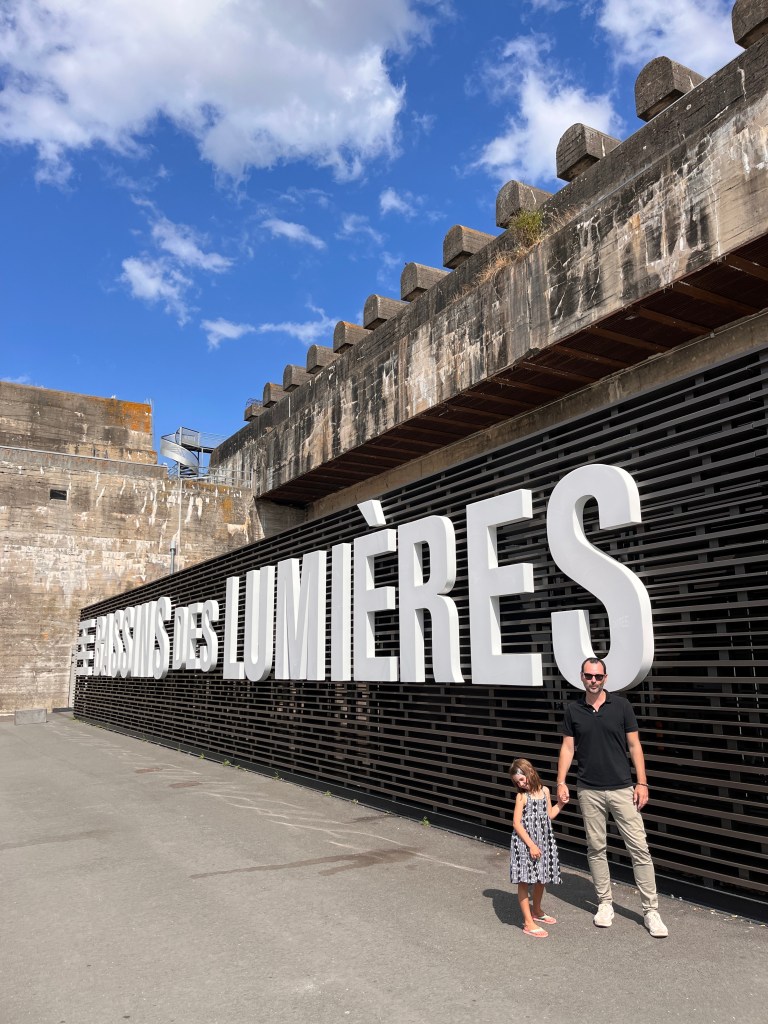
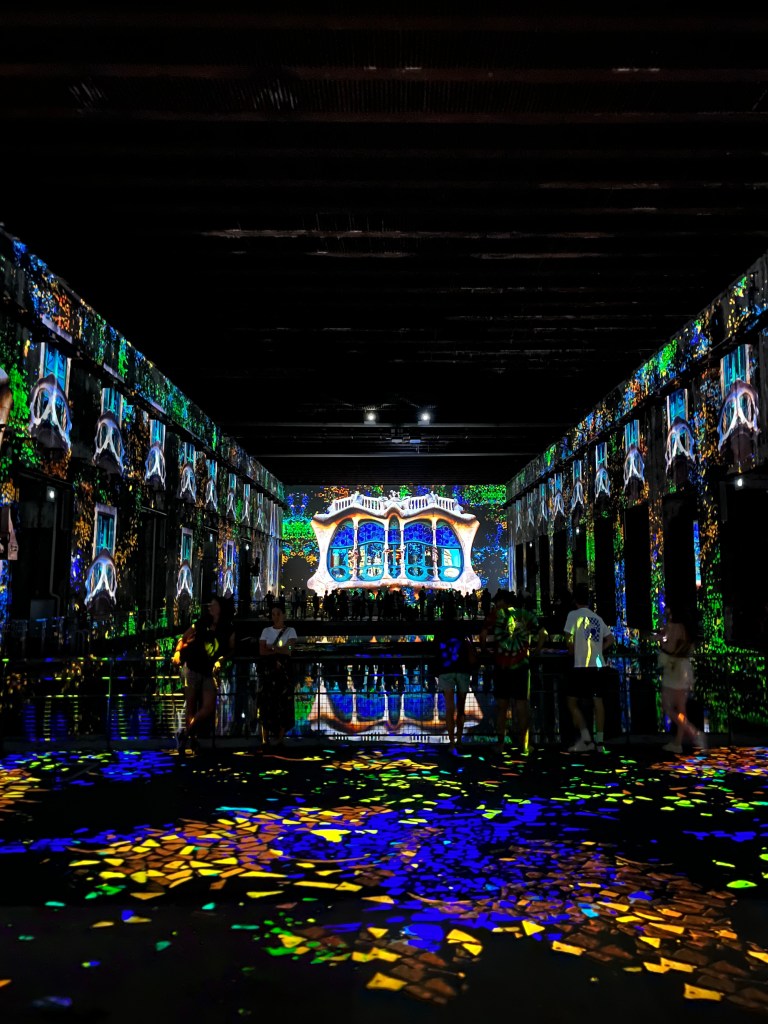
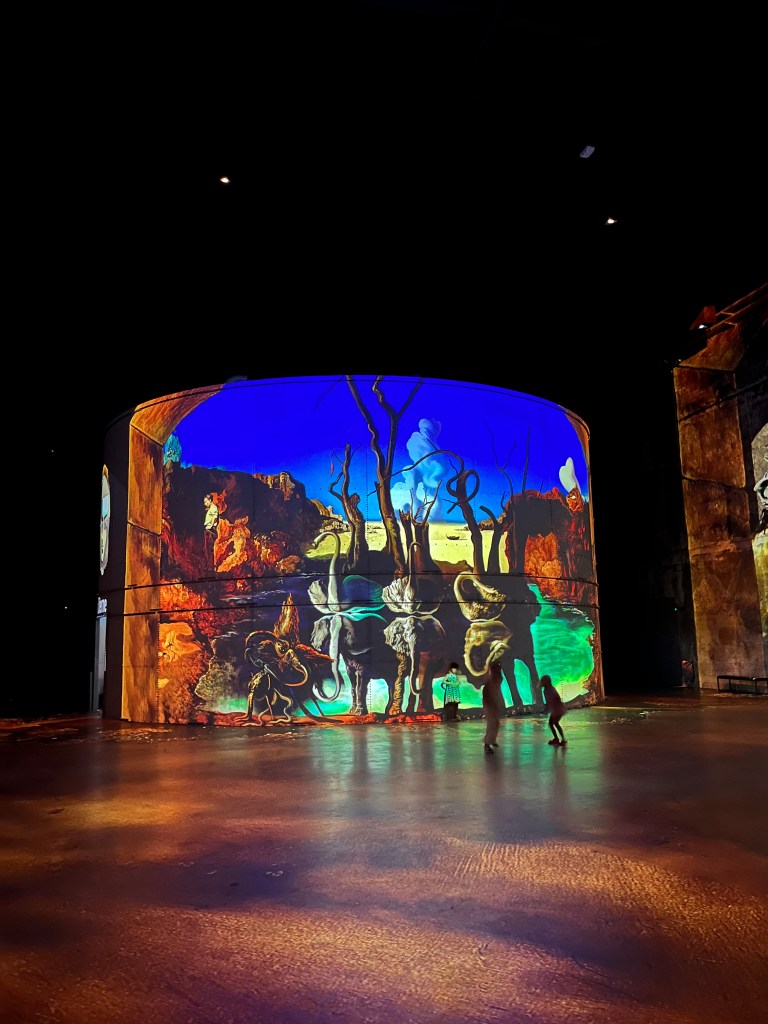
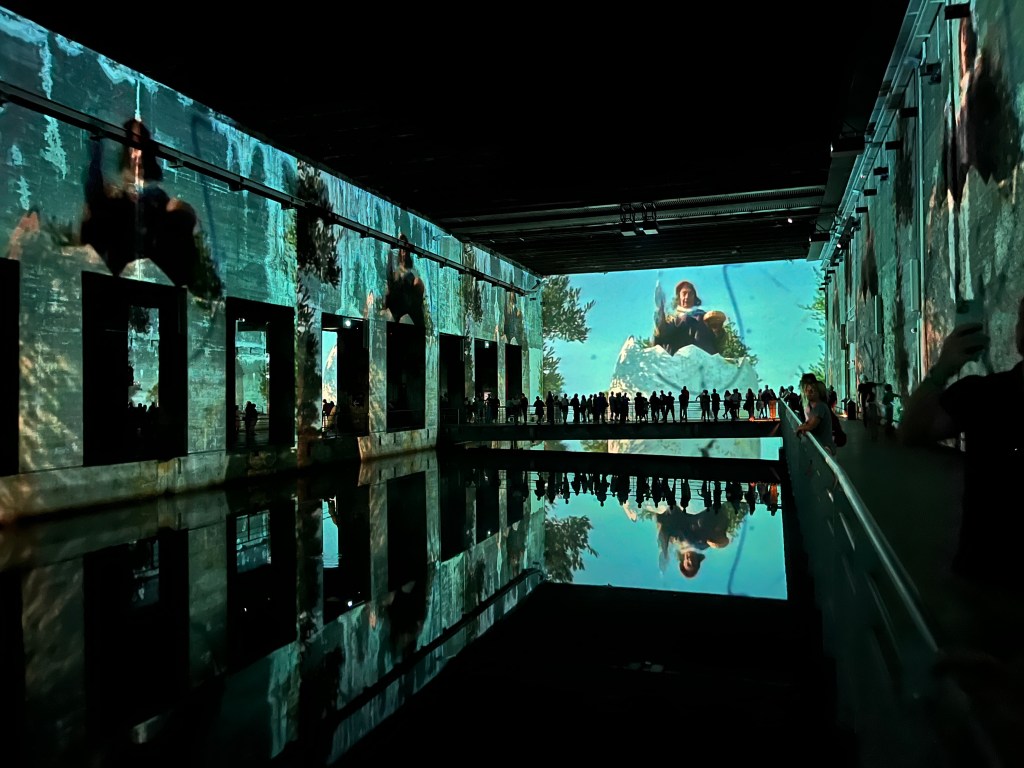
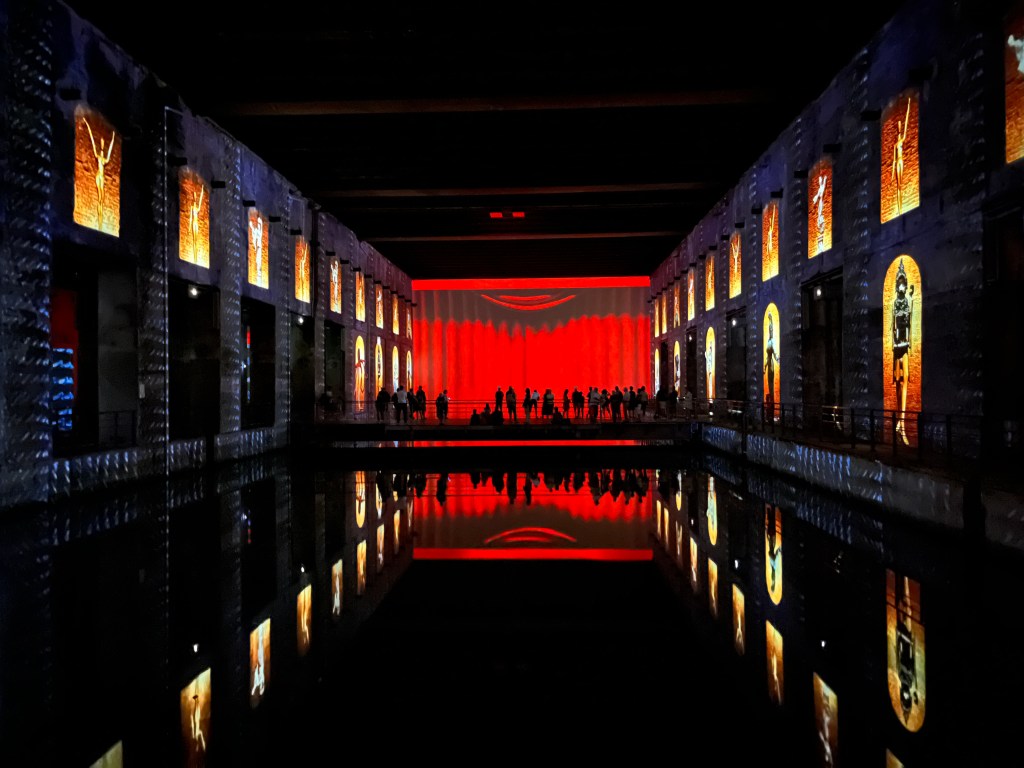
Our long weekend in Bordeaux reconnected us with old friends from New York, where fun headlined the agenda. A year elapsed since the last time we hung out, leaving the girls with much to catch up on. Once in sync, the fun included pool time, getting acrobatic at a zip line park, and tapping some of the city’s cultural aspects, from strolling the beautiful historic center to getting lost in a moving image exhibit featuring Dalí and Gaudí. The exhibit, on show at a former submarine base, took us on a sensory voyage into the Spanish masters’ creative genius and delusions (in Dalí’s case arguably).
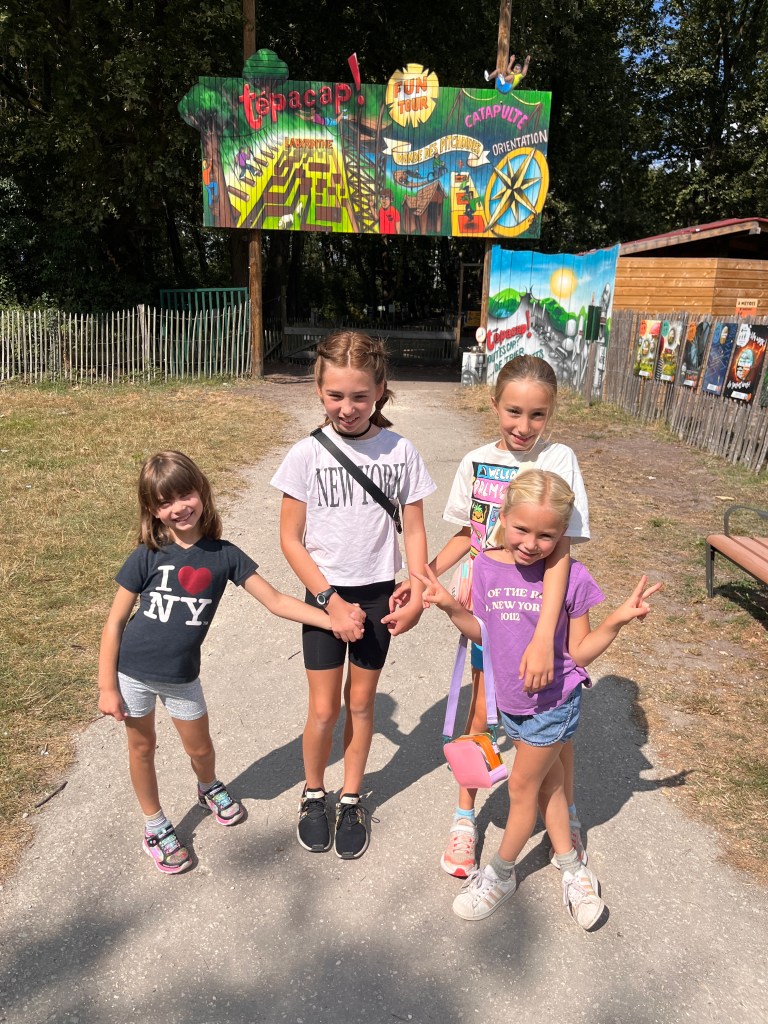
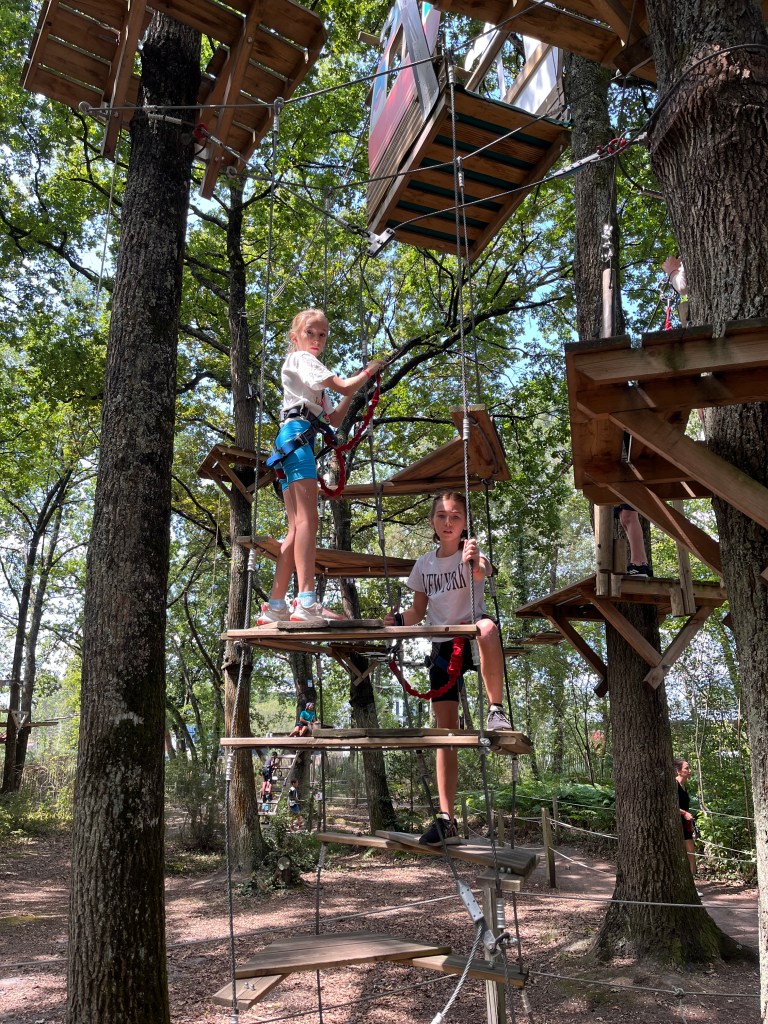
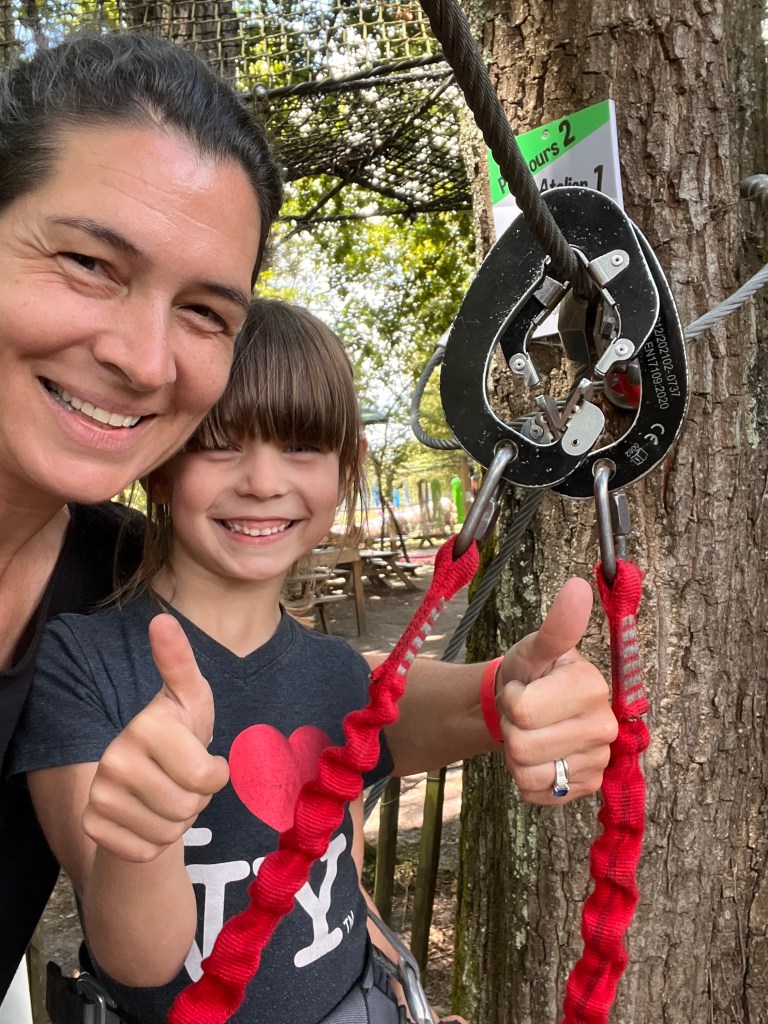
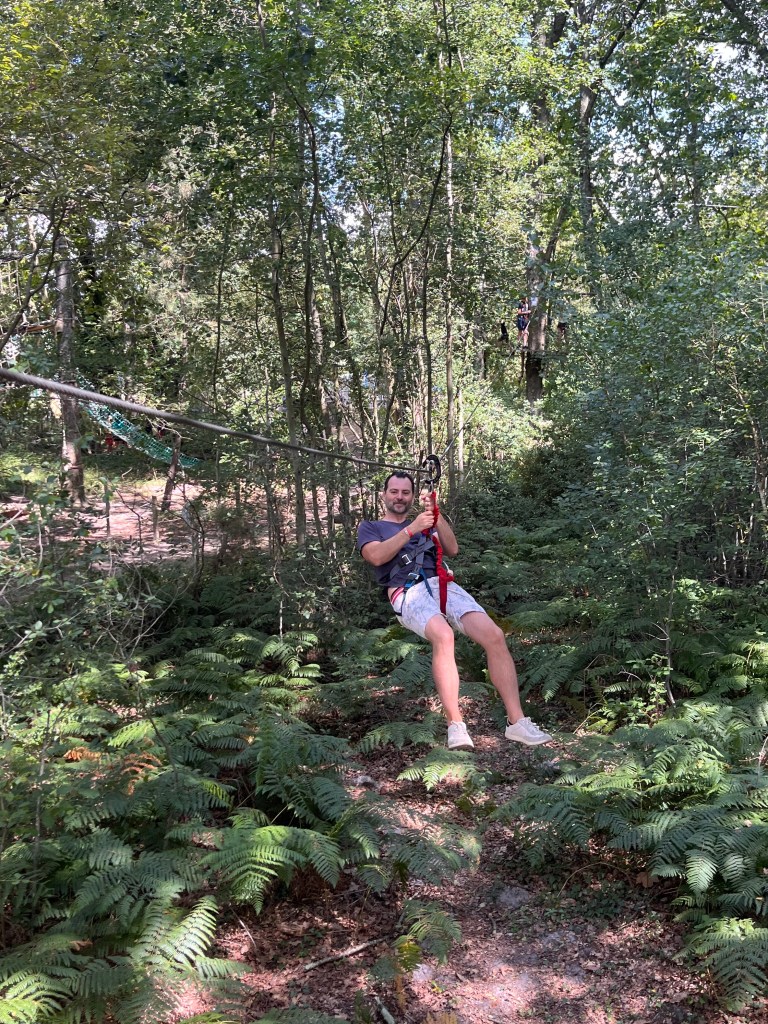

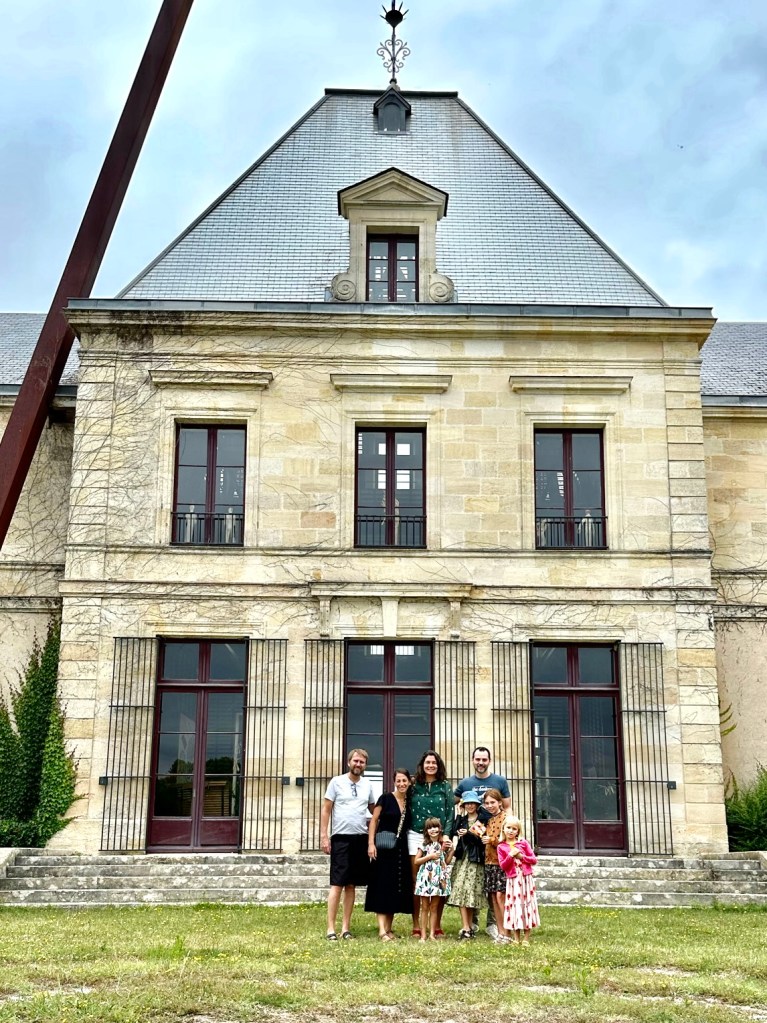
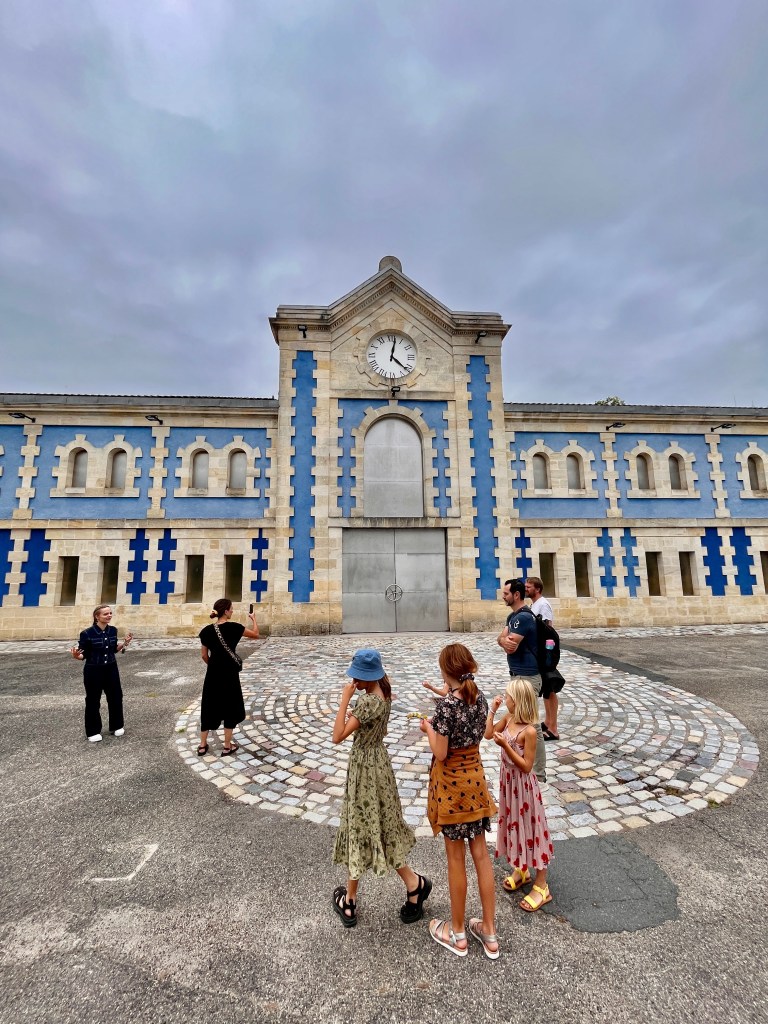
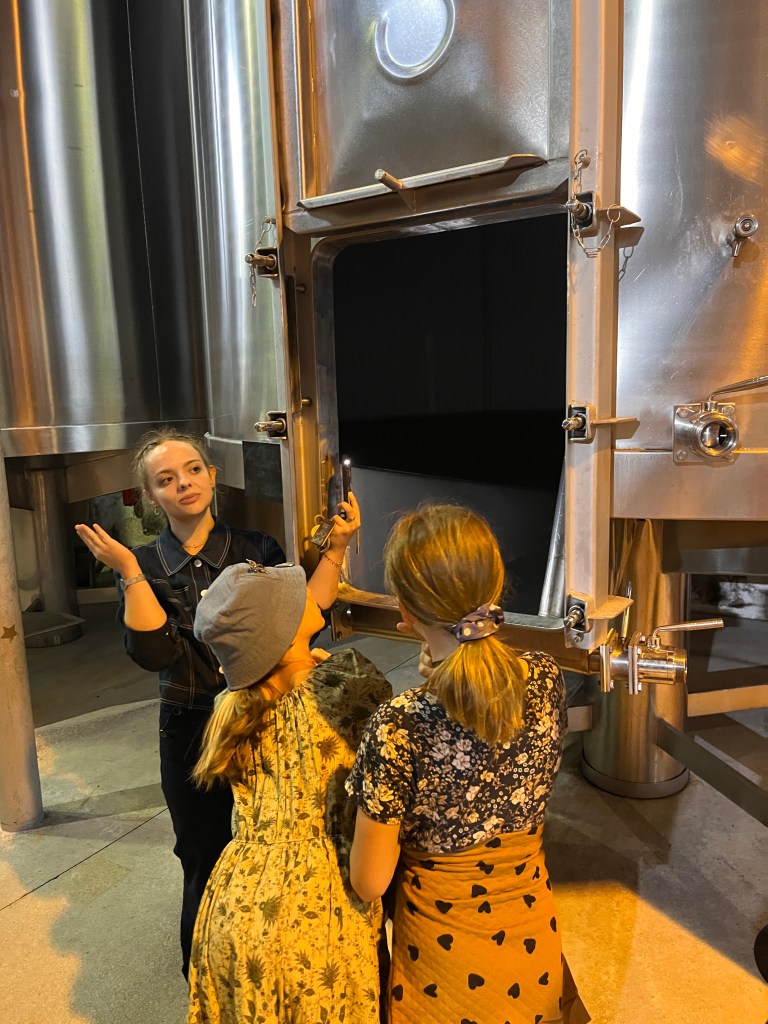
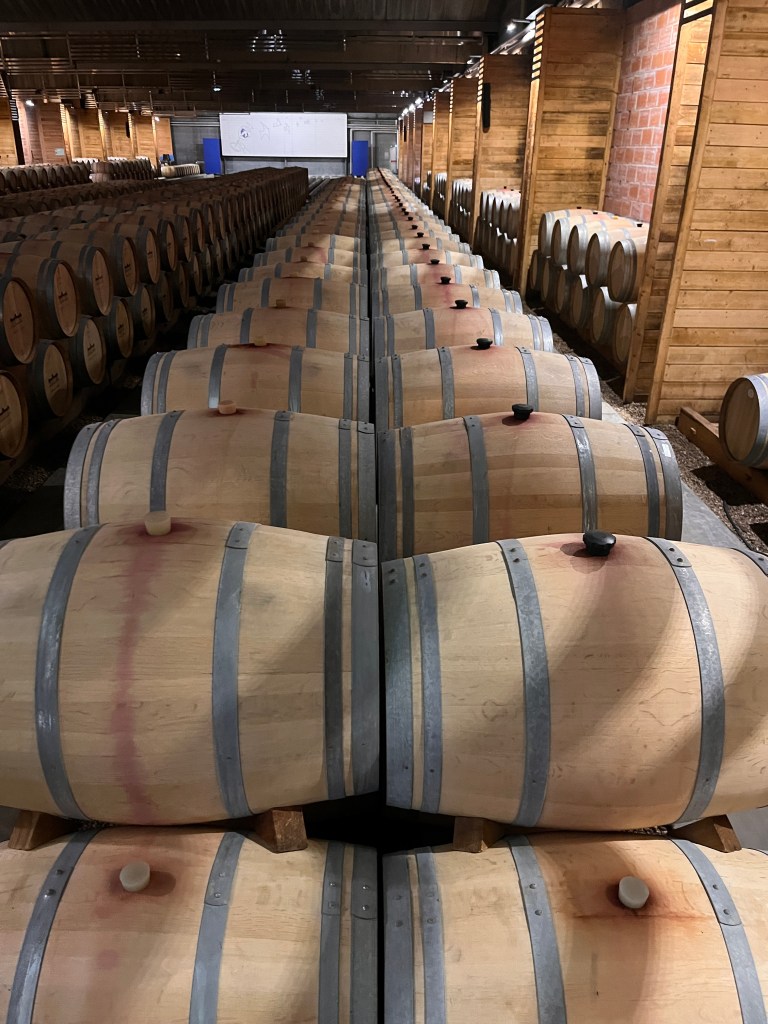
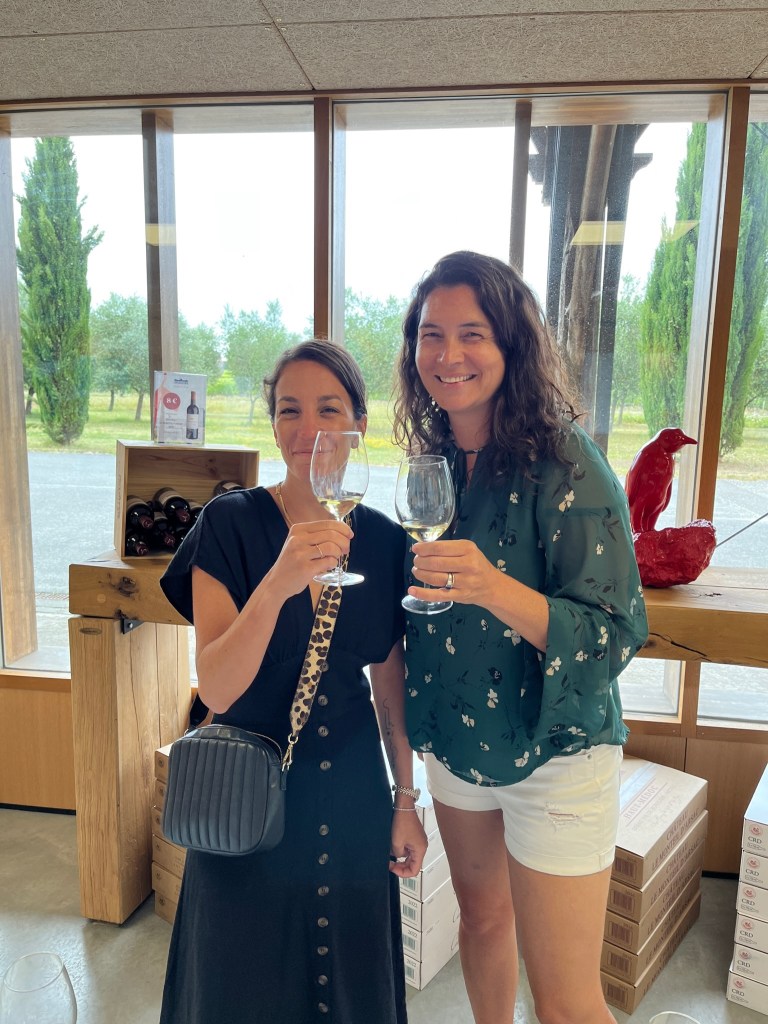
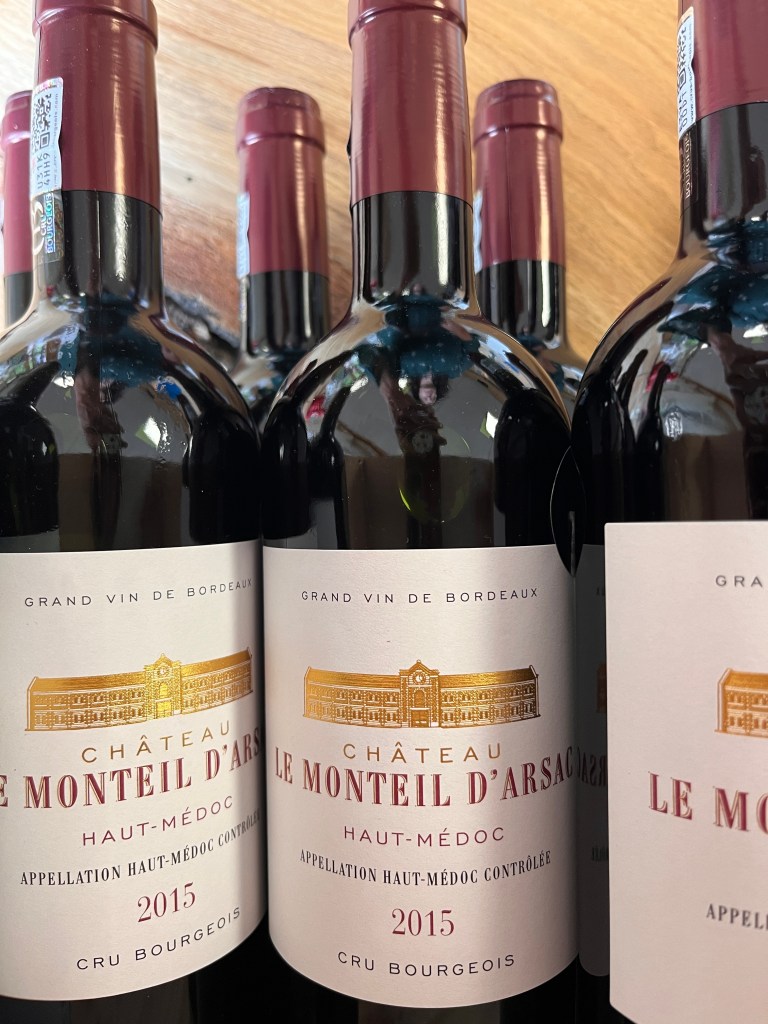
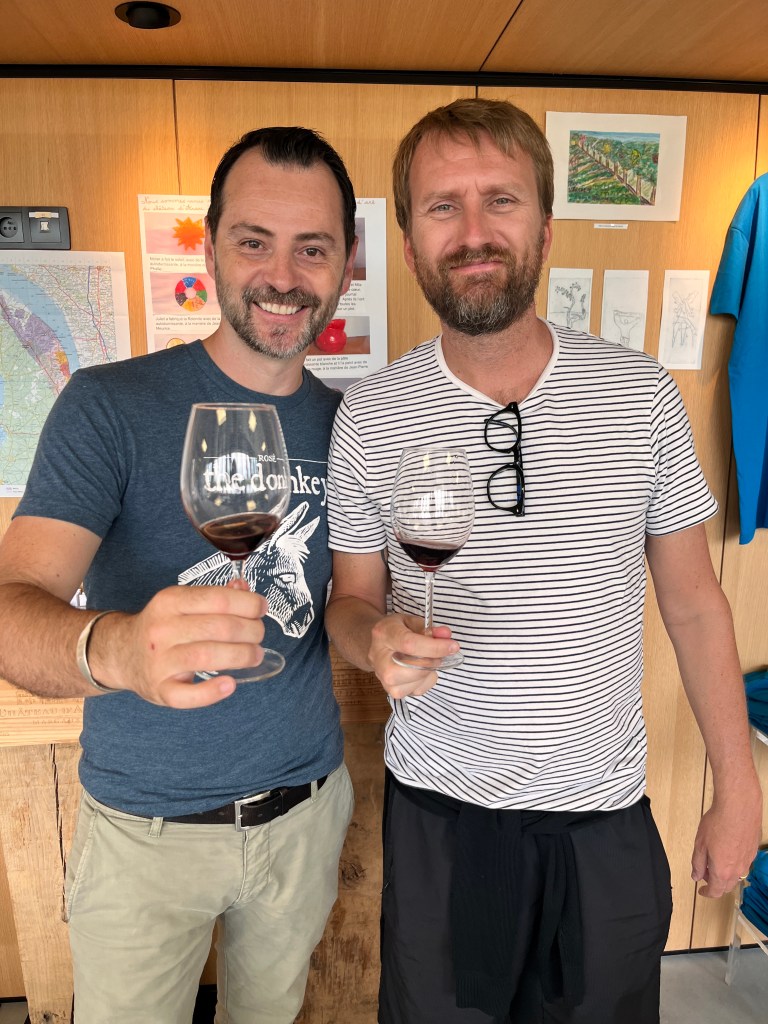
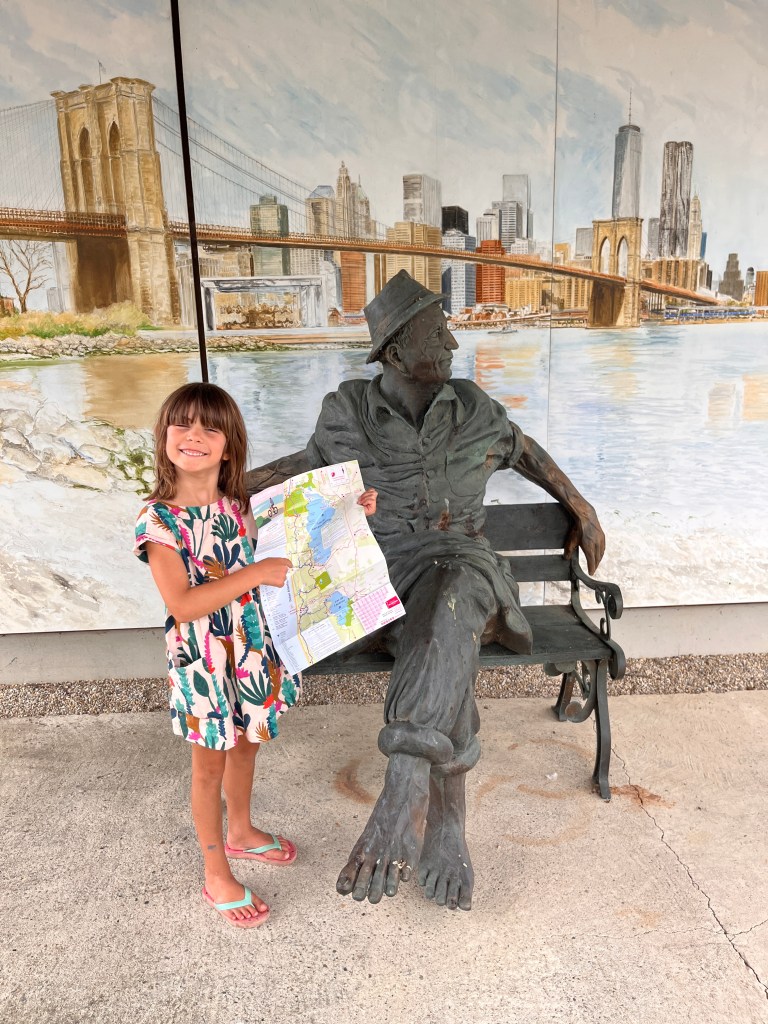
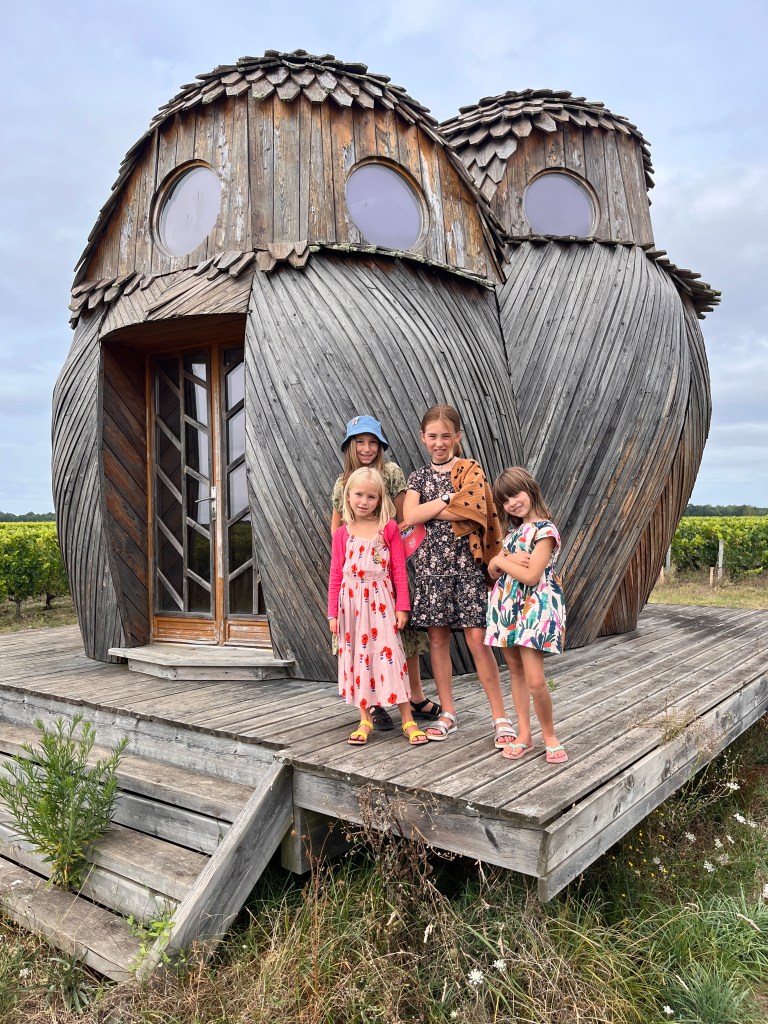
The final item of the agenda was a winery tour (when in Bordeaux, right?), which has become an annual outing. We chose Château D’Arsac in the Haut-Médoc wine region as our destination, whose 250-hectare sprawl covers two AOCs (designated wine regions), and houses an eclectic art collection comprising several dozen murals and installations. The informative walkthrough and artistic exposé rendered the experience as fun for everyone (including the girls). And for the big kids it also translated into tasting a delicious compilation of wines.
Next up, España (Spain)!


This latest chapter is really thorough! Beautiful pictures, happy faces and a text that is getting very professional! Good work guys…👍
LikeLiked by 1 person
Thanks James, we’re doing our best to make the most of it. Nice to have an exceptional photographer in tow. 😃
LikeLike
Wow! Wh
LikeLiked by 1 person