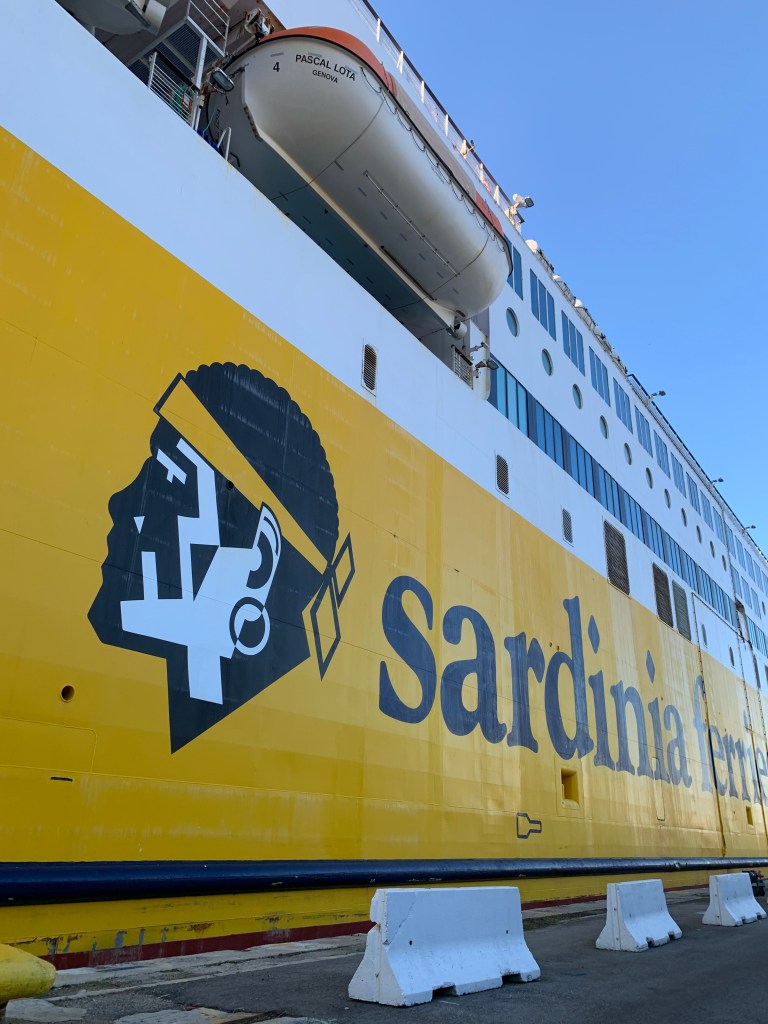
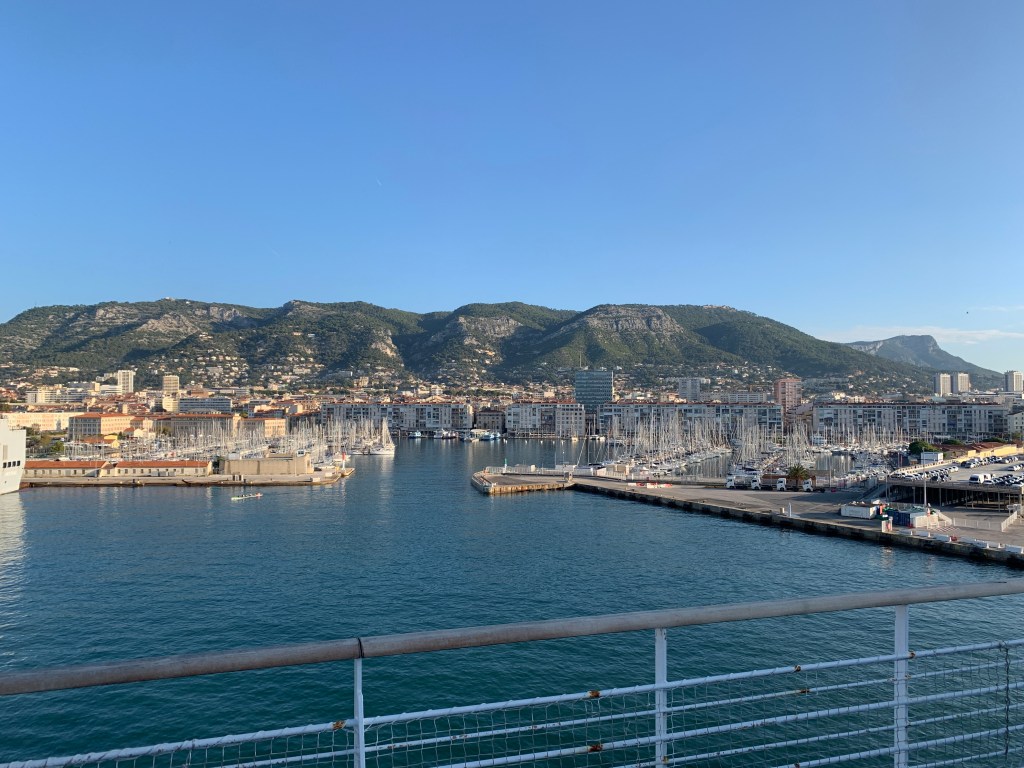
The first of 4 school vacations for the 2021 – 2022 academic year had arrived and we decided on spending the 2-week break visiting Corsica (Corse), and Sardinia (Sardegna). Corsica is part of France and Sardinia is part of Italy, although as one would learn, don’t call Corsicans French and don’t tell the Sardinians they’re Italian. We were all very excited for the trip and the girls really got into the nearly 8-hour ferry ride from Toulon to Ajaccio (Corsica), which admittedly was a lot more comfortable in the cabin we booked. We planned a full week in Corsica and 5 days in Sardinia and brought our car along. One of the cool things about Mediterranean ferries is that they accommodate personal vehicles (of all sizes), from Vespas to RVs and anything in between.
Corsica: Part 1
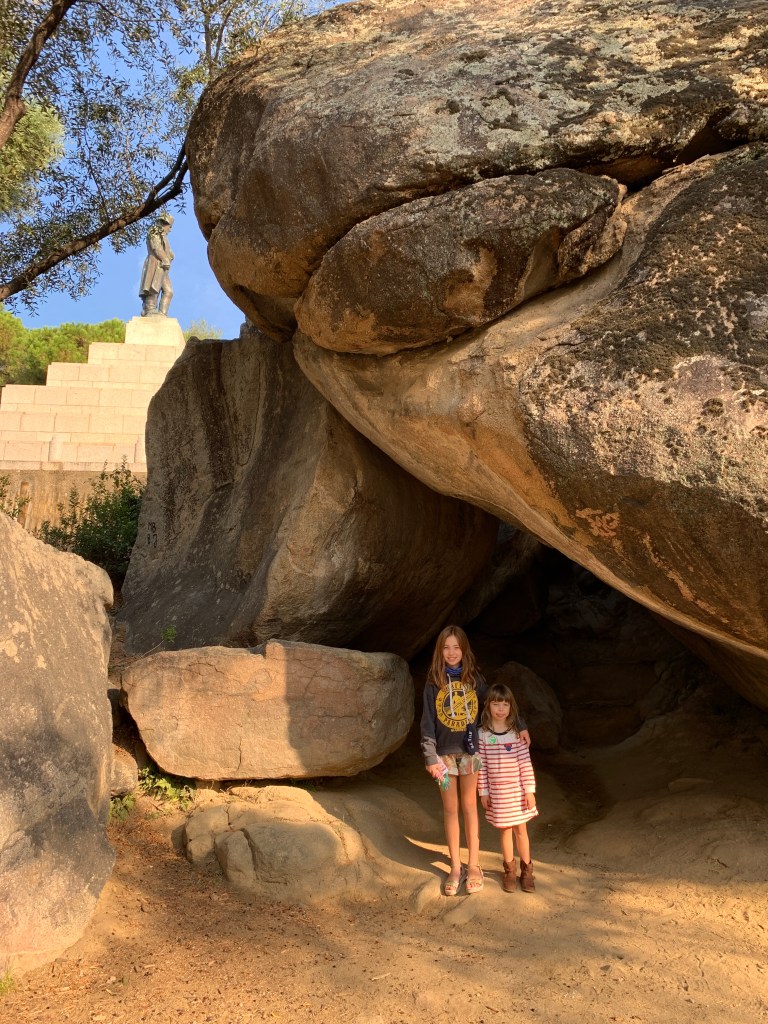
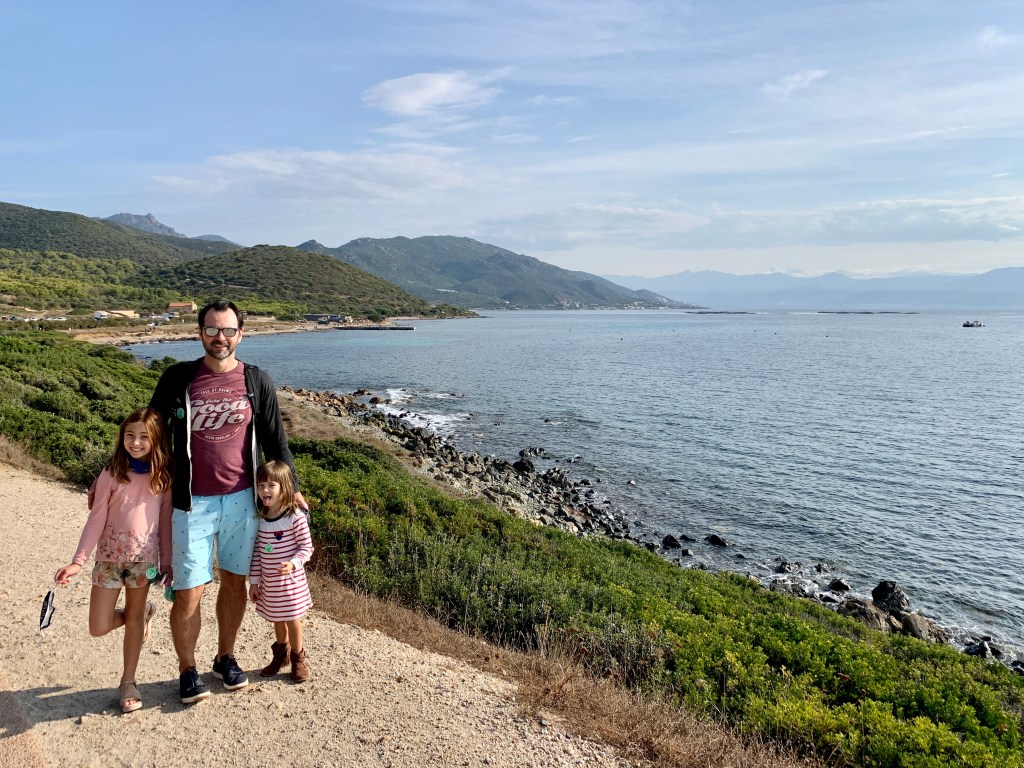
One thing that quickly became apparent is that Corsica is very mountainous, in fact two-thirds of the island is occupied by one mountain range. This translates into dramatic landscapes with lots of winding roads, lots of driving up and down hill, but it also means that spectacular views are to be found throughout. The more time we spent on the road the more we realized the island is quite raw, signifying that nature gets more of its way here.
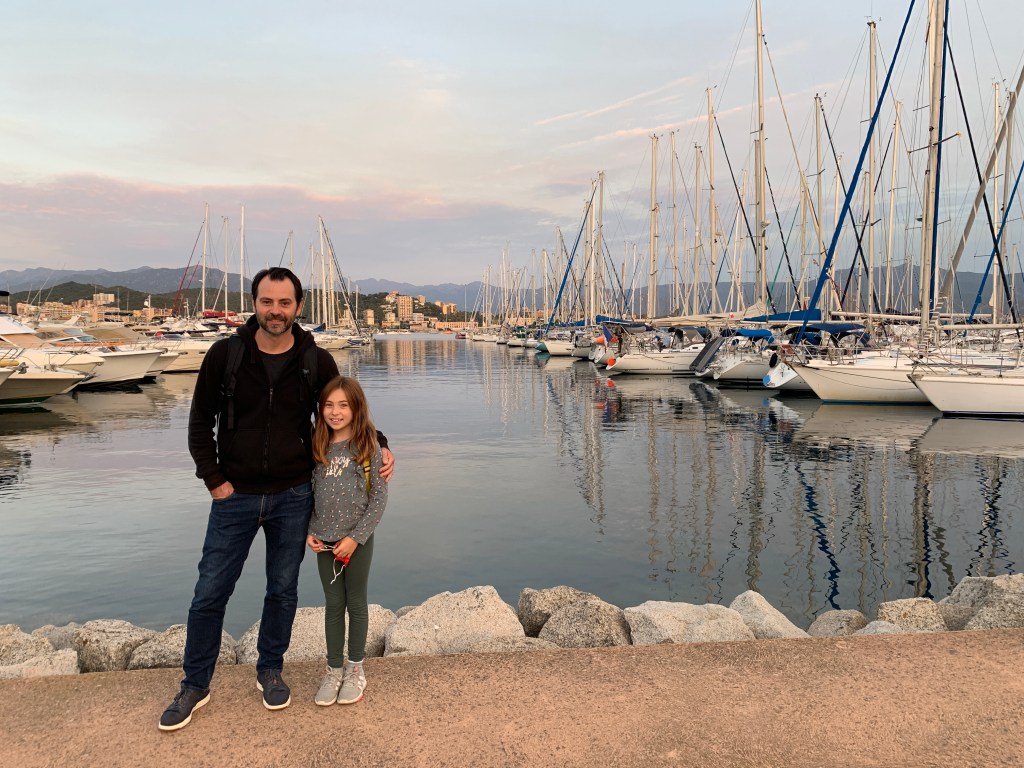
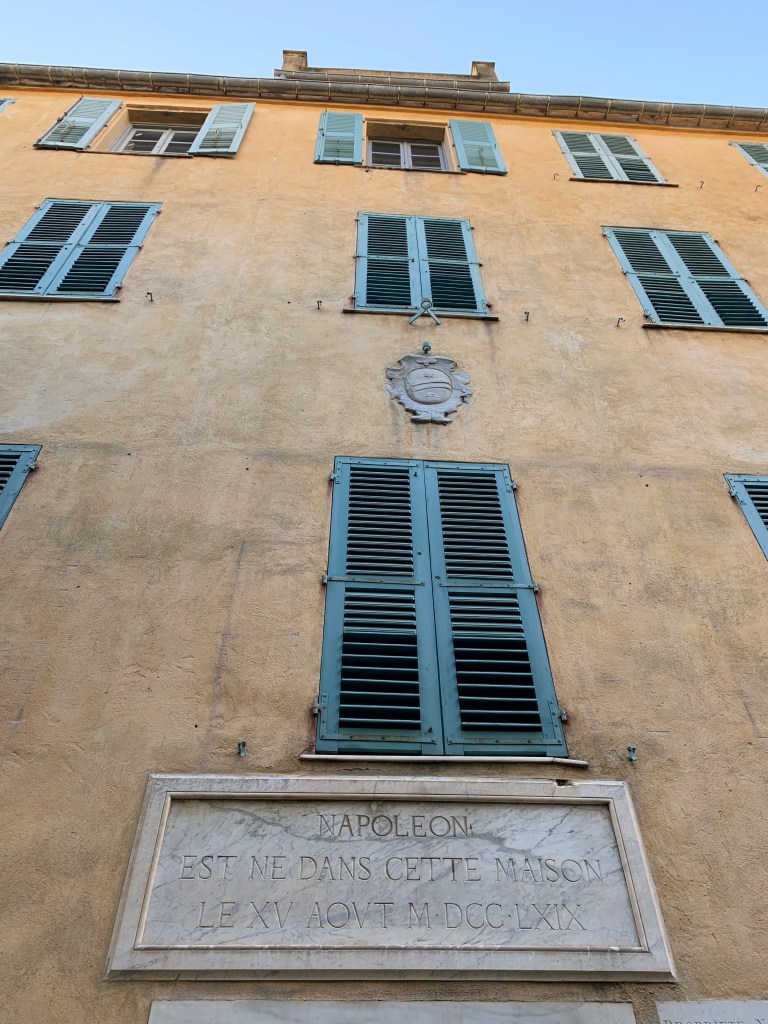
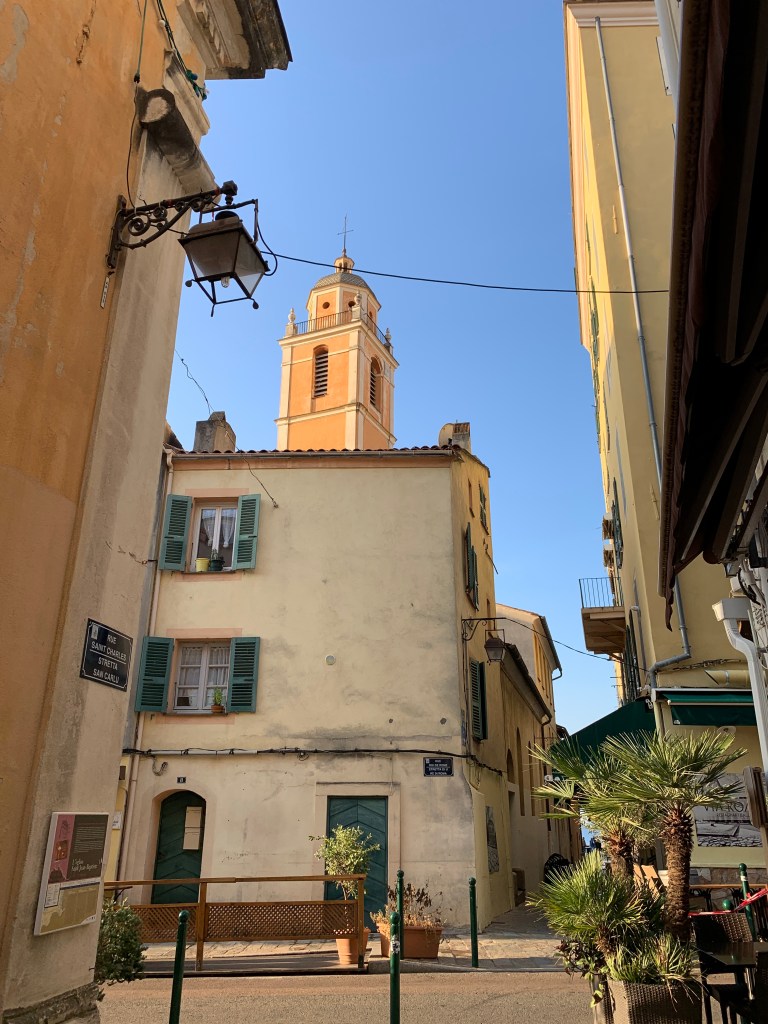
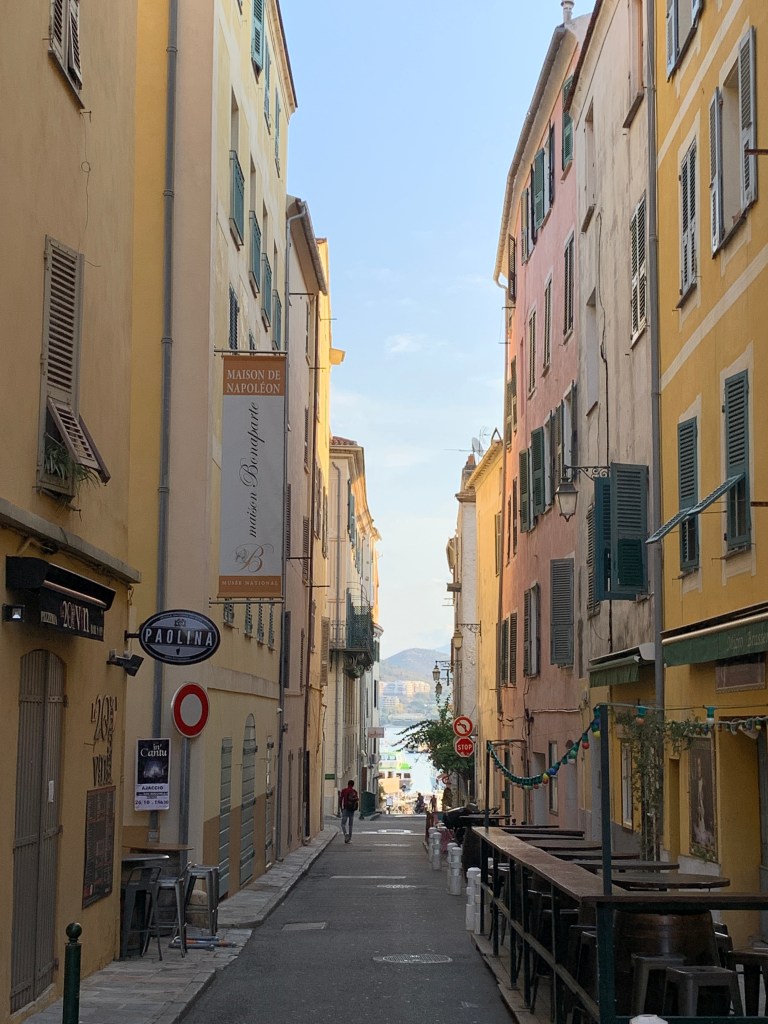
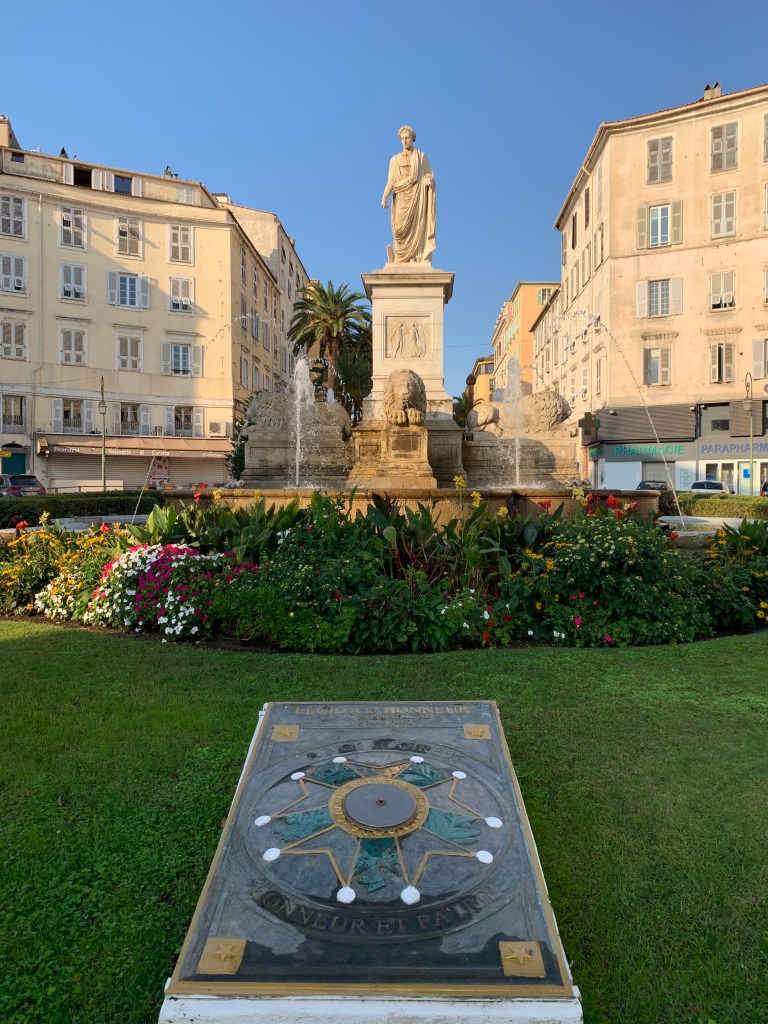
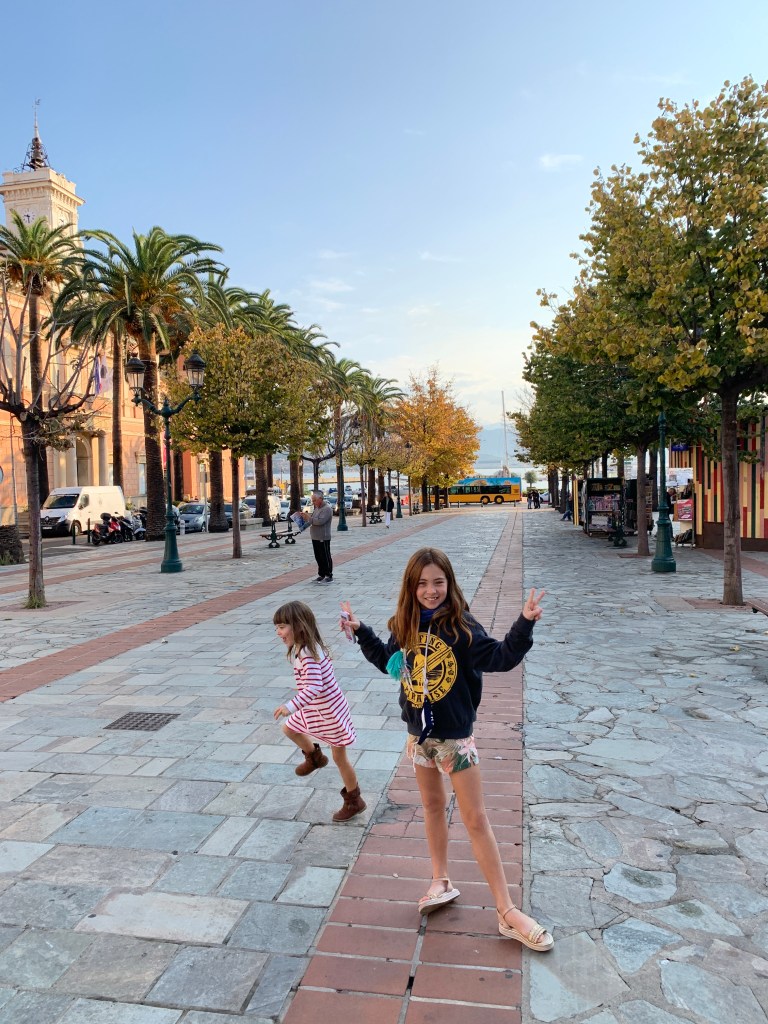
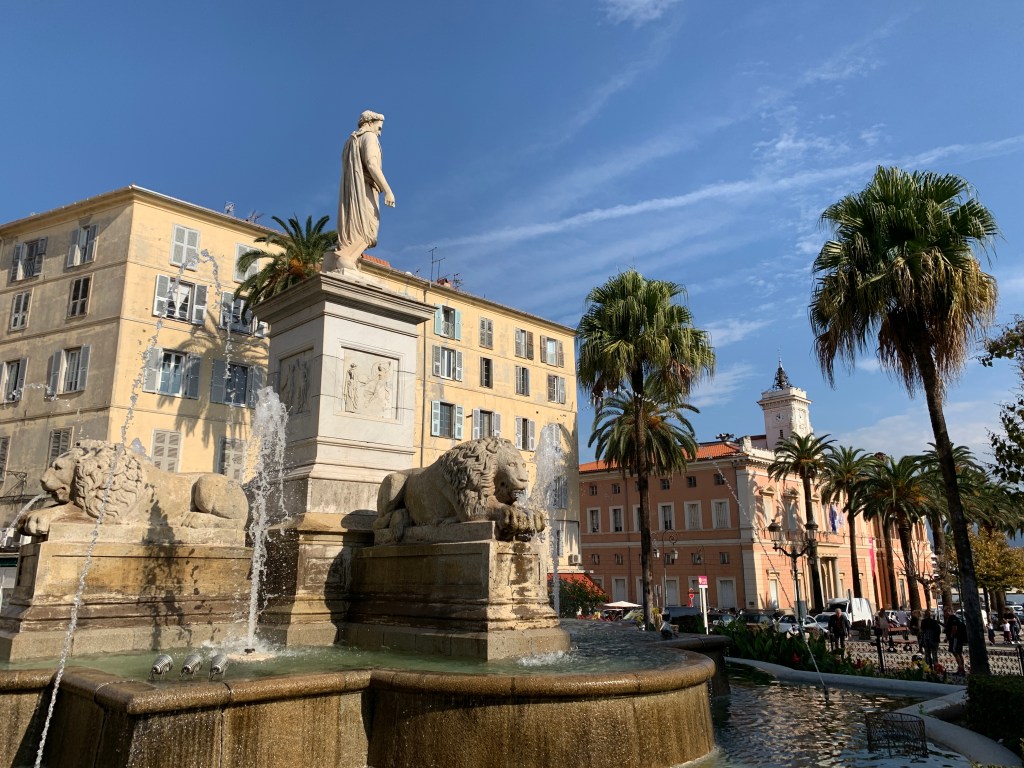
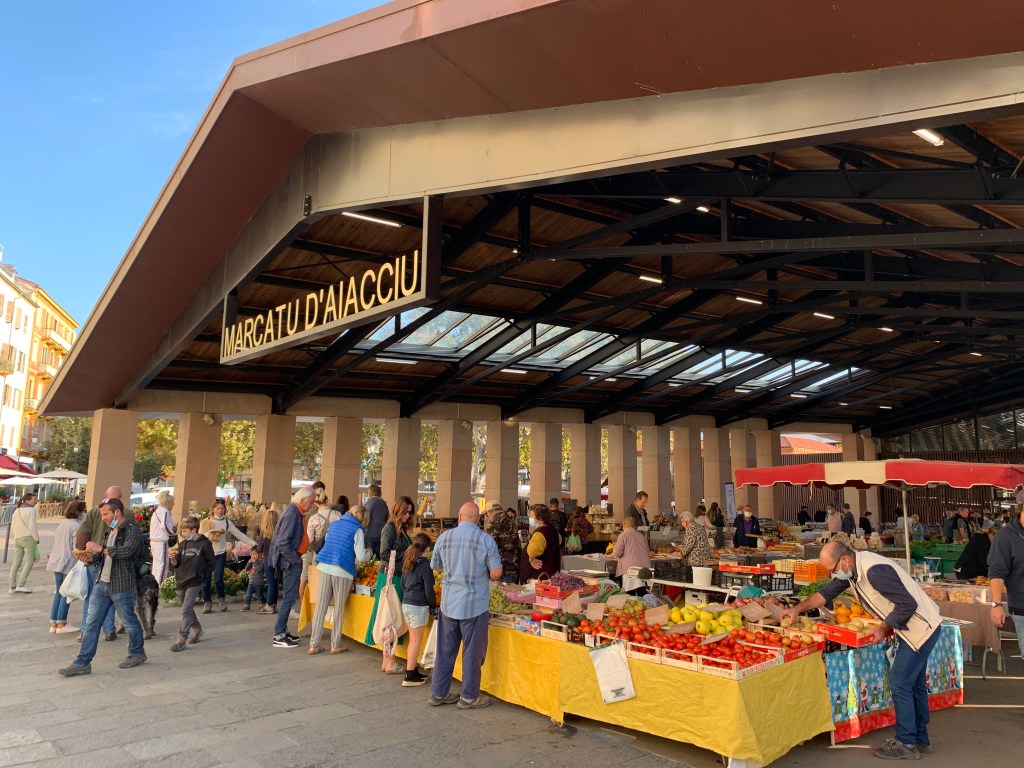
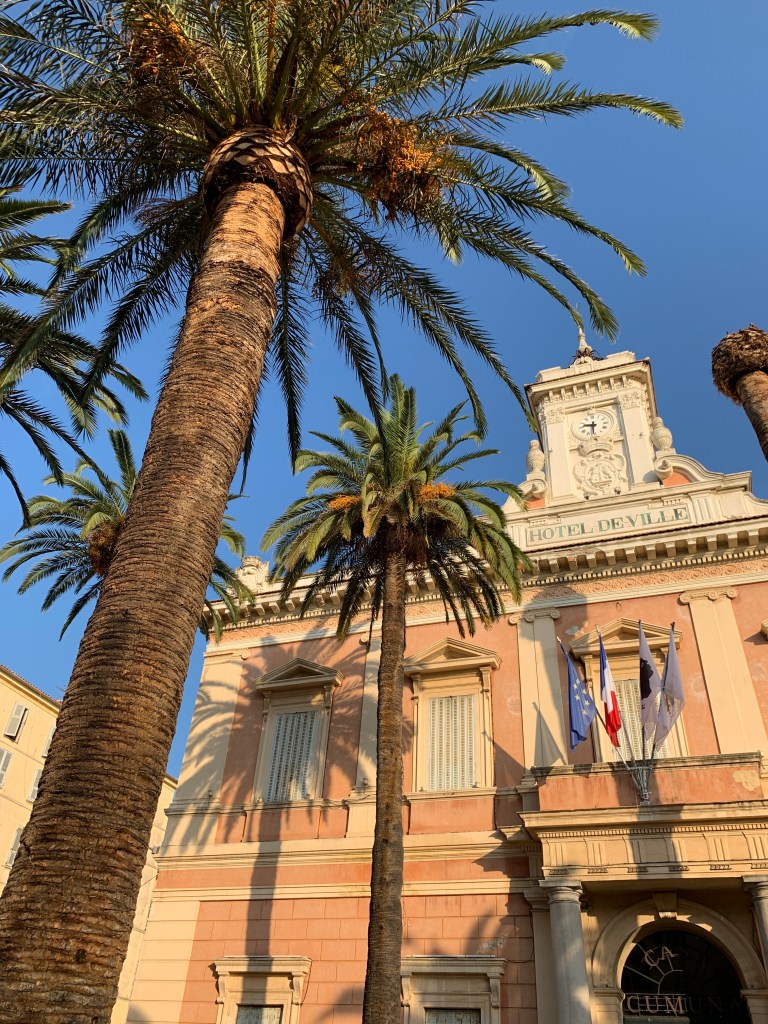
Ajaccio is the capital and largest city in Corsica and is best know for giving history and France its memorable emperor (Napoleon Bonaparte), whose legacy, ideas and actions shaped the world in ways that still exist today (from the Napoleonic or Civil French Code and the fundamentals of law modeled by many legal systems around the world). The city faces the Mediterranean and has numerous historical points of interest, many of which are dedicated to Napoleon, of corse. Just outside of the city (heading west on the coast), or following the Route des Sanguinaires, lies a beautiful archipelago bearing the same name, with amazing views. There, lies one of the island’s staple landmarks, a Genoese tower, constructed during the 16th and 17th centuries serving as part of a defense system against invading pirates. Numerous such towers are scattered throughout Corsica’s coastline and they can be spotted from miles away (from land or from sea). After getting a good dose of Ajaccio, we headed south towards the tip of Corsica where we spent the next few days balanced between Bonifacio and Porto-Vecchio.
Favorite Highlights: Route des Sanguinaires (we did this via the touristic train), and walking the old historic town of Ajaccio.



Bonifacio & The Lavezzi Islands
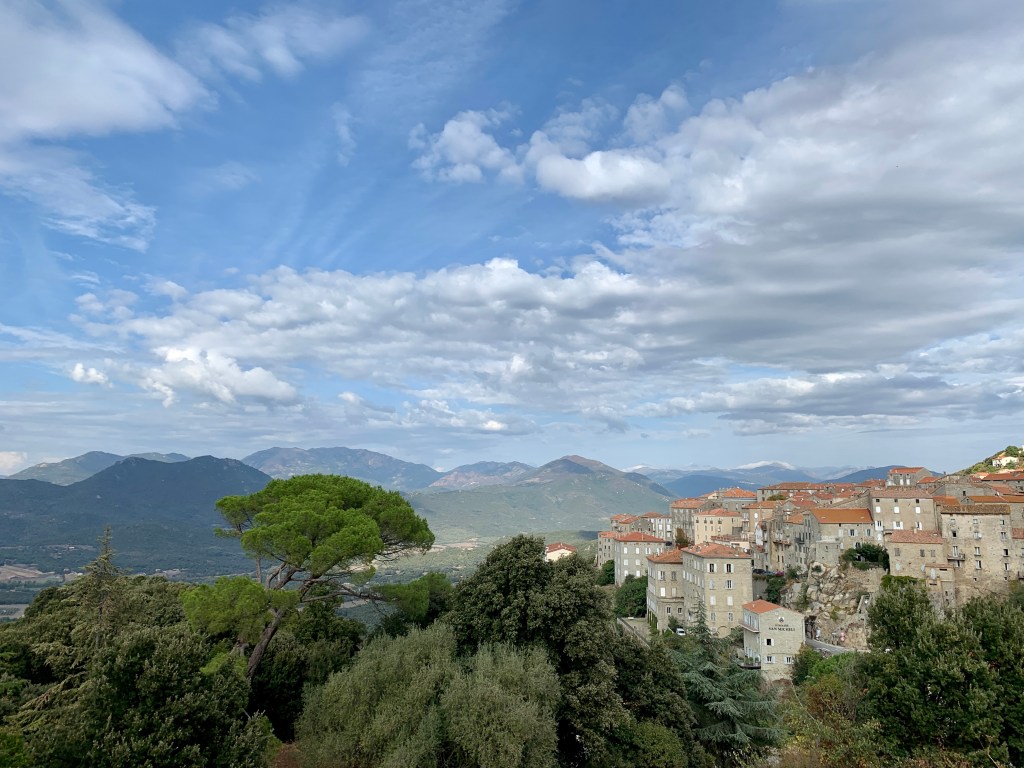
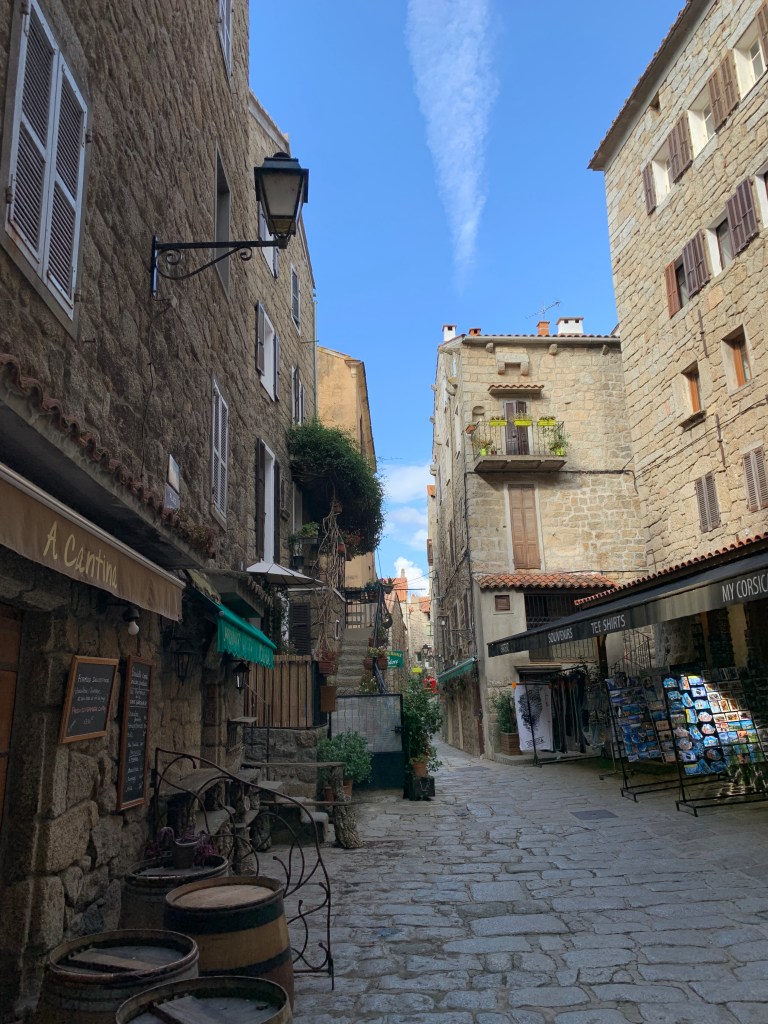
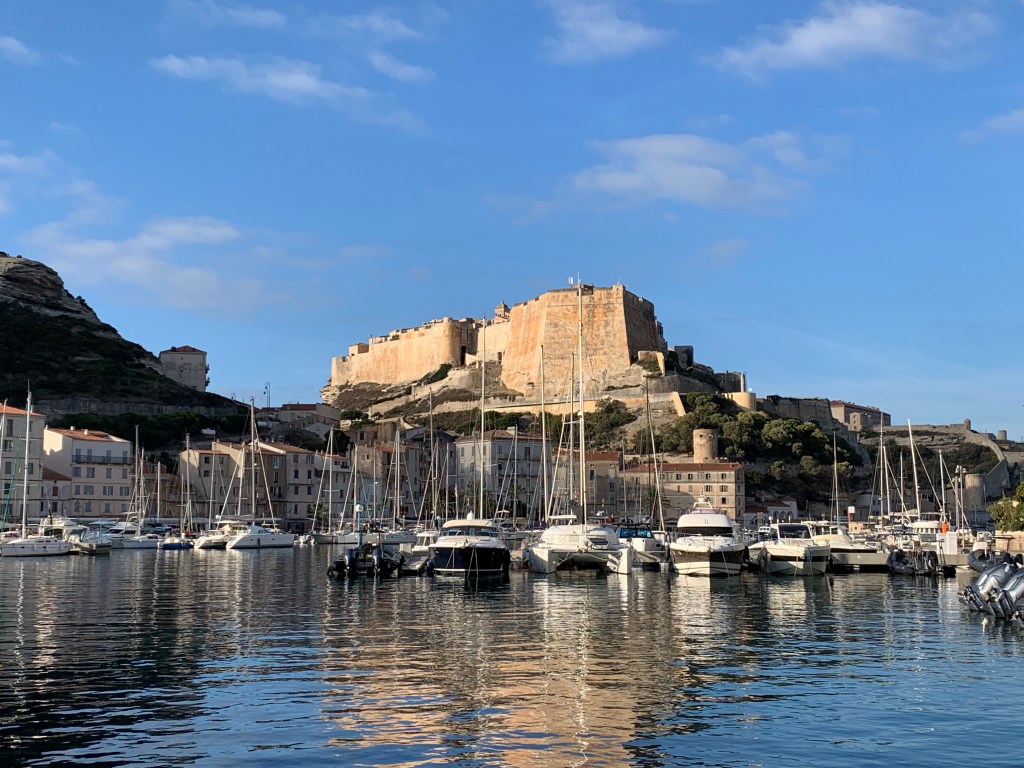
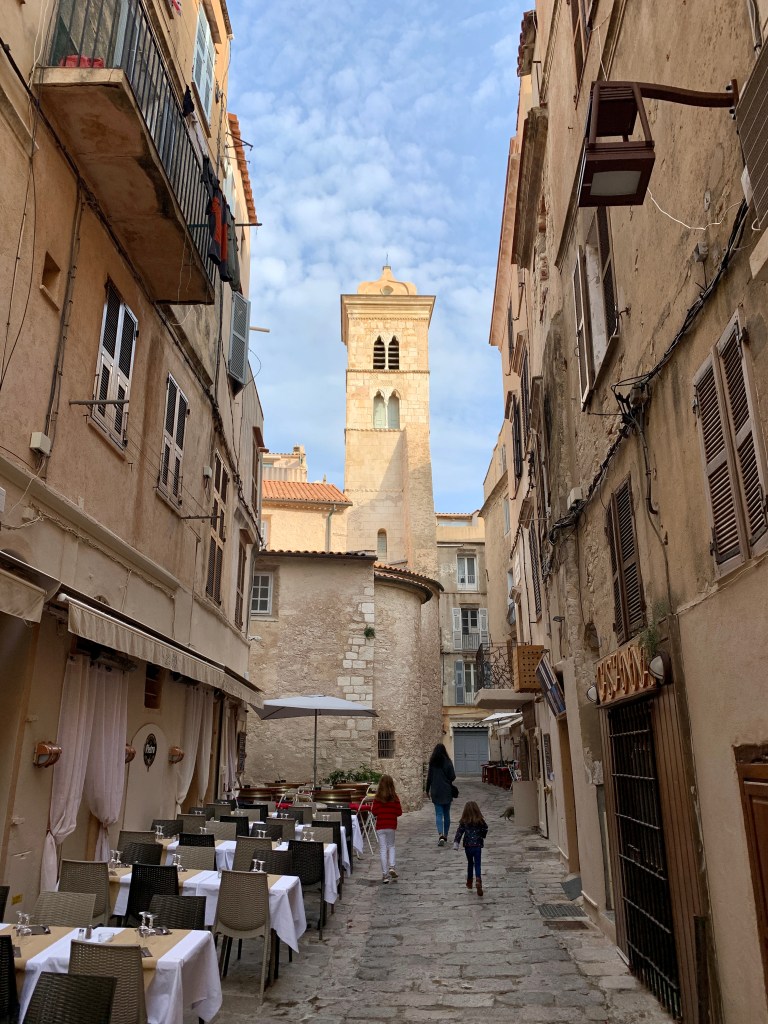
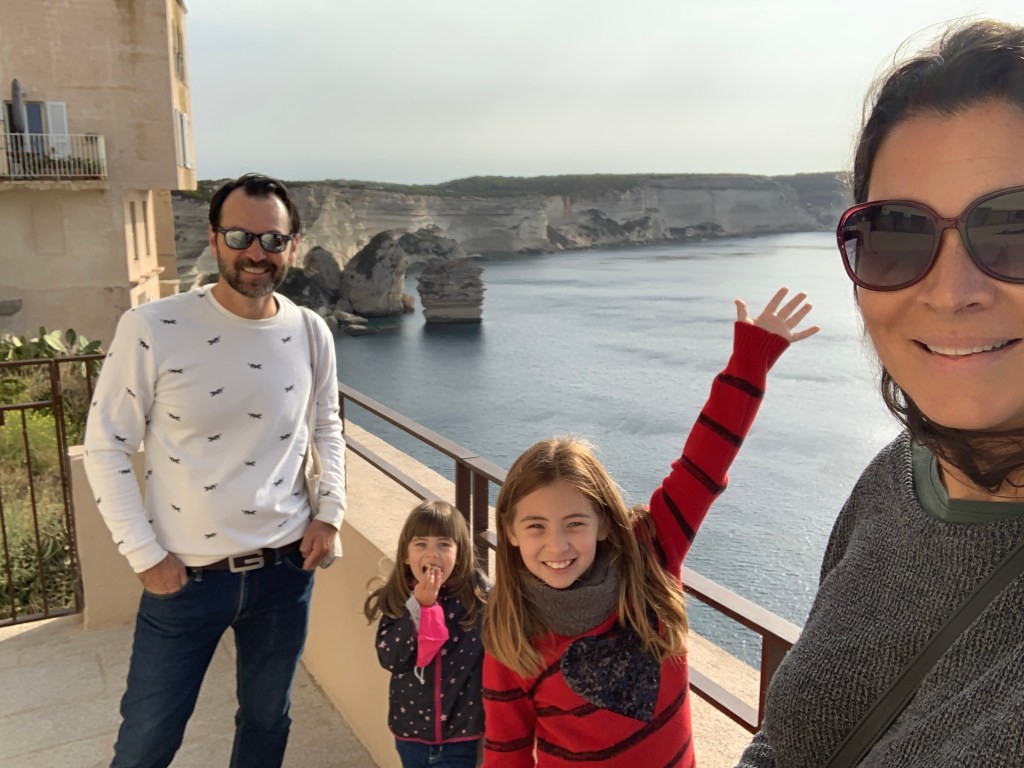
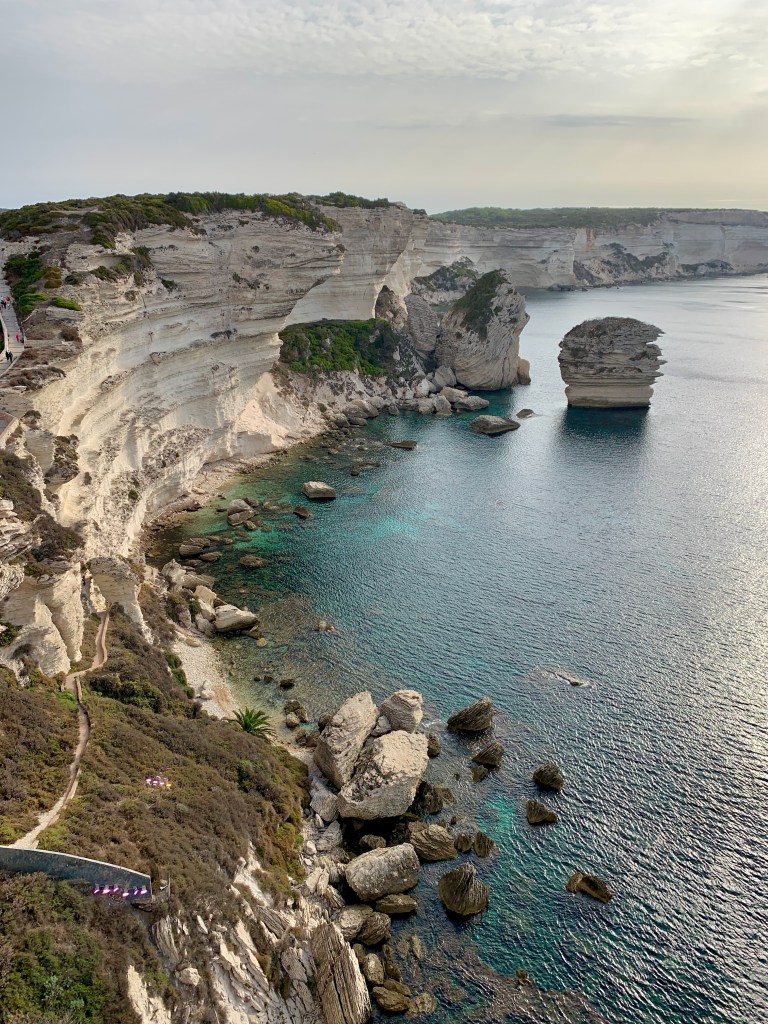
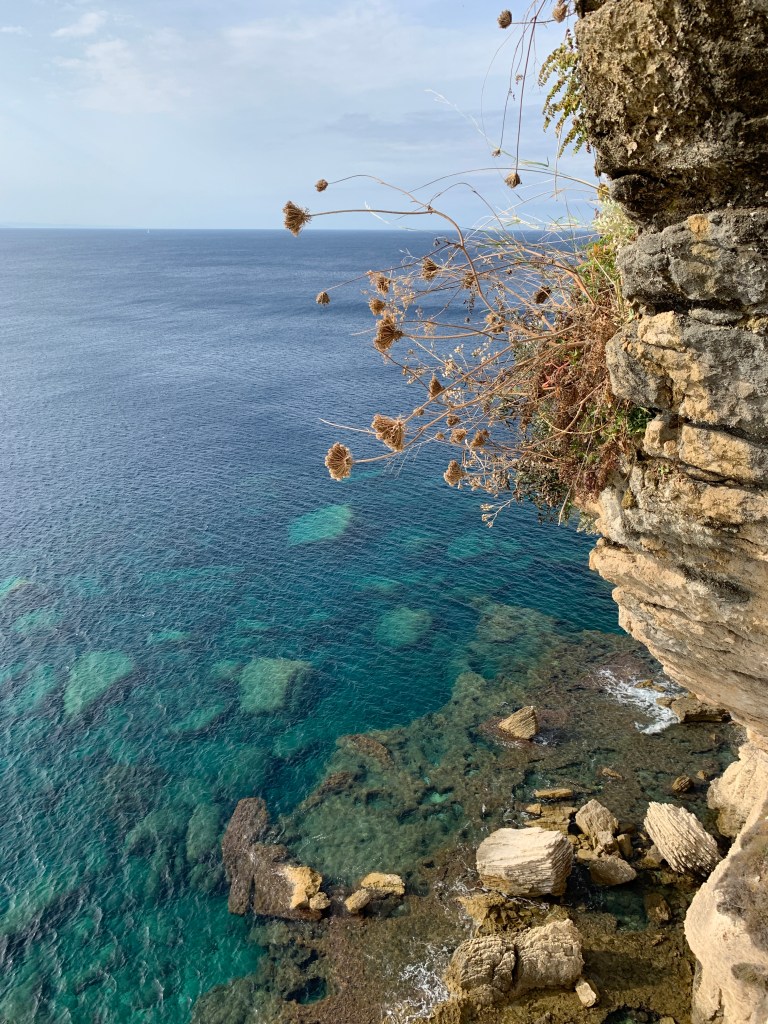
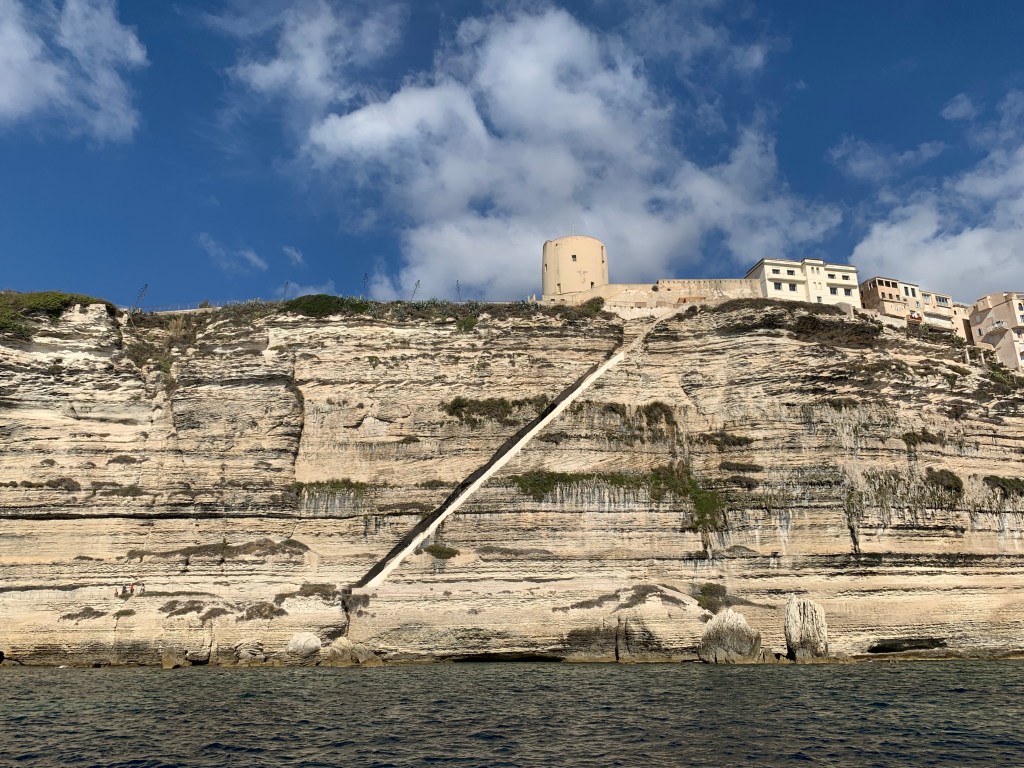
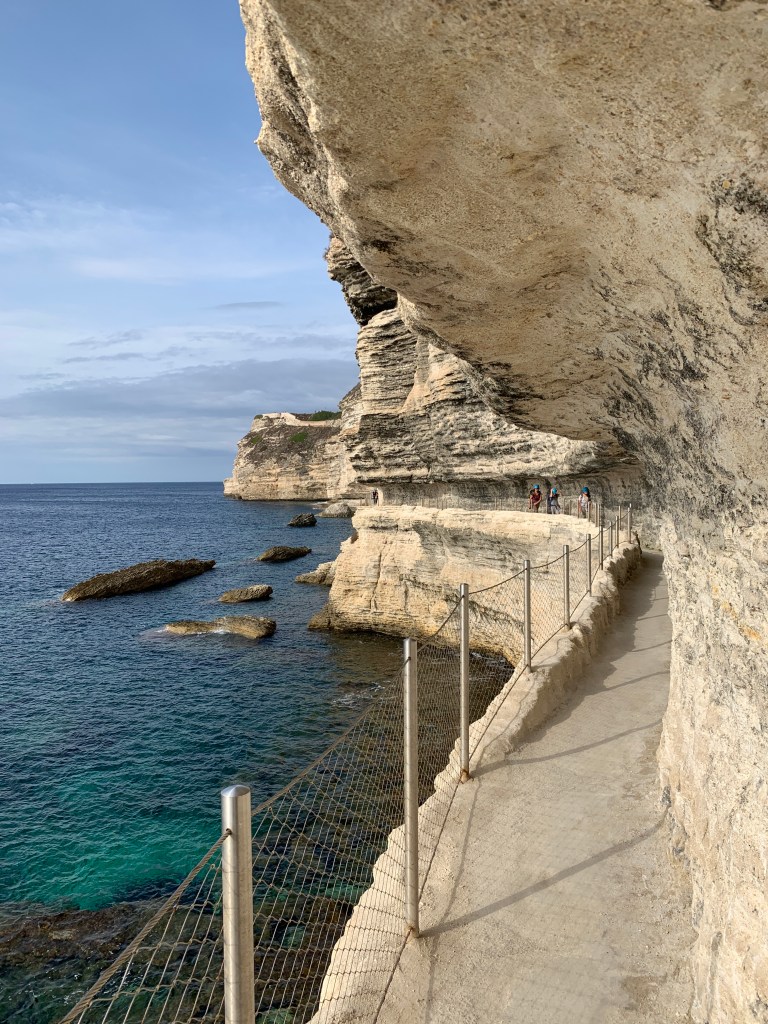
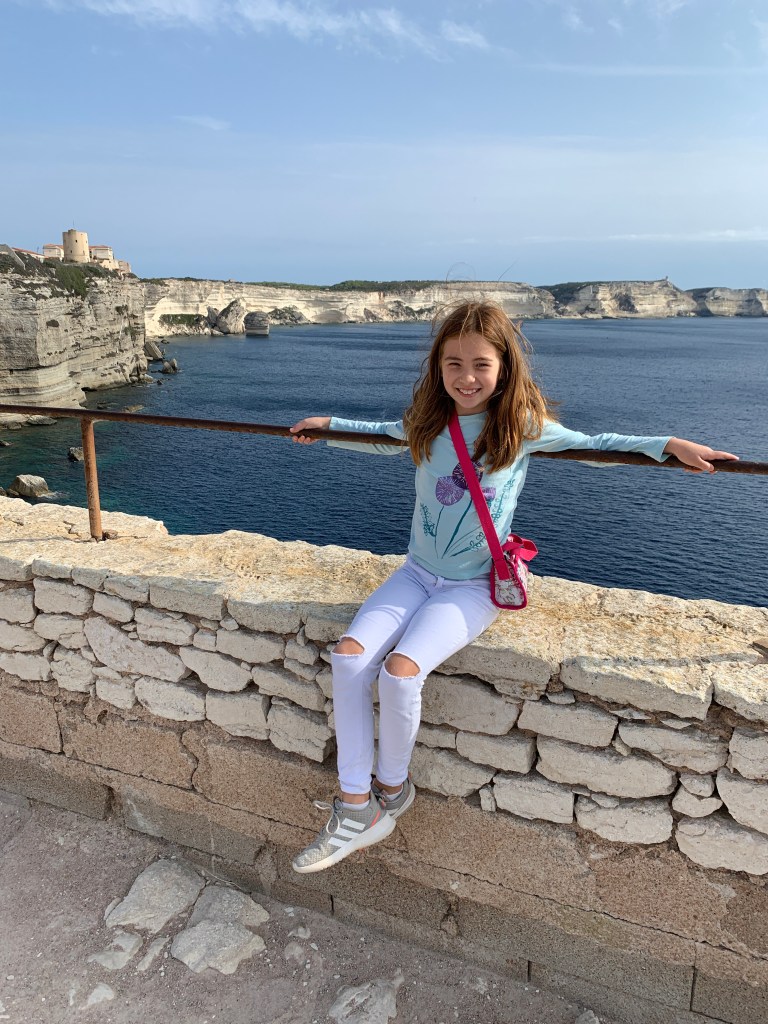
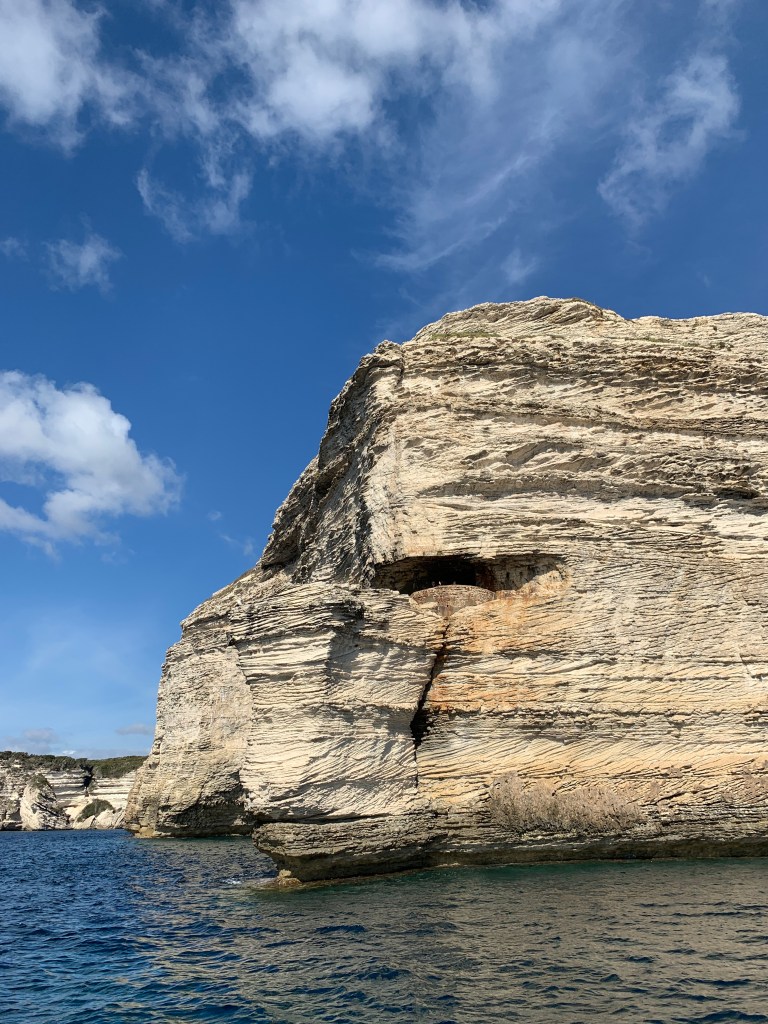
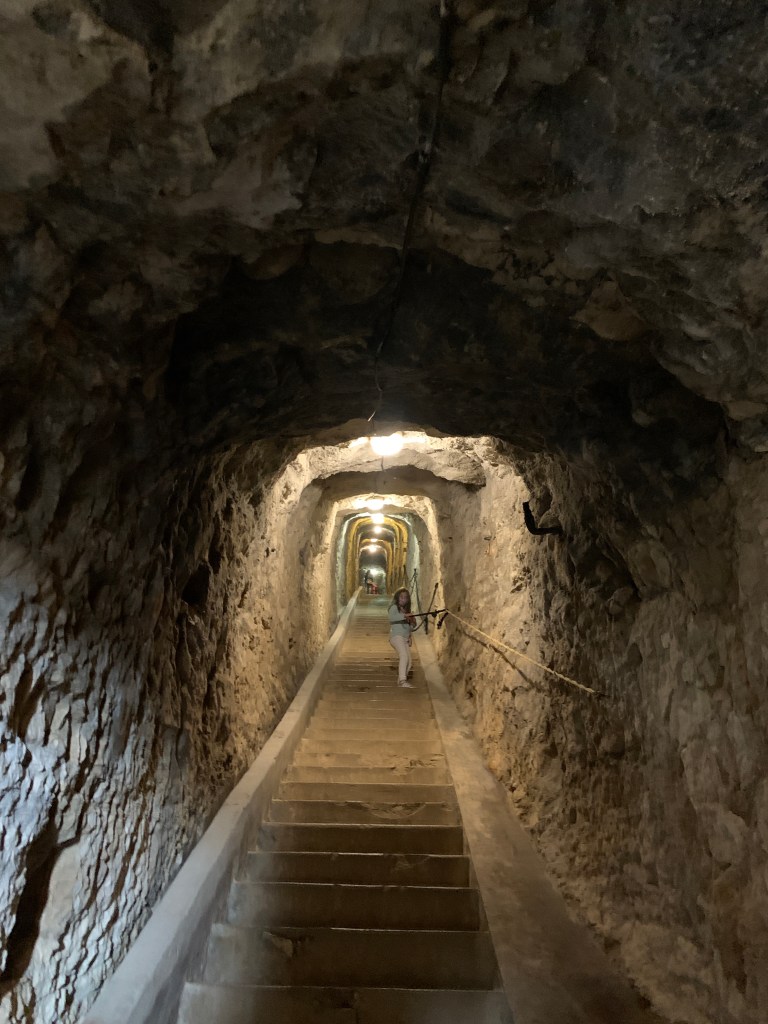
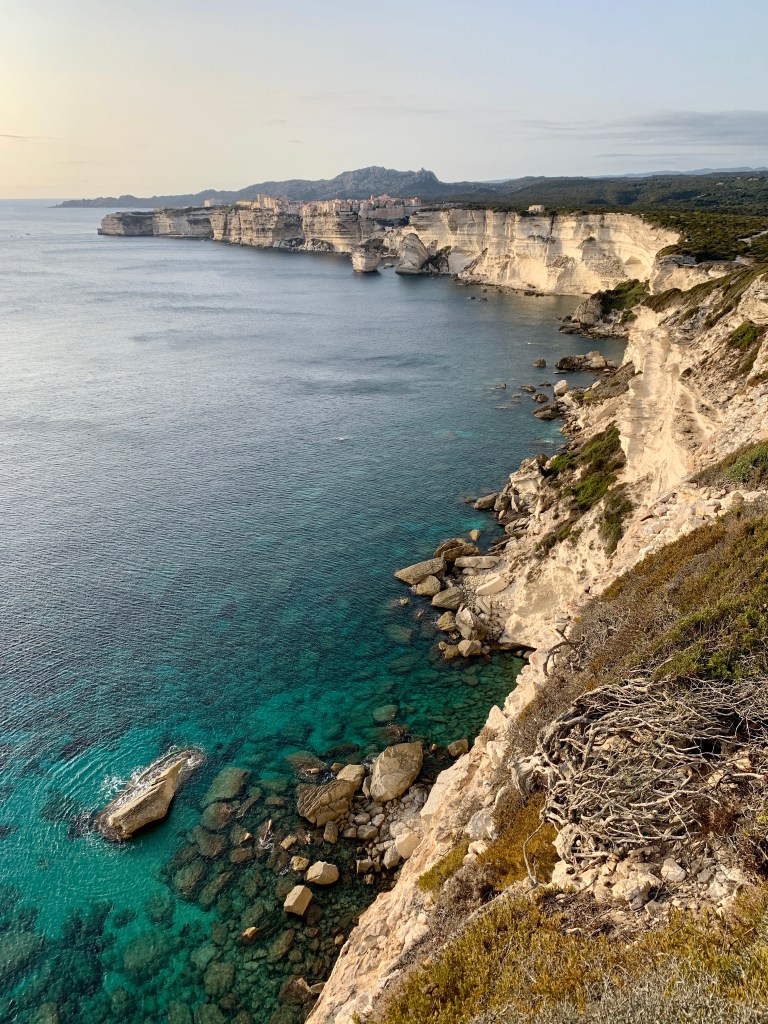
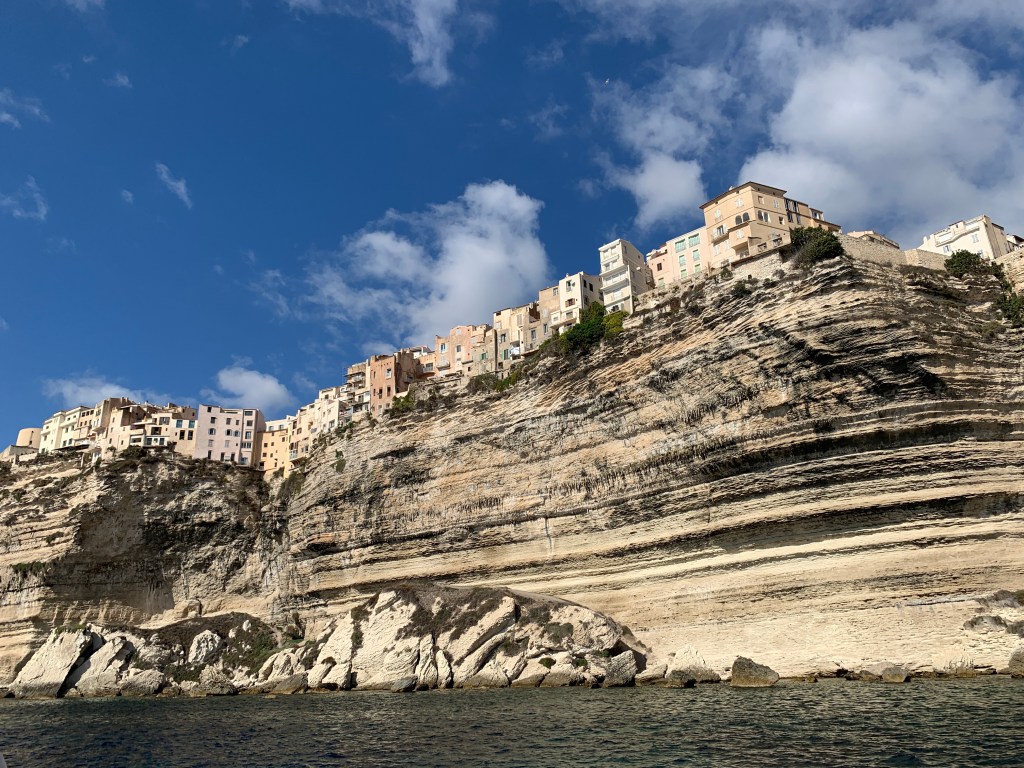
On our way south to Bonifacio we stopped in Sartène, a hilltop medieval town lined with grey granite homes characteristic of Corsican construction (dating to the 16th century). Sartène offered a good impression of a non-coastal town in showcasing Corsican life in the mountains. From there it was a little over an hour’s drive to reach Bonifacio where we spent the next two days getting close and personal with its history and amazing setting. There are two main parts to Bonifacio, the town that sits on the marina and the upper “old town” that sits inside a citadel (built during the 9th century), on a serious cliff overlooking the Mediterranean. The cliffs are composed of limestone and stand about 230 feet tall, and their white complexion produce vibrant views contrasting off the blue hues of the sea. There are numerous spots within the citadel to capture the panorama reinforcing Bonifacio’s amazing setting. One such place is the Staircase of the King of Aragon, a long series of steps (187 in fact), dug into the stone leading down to a natural spring and cave (the cave was closed unfortunately as part of it had collapsed recently). Also within the walls of the citadel, is a marked walking path offering a glimpse into the town’s past covering centuries worth of insights. As an island located at the crossroads of maritime navigation between Europe, Africa and the Middle East, Corsica had to defend itself time and time again over the ages. Tales of its bouts with history can be witnessed in the historic towns, on its coastline and on its controversial flag.
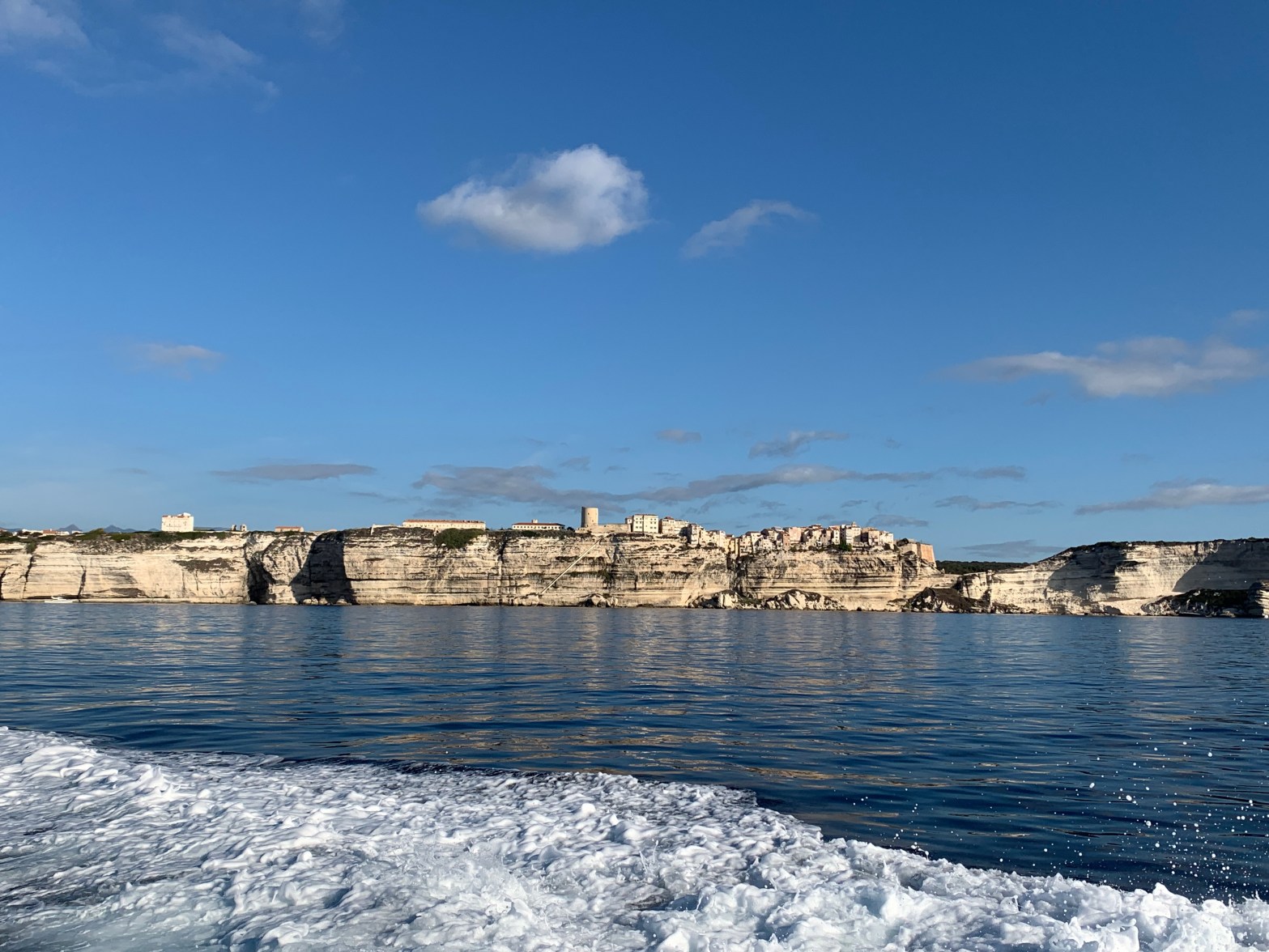
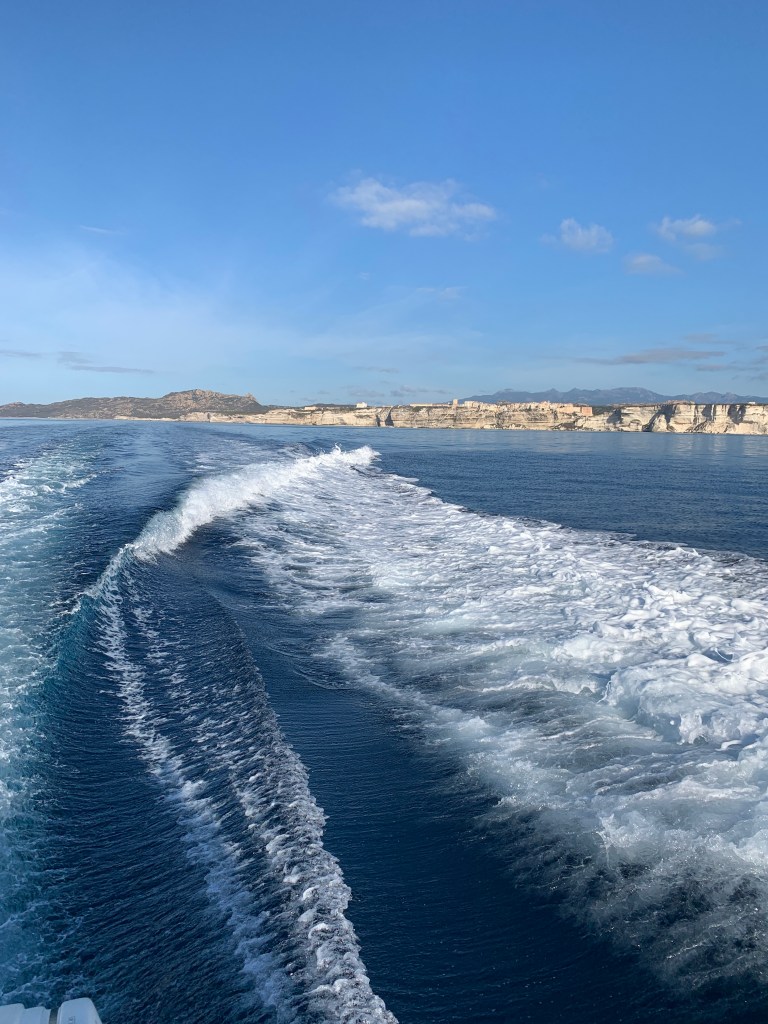
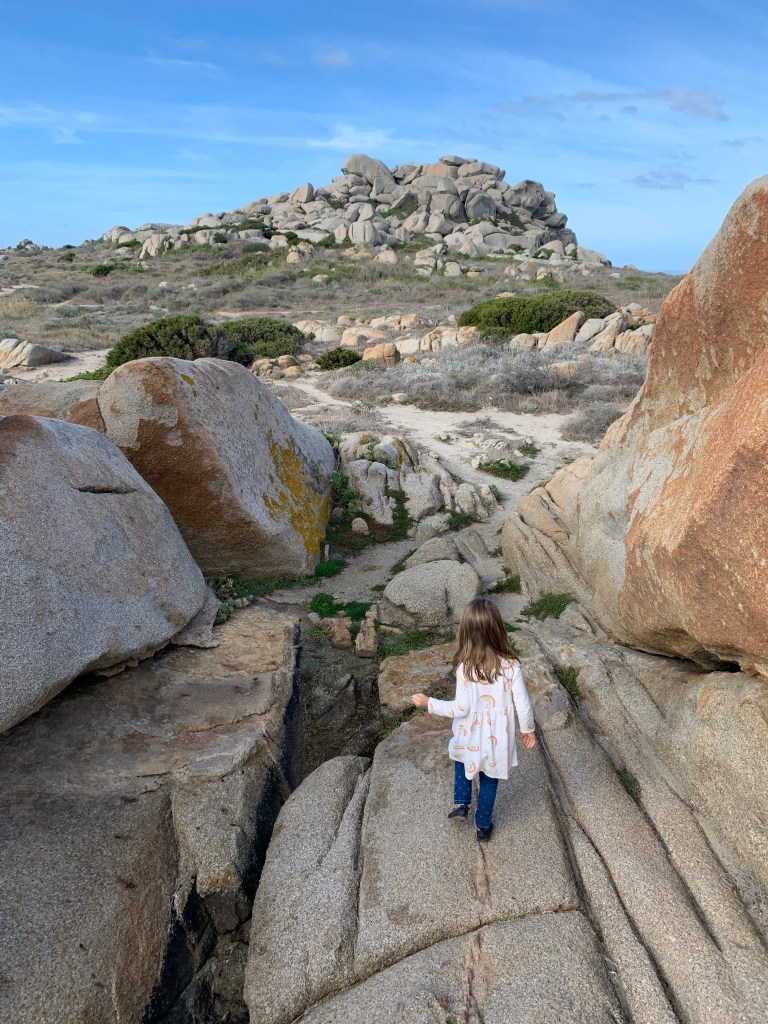
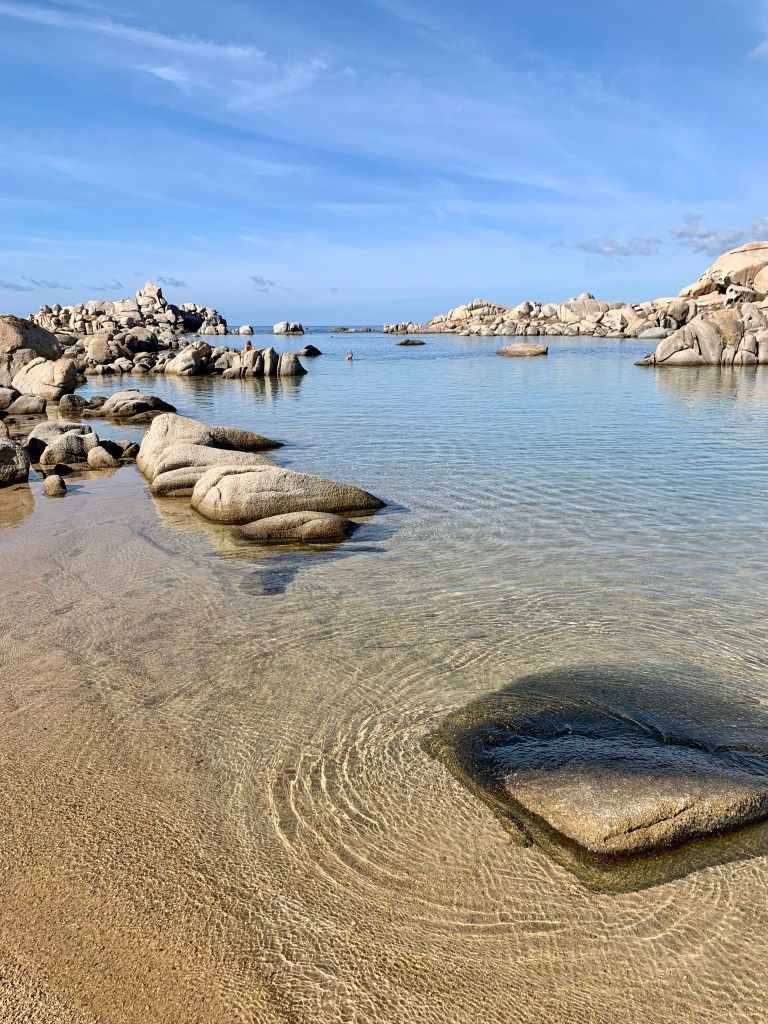
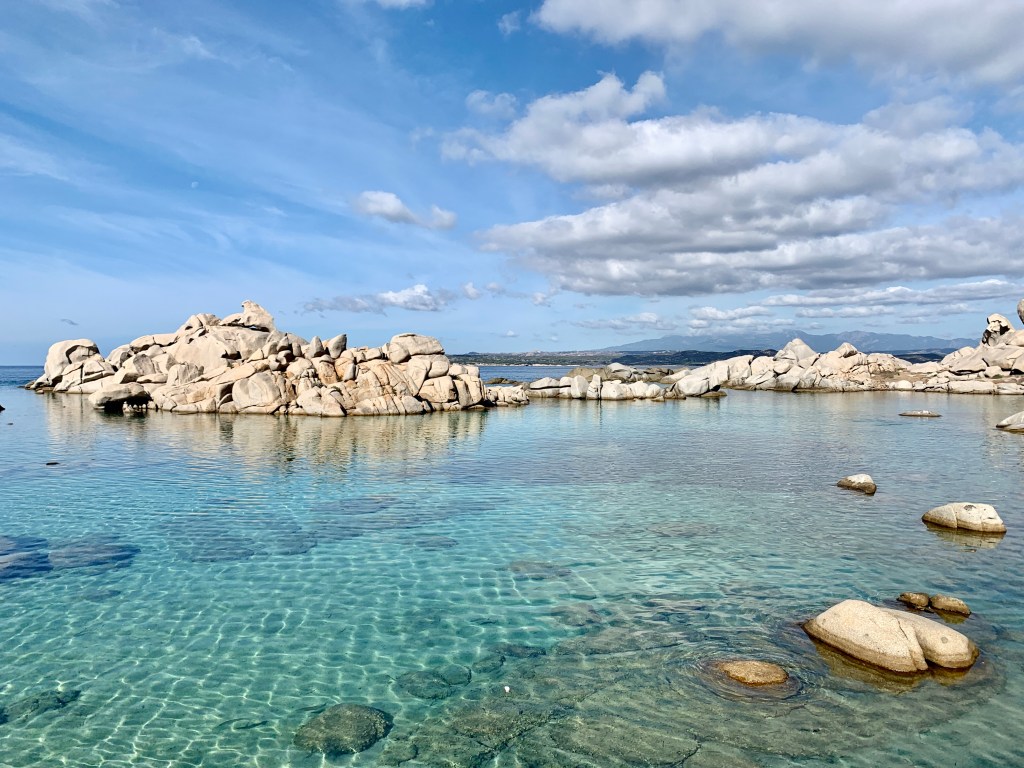
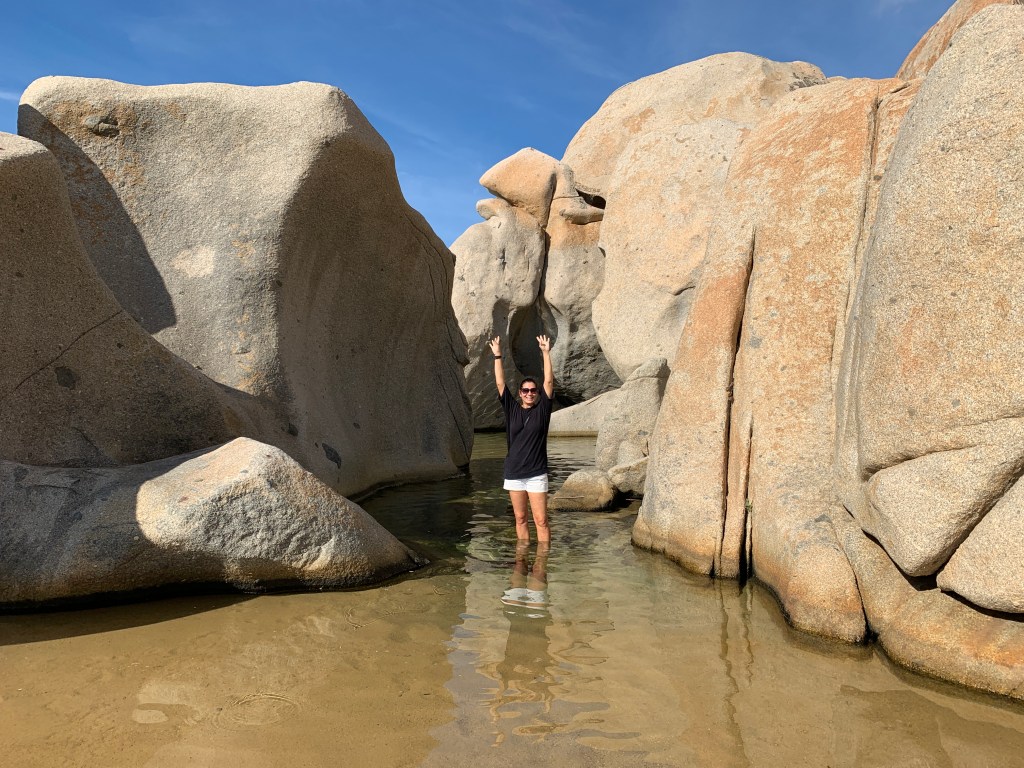
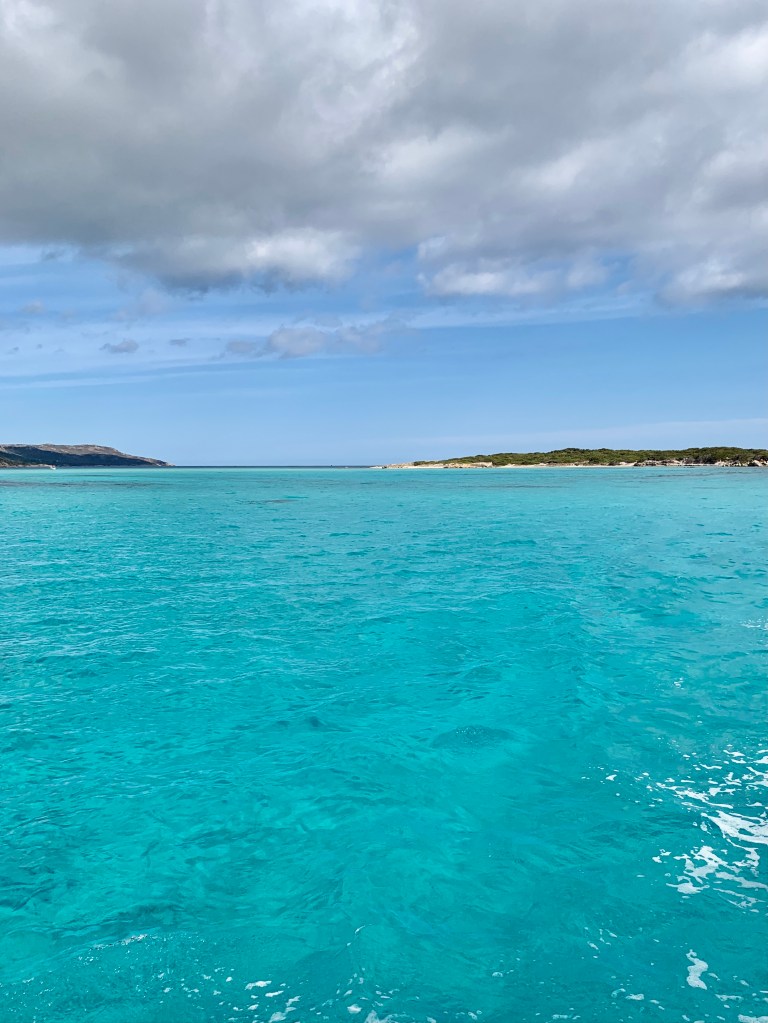
Having experienced Bonifacio by land left us to experience it by sea, giving us a deeper understanding of its unique location and the surrounding area. One of the most highly recommended things to do in Bonifacio is a boat trip to the nearby Lavezzi Islands, an archipelago consisting of several granite islands and reefs located in the strait of Bonifacio (separating Corsica from Sardinia). The Lavezzis are part of a national park which keeps their flora and fauna protected. Only one of the islands (Cavallo), is actually inhabited and the properties there are much to talk about (as in opulent villas). Overall, the Lavezzis’ landscape made for a surreal setting featuring massive granite formations that resembled various animals and human body part shapes. We felt as though we landed in a different world especially as there was nothing built up on the island we visited. The return boat ride to town brought forth an equally captivating scene as Bonifacio came more into focus. The color of the water against the limestone cliffs (we had seen the previous the day), now unleashed its full splendor, fitting with the literal meaning of the town’s name “well fated”. There’s a lot to see in Bonifacio and spending two full days seemed like a fairly good amount of time.
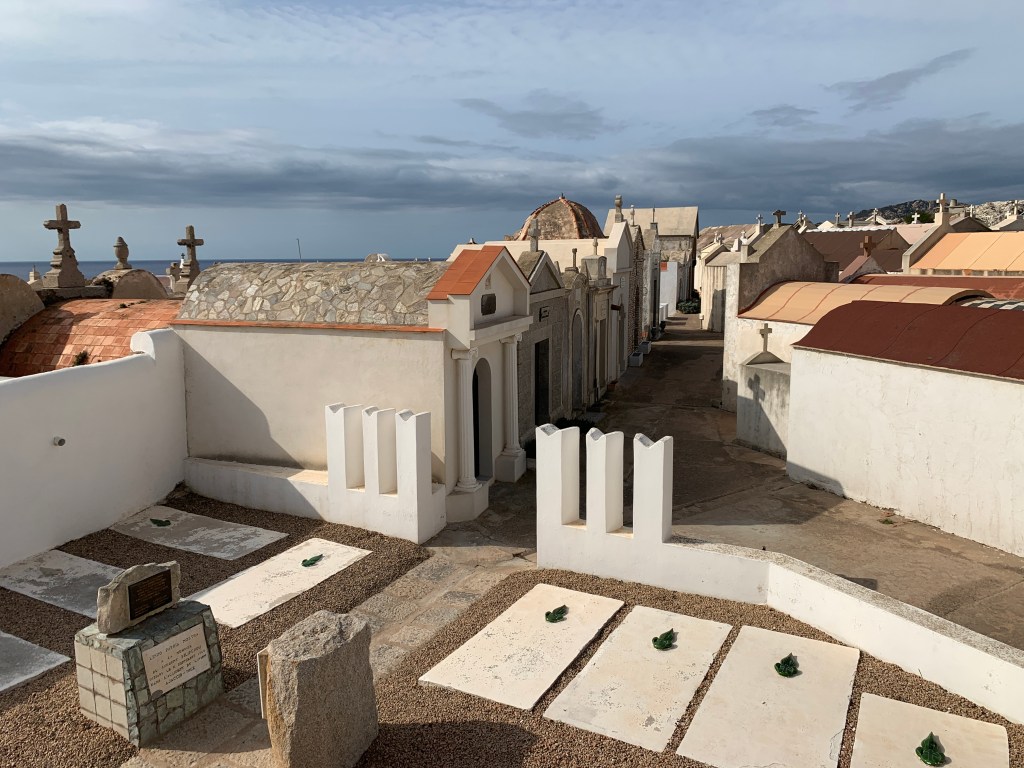
Favorite highlights: the Citadel, the scenic boat tour to the Lavezzi islands, the 187 step Staircase of King of Aragon (only Brigitte did this while I stayed with the kids), the Campu Rumanilu walking path and the setting for the Marine Cemetery overlooking the Mediterranean.



Our Corsica adventure continues, more to come in Part 2!


Juste magnifique!
Et personne dans les rues 👍
LikeLike