A page entirely devoted to the passion around wine expressed in original photos, posts, reviews, and videos. From winery visits to cellars and tastings, it all lives here! It’s not too hard to get something like this going when spending a year in the kingdom of wine, France. Cheers to the journey.
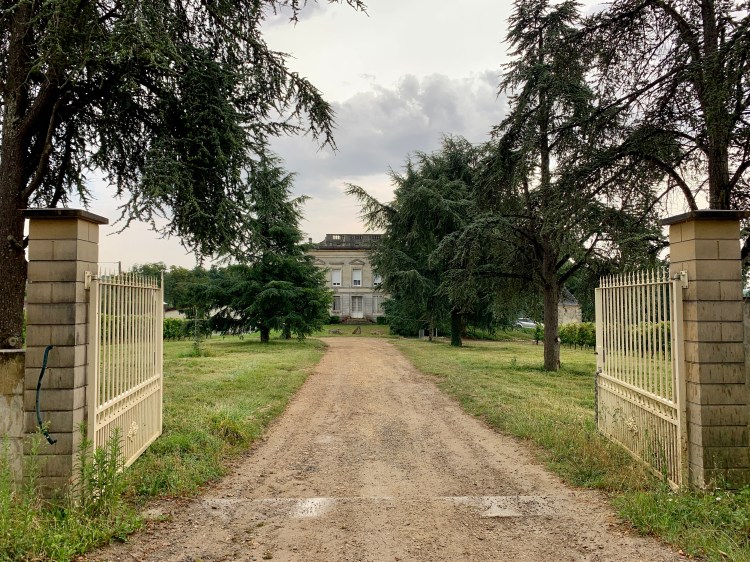
Bordeaux Double Dip
Every trip to Bordeaux bears something special, whether it’s the luscious wine, the city’s beautiful architecture or the bucolic wine country landscape. This trip, unlike previous ones, was more anchored in visiting friends in the city and less about rendezvous’ing amongst classified chateaux. In any case, let there be good wine!
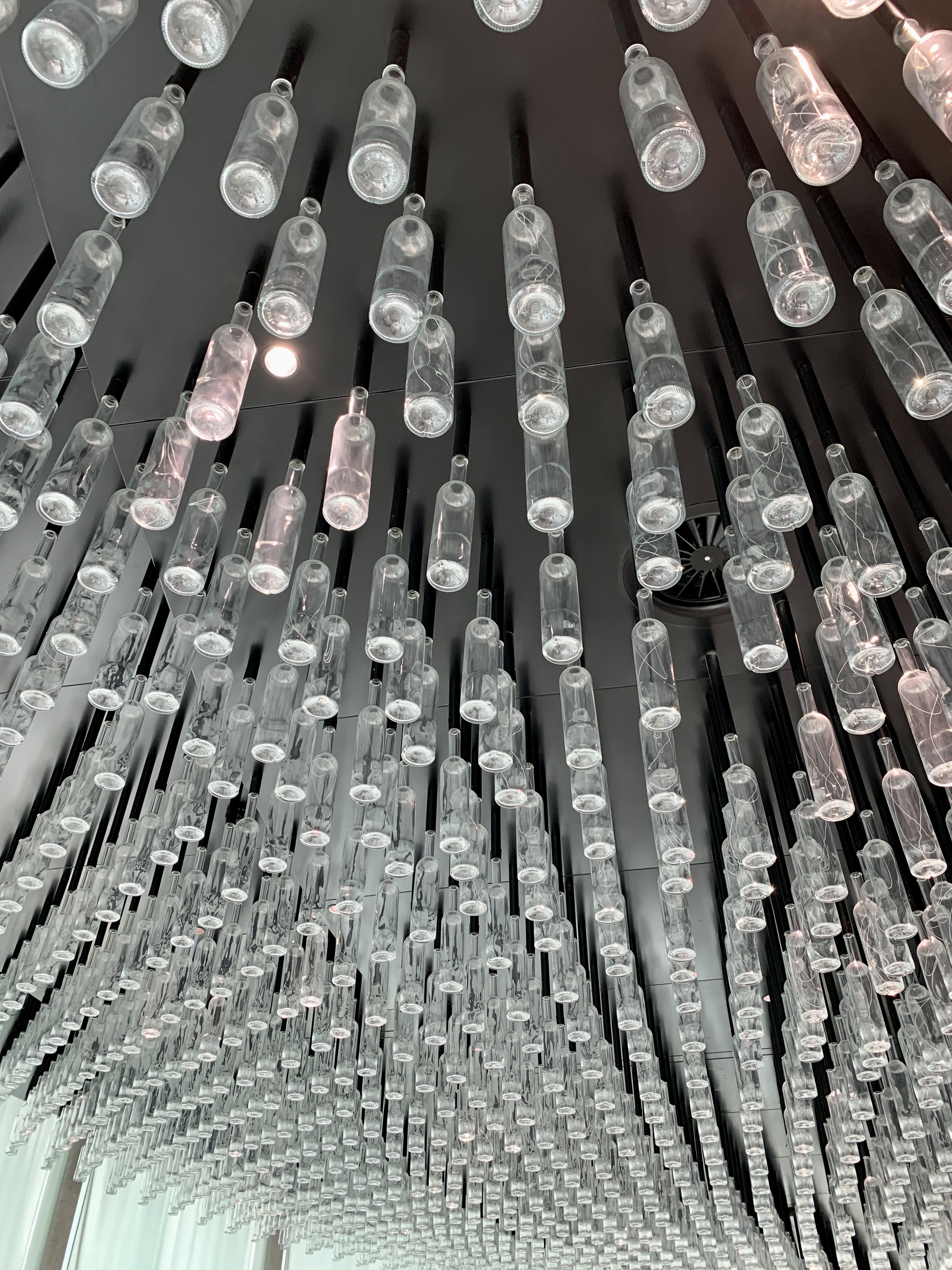
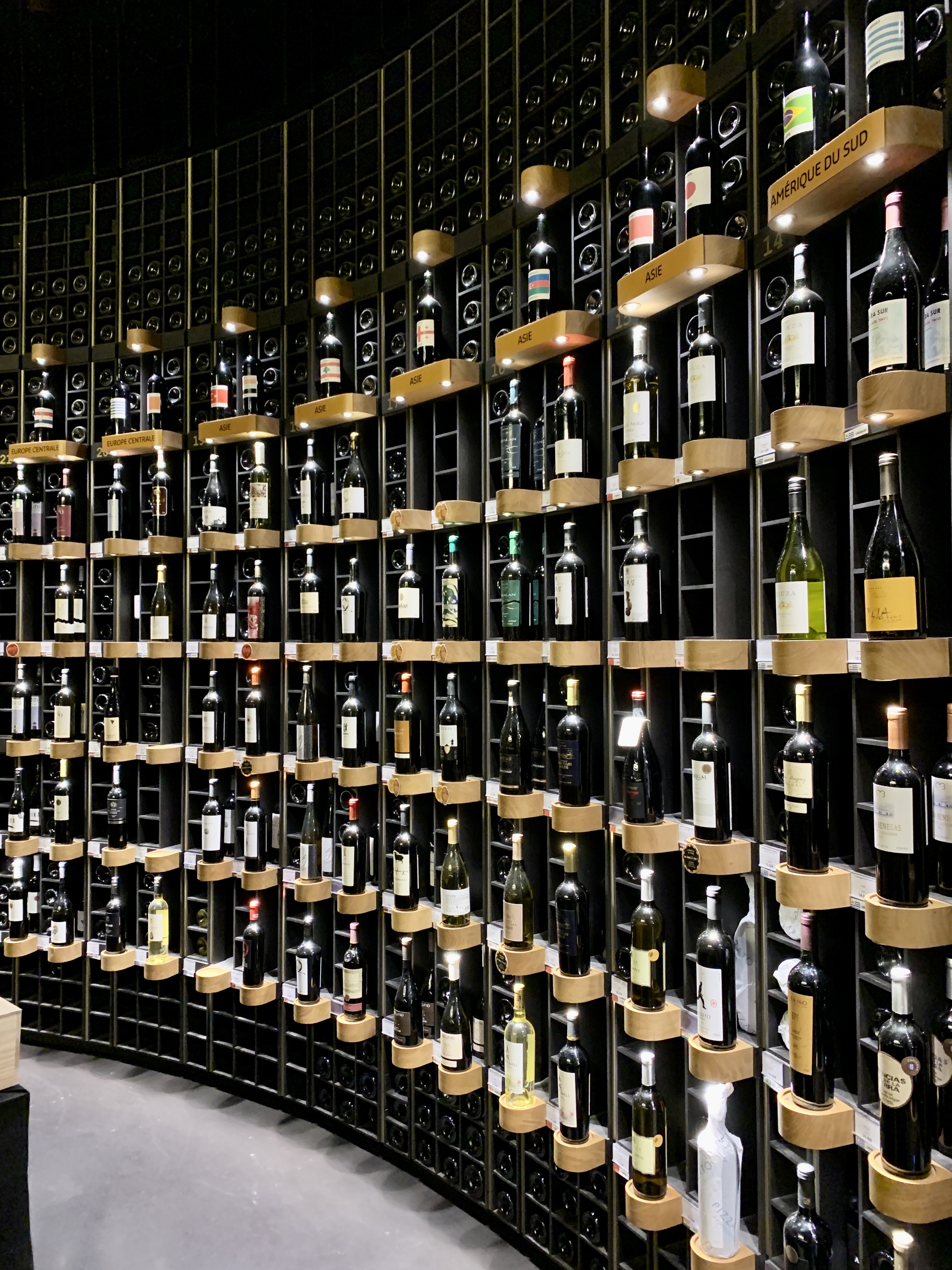
One of the things I’ve been longing to do in the city of Bordeaux was pay visit to La Cité du Vin, Bordeaux’s cultural, sensory and educational wine museum that’s become an institution since its opening in 2016. Situated in the more industrial Bacalan neighborhood of Bordeaux along the Garonne River, the museum overlooks the city’s vast expanse. It attracts 400,000 visitors each year and takes them on an immersive journey through the world of wine, from its historical origins, its global dominance and what the future may hold. Not to mention all the cool exhibits that appeal to the senses. The elaborate structure, evocative of breathing life into everything wine, is to be tactfully explored and savored. Take your time is the best advice I could impart… should’ve told myself that!
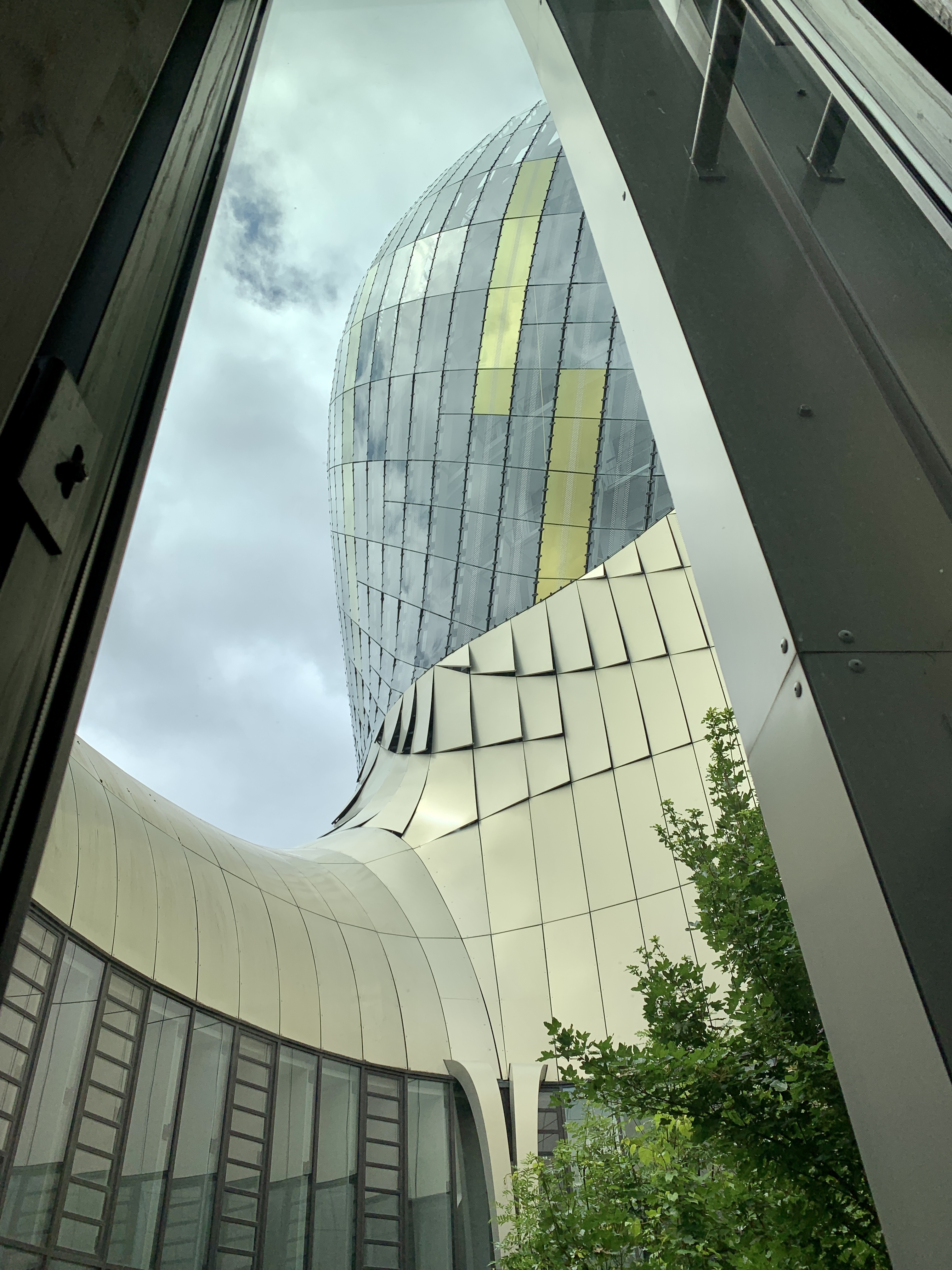
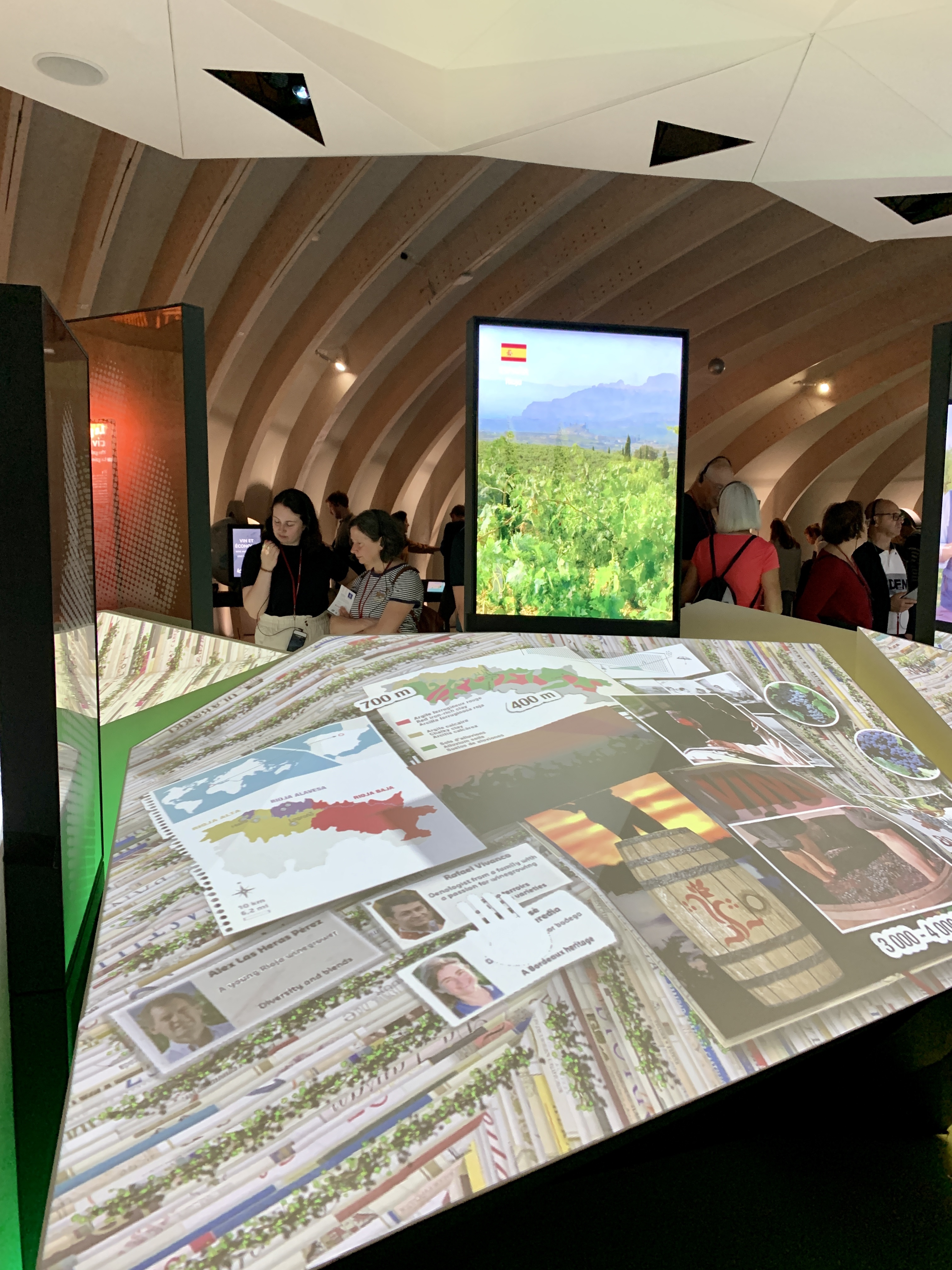

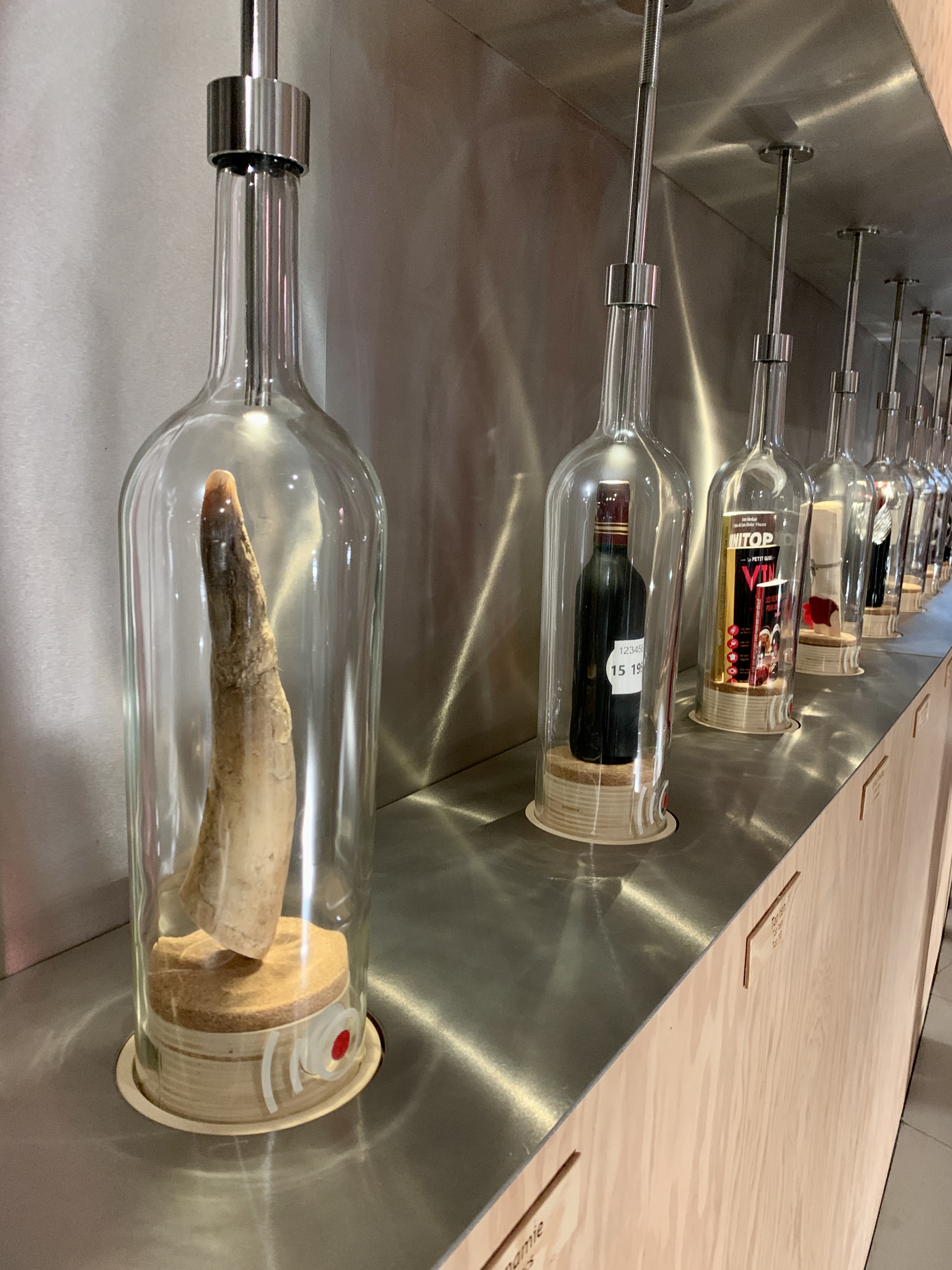
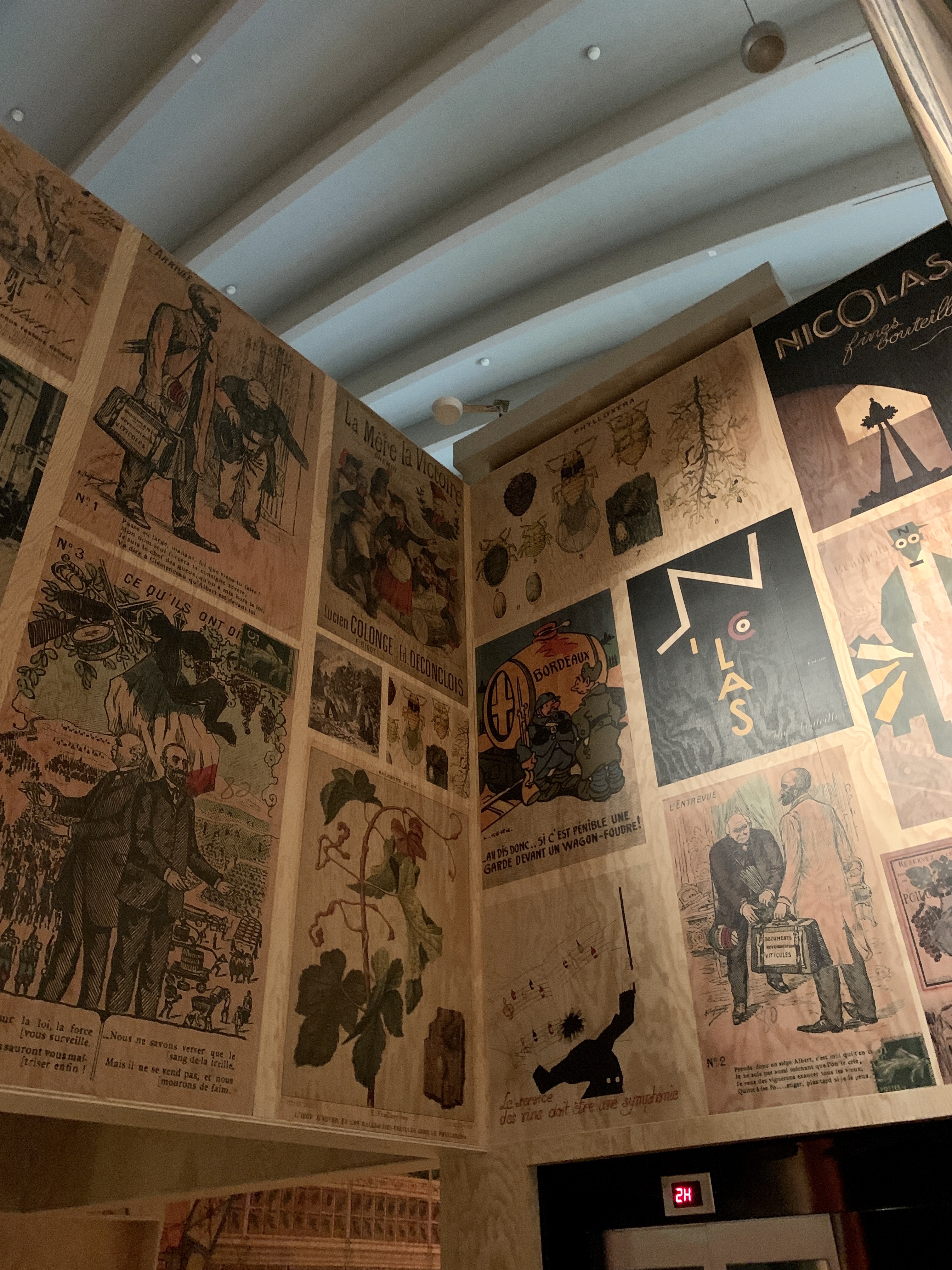
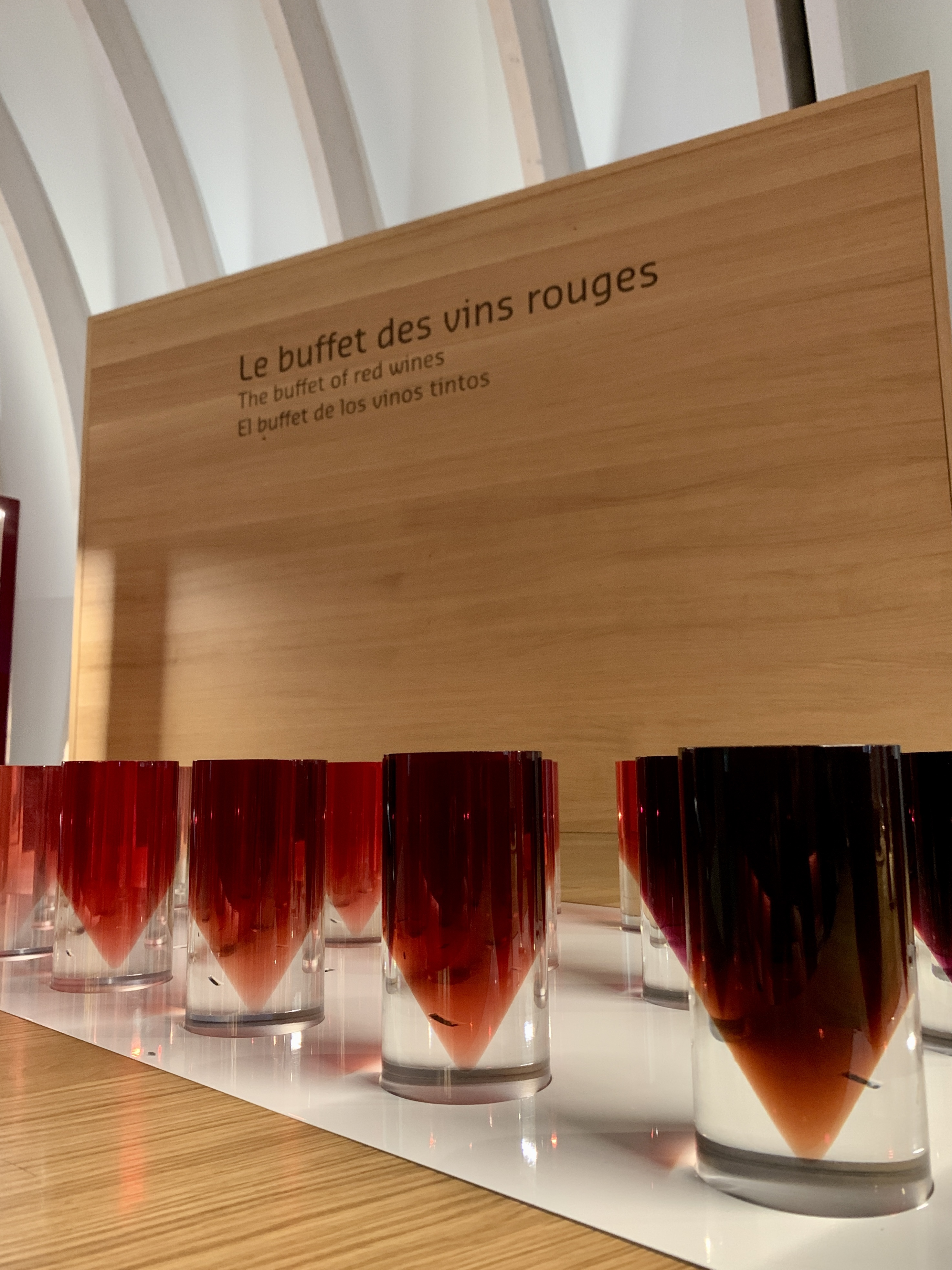
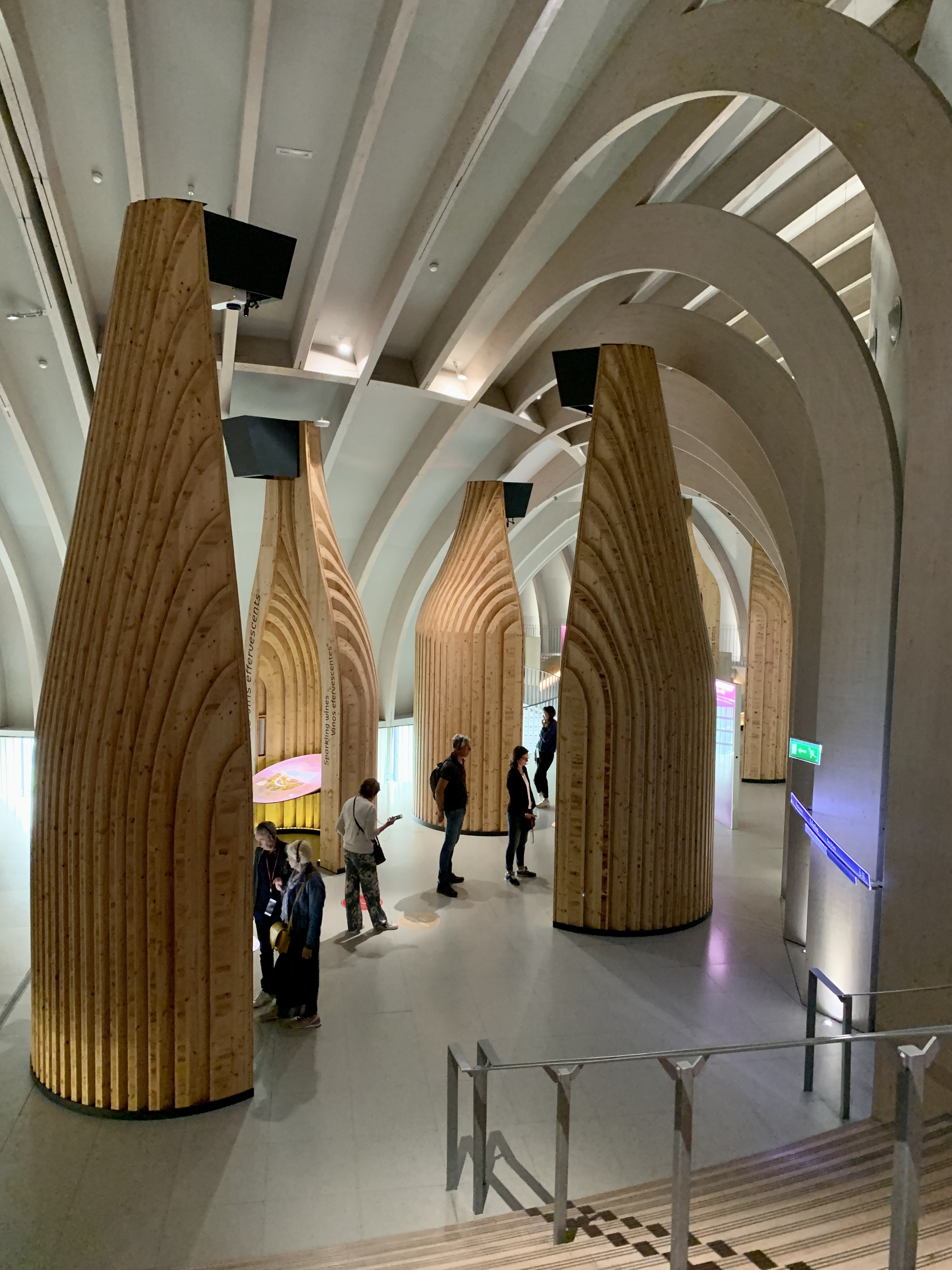
The entrance ticket to the museum also includes a glass of wine served on the 8th rooftop bar/restaurant, aptly named Le Belvedere. One can choose from dozens of wines and savor a glass of France’s viticultural expressions. I opted for a St. Emilion which came through as nicely balanced. The views from the Belvedere revealed many of the city’s landmarks offering insights into its historical origins. The Cité was a must in the ongoing journey of wine exploration and cultivating one’s repertoire, or just for seeing something cool and different.

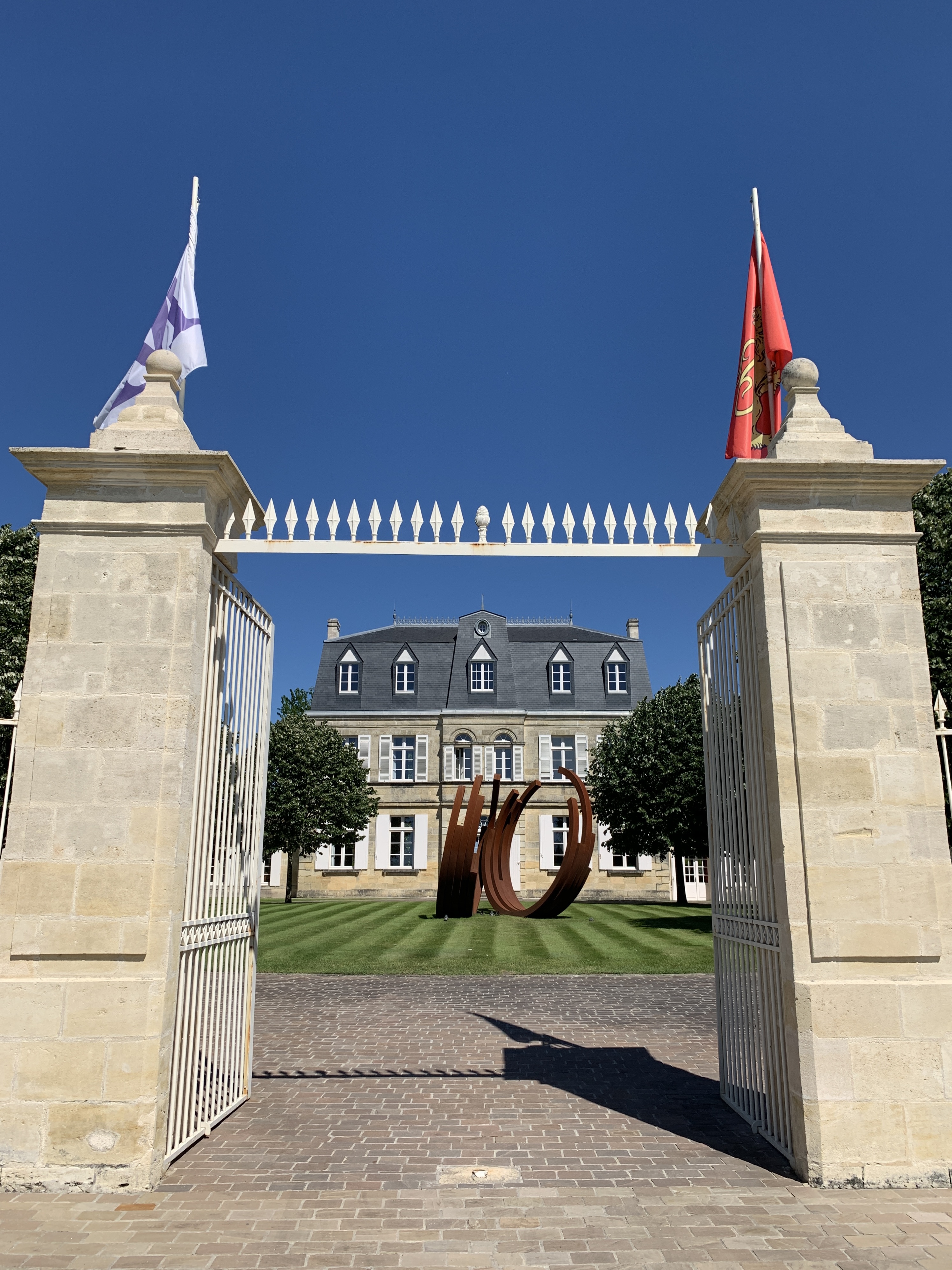
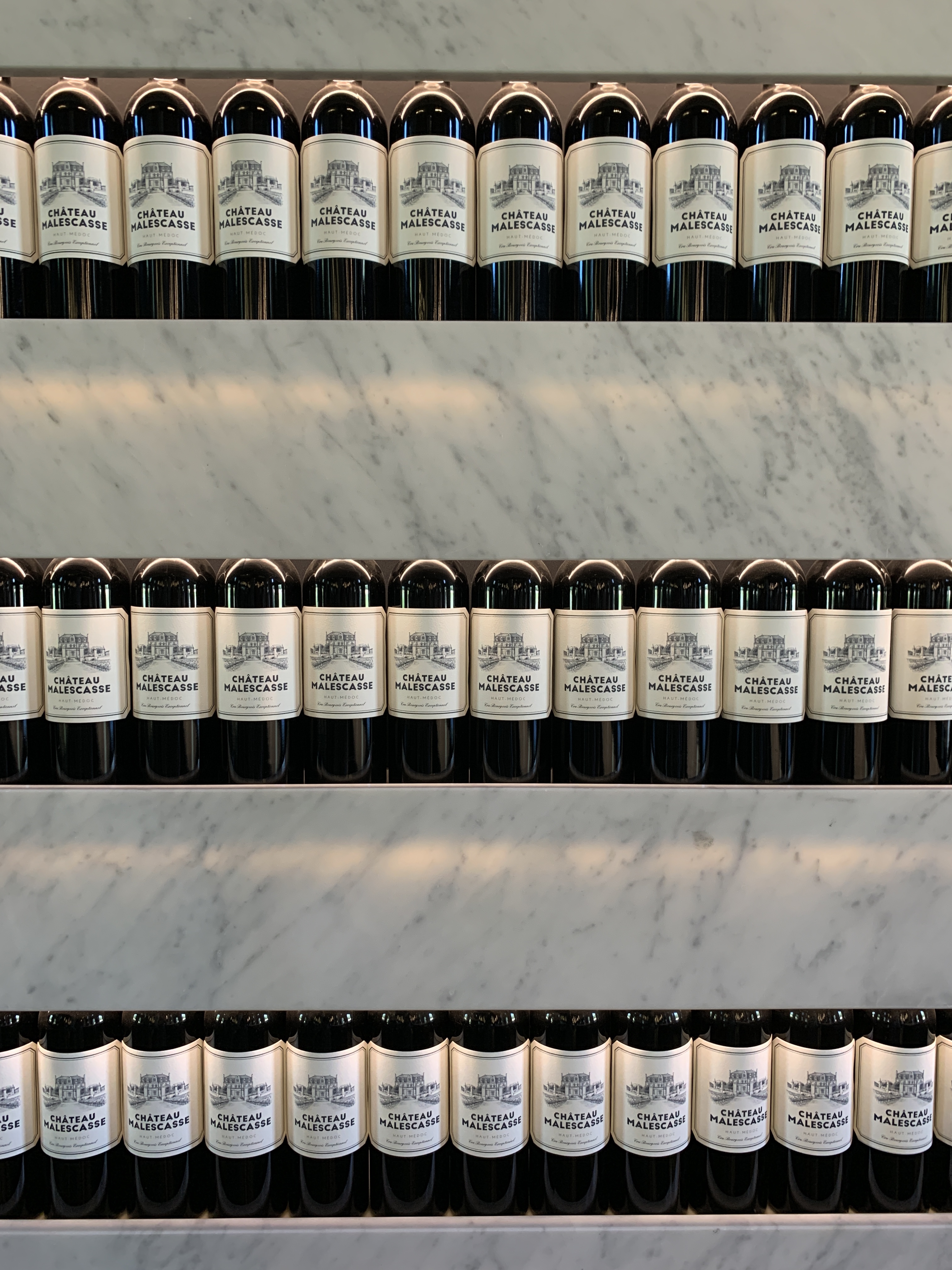
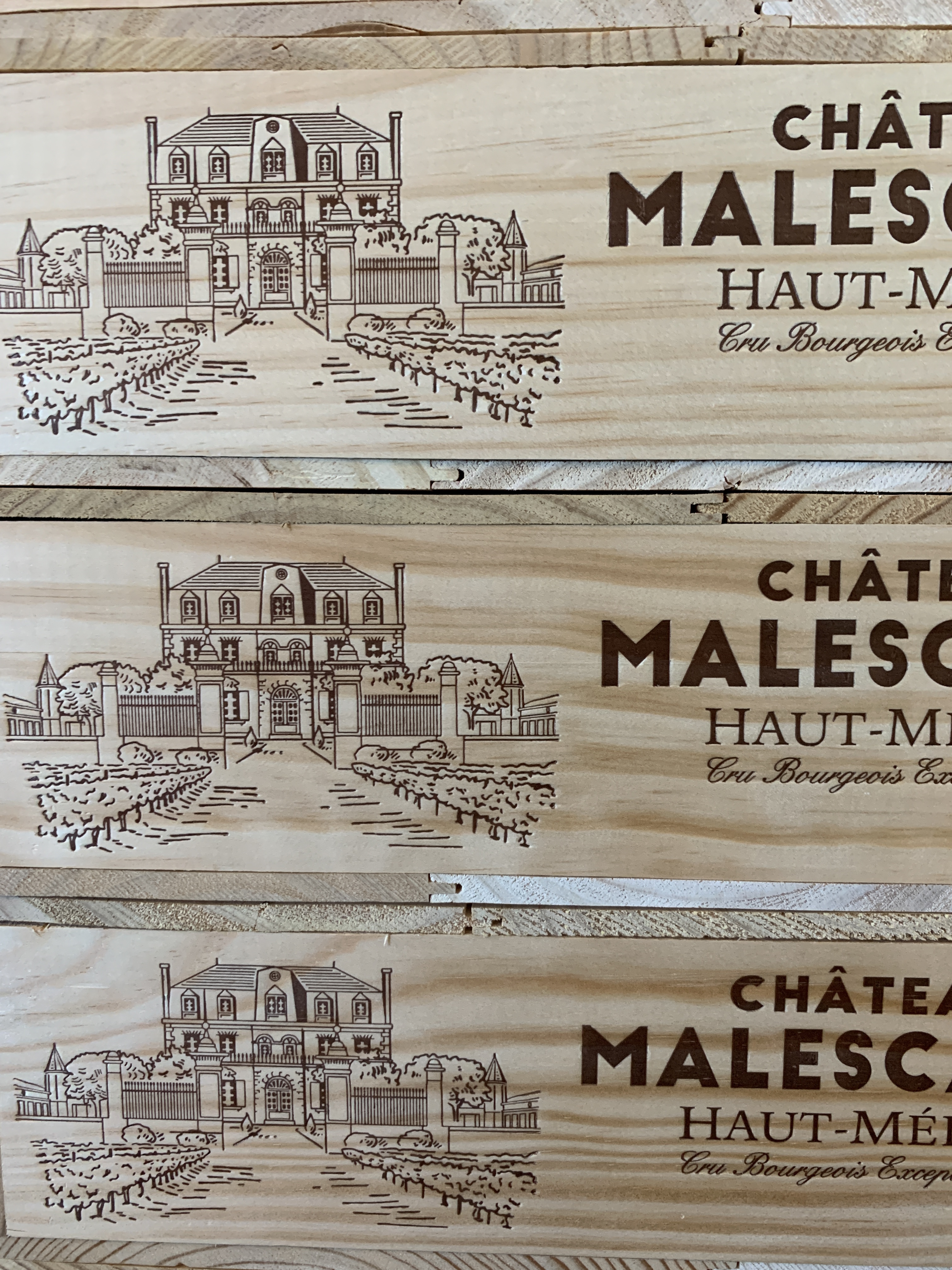
With 3 full days in Bordeaux, it was imperative that a chateau visit and tasting was on the itinerary. This meant a trip into the countryside where Château Malescasse in the Haut Médoc wine region answered our call. This was classic Left Bank territory, a beautifully renovated chateau (by the lady owner who is the architect behind the project), and a parcel of 40-hectares situated on the fringes of the town of Lamarque, in wine-speak between Margaux and Saint-Julien terroir. Great location, the highest in Haut-Médoc in fact at about 55 feet, which we were told during the tasting that helps with the sun exposure for the Cabernet grapes. Malescasse, a Cru Bourgeois classification achieved the Exceptionnel distinction as of 2020 (or the highest level of quality among the hundreds of Cru Bourgeois designated wineries), placing it among a short list of 14 total “Exceptionnel”chateaux.

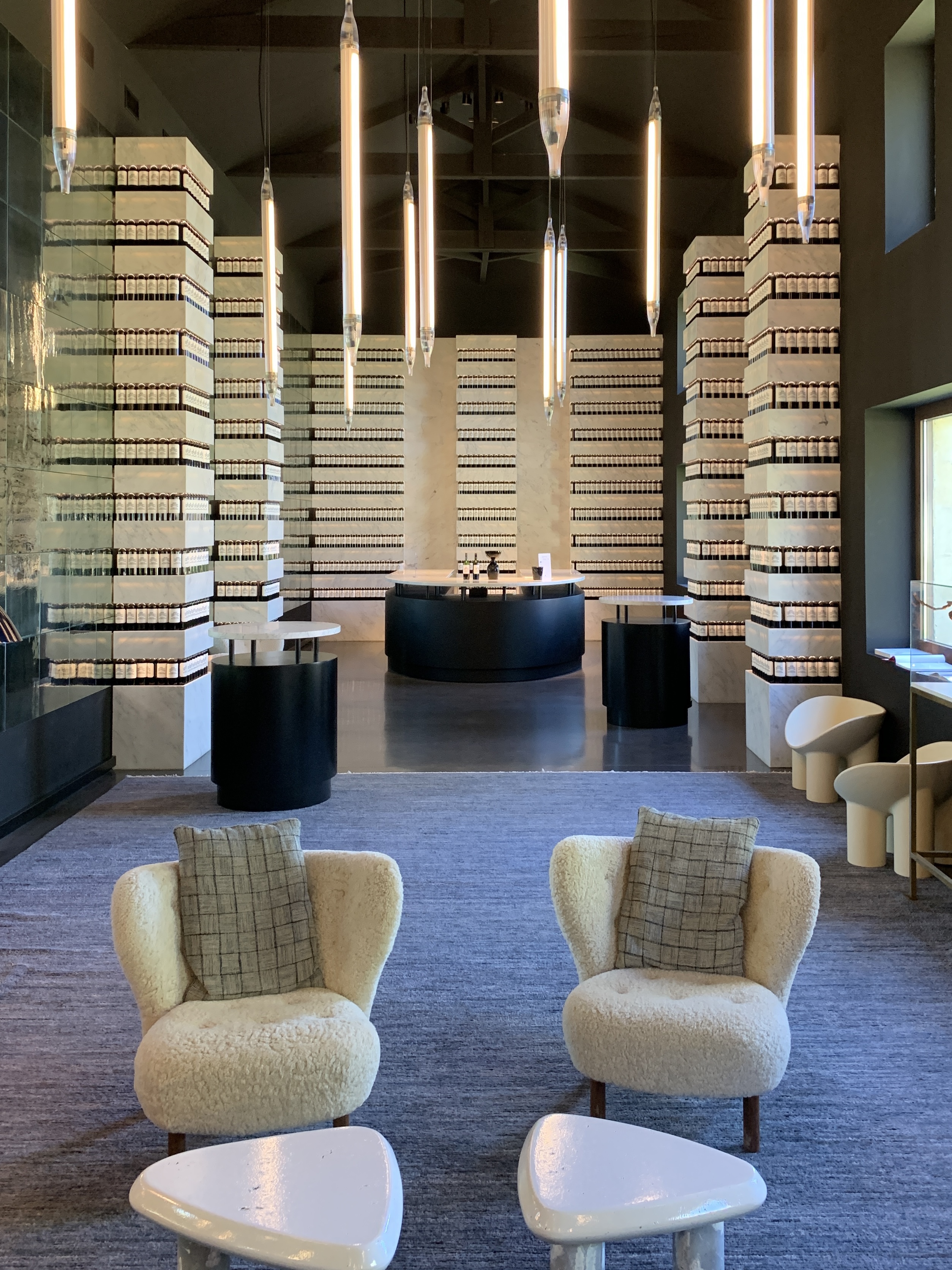
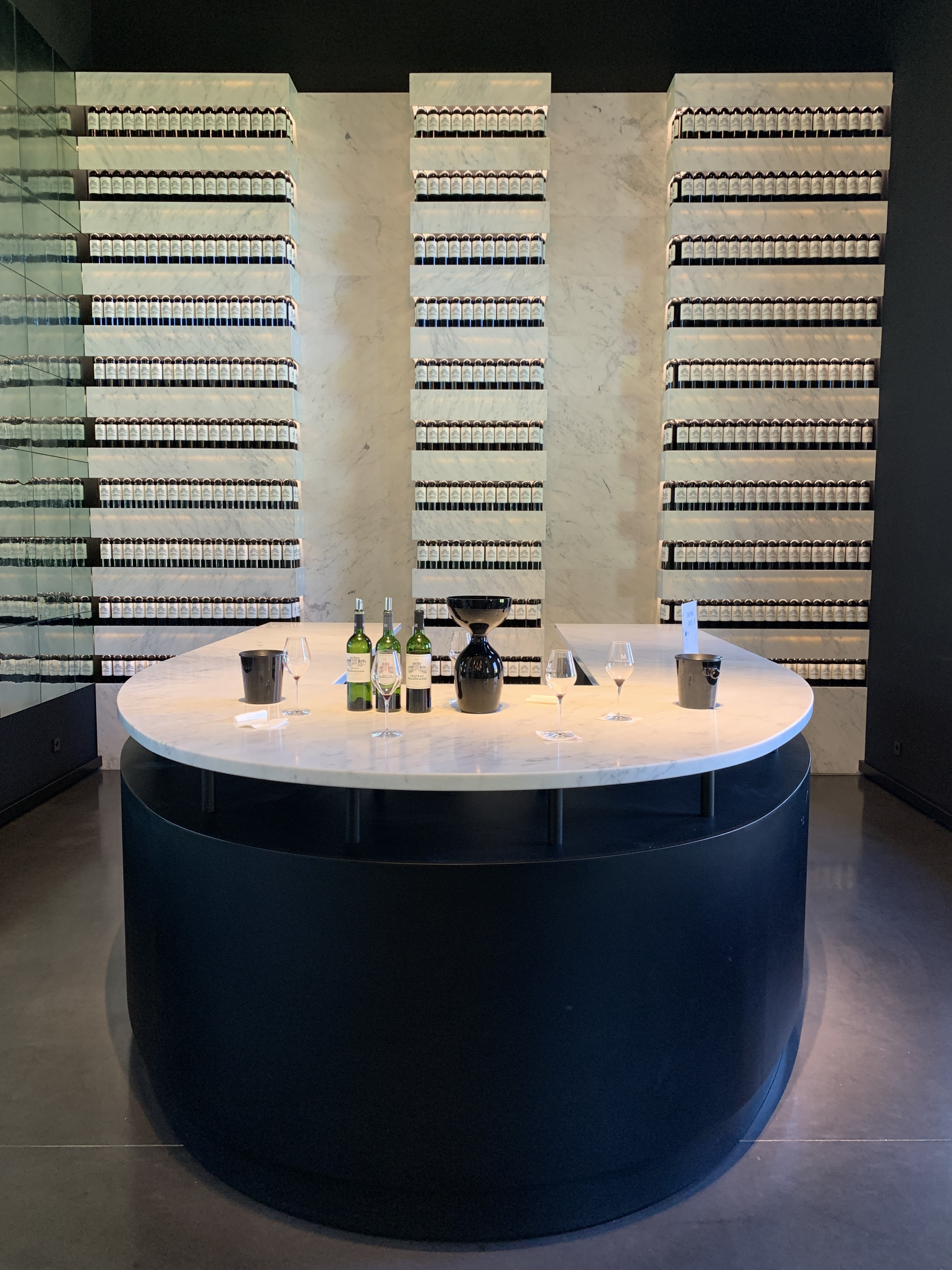
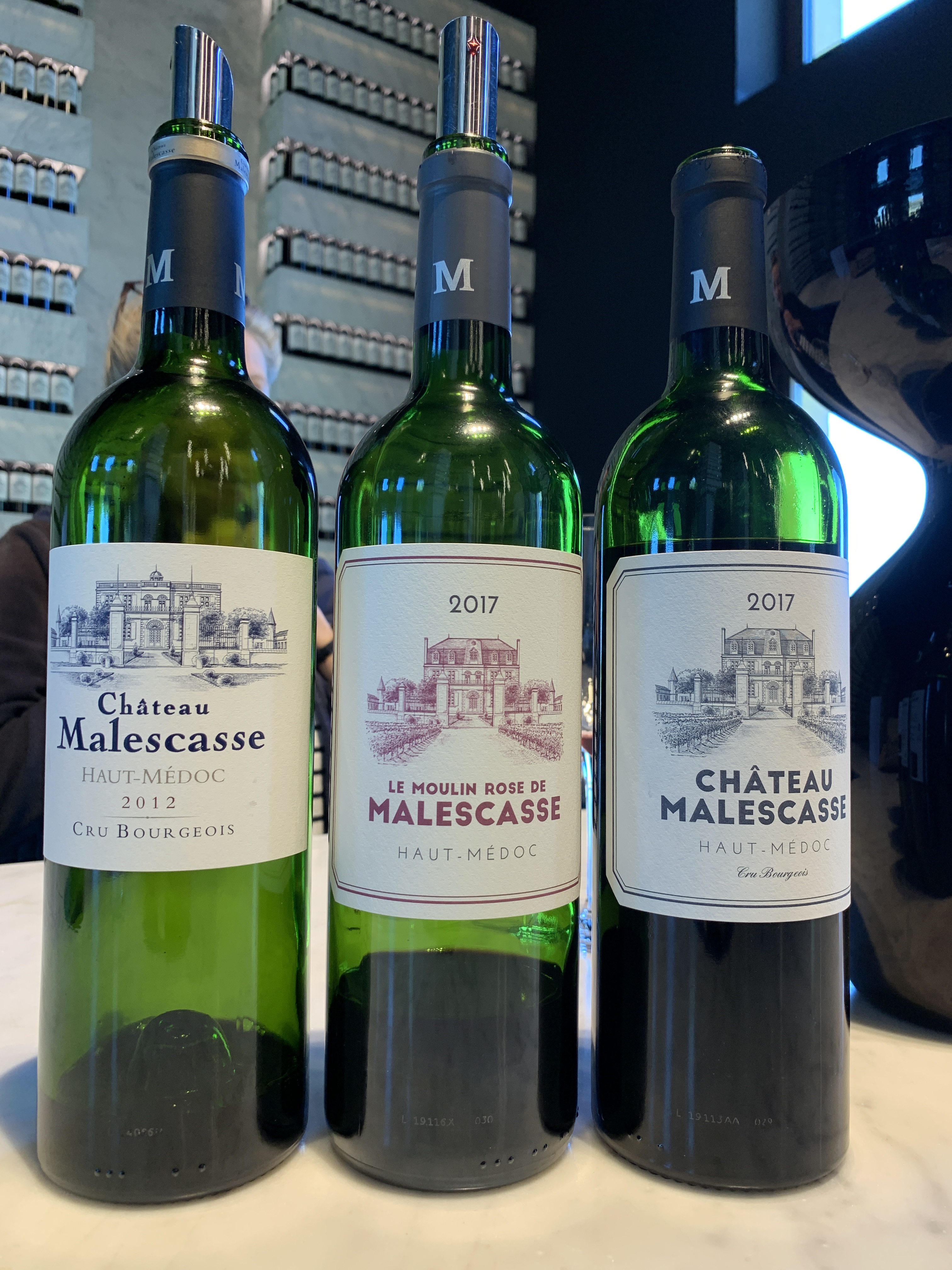
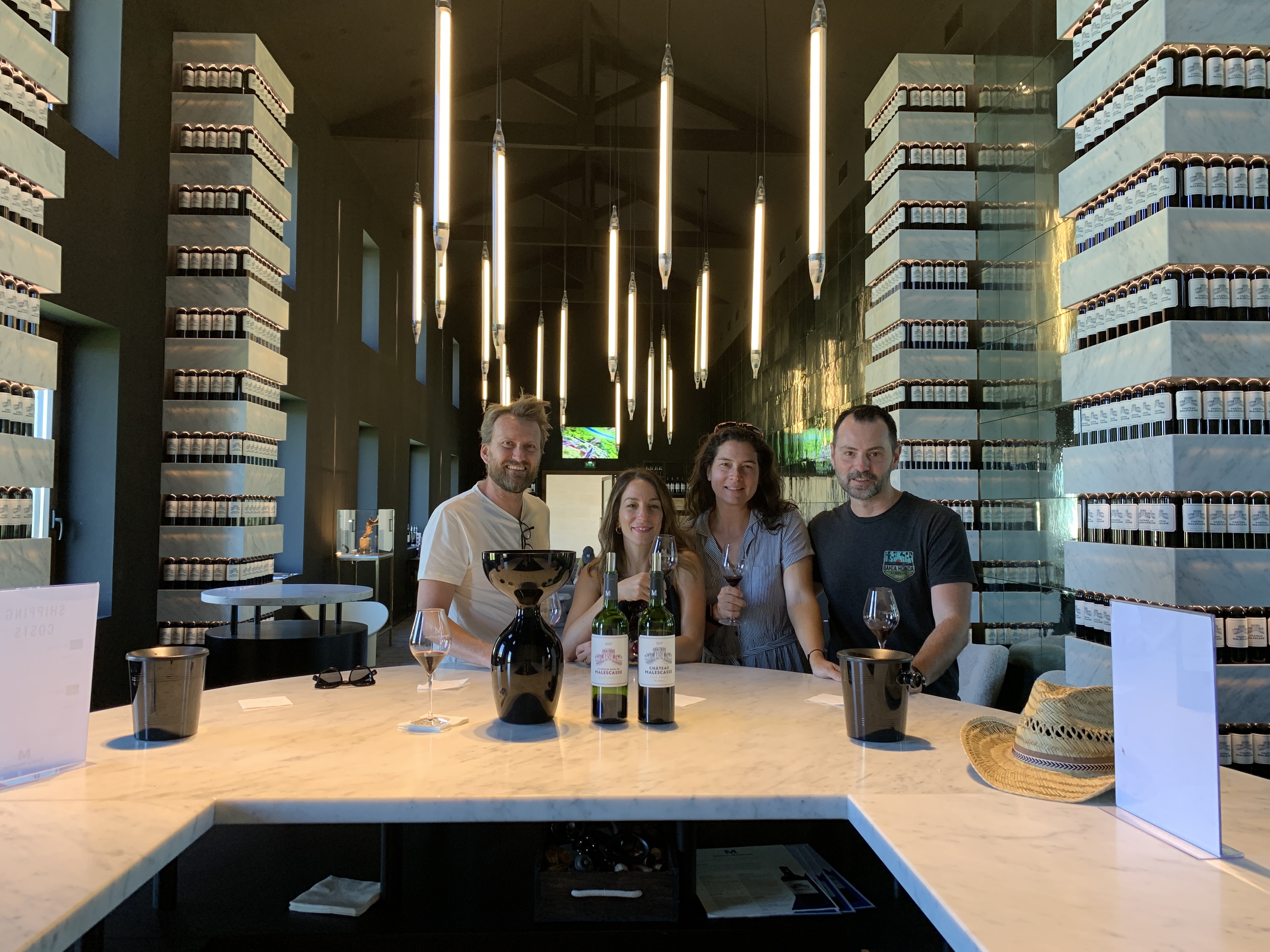
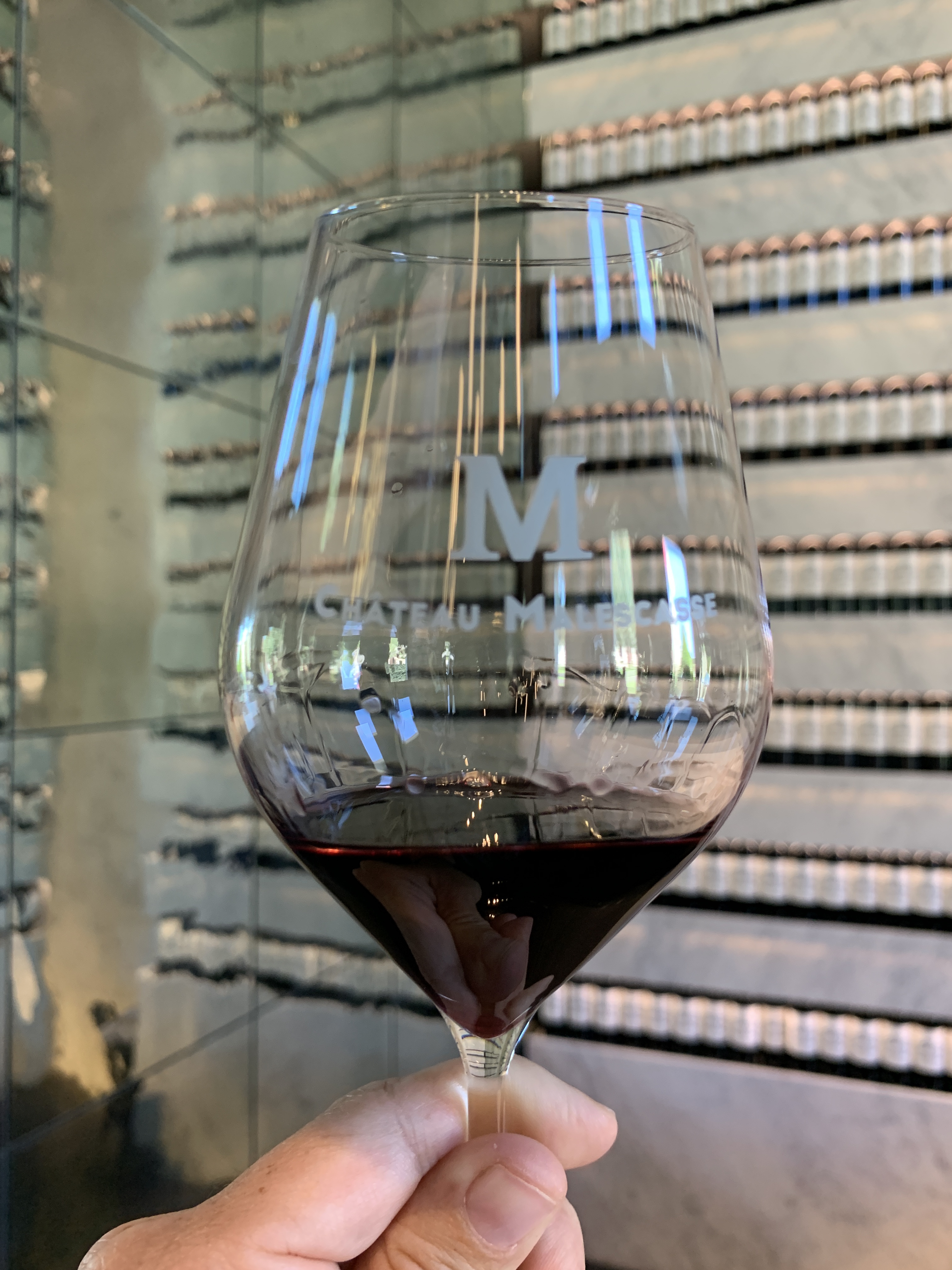
The modernly designed tasting room was impressive, setting the table for a 3-wine lineup comprising reds. Featured wines were The Moulin Rose de Malescasse (the château’s second wine), followed by Château Malescasse 2017 and 2012. The 2012 was pulled out as a “treat”. The Moulin showed its liveliness and reminded me that a good Haut-Médoc can be quite accessible most days. The 2017 big brother could be drunk now although aging it for 5 more years would bring out its best showing. The 2016 or 2015 vintages although not included in the tasting (bought some for home consumption), were better rated than the 2017 vintage and should reach their peaks in 20 and 15 years respectively, leaving me to wonder who has that kind of time. I plan to tackle them far sooner. Interestingly, the blends of the 2017 vintages we tasted were dominated by a Merlot majority followed by Cabernet Sauvignon as a close second a bit of Petit Verdot. This was more typical of Right Bank wines although the plantings at the château will soon be changing to favor a Cabernet Sauvignon dominance. The 2012 showed its age both visually and on the palette. Overall, the wines were pleasing and we walked away with a few bottles spanning several vintages from the past decade, perhaps making for a fun vertical tasting party.
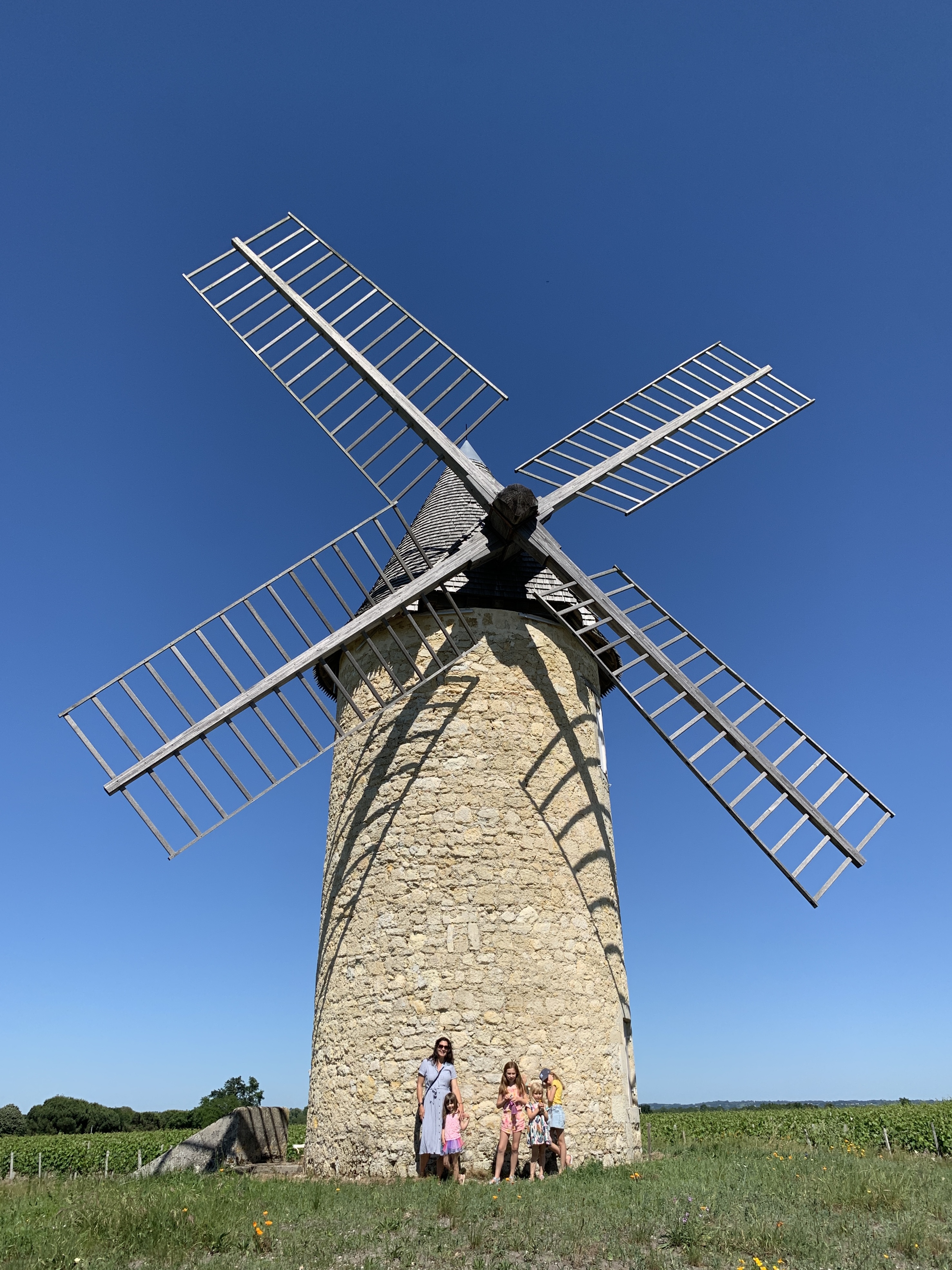
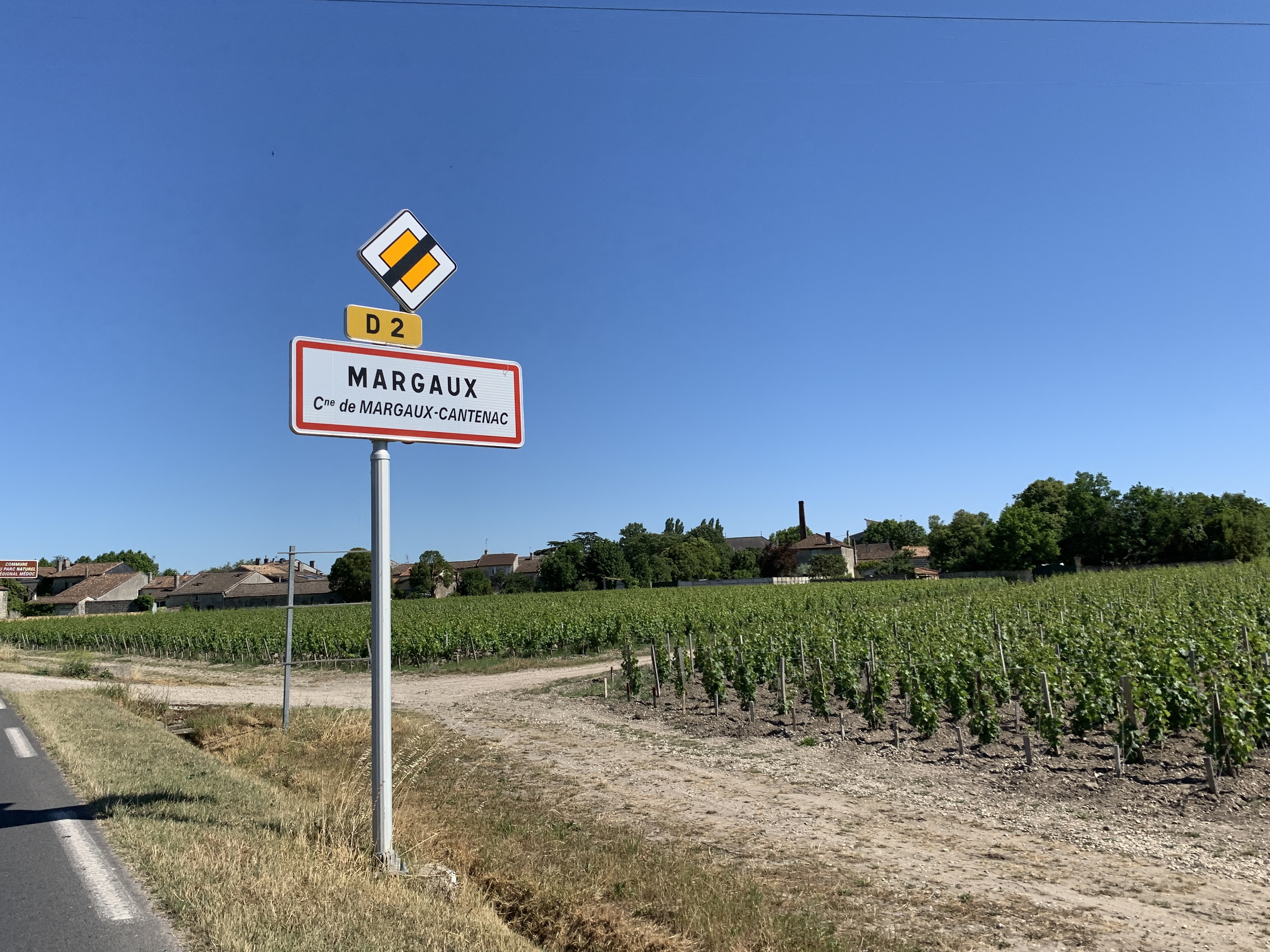
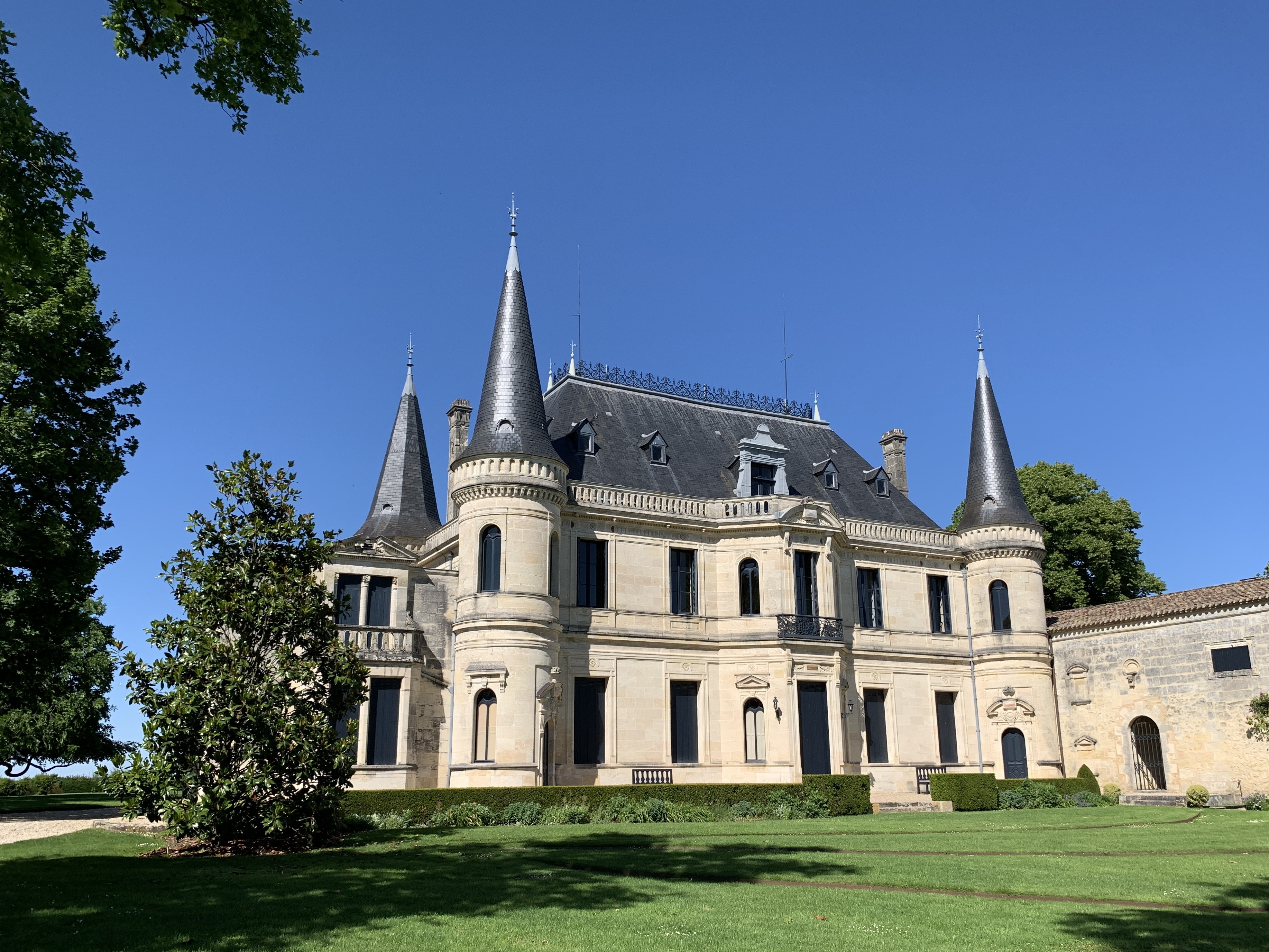
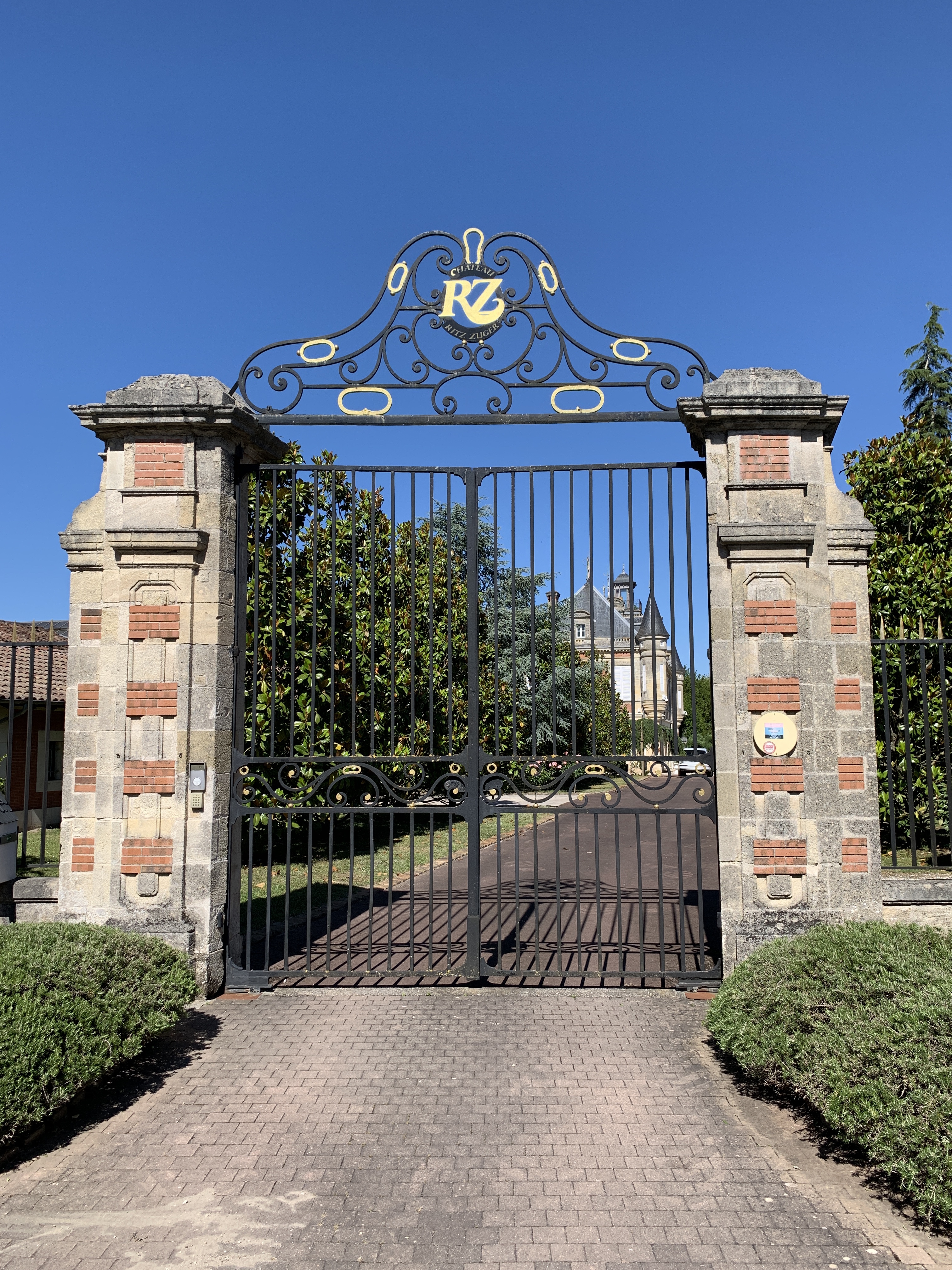
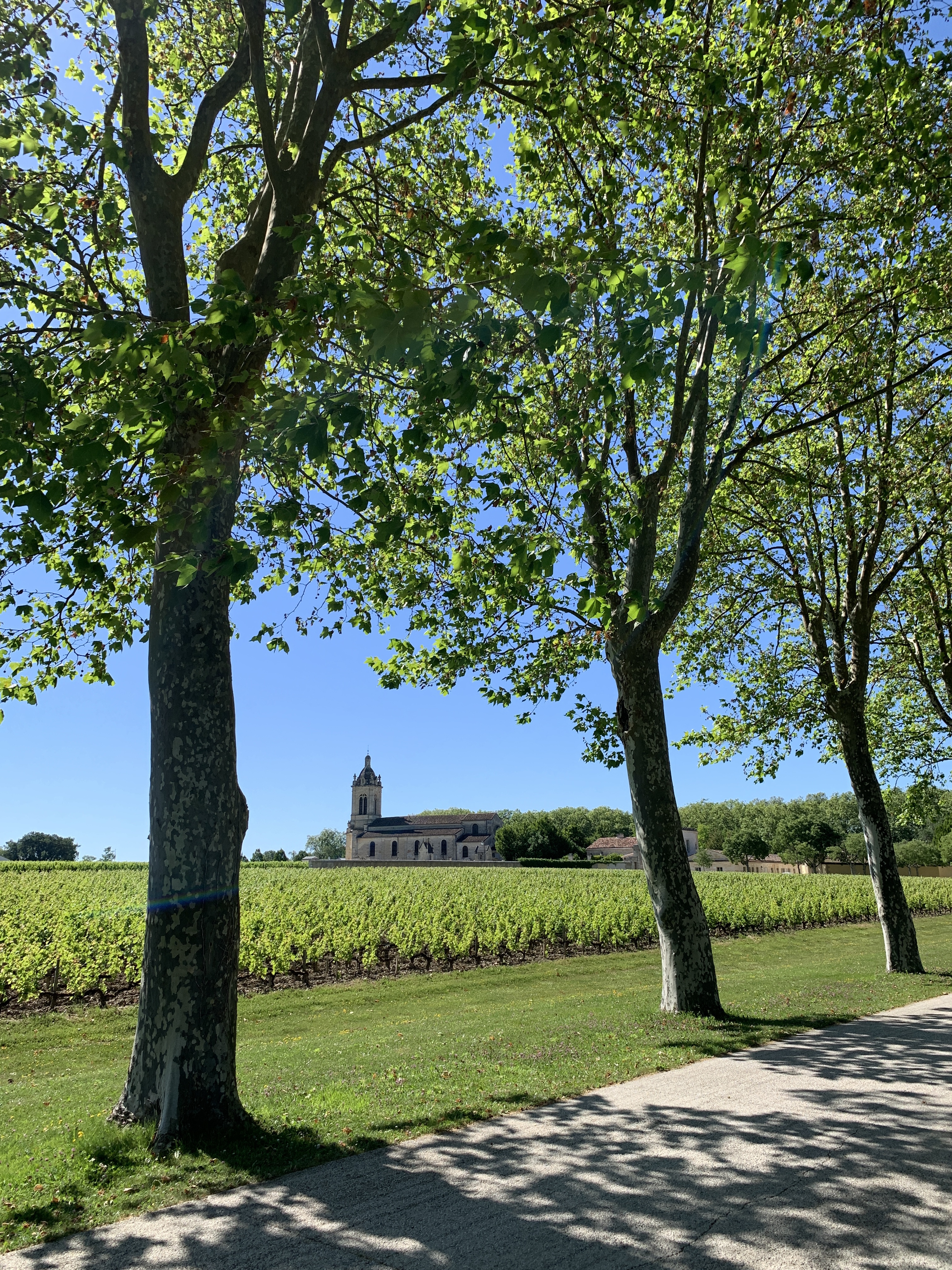
On the way back to our friends’ place in the city, we paused along the way to appreciate some of the other dreamy châteaux in Margaux. Every trip so far to Bordeaux bore something special and as we look forward to a future visit, we now have even the more reason to return!
Just Over the Fence, Côte de Provence
One constant about the world of wine is that there is always something new to be learned, experienced or wow’ed by. And just when you feel you have a handle on things you’re quickly reminded that there’s so much more to take in, and that repertoire of knowledge you have is but a boat on the vast sea. Such was the feeling of moving to Provence and living in the Côte de Provence AOC. Before moving here I had a pretty good idea that most rosé wine I had ever drunk (and others in NYC typically drink), is mainly derived from Provence. The arrival of Spring in New York City summons rosé season, a vibrant and much awaited shift from cold weather and red wine drinking, to warmer weather and deliciously paired rosé.
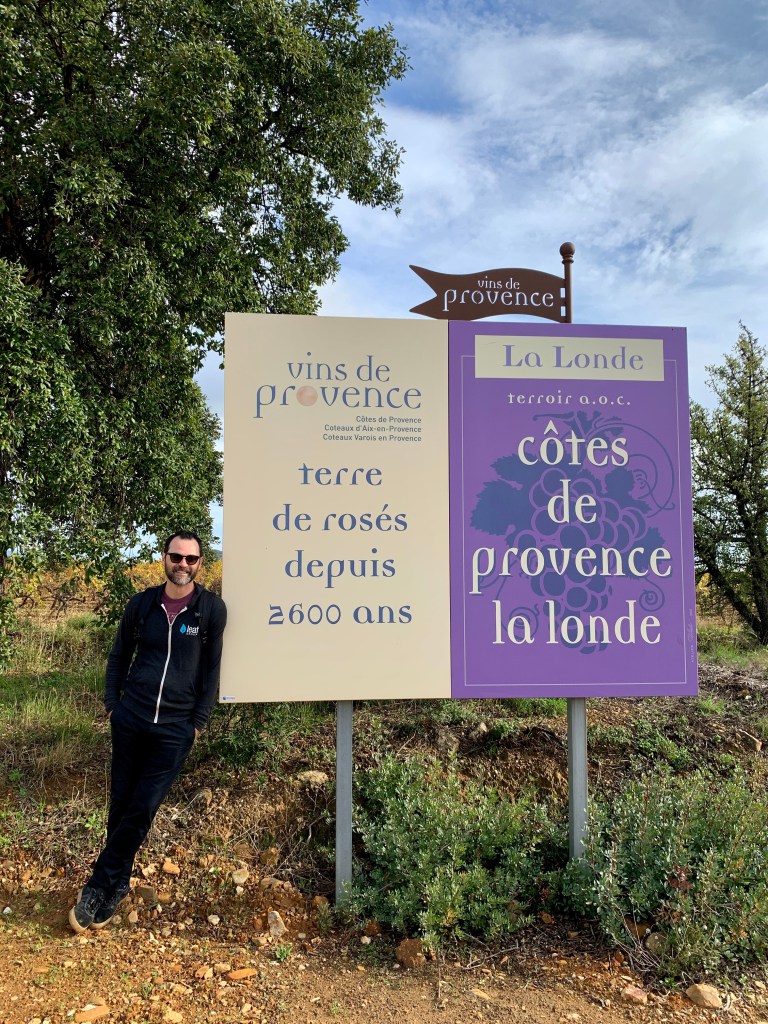
NoNow, here, in the heart of Côté de Provence’s AOC, rosé season seems to run all months of the year, although consumption tends to uber-peak with hotter weather (or in the summer months). The region itself has a long wine legacy dating back 2,600 years when the Greeks blessed the land by planting vines, a gift that kept on giving. Fast forward to 1850 and viticulture became the top agricultural activity in Provence. In 1955 a number of wineries in the region incurred the Cru Classé designation as a way to signify and promote winemaking with quality as the main goal. And lastly, 1977 was the year that Côte de Provence officially became an AOC.
Millions of tourists are attracted by the weather in Provence each year, but they aren’t the only ones who benefit from it. The grapes grown down here also enjoy the fine and mostly uninterrupted sunshine (with very little rain). On average there are about 300 sunny days in Provence per year. This means warm days and cool nights given the Mediterranean Sea factor, along with the renown Mistral wind that helps keeps things dry and healthy in the vineyards.
There are 4 terroirs within the Côte de Provence AOC including Côte de Provence La Londe which is where we’re currently living (the other 3 are: Côte de Provence Sainte-Victoire, Côte de Provence Fréjus and Côte de Provence Pierrefeu). Rosé makes up about 90% of all wine produced in the AOC, red is next at 7% while white gets only 3% (on average). The principal grapes planted throughout Provence are Grenache, Syrah, Mourvèdre, Carignan, Cabernet Sauvignon, Sémillon, Clairette and Rolle (aka Vermentino).
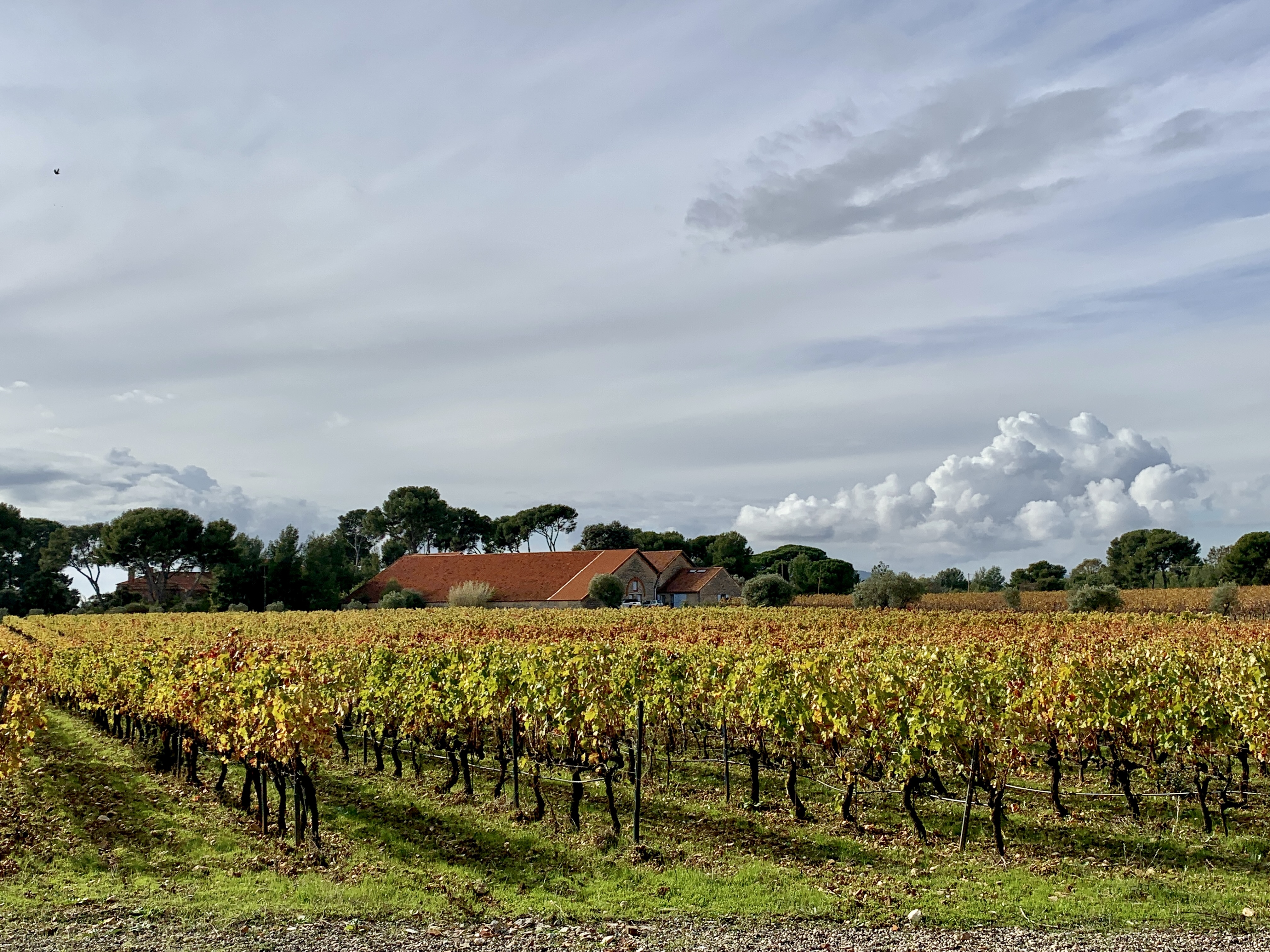
As rosé reigns as king, white and red live in its shadow but not without promise of As rosé reigns as king, white and red live in its shadow but not without promise of making a name for themselves, particularly in the red category. As a red-wine drinker first and foremost, I’ve come to appreciate the gems out of this region and found that they offer incredible range, from everyday throw back wines to the type you’d want to lay down for several years and share with real good friends. A 2013 Chateau Malherbe (Pointe du Diable Red), was so stately, for a minute I thought I was drinking a classified Bordeaux. The Cabernet Sauvignon backbone in that particular vintage allowed it to evolve into an elaborately complex wine that only improved with age.
Living in such close proximity to a number of vineyards is a privilege, one that allows us to pop into various tastings rooms and try the local wines at will. We’ve done several tastings around the Côte de Provence AOC (mainly in the La Londe and Pierrefeu regions), and experienced first-hand the true passion of the people who make amazing wines. It seems that it’s mostly family owned operations passed down from generation to generation, a testament to the enduring legacy of the people, the passion and spirit of Côte de Provence wine making.
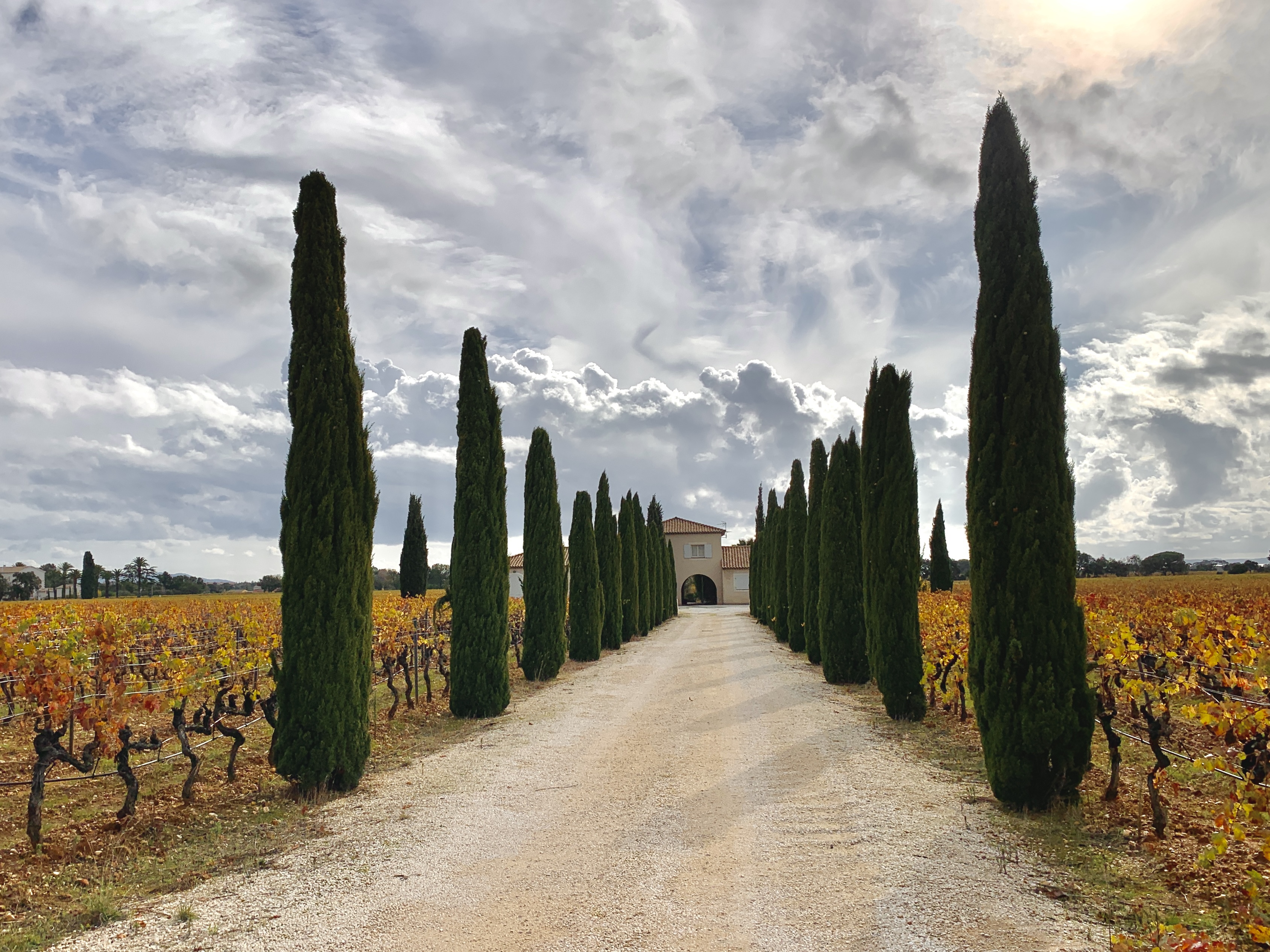


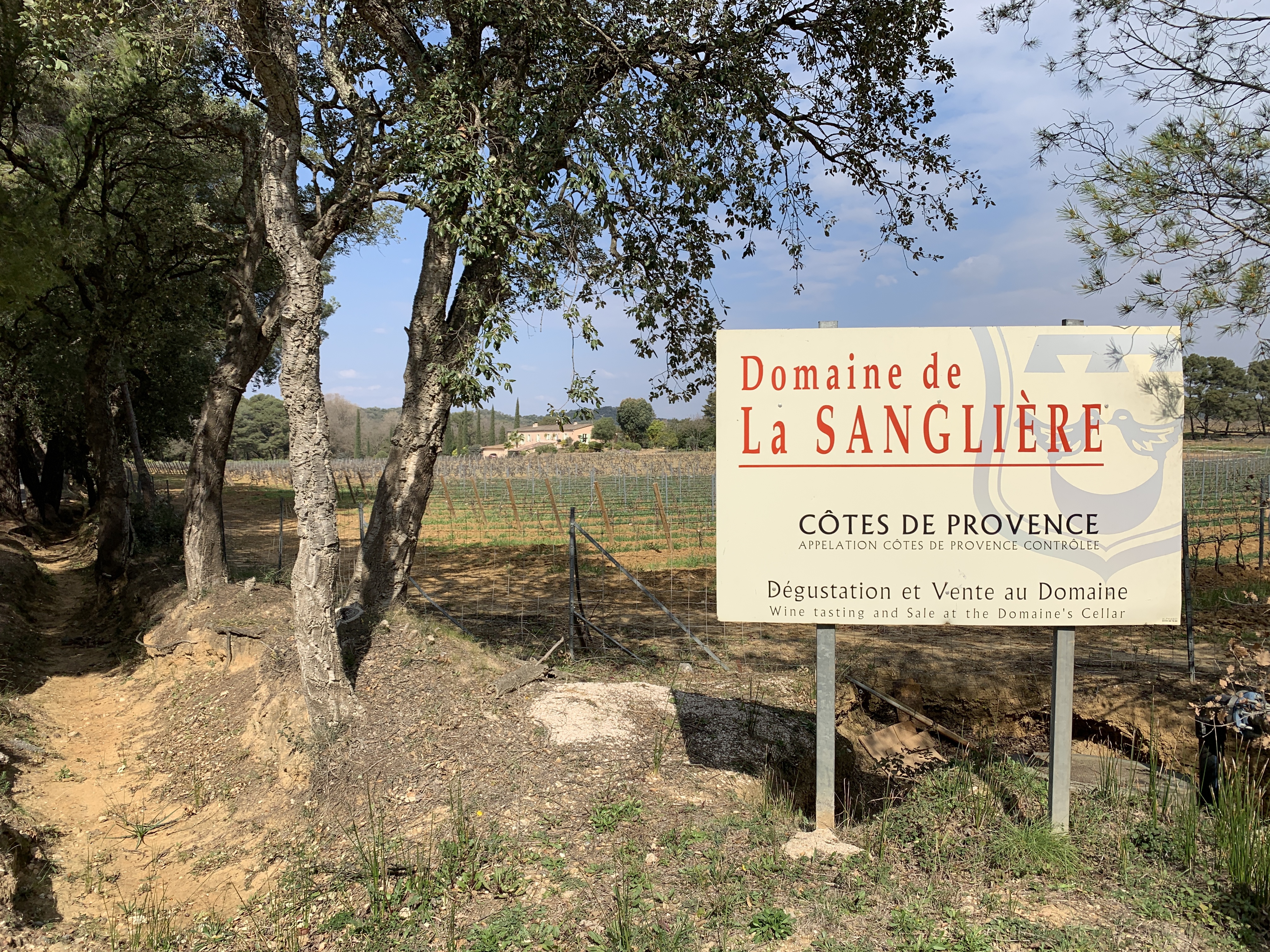
Domaine de la Sanglière (founded as a family operation in 1980), is one of the closer vineyards to us and sits on the picturesque route du vin road between La Londe les Maures and Bormes les Mimosas. The domaine produces rosé, red and white wines across its 42 hectare estate that sits just off the coast of the Mediterranean Sea. The domaine is great for a pit stop and a taste of a La Londe coastal wine lineup, one that benefits from its proximity to the sea and the shale rich soil which contribute to the minerality and suaveness of the wines.
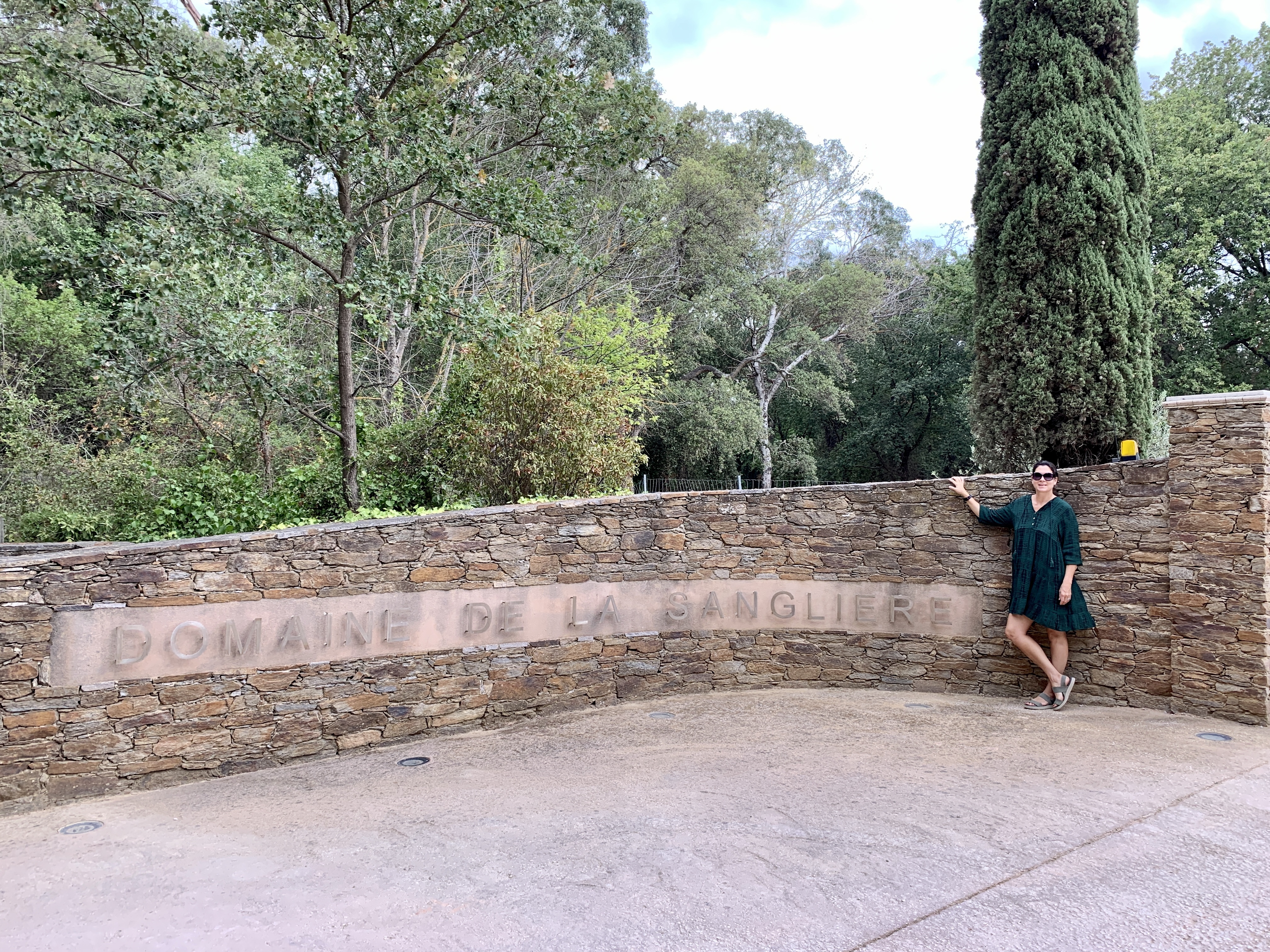
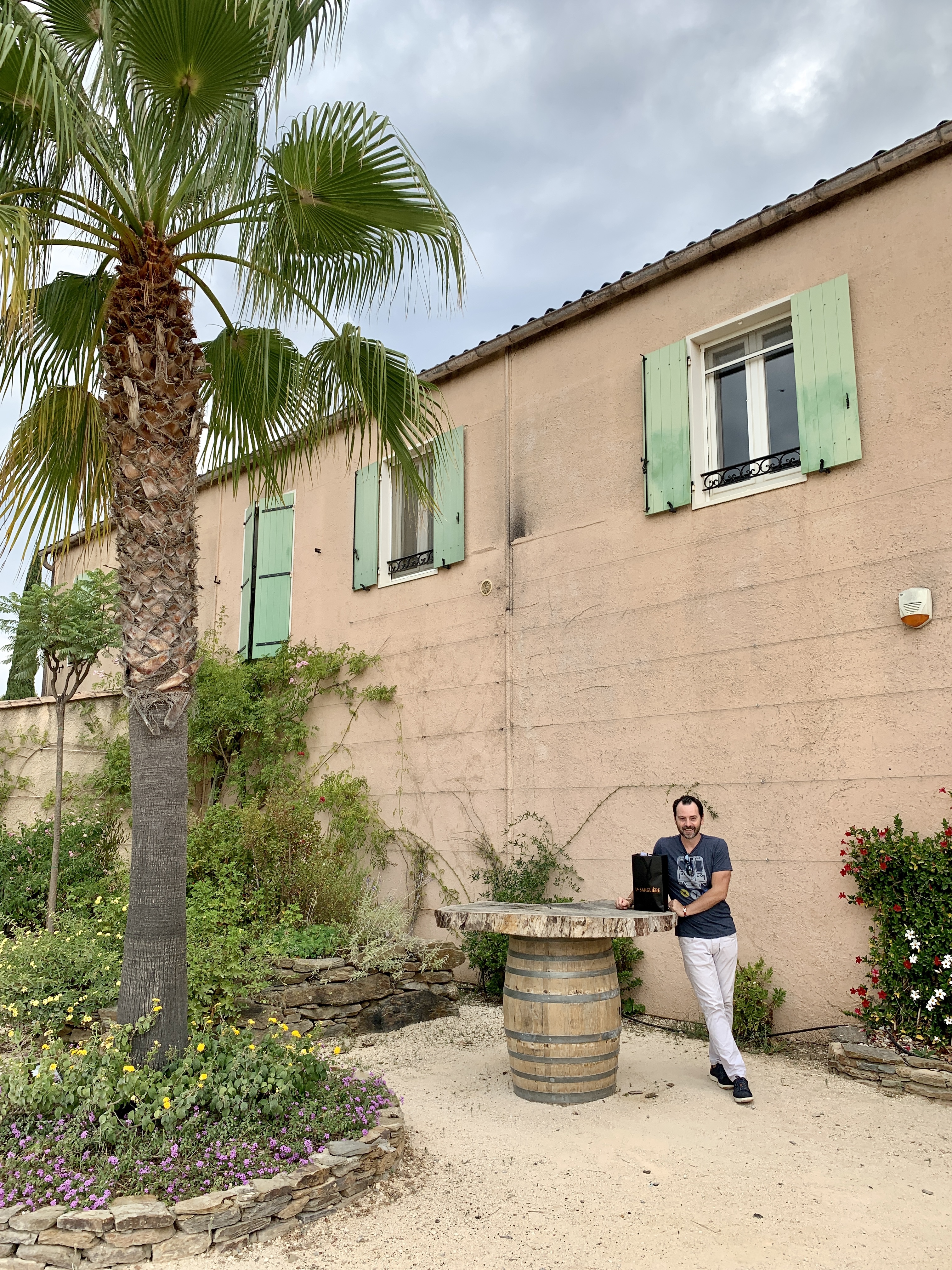
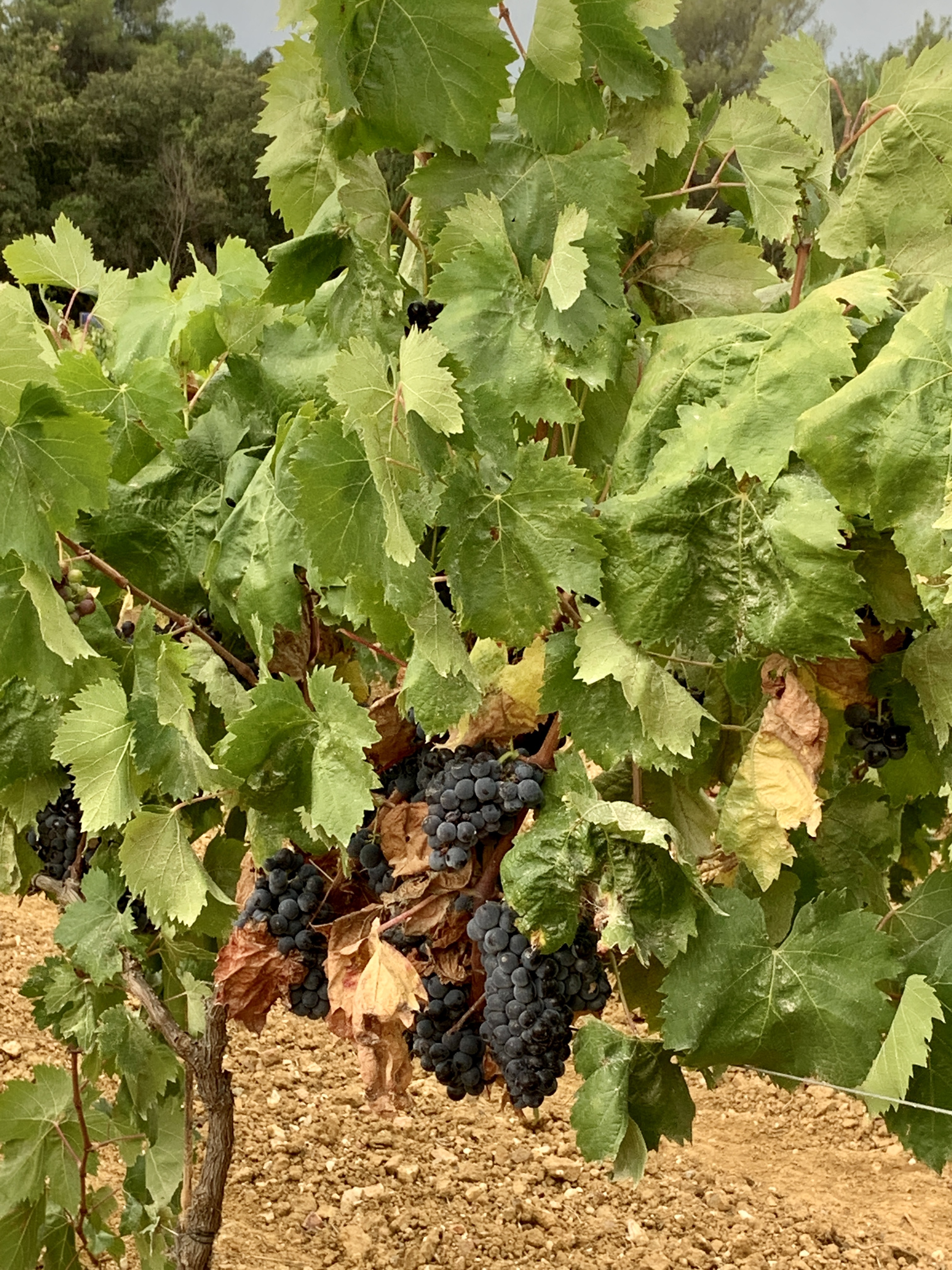

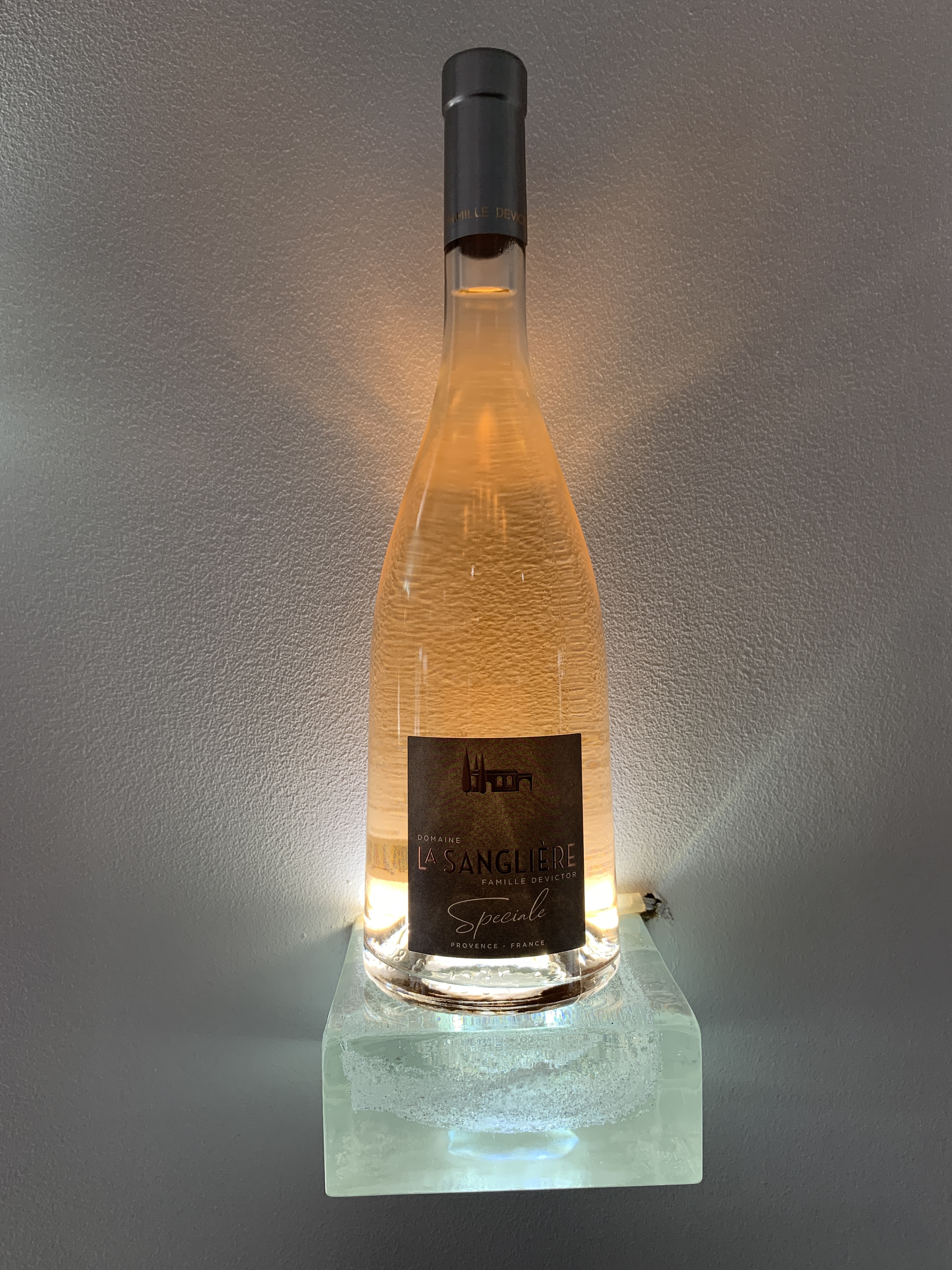
“At first sight this little (wild) piggy gave the impression of peach, light orange pink that seems to adorn many Provençal home facades. The peach stayed with me for the sniffies and notes of honey dew melon emerged as well..” Domaine de La Sangliere Prestige Rosé 2020
See full review here on Vivino
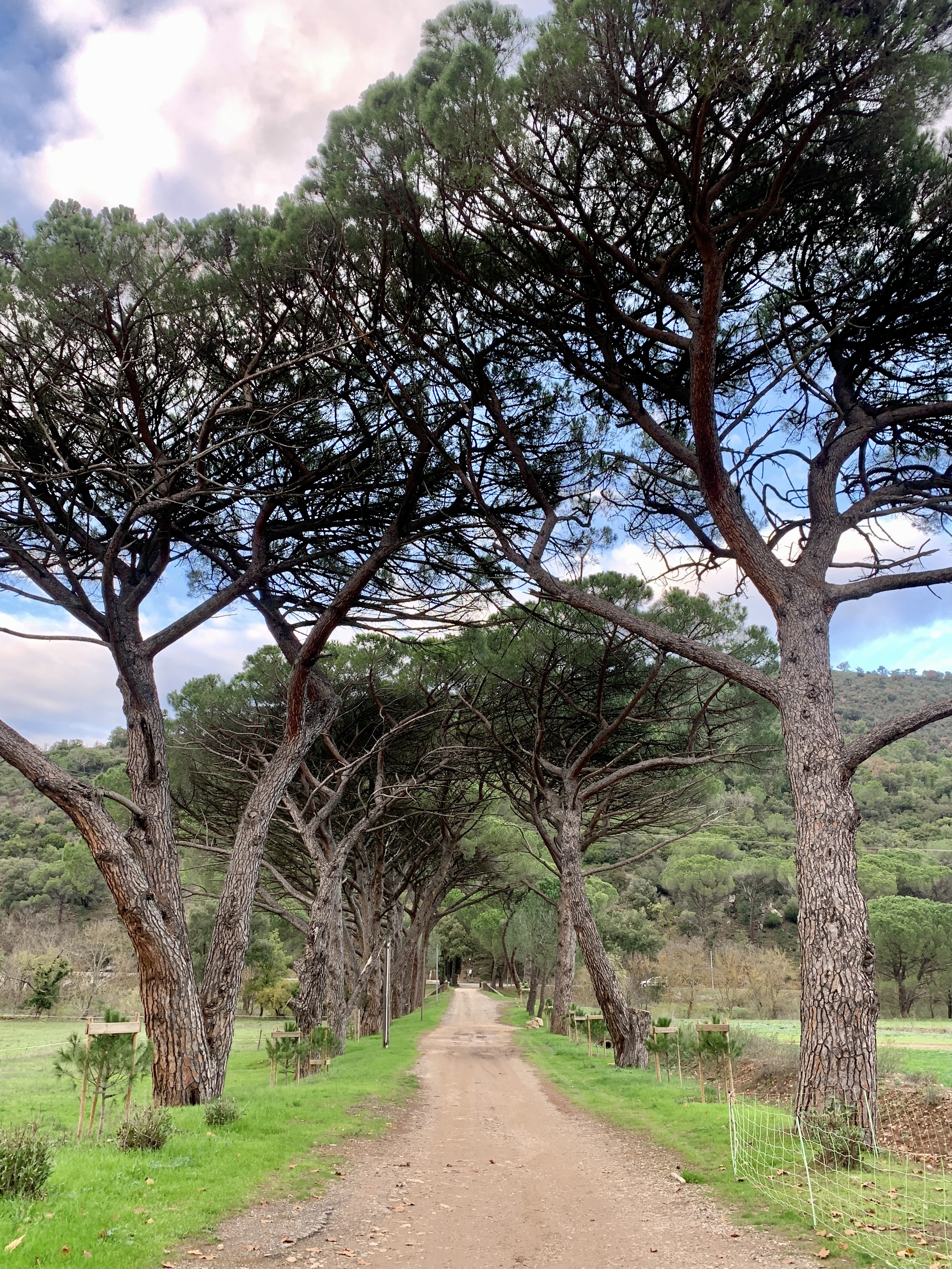
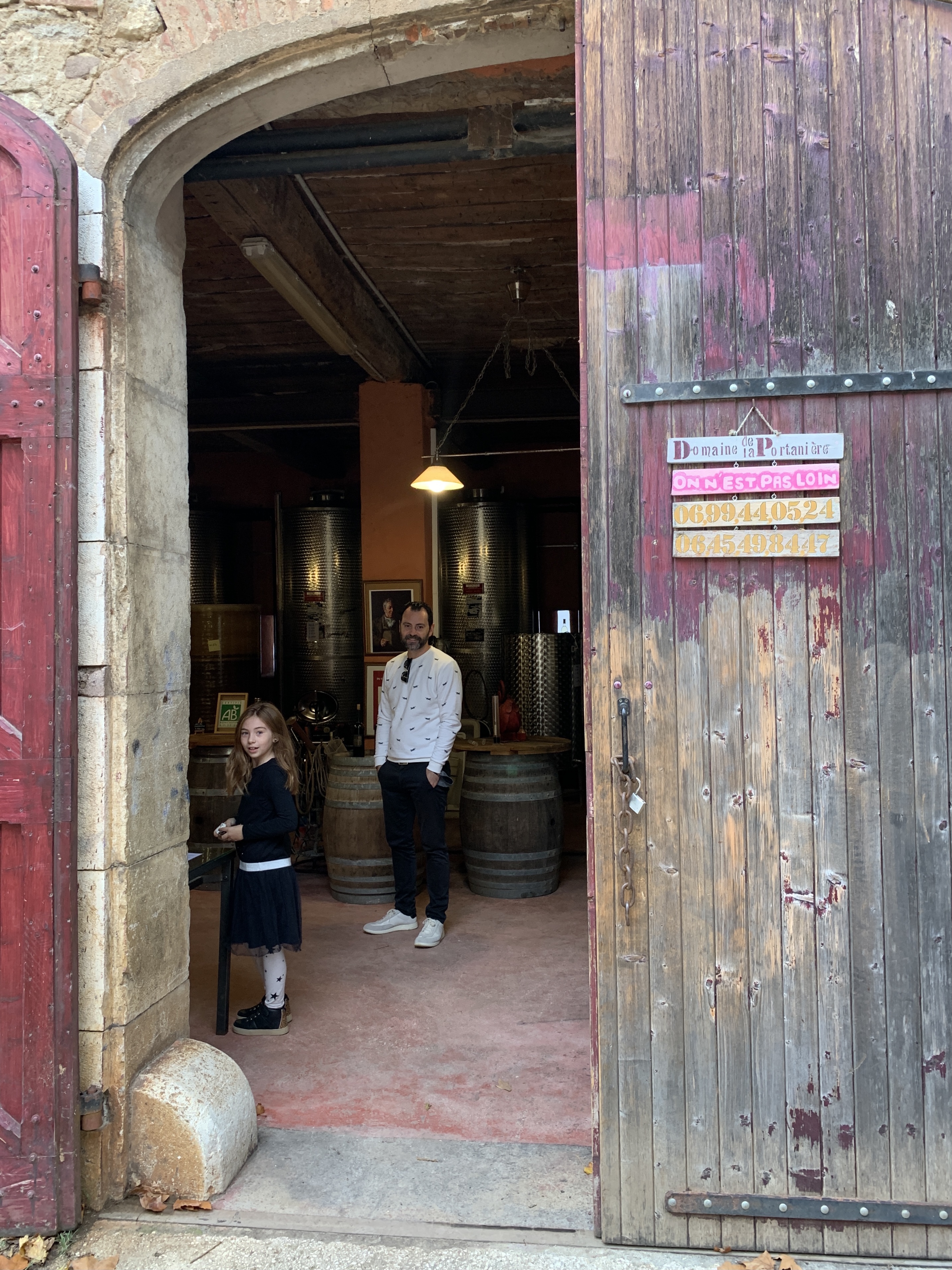
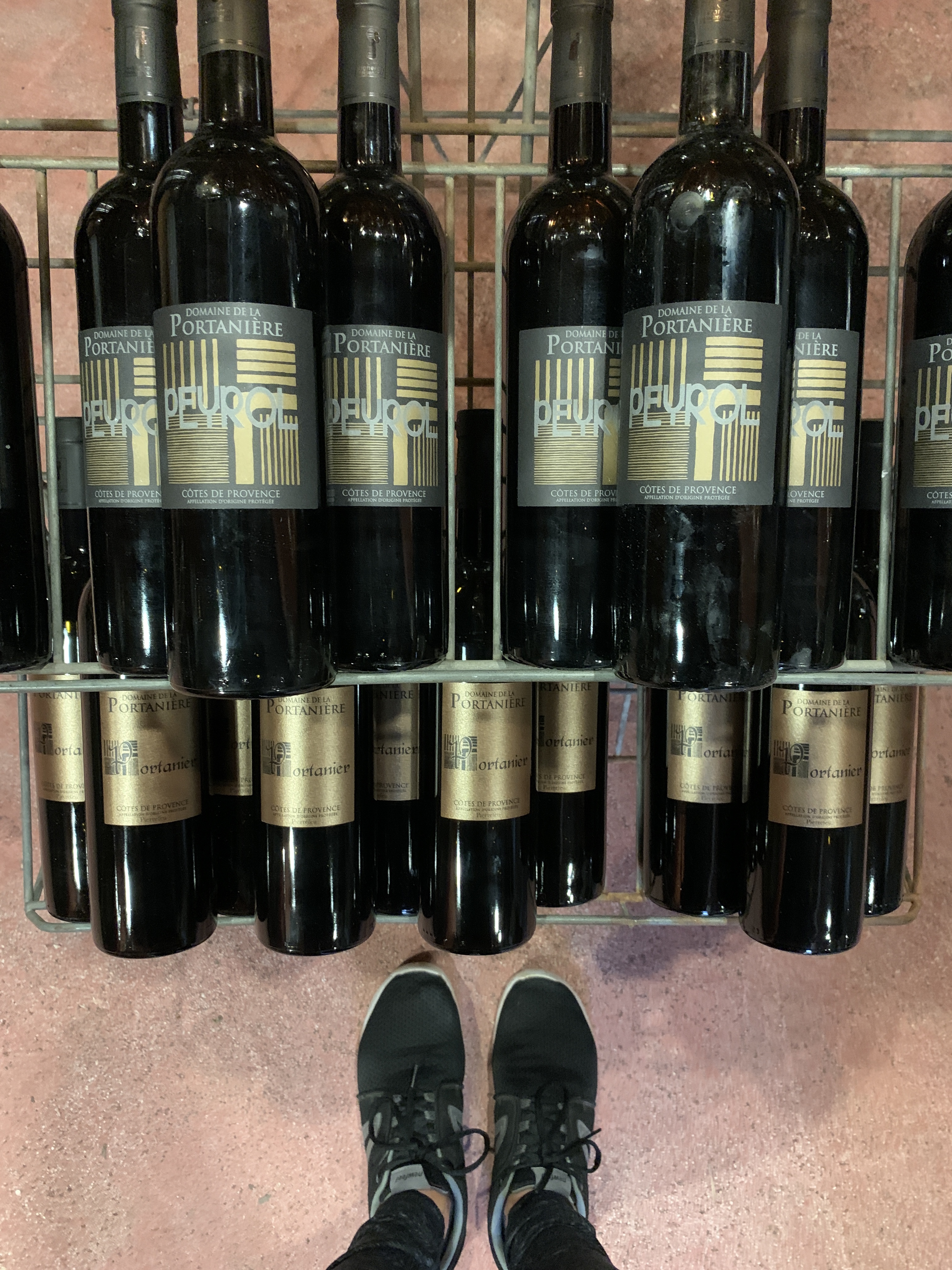
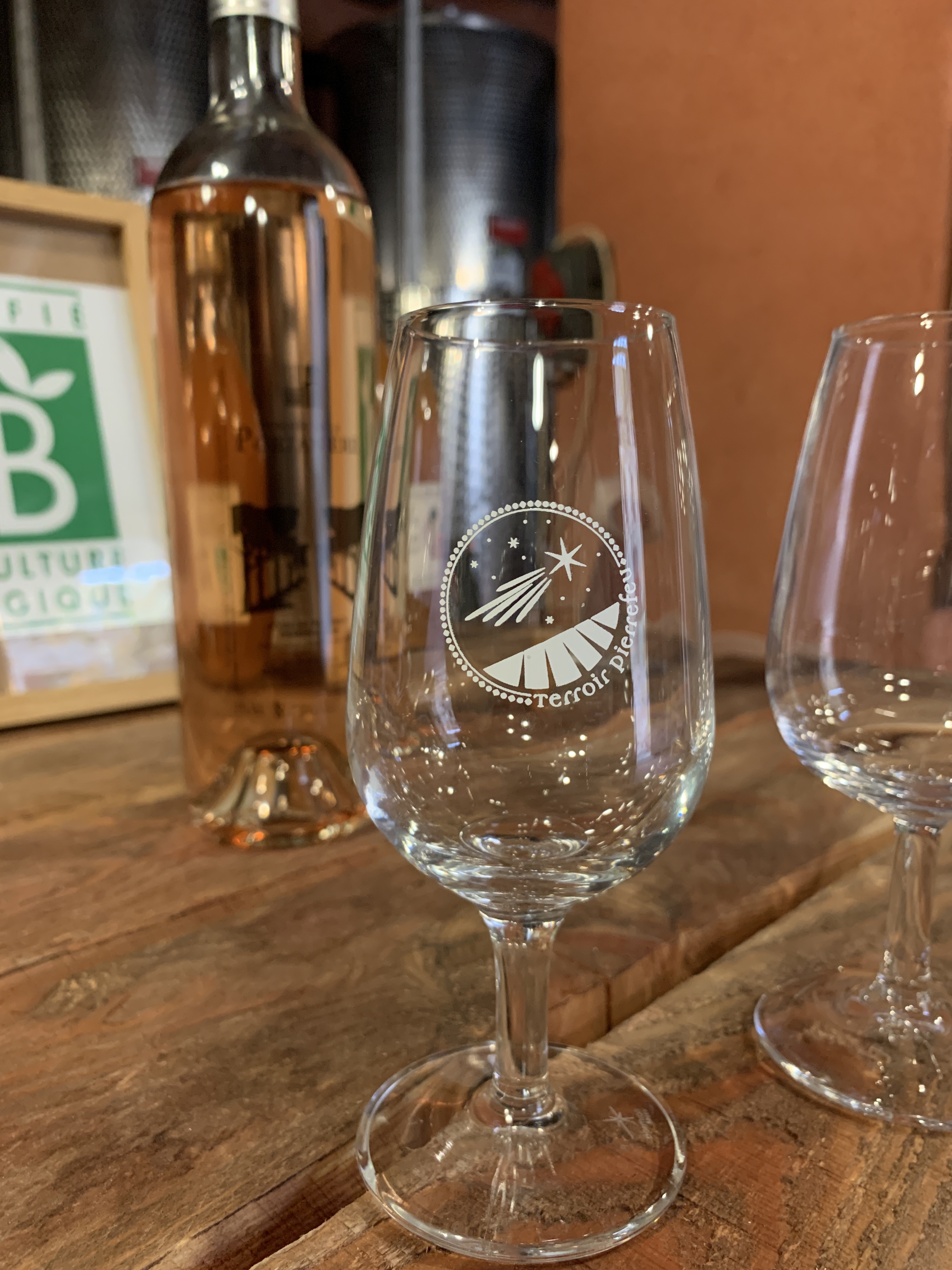
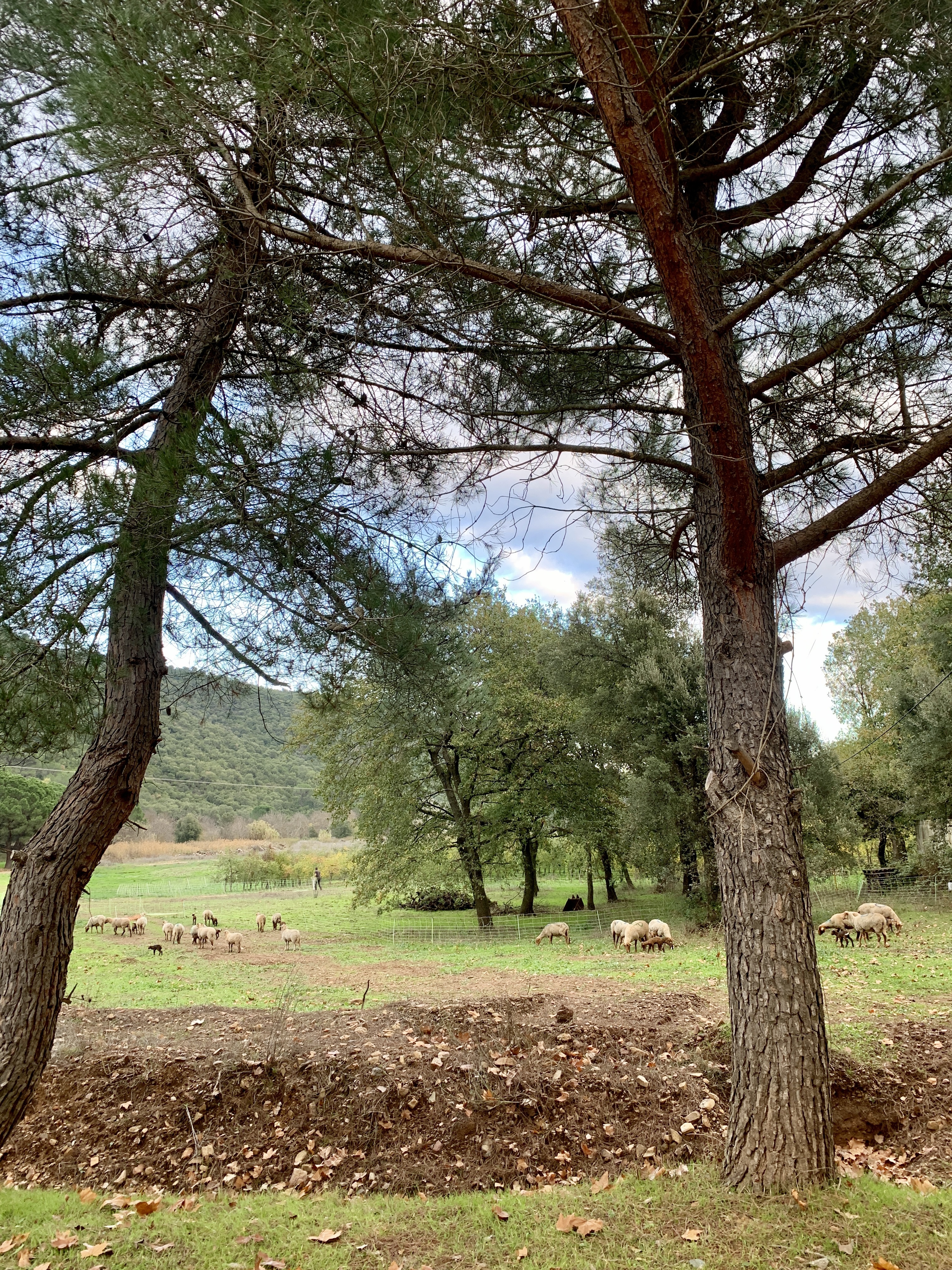
A drive further inland into the Pierrefue AOC yields dozens of wineries, some of which help define the picturesque countryside with vines extended across hills, plains, and intermittent forests. Domaine de la Portanière sits about 5 miles before the charming town of Collobrières and appears just as much farm-like as it does vineyard. That’s because it was in fact a farm and it retained that look and feel. Today it is a winery and a fruit orchard. It was only a few years ago that the owners started making wine on the property under their own label (previously they sold their grapes to the local cooperative). The tasting portfolio here spanned two rosés, two reds and a white. The rosés offered distinct styles in their expressions of their terroir going from a fruitier to a drier profile. The Bae Rosé quickly became a big favorite!
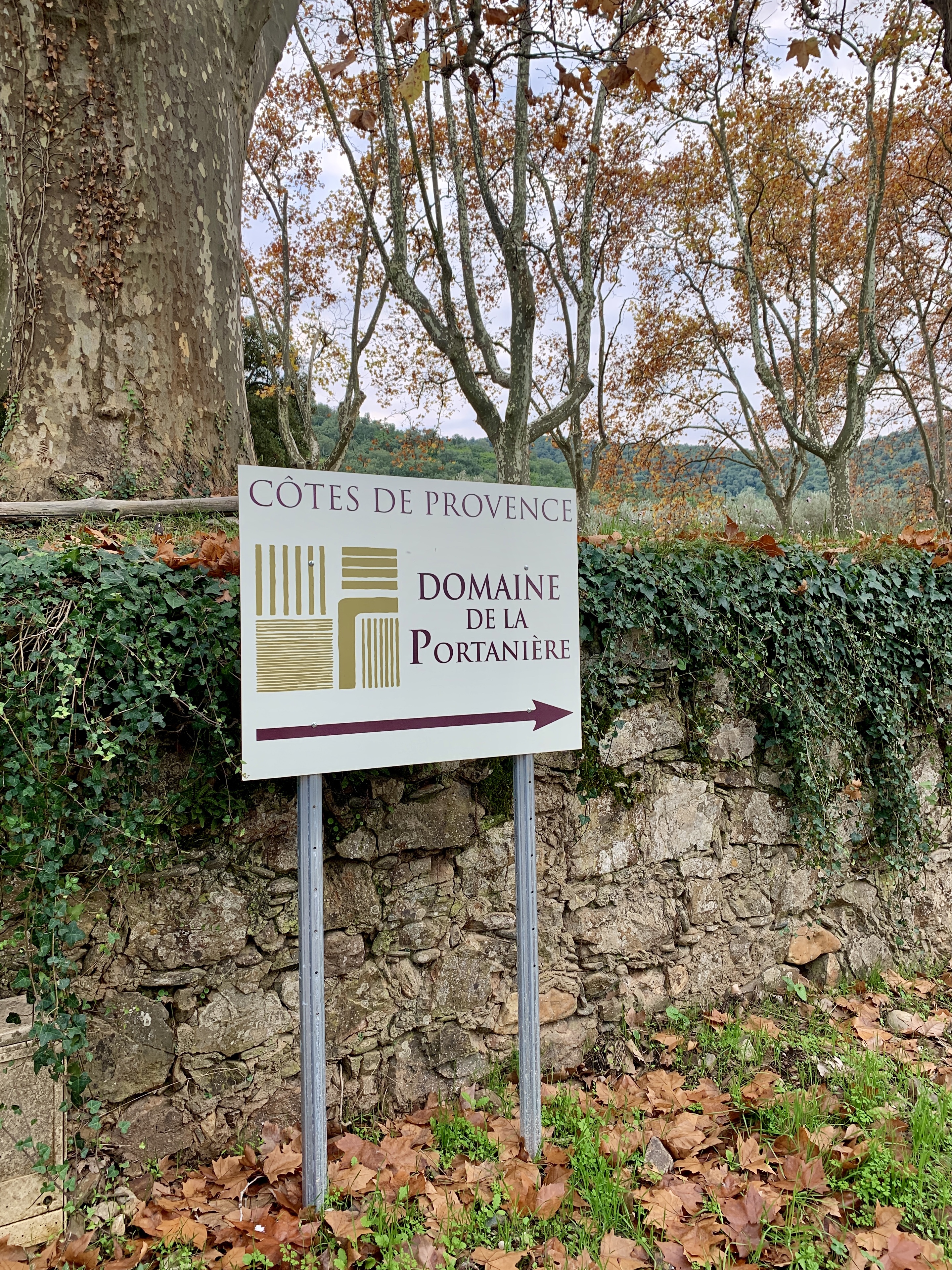
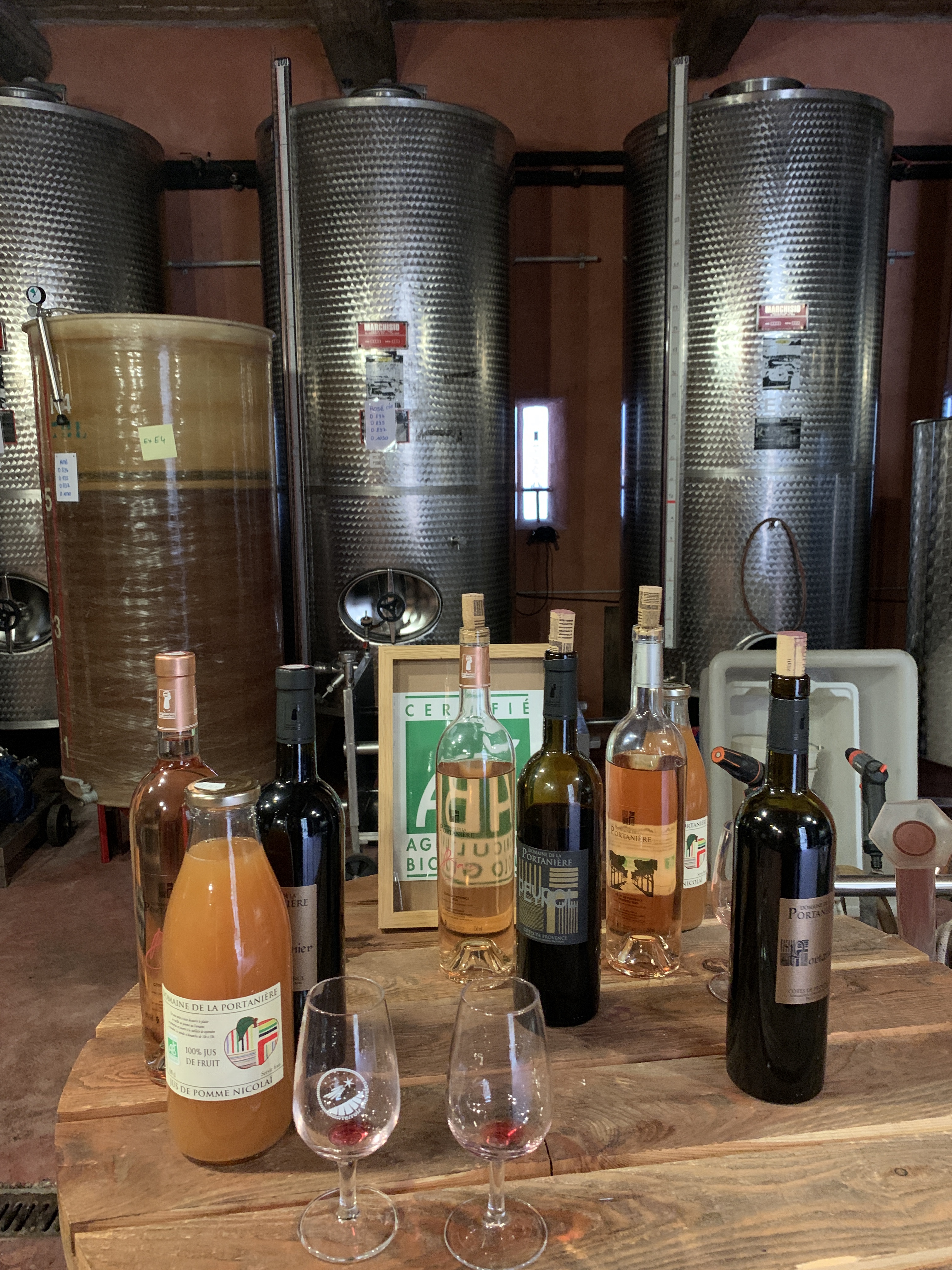
“Veeeery approachable and easy drinking. A pale rosé almost hinting to a gold’ish hue that speaks of apricot on the nose. Light and refreshing on the palate with medium acidity and soft presence of fruit..” Domaine de la Portanière Bae 2020
See full review here on Vivino
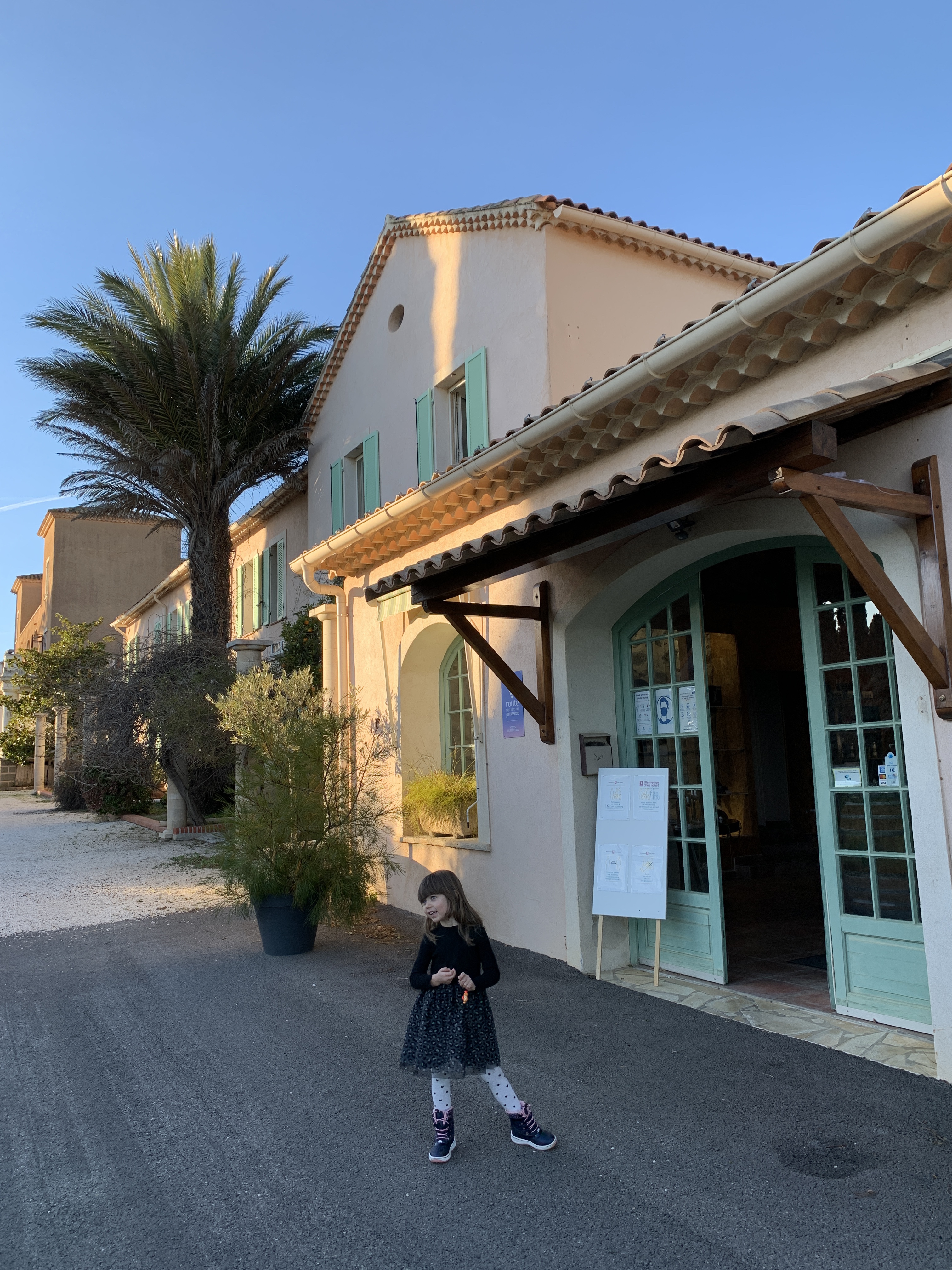
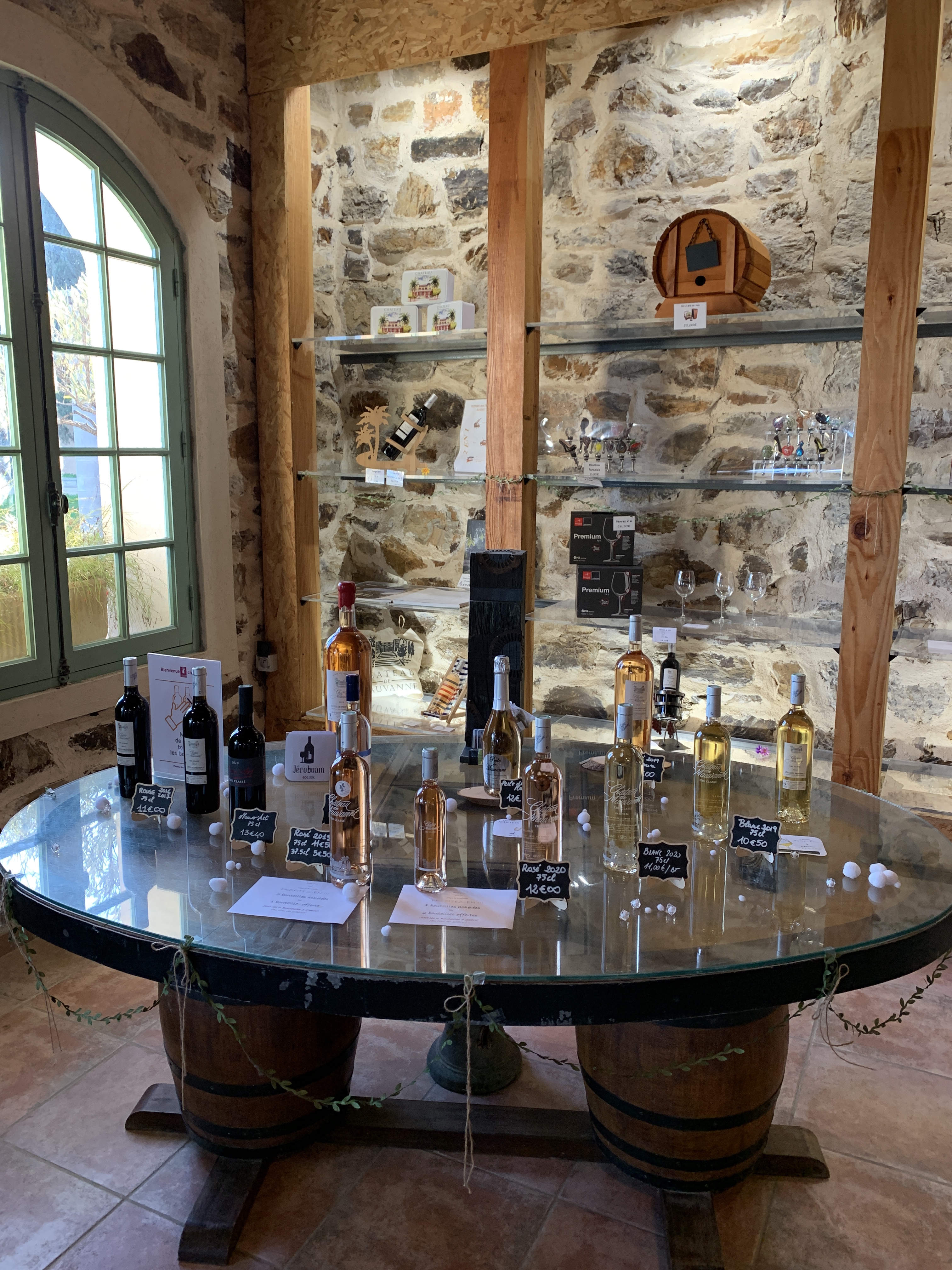
Chateau de Mauvanne is another Pierrrefeu region Côte de Provence winery and is distinguished by its Cru Classé designation. The chateau was once owned by a French actress (Simone Berriau), which helped place its wines on restaurant tables across Paris. Today the chateau is owned by a different wine-making family who are keeping the promise of Cru Classé alive and well. Our tasting here included red and rosé and both showed well. The rosés were fresh while the reds translated their terroir in notes of earthiness and smoke, a class act no doubt!
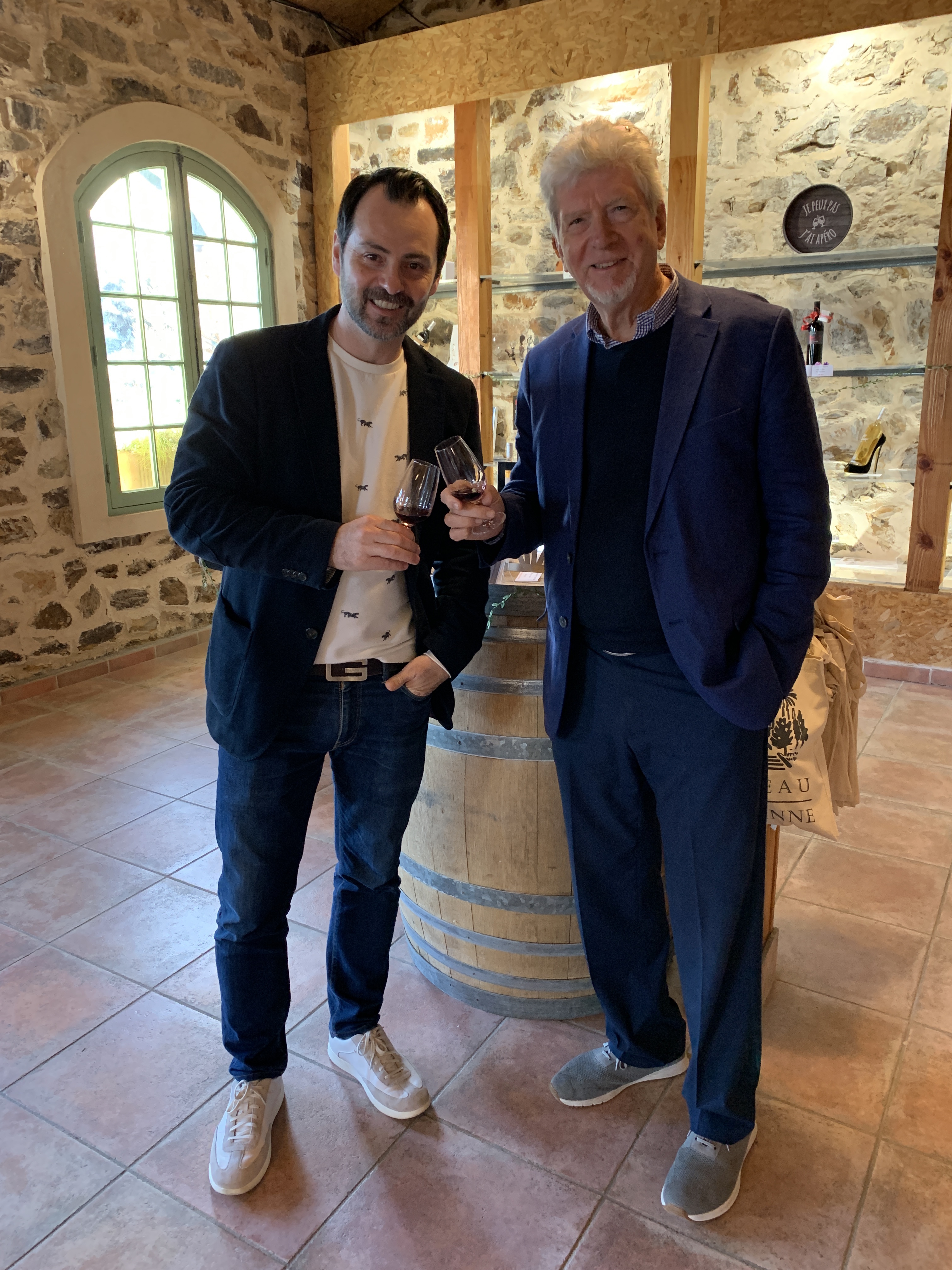
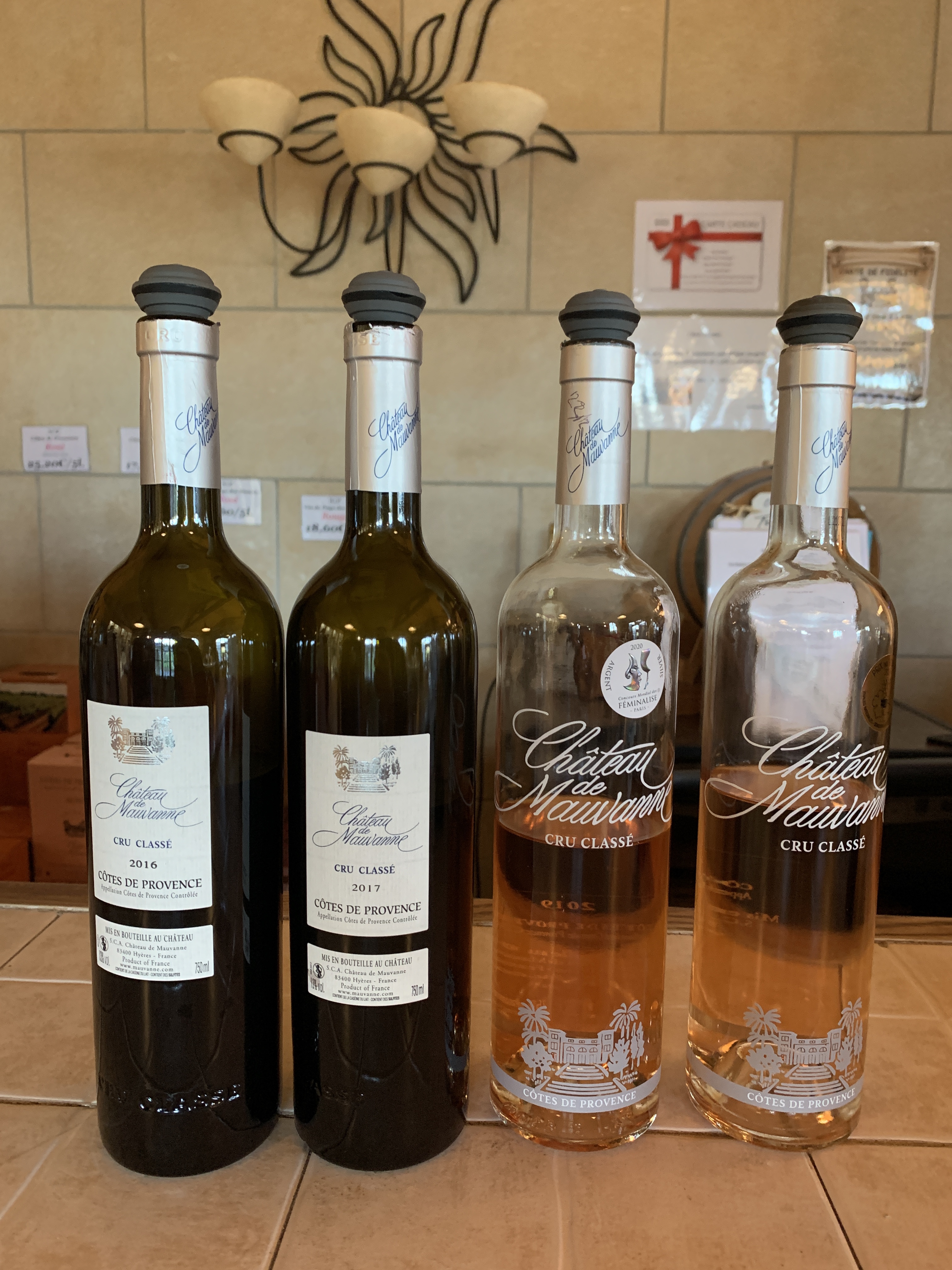
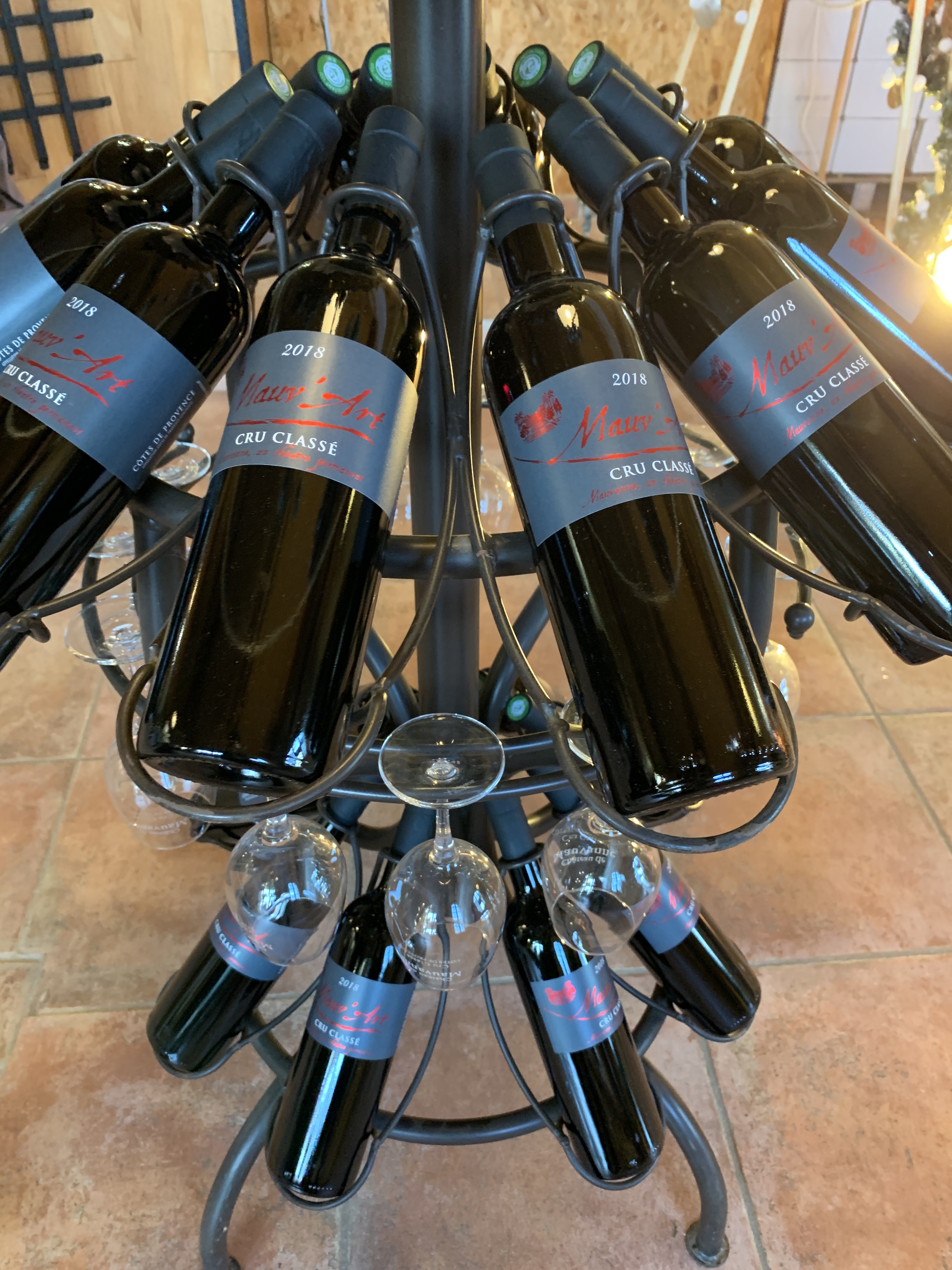
“A wine that moved my buds! Delicate deep burgundy in appearance in glass, really passionate tears. Diffuses a bouquet of licorice, pepper, and smoked wood..” Château de Mauvanne Côte de Provence Rouge 2017
See full review here on Vivino
Island Wine, Corsica & Sardinia
Two birds with one stone, a voice said to me when thinking of organizing a trip to the Mediterranean islands of Corsica and Sardinia. Another way to look at it, an open door to tasting island wines in their proper homes, something I had long dreamed of while living in New York City. A big positive of living in a big city like the Big Apple, was the great access to wines from all over the world. In fact one of the wines in my rotation from the neighborhood wine shop was a Sardinian Cannonau. As expansive as the range of wines was, I don’t recall ever tasting anything from Corsica. Well, all that was about to change.
Corsica
Most of the Island of Beauty as Corsica is known, is comprised of a massive mountain range spanning about 2/3 of the island. Dramatic coastlines define much of its topography and vineyards are strewn about the island’s coastline contour. Aesthetically it really doesn’t get any more beautiful when conjuring up the likes of a picturesque wine country. There are 9 AOC regions in Corsica producing 30+ grape varieties, many of which are also found in continental France and some that aren’t such as: Niellucciu (aka Sangiovese), and Sciaccarellu (both are red and both have Italian origins). Worth noting, only about a third of Corsican wine produced runs red, while rosés take the lion share with over half of production. White sees about 10% and one of the more predominant grapes is Vermentino (another Italiano in the mix, beginning to see a pattern here).
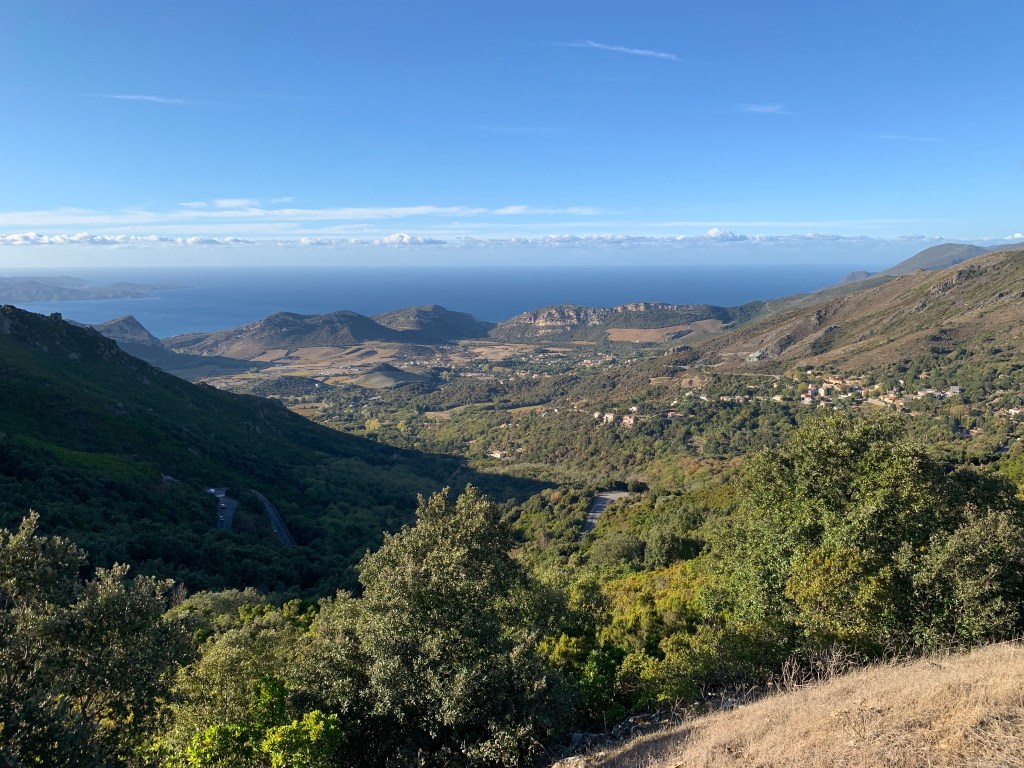
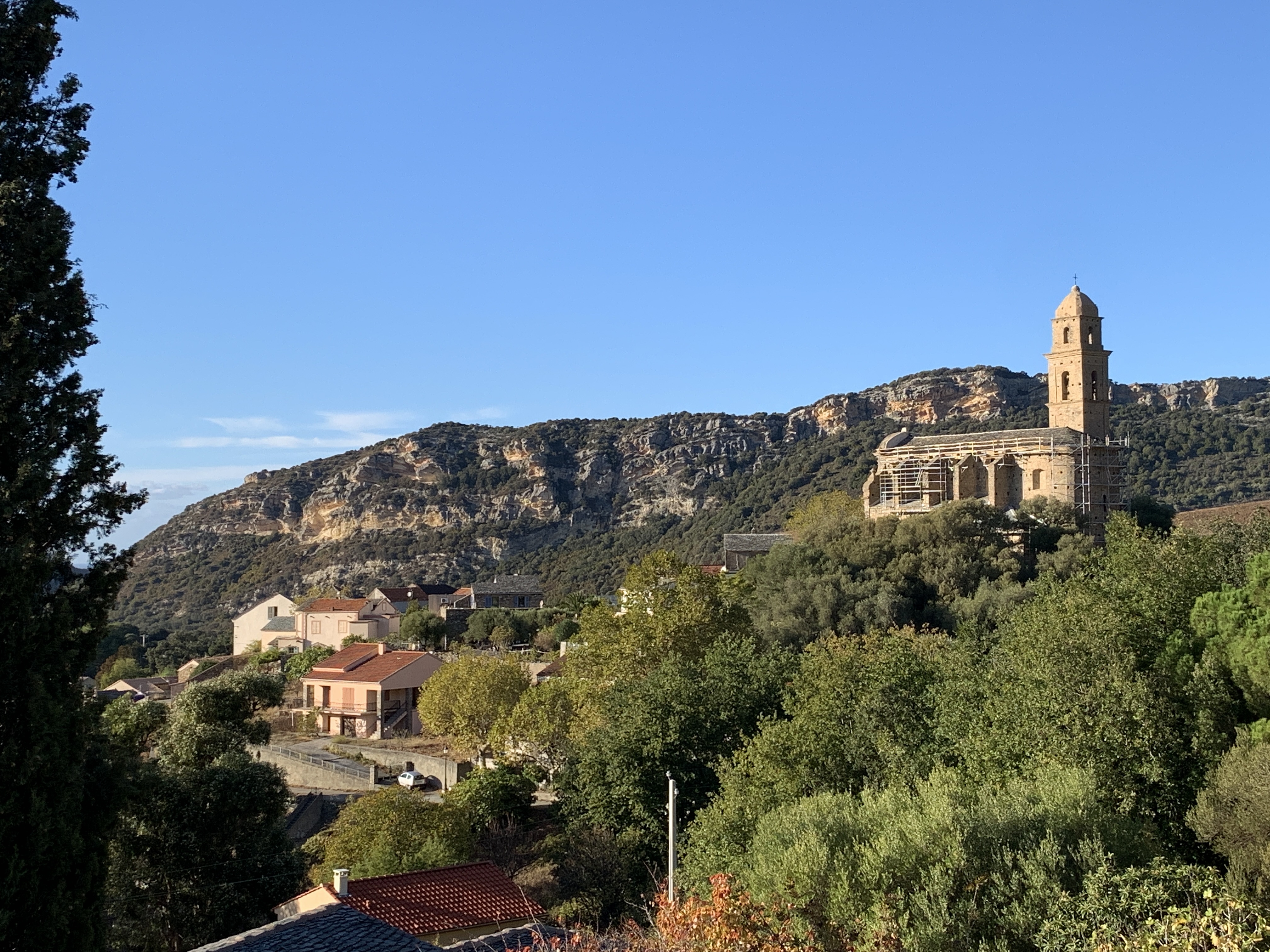
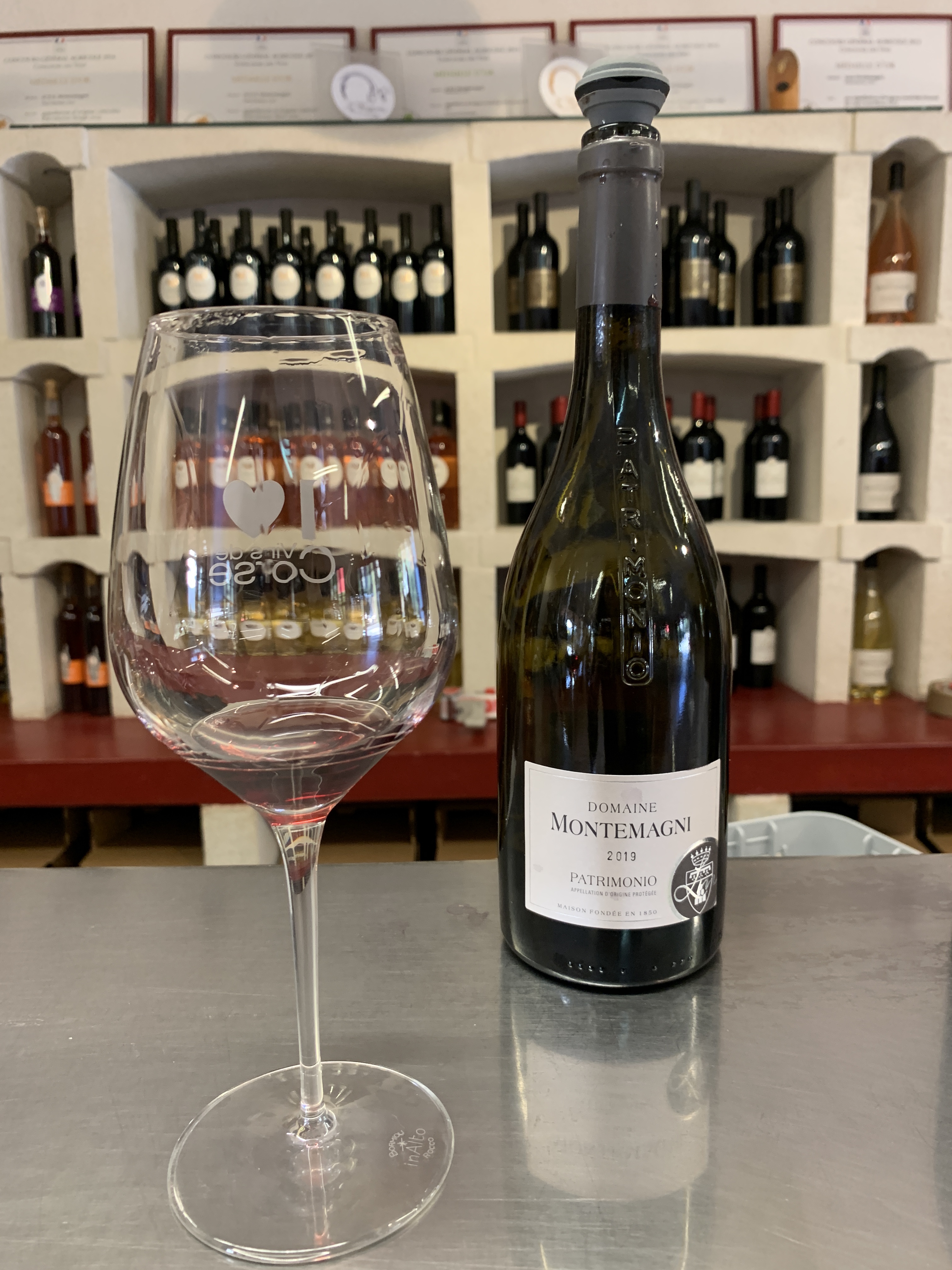
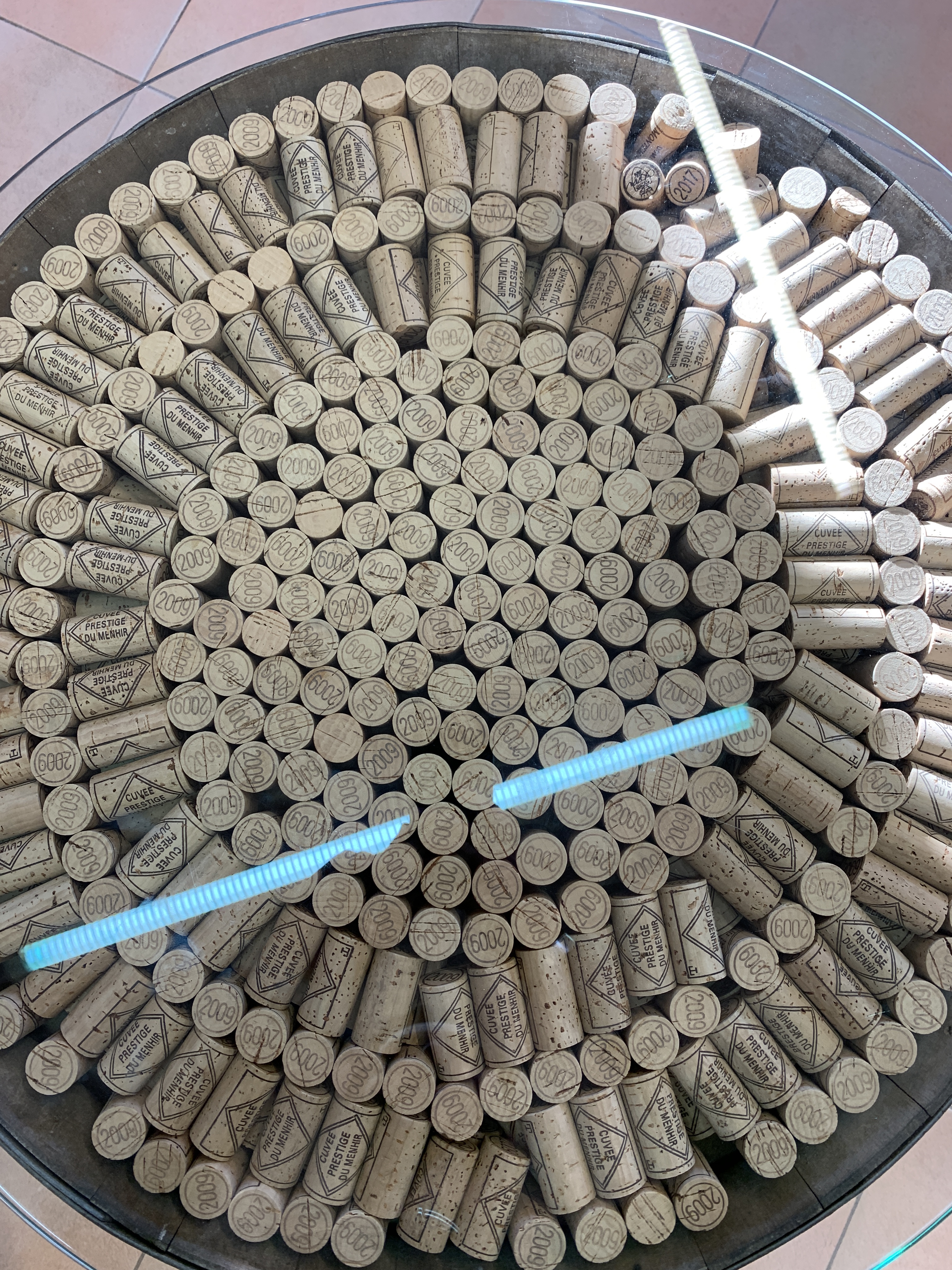
Of the numerous Corsican AOCs to choose from, Patrimonio was the point of our visit. Situated on the northern part of the island or the beautiful Cap Corse, the town of Patrimonio sits on a hilltop within the eponymous AOC region (which was the first AOC in Corsica by the way). The drive up to town unveiled the scenic countryside where numerous tasting rooms are found. Domaine Montemagni became our destination and we tasted all shades of the wine it produces (red, rosé and white).
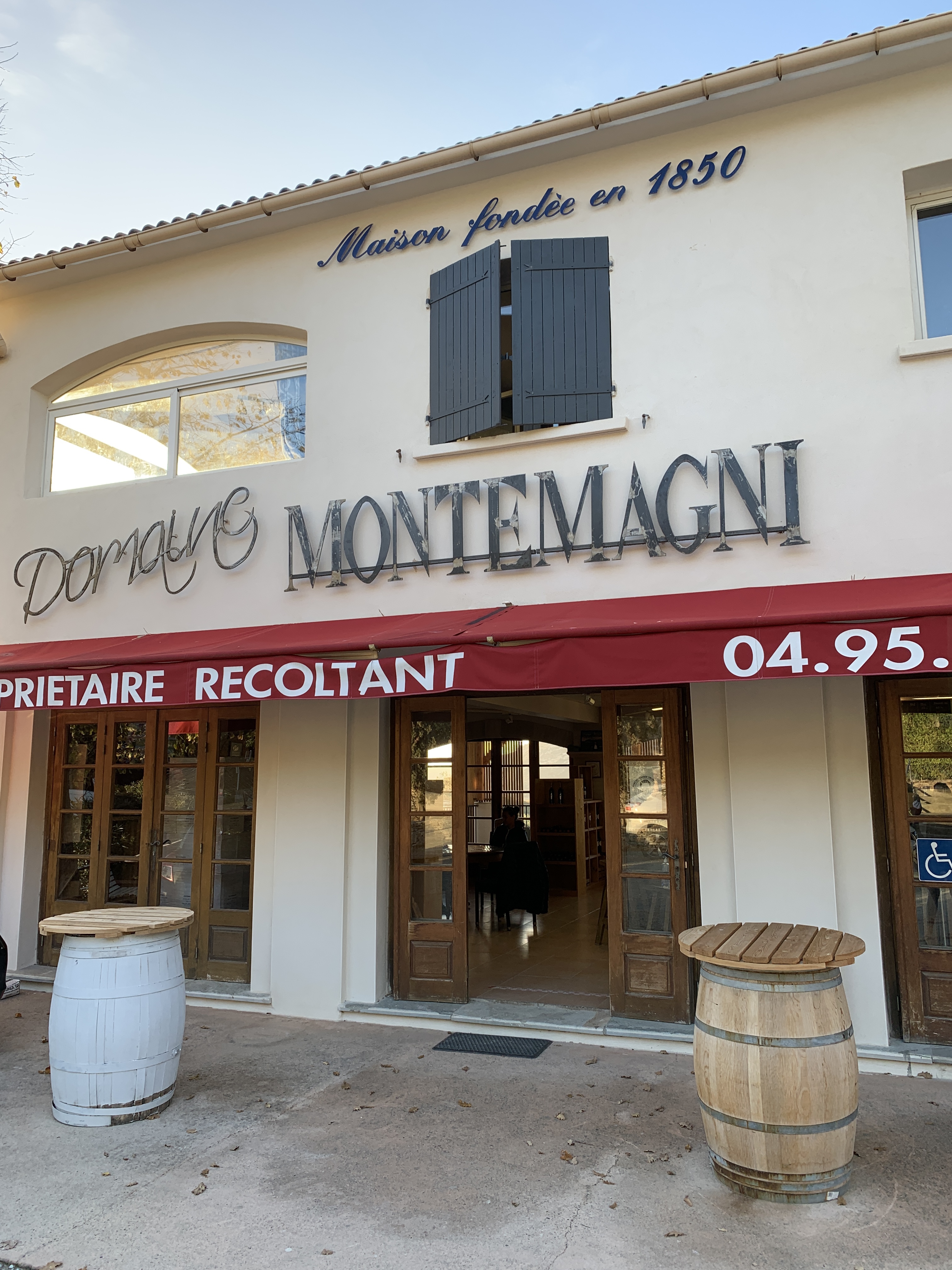
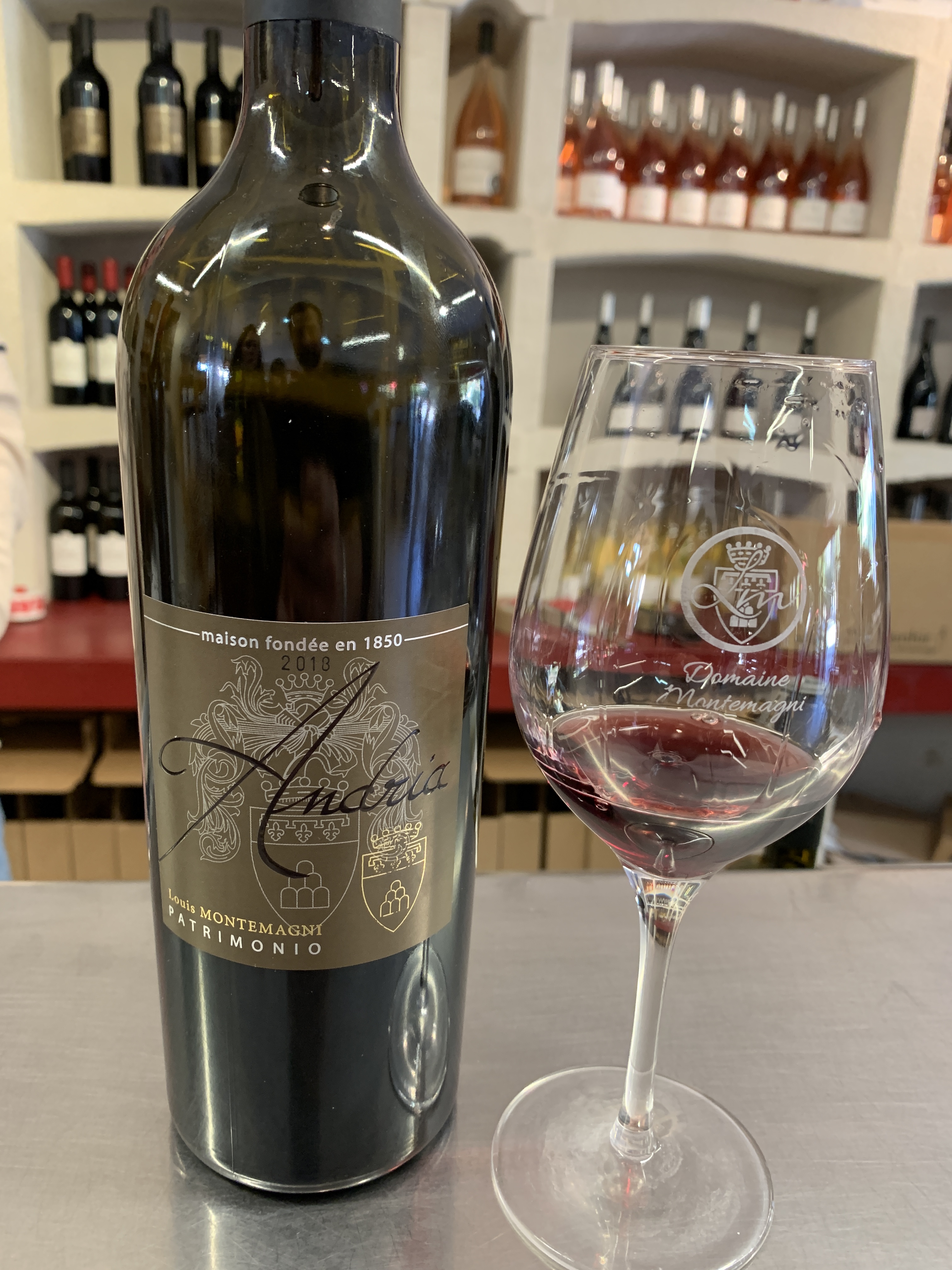
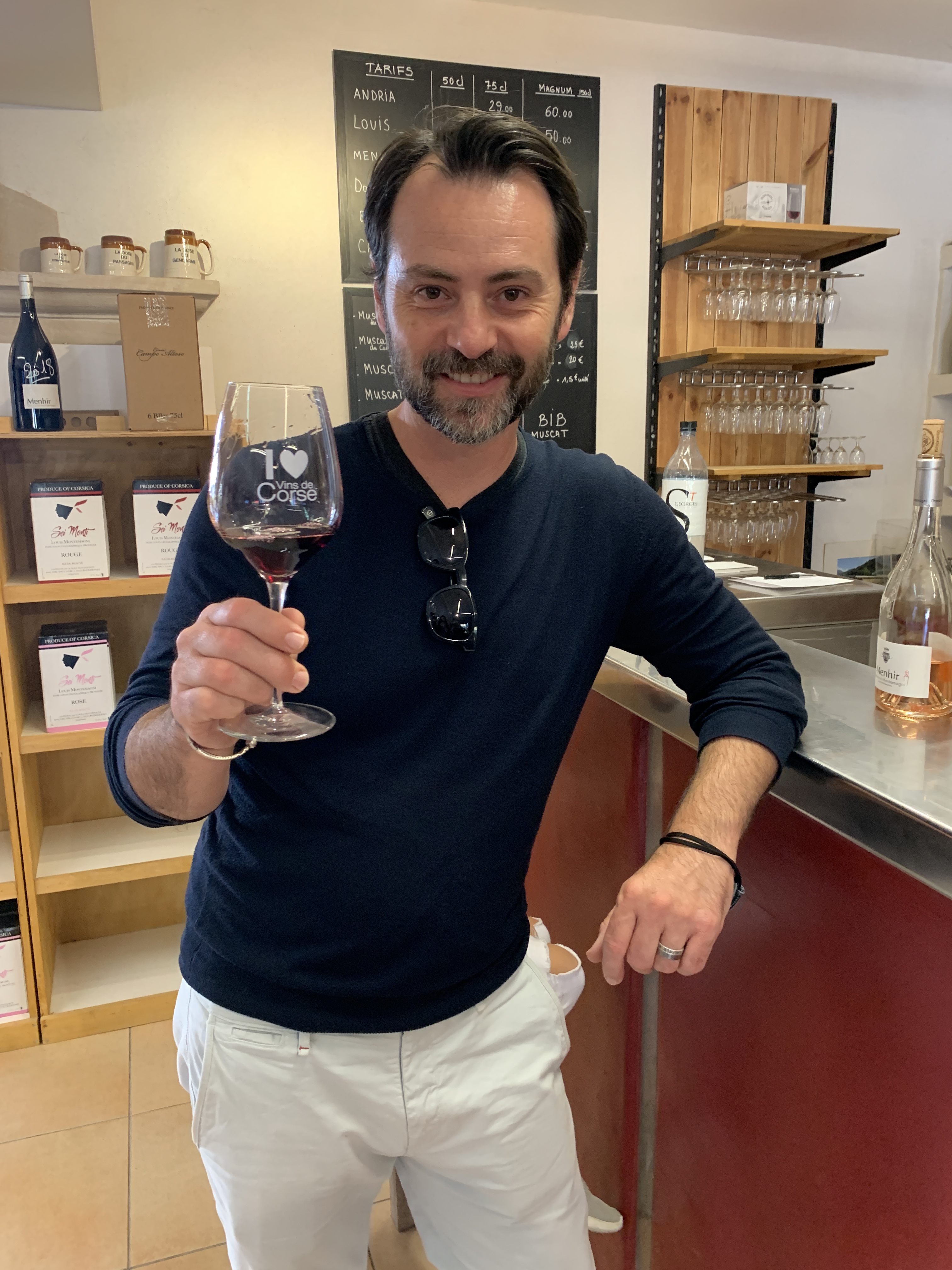
The rosés were just as crisp as those of Provence and leaned a bit more into the fruit. The reds served as a lesson showcasing the expression of Niecciullu which Montemagni offers as a stand-alone varietal or as part of blends (with the likes of Grenache or Merlot). The reds were luscious and have plenty of aging potential, allowing them to only get better with a few years, per the winery. Nadine (owner of the domaine), and her cousin really made our experience, a big thumbs up all around!
Sardinia
Sardinia is to Italy as Corsica is to France, both islands are part of their respective continental countries and therefore have a long wine histories. The trip to Sardinia’s northern tip from Corsica’s southern tip, lasted about 40-minutes by ferry. Given the proximity between the islands I am a big proponent of visiting both. Sardinia has 19 DOC wine regions and they can be accessed in every which direction from its northern tip. While some regions are notable for certain varietals such as Vermentino, Turabo, Carignano, the most prevalent and well-known grape of Sardinia, Canonau (or Grenache as it’s known in France or Garnacha in Spain), is planted throughout the entire island. By volume, it covers about a third of all grape plantings in Sardinia.
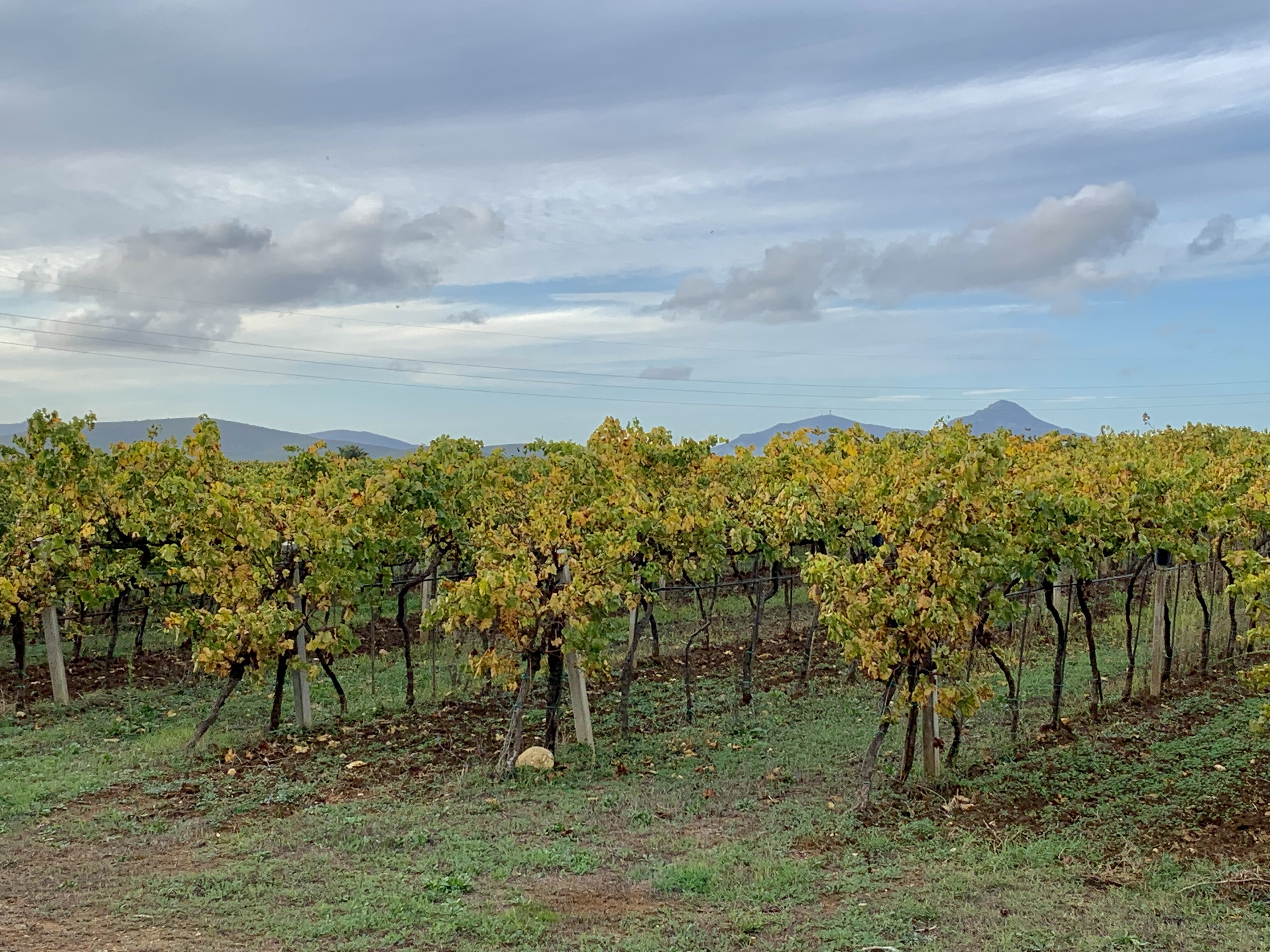
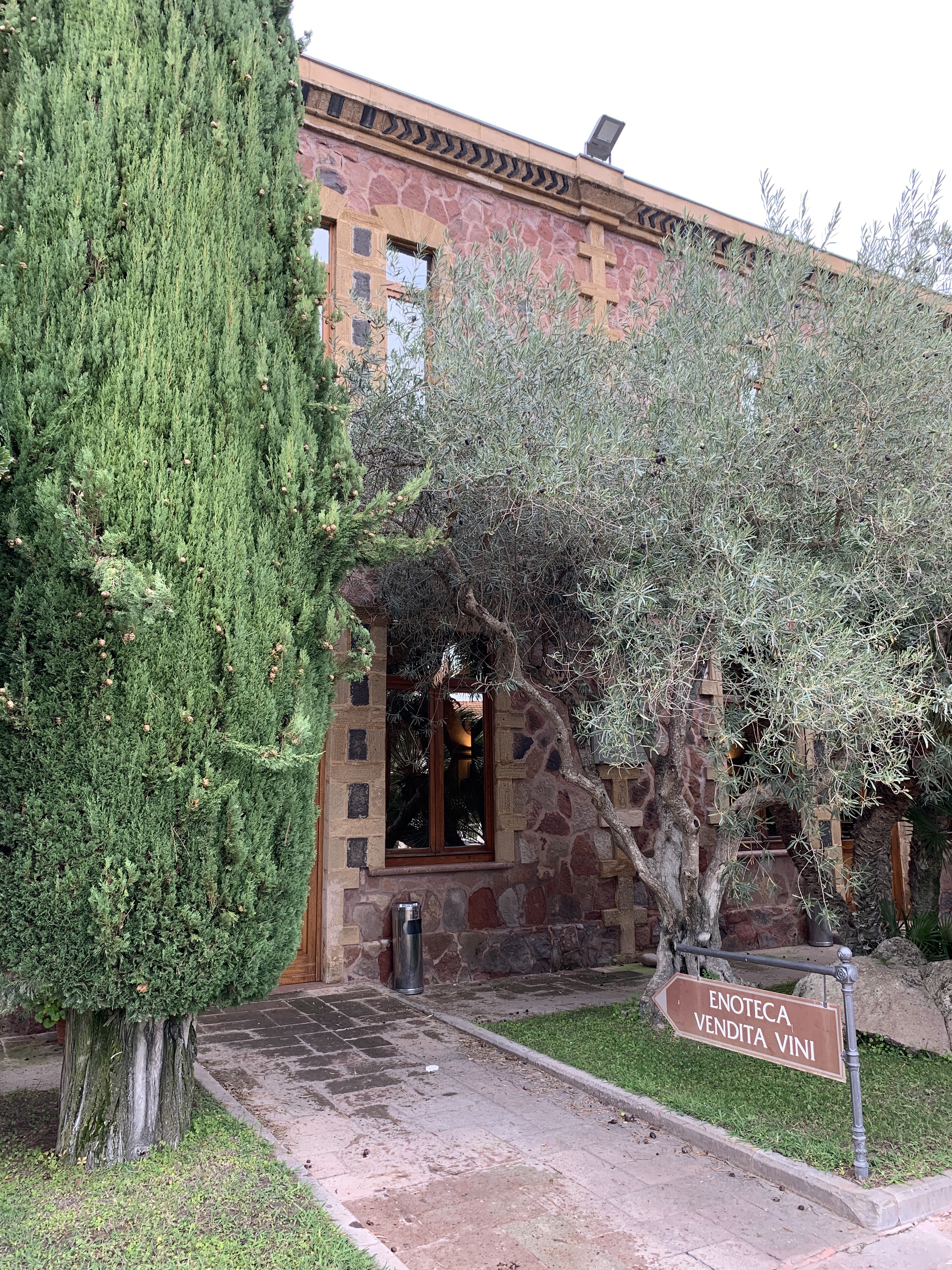
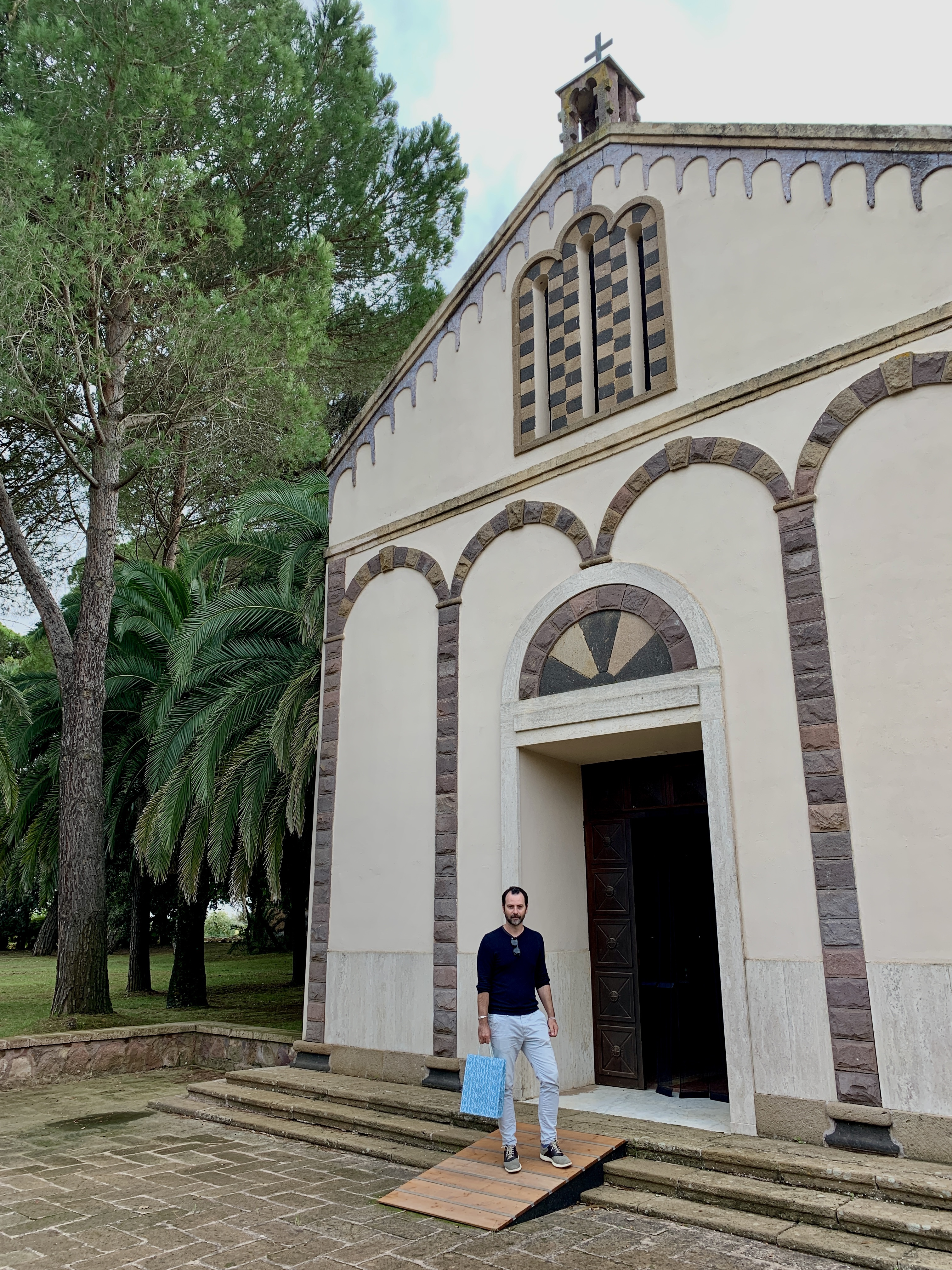
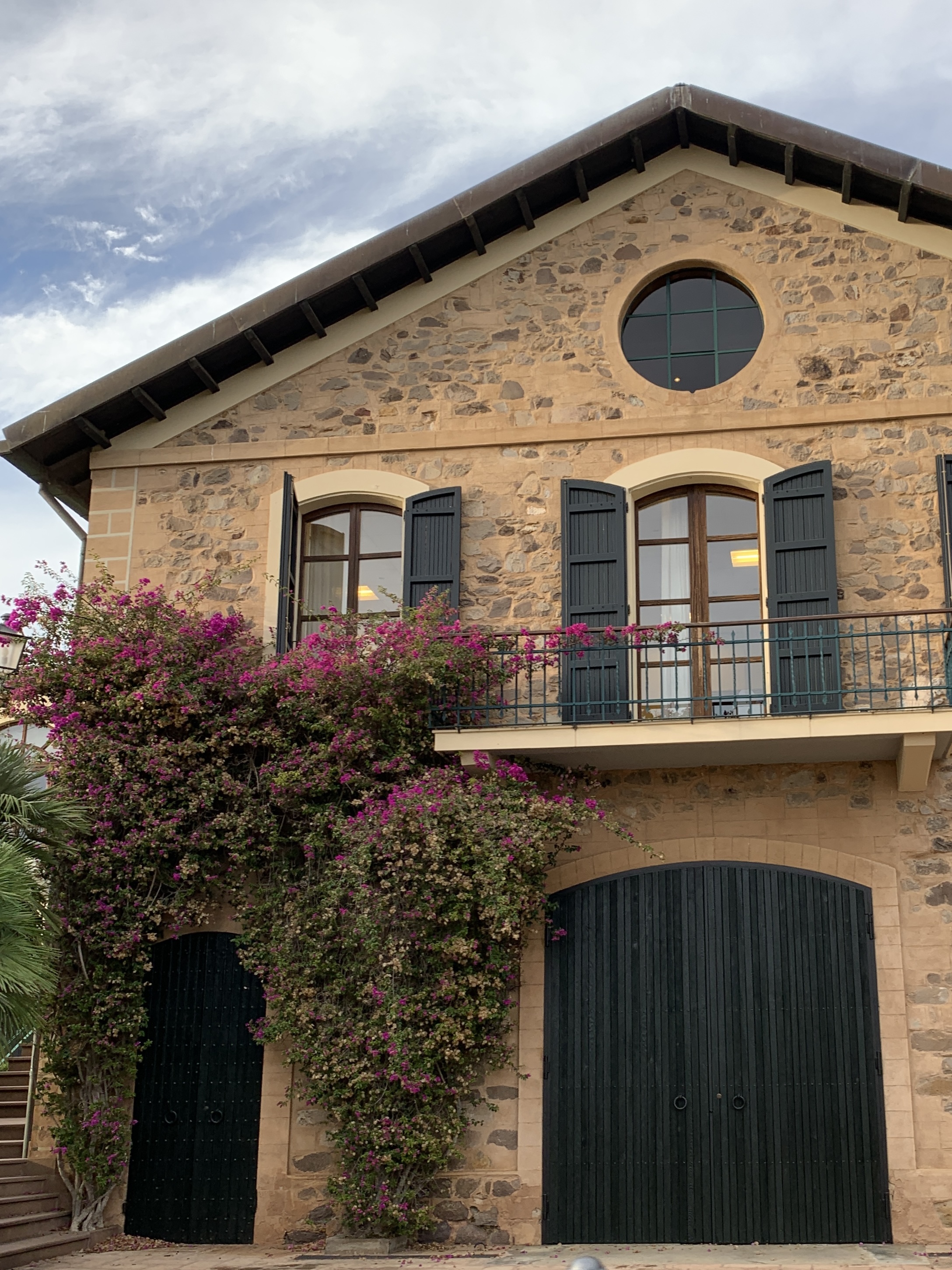
Our stay in Sardinia was concentrated in its northern half where the renown Sella & Mosca winery can be found (about 10 minutes outside of the town of Alghero), within the Alghero DOC. Sella & Mosca is one of the largest wine names in Sardinia (and in Europe), quantified by acres of land owned, vineyards planted and volume of wine produced. It made me think of what Castello Banfi means to Tuscany, if I were to draw a parallel. The grounds at the winery encompass superfluous vineyards and a campus comprising the opulent tasting room, the administrative offices and even a chapel (the first I had ever seen at a winery).
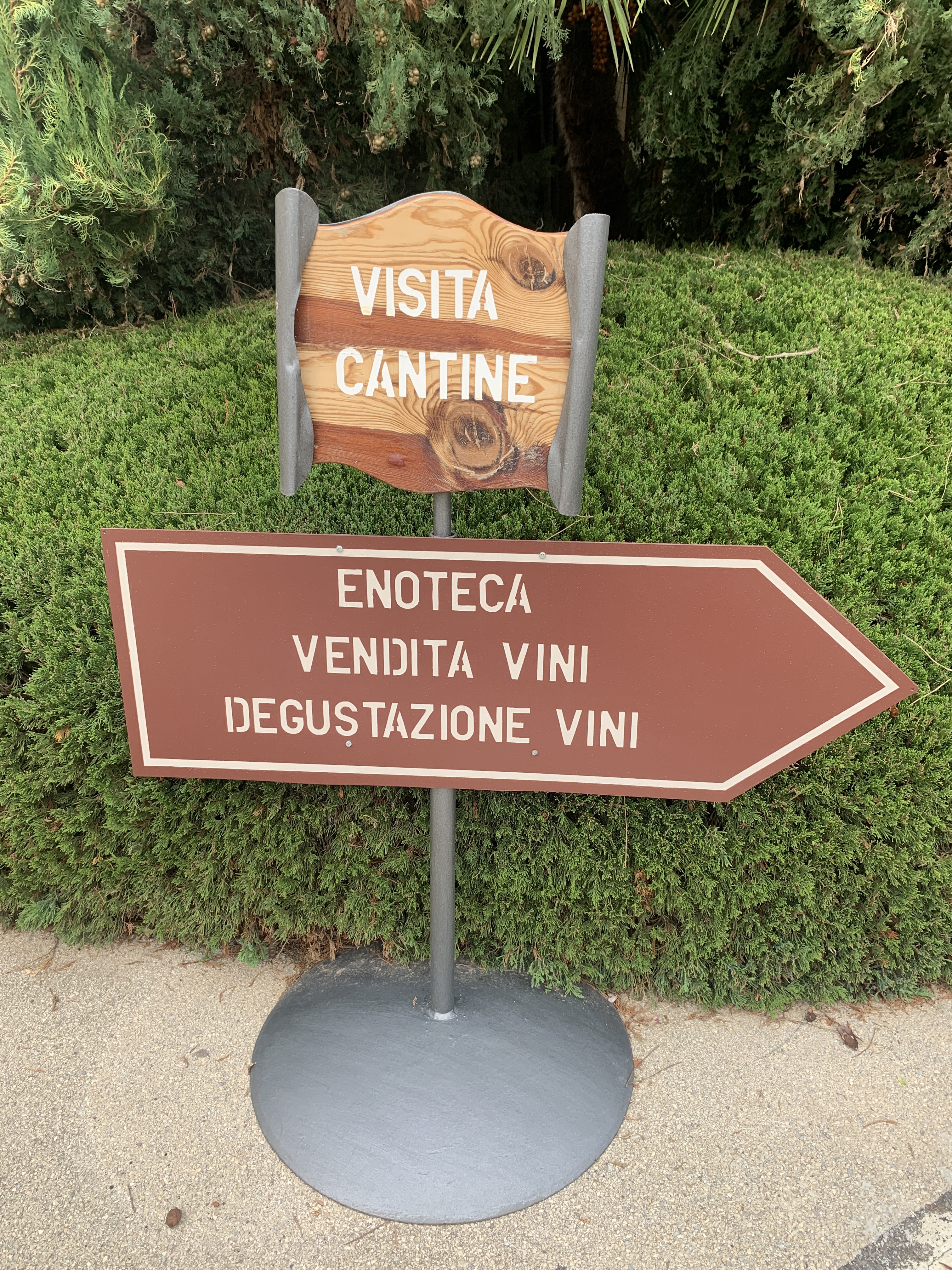
Sella & Mosca produces numerous types of wines for a range of tastes, occasions and budgets. Its everyday Cannonau was solid, a reminder of the unique terroir notes of Sardinia while the Tanca Faraà (a blend of Cannonau and Cabernet Sauvignon 50/50), blew my taste buds away. At just under 20€ a bottle, the Tanca Faraà is a majorly good deal in my book.
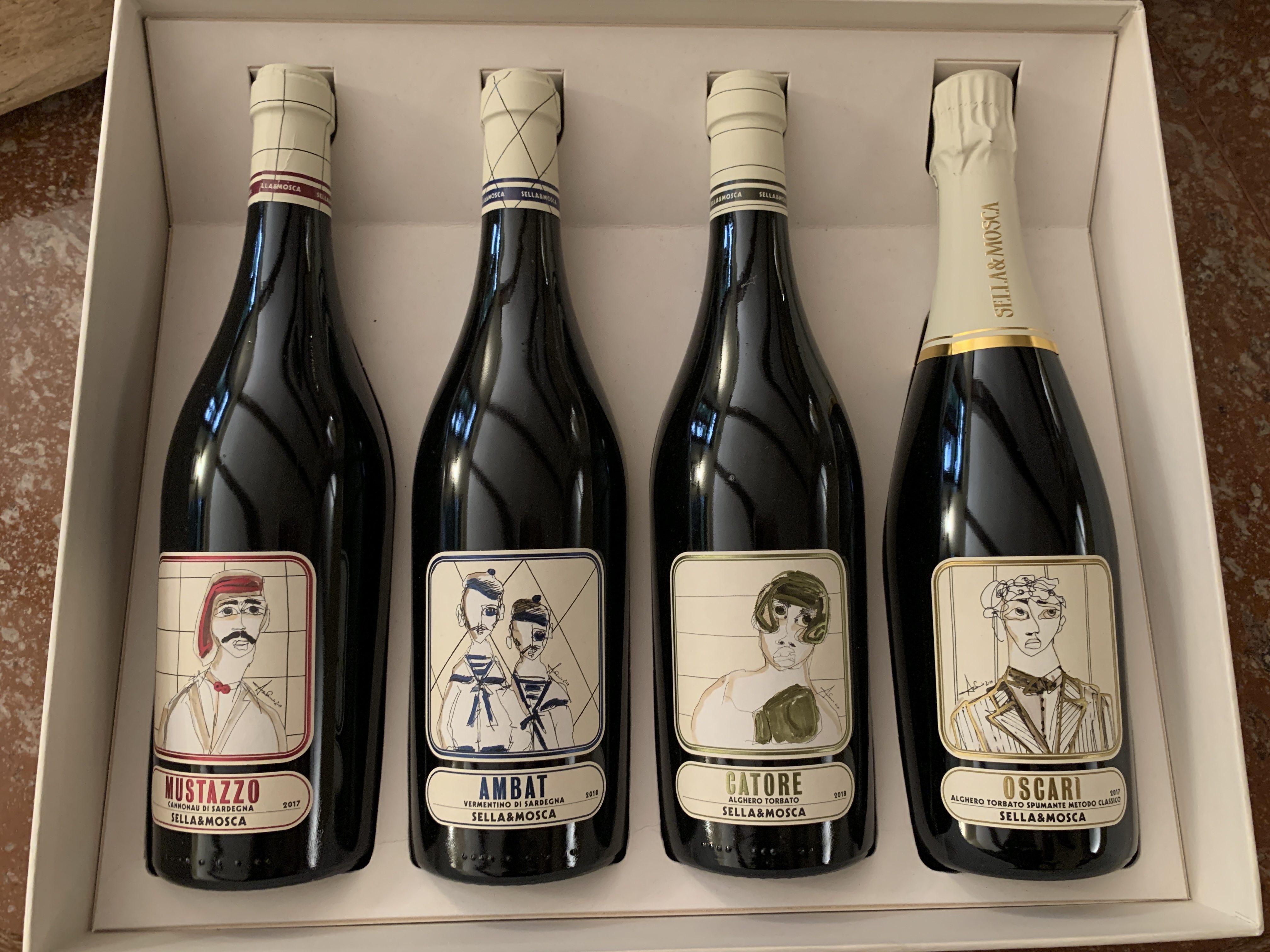
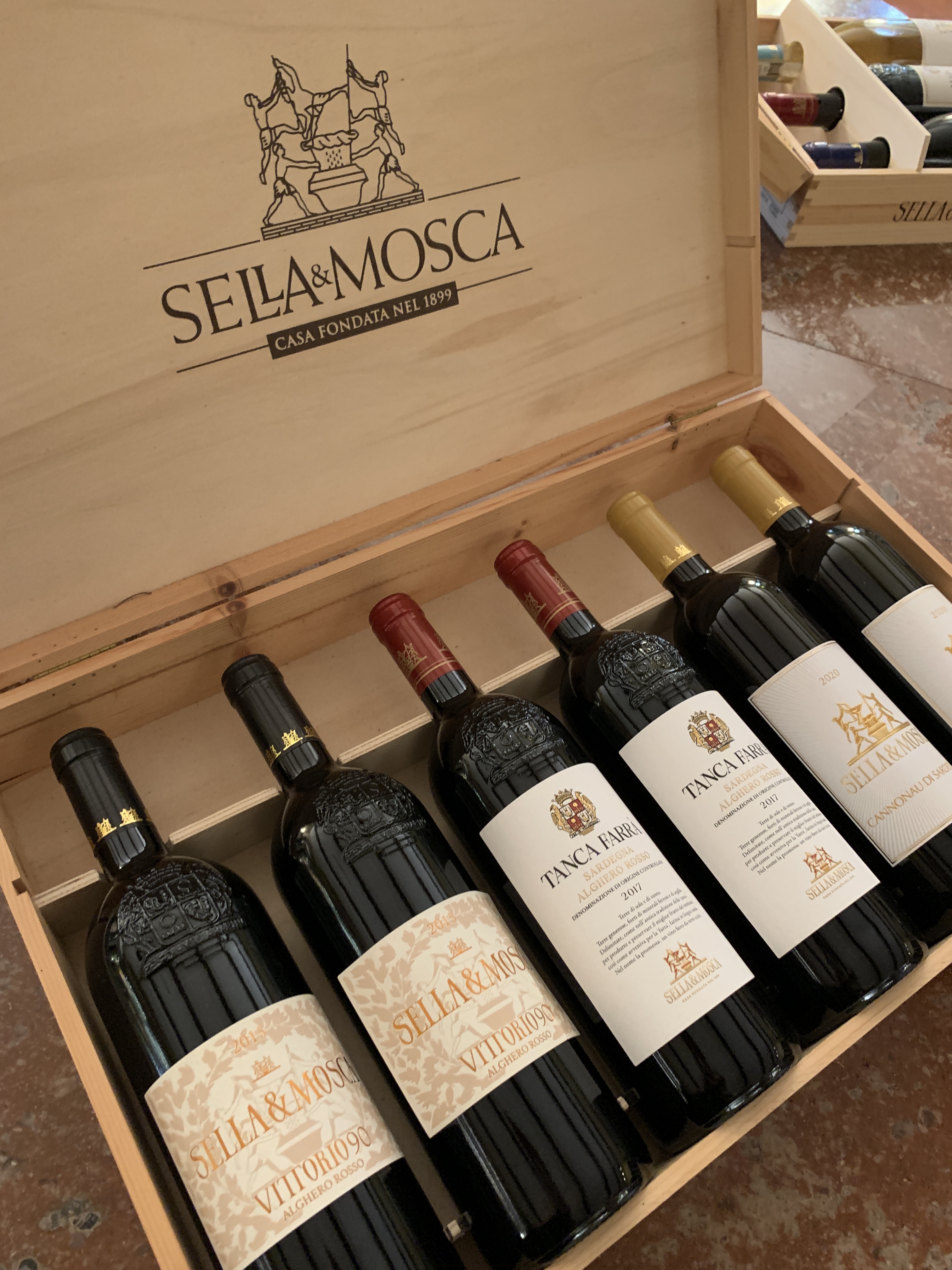
“Was excited to open up this little pick up from Sardinia and reminisce of the time spent there. Oh, the memories! Color: Vivino red, lively and electrifying..” Sella & Mosca Cannonau di Sardegna 2020
See full review here on Vivino
Being able to visit Corsica and Sardinia and taste their wines was a privilege, a dream realized really. Each time I come across a bottle from one of two islands, something inside of me warms up, and gets thirsty.
Can’t Compare Malpère, Languedoc-Roussillon
Hopping from one wine region to the next moving clockwise as our route took us, emerged one of France’s largest (if not the largest), region. This was Languedoc-Roussillon, located in the south of France and covering vast acreage of vineyards. Although lots of wines are produced here, about one third of all french wines, most stay in France. Prevalent grapes for the reds are: Grenache, Carignan, Cinsault, Syrah and Mourvèdre. On the white category, some of them are: Grenache Blanc, Clairette, Bourboulenc and Muscat. Rosès and sparkling wines are also produced. Overall the region is known for value and much of the wine is labeled Vin de Pays (which is typically indicative of lower retail prices). The climate of the region is Mediterranean as in hot and mostly dry summers and mild wet winters.
There are several AOCs within Languedoc-Roussillon and one that played host to us was Malepère, situated just minutes from the medieval fortress of Carcassonne (one of the top sights in the region). Malepère gained its AOC status in 2007 and exclusively produces reds and rosès (under its AOC label; the whites produced in the region do not carry the AOC designation). The name Malepère is derived from bad stone (mal pierre), symbolic of the stones found in the terroir which ultimately pose as an added hurdle for the vines to find water and nutrients.
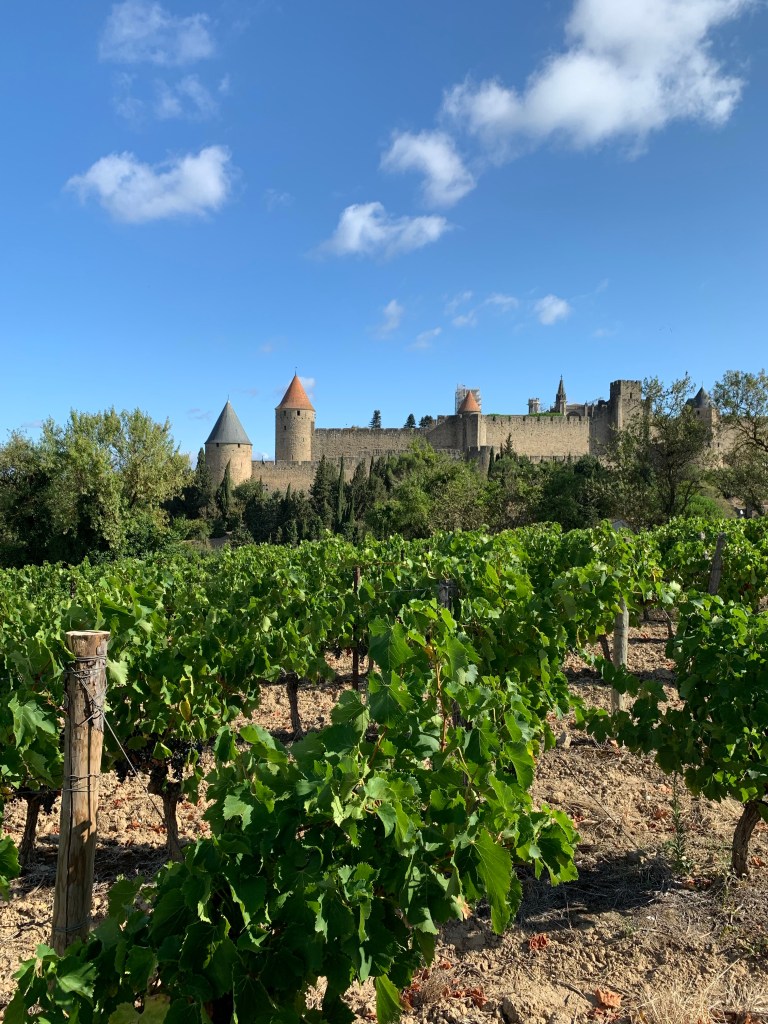
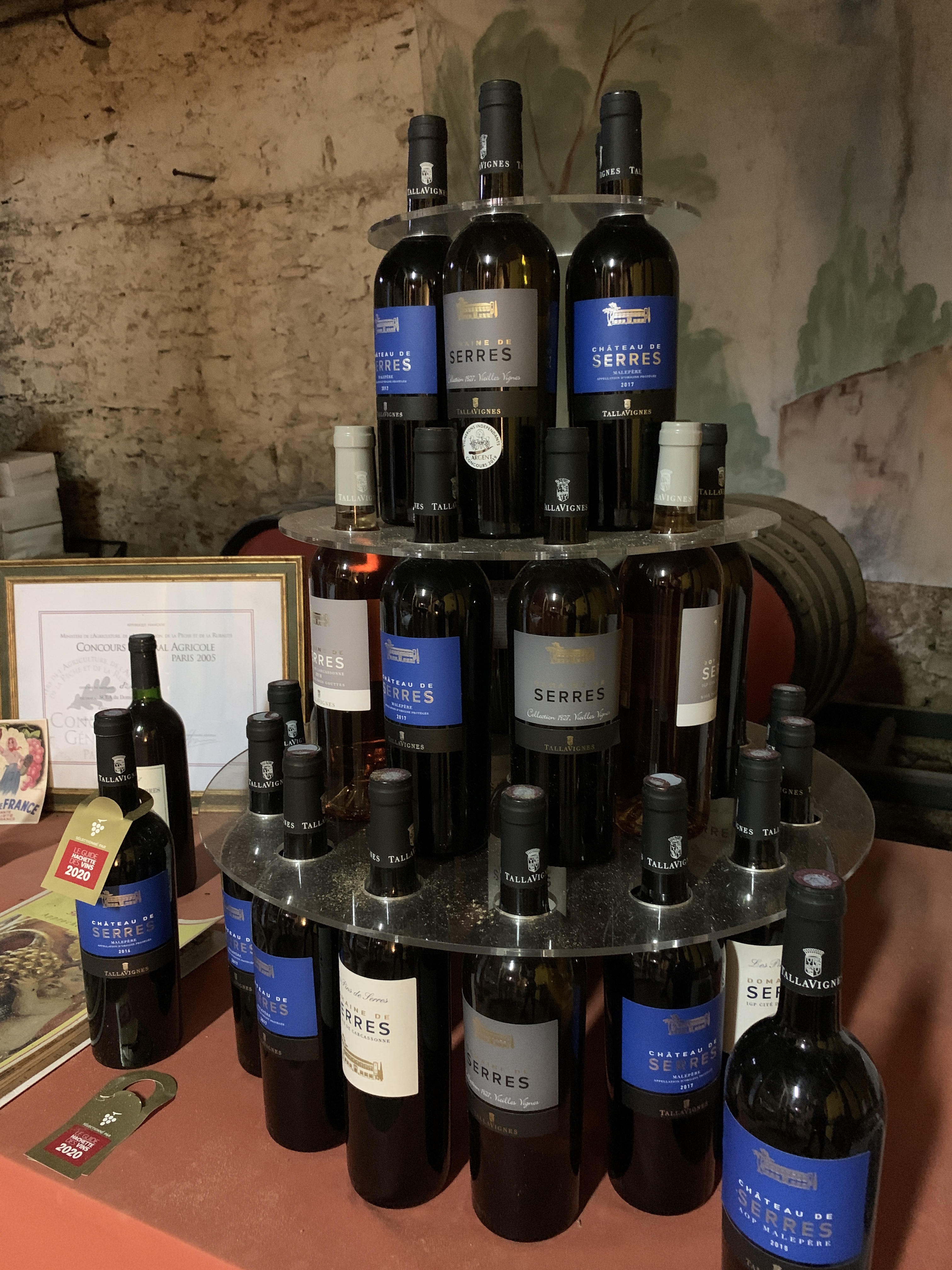
We paid a visit to Château de Serres and were greeted by the owner (Sabine), who took over her father’s wine making legacy that goes back 400+ years. Sabine showcased to us the grounds of the property and spoke of her family’s history and passion for wine. After checking out various varietal parcels on a picturesque backdrop, we gathered in the tasting room and worked out way through several wines. This included the Château de Serres AOC which comprises “Bordeaux” grapes only (Merlot, Cabernet Franc and Cabernet Sauvignon). It was interesting to compare notes on how the trio shows outside of its traditional Bordelais home. The wine itself was fairly young (2019), and possessed a vibrant freshness bound by red fruit notes. Next was the Domaine de Serres which is an IGP allowing for more playfulness in the varietals used in the blends. As Sabine put it, here they combined Atlantic grapes (aka Merlot, Cabernet Sauvignon), with Mediterranean grapes (Grenache and Syrah), spelling fun fun fun for this easy drinking every day red. An outsider wine we also had the pleasure of enjoying was the L’Oiseau Bleu, a 100% Viognier IGP white (Cité de Carcassonne), whose label features the artwork of Alice Ricard (of the Ricard spirits family).
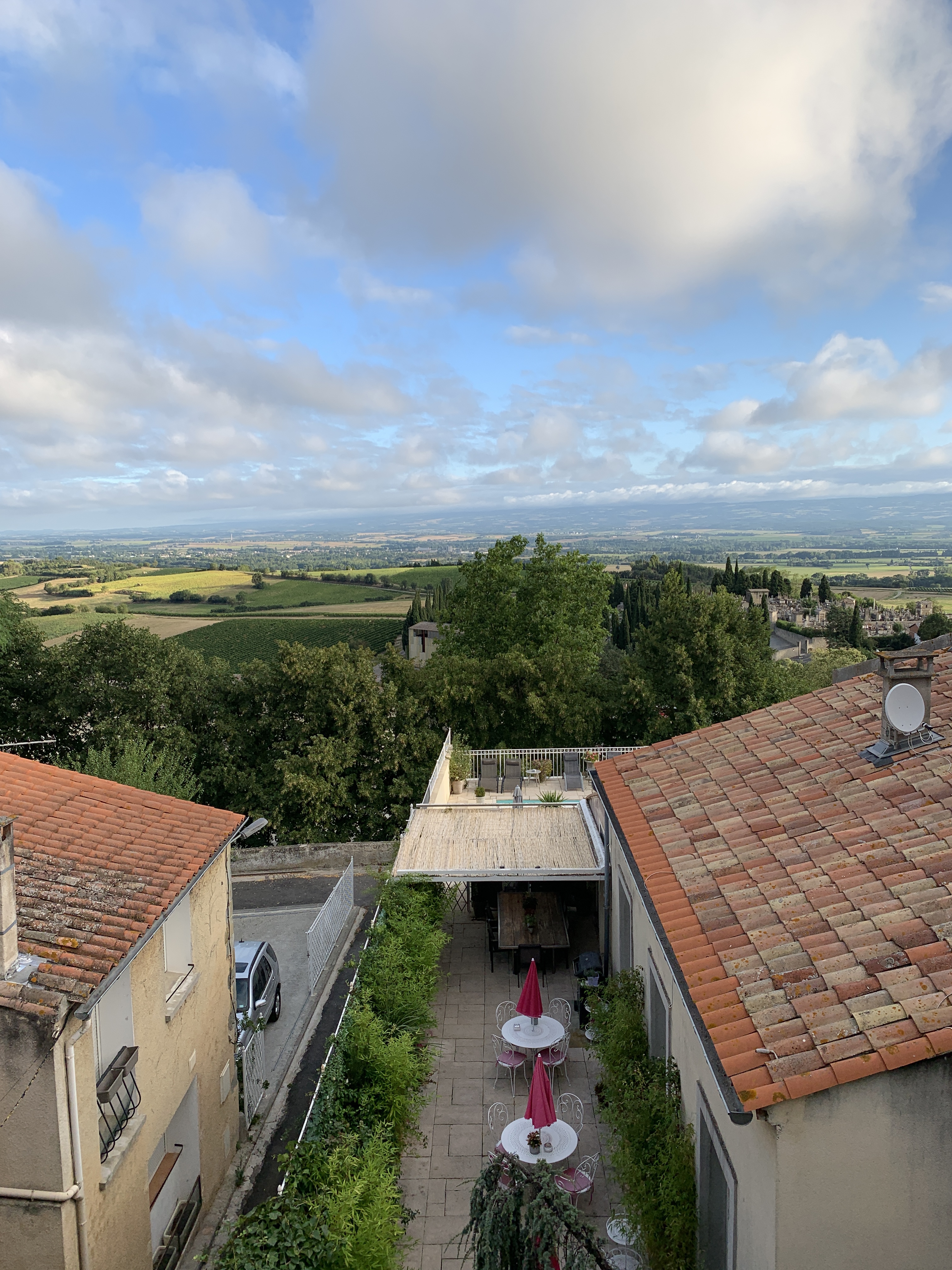
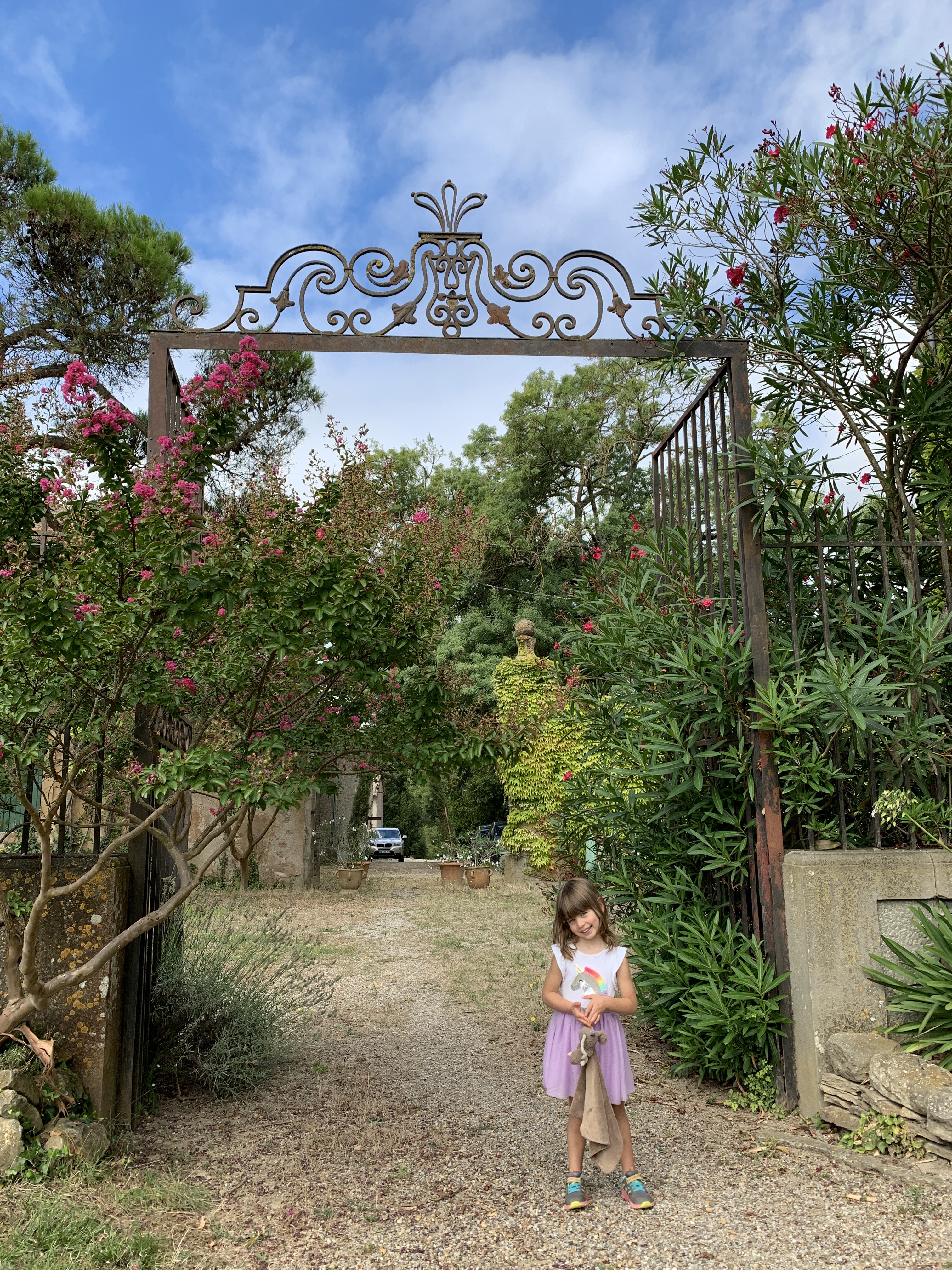
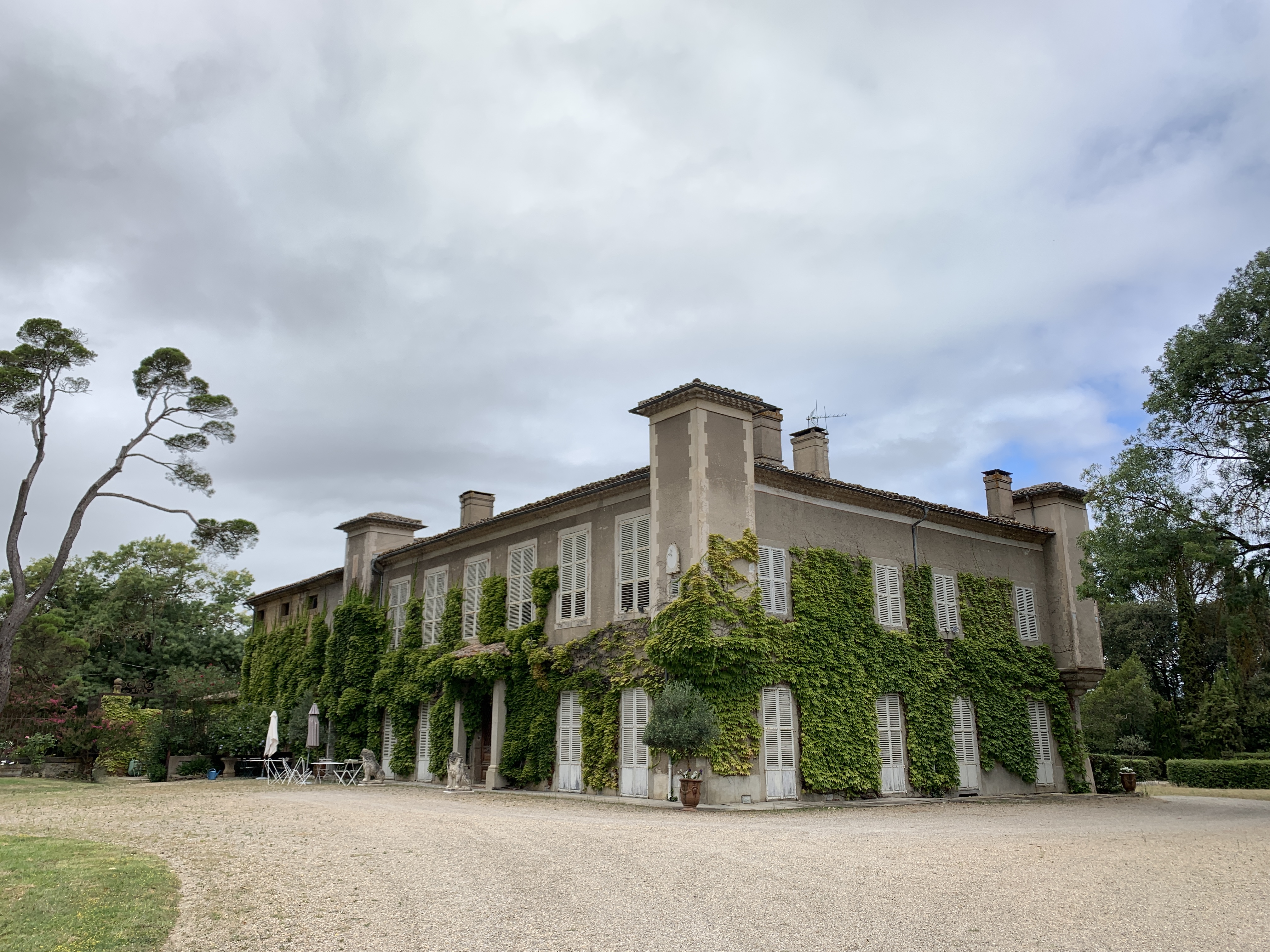
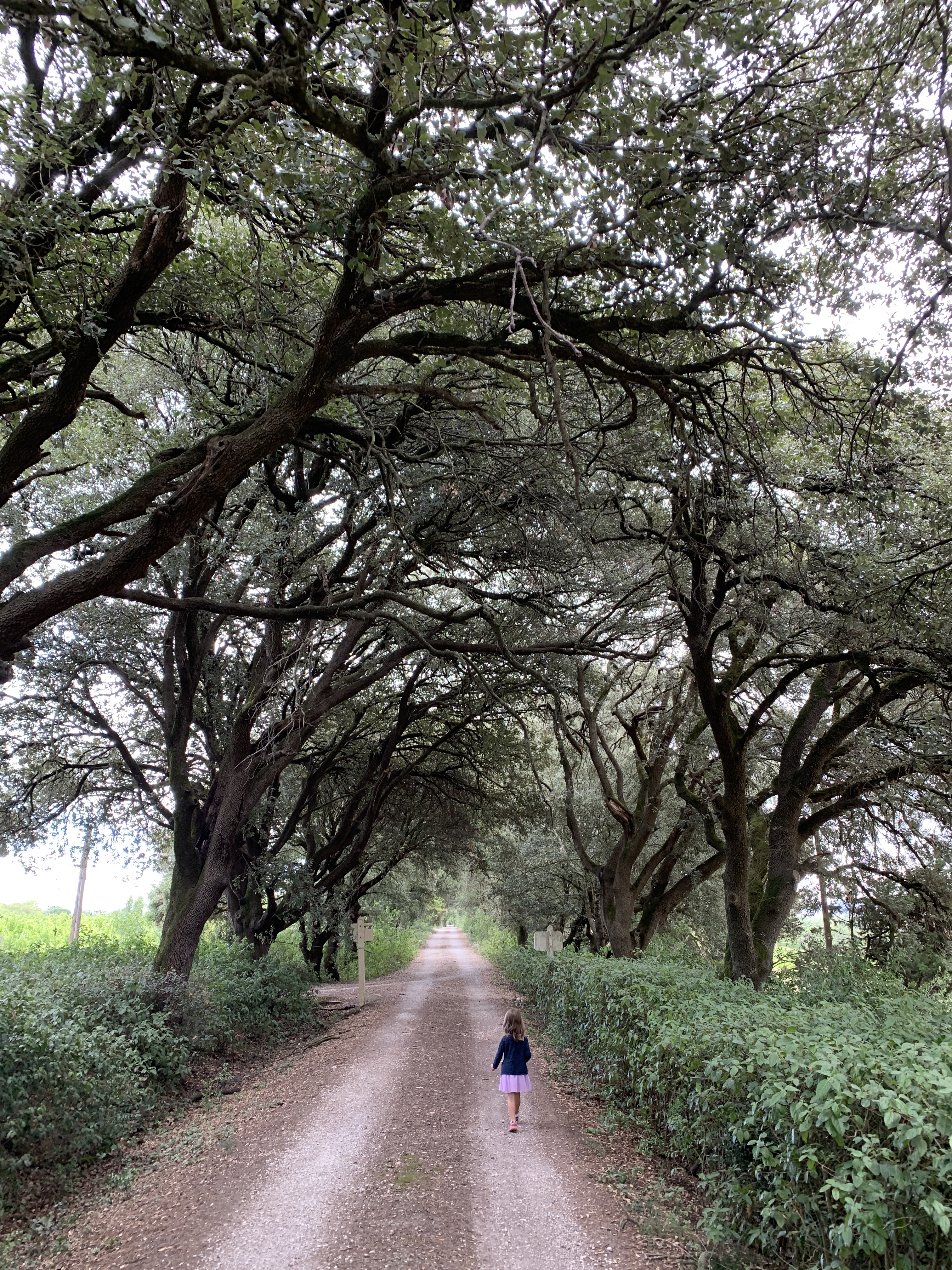
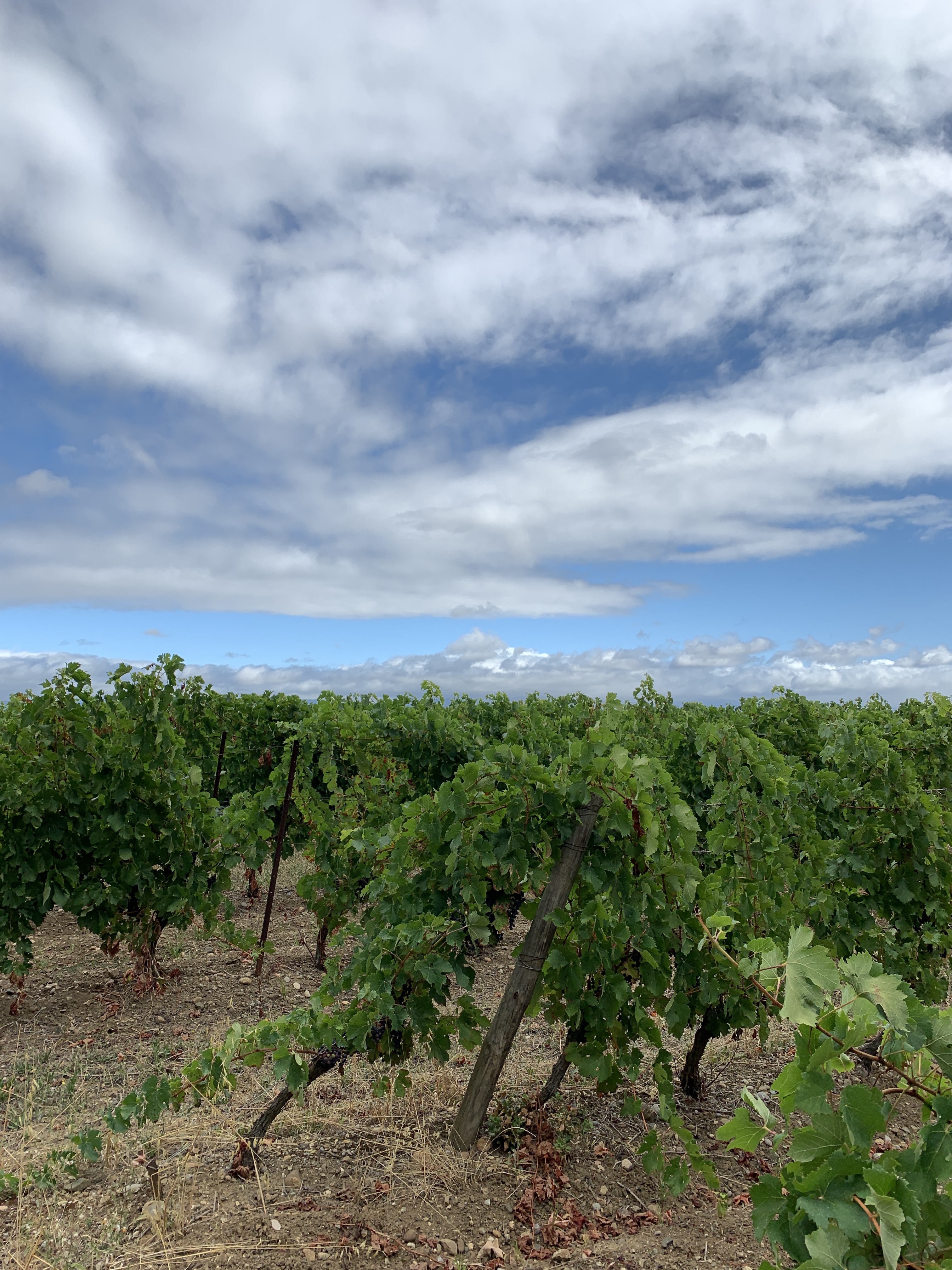
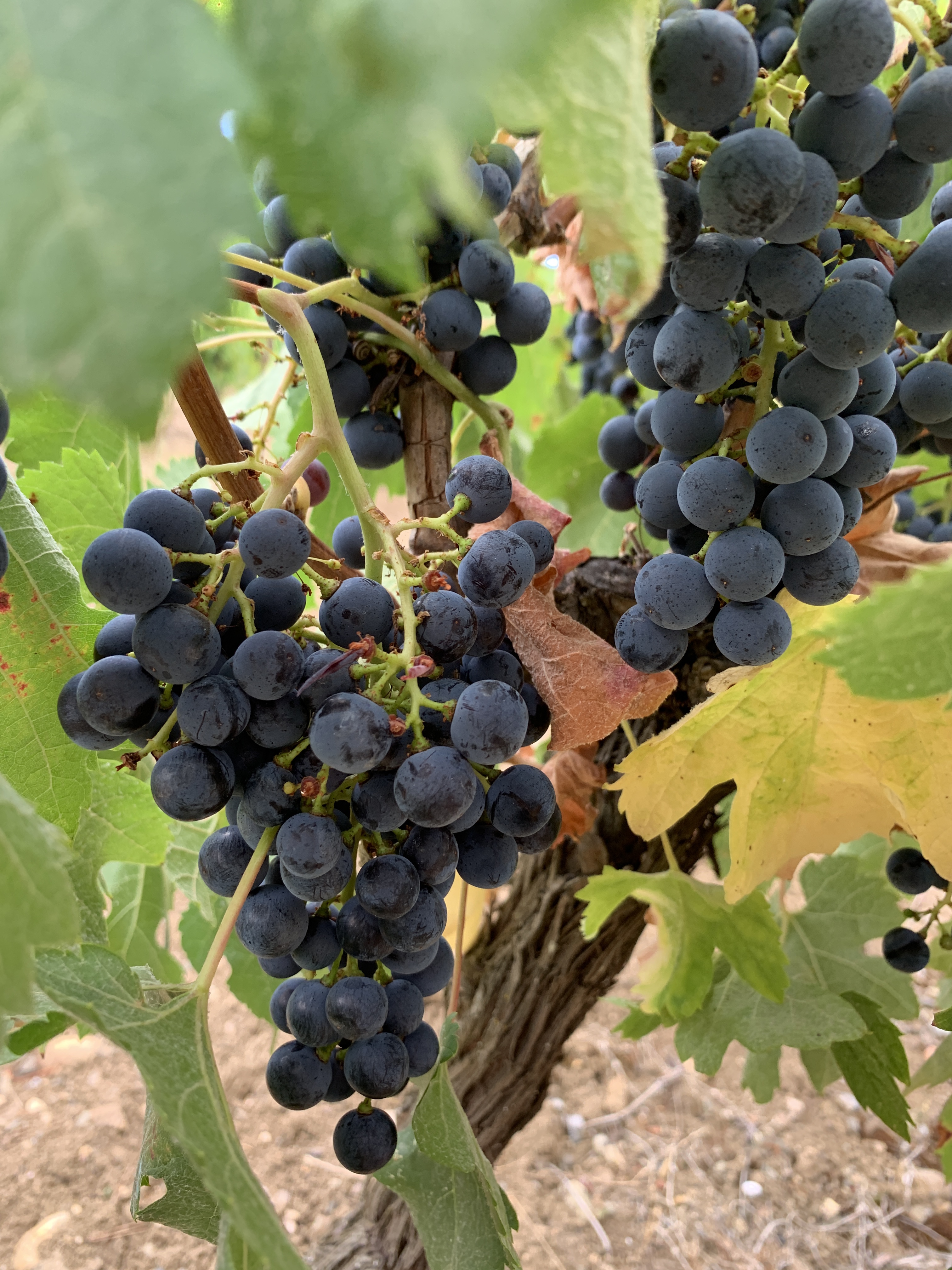
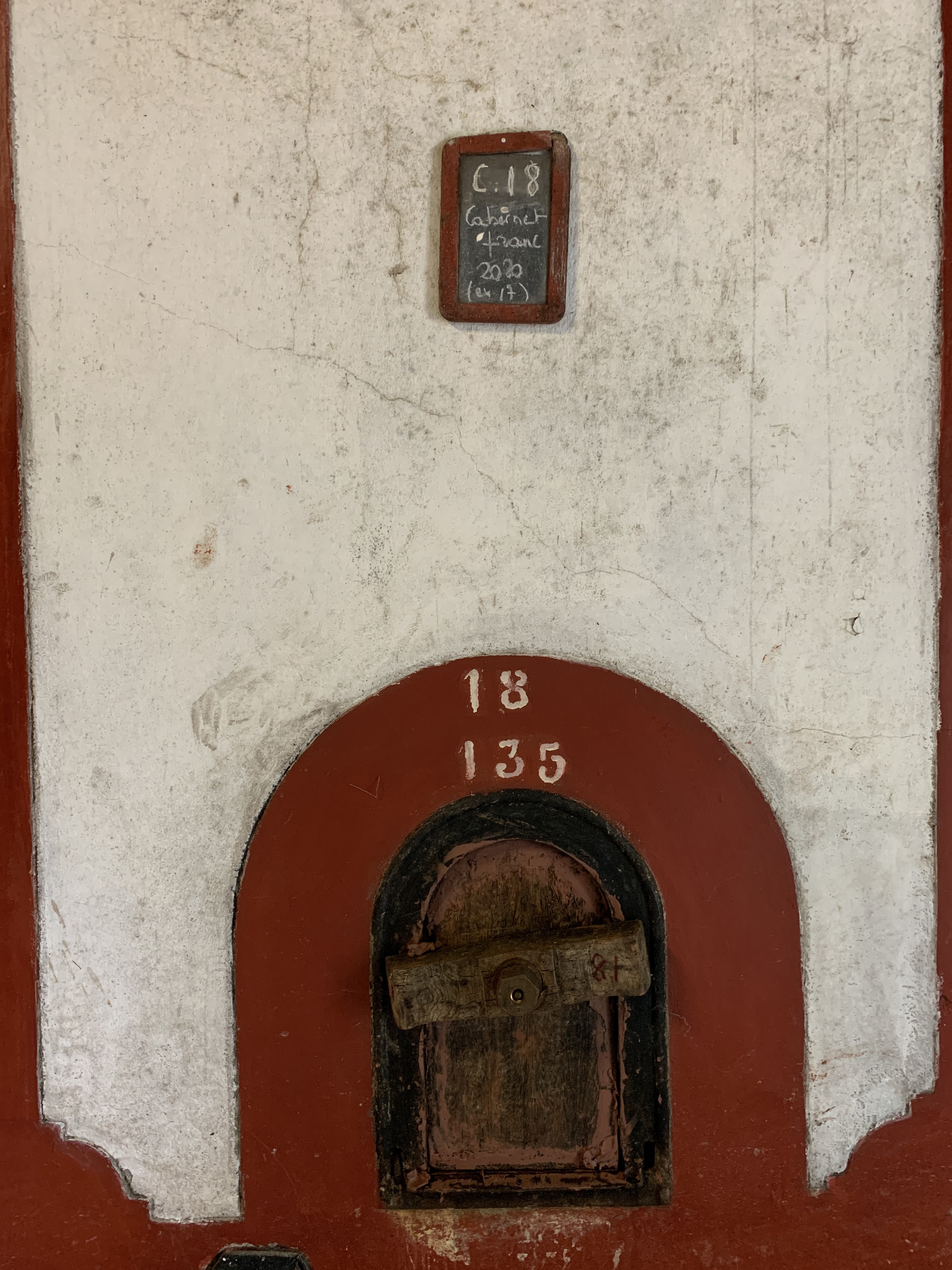
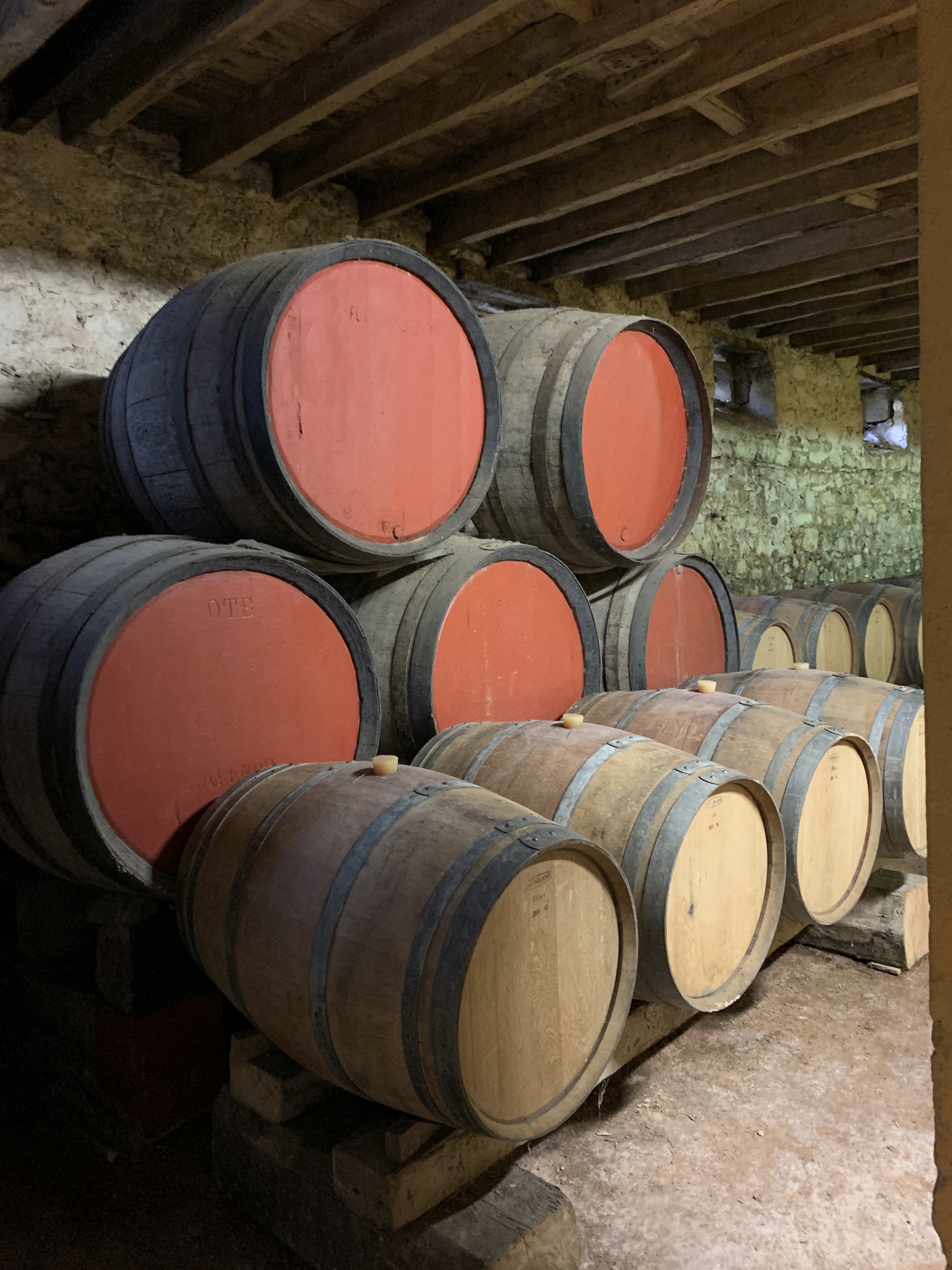
Overall, our first encounter with Malepère wines proved highly satisfying and this was also attributed to Sabine’s kindness, hospitality, and the passion she picked up about 20 years ago (after a journalistic career in Paris).
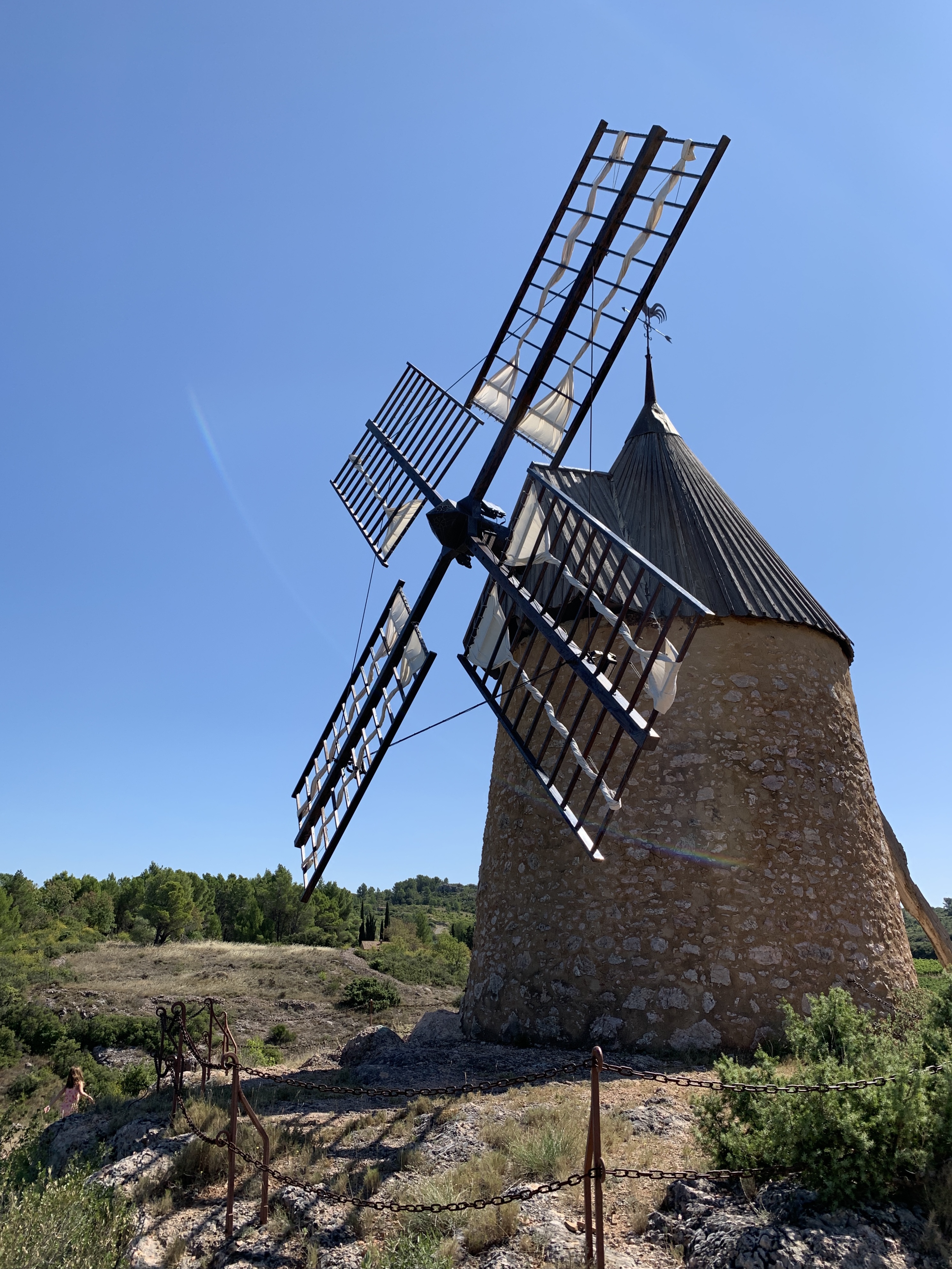
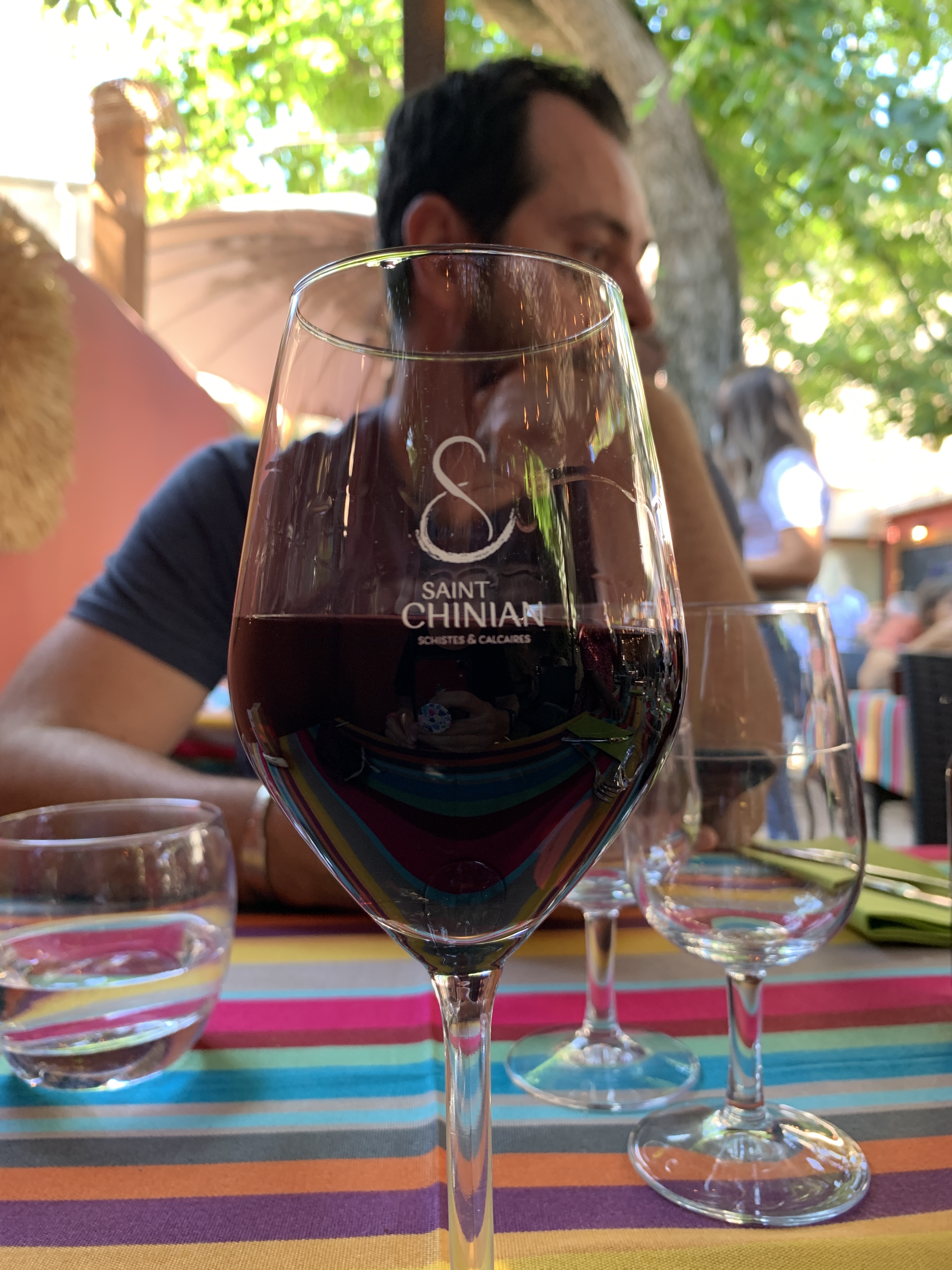
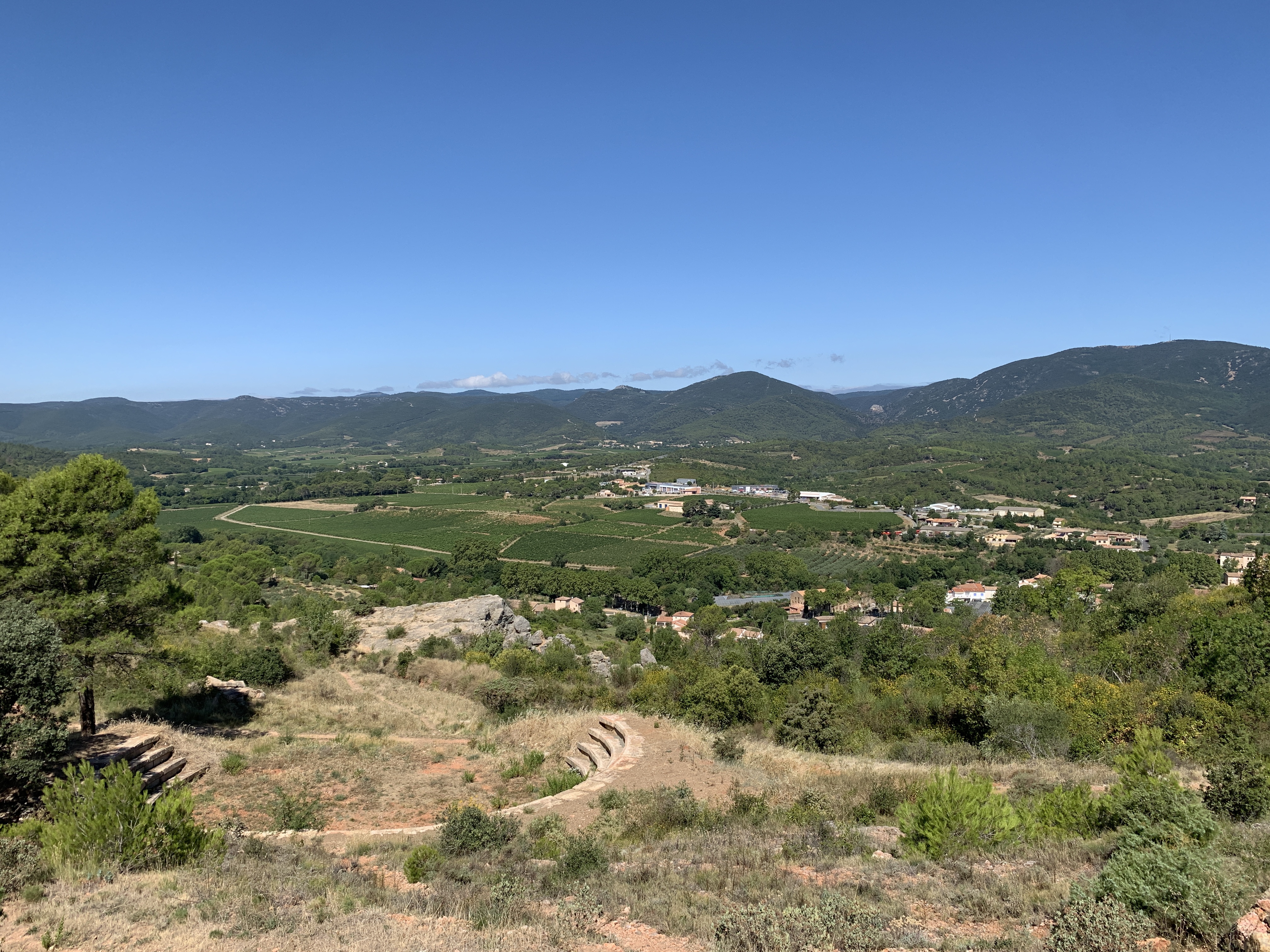
Parting Note: another Languedoc-Roussillon AOC we briefly touched on was Saint Chinian, not by visiting a vineyard but by having lunch in the eponymous town. The reds impressed and beckon a return with a more profound visit to the AOC. À la prochaine!
Graves Encounter, Bordeaux
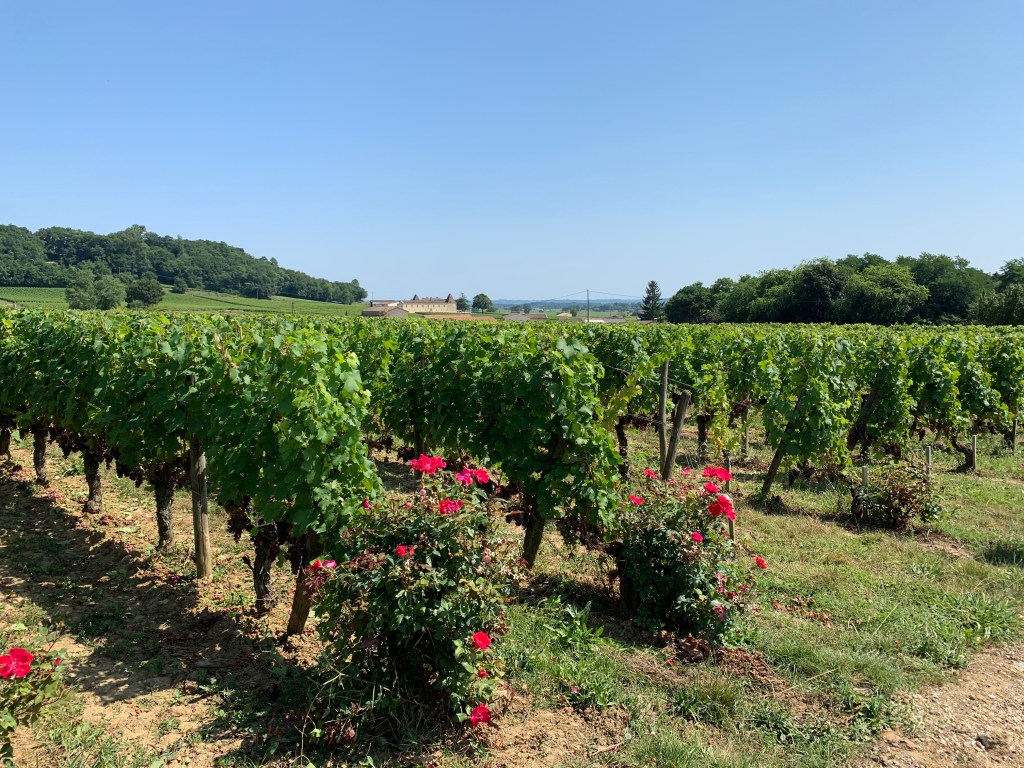
The last time I was in Bordeaux’s wine country (5 years ago), I was on a solo trip and spent a few days bouncing around the Right Bank. I had visited a few châteaux, enjoyed their tastings, and discovered some of the region’s renown Merlot driven wines. The experience stayed with me and I vowed (to the inner me), that I would one day return. As luck had it, that return visit was even more fruitful than the first (as I had my family along). As one of the largest wine producing regions in the world, Bordeaux is home to thousands of wineries so deciding which ones to visit could be a bit tricky or even confronting. There are many ways of selecting where to go: from looking at Grand Cru or Grand Cru Classé wines only, to honing in on very specific AOCs or subregions within an AOC, looking at expert reviews, or, deciding based who’s got the best Instagram handle. Personally, I found all of these factors to play a small part but I also believe that leaving some room for in the moment decisions can work just as well. Life at times can be a bit more fun when going unscripted. After all, many wineries post signs that say “Degustation” and sometimes that’s all that needs to be said.
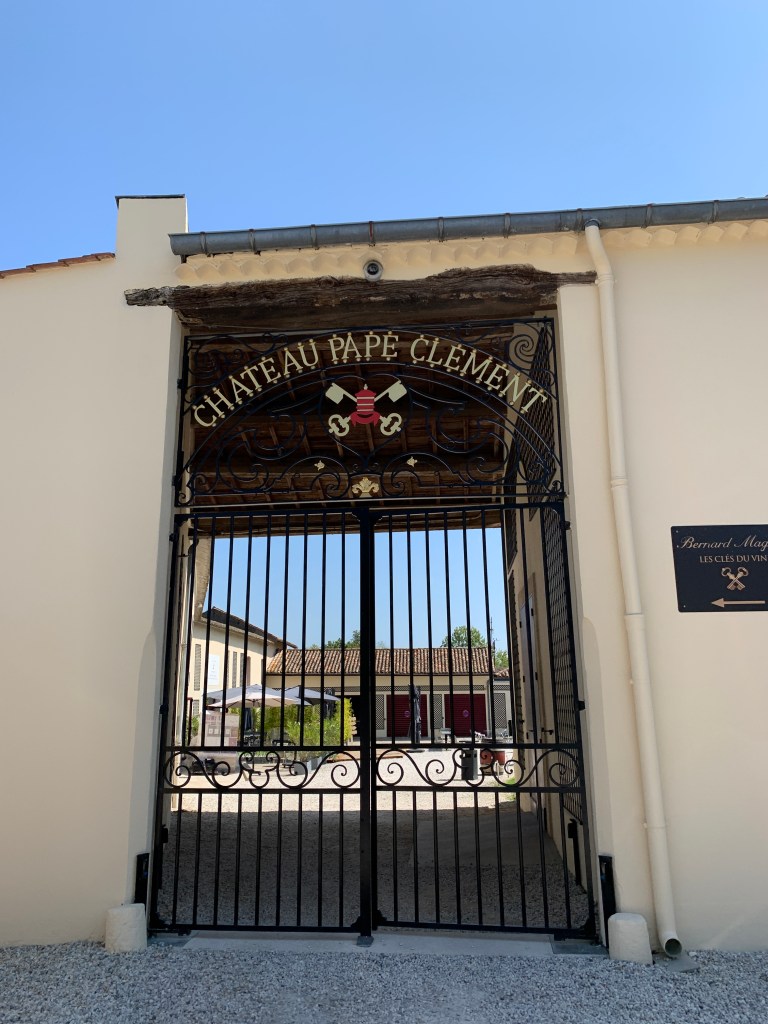
Because Bordeaux is so vast and there is so much to choose from, each visit to the region can easily bear different fruit, literally. One of the AOCs I had always wanted to check out was Pessac – Léognan, located on the fringe of Bordeaux city, and whose wines are Cabernet Sauvignon dominant (symbolic of the Left Bank region in general). One of the more prestigious wineries in Pessac is Château Pape Clément (a Graves Grand Cru Classé), the property of Bernard Magrez whose vast wine empire stretches far beyond Bordeaux or even France (with wineries as far as Chile and California). Our tasting at Pape Clément included two reds and a white and prior to sitting and sipping, we had a chance to wander around the ornate and impressive gardens of the château. The chateau offers numerous other experiences such as cellar tours and more involved tastings, and even the opportunity to create your own vintage with a personalized label. Seems pretty cool if you have the time!
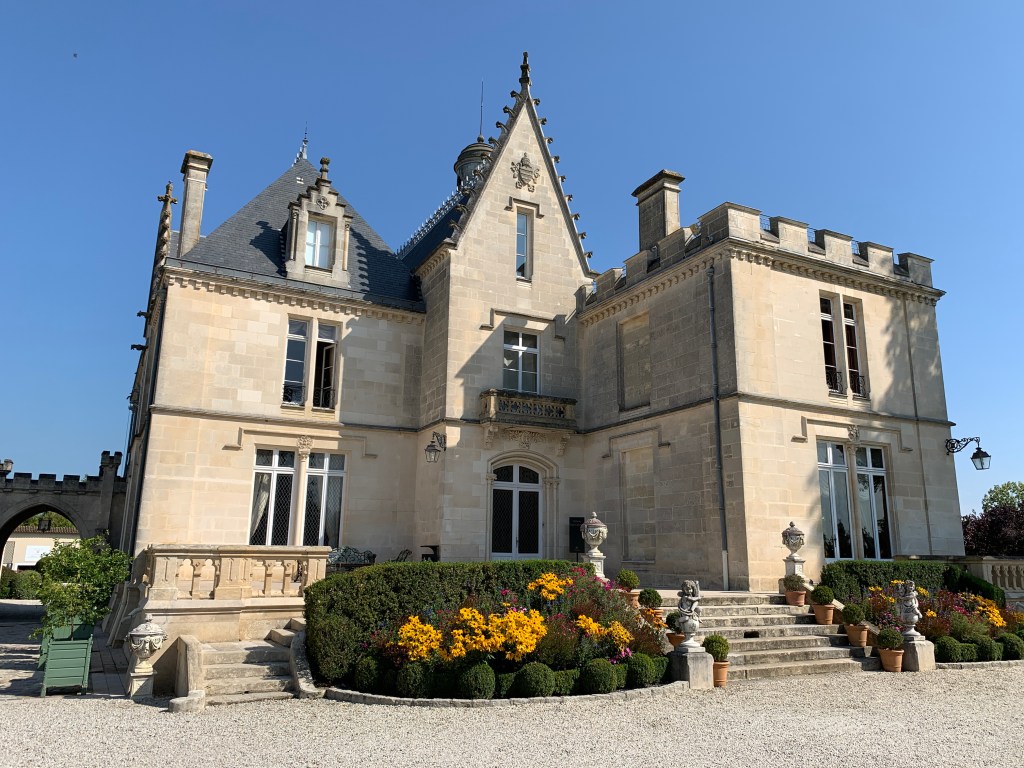
Overall, variety is the word at Pape Clément and its boutique which offers a great way to taste wines beyond France (in addition to wines there are spirits and beers available as well, all under the Bernard Magrez name). In the US we’re totally spoiled in this regard whereas in France, the vast majority of available wines are French.
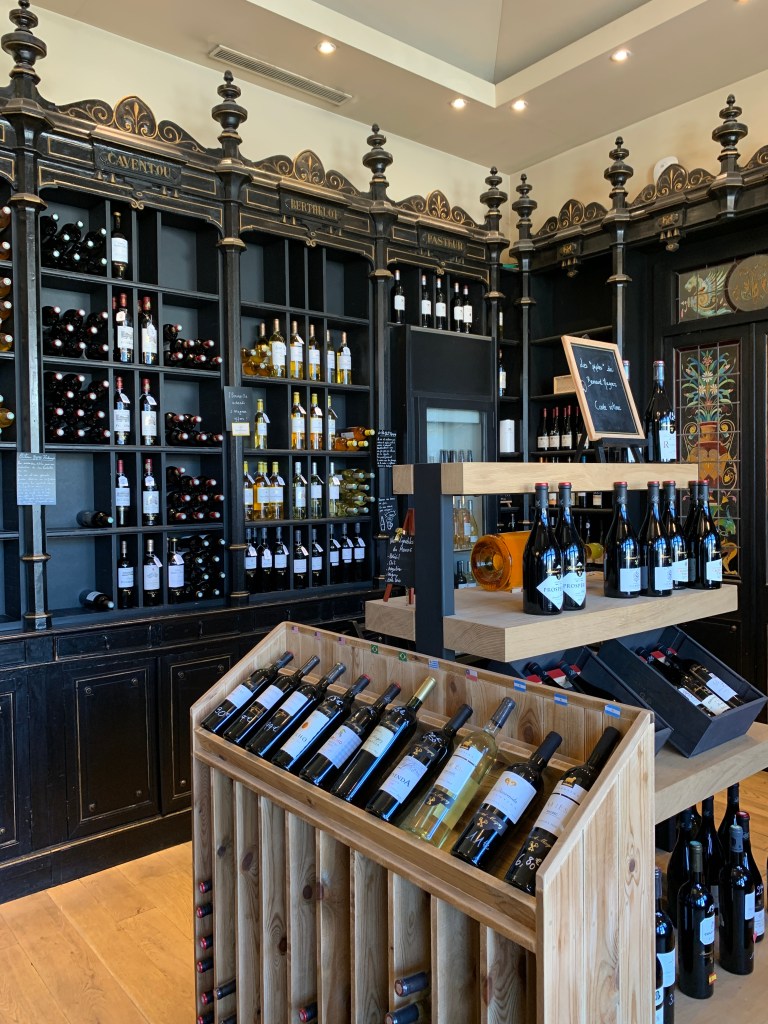
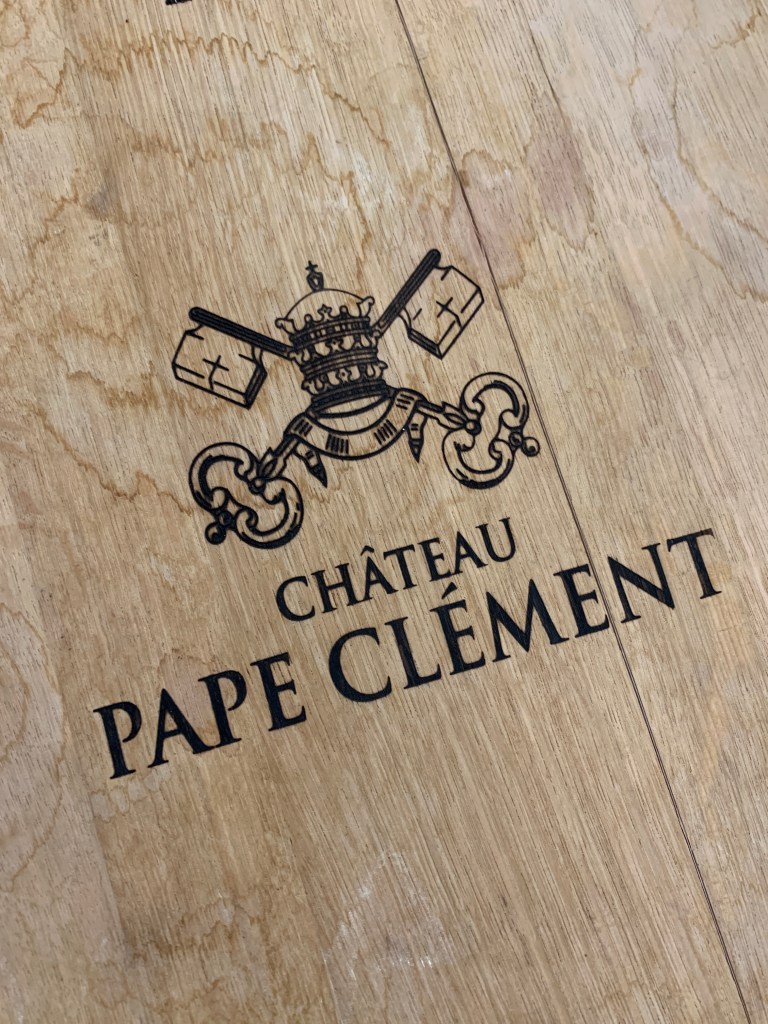
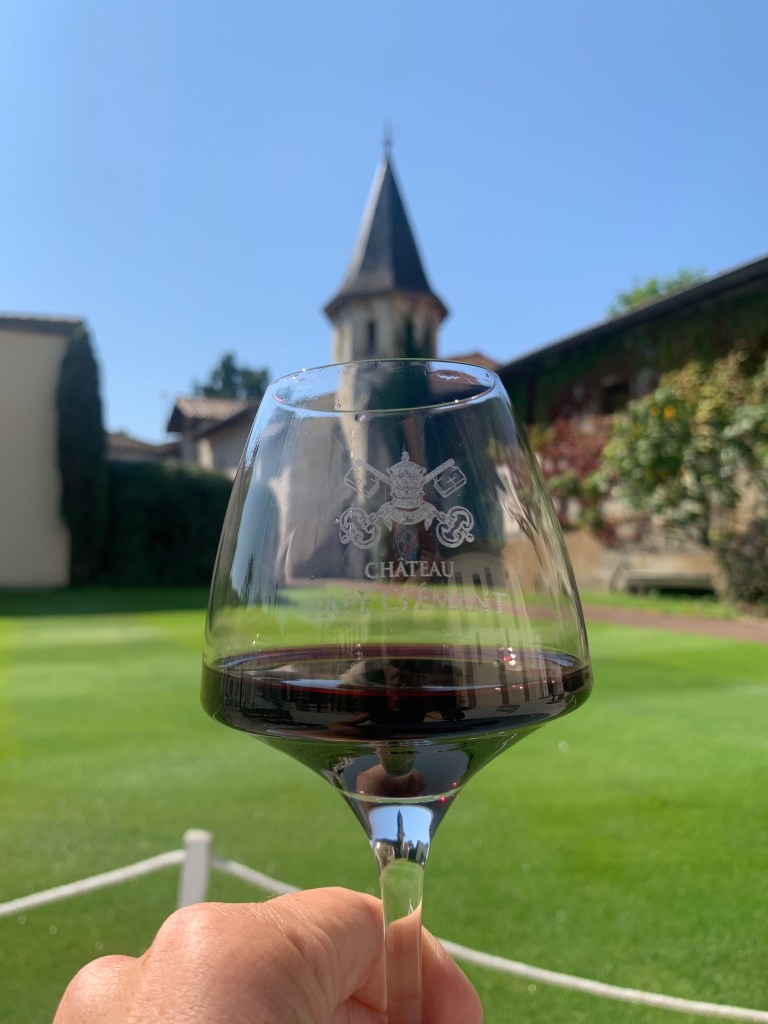
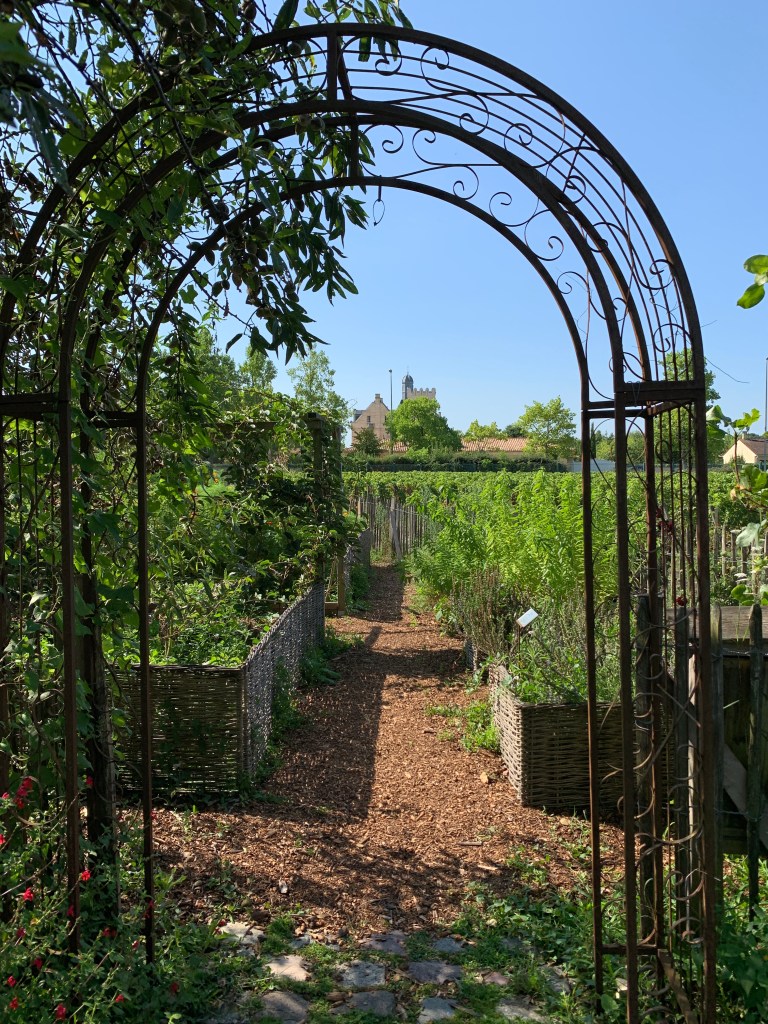


Budget wise, Château Pape Clément is not an every day wine at around 100€ a bottle (at least not for me). That said, there are dozens of other offerings at every budget level staring as low as 5€ a bottle (see wine list and pricing here). We went around the world with the assorted case we picked up and so far have been impressed by the consistency in quality, irrespective of price. If you have a chance to get your hands on a Bernard Magrez wine, I’d say go for it and Santé!
..(tasted 3 wines including the Chateau Pape Clément Grand Cru Classé which was fantastic). The grounds of the property were beautiful and we walked around the impressive gardens..
Full review of the visit here, from Rue des Vignerons.
A Saumur Summer, Loire Valley
About 12 years ago I had the opportunity to visit Chinon (in the Loire Valley), and have been really digging its Cabernet Franc dominant offerings since. Another Loire Valley red that’s been on my radar is Saumur Champigny, again Cabernet Franc as the star of this show too (similar to Chinon). By AOC laws for a Saumur Champigny a minimum of 85% Cabernet Franc is required for the reds. For Saumur white wine, the main grape is Chenin Blanc, another delicious berry. This year at last, Saumur wine country became a destination, in real life.
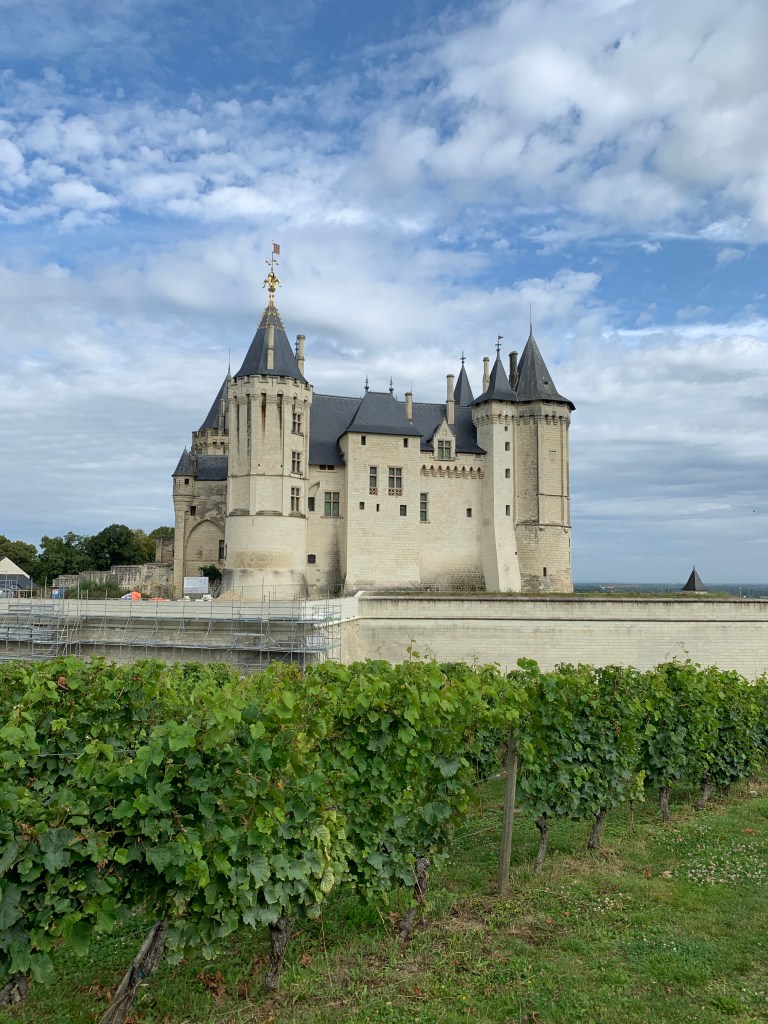
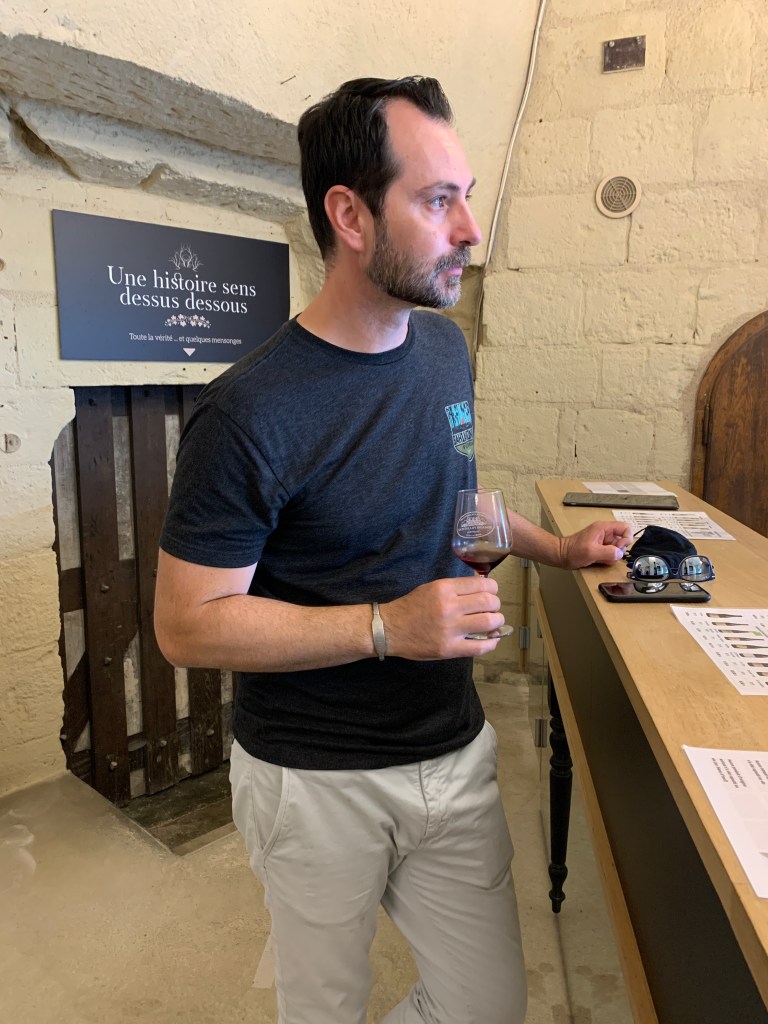
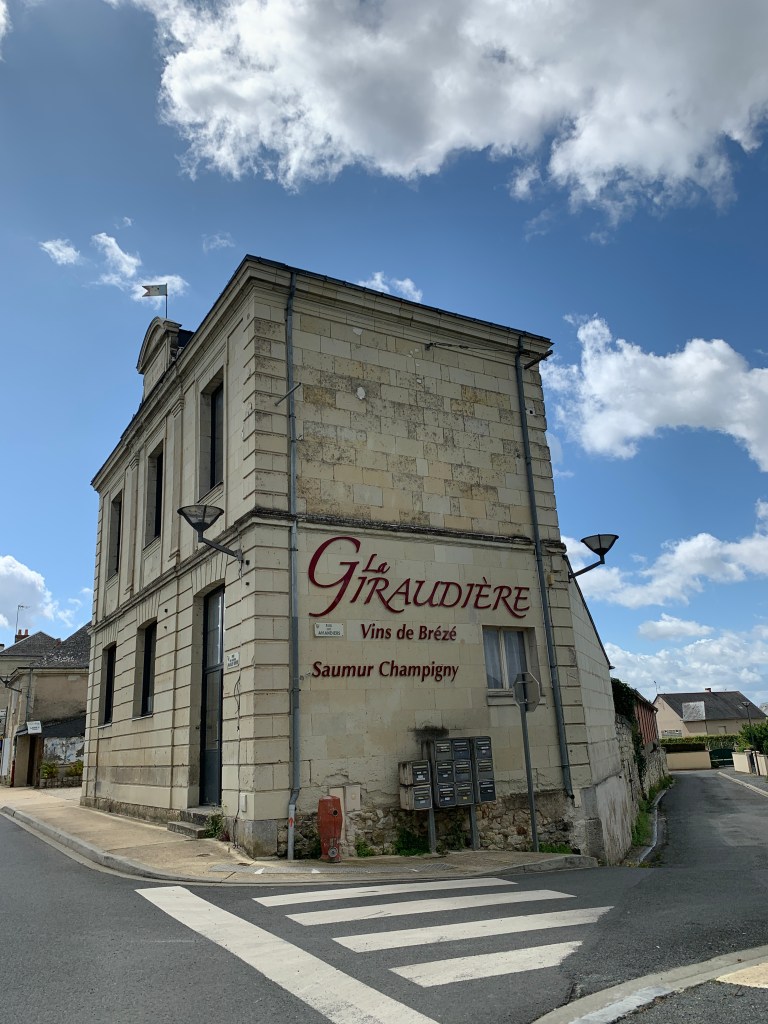
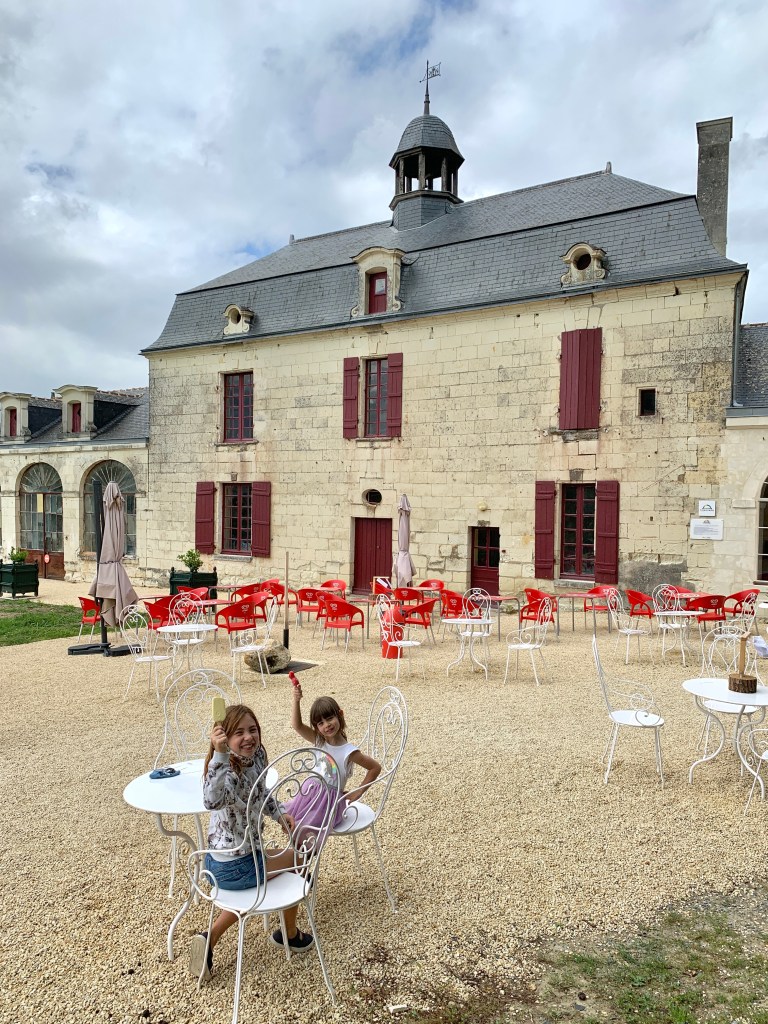
One of the really cool things about the Loire Valley in general is the extensive limestone cave system found there (truffeau limestone to be exact). A long long time ago, troglodytes (prehistoric people), lived in these caves. The cave system (once the floor of a great ocean like almost 100 million years ago), now make for wonderful winery locations or places where wine can be stored, given the perfect conditions for it to thrive — coolness, humidity and darkness. If you’ve been to the Loire Valley, you know exactly what I mean. And if not, you’ll come inside one of these stone caves for a tasting (just below). Enter Domaine Filliatreau!
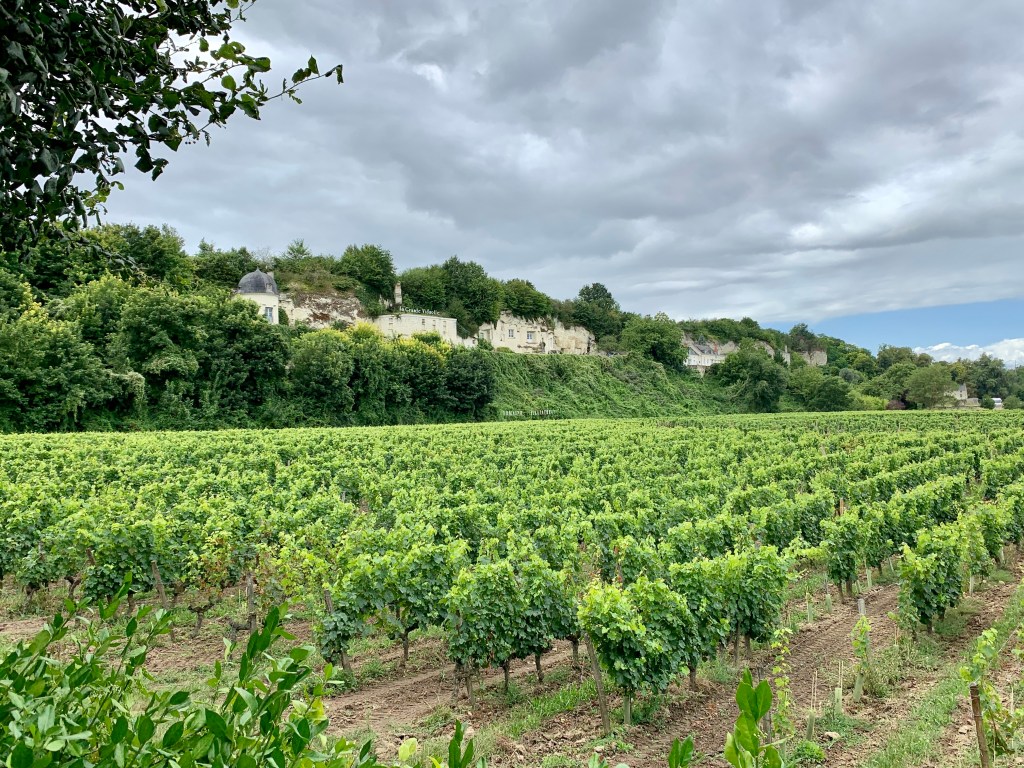
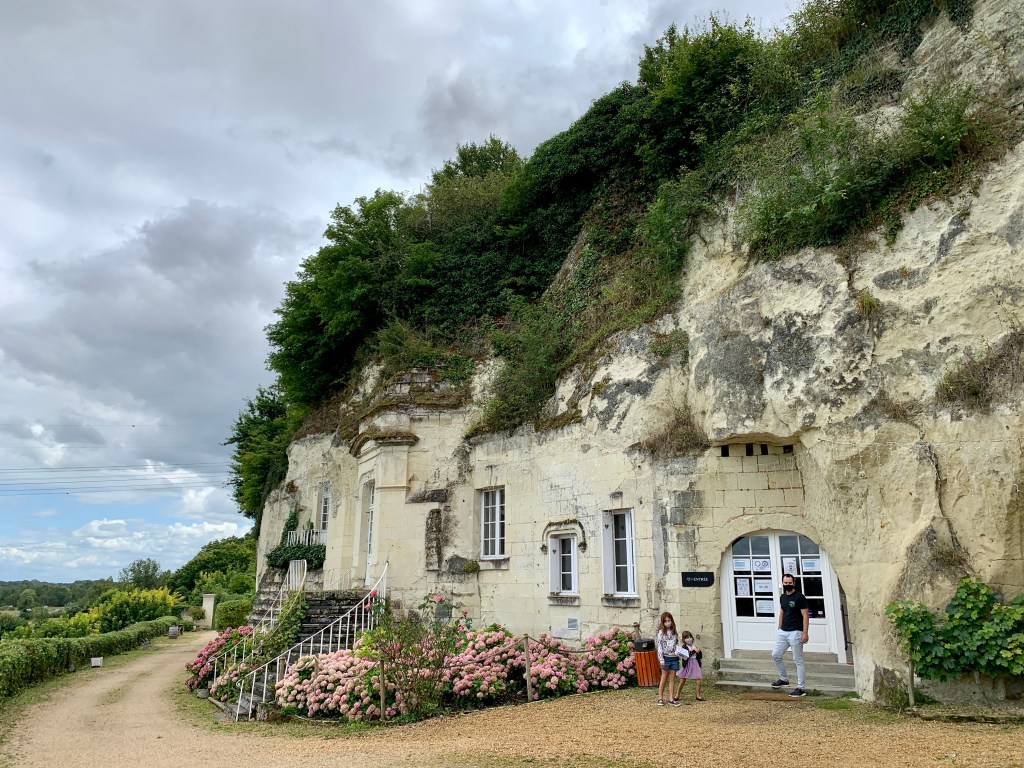
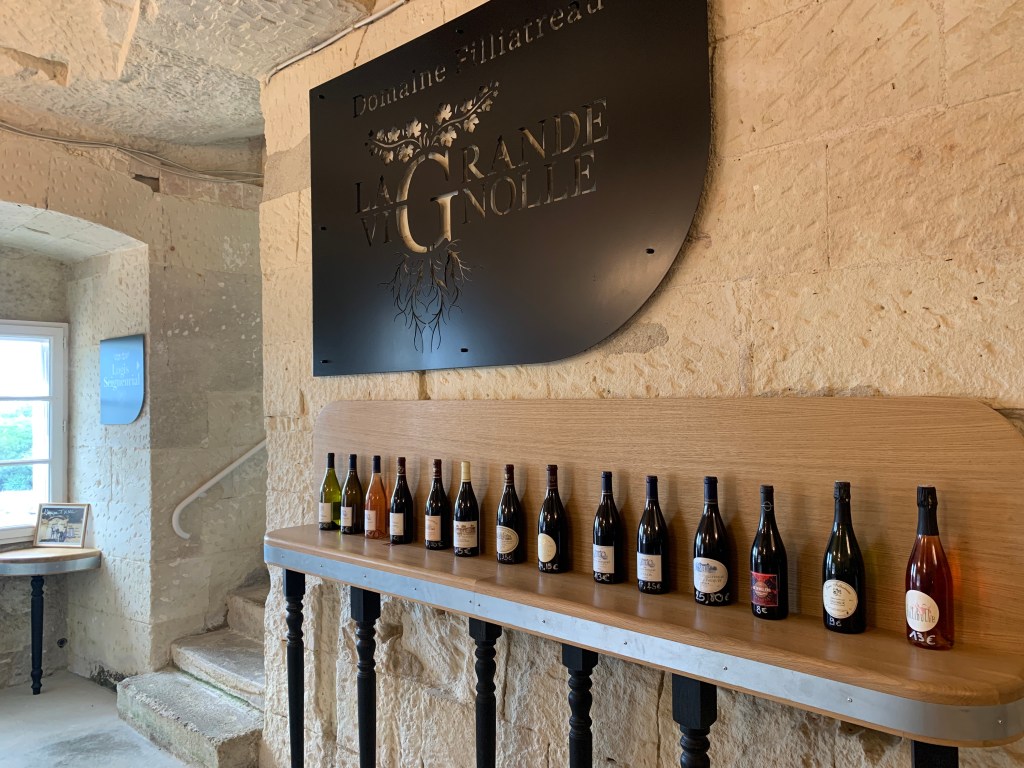
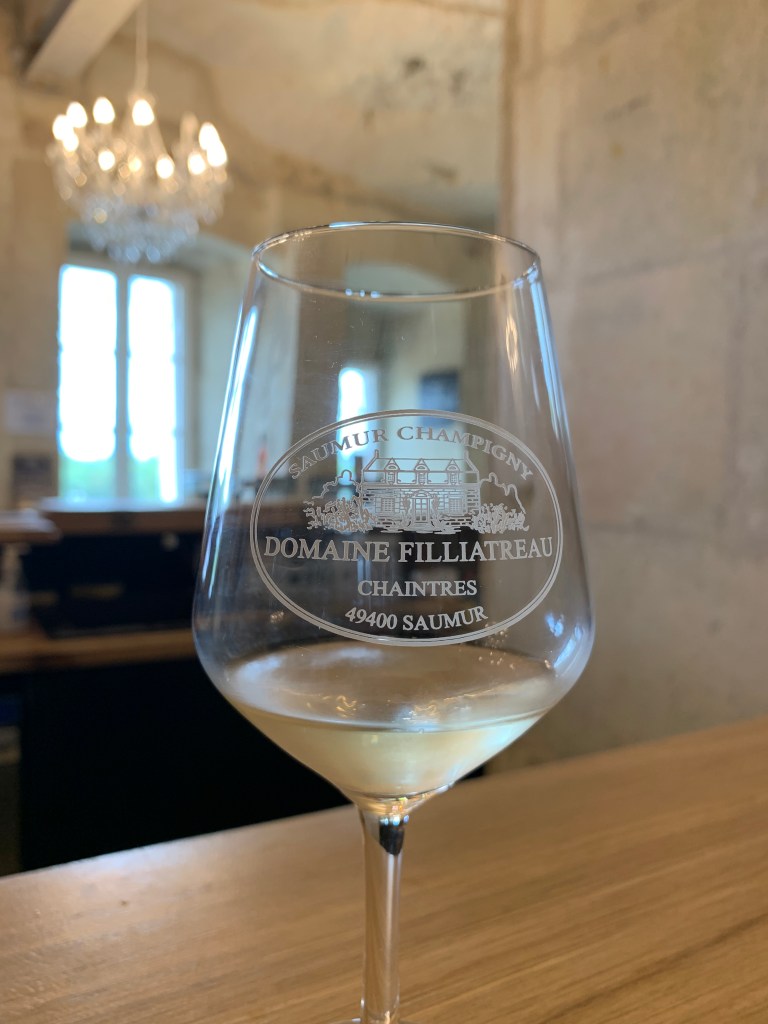
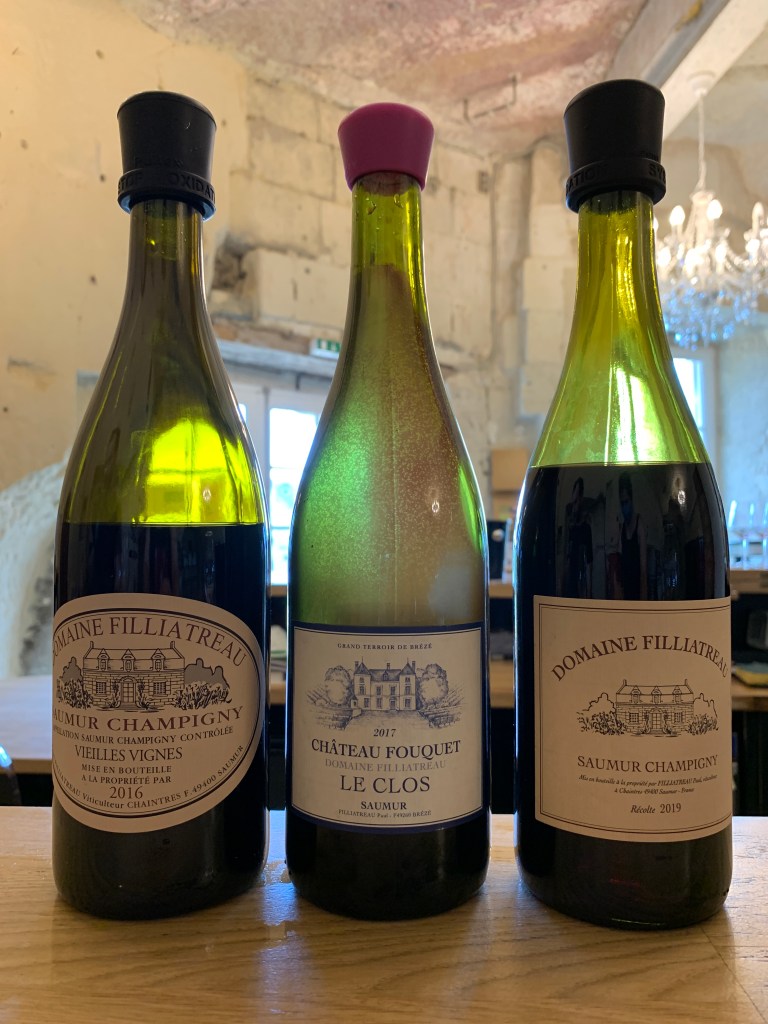
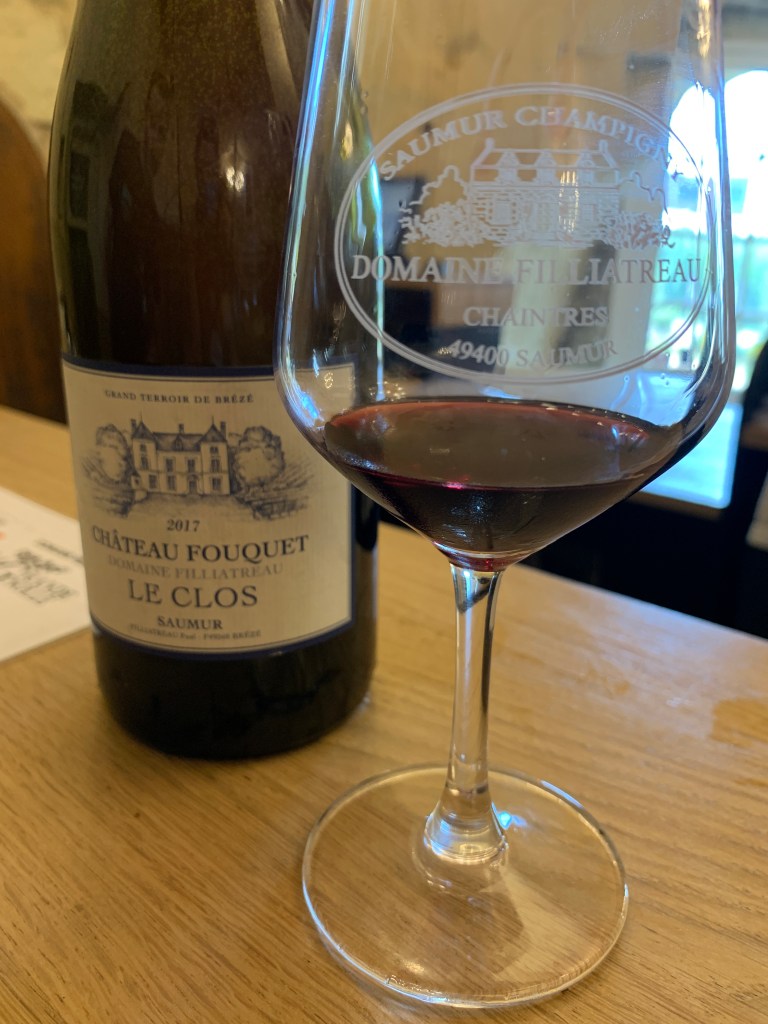
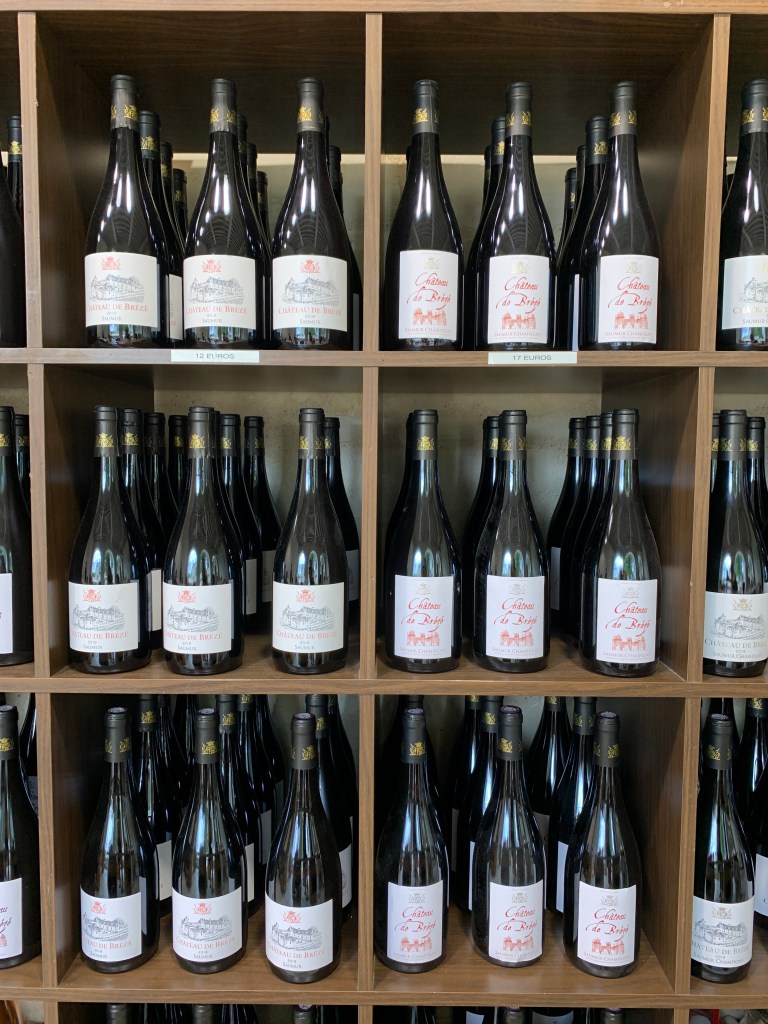
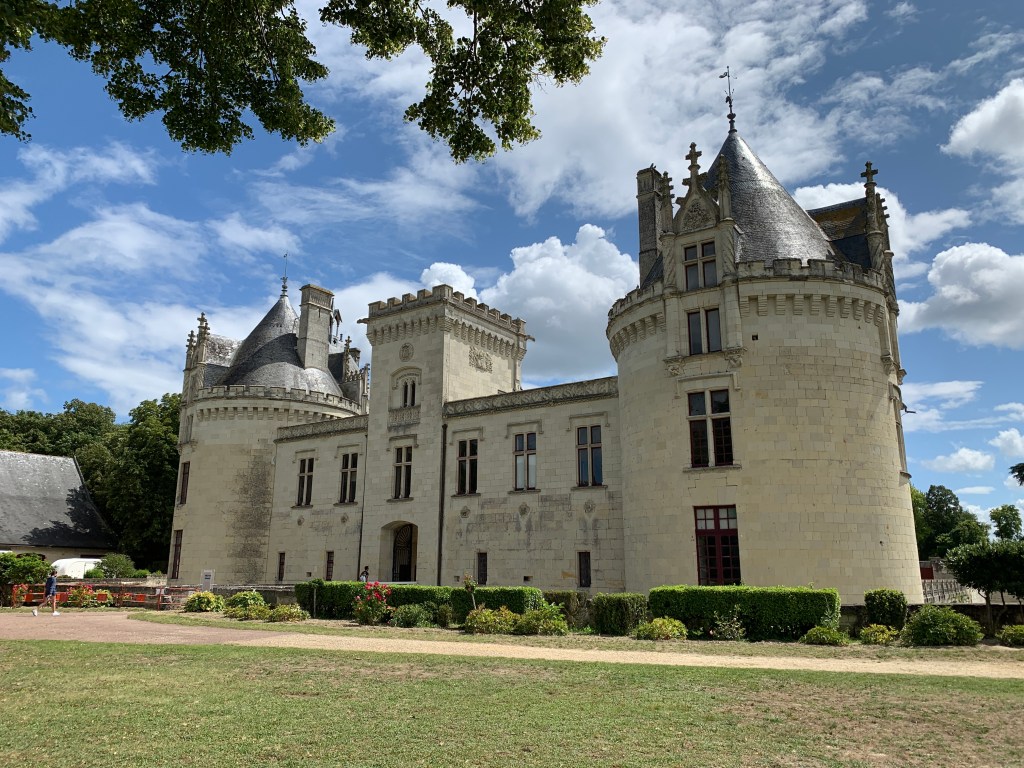
“Burst of citrus on the nose with some pear overtones. Lots happening in the mouth..” Chateau Fouquet Blanc 2015.
See full review here on Vivino.
In general, what I love about Cabernet Franc wines, is how elegant they can be, they can be bold and hold their own agaist any varietal, they can be unassuming yet striking, possessing a unique bite that can be insanely satisfying. In the few days we spent in the Loire Valley and Saumur primarily, I had a chance to delve deeper into the offerings of local hero Cab Franc. And also learned about the history of the region while visiting its beautiful castles, a win win!
 Our Provençal Year