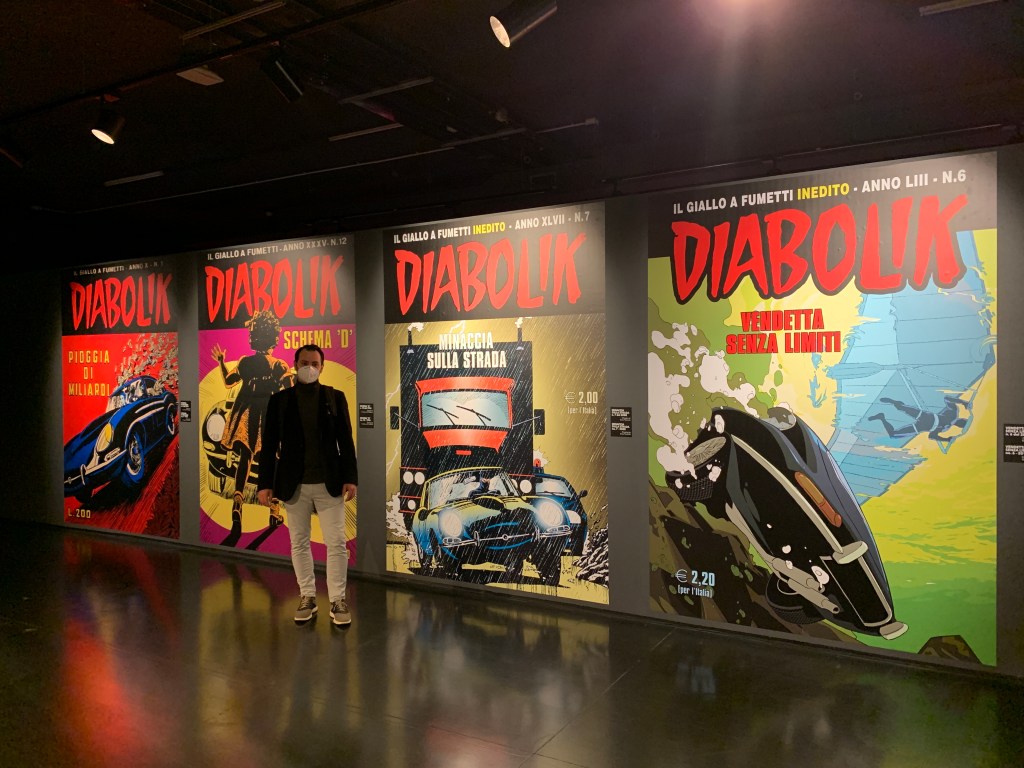
Italy has been on our minds since we moved to Provence due to its proximity and all the other reasons to visit (the food, its natural beauty, the culture, Diabolik, and the list can go and go). As we planned to spend the second week of the girls’ winter break skiing in the Alps, we looked into places in Italy that were within a 2 – 3 hour drive of our final destination. This led us to Torino (or Turin), the 4th largest Italian city situated in the Piedmont region. Once the capital of the Kingdom of Italy, today’s Torino is a modern city with visible connections to its historic past, a commercial powerhouse and a cradle of Italian cultural identity touching various industries (auto, culinary and sport to name a few).
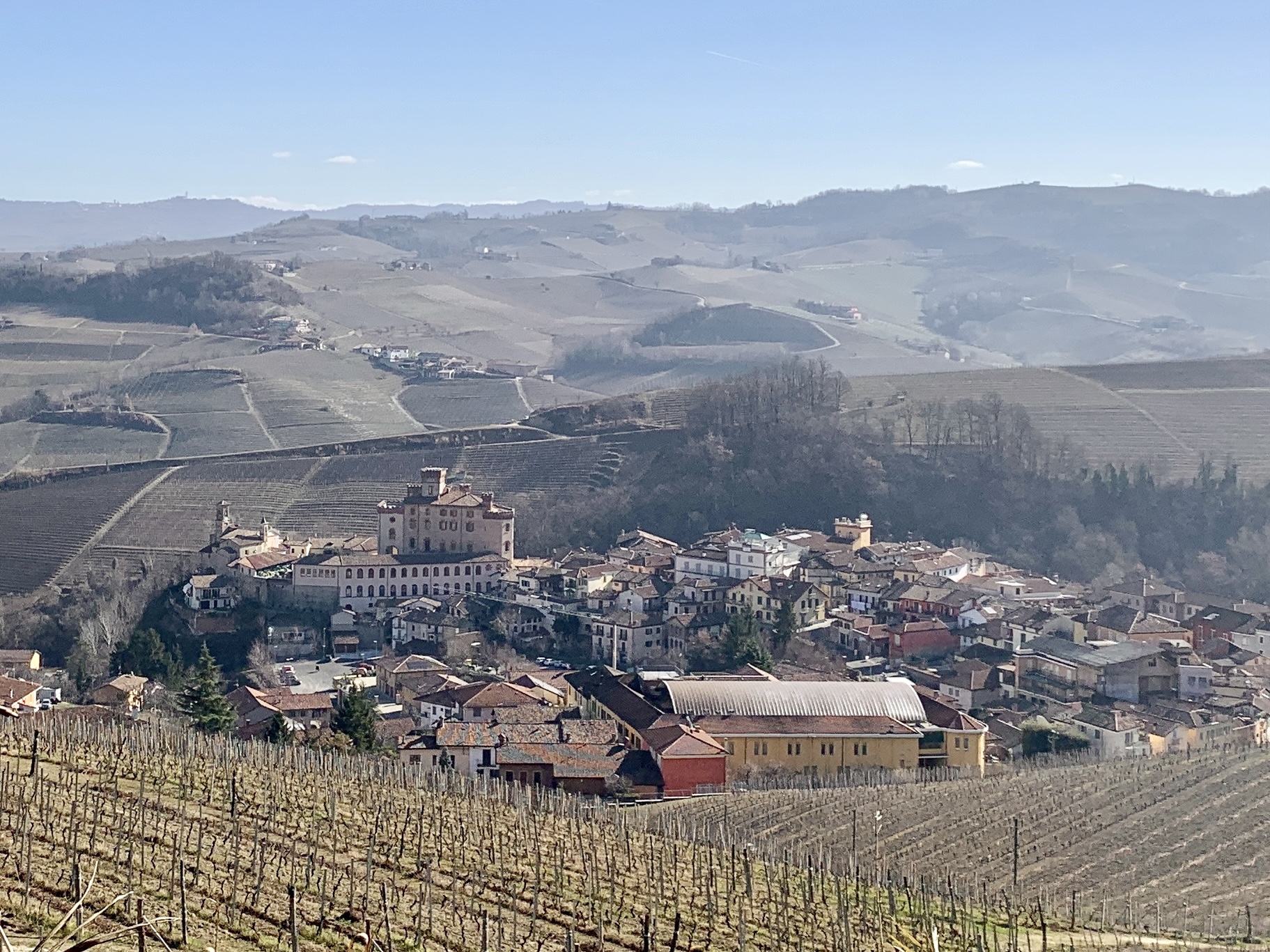
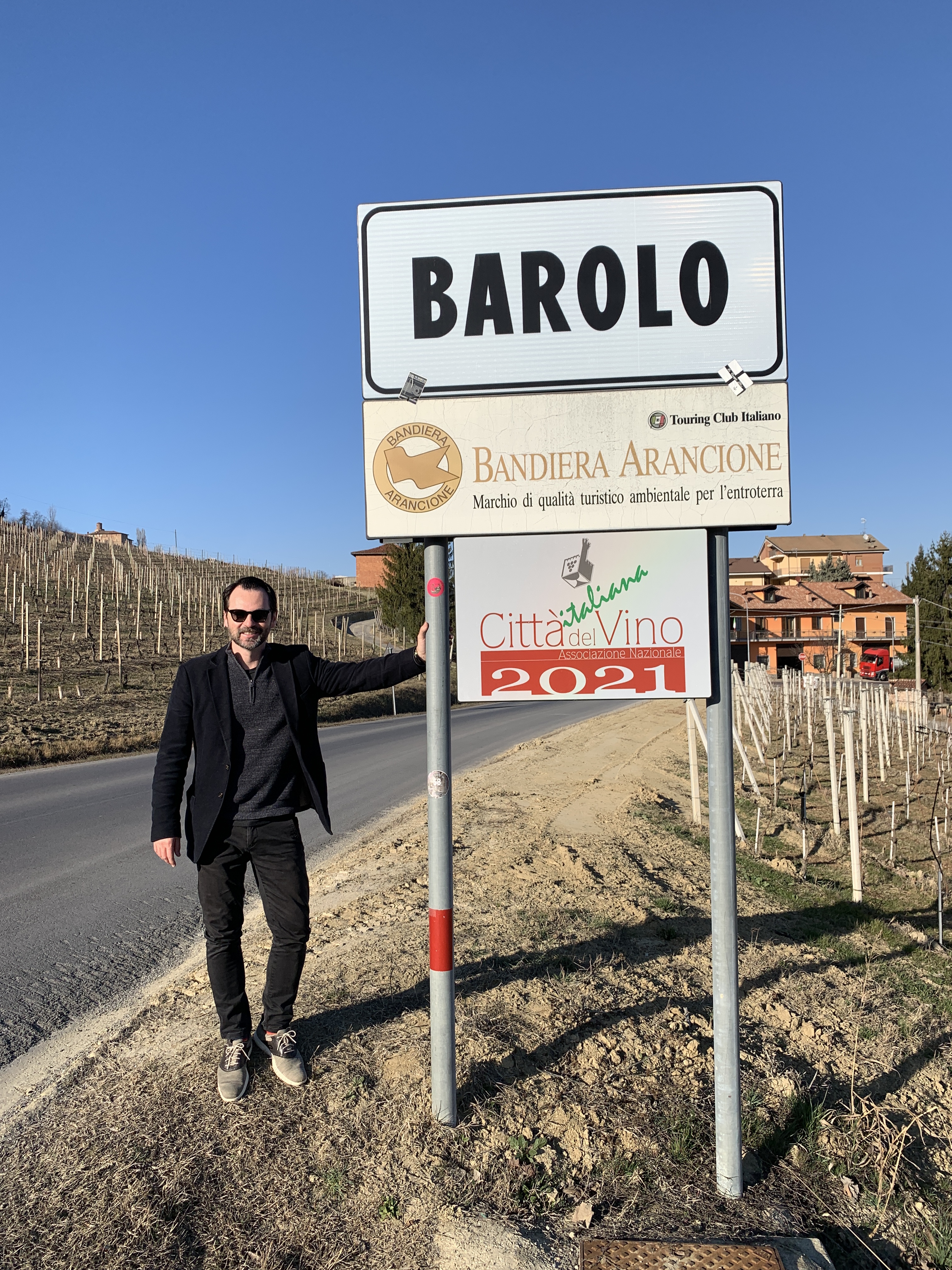
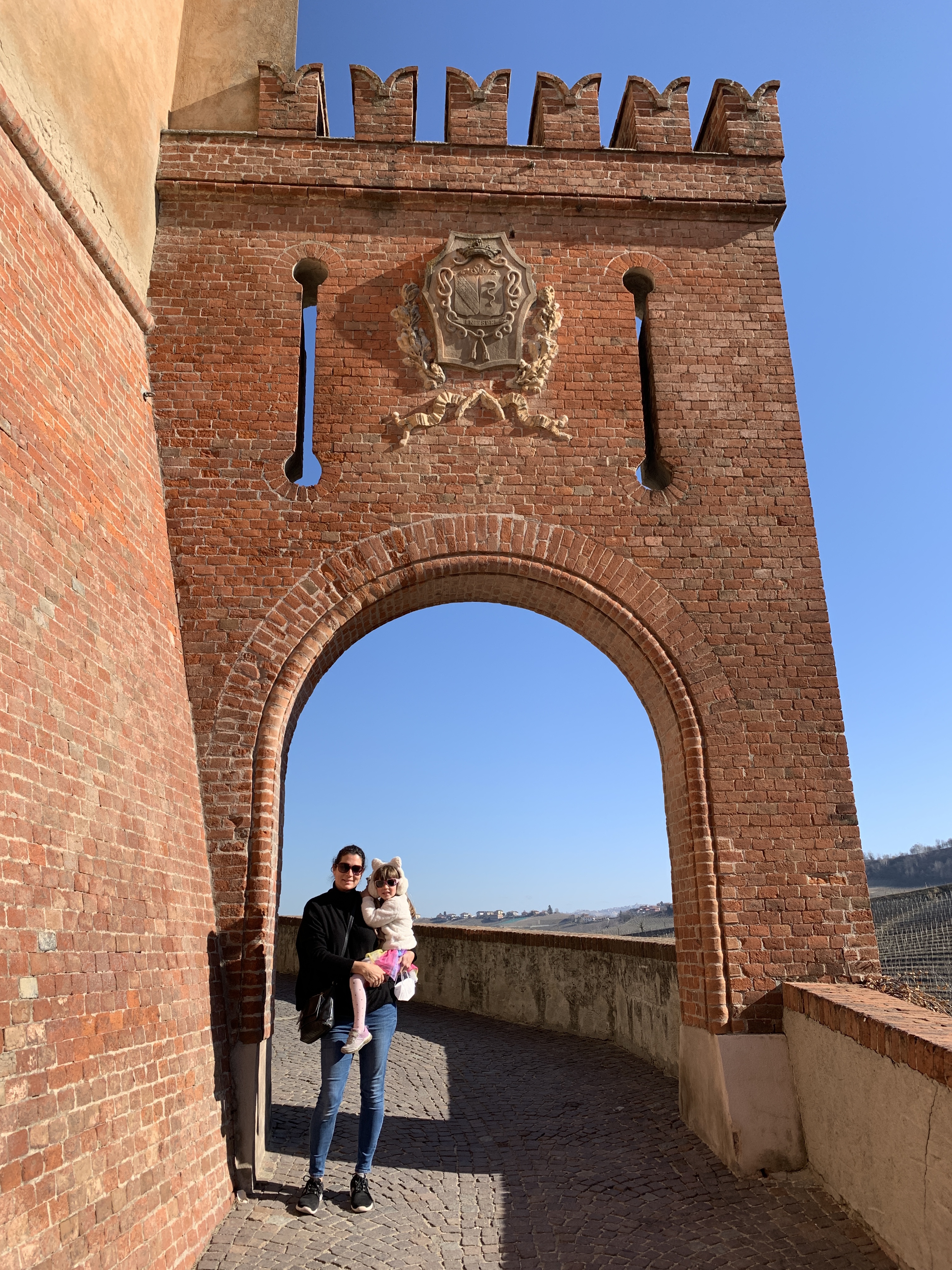
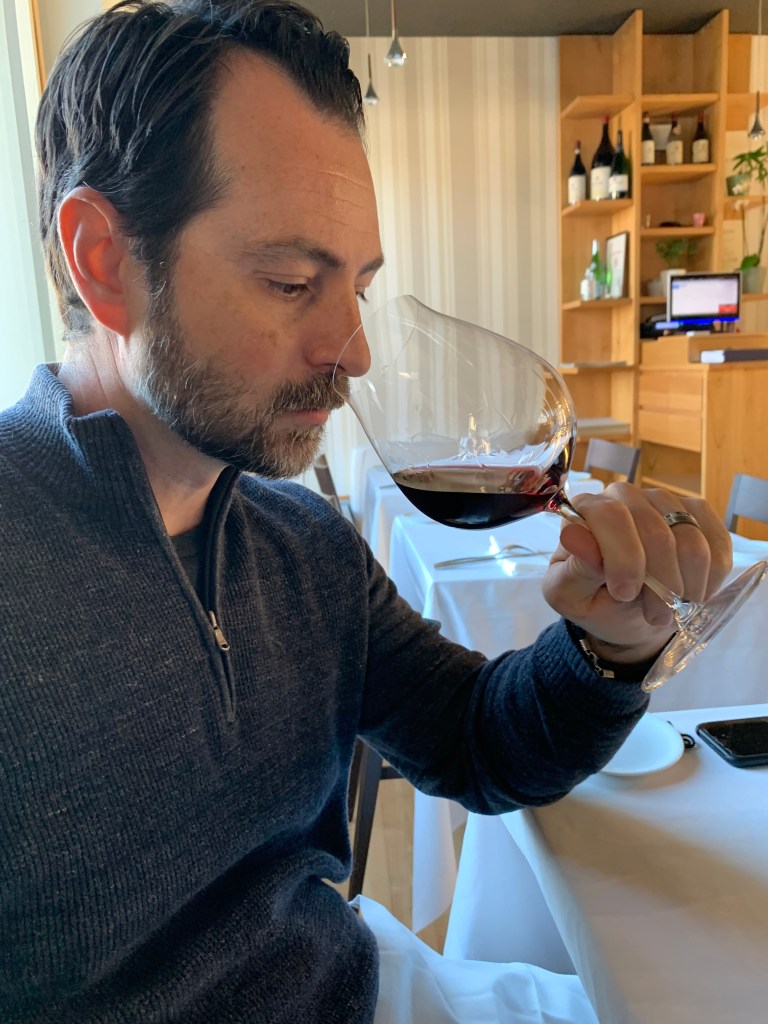
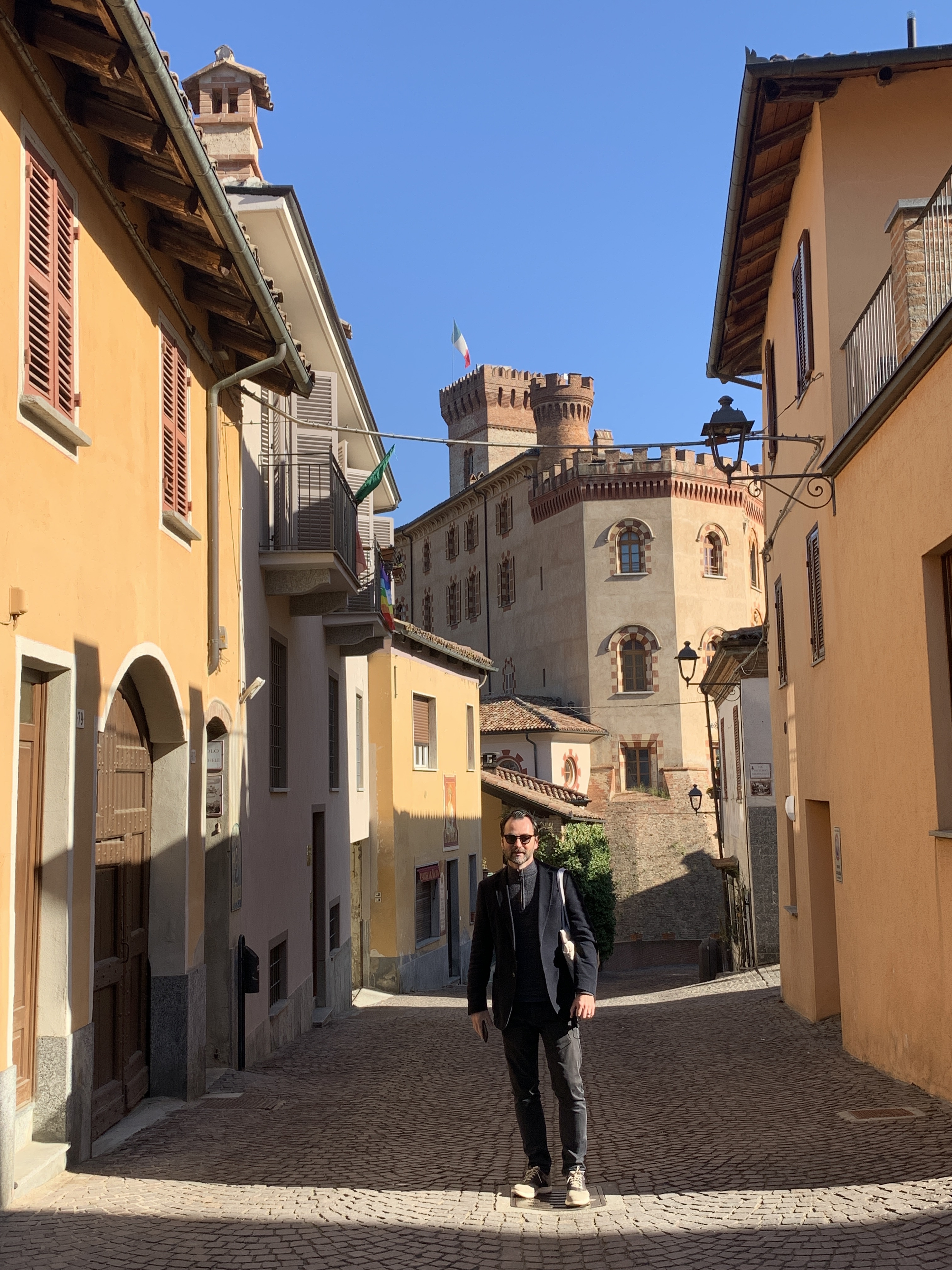
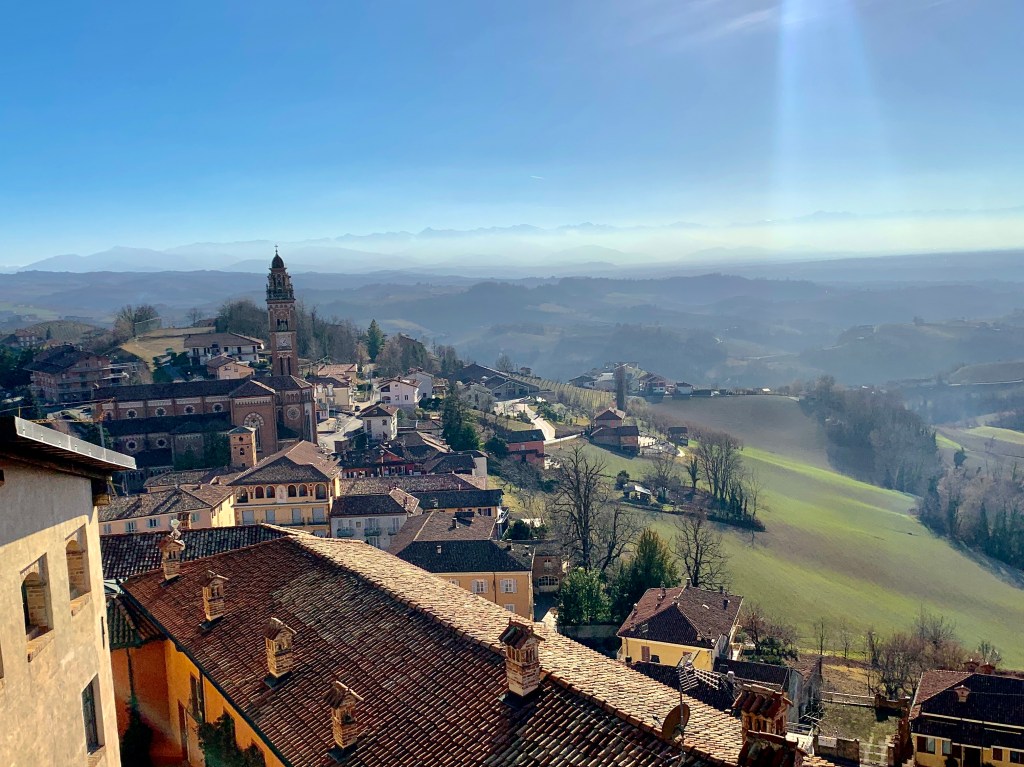
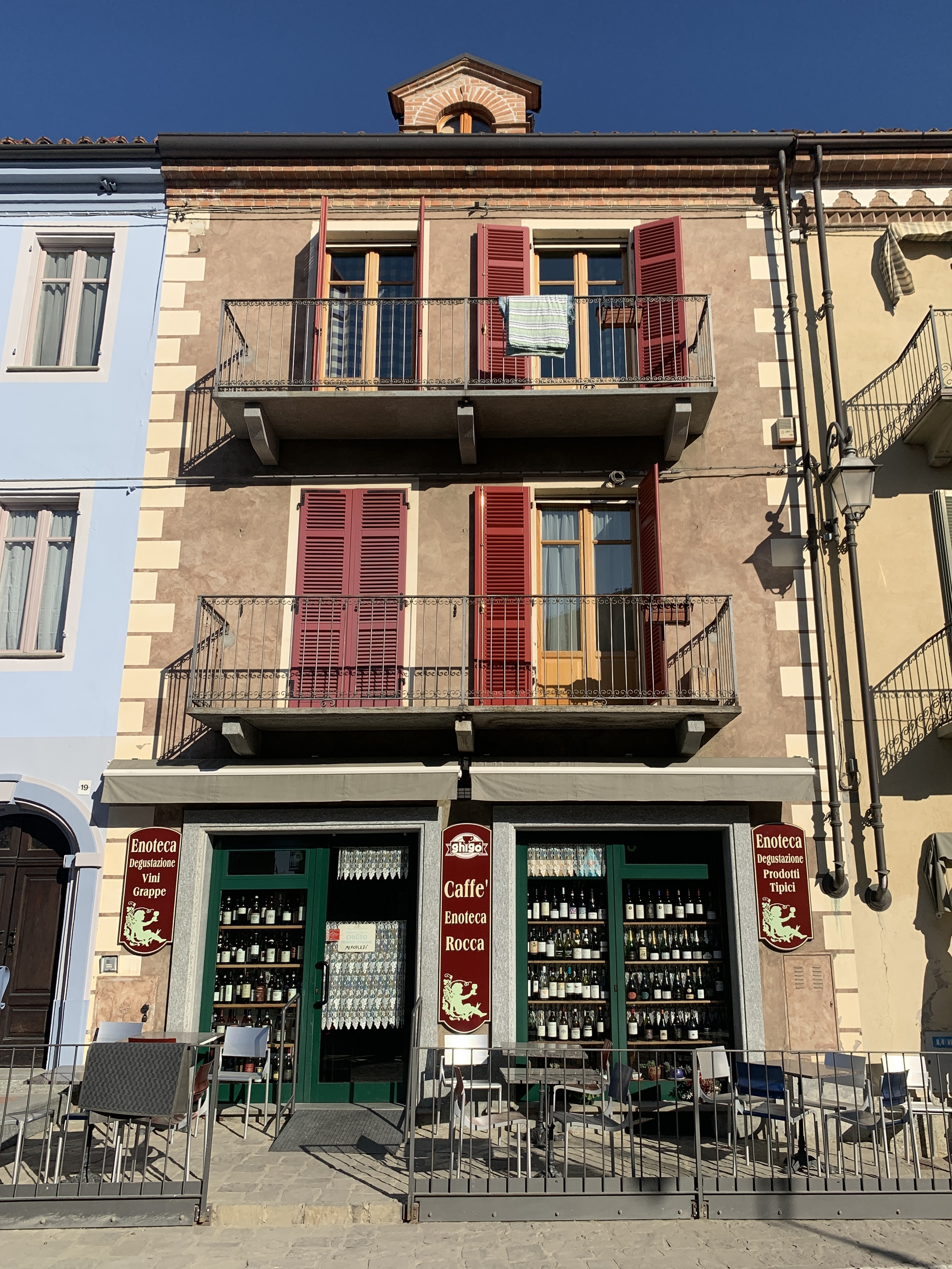
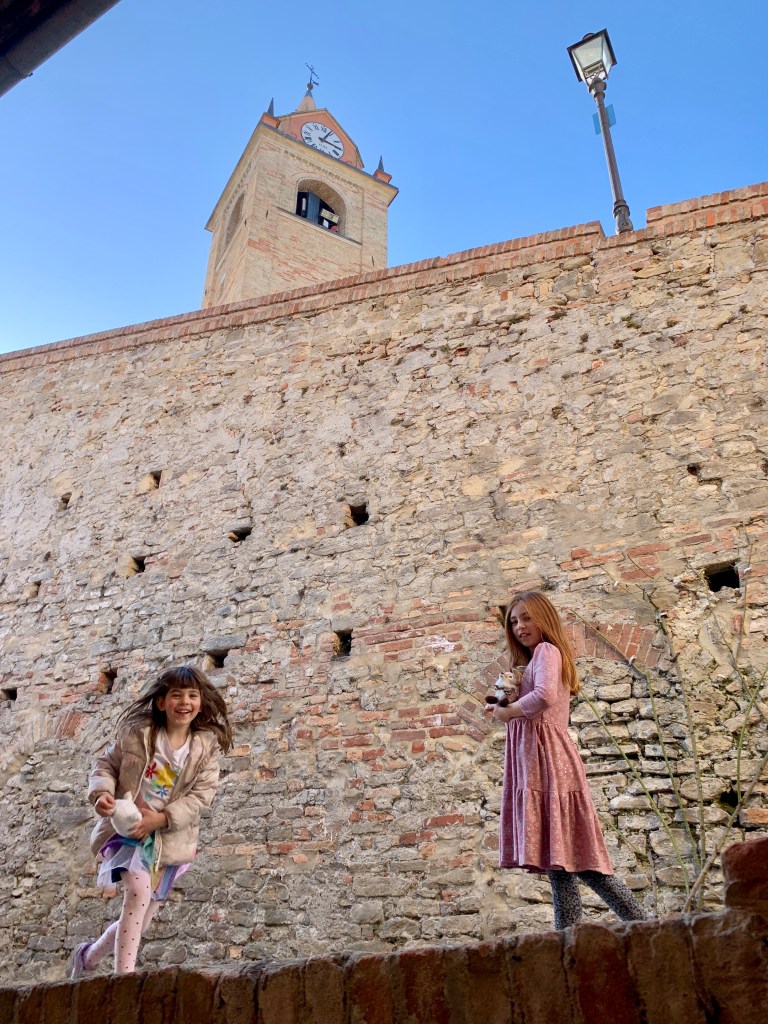
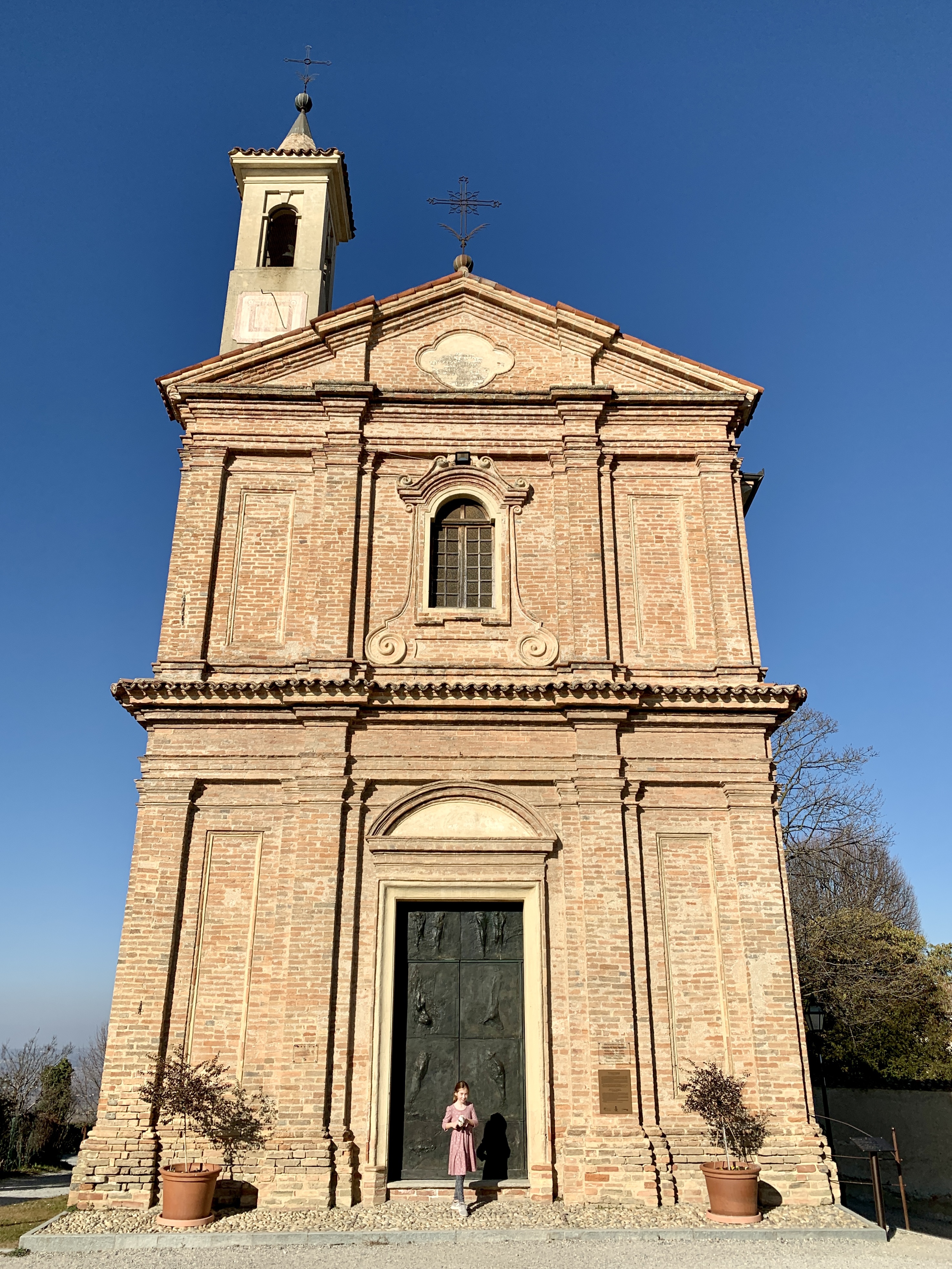
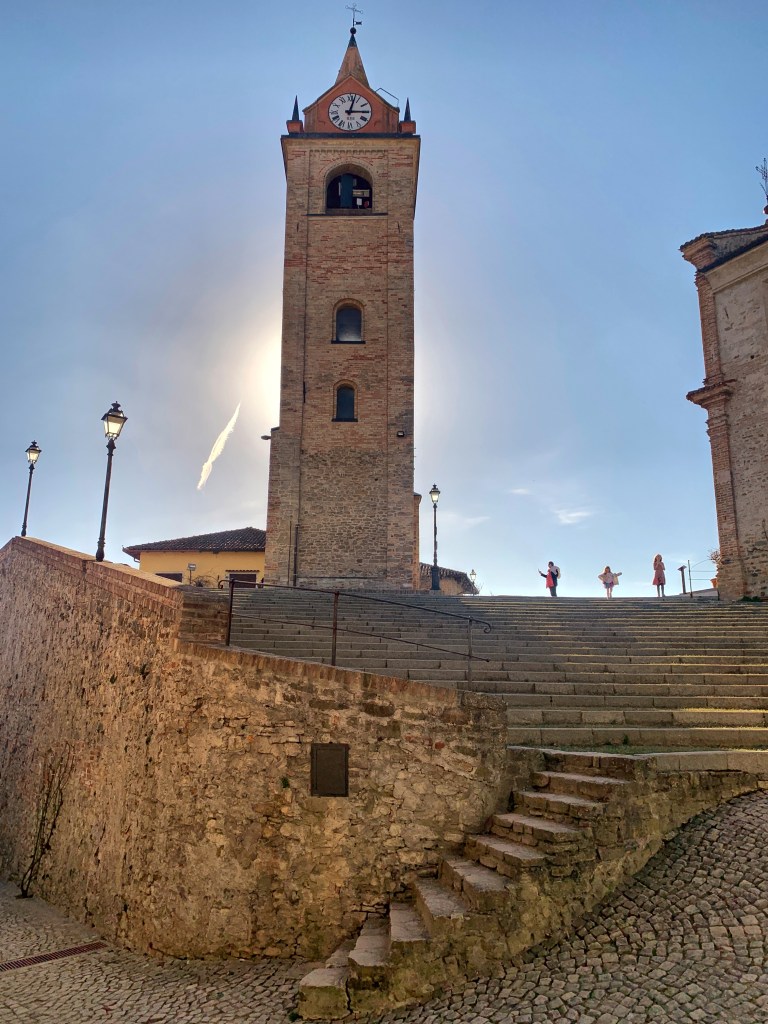
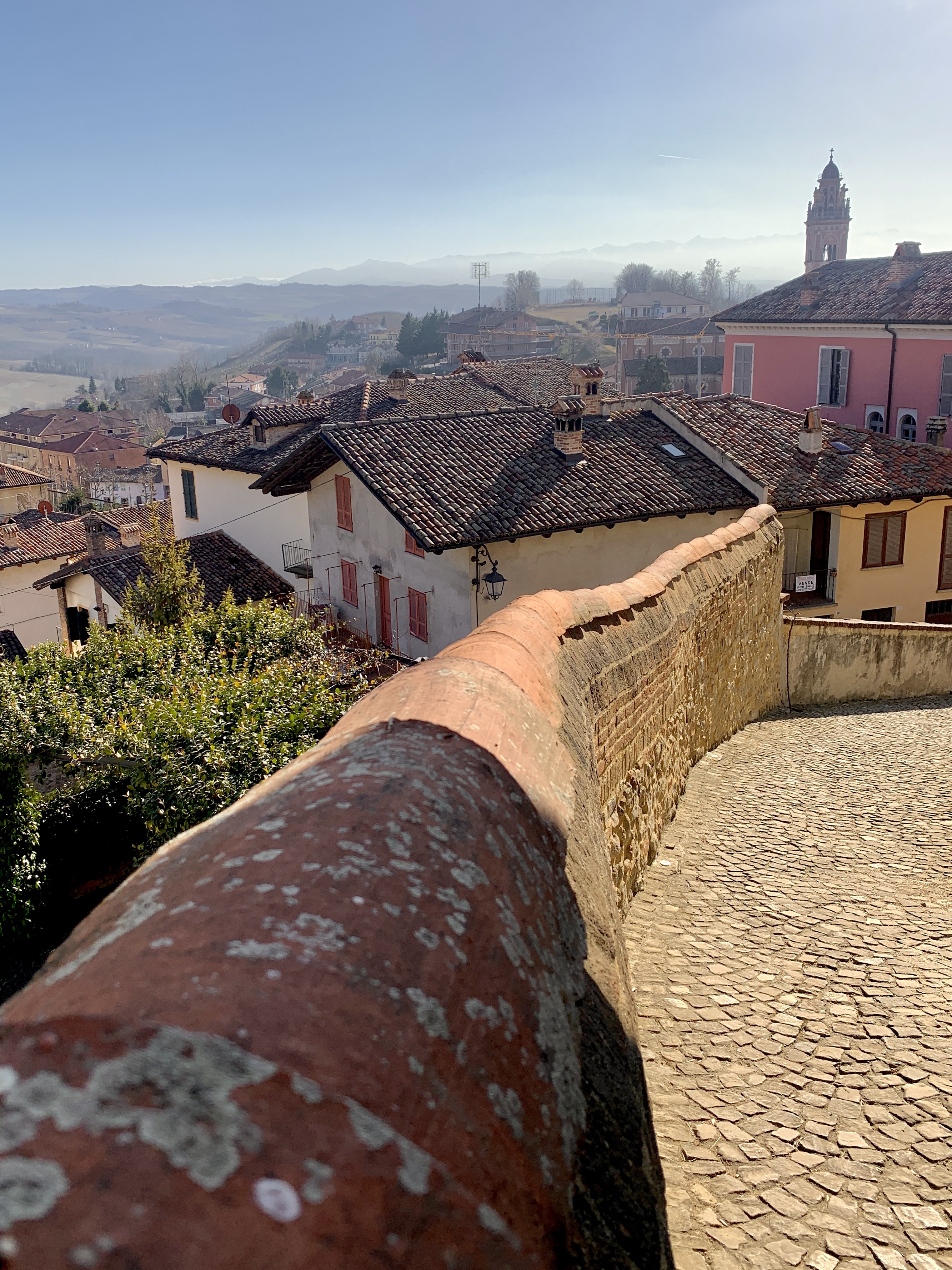
We crossed the border into Italy on the E80 motorway, which straddles the Mediterranean coast and snakes through a series of tunnels traversing the mountainous terrain. To the right, broad views of the sea gave way but before long we tweaked our course and started heading north towards Piemonte (Piedmont), leaving the mild effects of winter in our rear view. On the drive up, we planned for lunch in the town of Barolo, a much awaited and exciting endeavor as it’s been 11 years since our last visit. This time around, the landscape around Barolo bore a pallid-yellow hue indicative of the dryness of the winter season. Still scenic and still vibrant, we loved our revisit of the village as well as our meal at La Locanda Gemella. After lunch and an 8-minute drive outside of Barolo, we happened upon Monforte D’Alba, another hilltop village with inviting charm that defines part of the larger Alba region. The views of wine country from Monforte were vast, punctuated by Barolo’s hilltop tower and the continuous sloping hills where Nebbiolo reigns as king.

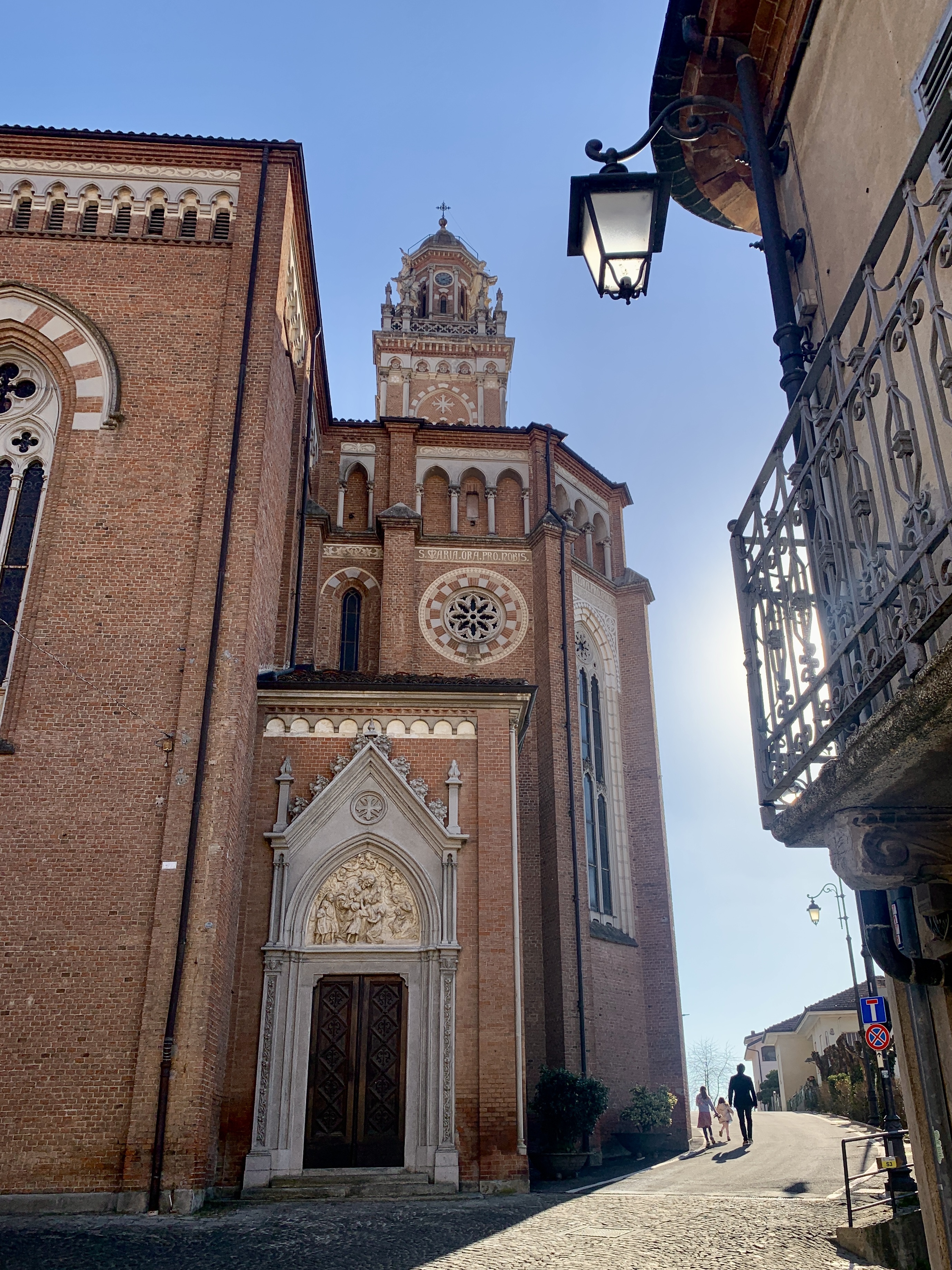
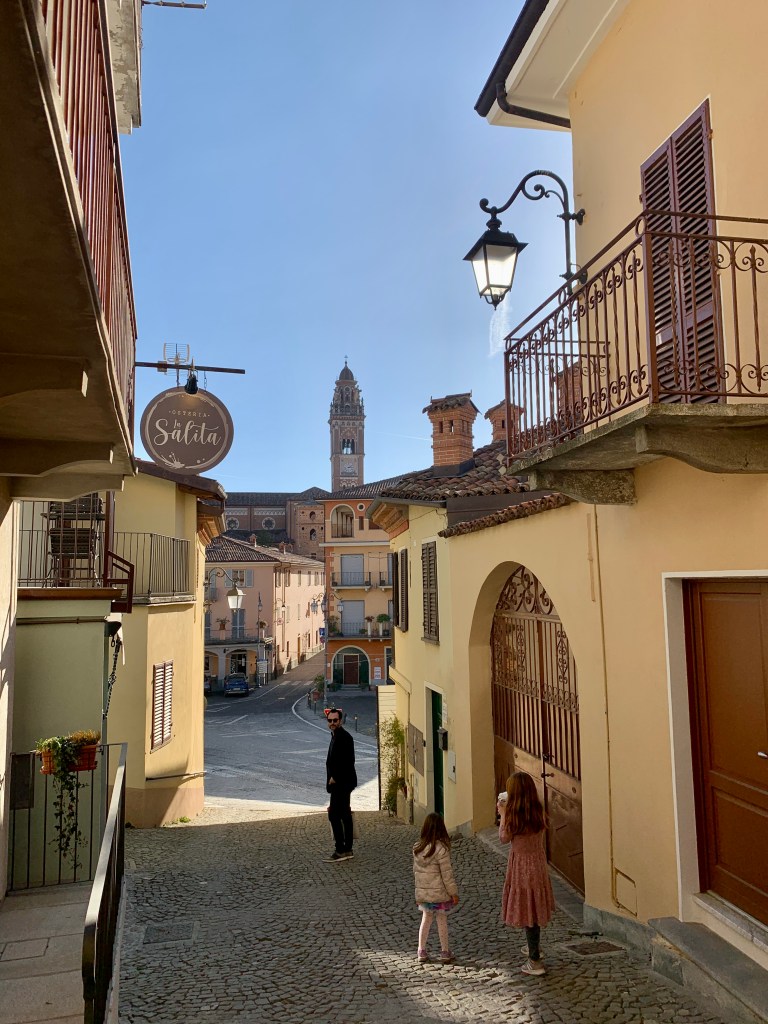
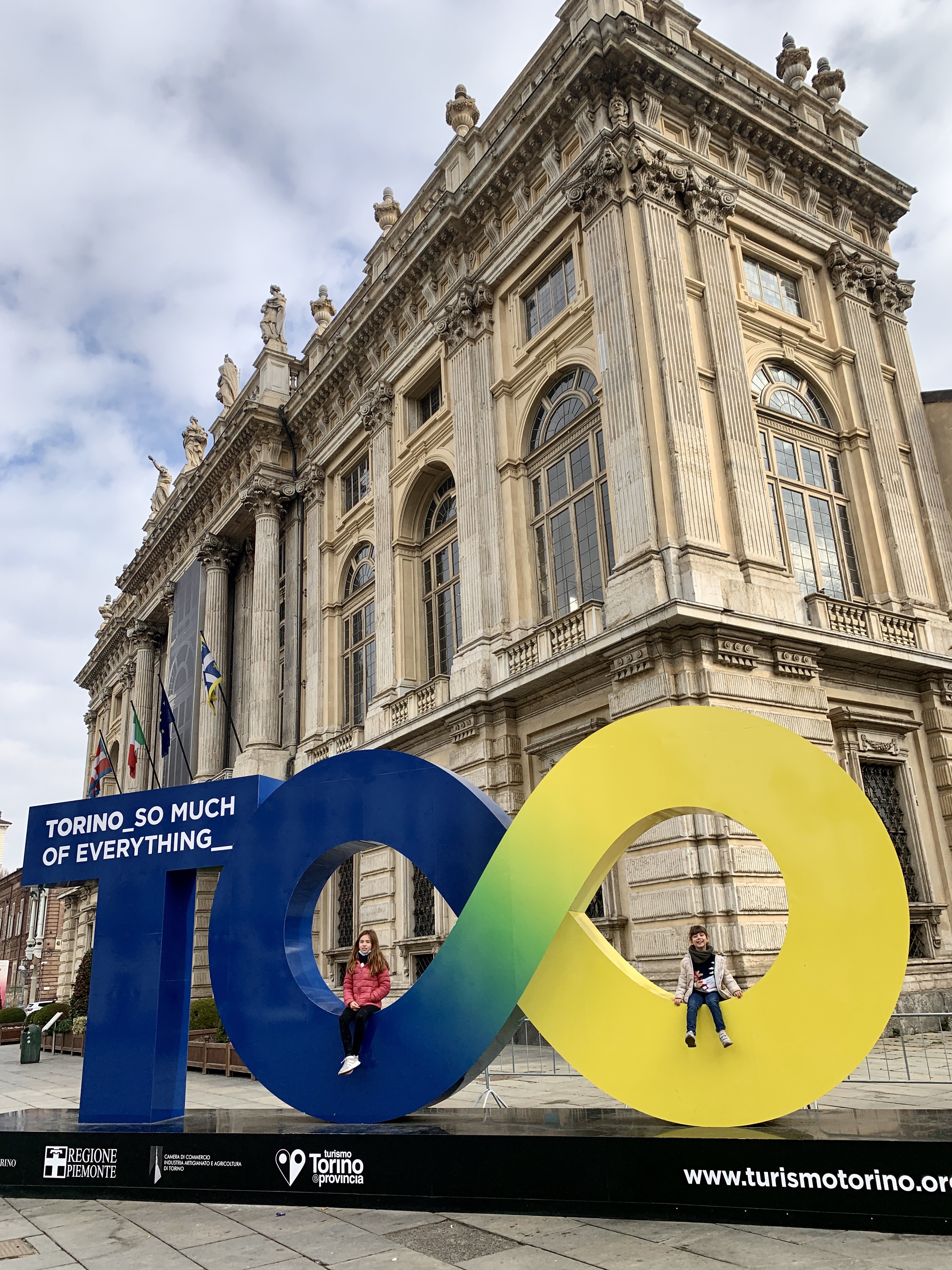
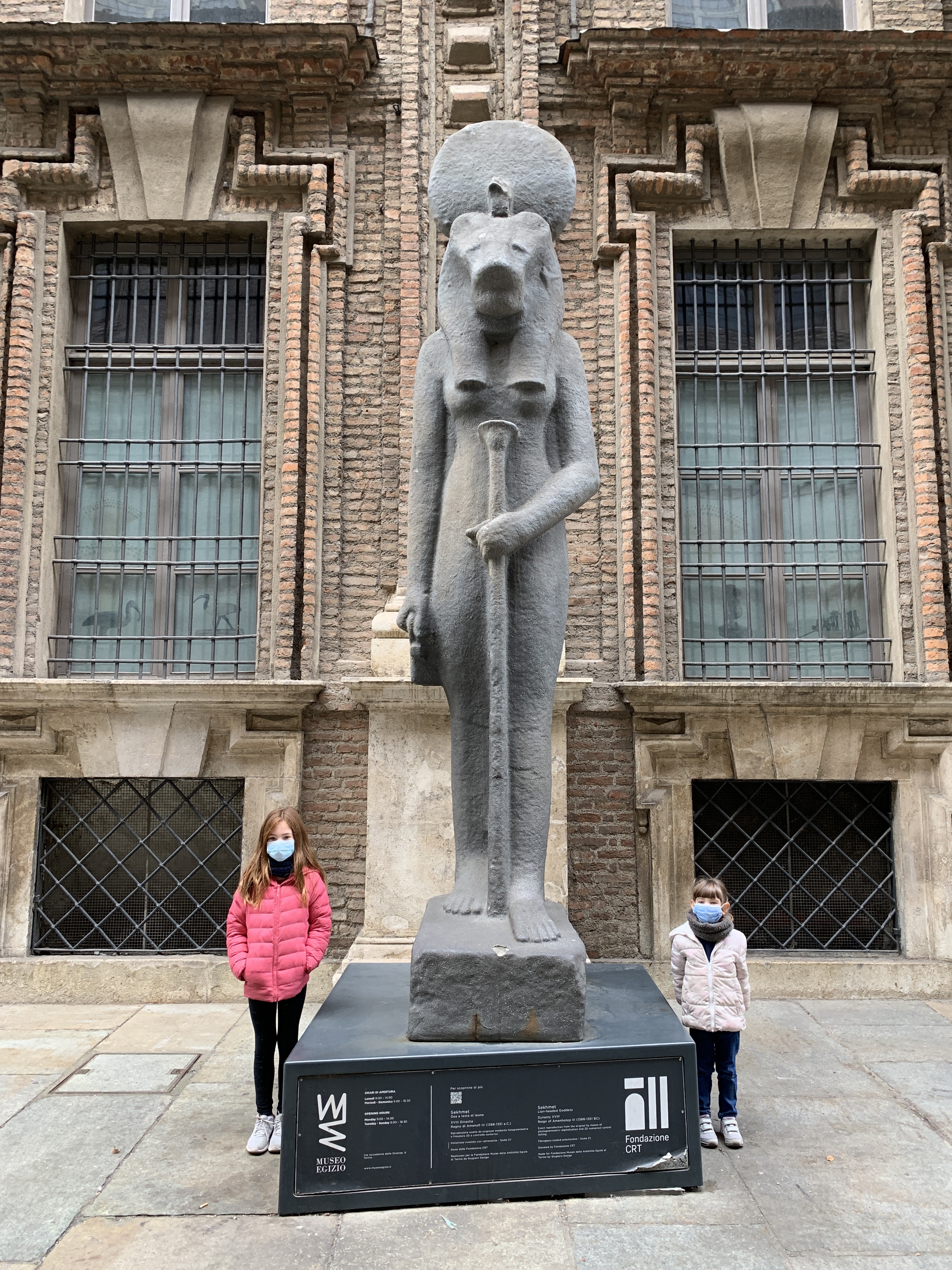
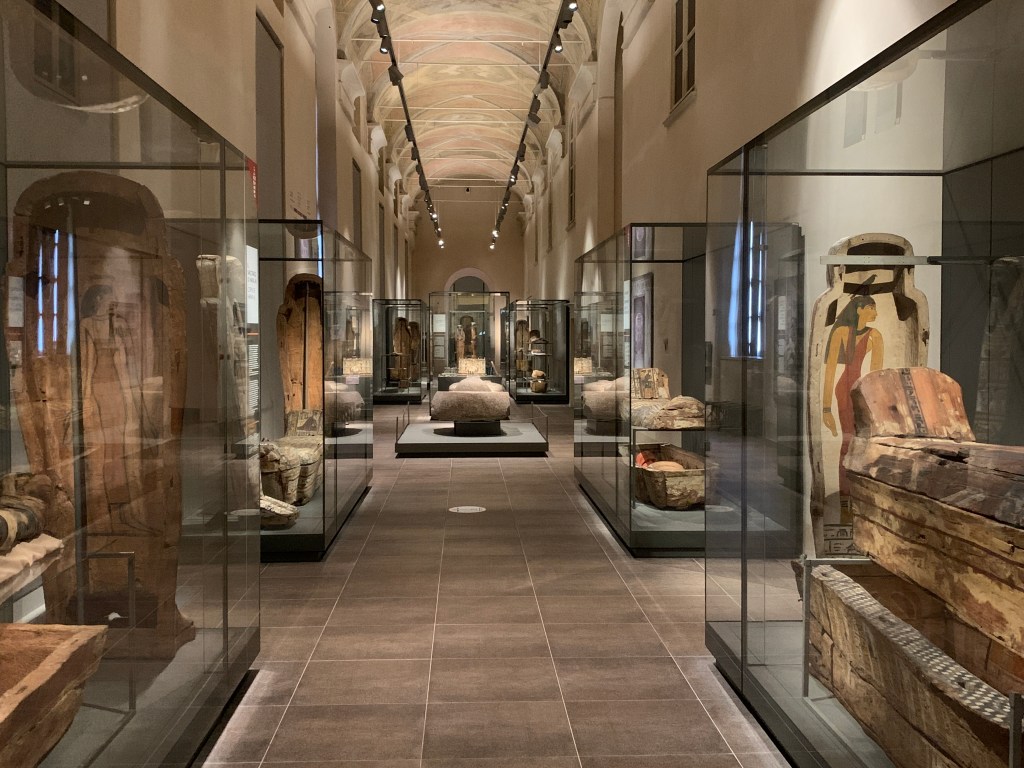
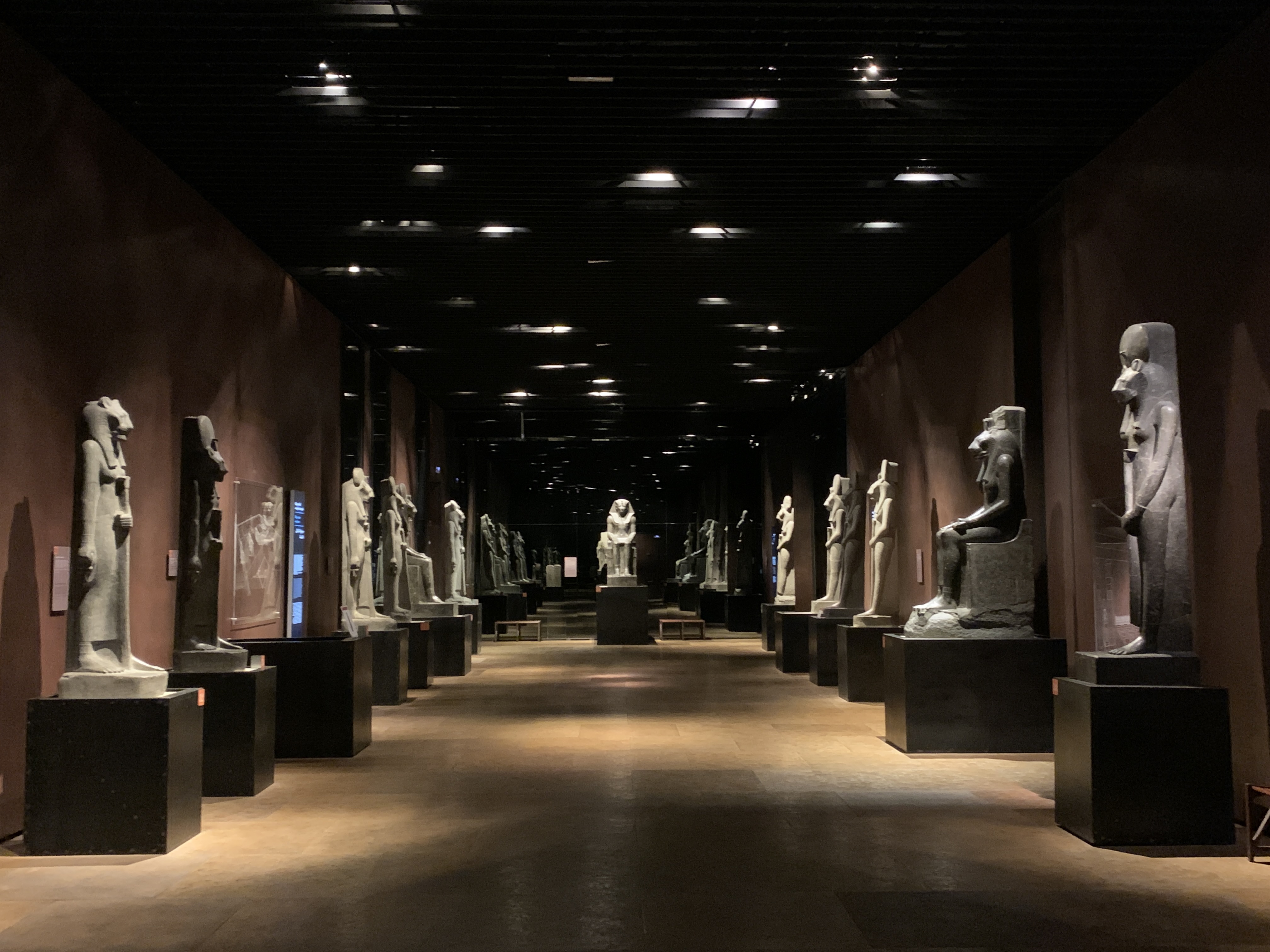
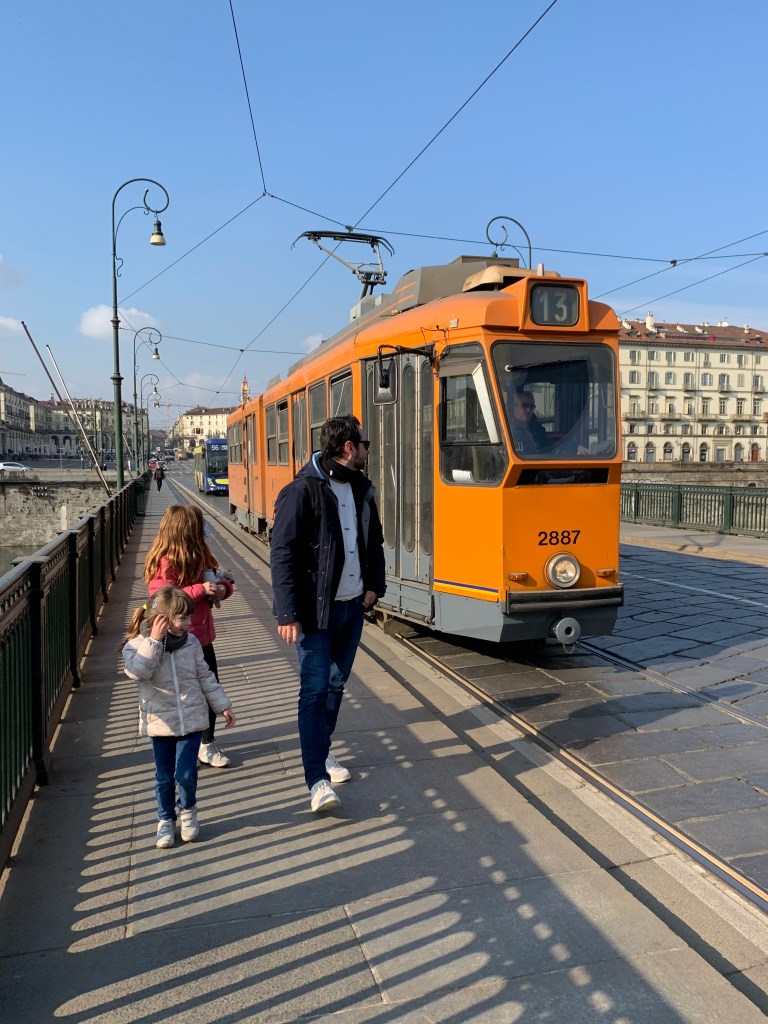
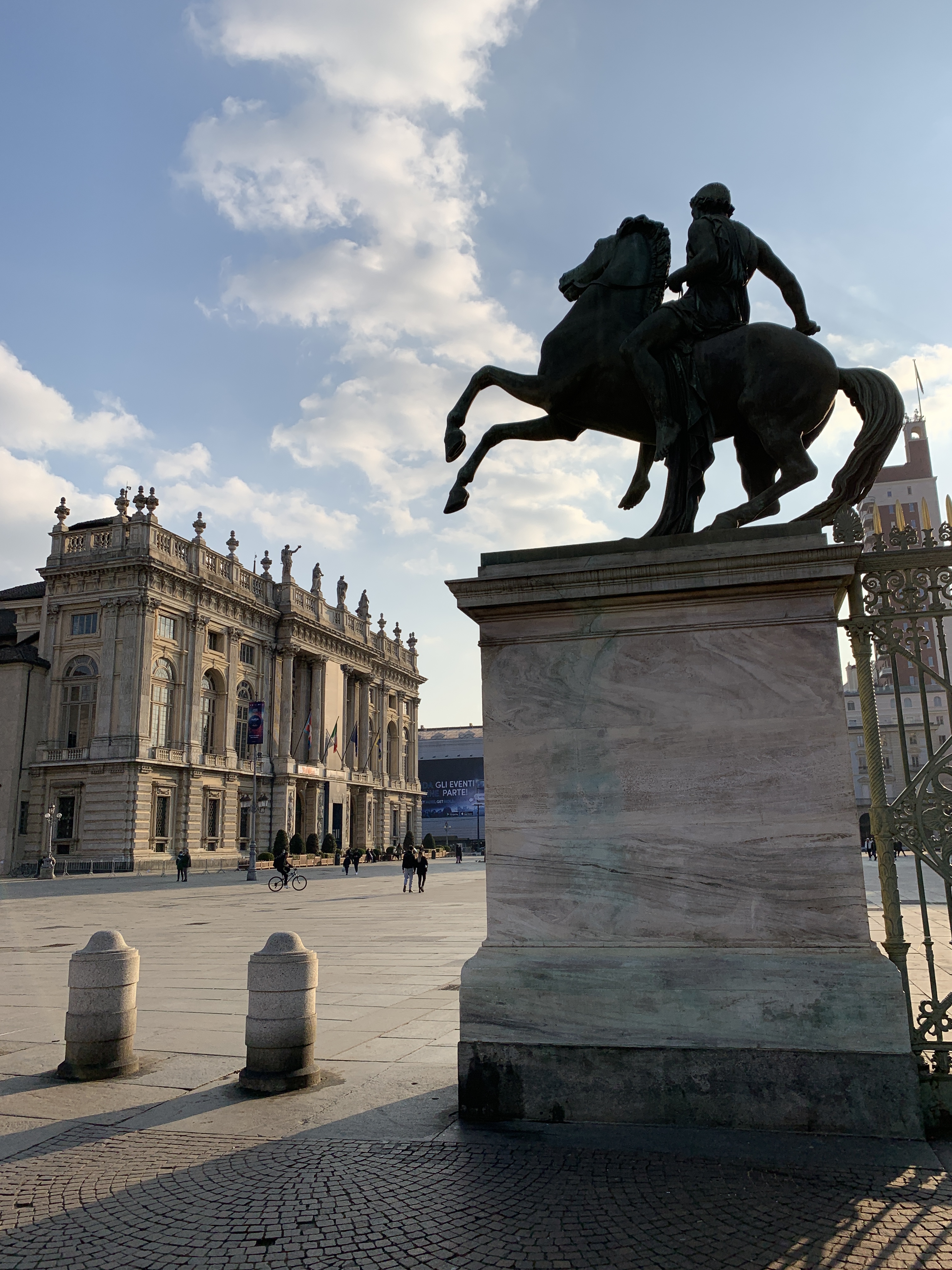
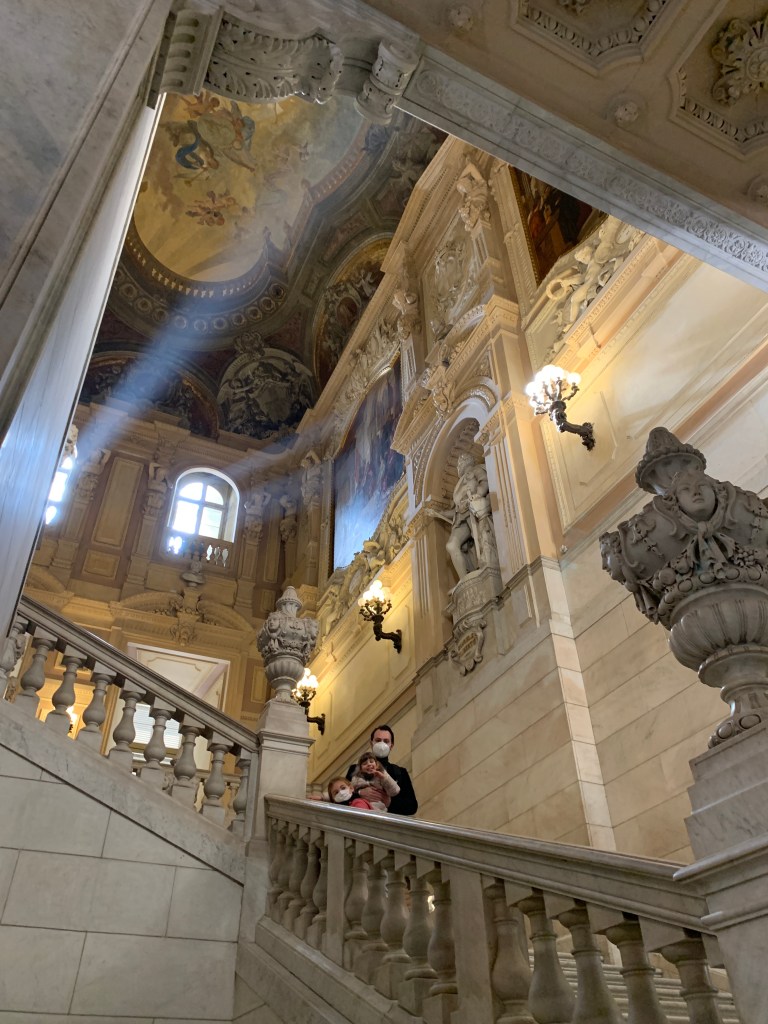
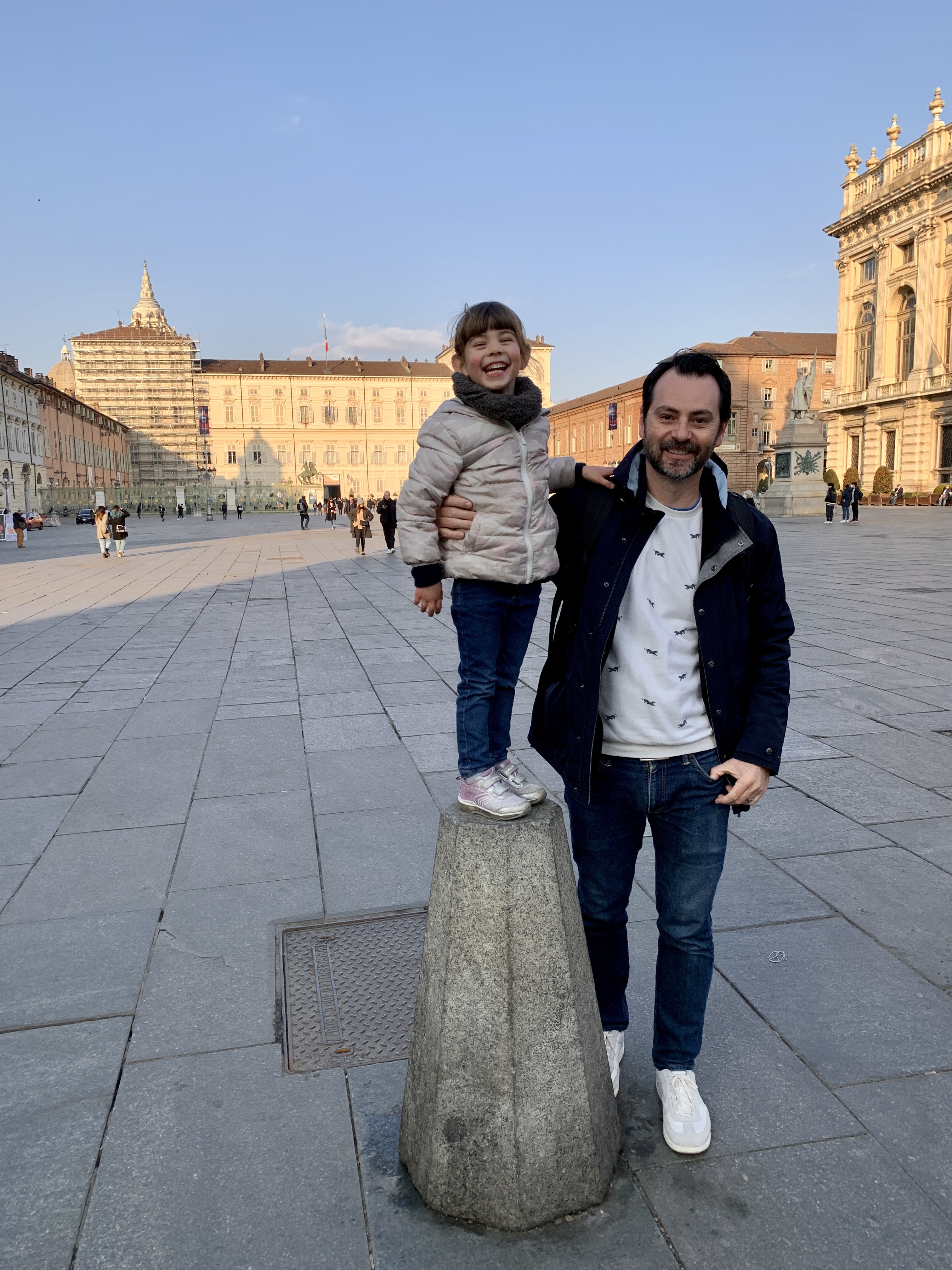
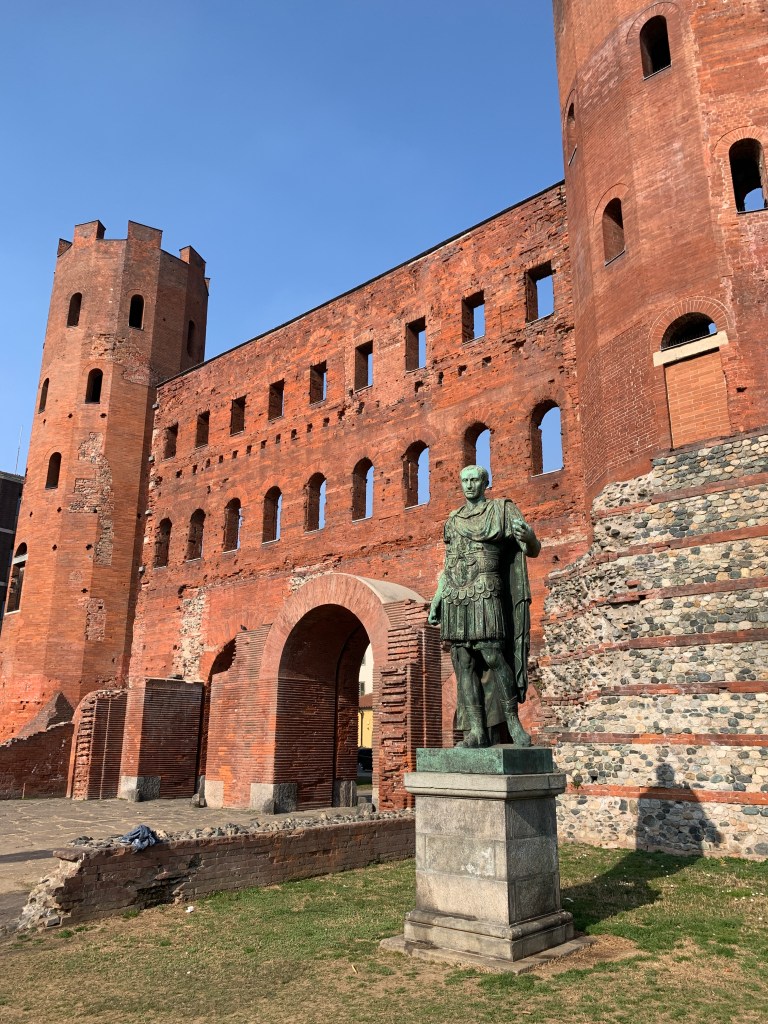
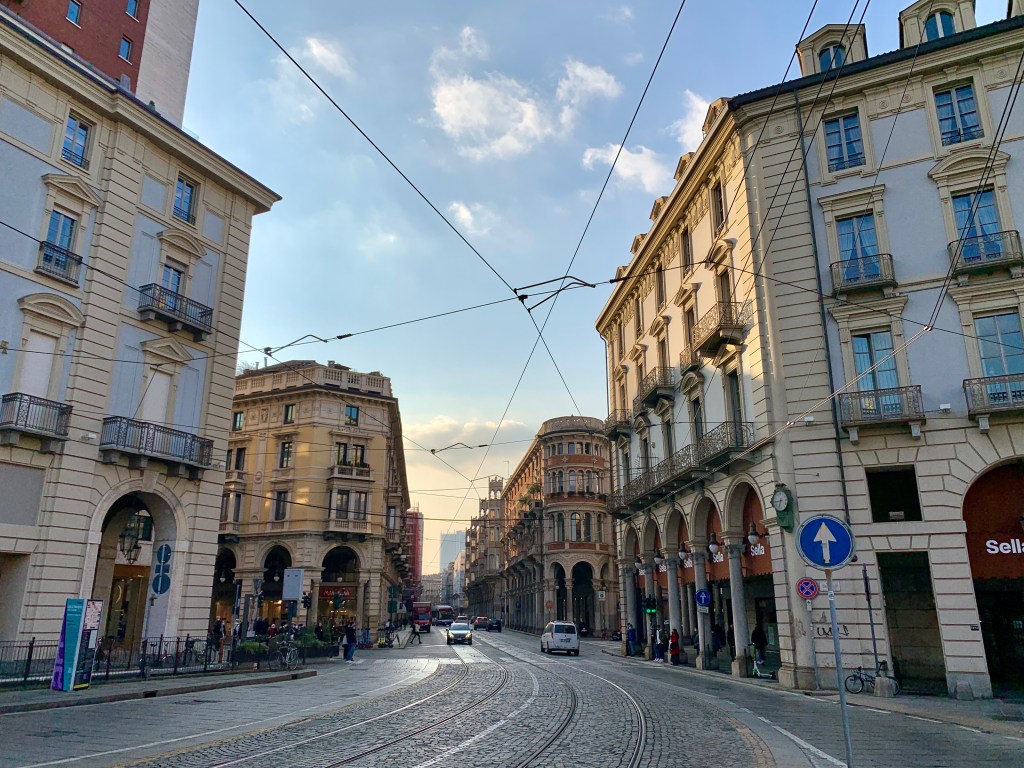
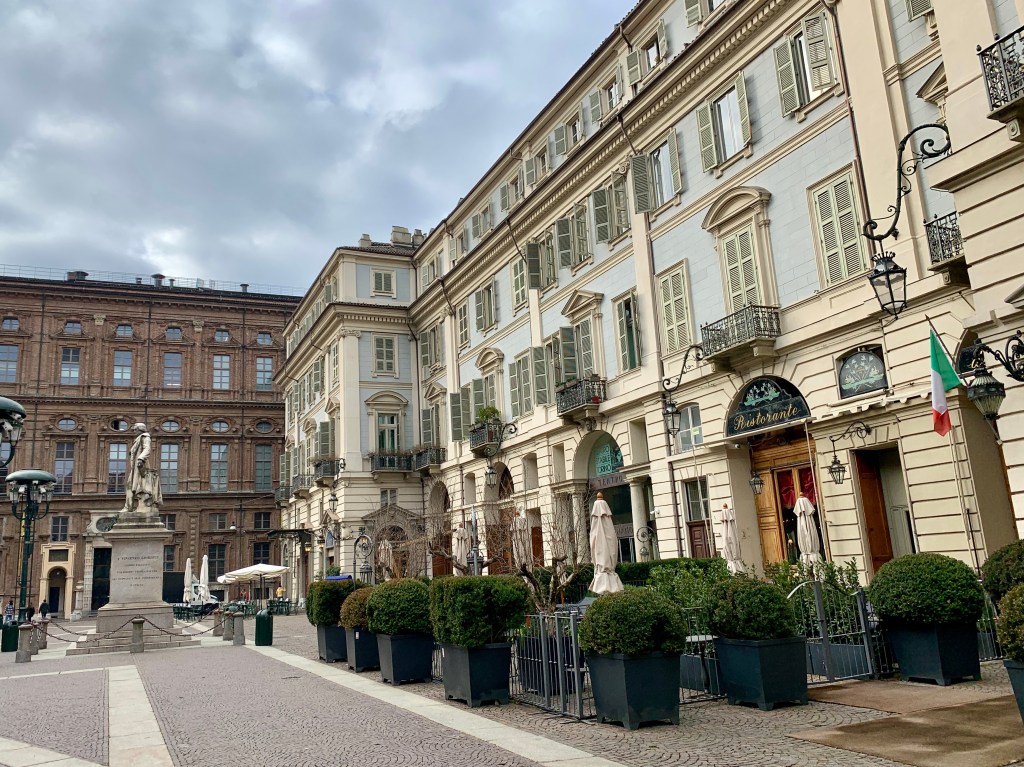
Torino’s sprawl is about an hour’s drive north of Barolo, making day trips to Piemonte’s prestigious wine region very accessible. Wine aside, there is much to do in Torino as we learned, starting with the city’s strong museum culture. Of the city’s 40 museums we tapped the Museo Egizio for a rendez-vous with ancient Egypt’s glorious times. Apparently the museum boasts the largest collection of Egyptian artifacts outside of Egypt. The museum’s location in the old town or centro storico paved our path for a walking tour among Torino’s royal palace complex and heart of the city’s historic center. Baroque architecture is on prominent display on the streets and in various churches, a style that speaks of grandeur and opulence dating back to the origins of the town. For 4 years, Torino was the first capital of the Kingdom of Italy, an important place between the crossroad of east and west.
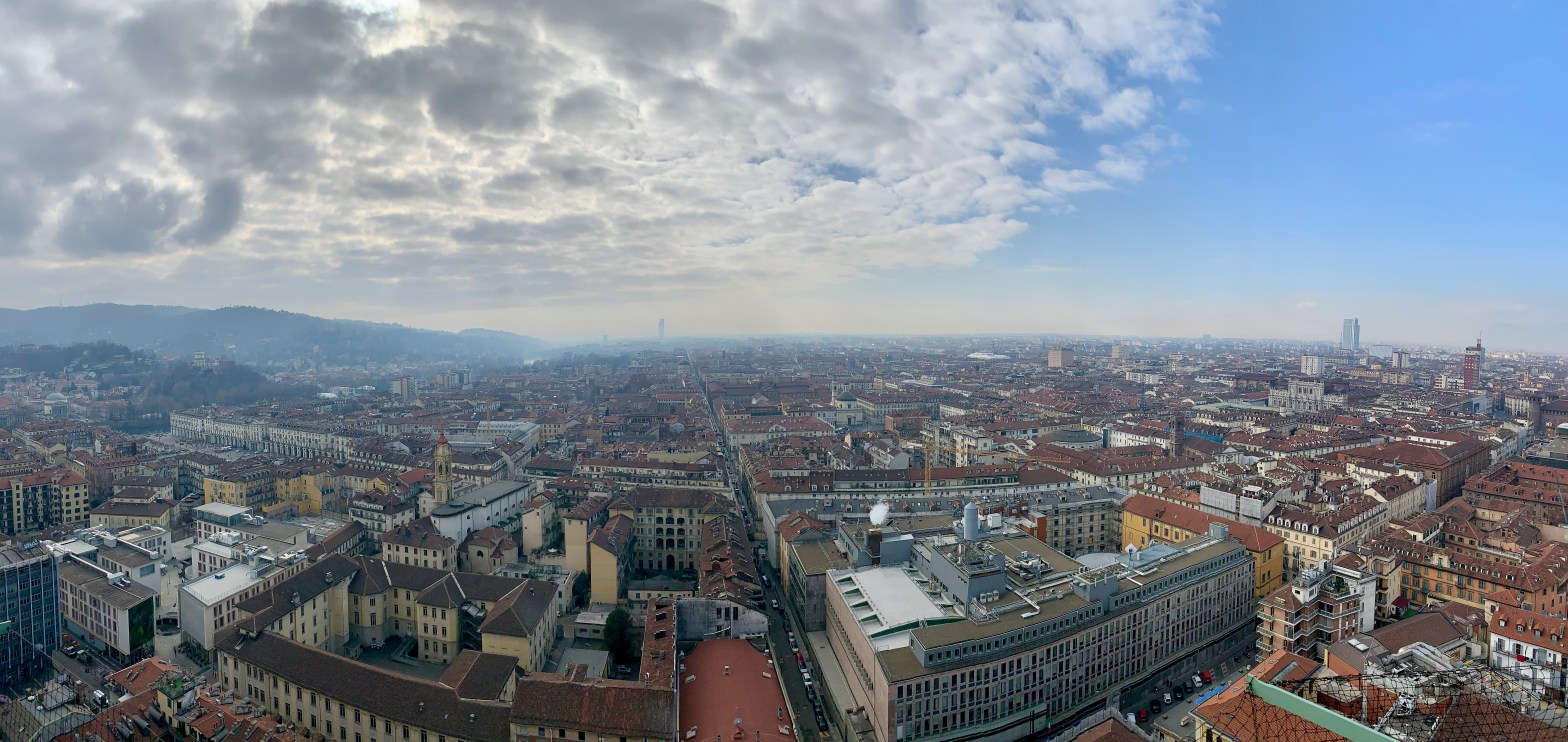
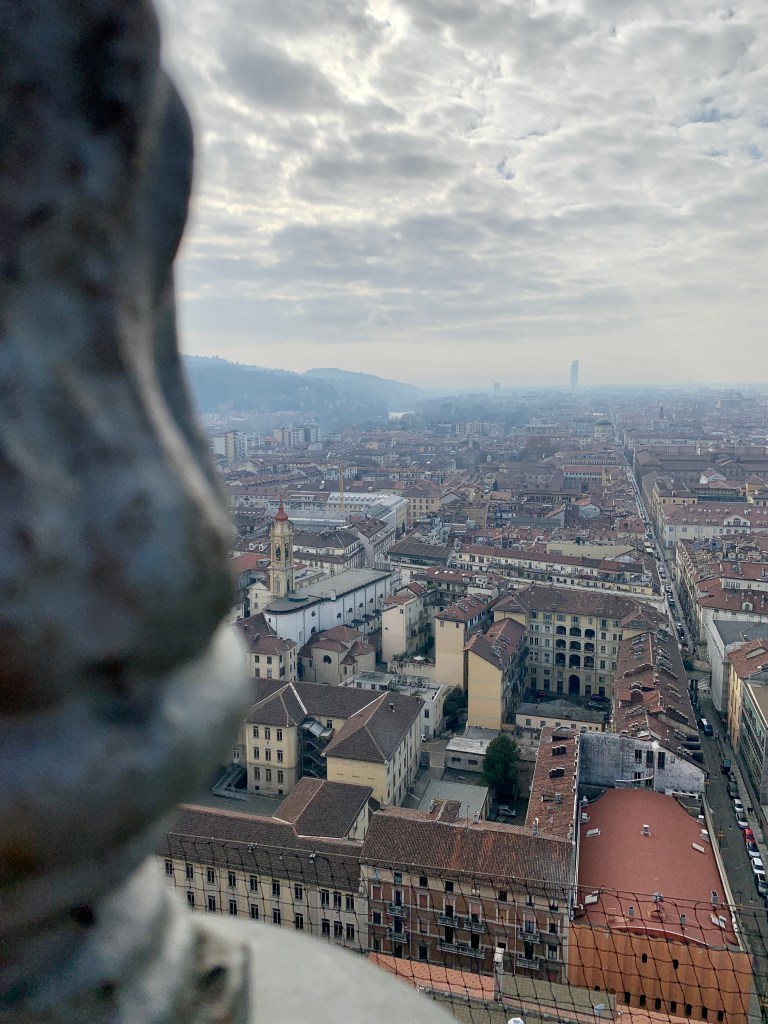
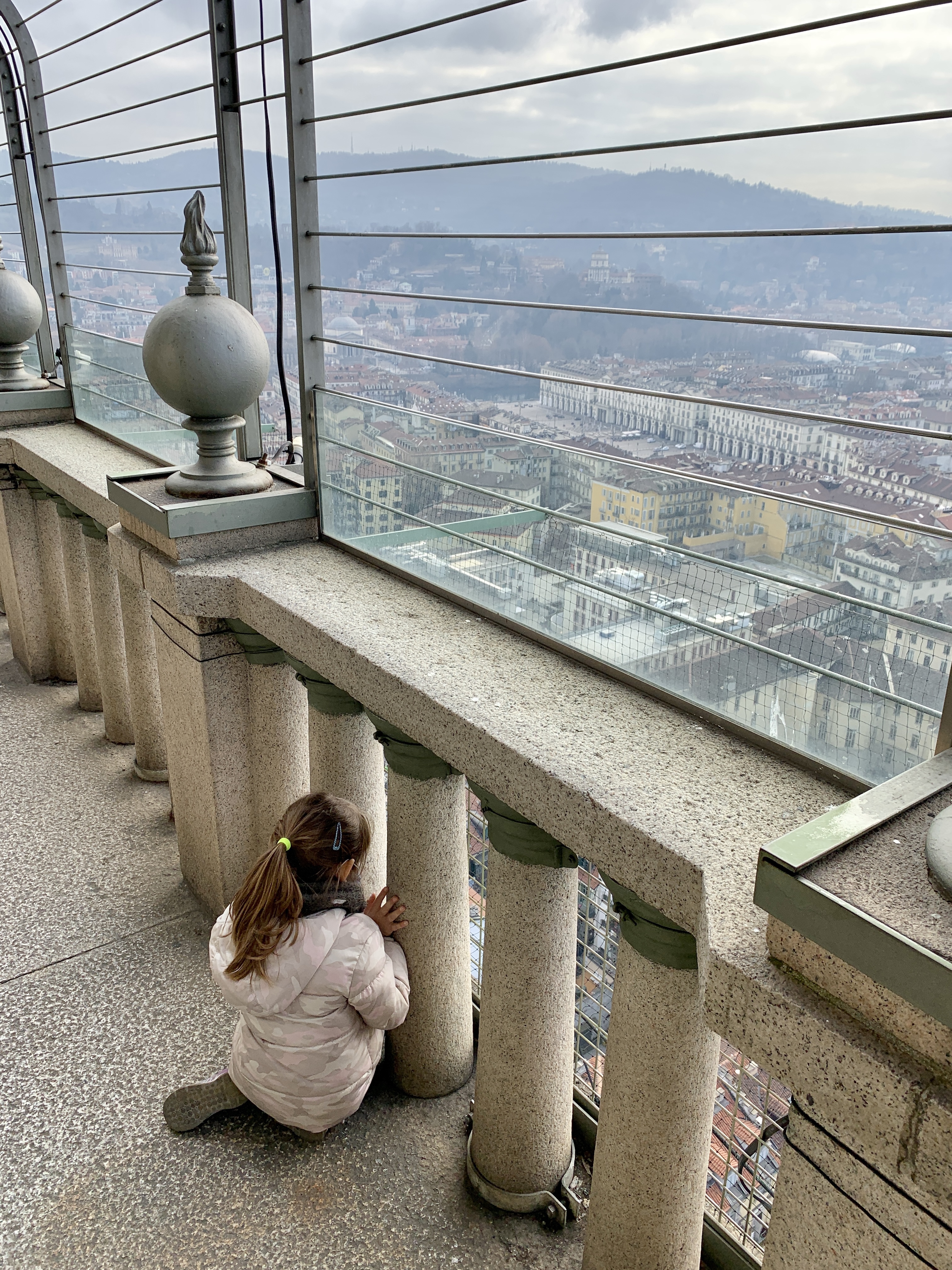
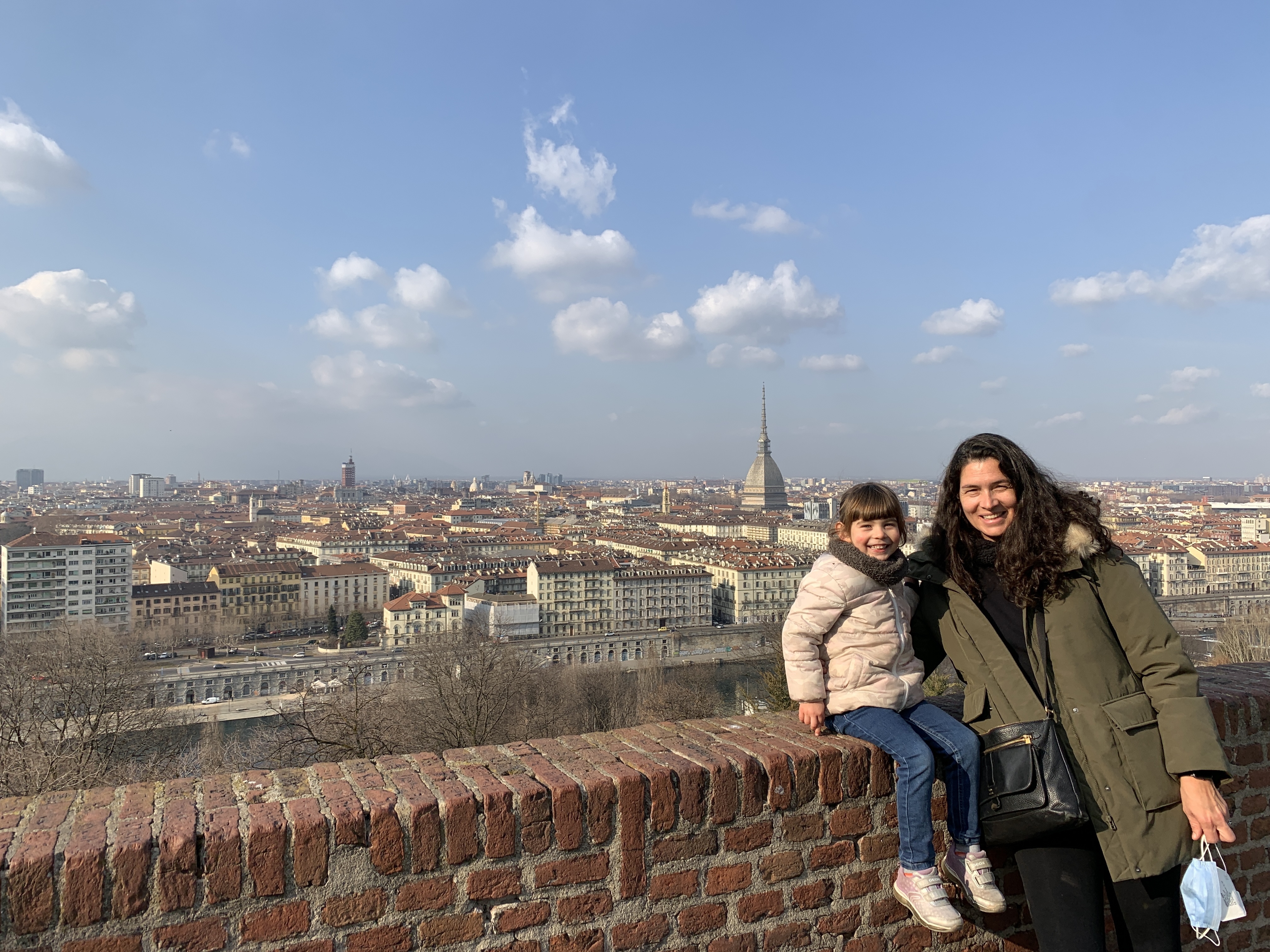
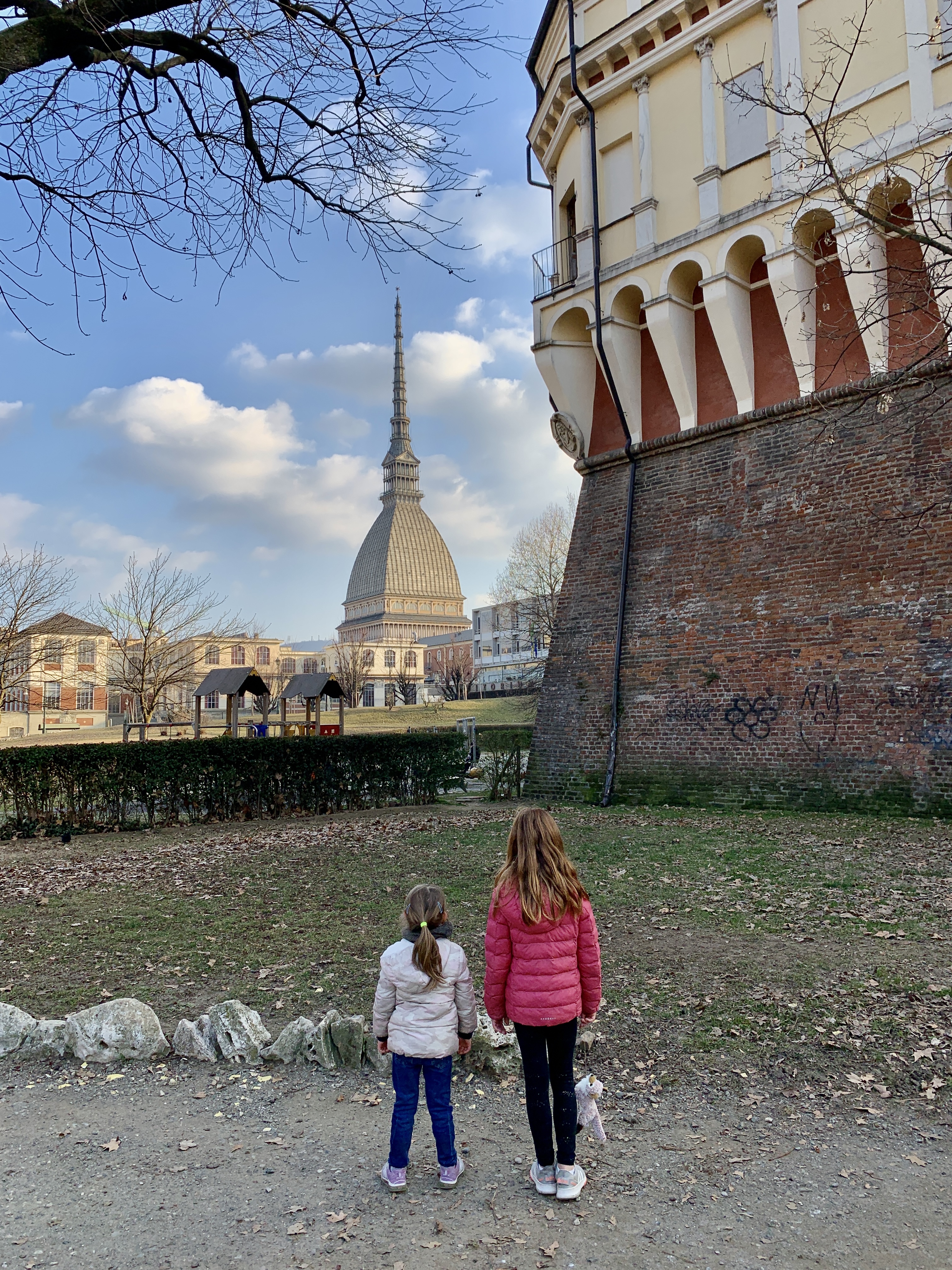
Another architectural landmark in the heart of the city is the Mole Antonelliana tower, or just Mole. Originally built as a synagogue and later acquired by the city, the 550 foot tall structure stands among the tallest points of the city. Today it is home to the National Museum of Cinema, another very popular attraction on the museum circuit. Although we skipped a visit to the museum itself, we did ride up the Mole’s 85-meter tall elevator to the observation platform where Turin’s panorama extends to the Alps formed on the horizon. The shaft-less lift system allowed us to view the guts of the cinema museum and also induced a bit of a sweaty palm effect as we inevitably took stock of its skeletal nature.

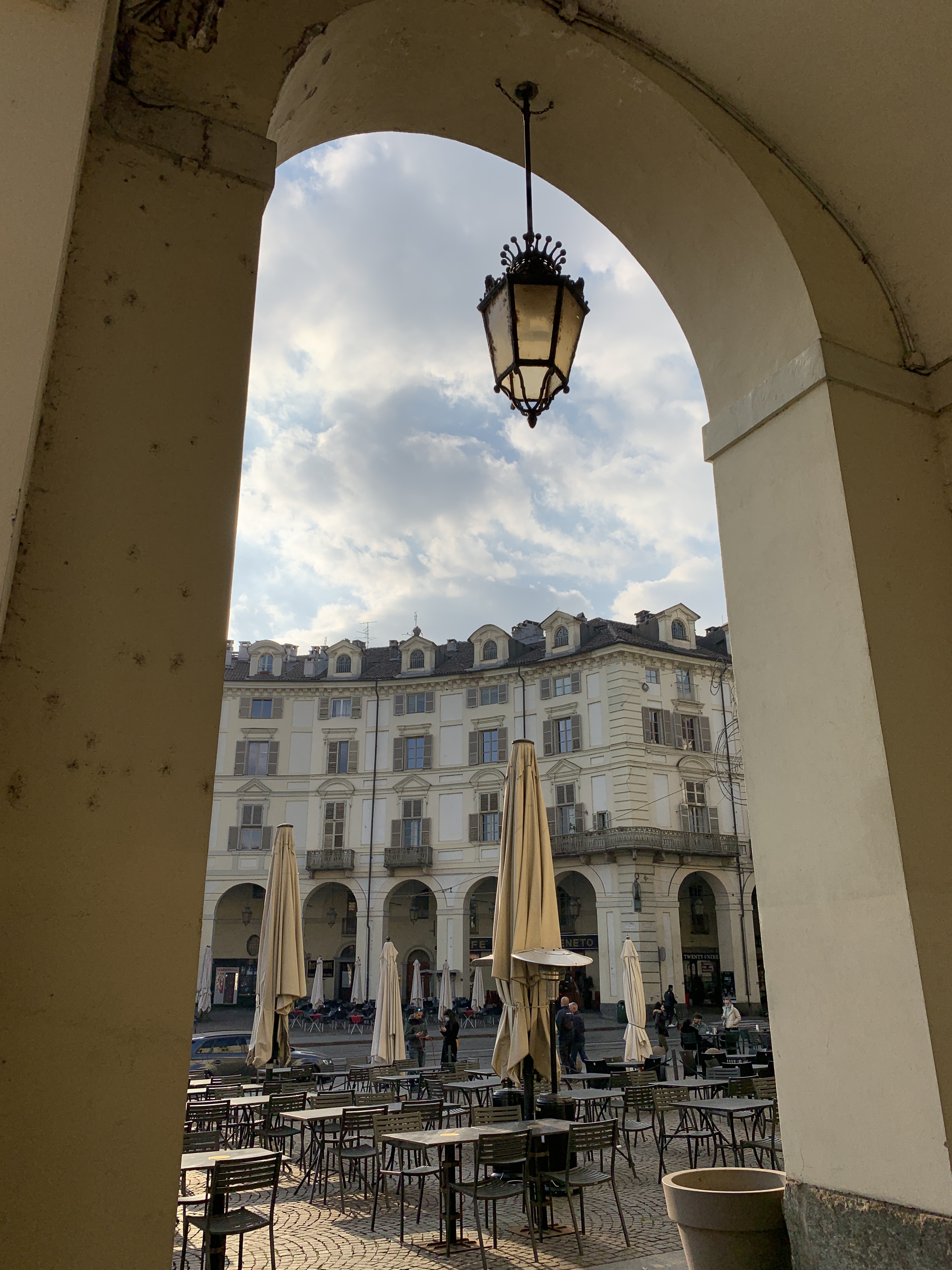
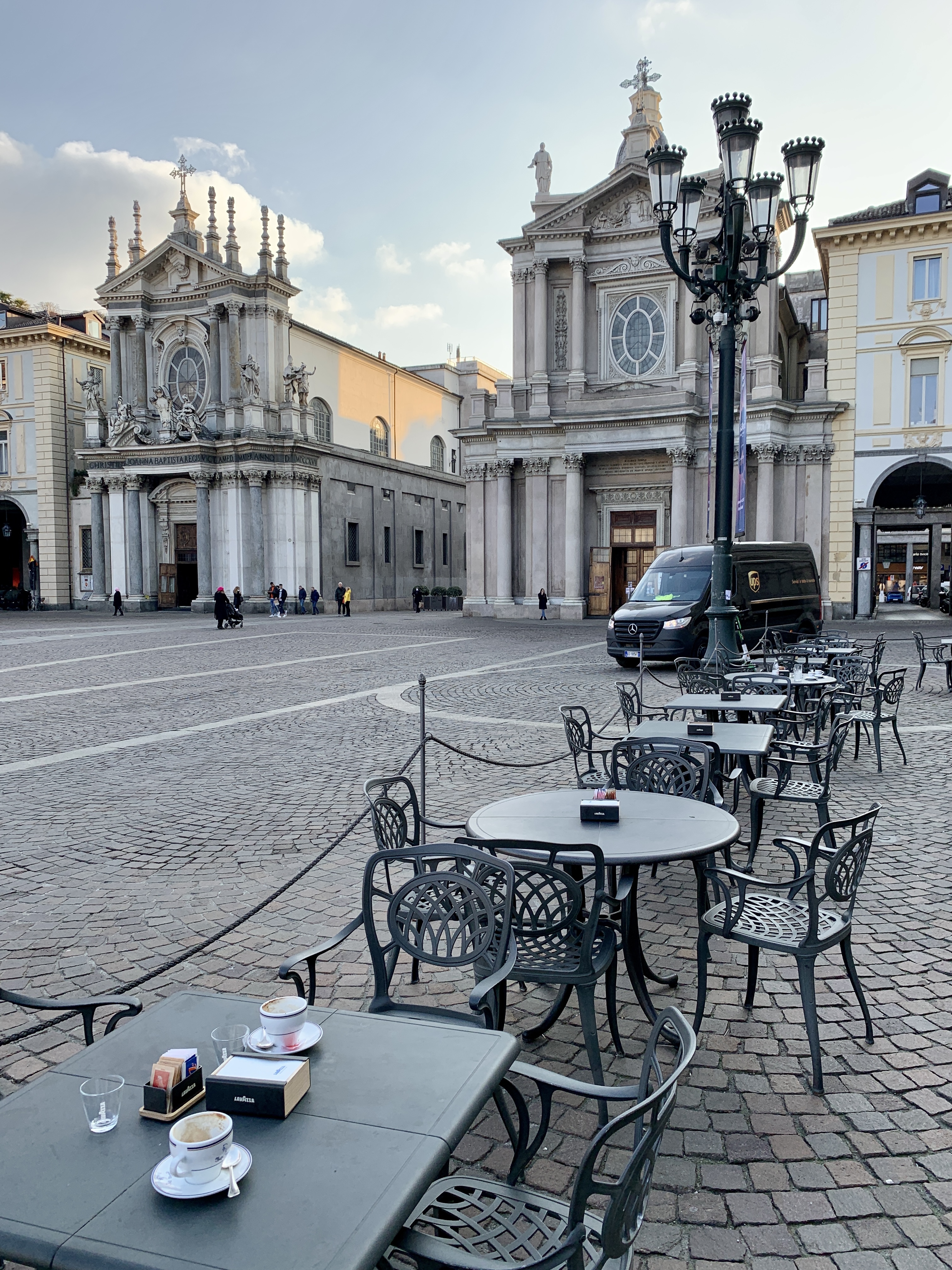
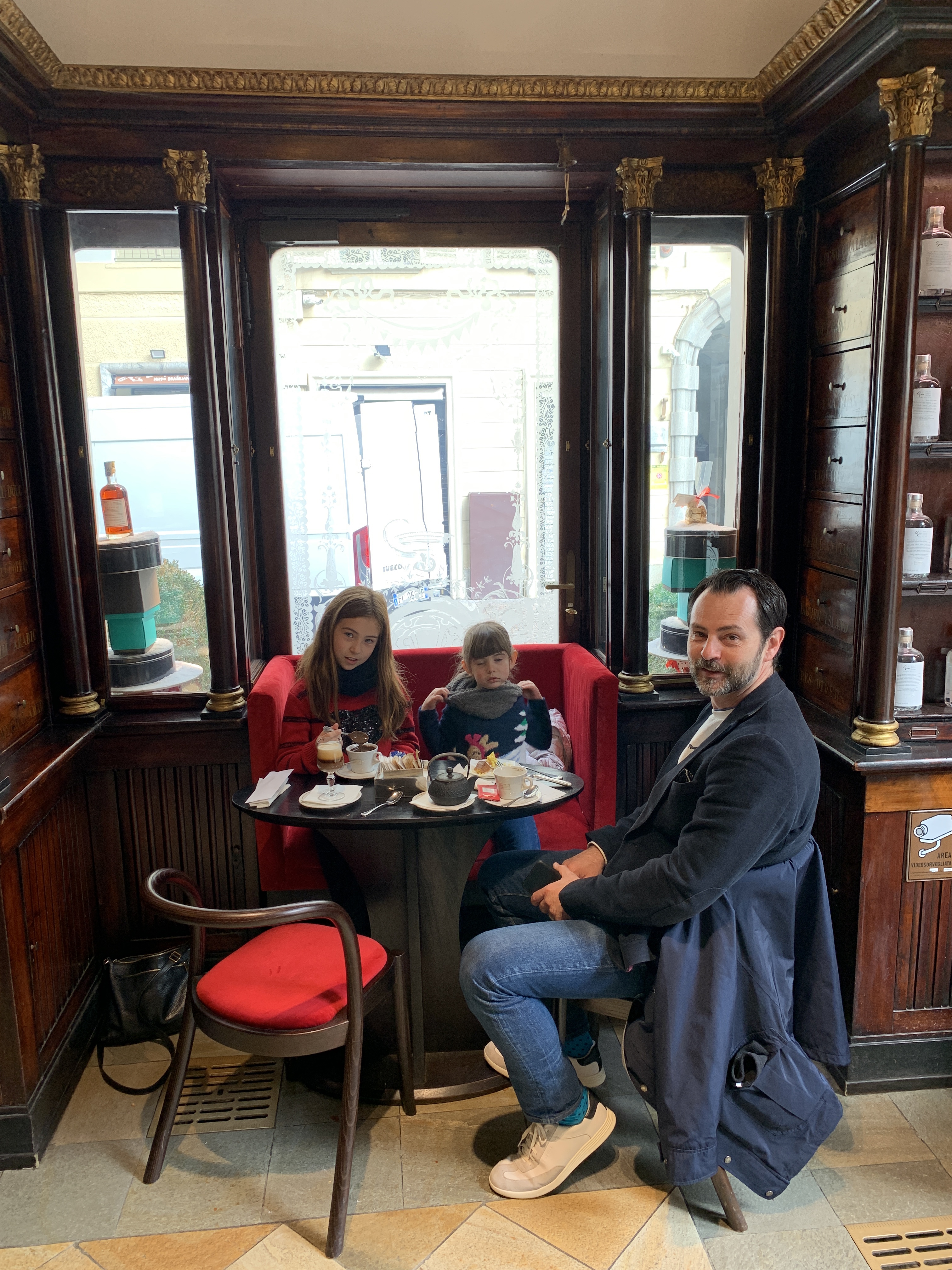
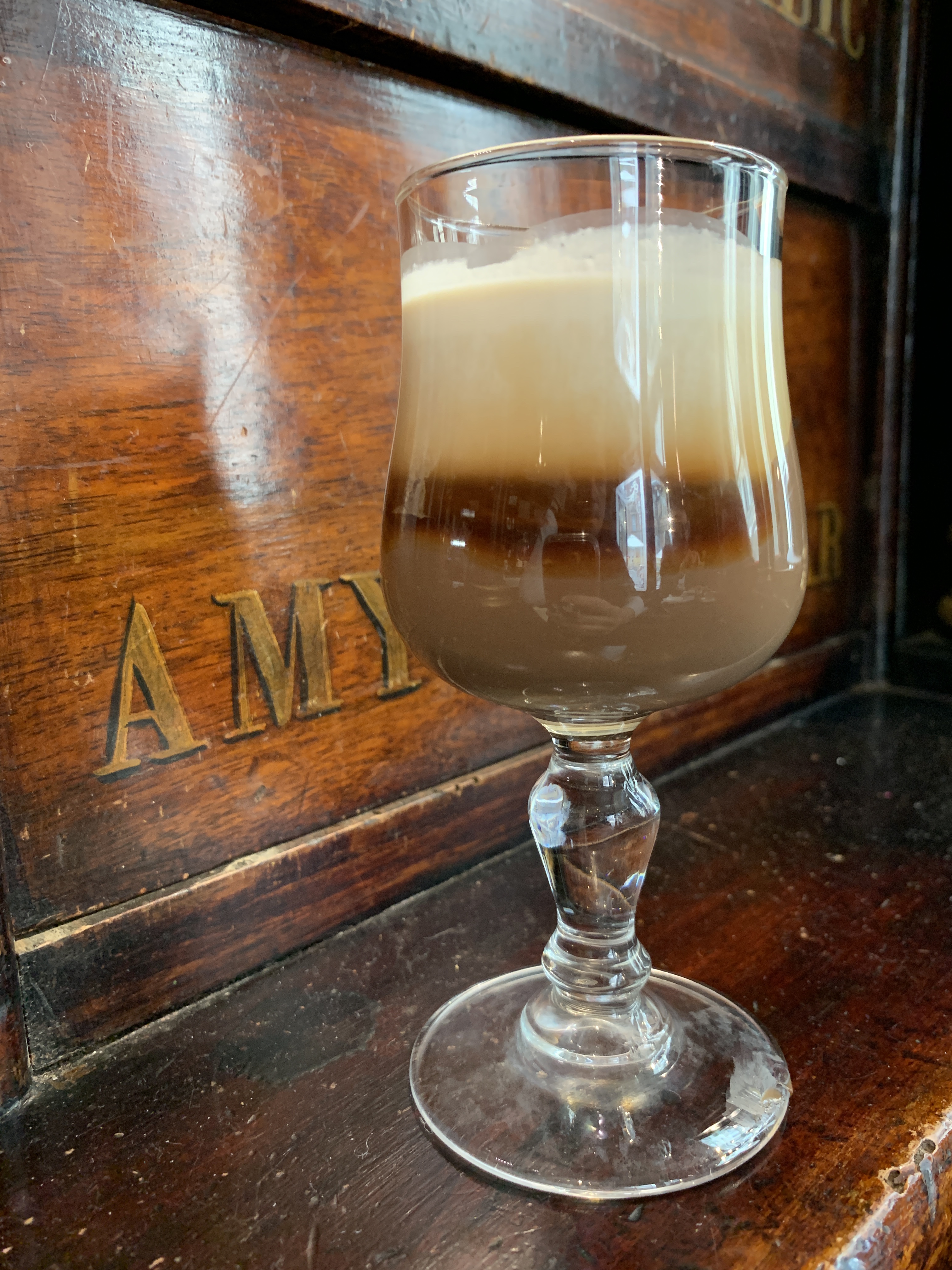
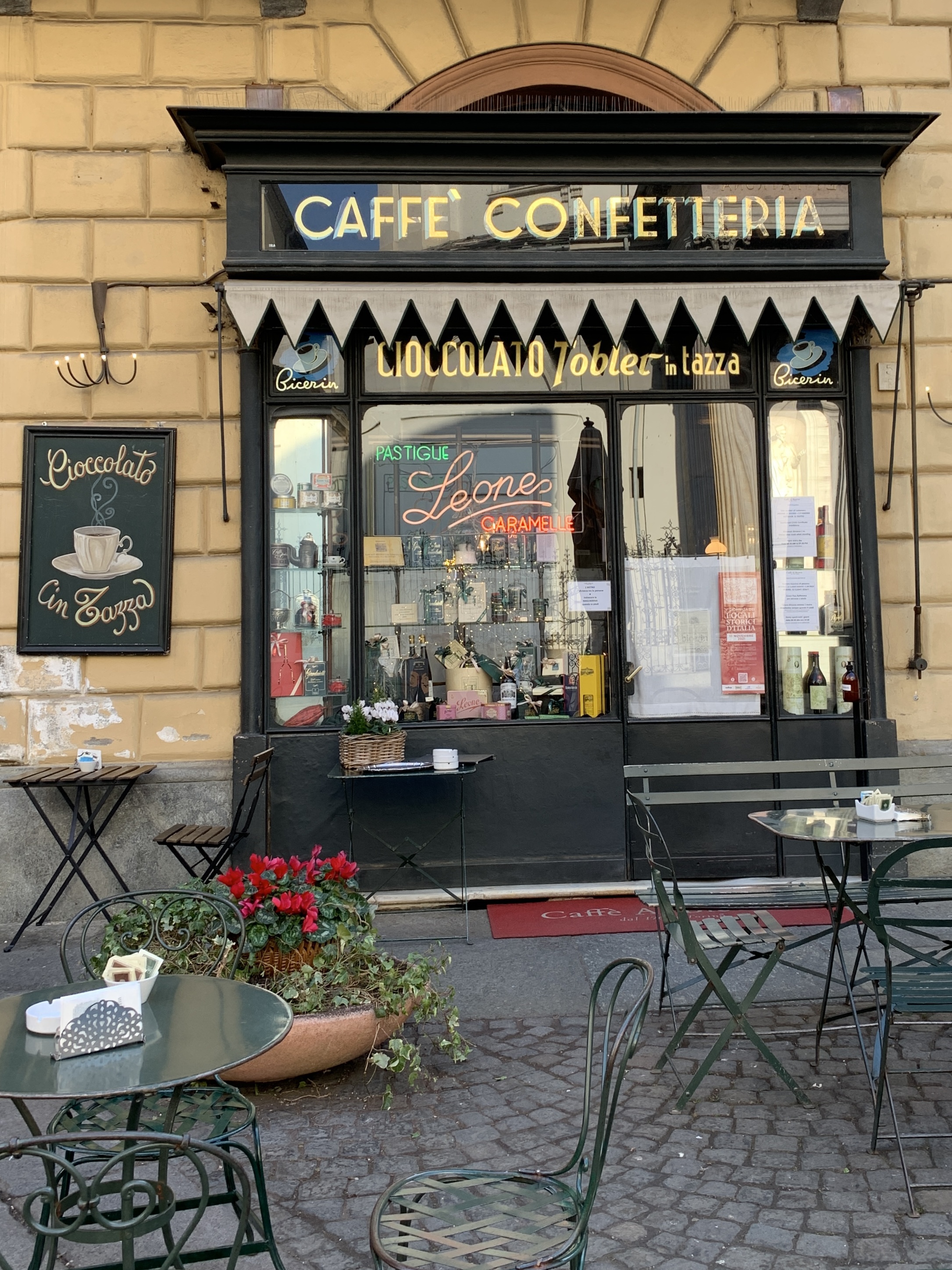
With three days in Torino we managed to indulge a bit in the local café culture, after all Torino is the birthplace of the Lavazza coffee brand (and yes, the city even has a Lavazza museum). A local creation in the coffee circle is Torino’s bicerin, comprised of espresso, hot chocolate, and crema, served as a layered drink. The bicerin quickly became Brigitte’s new favorite drink and she was able to savor it in its birthplace at Café Al Bicerin (founded in 1763, where the likes of Puccini, Umberto Eco and other notable Italian personalities were served). A note on the hot chocolate we had in Torino.. I finally discovered the true meaning of hot chocolate, essentially molten delicious chocolate with viscosity levels on par with a Dairy Queen blizzard (but obviously hot). It was a privilege to indulge in the local offerings in the city that invented the aperitivo, and has an institutionalized café legacy (somewhat reminiscent of Vienna’s). Some of Torino’s most notable cafés are hundreds of years old while others are historic sites, as is the case with Farmacia del Cambio, a former apothecary that became a café.


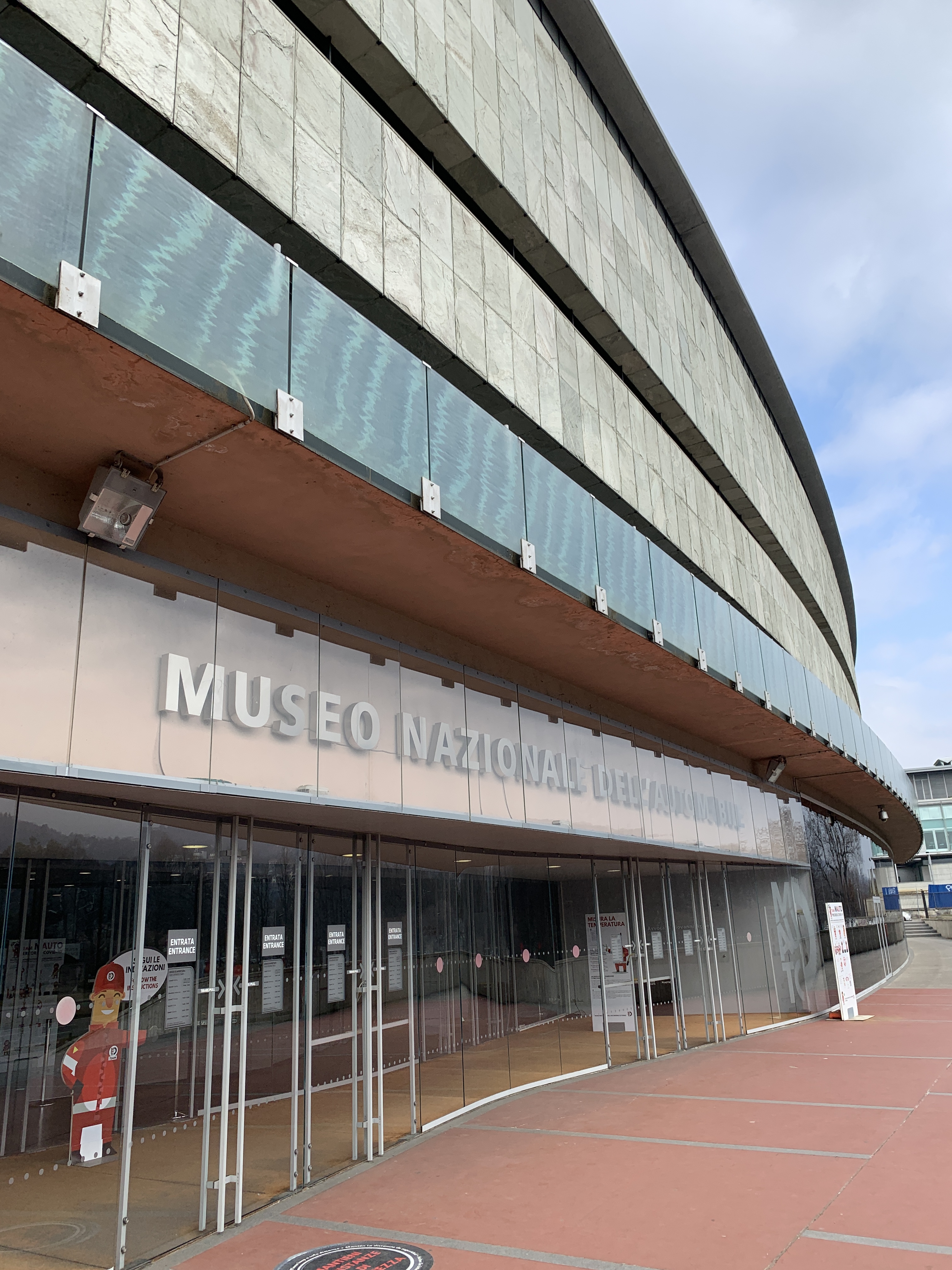
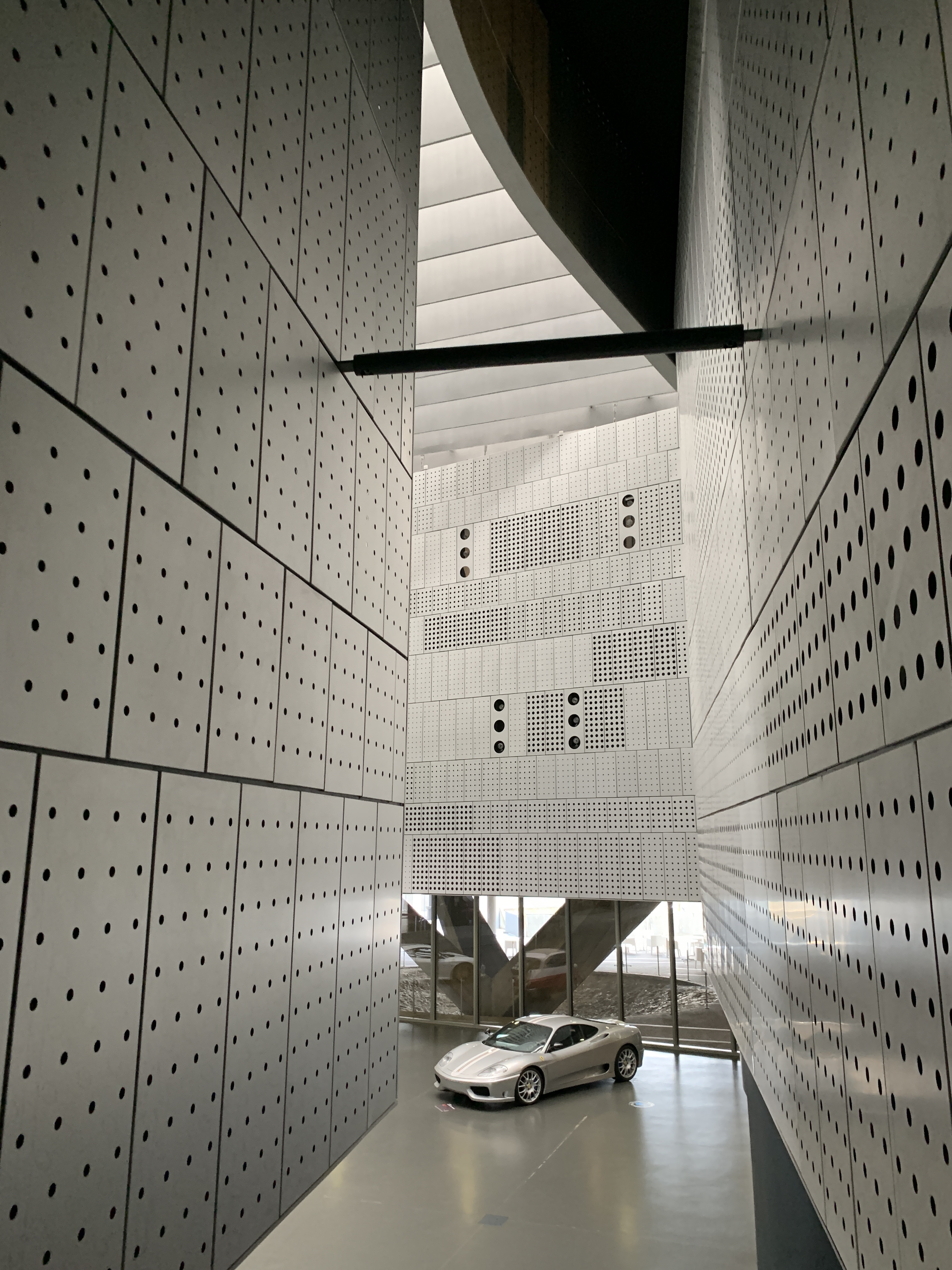
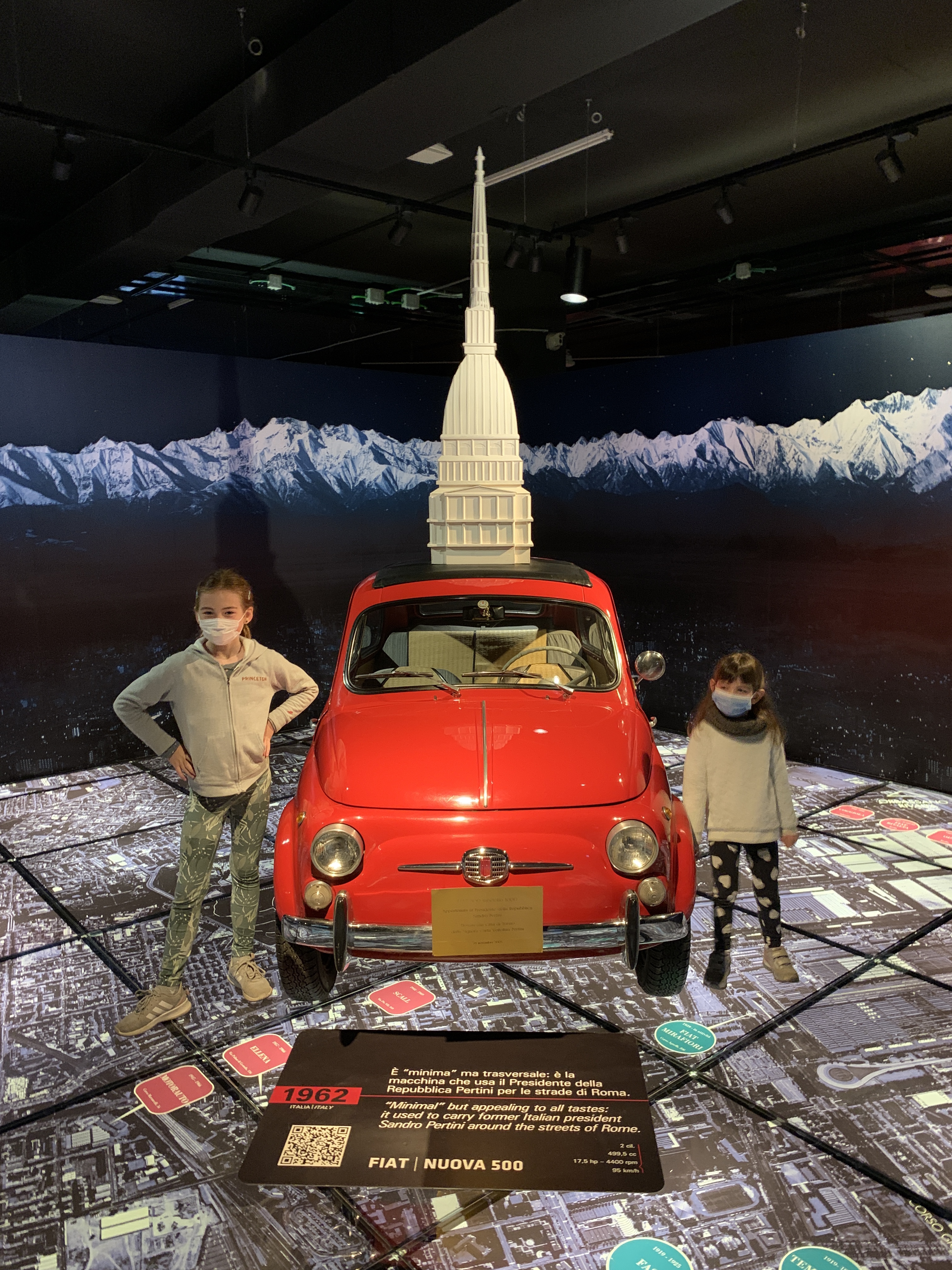
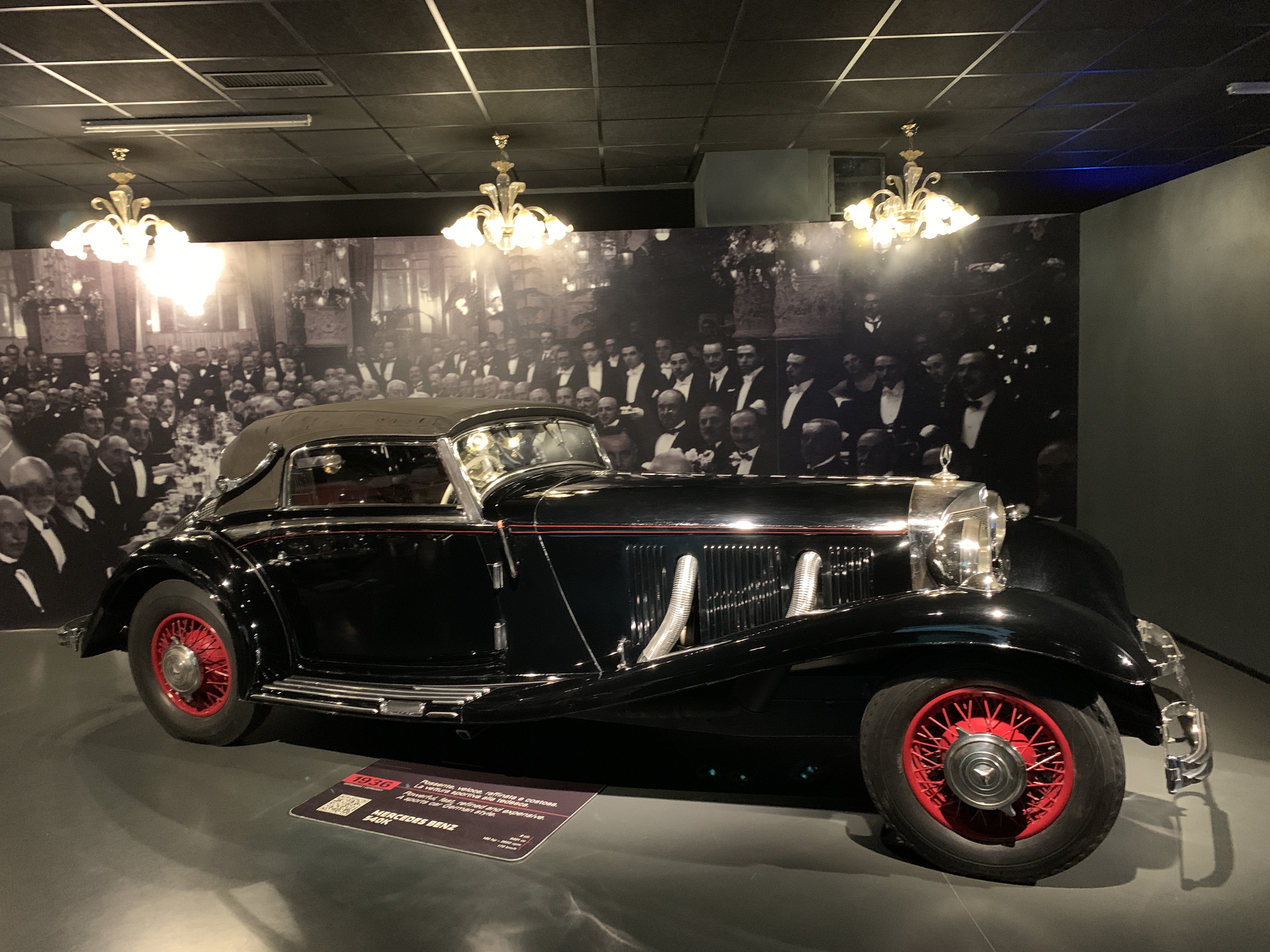
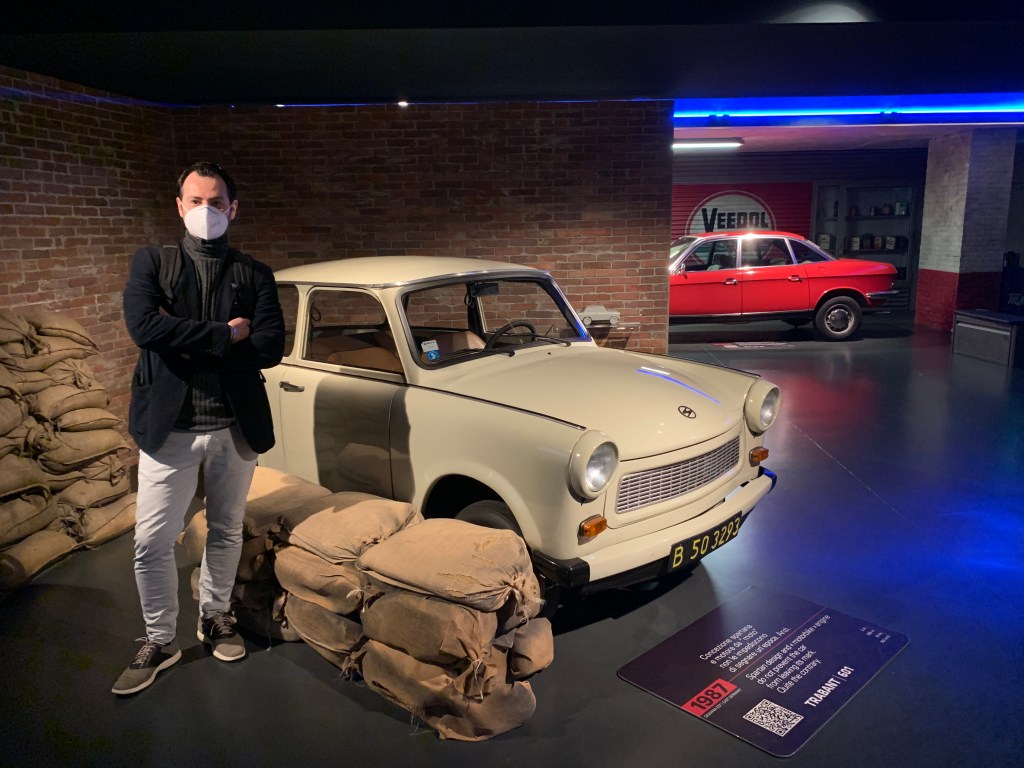
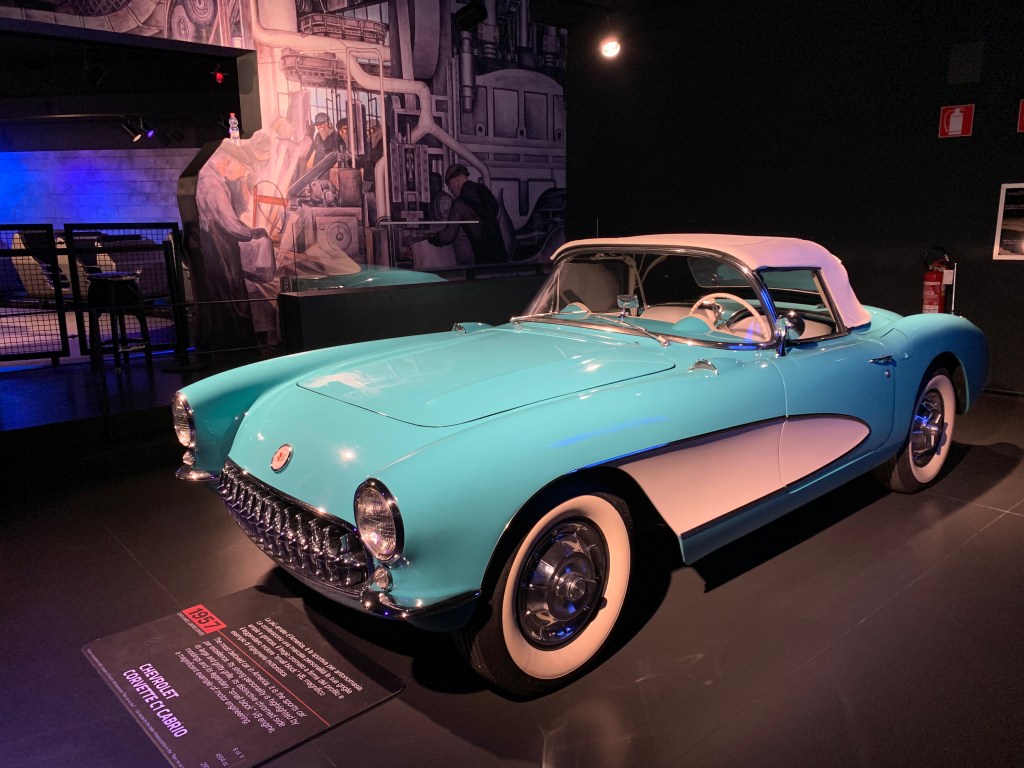
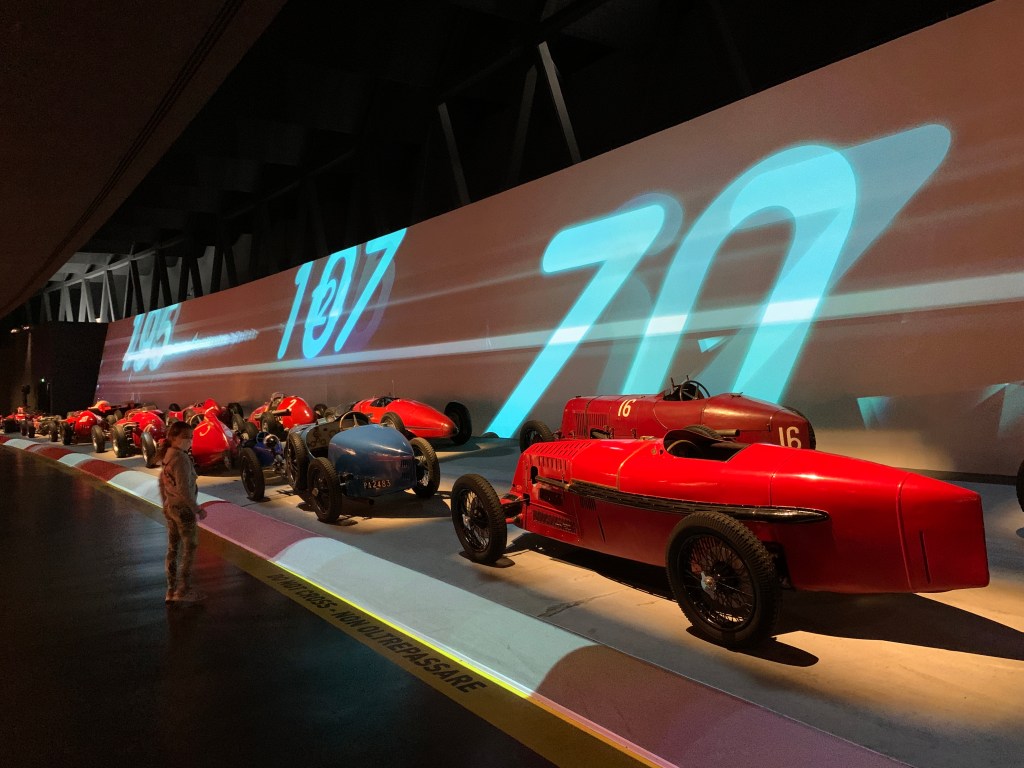
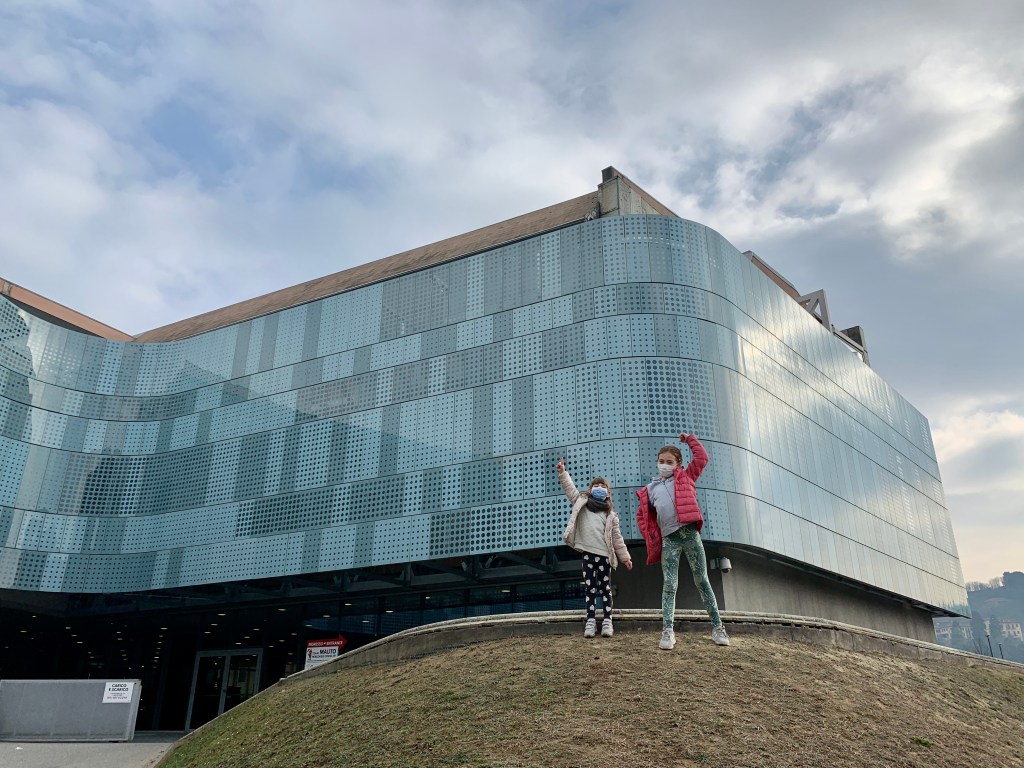
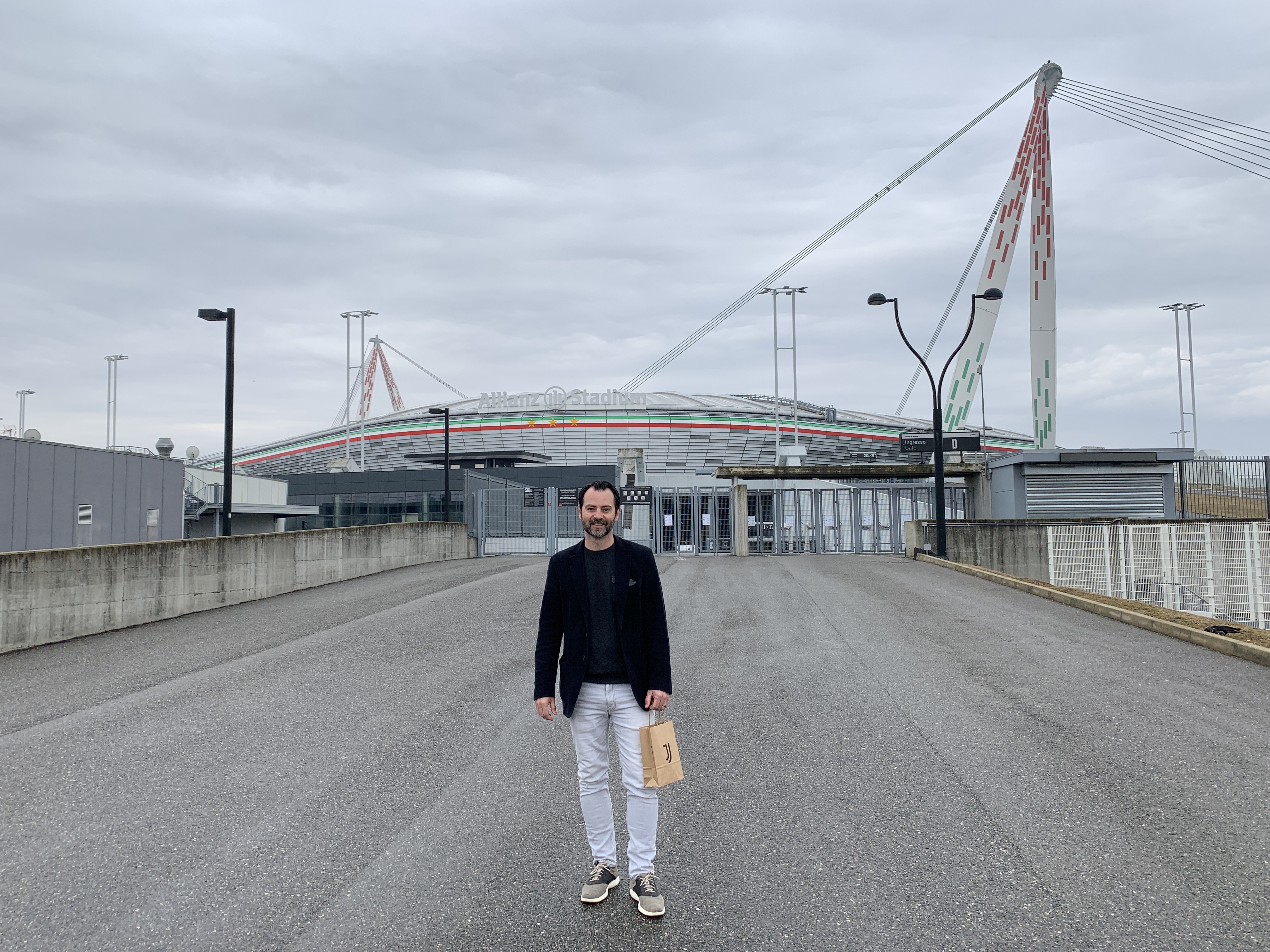
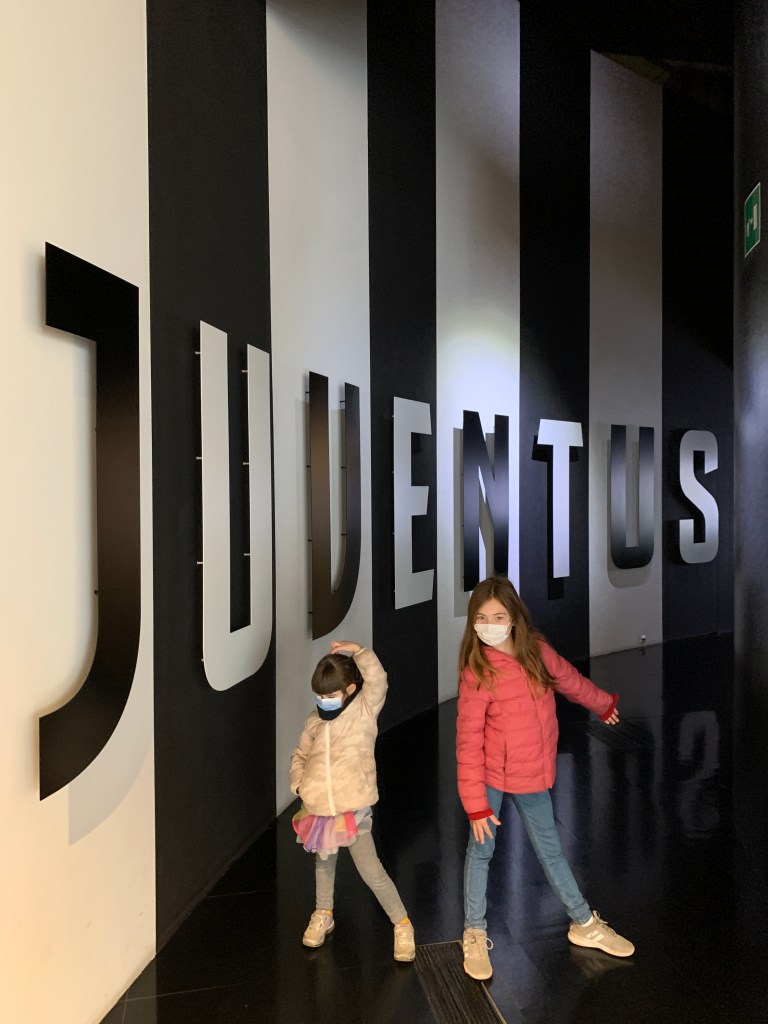
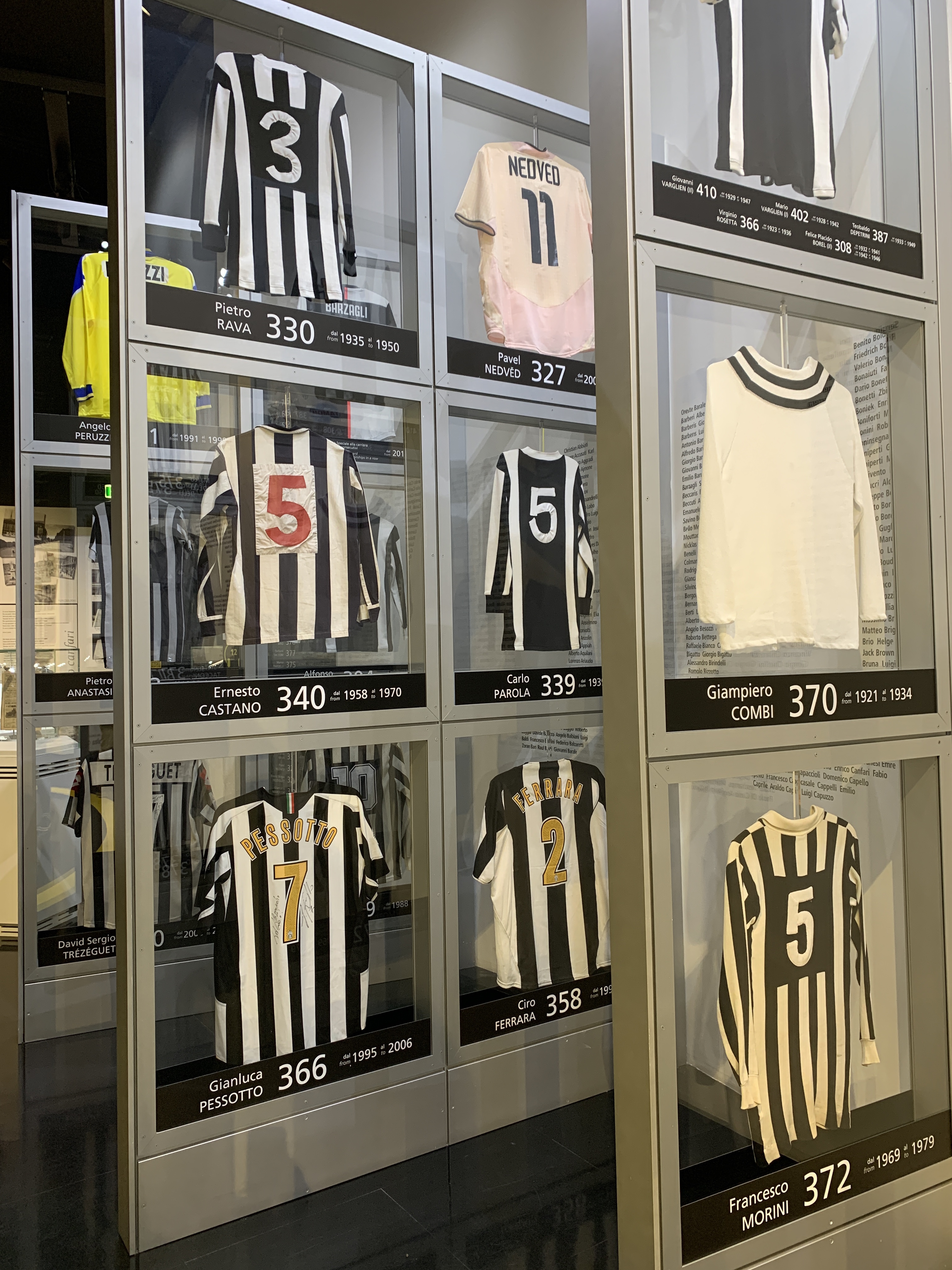
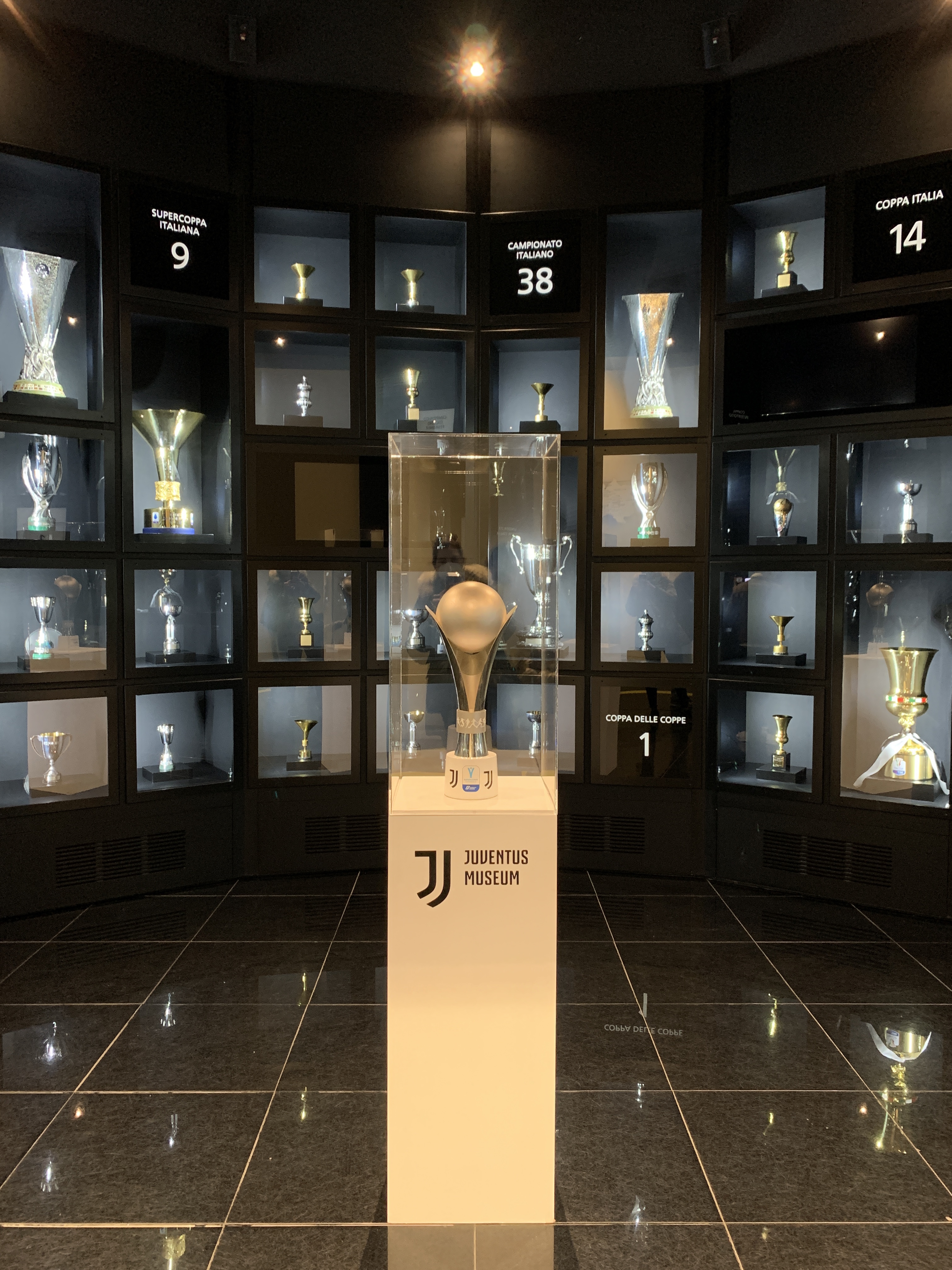
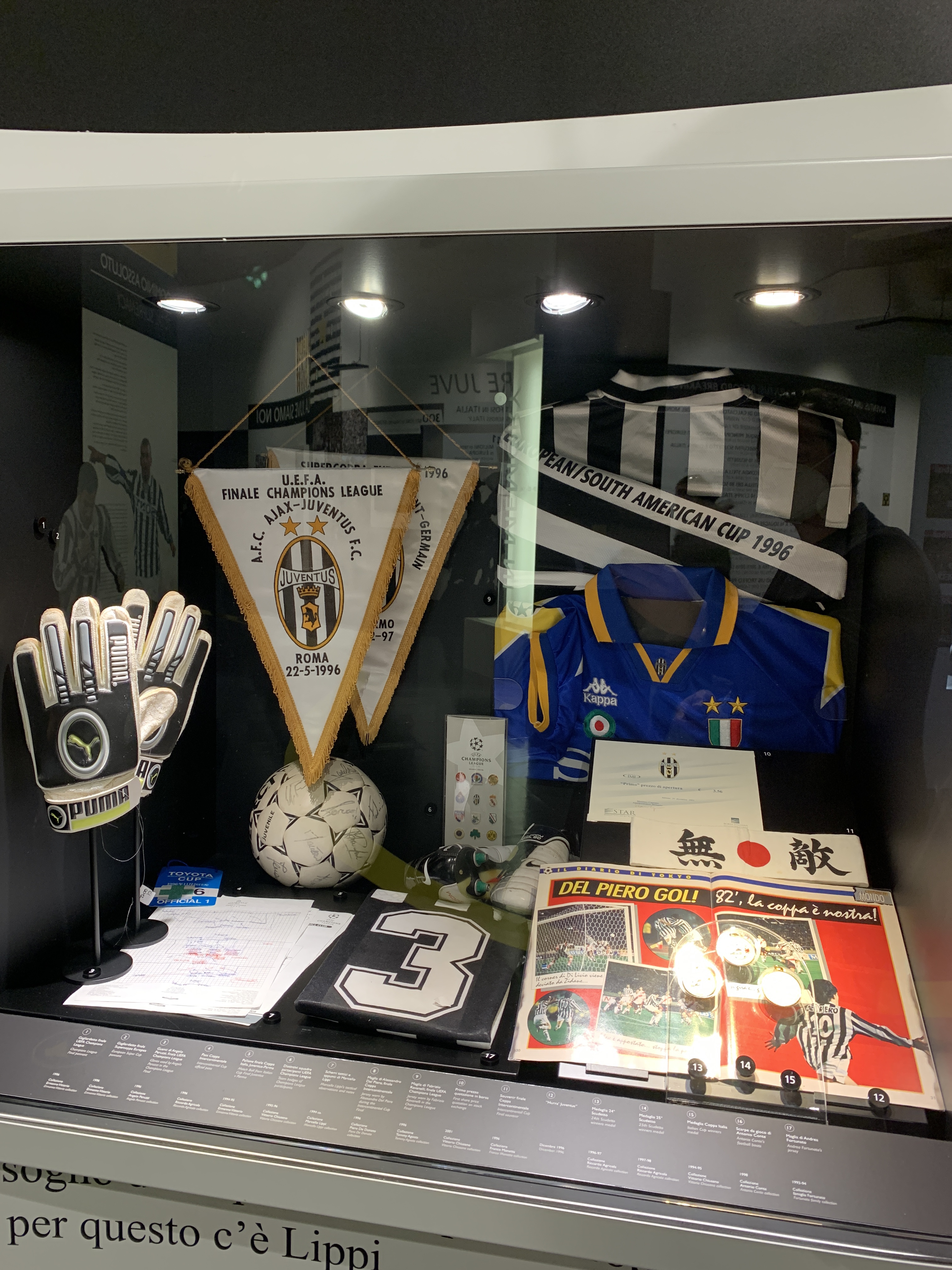
One of the places, two really, I personally was interested in visiting before leaving Torino were the Museo Nazionale dell’Automobile (aka national museum of automobiles or MAUTO), and the Juventus Museum. Torino gave the world FIAT automobiles and it gave Italy its most decorated Italian soccer club (Juventus). Similar to FIAT in having gained world acclaim, so has the zebra-like calcio club that’s mastered winning championships, domestically and internationally alike. The MAUTO was impressive on many levels, from the collection of vehicles (200+ cars representing 80 different brands), to the actual vignettes, and the magnitude of the place. The museum was initially opened in 1960 and was dedicated to FIAT founder Giovanni Agnelli. Juventus’ museum (located at their stadium), served as a walk through the high achieving club’s history as a dominant force that’s been home to some of the world’s finest players over the decades. As a soccer fan who’s followed Italy’s Serie A for many years (but not necessarily a Juve fan), experiencing the museum was still a big honor for me.
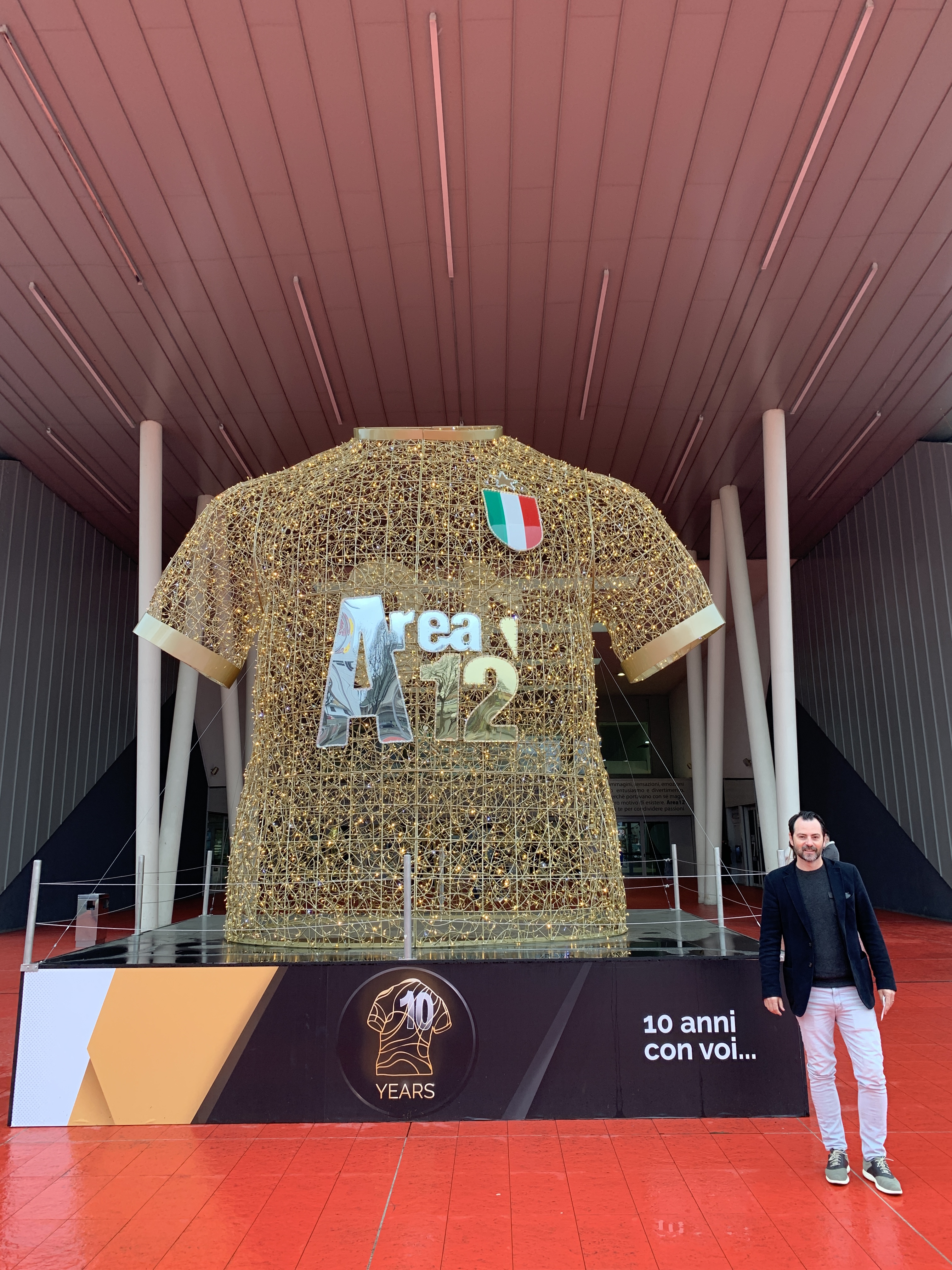
As our time in Italy came to a close, it was back to France for a week in the Alps with our friends Laetitia and Loïc and their boys. To the snow we go!
 Our Provençal Year