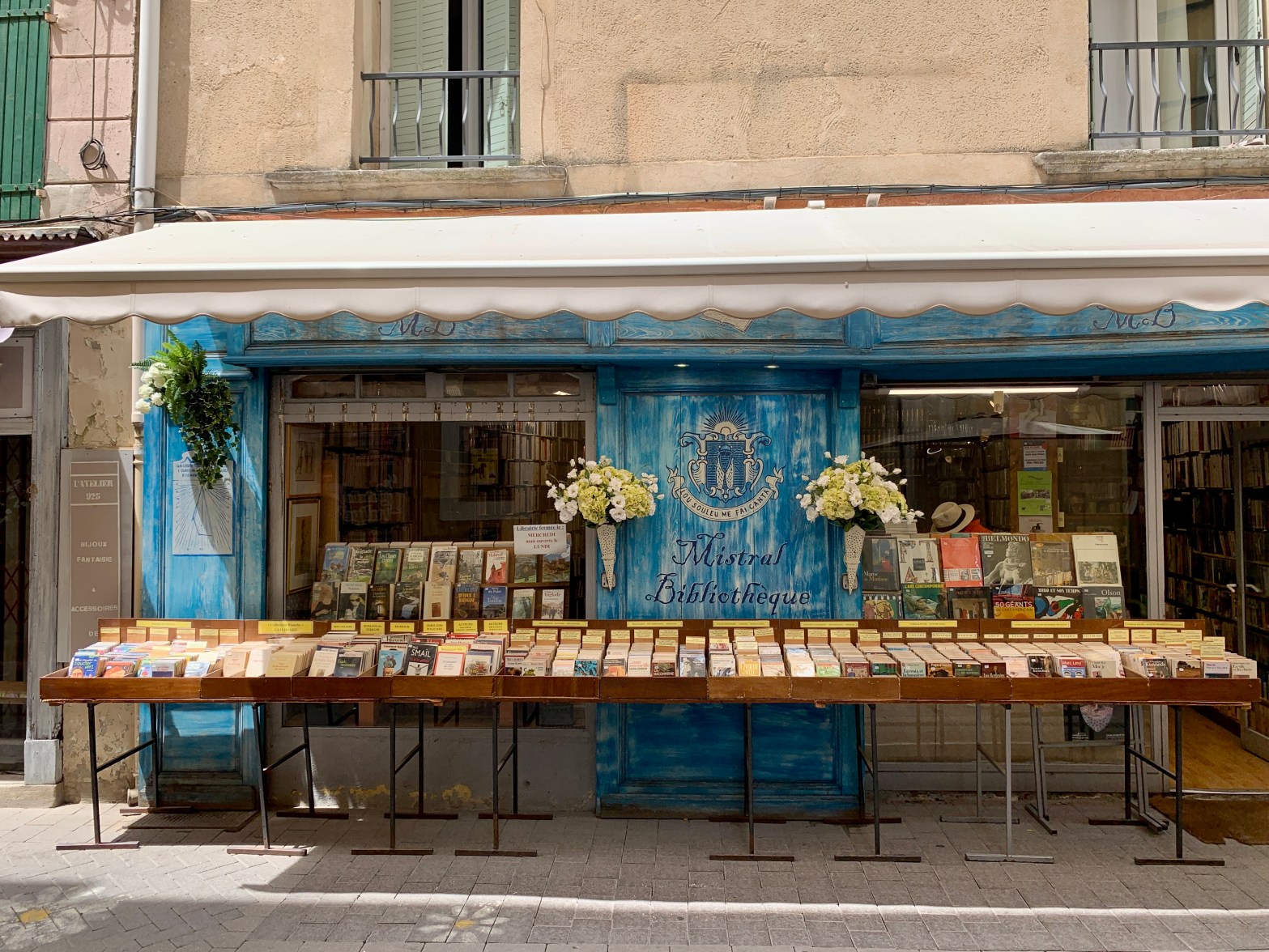
My mother came to visit us last Fall and, before returning to the US, asked if she could visit again early summer. She was already planning her next France trip, making up for lost time and travel during the Covid-19 pandemic. Provence had always been a highlight for her serving as the backdrop and destination of numerous art trips she had taken over the past several years. As an artist, she adored the colorful and aromatic landscapes and drew inspiration for some of her projects. Now, there was even more reason to visit and we planned for her stay in early June.
Provence as we know it has incredible charm, myriads of picturesque villages and bucolic landscapes defined by olive groves, lavender fields and vineyards. It’s a place where the essence of taking it slow and being wowed by things you see and feel comes to life. It’s no wonder millions of people visit the region every year and many return time and time again. By June it gets pretty hot which translates into “tourist season” kicking into gear. Nevertheless, Provence’s tapestry of all things wonderful has experiences for everyone. With my mom now here, we planned to get away for a long weekend and venture into the heart of Provence where landscapes are transformed into fantasy scapes and villages are dubbed “most beautiful” in France. The specific region within Provence we set out for was Luberon which sits in the heart of Provence (just East of Avignon), and leads the charge in terms of Provence’s unforgettable landscapes, villages, and amazing wines. Good wine alone would have been enough to motivate my visit but it’s always great to know there’s lots more to do and see!
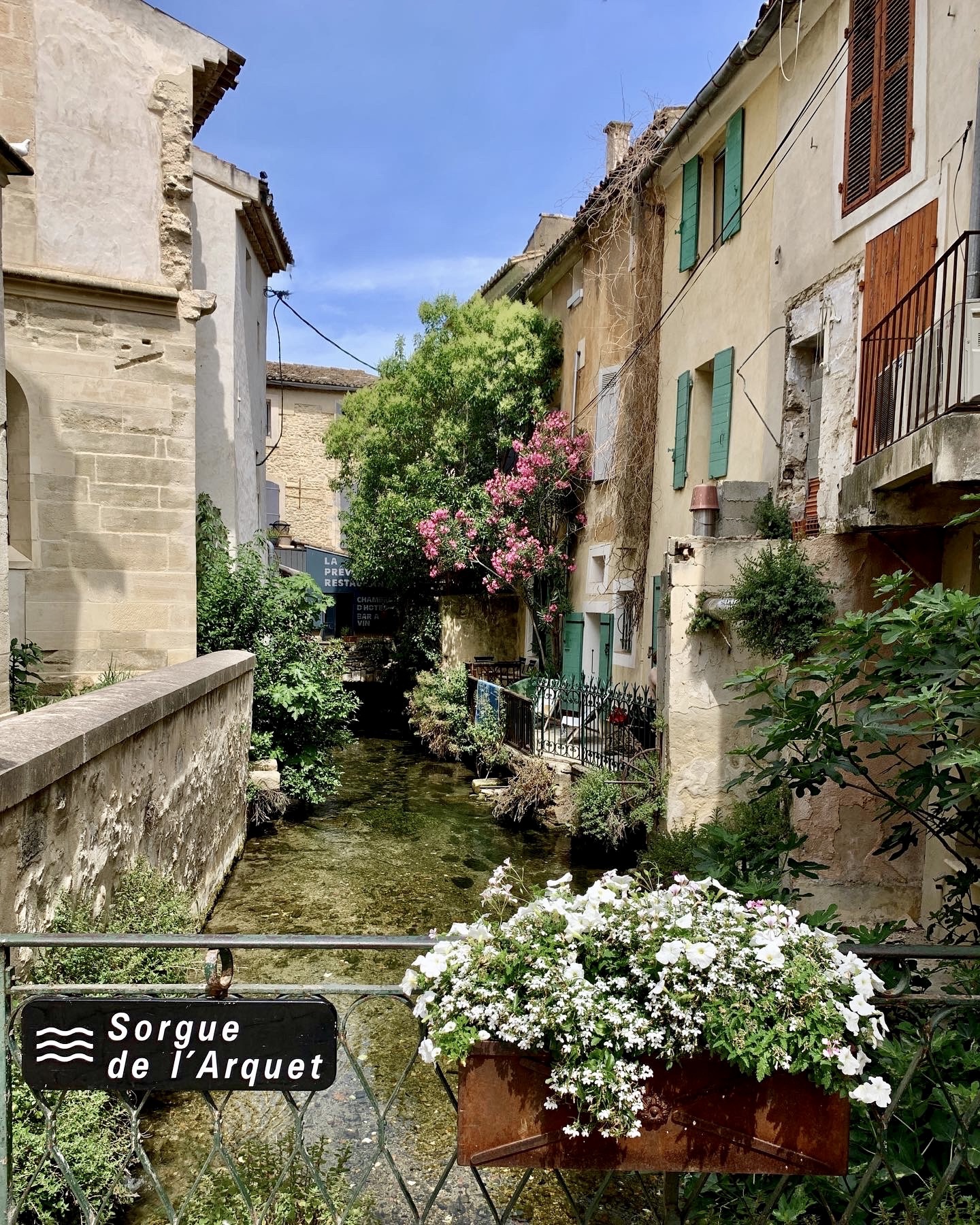
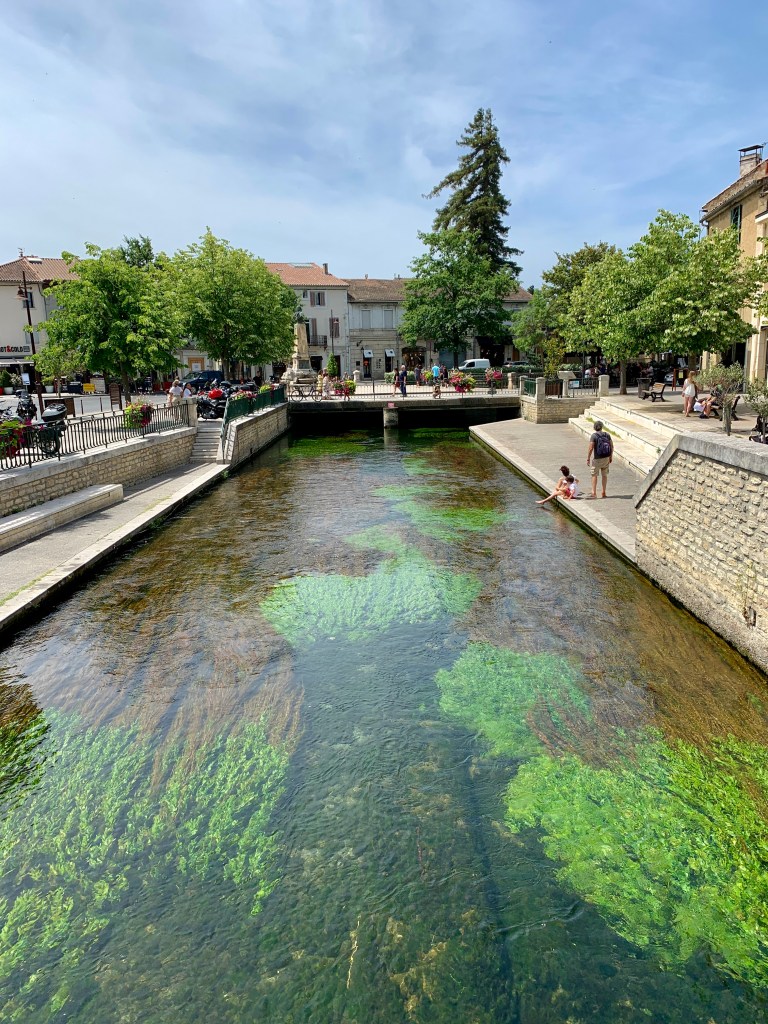
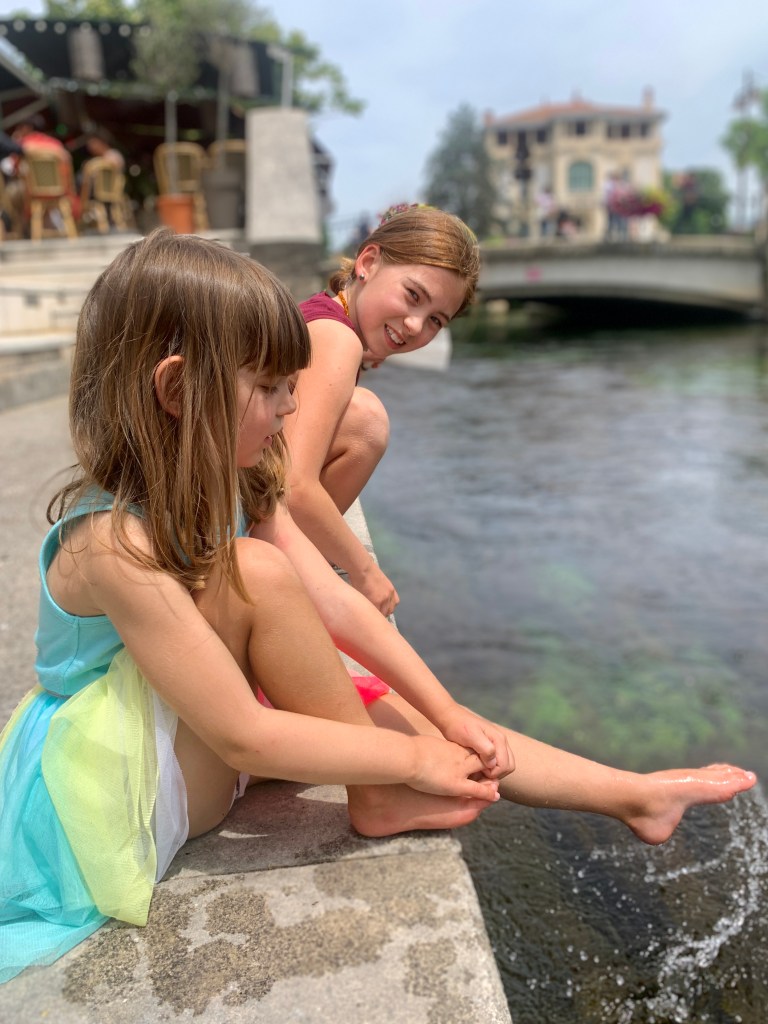
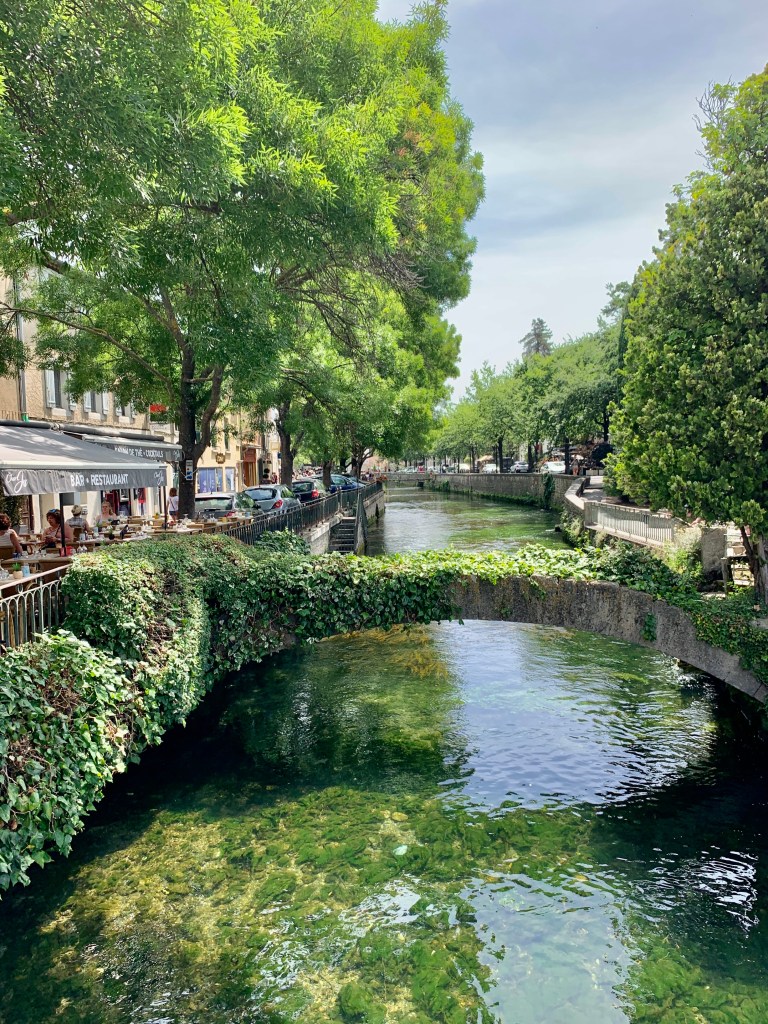
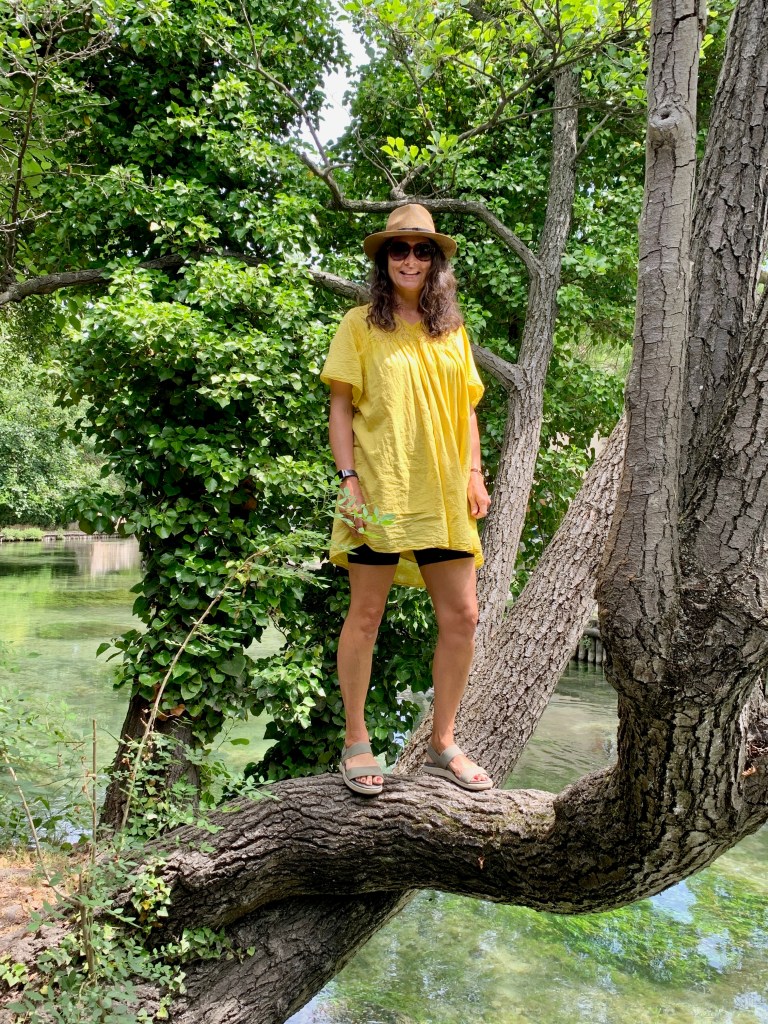
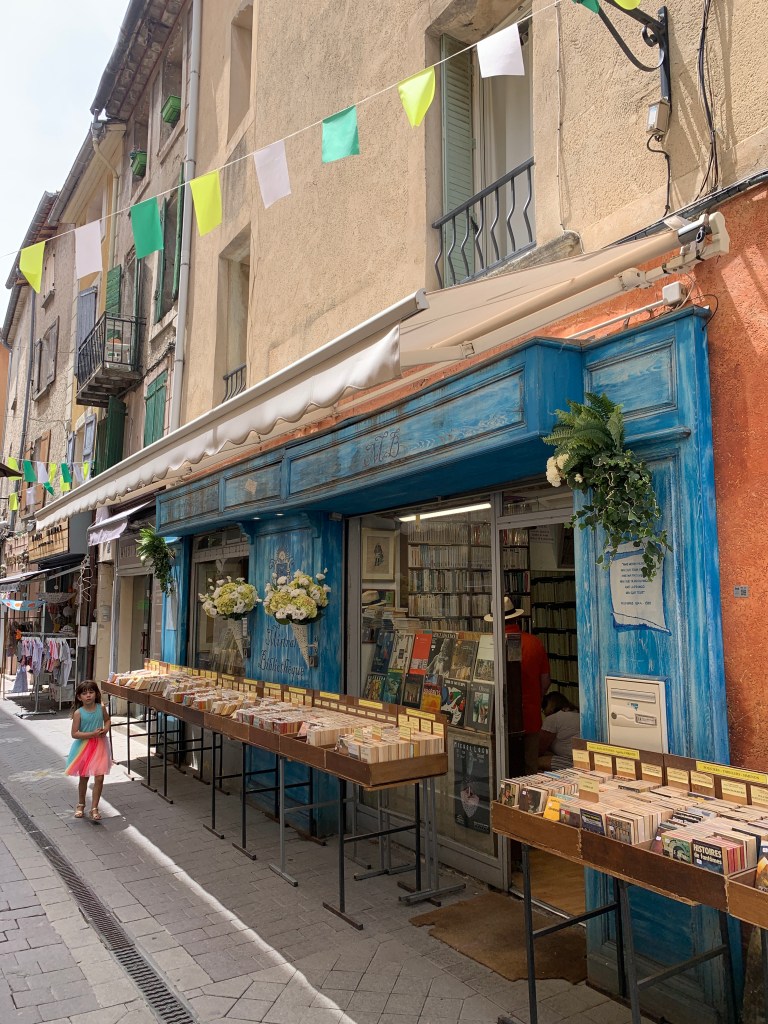
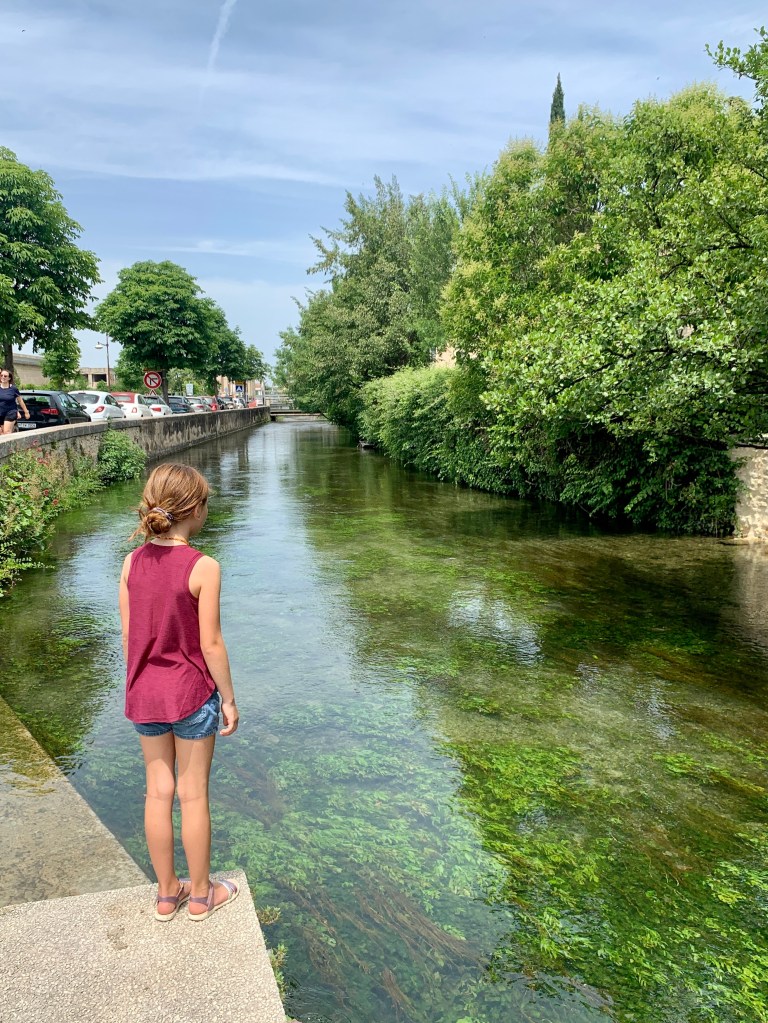
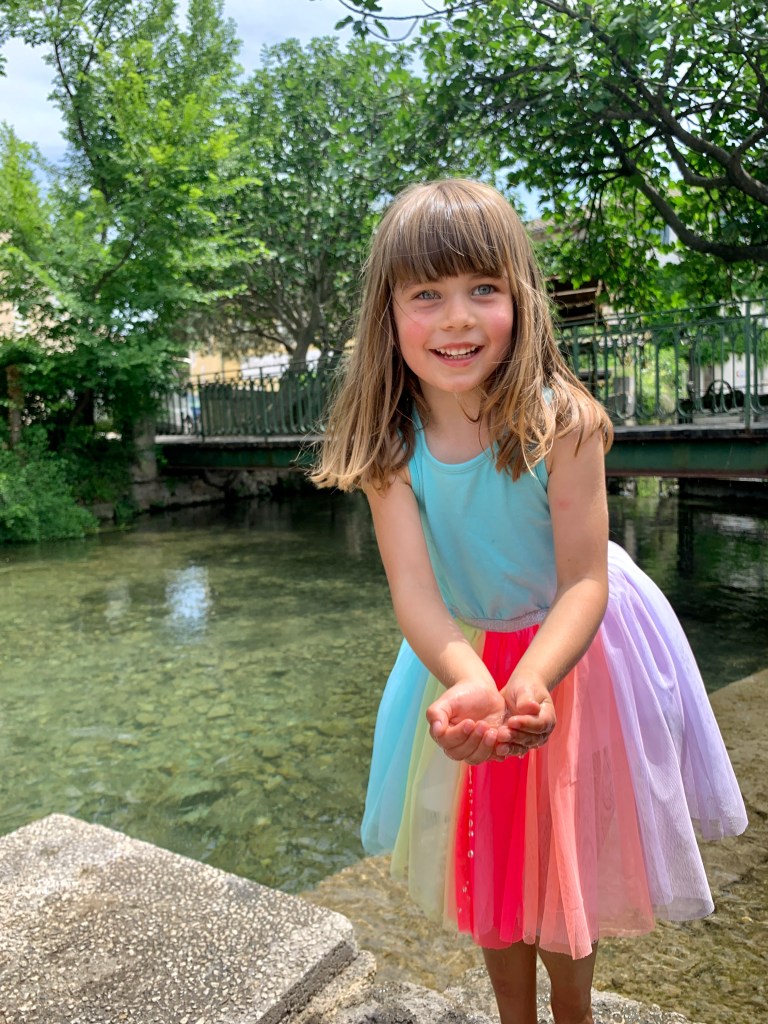
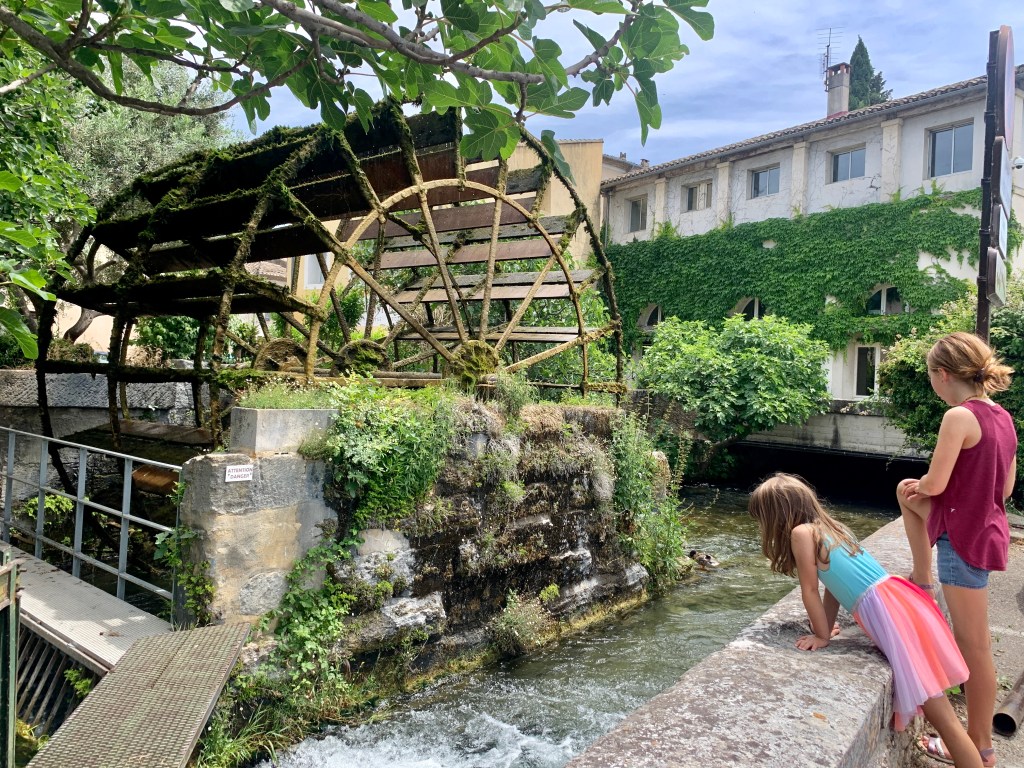
L’isle-sur-la-Sorgue was our first stop and introduction to the Luberon region. As the name implies, the island village is surrounded by the Sorgue river whose canals are accentuated by old water mills still in rotation today. Although their duty for the silk and paper industries (of the 18th and 19th centuries respectively), has long passed, they speak of their historical value and offer a window into the town’s past. The colorful village, lined by numerous waterfront cafés and restaurants, bustled with visitors and emanated an early summer vacation vibe. After lunch on the riverfront, we continued our tour of L’isle-sur-La-Sorgue and let the canals guide us along their green tree-lined paths.

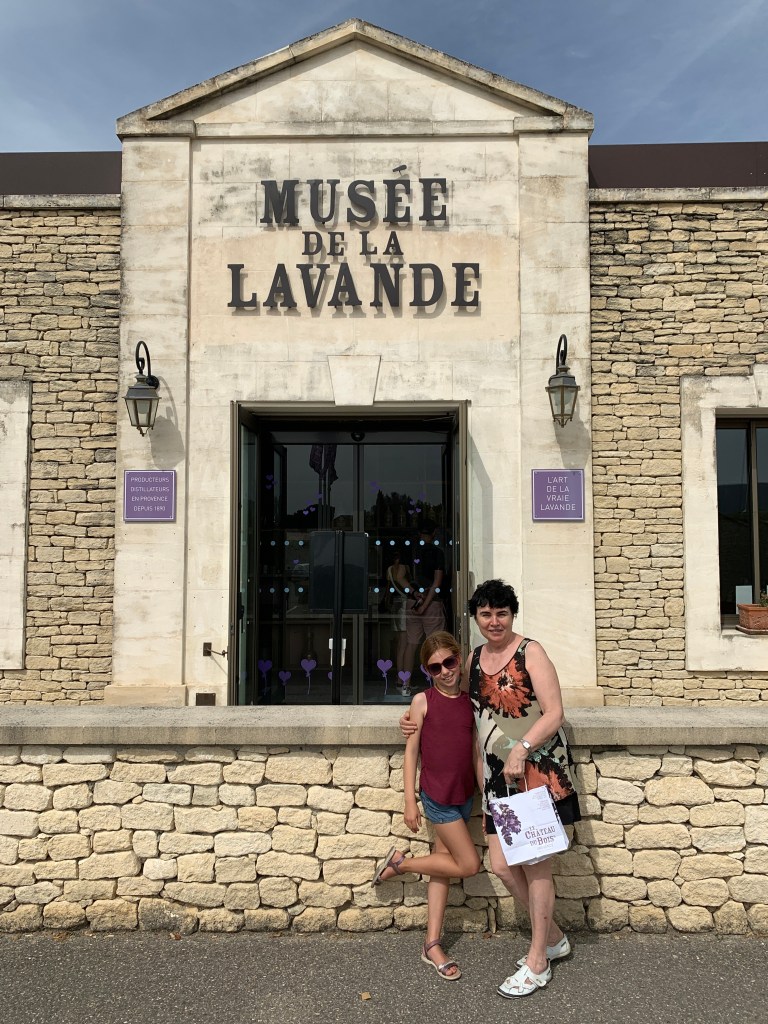
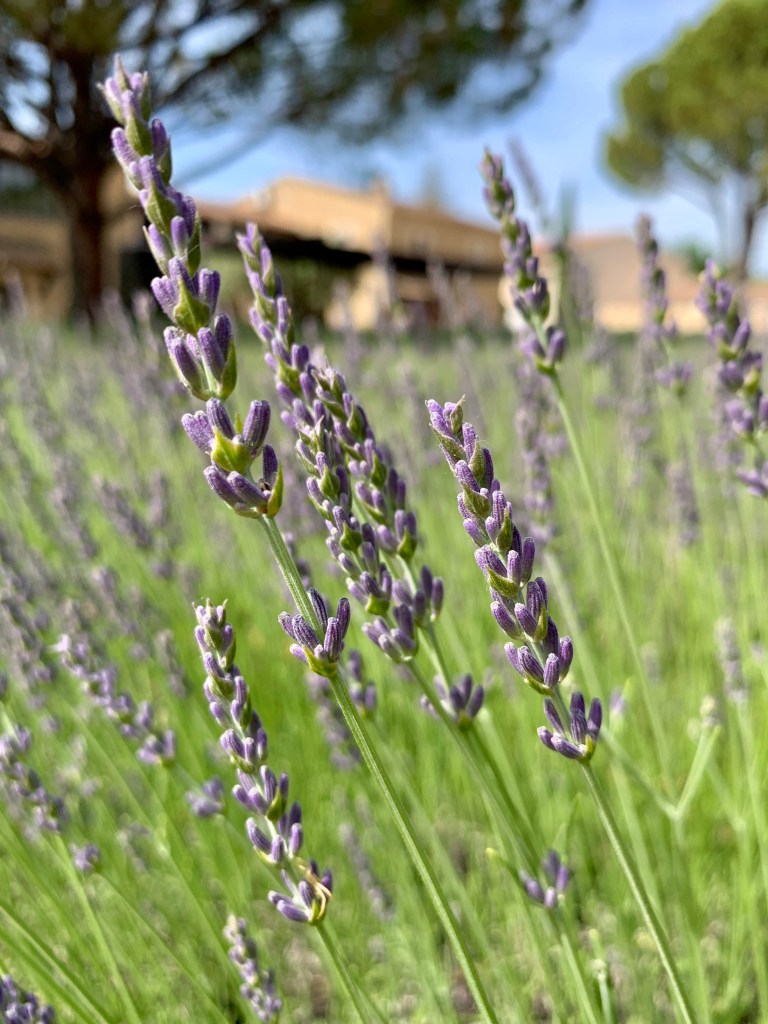
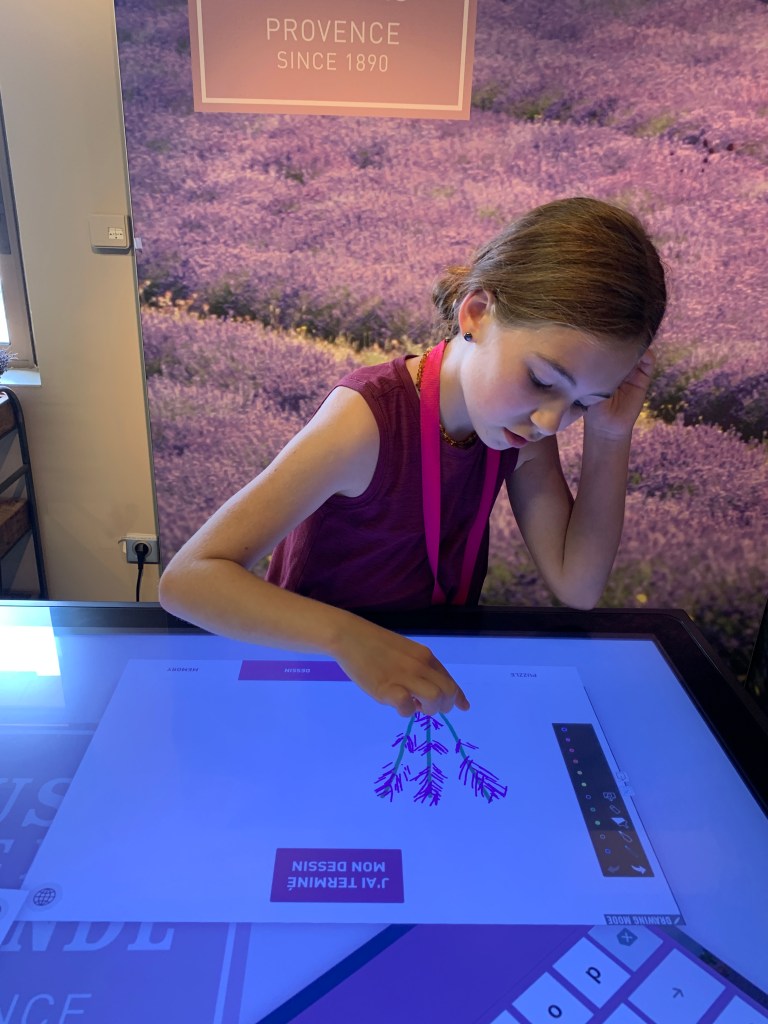
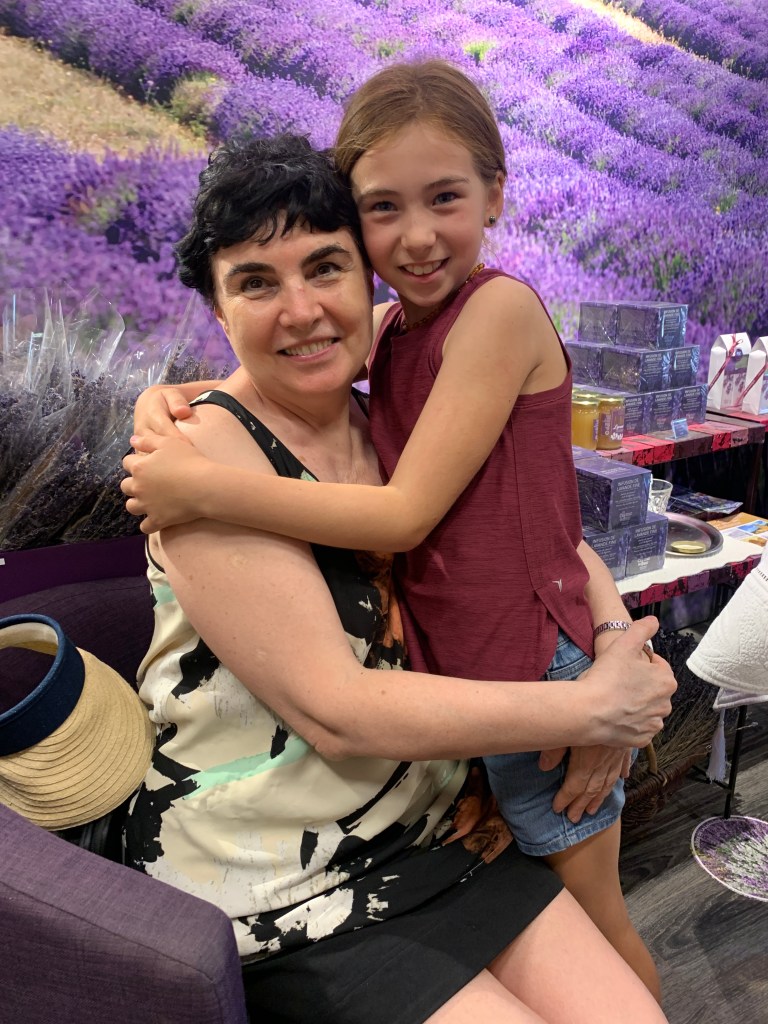
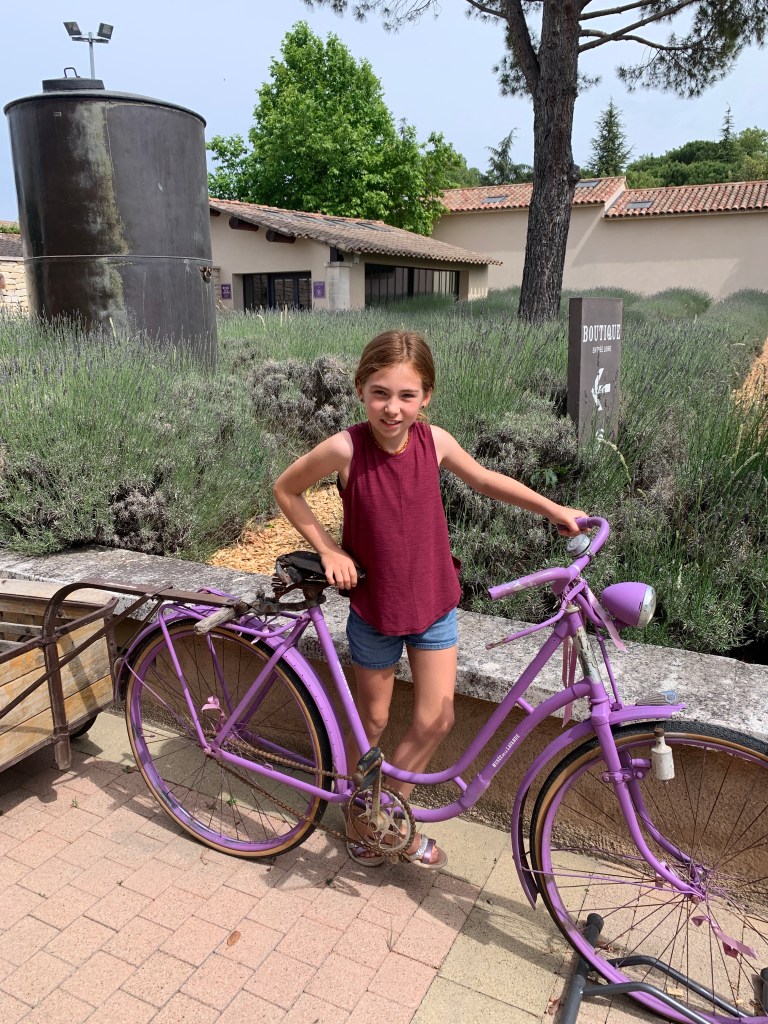
From-L’isle-sur-la-Sorgue it was only a 12-minute drive to Luberon’s renown Lavender Museum, located in the town of Cabrières-d’Avignon. This was our next endeavor, a chance to learn about the history of lavender in Provence, it’s everyday uses and benefits, and how there are actually two types of lavender (lavande fine and lavandin). The difference is, lavande fine grows at a minimum altitude of 800-meters (~2,500 feet), and boasts wellness or therapeutic benefits, from calming properties to lavender honey aiding with a sore throat. Lavandin on the other hand, is a hybrid and grows between sea level and 800-meters, and is widely commercially used. It bears no health benefits and products derived from lavandin are far cheaper than products made with lavande fine. During our visit of the museum it dawned on me that most “lavender” products sold at souvenir shops all across France, primarily comprise lavandin, the lesser of the two purple plants. But as anyone who’s seen those expressive mauve fields around Provence can attest, lavandin does make for a beautiful backdrop. The one of a kind museum offered us a good lesson in all things lavender and heightened our level of appreciation for the plant even more.
Stay tuned for Part 2 and more Provençal adventures!
 Our Provençal Year