The ferry crossing from Palma de Mallorca to Barcelona lasted 7 hours. We didn’t exactly plan for this but as our original ferry (a 5-hr crossing), got cancelled with a day’s notice, we were left with little choice but to accept the longer trip. As fortune would have it though, we were able to get a cabin (at no cost), showing that sometimes if you ask nicely you may get what you want. This made the ride more comfortable, so thanks again reception lady on Trasmed’s Ciudad de Palma ferry!
We would only have a weekend to spend in the city of 1.7 million, Spain’s second largest (after the capital, Madrid). With a concise plan and beautiful weather at hand, we planned on seeing some of the city’s historic sites along with its architectural marvels, notably the works of Antonio Gaudí, the hometown’s famous architect. Barcelona is set on Spain’s eastern coast facing the Mediterranean Sea and is the capital of the autonomous region of Catalonia. With autonomy and a different sense of identity from the rest of Spain, Catalonia also comes with its own language (Catalan), which is not a derivative of Spanish. It is in fact a language in it of itself classified under the Romance languages category. So when in Catalonia, the signs are all written in Catalan first and then Spanish (or Castilian), in most places.
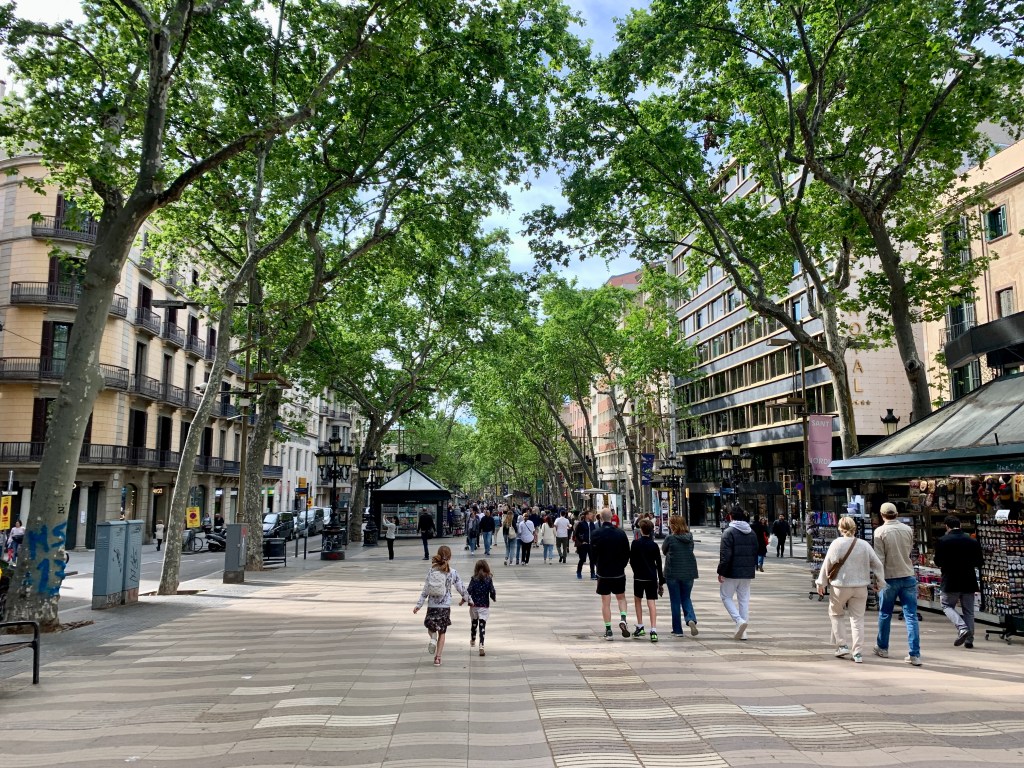
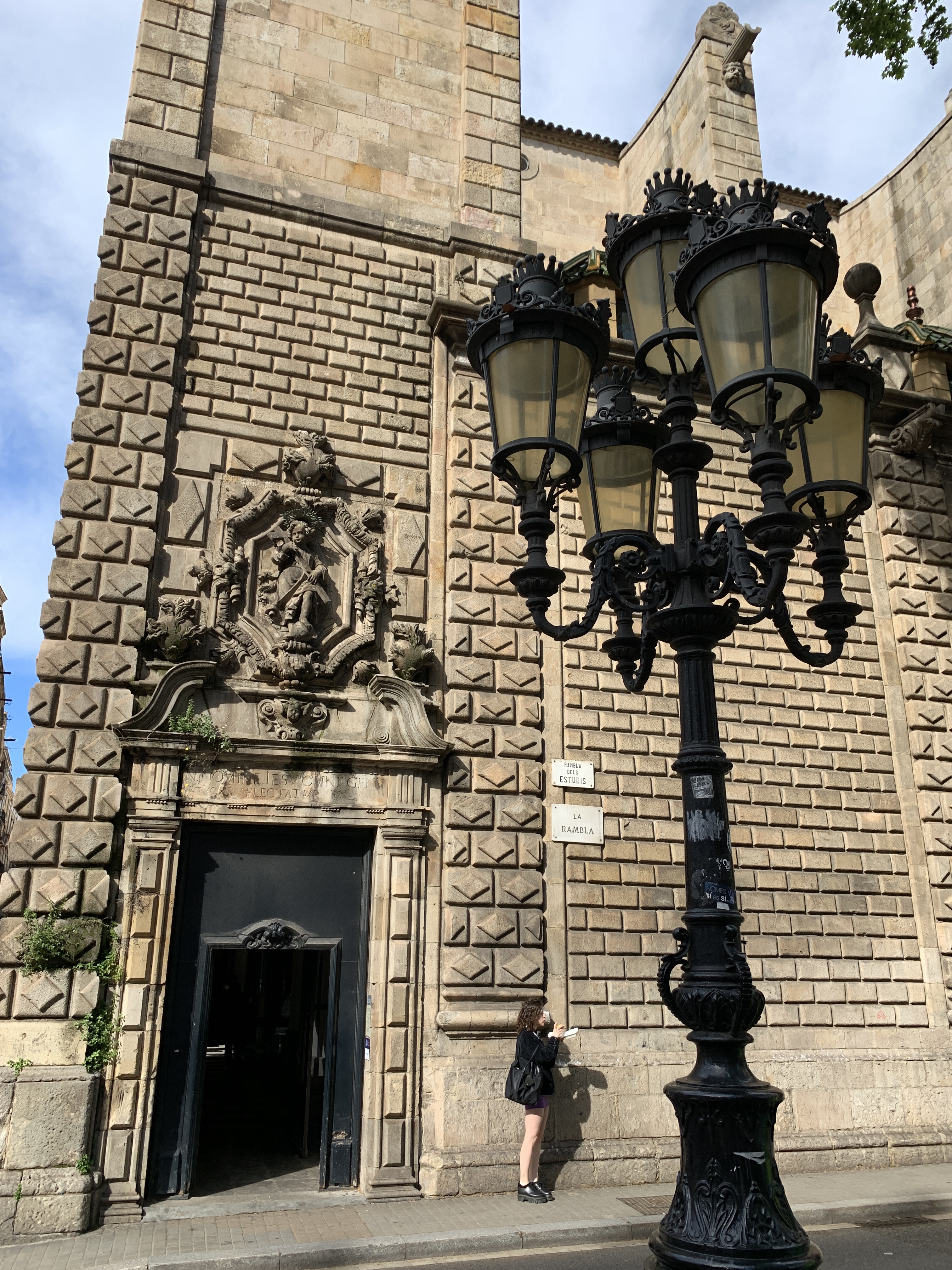
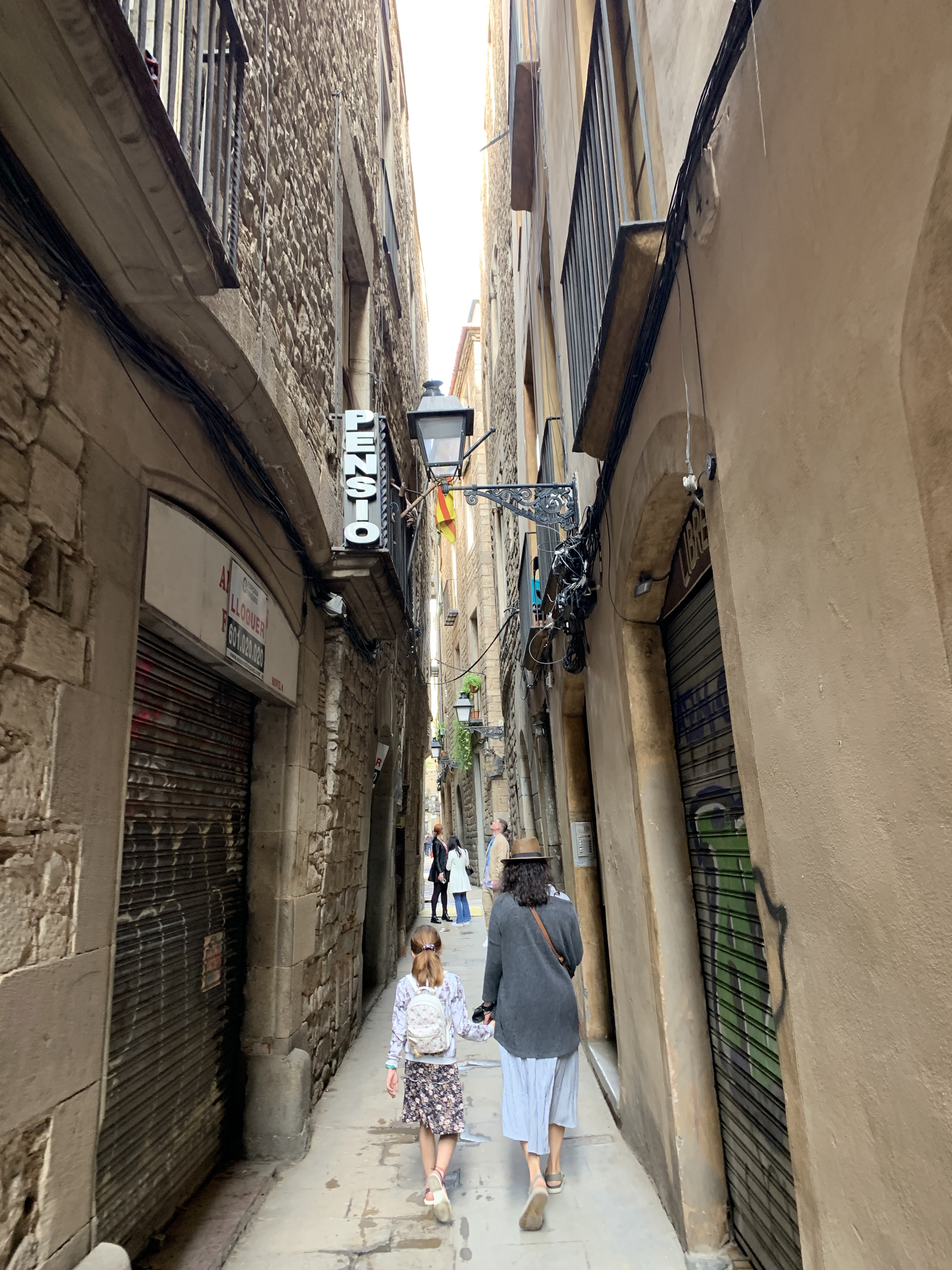
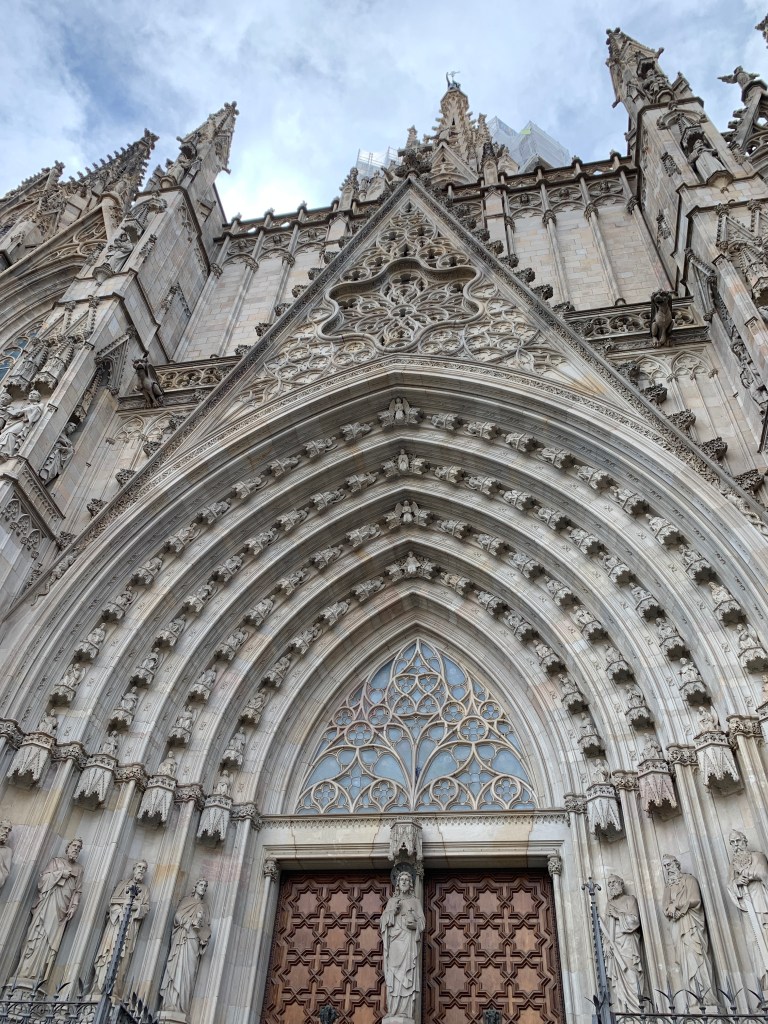
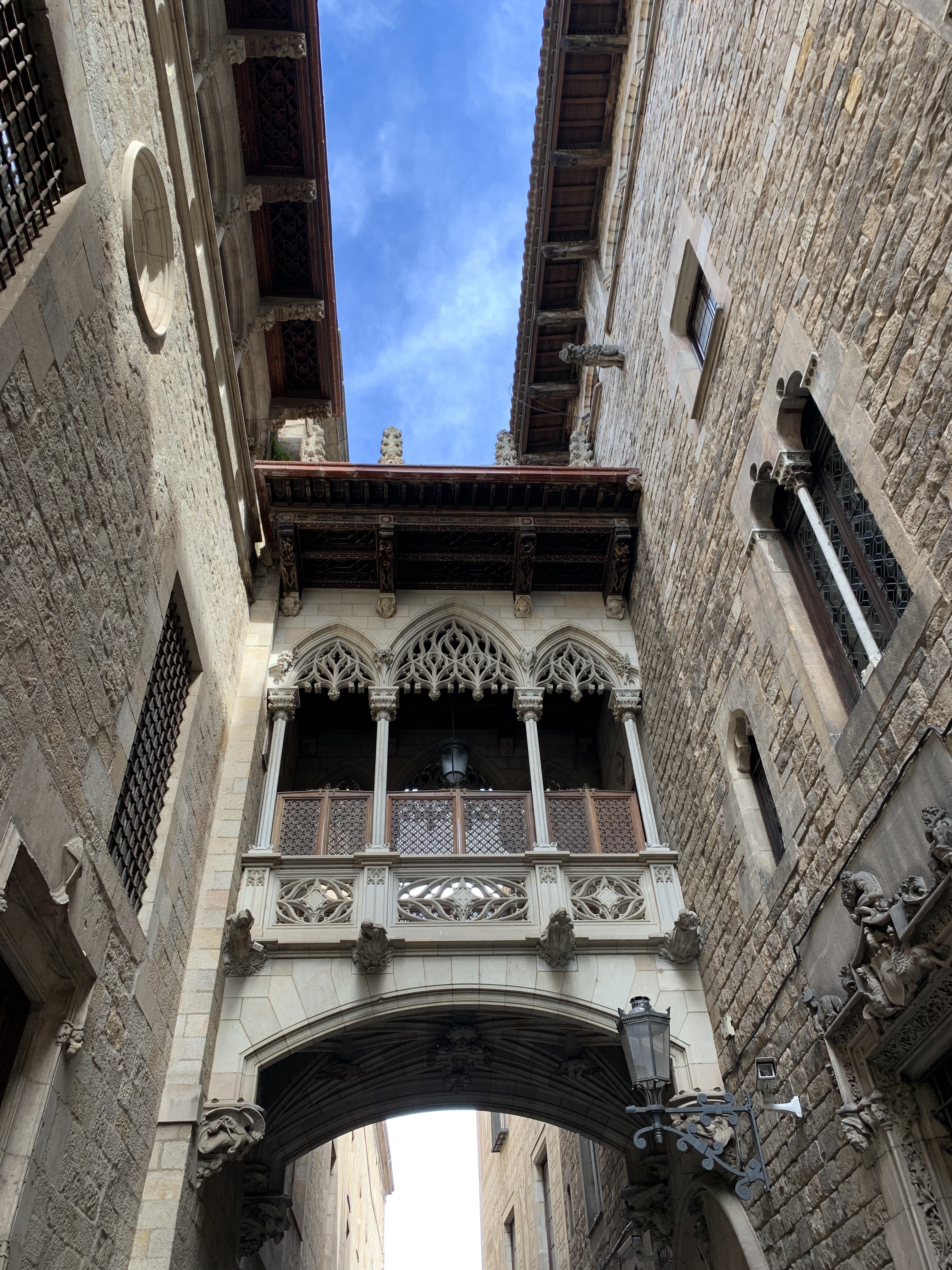
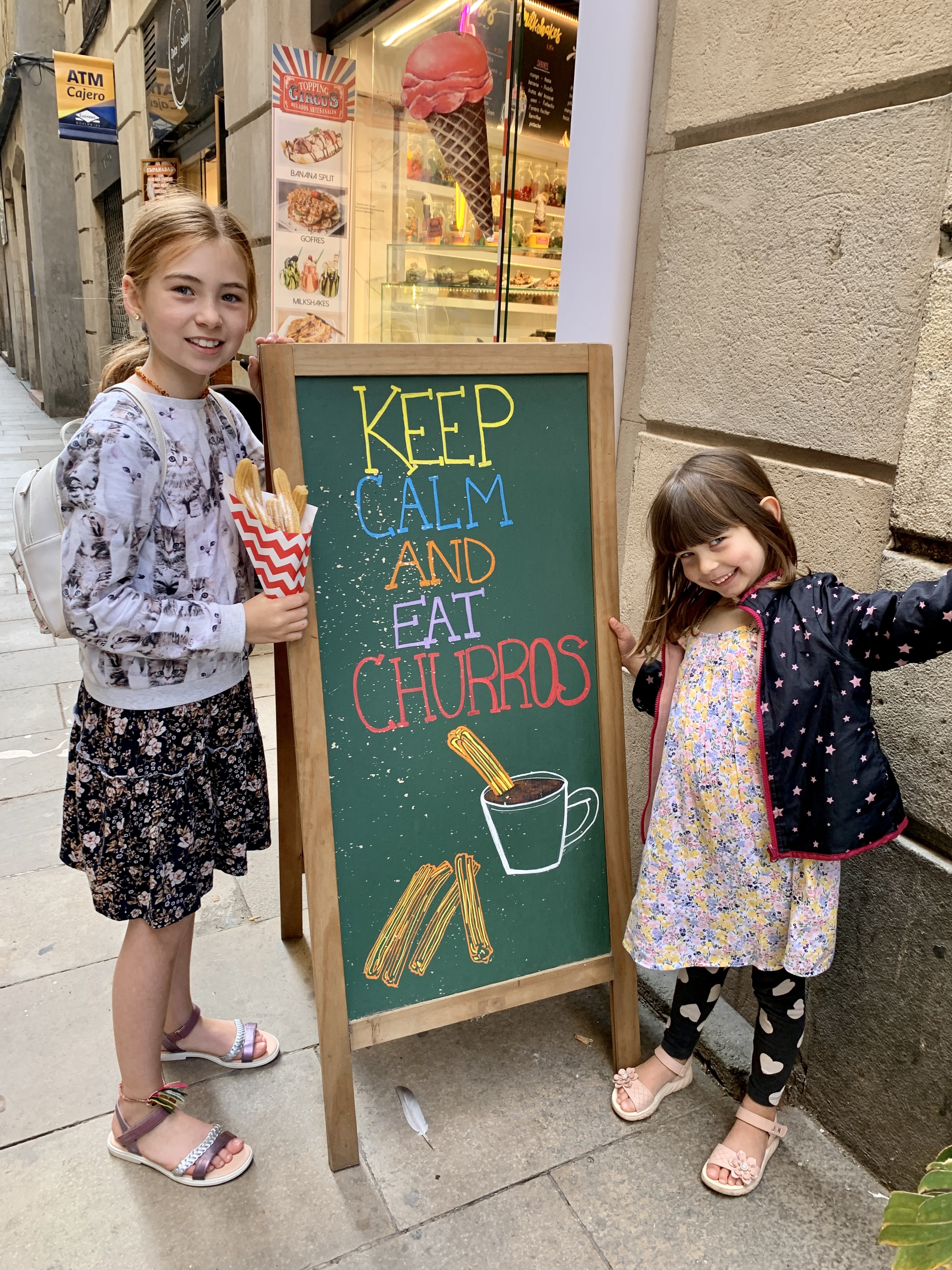
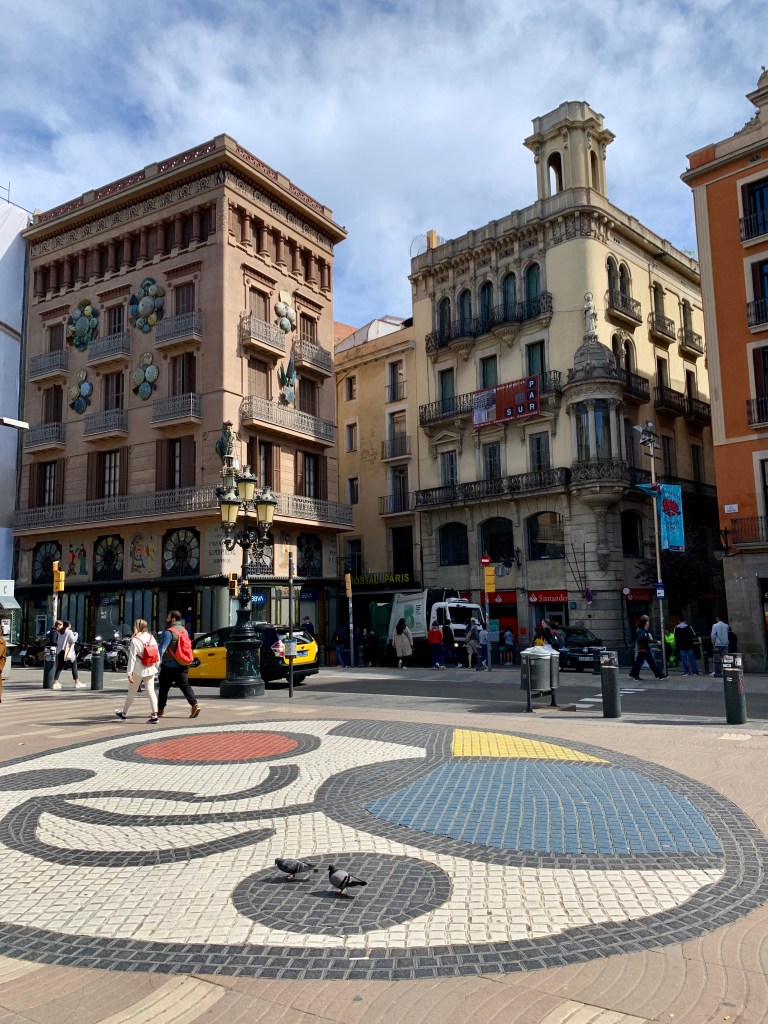
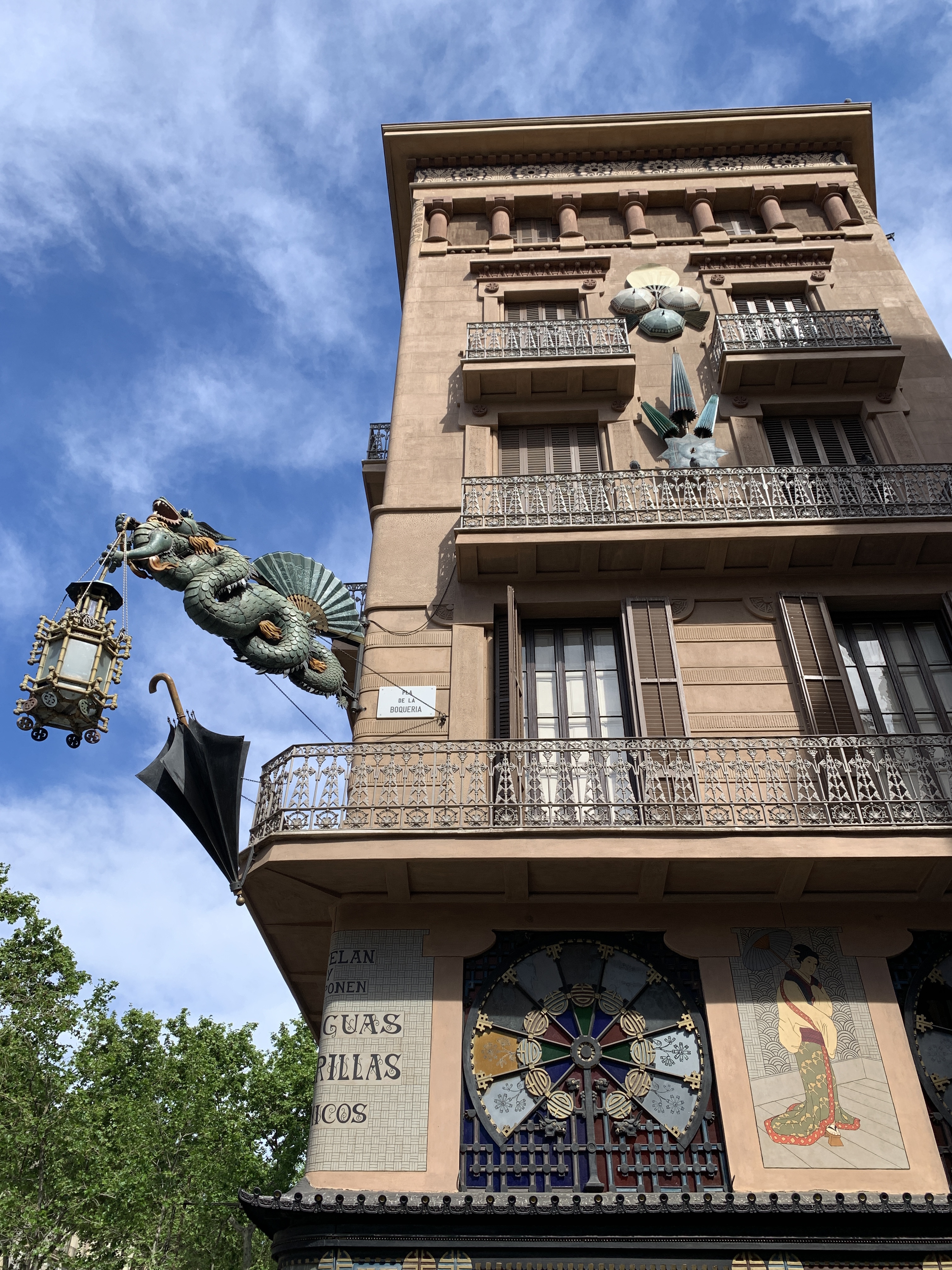
Both Brigitte and I had been to Barcelona but not since the late 90s, so we were excited to see it again 20+ years later and share the experience with our girls. There are numerous “must sees” in this city and we had to be selective about our itinerary given our time there. We started the day down in the Barri Gòtic (Gothic Quarter), checking out the Barcelona Cathedral and wandering through the medieval narrow streets that spill into the nearby Rambla, the major tree lined pedestrian street known for its commerce and beautiful architecture. The girls seemed to have worked up a mid-morning appetite and fittingly indulged in some delicious churros.


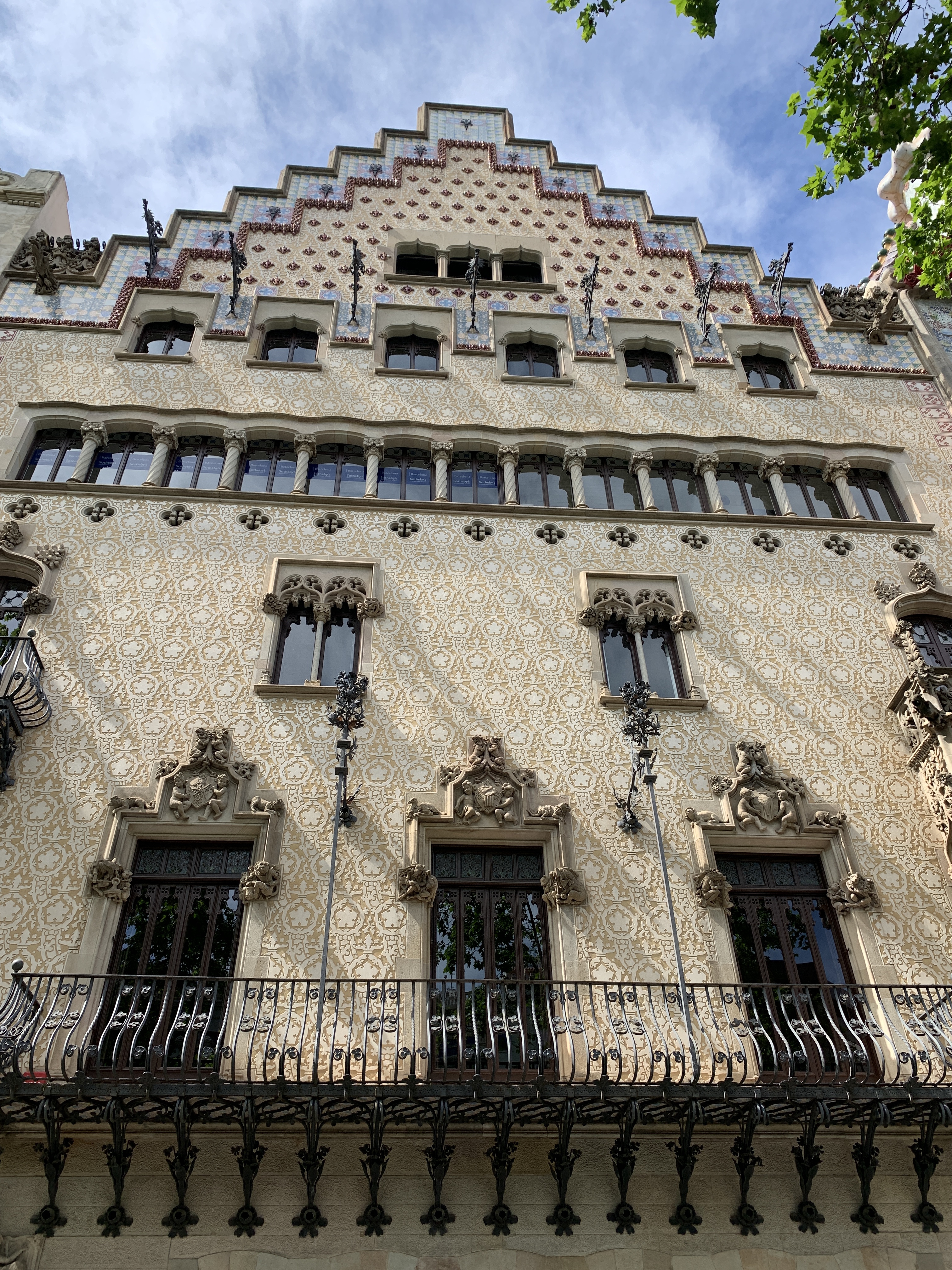
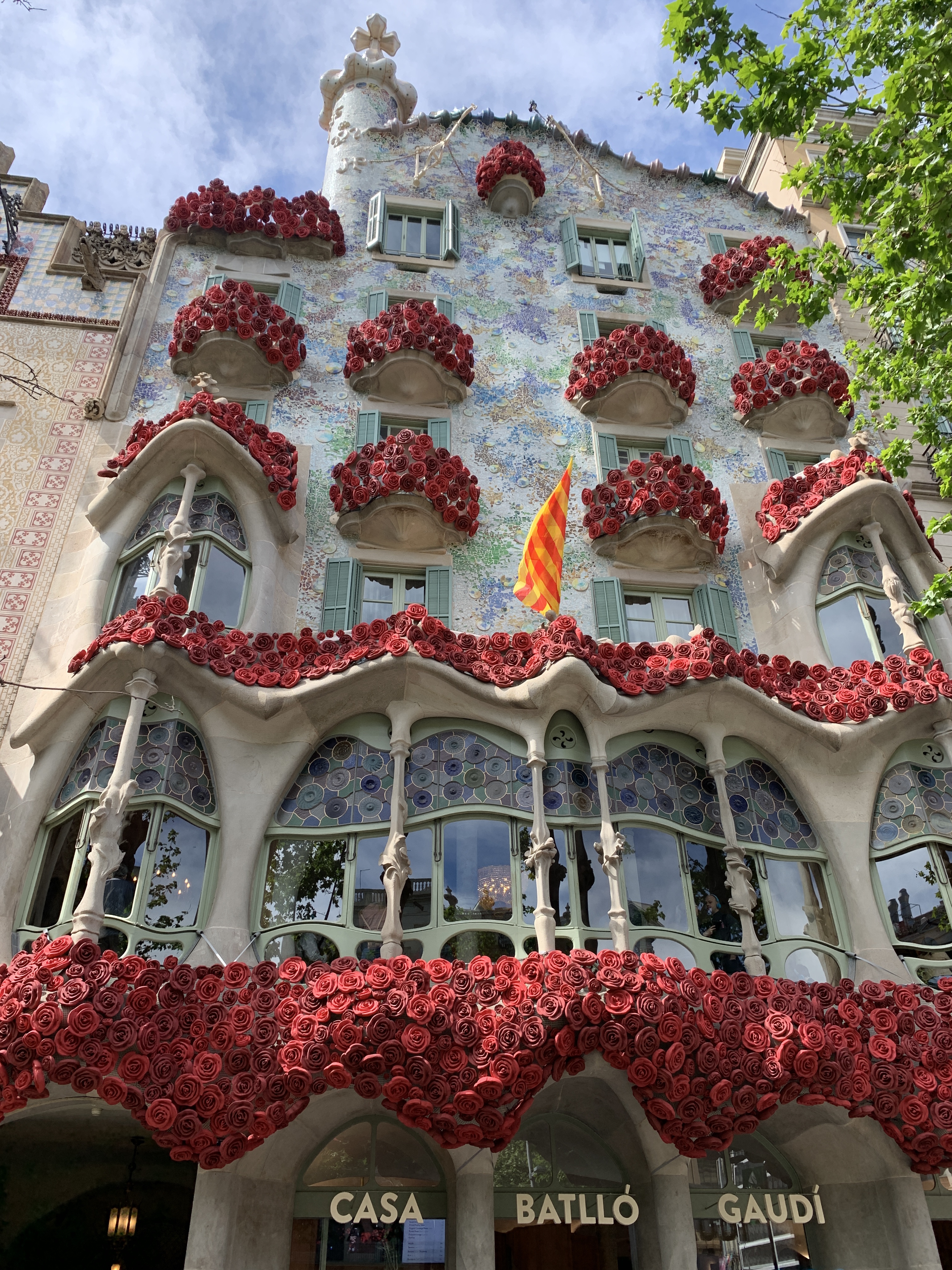
After the energizing snack, we made our way to the Passeig de Gràcia (a main avenue), to check out two of Antonio Gaudí’s timeless houses. The Modernist and Art Nouveau style Casa Batlló was our first hit which was swarmed by admirers. Gaudí redesigned this house beginning in 1904 for the Batllós, a local Barcelona family who hired him as their architect. About 100 years later in 2005, the house became a UNESCO World Heritage Site. A few blocks away still on the Passeig de Gràcia is Casa Milà, the second Gaudí Modernist house on the prominent avenue and also the last of his civil works. Apparently Gaudí only constructed three residential homes in his career including Casa Batlló and Casa Milà. We marveled at both casas (from the street), and wondered how many millions of people have come to do the same.



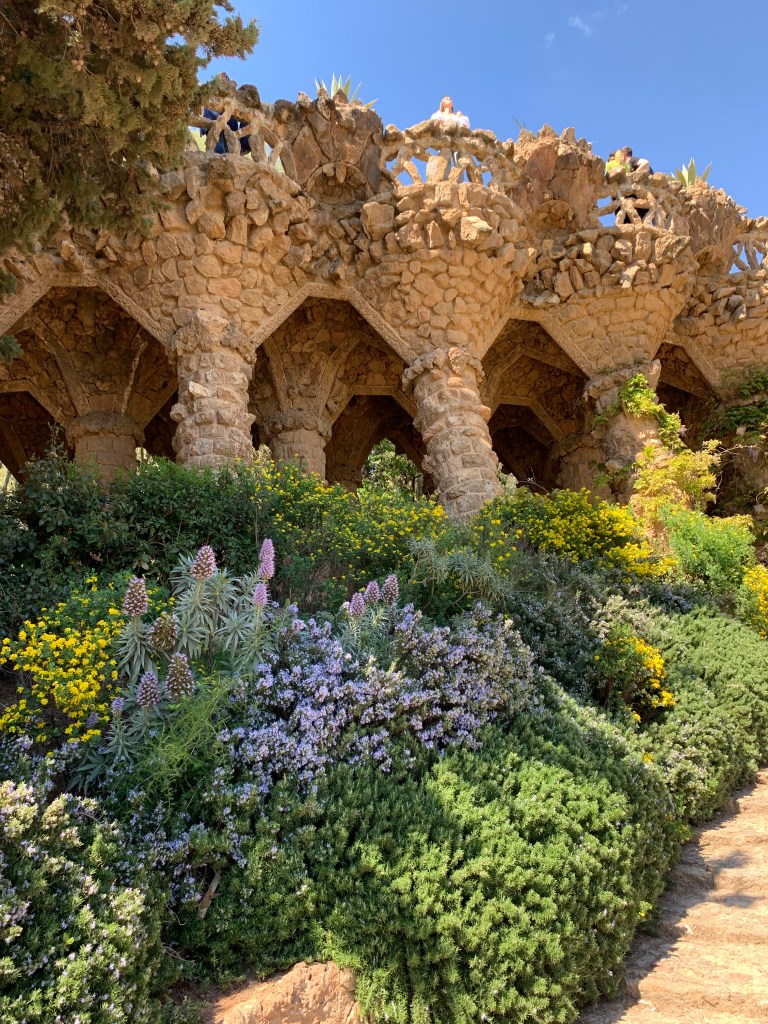
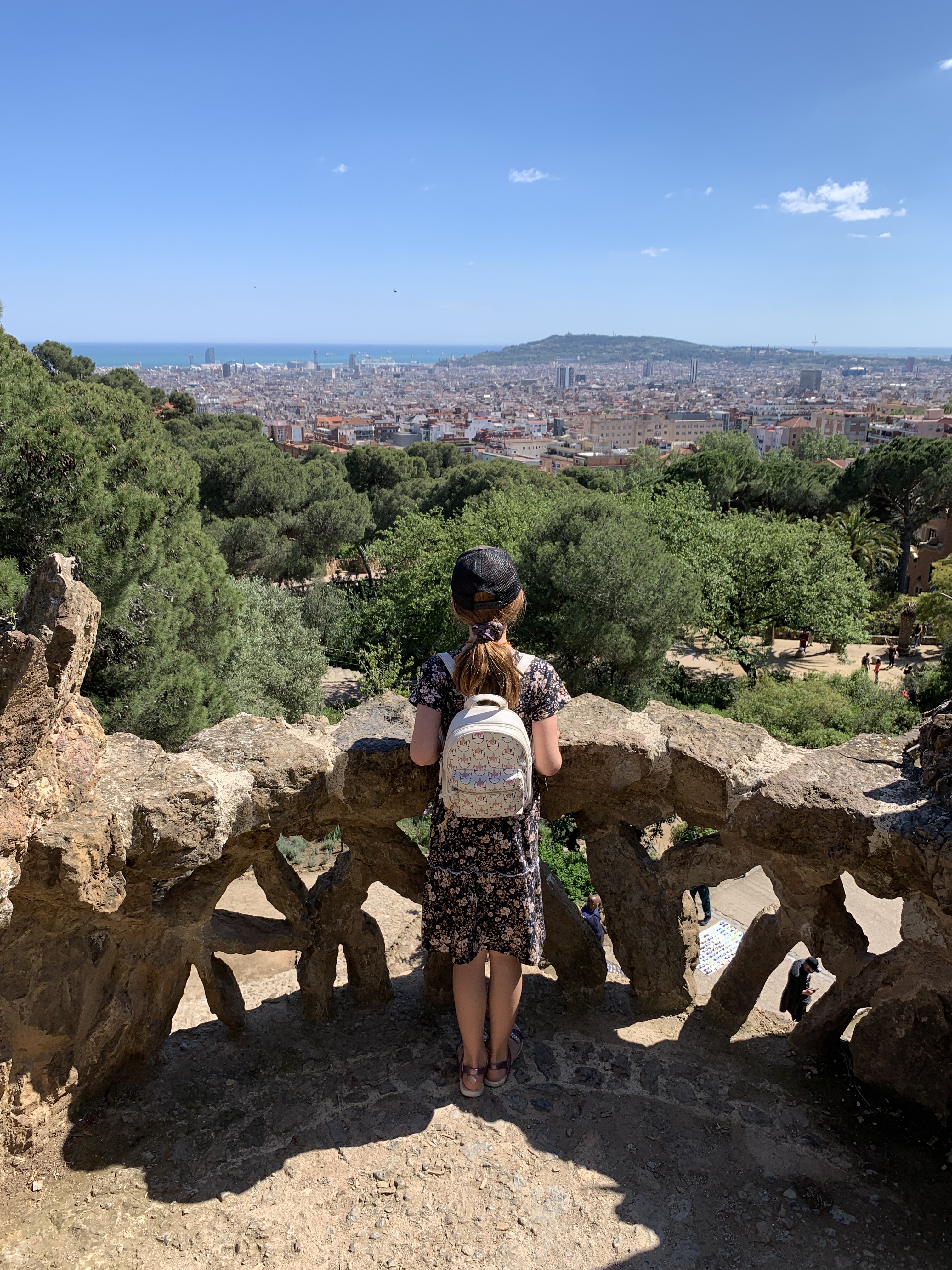
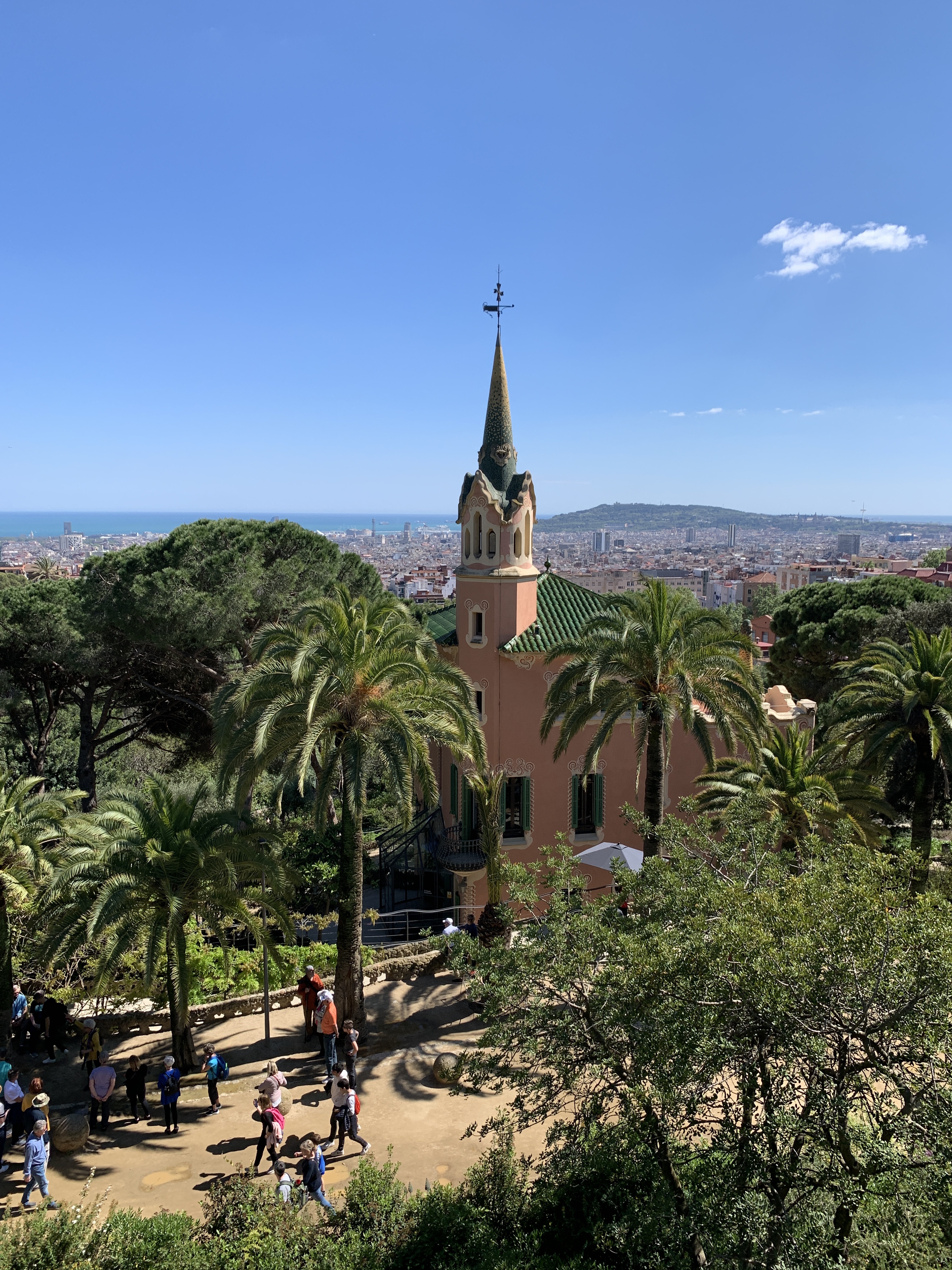
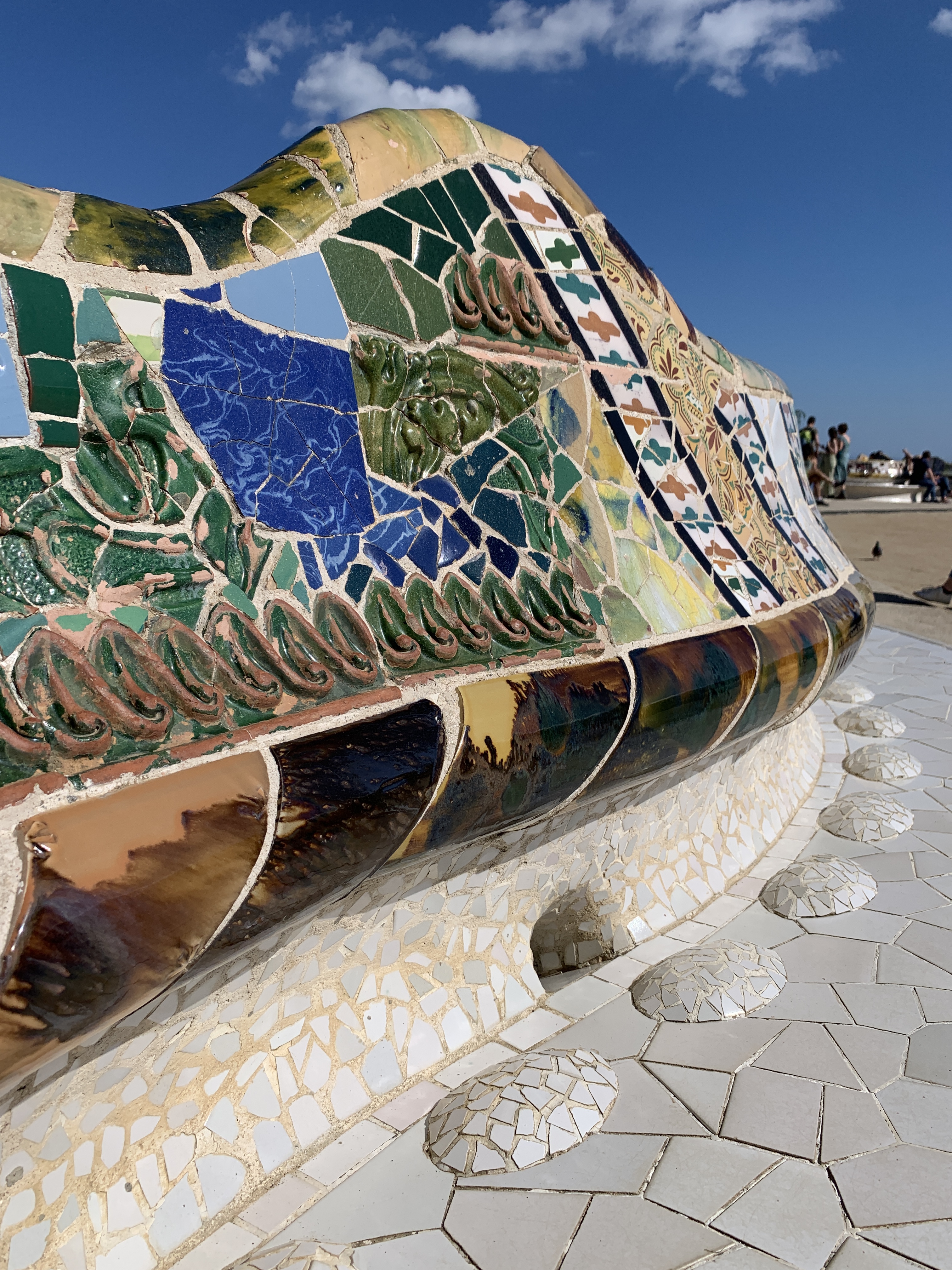
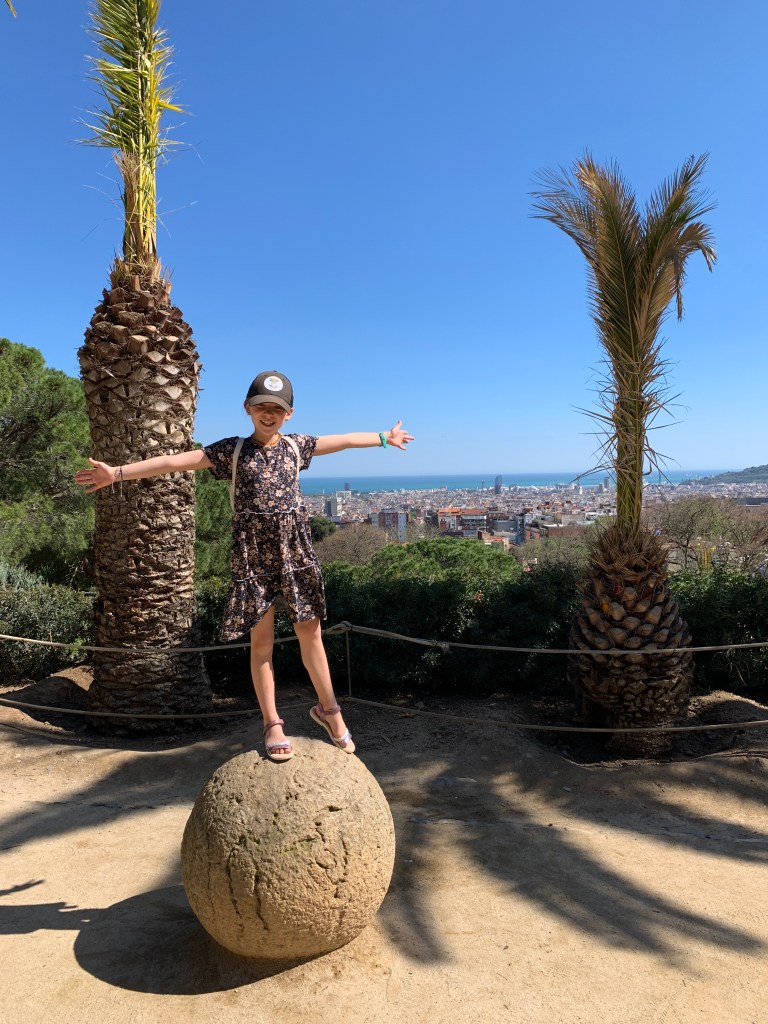
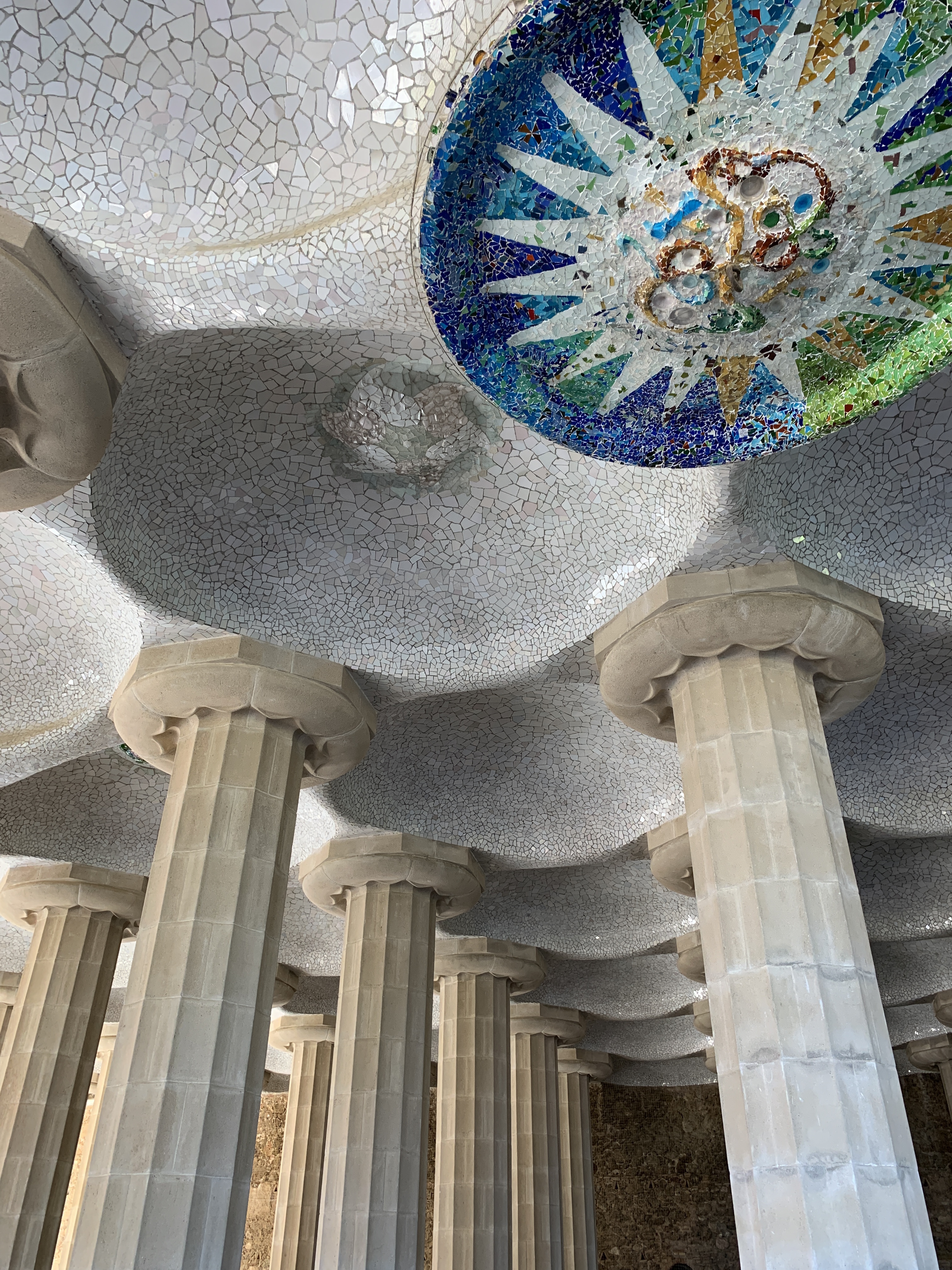
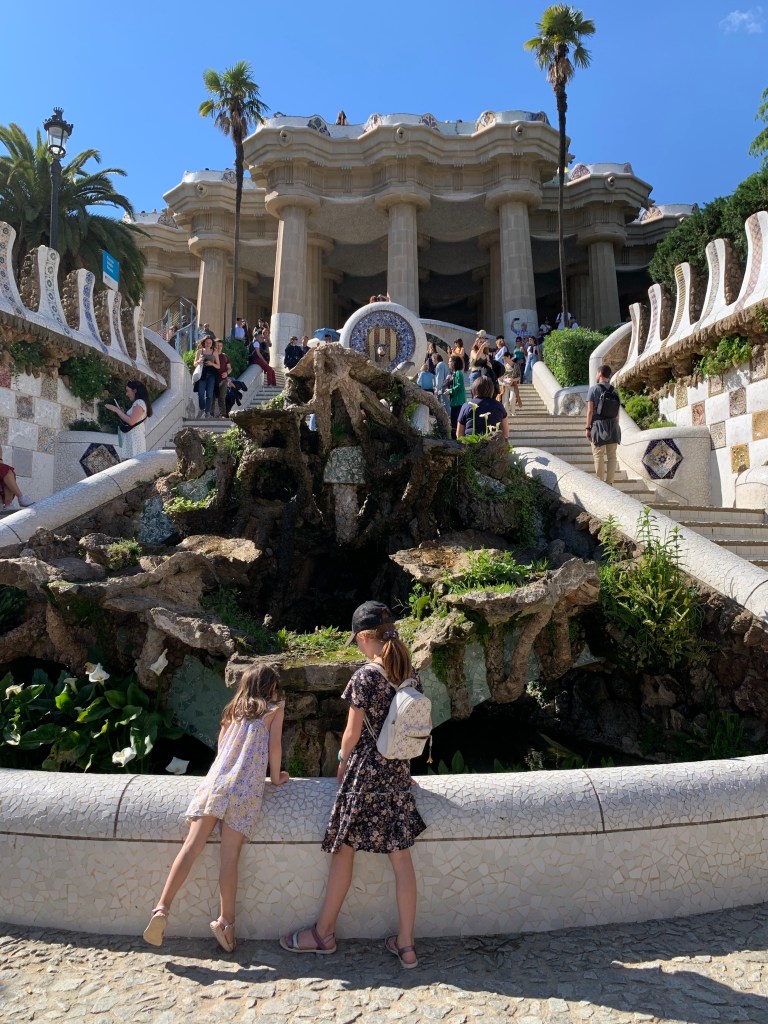
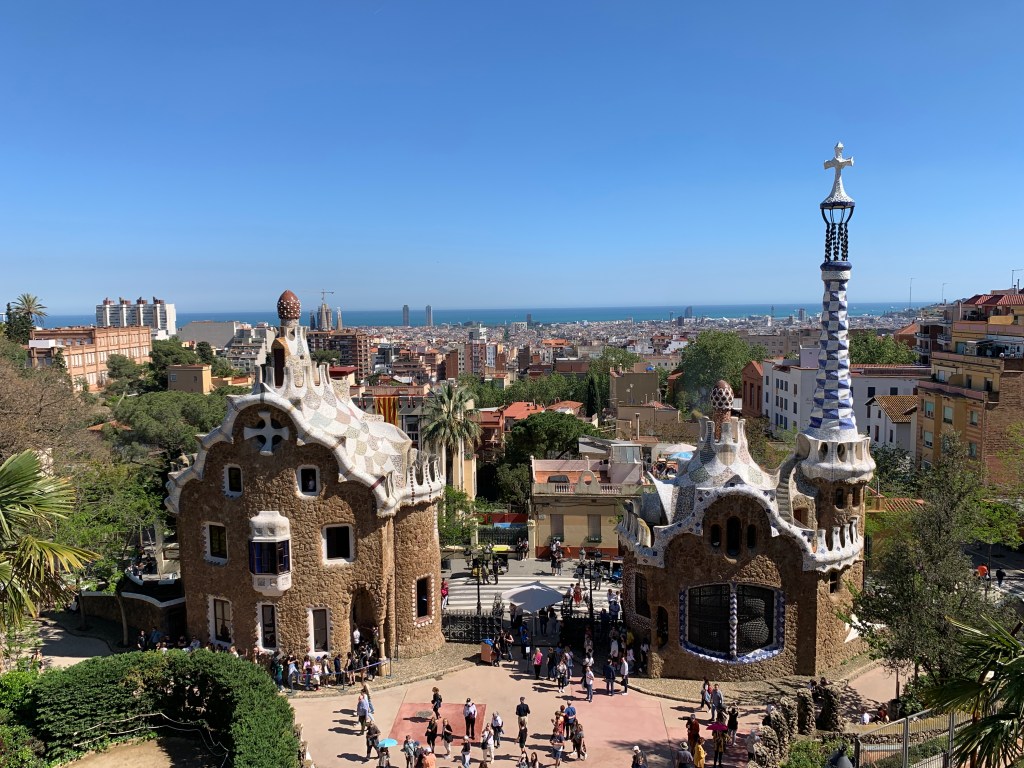
We stayed with Gaudí later into the afternoon and visited Park Güell, a municipal garden of sorts (and park), and also a UNESCO Heritage Site. The park is situated on a hill close to the Collserola Mountains in the northern part of the city, and offers sprawling views of Barcelona and the sea. Park Güell was originally intended as a housing site for luxury homes although this never came to fruition. Instead it became a rich laboratory for Gaudí where he tested out his architectural genius and fine tuned his techniques. As such, several imaginative structures are found throughout the park as well as the house that Gaudí and his family took up residence in for the last 20 years of his life. Today the house serves as the Gaudí museum containing original works from the master and his collaborators. Seeing Gaudí’s Barcelona was a real neat experience reminiscent of the creative imagination of some children’s books we read with the girls. It felt as though fictional elements of various books came to life in this city demonstrating that imagination and dreams have no limits, and found their a way into reality for people to enjoy.


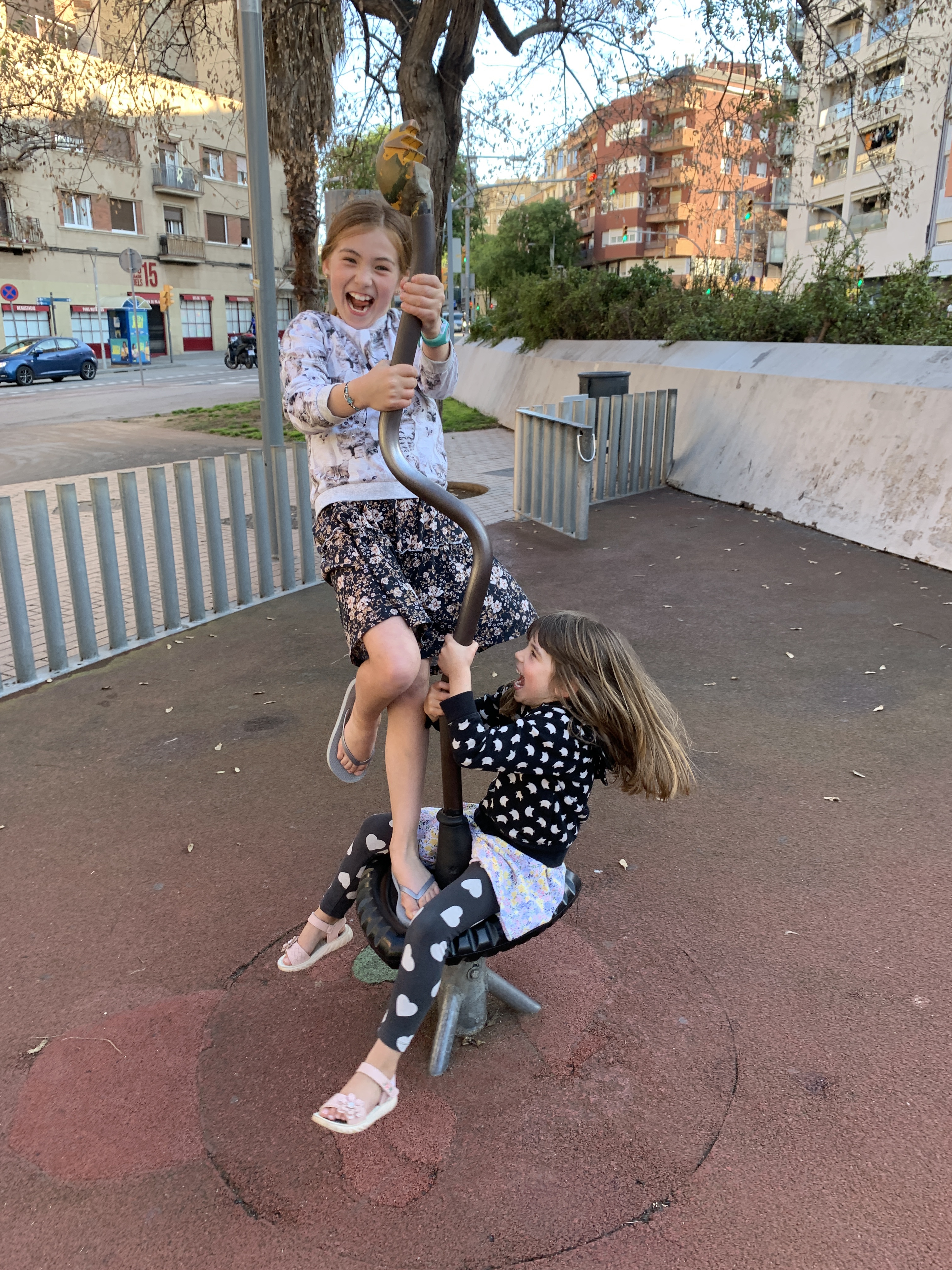
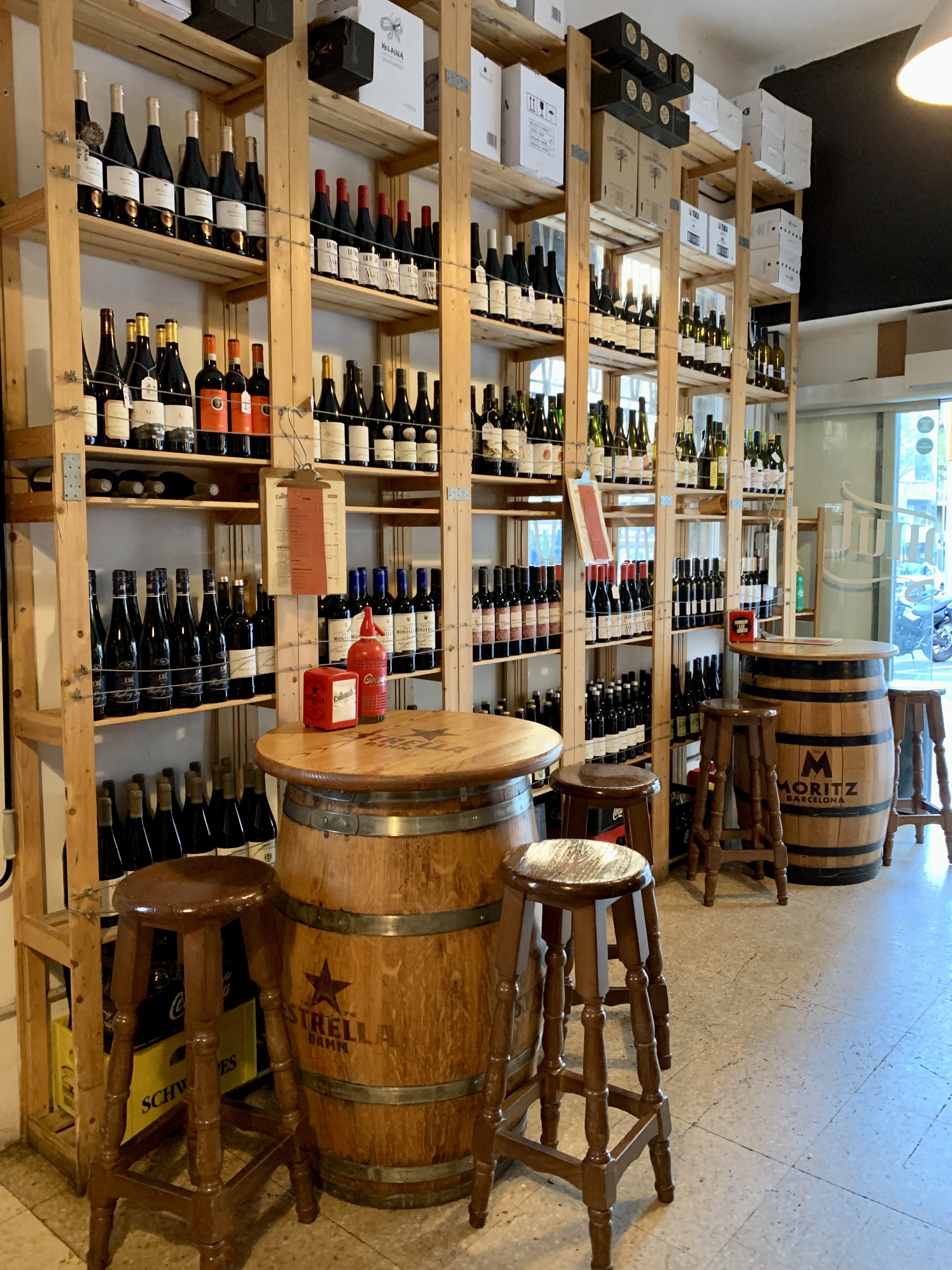
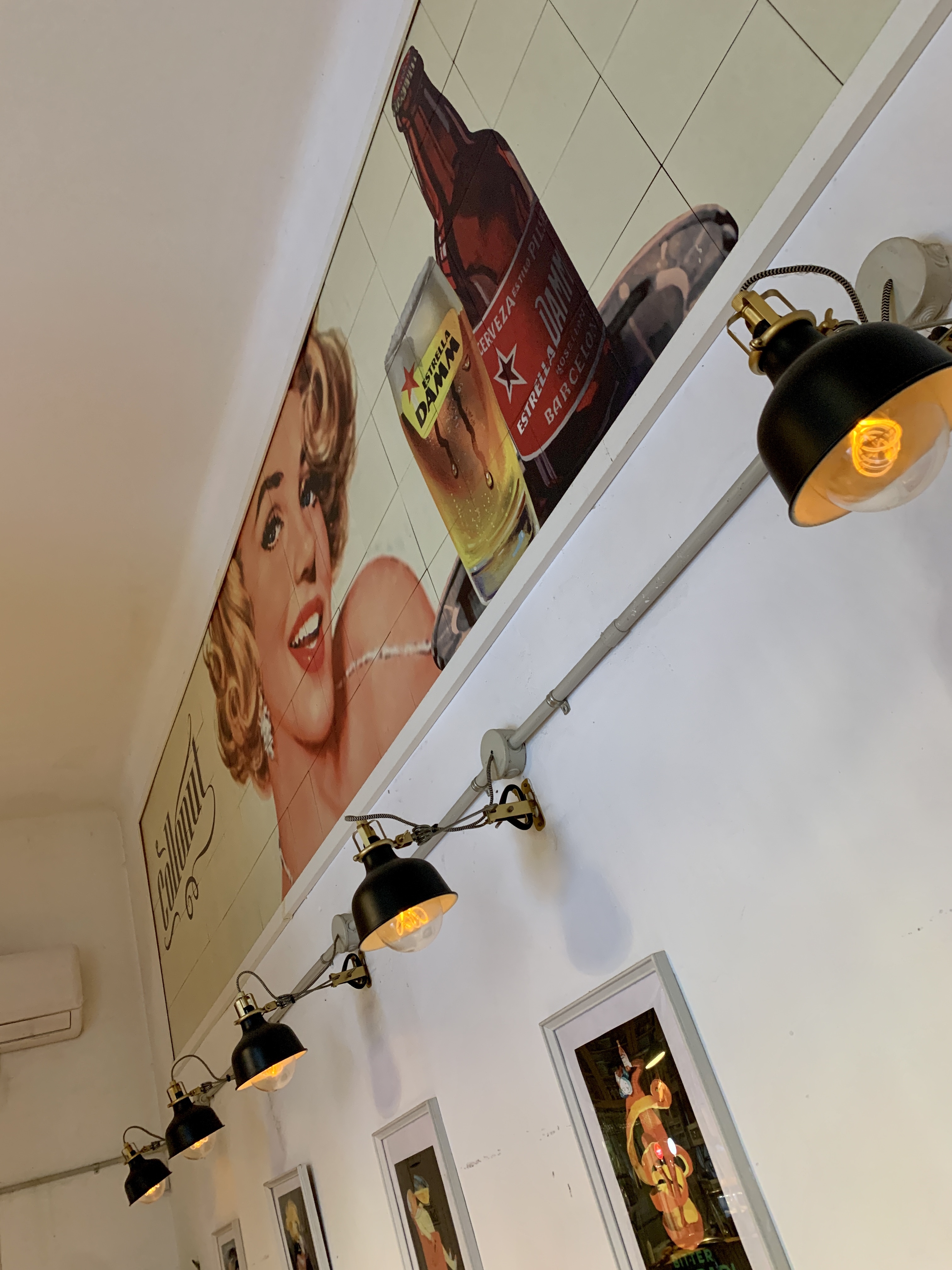
With a full day in the Catalonian city, we laid low that evening in our neighborhood where the girls enjoyed playing at the park followed by a tapas meal at a local wine bar, Collonut.

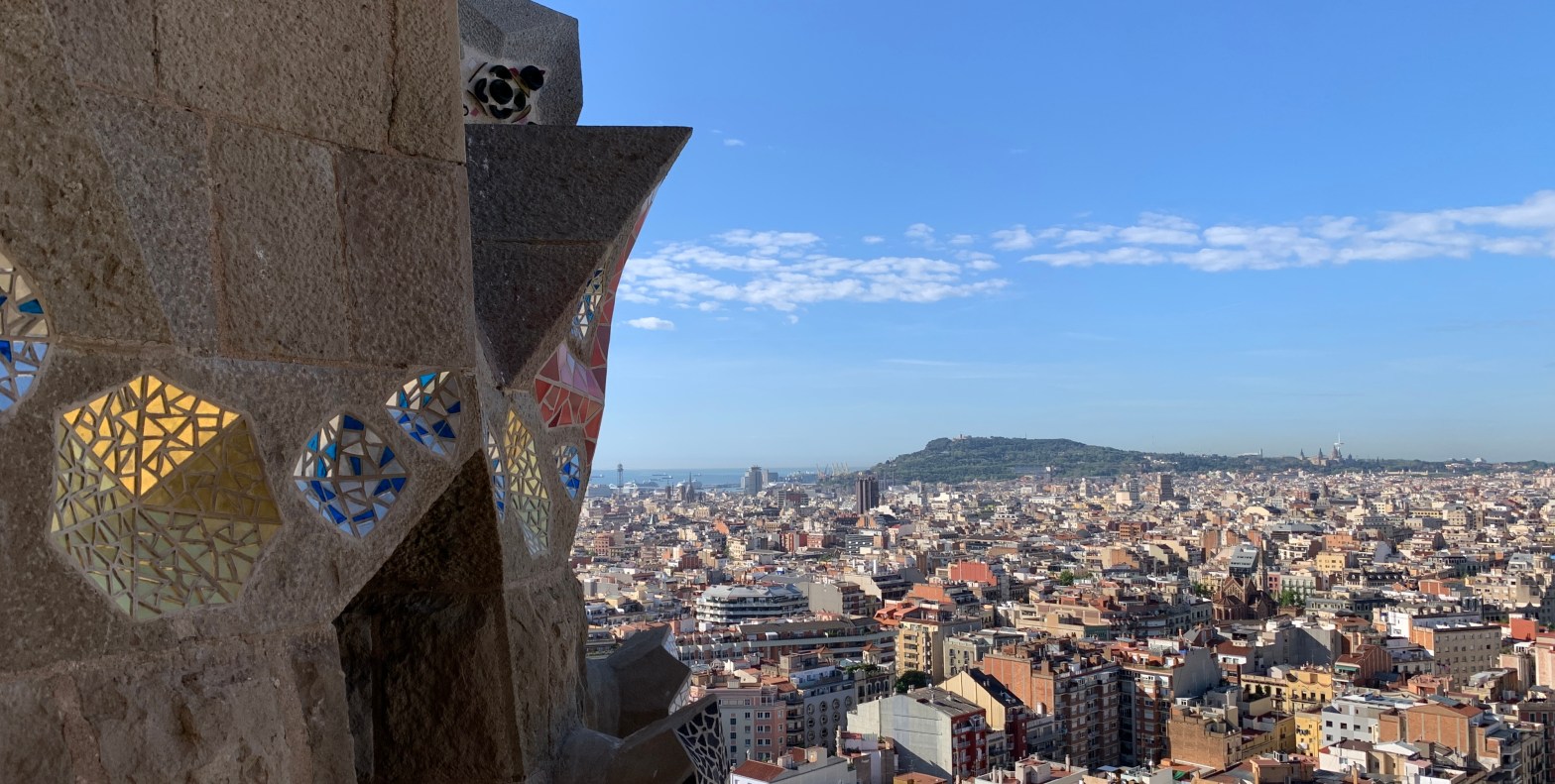
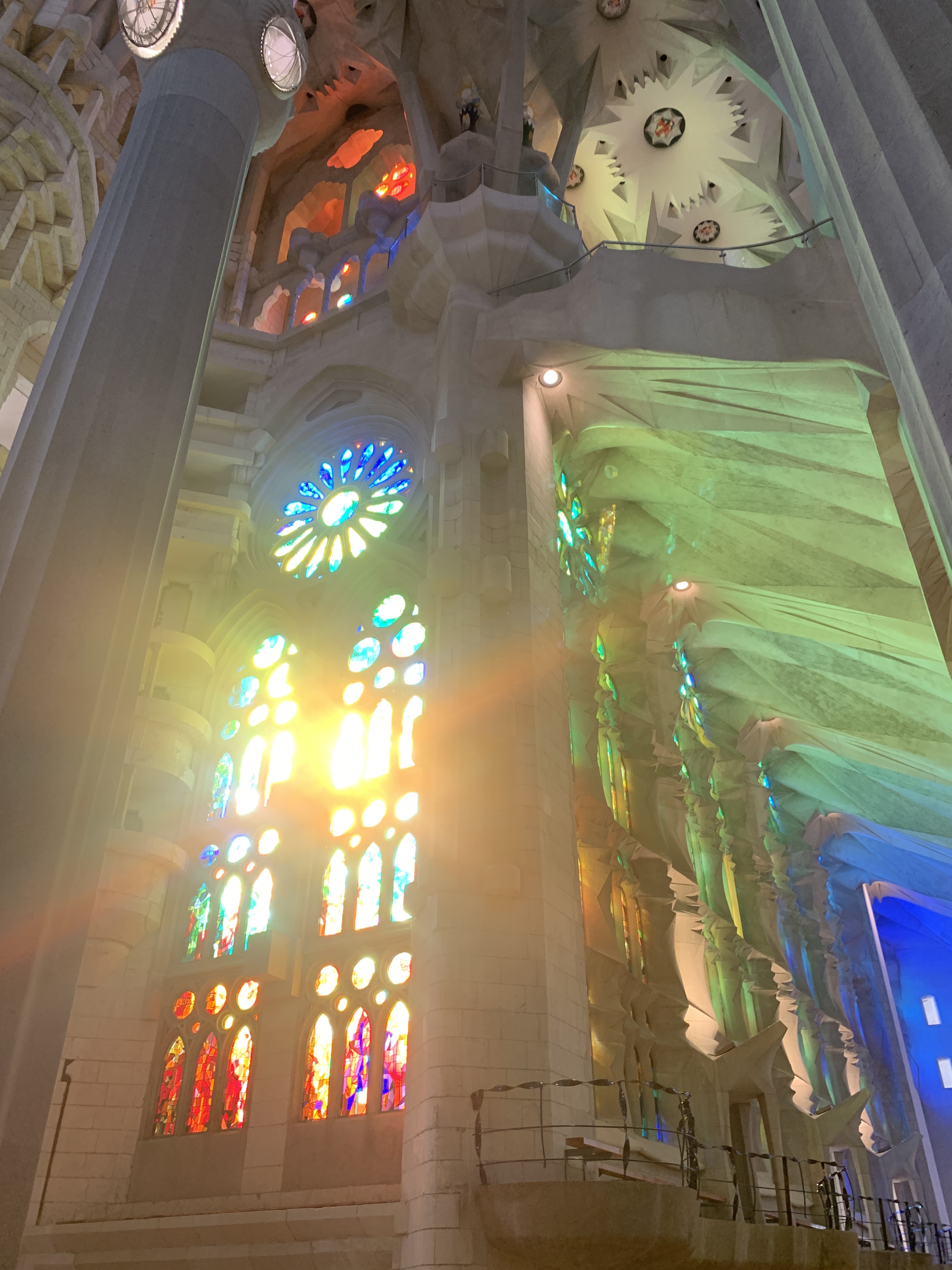
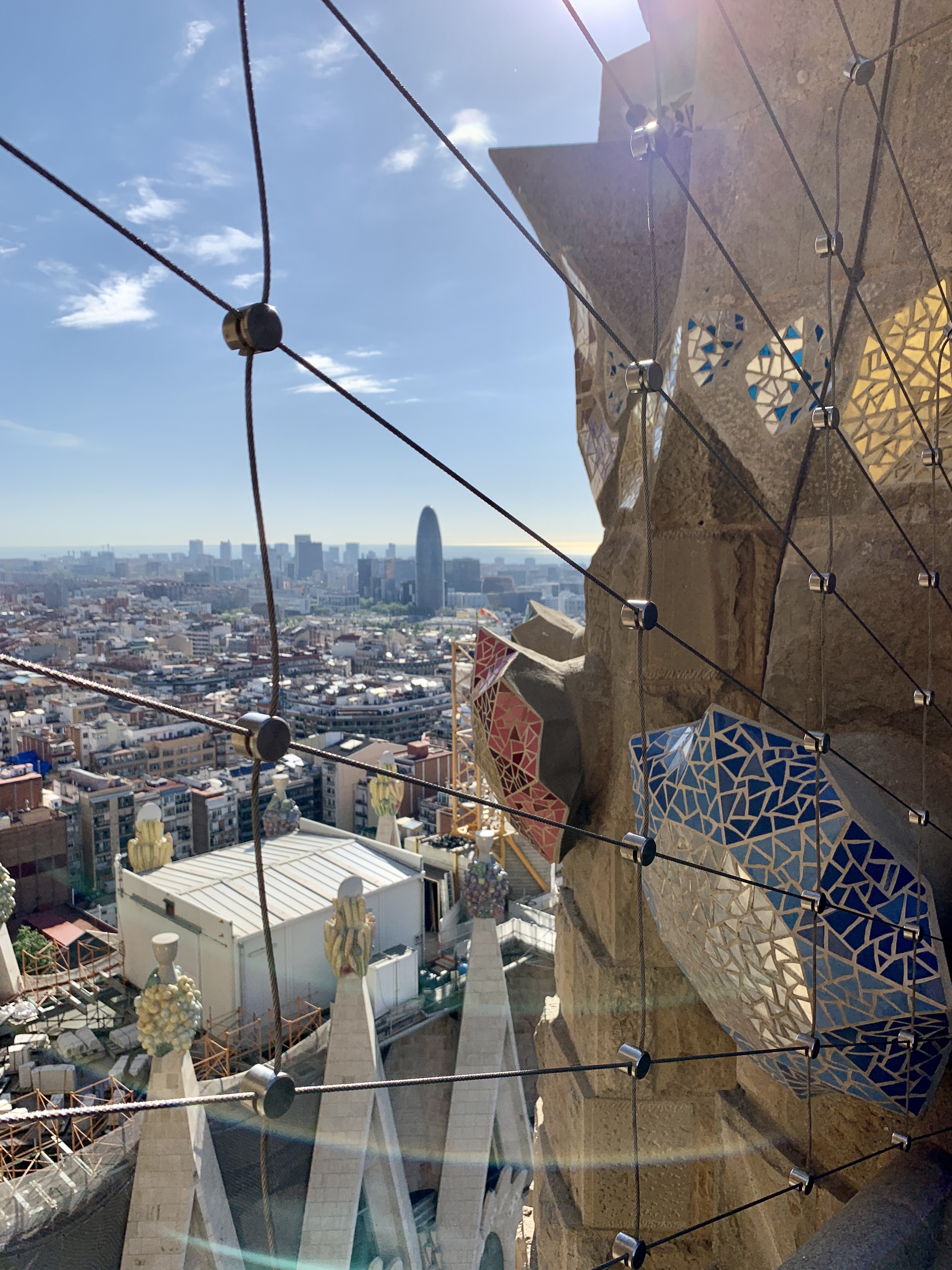
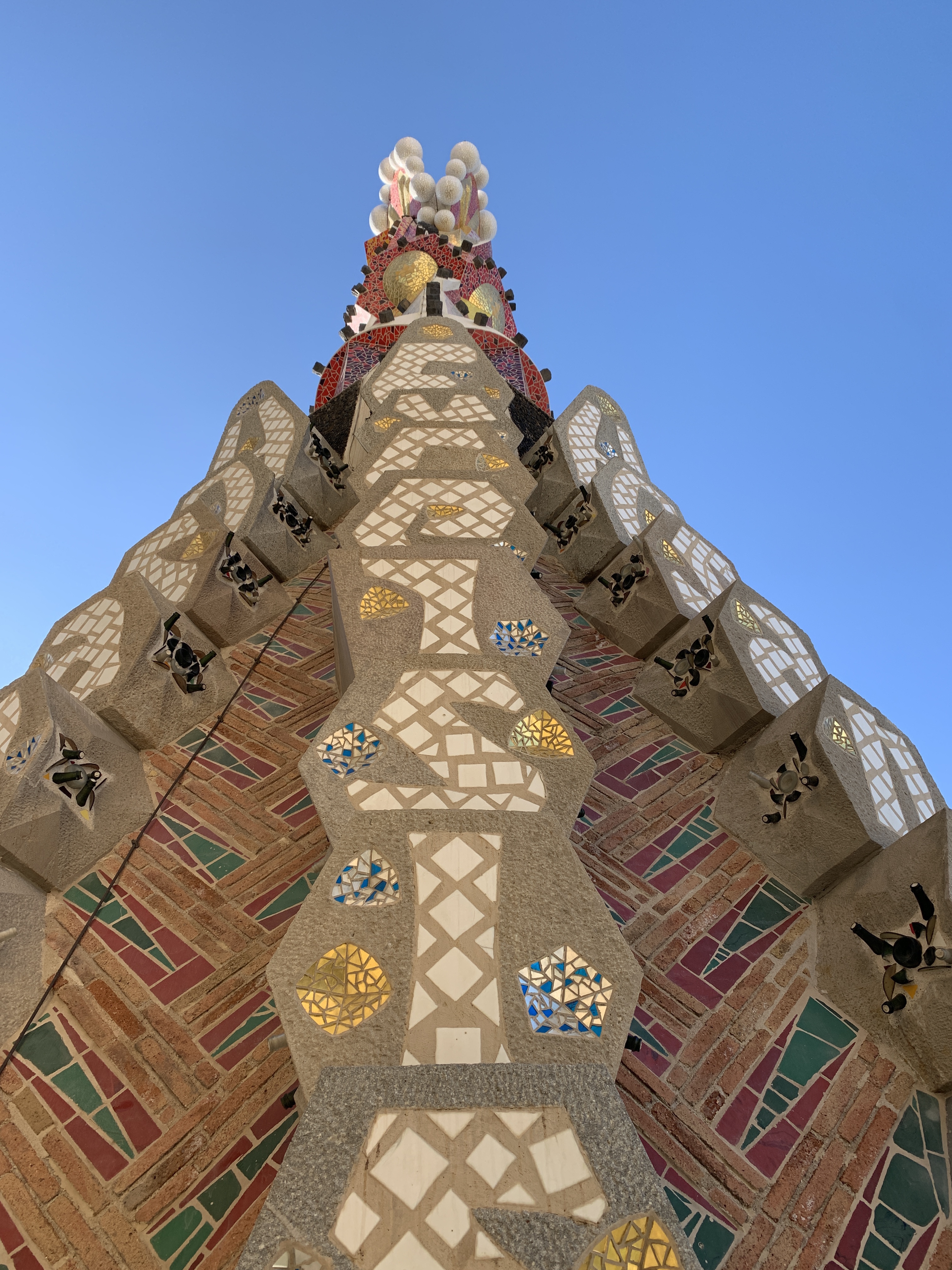
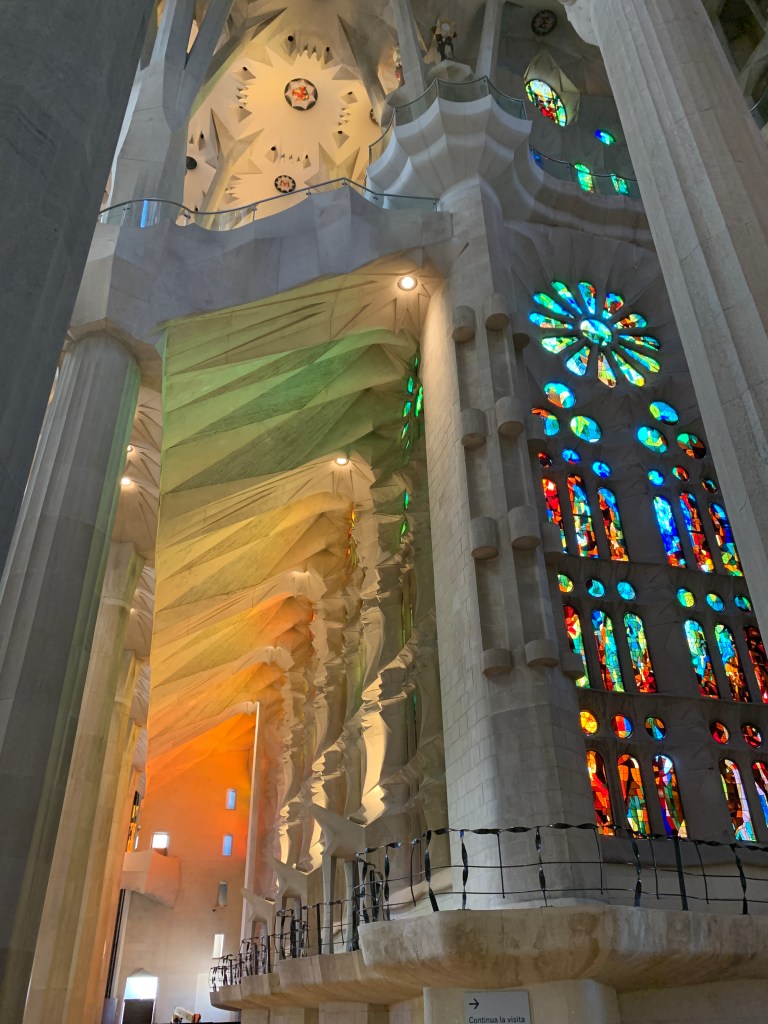
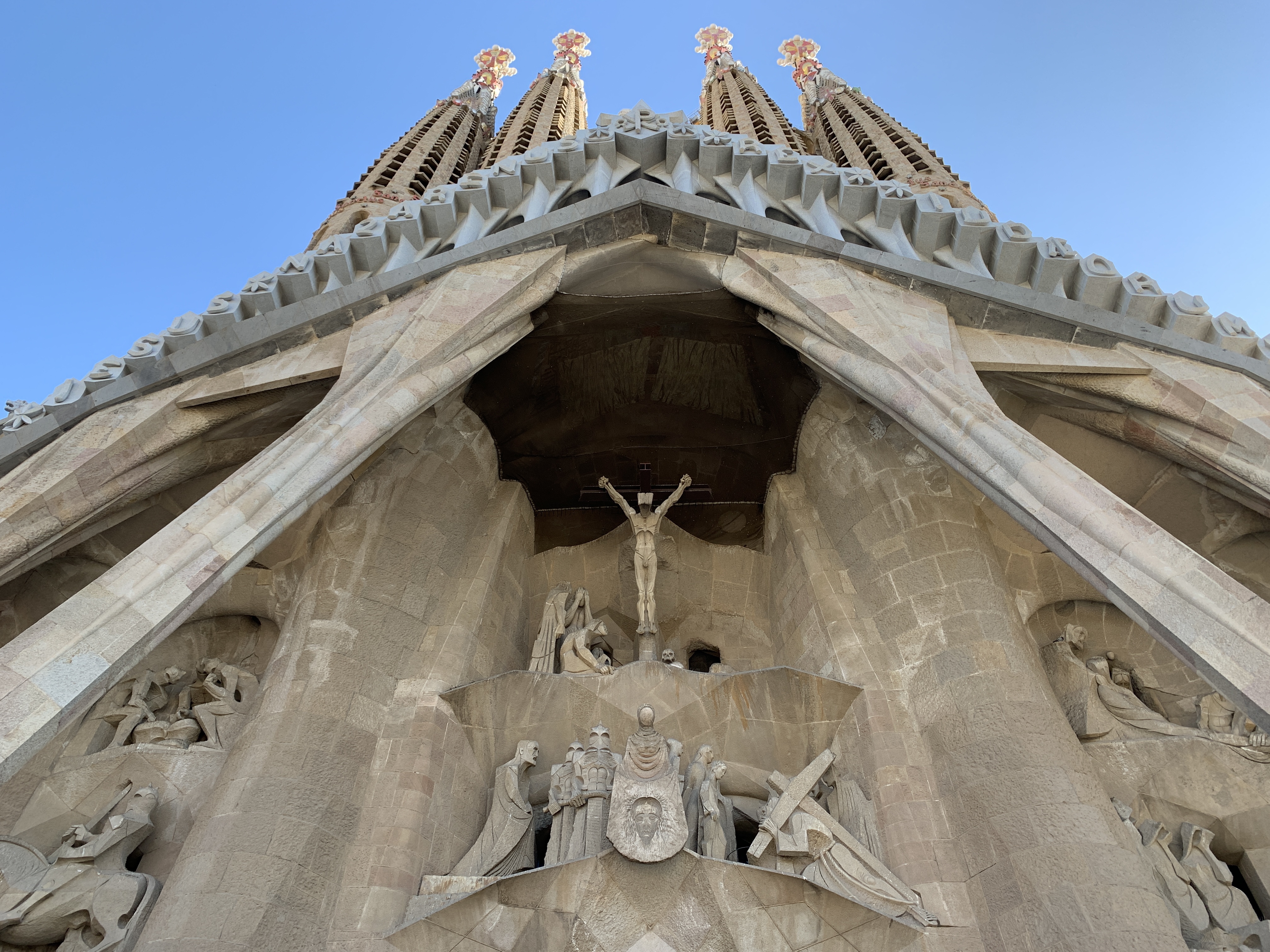
The following morning was earmarked for a visit of the Sagrada Familia, Gaudí’s grandest work in form of a massive basilica that defines much of Barcelona. It combines gothic, art nouveau and modernist architectural styles brought together in a cohesive and awe inspiring manner. Never meant to rival the city’s cathedrals or remain unfinished for over 140 years, the Sagrada Familia is on a different level. By the time Gaudí’s life was unfortunately cut short in 1926, only about a quarter of the project was complete. He is buried in the basilica’s crypt and is still very much at the core of it. Over the past 100 years approximately, his vision has been interpreted and construction has continued with a goal of full completion between 2026-2032. The guts of the Sagrada Familia are beautifully ornate, bright, and generously spacious, accentuated by the colored light reflected through the stained glass windows. The ceiling alone can draw prolonged attention to its ornate shapes and colors as if to scan for portals into the heavens. Brigitte and Olivia ventured up one of the towers to check out the best view of Barcelona and the colorful details from above. Dreamy is an apt way to describe the basilica (inside and out), and part of me wonders if it was ever meant to be fully completed. I guess time will tell and perhaps we’ll have to come back for another visit.





Next up, more of Catalonia!
 Our Provençal Year