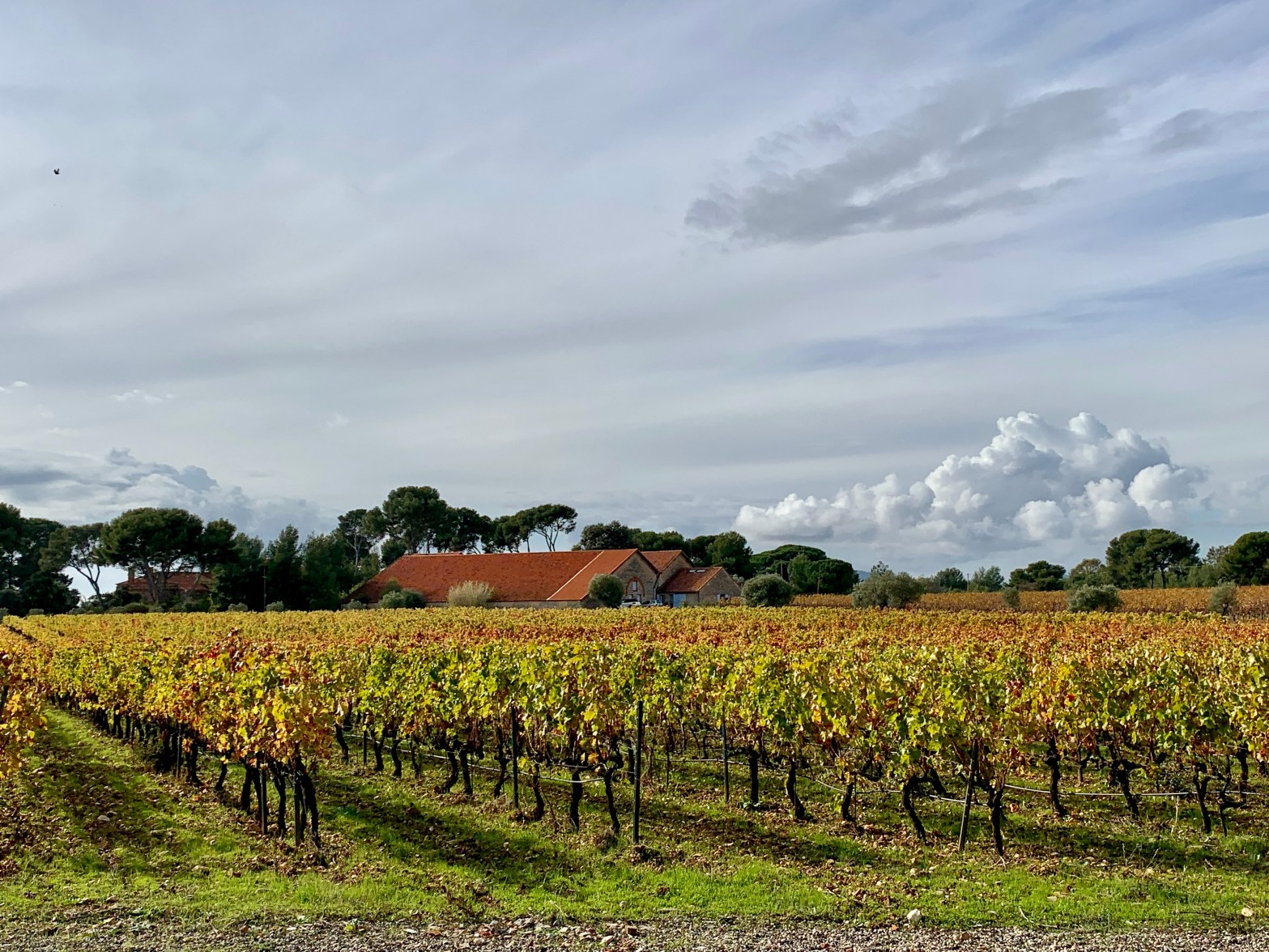
One constant about the world of wine is that there is always something new to be learned, experienced or wow’ed by. And just when you feel you have a handle on things you’re quickly reminded that there’s so much more to take in, and that repertoire of knowledge you have is but a boat on the vast sea. Such was the feeling of moving to Provence and living in the Côte de Provence AOC. Before moving here I had a pretty good idea that most rosé wine I had ever drunk (and others in NYC typically drink), is mainly derived from Provence. The arrival of Spring in New York City summons rosé season, a vibrant and much awaited shift from cold weather and red wine drinking, to warmer weather and deliciously paired rosé.
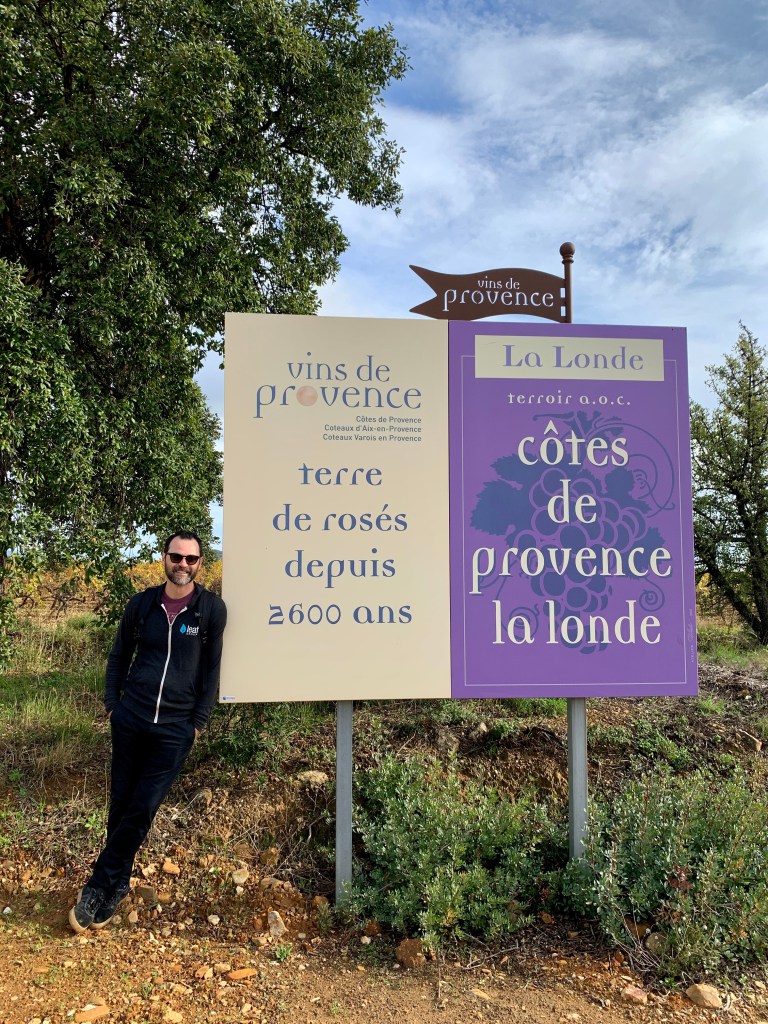
Now, here, in the heart of Côte de Provence’s AOC, rosé season seems to run all months of the year, although consumption tends to uber-peak with hotter weather (or in the summer months). The region itself has a long wine legacy dating back 2,600 years when the Greeks blessed the land by planting vines, a gift that kept on giving. Fast forward to 1850 and viticulture became the top agricultural activity in Provence. In 1955 a number of wineries in the region incurred the Cru Classé designation as a way to signify and promote winemaking with quality as the main goal. And lastly, 1977 was the year that Côte de Provence officially became an AOC.
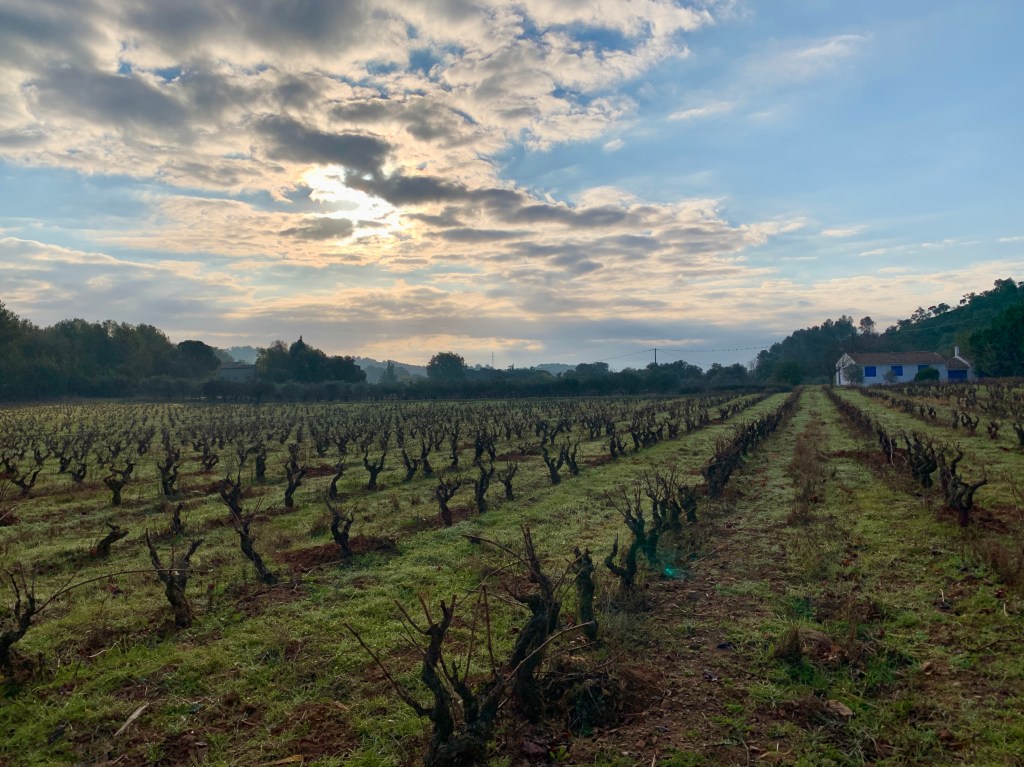
Millions of tourists are attracted by the weather in Provence each year, but they aren’t the only ones who benefit from it. The grapes grown down here also enjoy the fine and mostly uninterrupted sunshine (with very little rain). On average there are about 300 sunny days in Provence per year. This means warm days and cool nights given the Mediterranean Sea factor, along with the renown Mistral wind that helps keeps things dry and healthy in the vineyards.
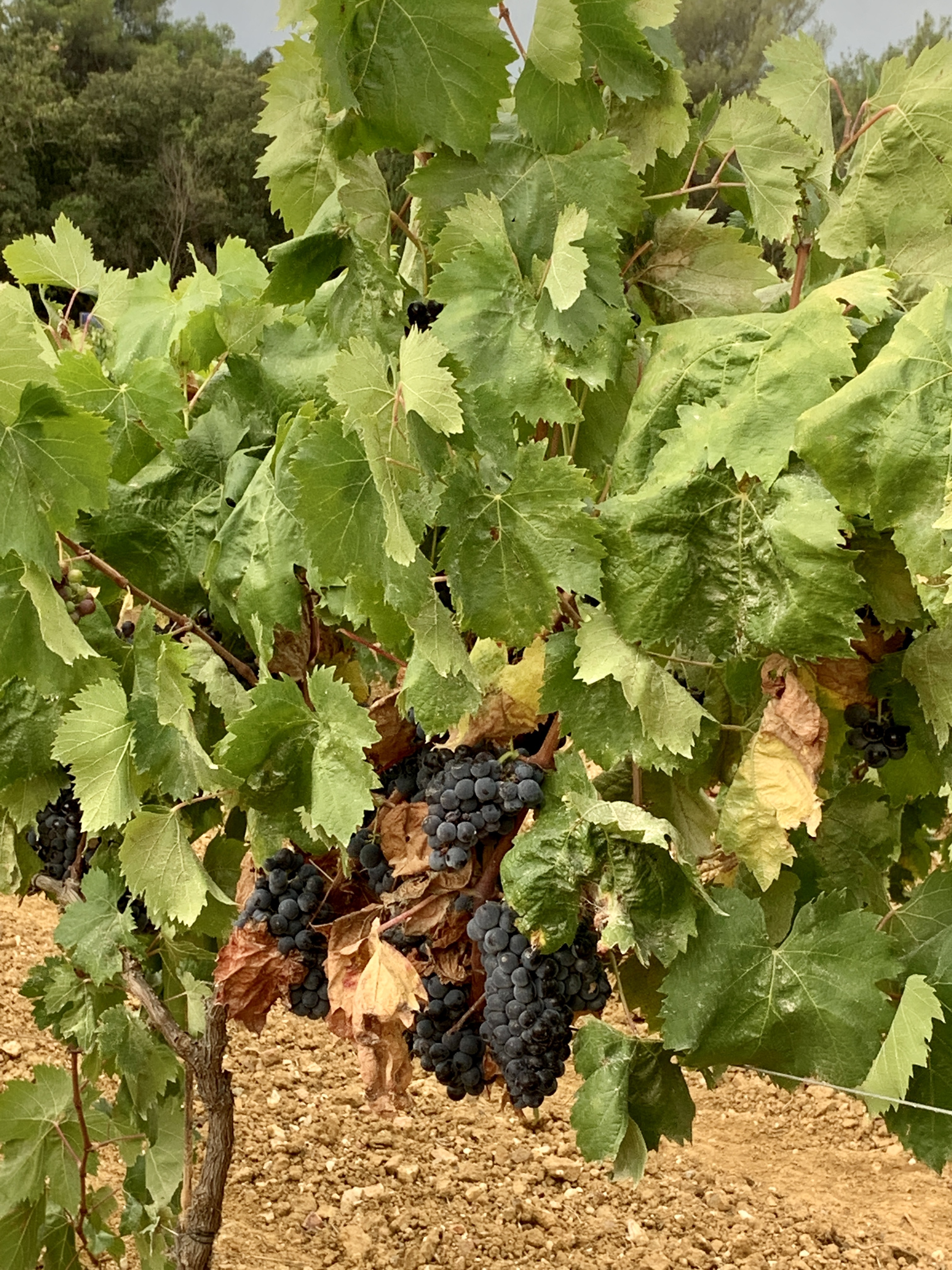
There are 4 terroirs within the Côte de Provence AOC including Côte de Provence La Londe which is where we’re currently living (the other 3 are: Côte de Provence Sainte-Victoire, Côte de Provence Fréjus and Côte de Provence Pierrefeu). Rosé makes up about 90% of all wine produced in the AOC, red is next at 7% while white gets only 3% (on average). The principal grapes planted throughout Provence are Grenache, Syrah, Mourvèdre, Carignan, Cabernet Sauvignon, Sémillon, Clairette and Rolle (aka Vermentino).
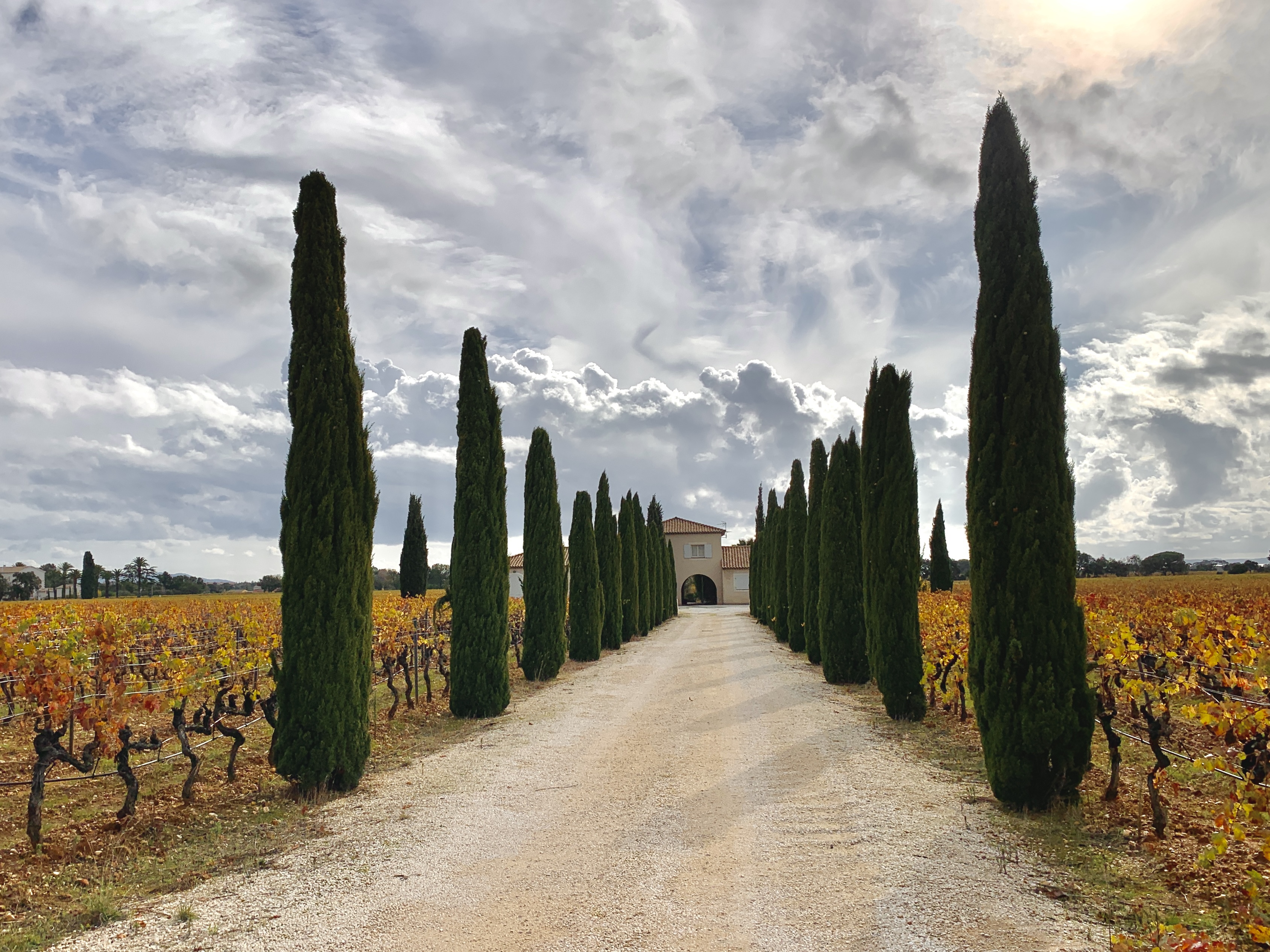
As rosé reigns as king, white and red live in its shadow but not without promise of making a name for themselves, particularly in the red category. As a red-wine drinker first and foremost, I’ve come to appreciate the gems from this region and found that they offer incredible range, from everyday throw back wines to the type you’d want to lay down for several years and share with real good friends. A 2013 Chateau Malherbe (Pointe du Diable Red), was so stately, for a minute I thought I was drinking a classified Bordeaux. The Cabernet Sauvignon backbone in that particular vintage allowed it to evolve into an elaborately complex wine that only improved with age.
Living in such close proximity to a number of vineyards is a privilege, one that allows us to pop into various tastings rooms and try the local wines at will. We’ve done several tastings around the Côte de Provence AOC (mainly in the La Londe and Pierrefeu regions), and experienced first-hand the true passion of the people who make amazing wines. It seems that it’s mostly family owned operations passed down from generation to generation, a testament to the enduring legacy of the people, the passion and spirit of Côte de Provence wine making.


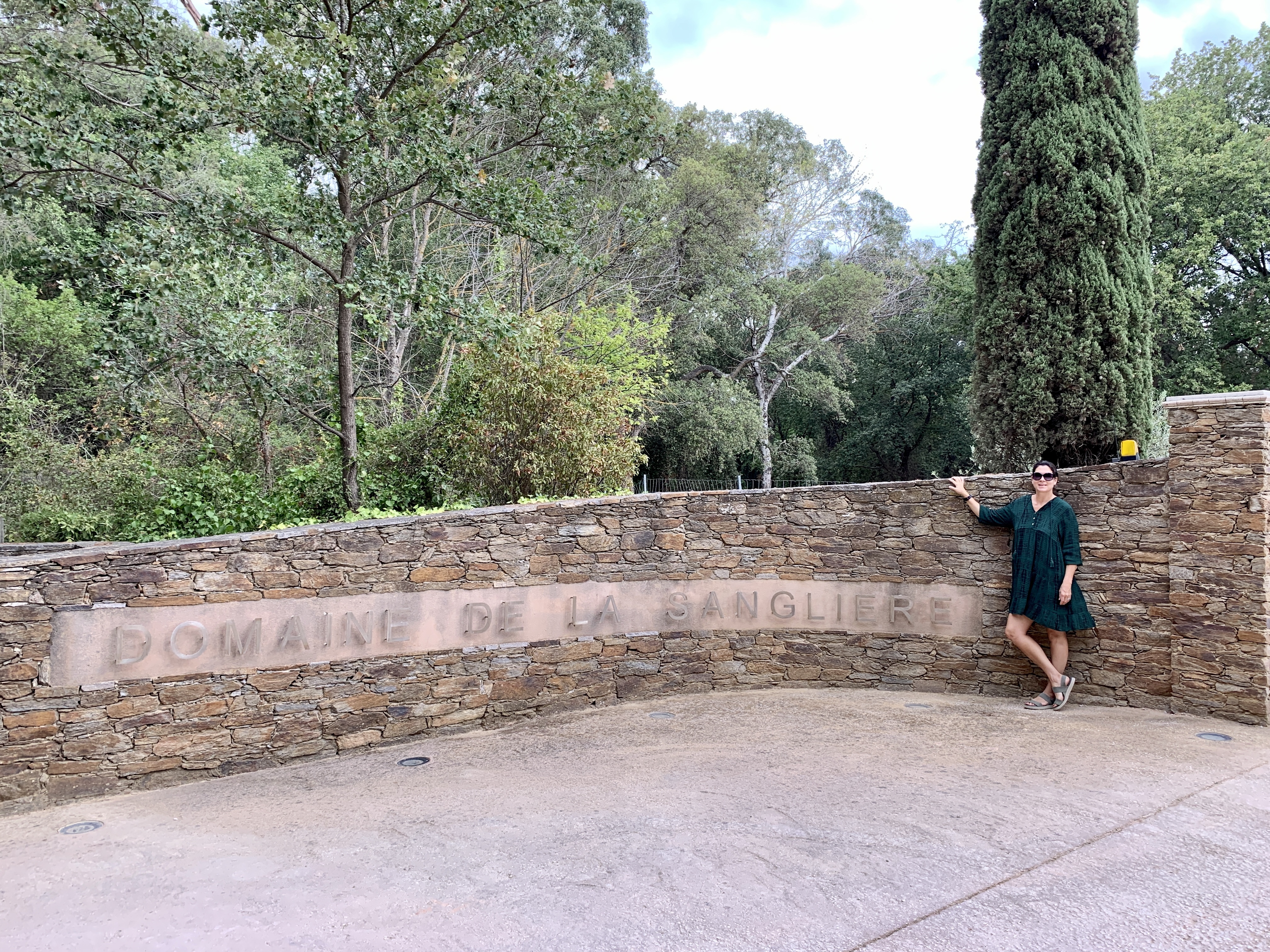
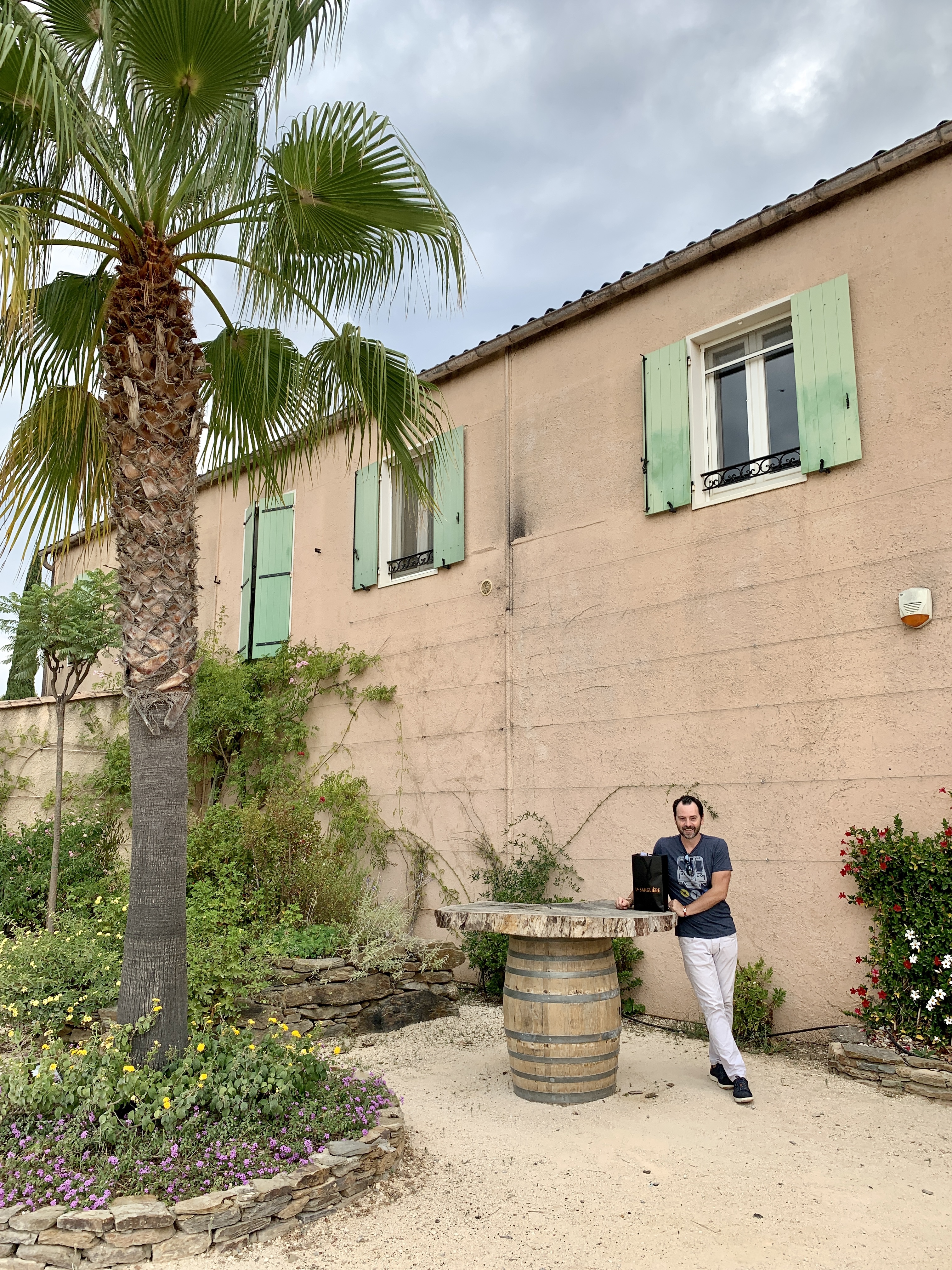
Domaine de la Sanglière (founded as a family operation in 1980), is one of the closer vineyards to us and sits on the picturesque route du vin road between La Londe les Maures and Bormes les Mimosas. The domaine produces rosé, red and white wines across its 42 hectare estate that sits just off the coast of the Mediterranean Sea. The domaine is great for a pit stop and a taste of a La Londe coastal wine lineup, one that benefits from its proximity to the sea and the shale rich soil which contribute to the minerality and suaveness of the wines.

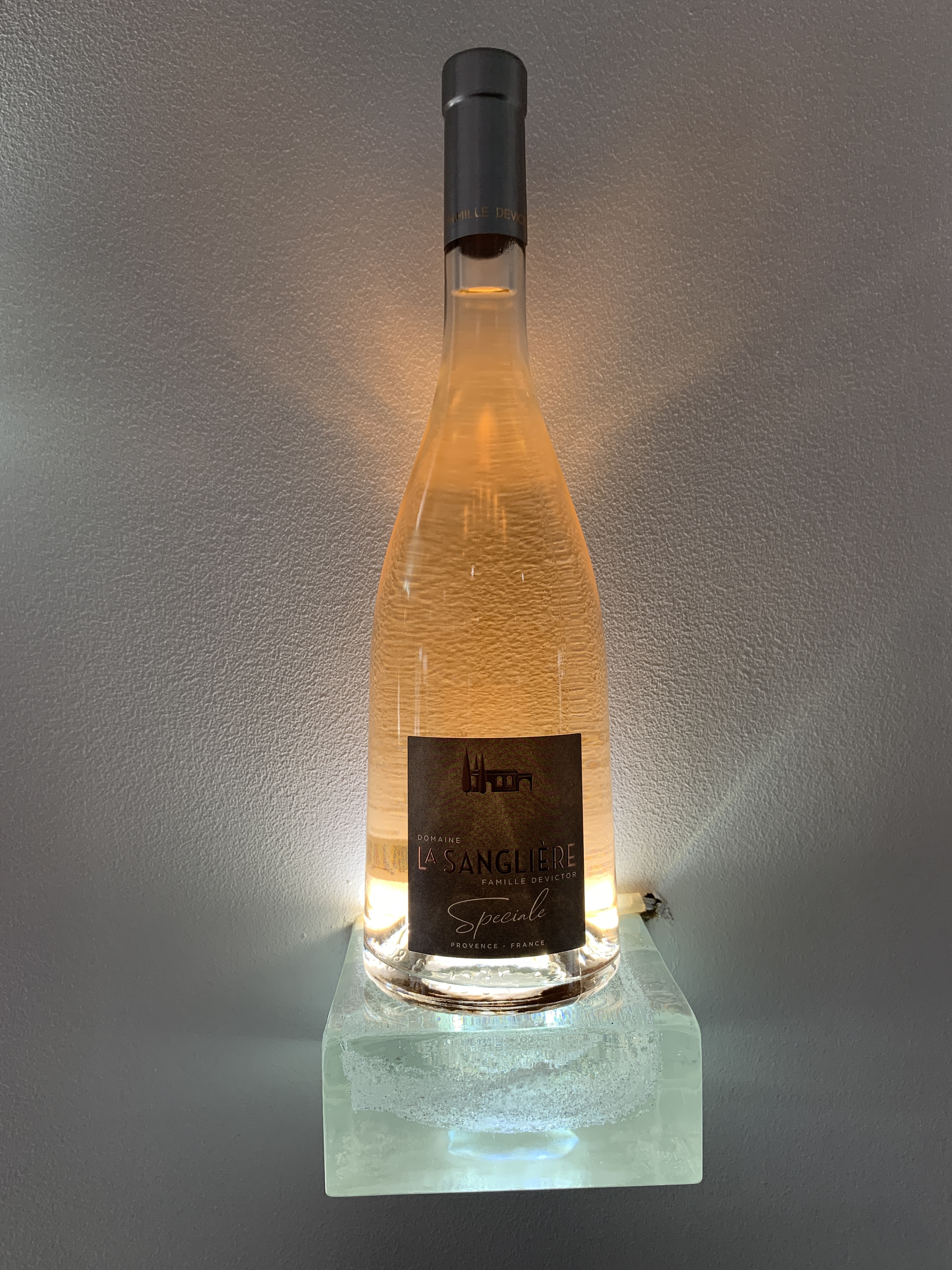
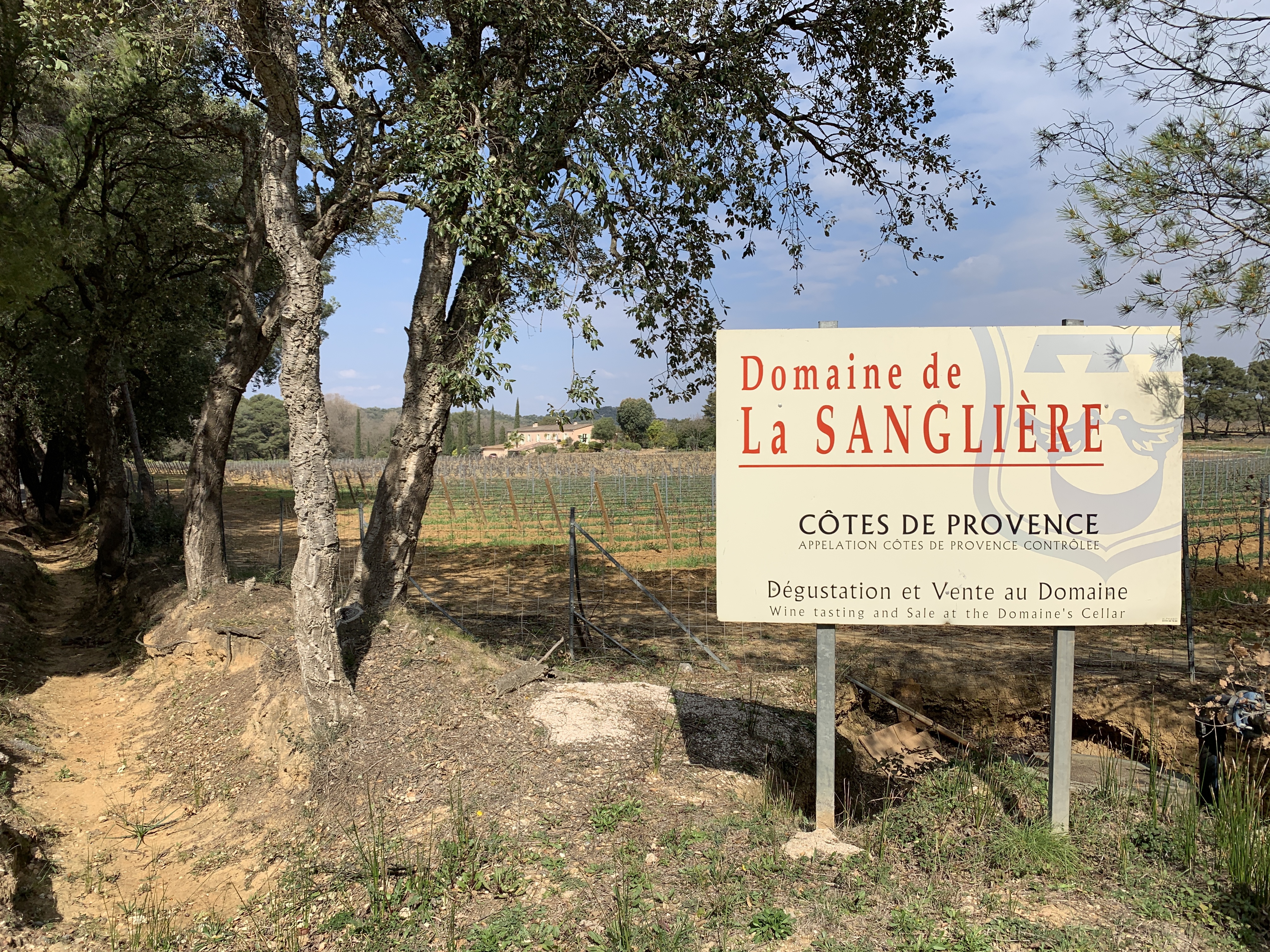
“At first sight this little (wild) piggy gave the impression of peach, light orange pink that seems to adorn many Provençal home facades. The peach stayed with me for the sniffies and notes of honey dew melon emerged as well..” Domaine de La Sangliere Prestige Rosé 2020
See full review here on Vivino
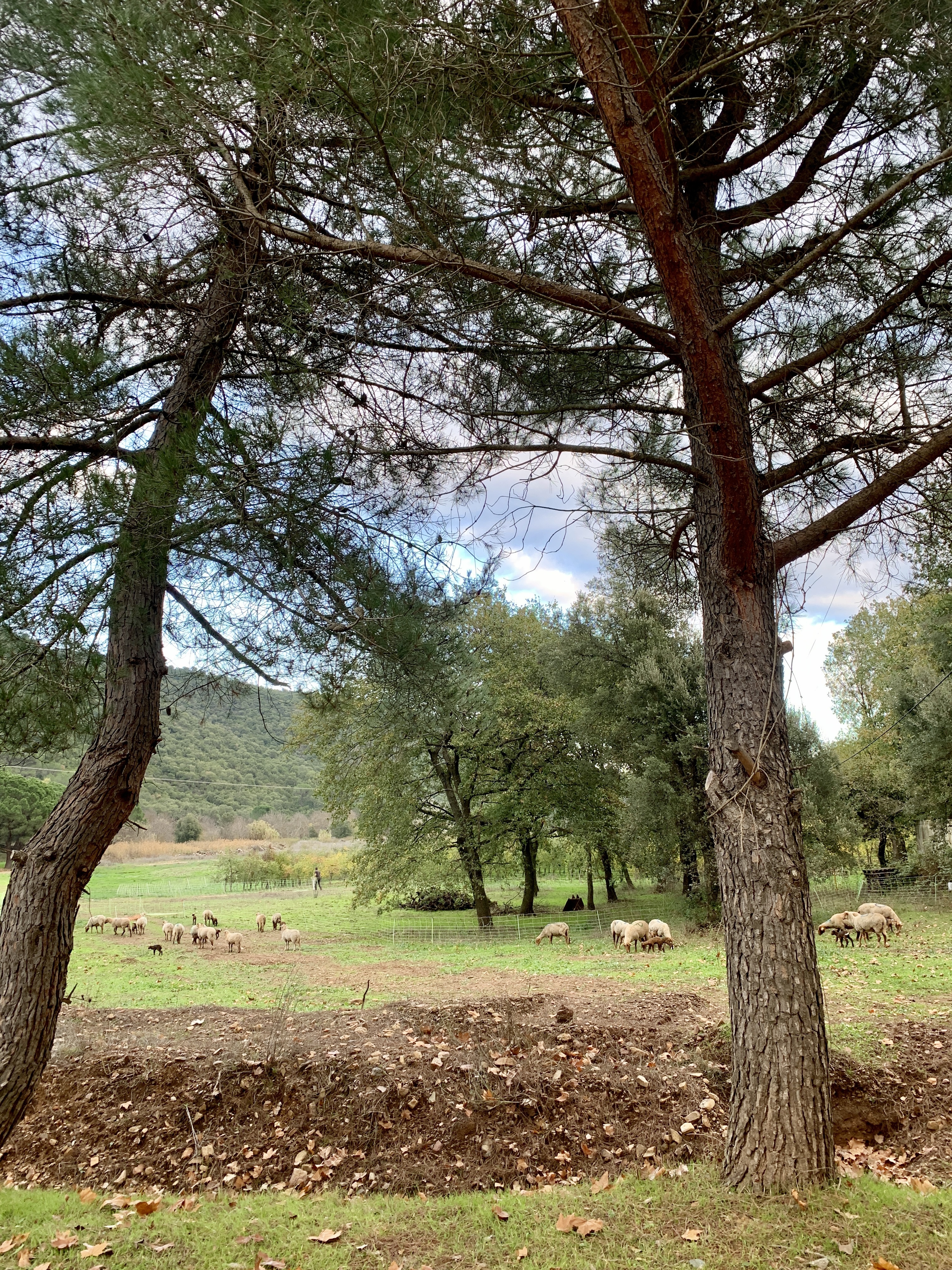
A drive further inland into the Pierrefeu AOC yields dozens of wineries, some of which help define the picturesque countryside with vines extended across hills, plains, and intermittent forests. Domaine de la Portanière sits about 5 miles before the charming town of Collobrières and appears just as much farm-like as it does vineyard. That’s because it was in fact a farm and it retained that look and feel. Today it is a winery and a fruit orchard. It was only a few years ago that the owners started making wine on the property under their own label (previously they sold their grapes to the local cooperative). The tasting portfolio here spanned two rosés, two reds and a white. The rosés offered distinct styles in their expressions of their terroir going from a fruitier to a drier profile. The Bae Rosé quickly became a big favorite!
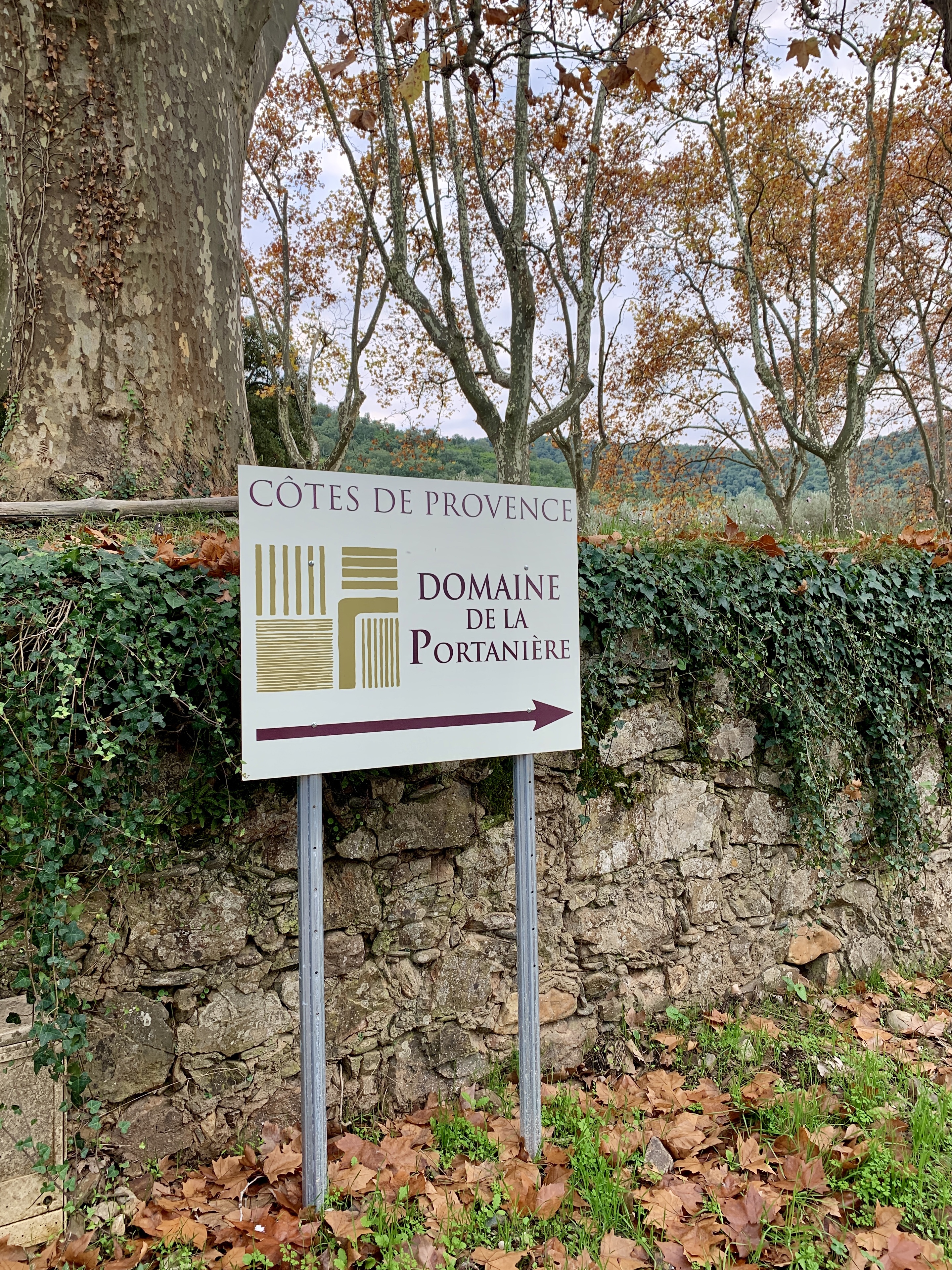
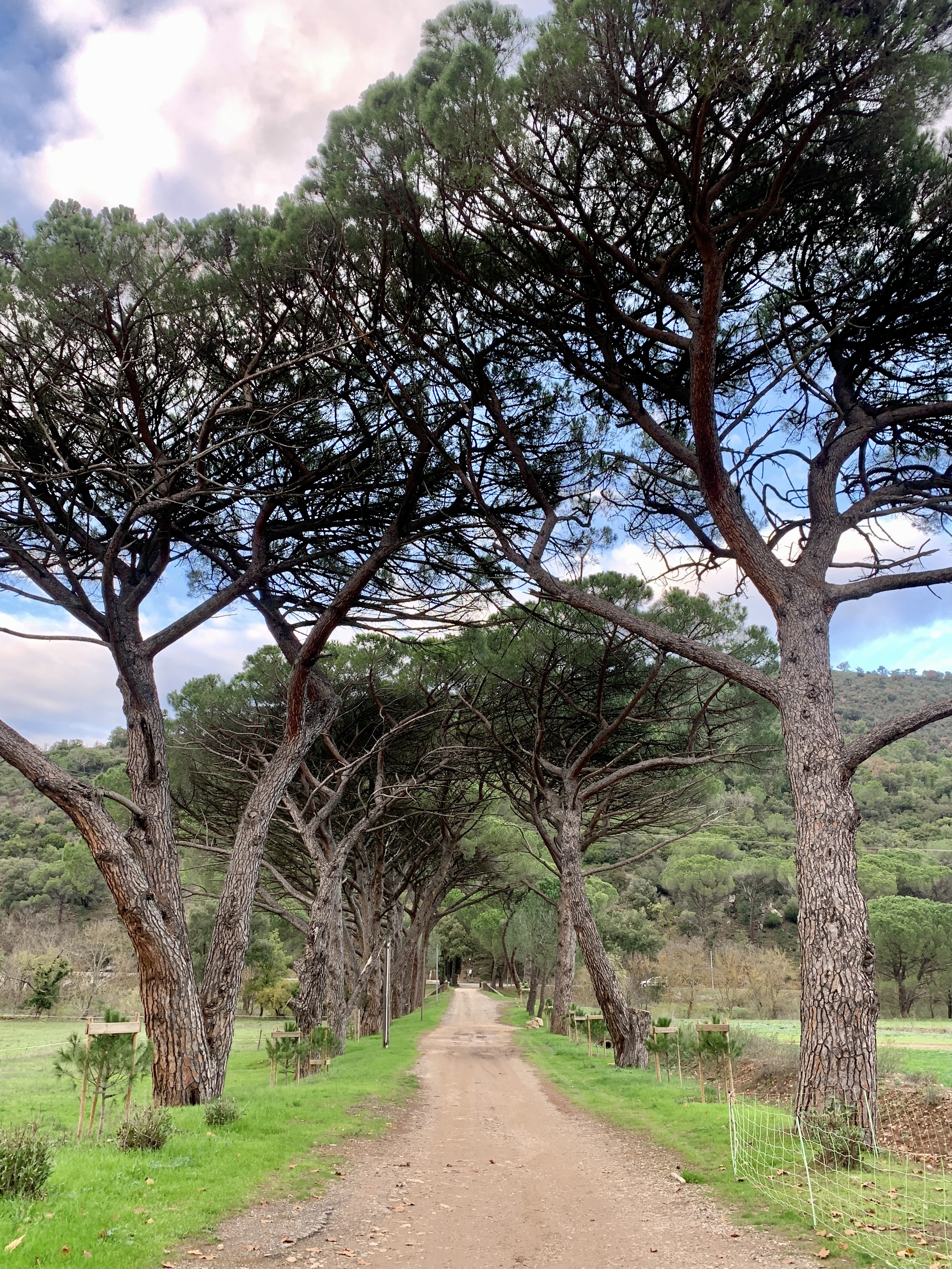
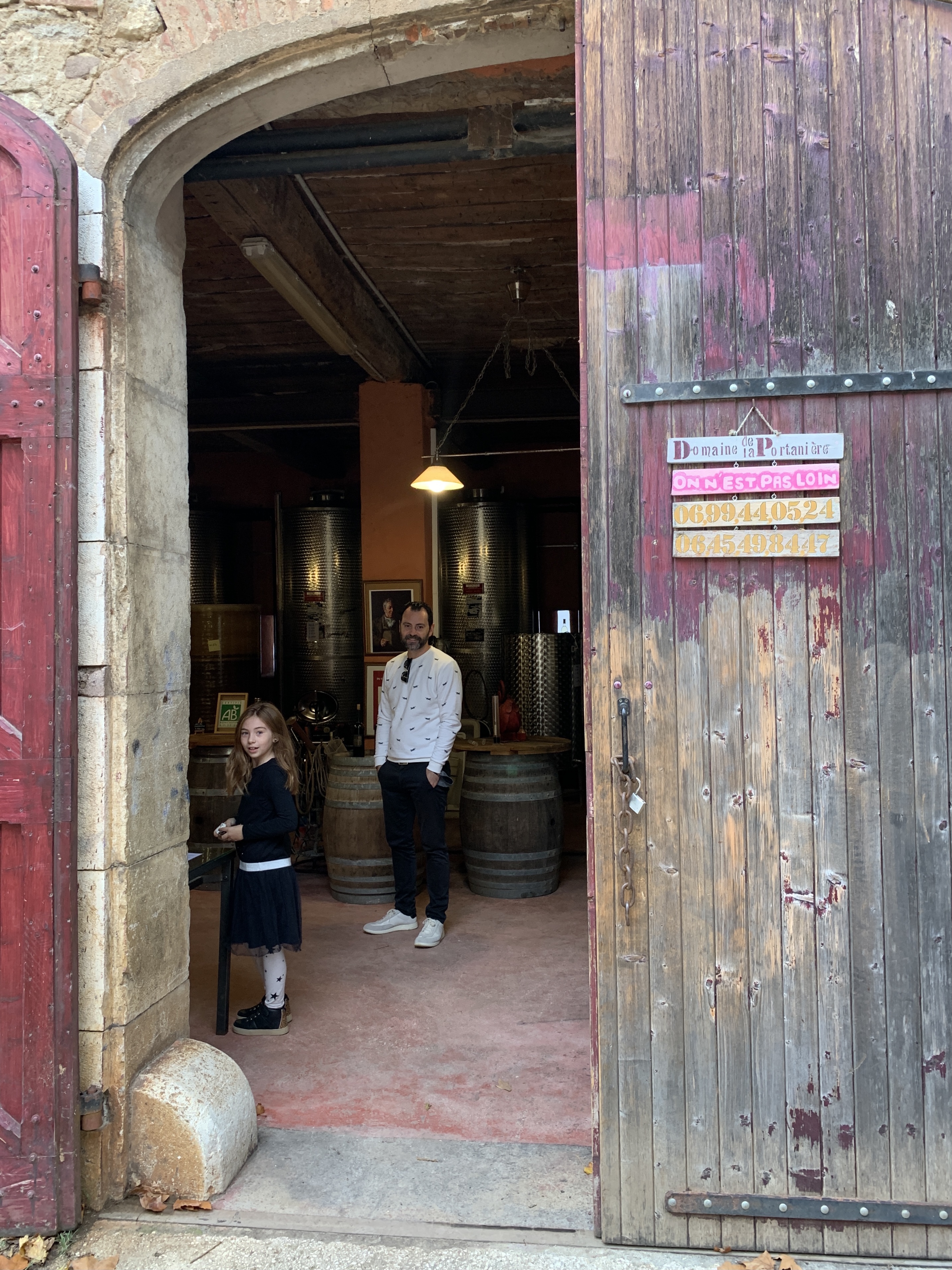
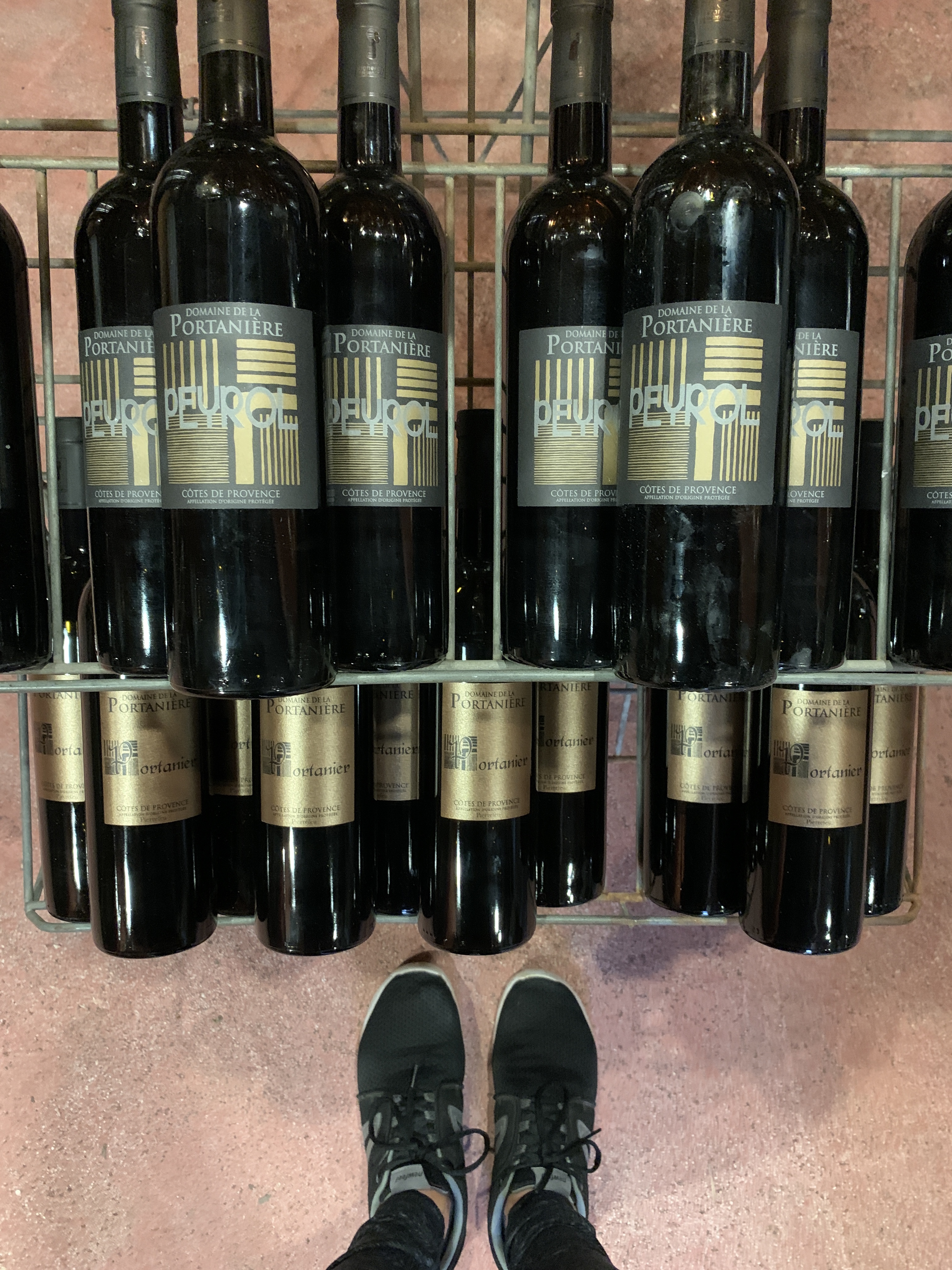
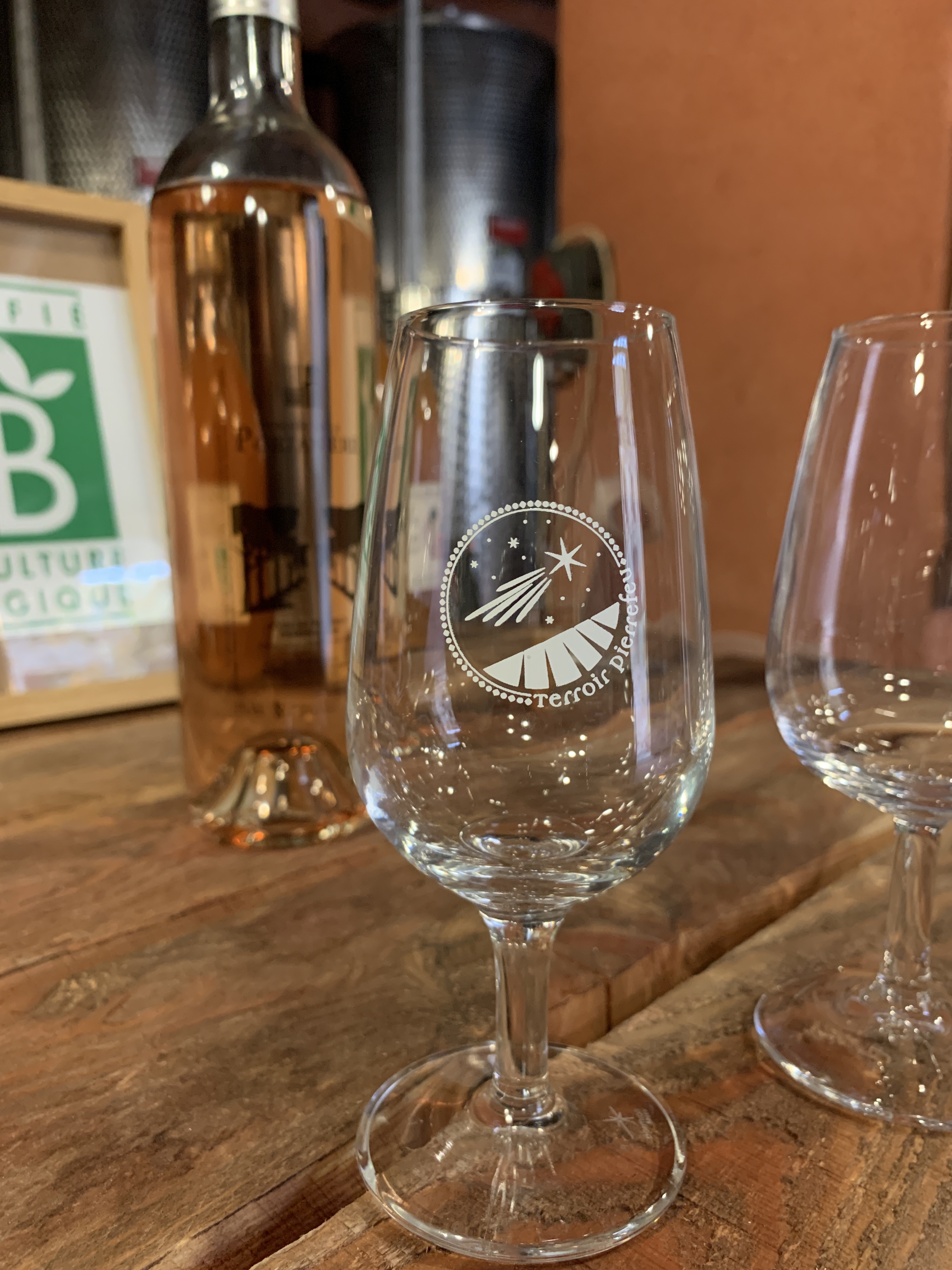
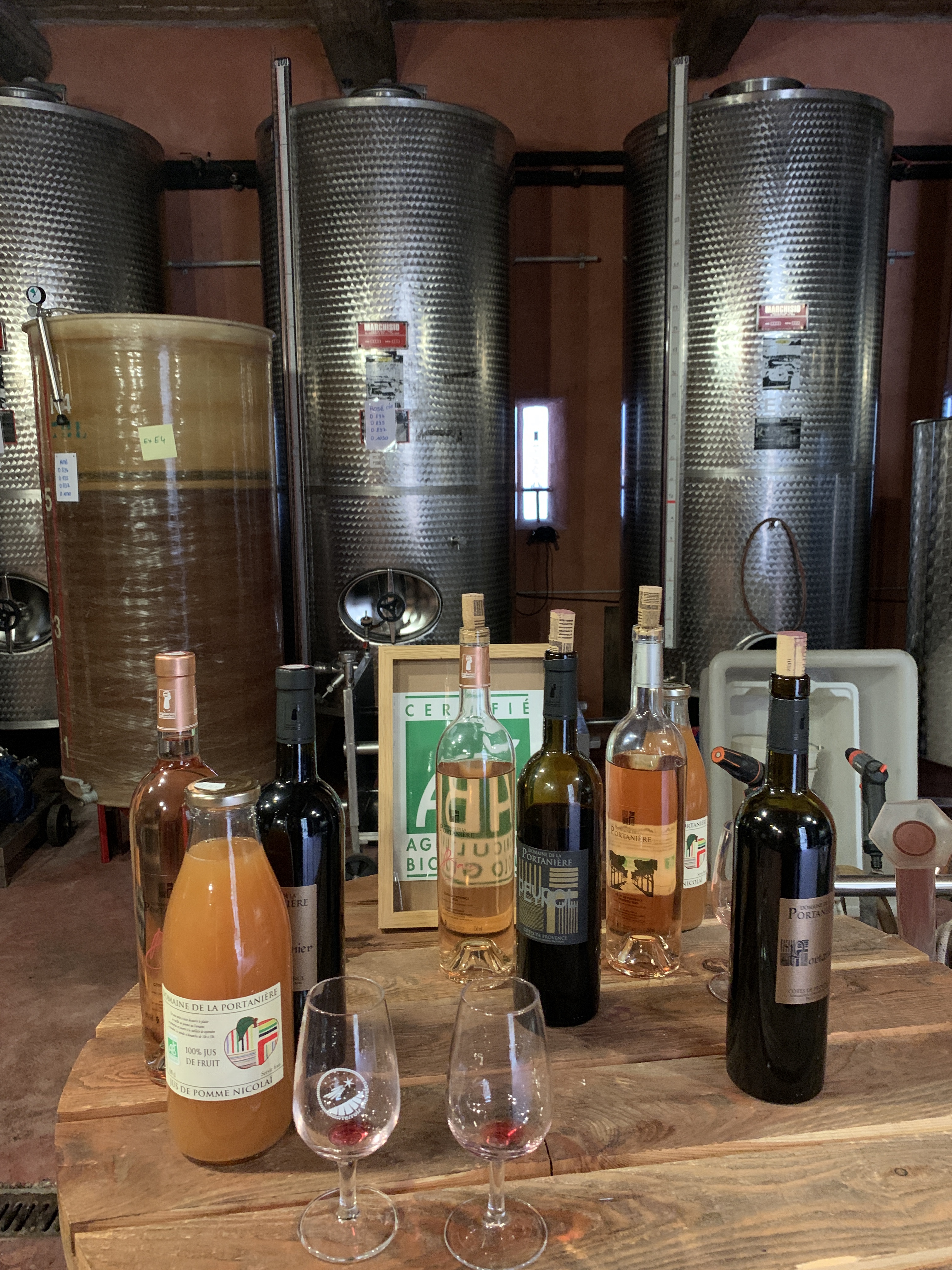
“Veeeery approachable and easy drinking. A pale rosé almost hinting to a gold’ish hue that speaks of apricot on the nose. Light and refreshing on the palate with medium acidity and soft presence of fruit..” Domaine de la Portanière Bae 2020
See full review here on Vivino
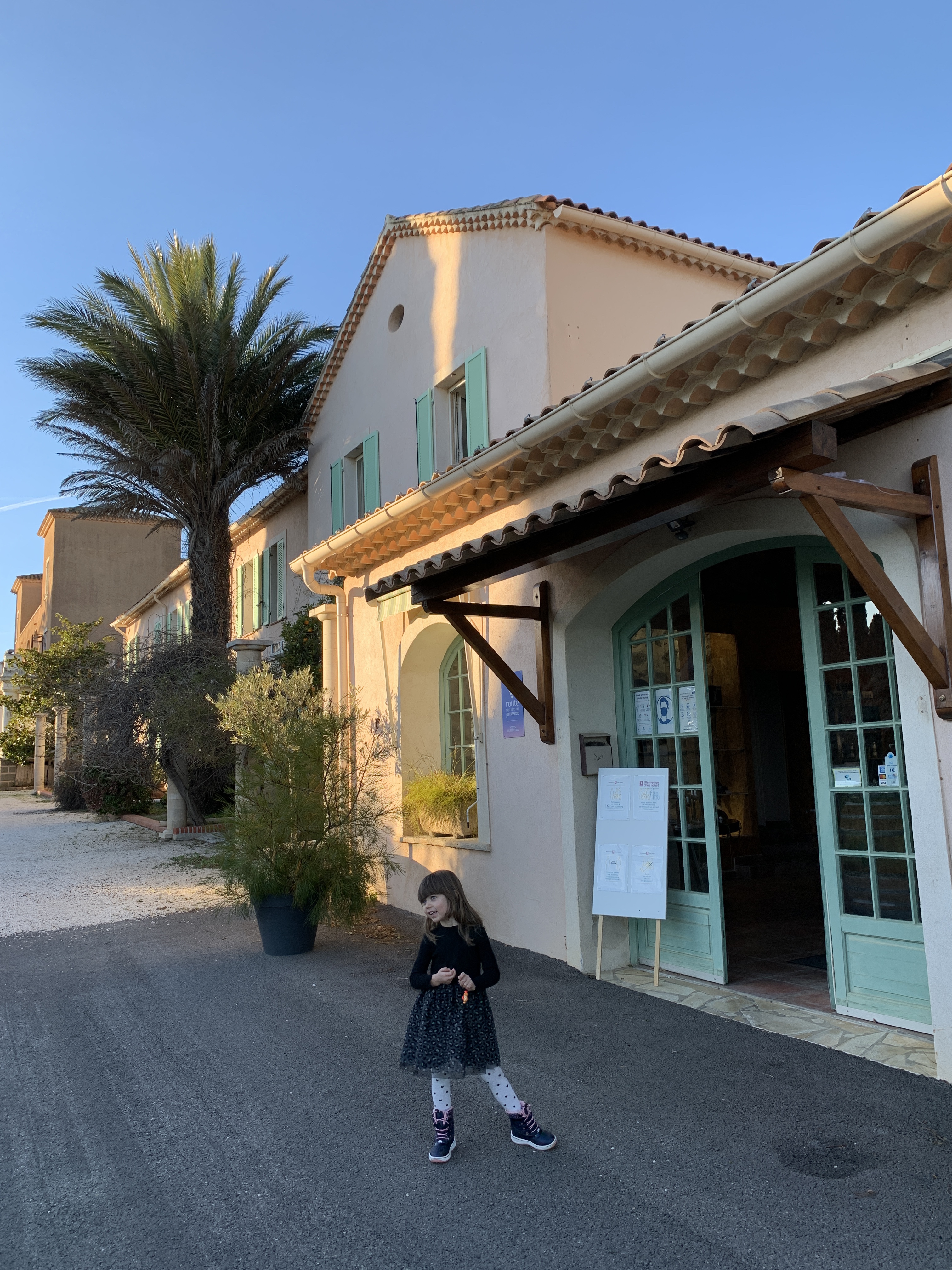
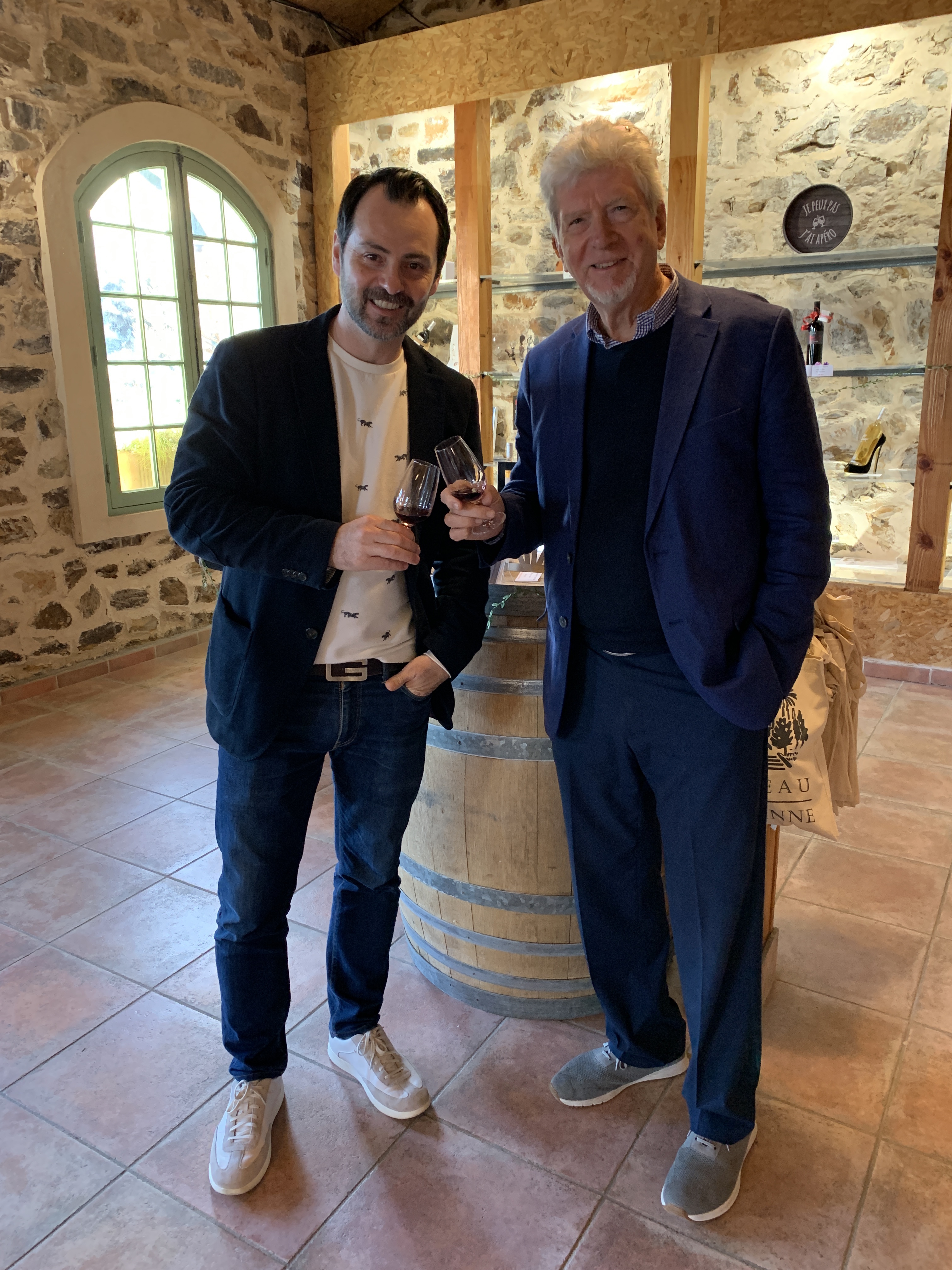
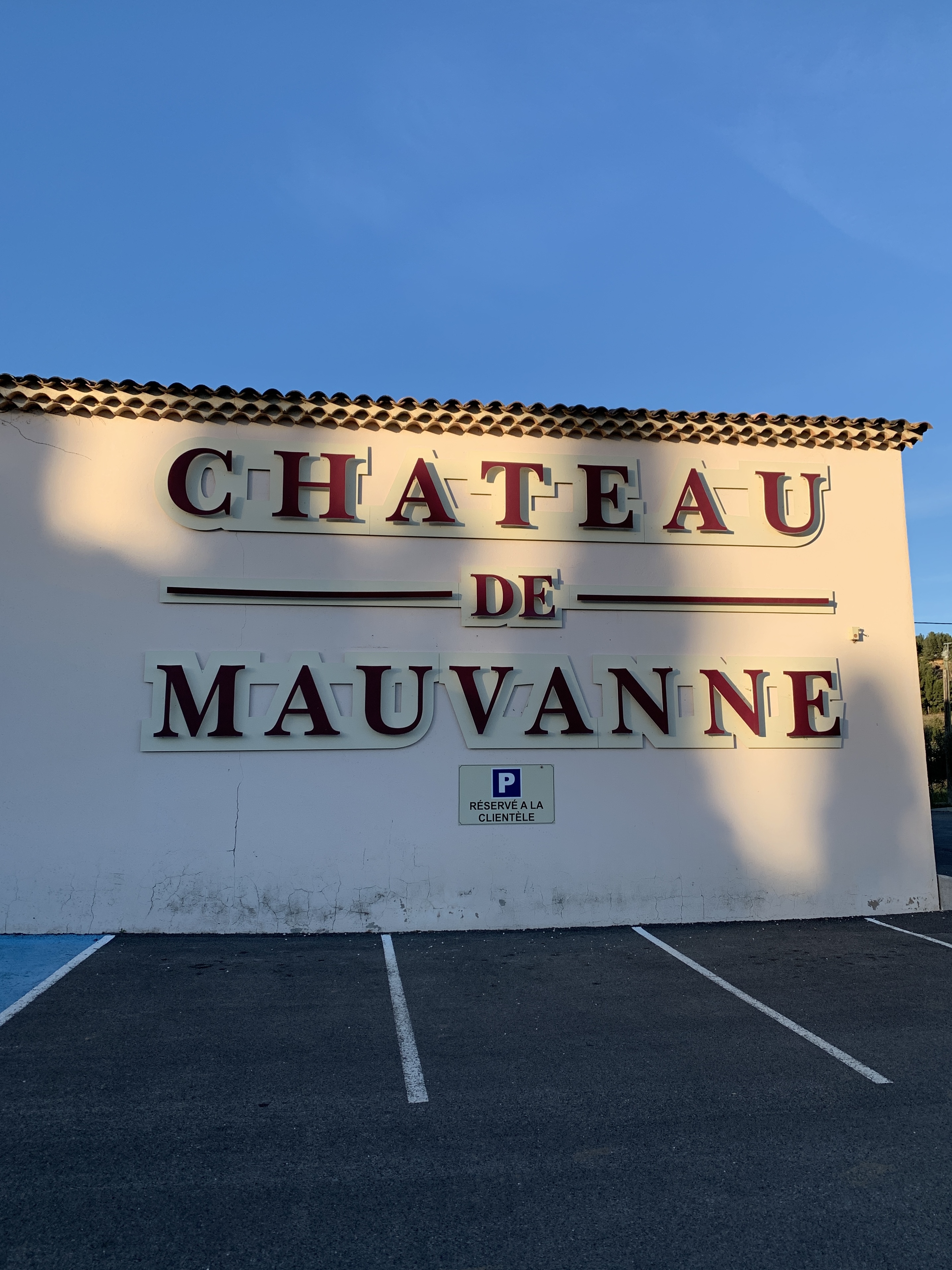
Chateau de Mauvanne is another Pierrrefeu region Côte de Provence winery and is distinguished by its Cru Classé designation. The chateau was once owned by a French actress (Simone Berriau), which helped place its wines on restaurant tables across Paris. Today the chateau is owned by a different wine-making family who is keeping the promise of Cru Classé alive and well. Our tasting here included red and rosé and both showed well. The rosés were fresh while the reds translated their terroir in notes of earthiness and smoke, a class act no doubt!
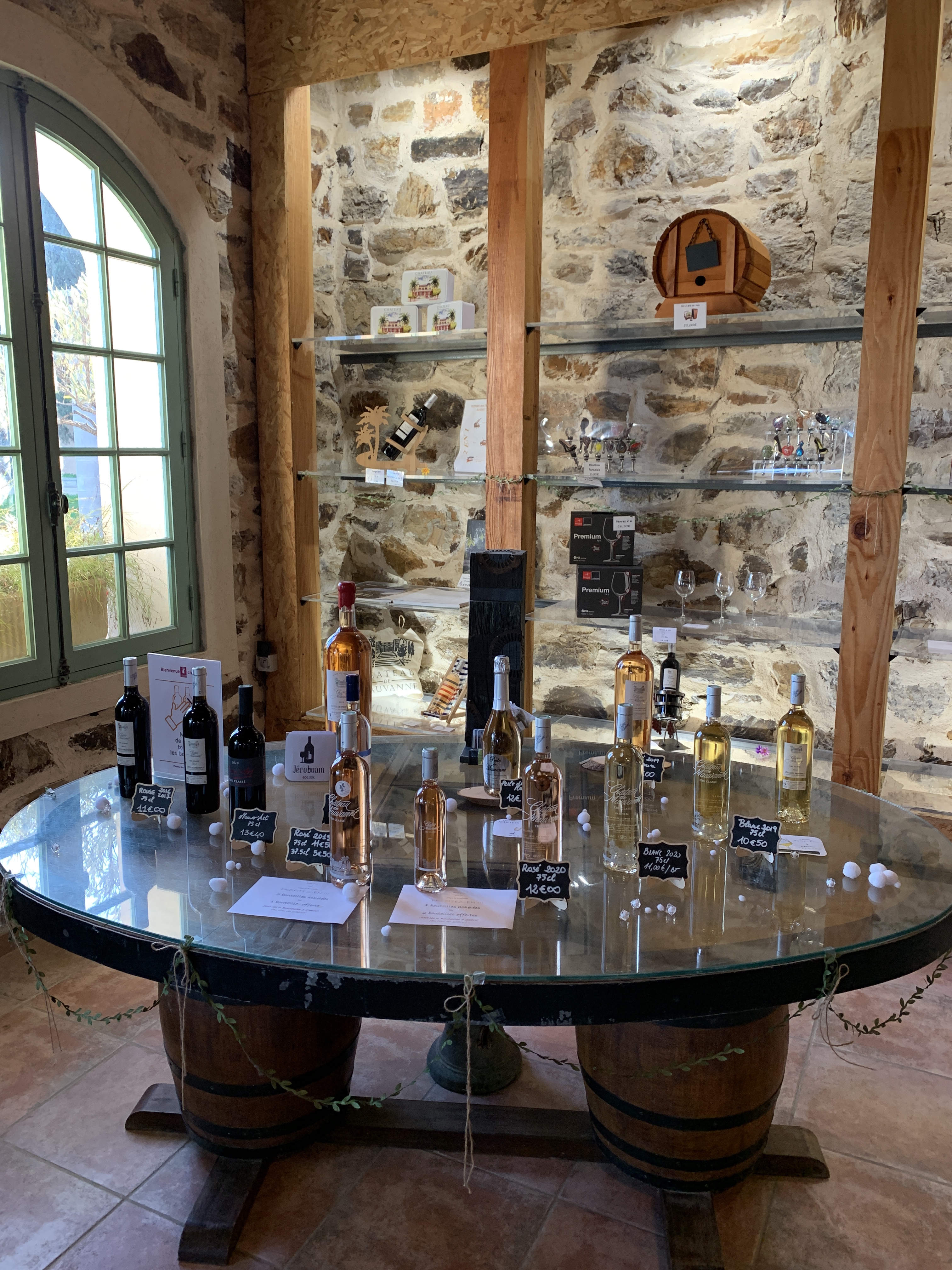
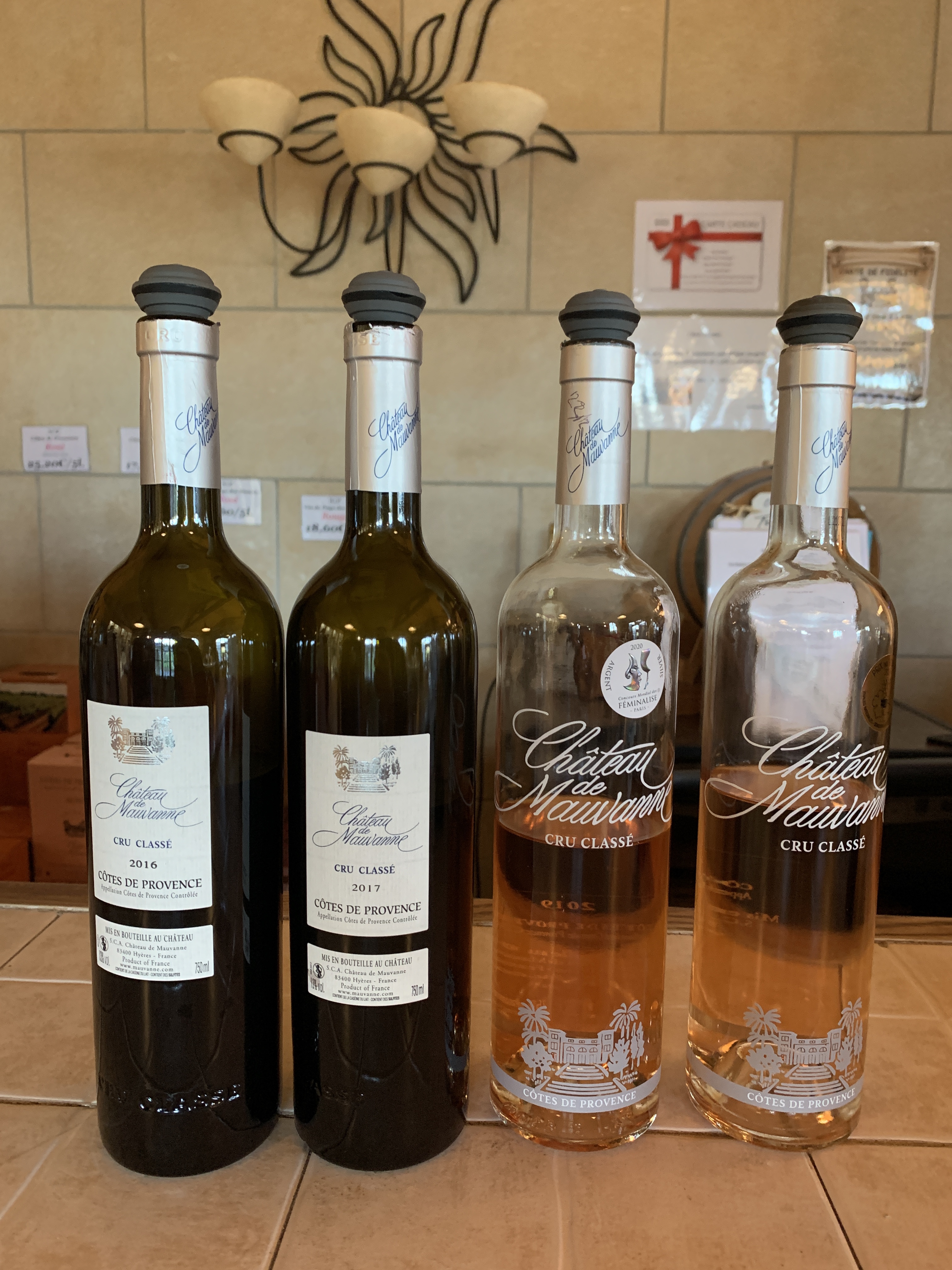
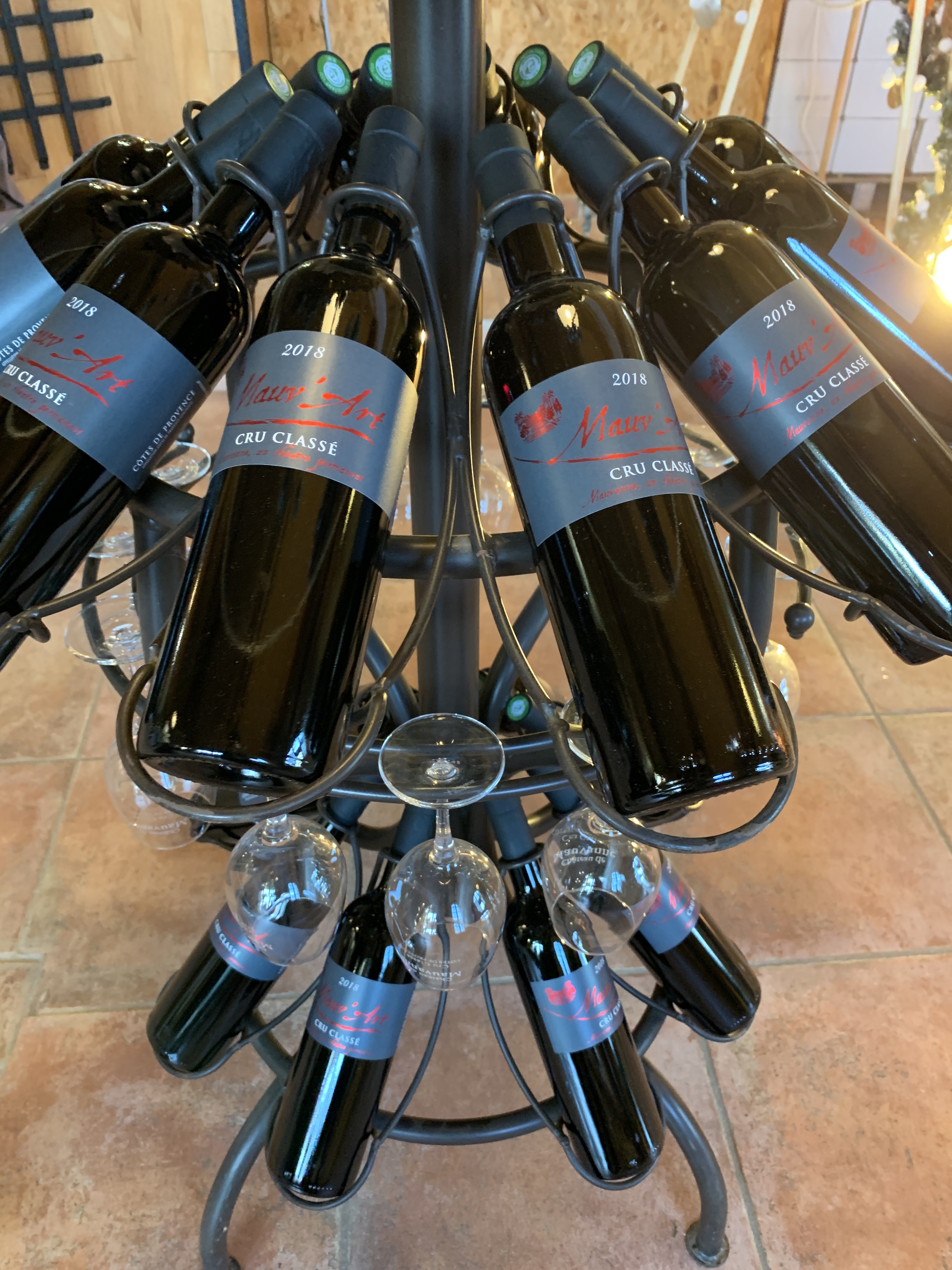
“A wine that moved my buds! Delicate deep burgundy in appearance in glass, really passionate tears. Diffuses a bouquet of licorice, pepper, and smoked wood..” Château de Mauvanne Côte de Provence Rouge 2017
See full review here on Vivino
For more wine related content and posts like this, check out the Wine Log page here.
 Our Provençal Year
Great presentation of the vineries ! Did you try to publish it somewhere?
Sent from my iPhone
>
LikeLike