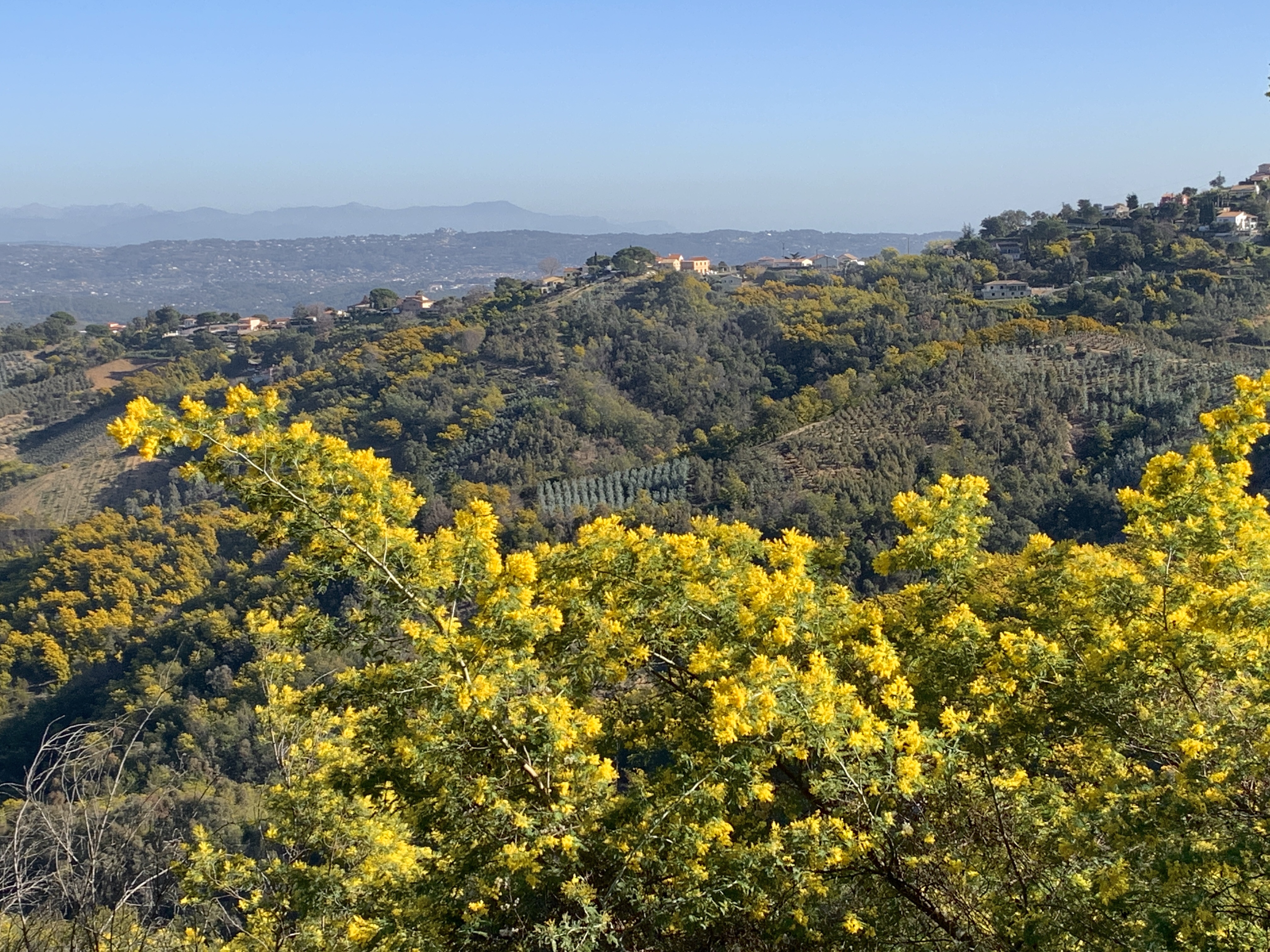
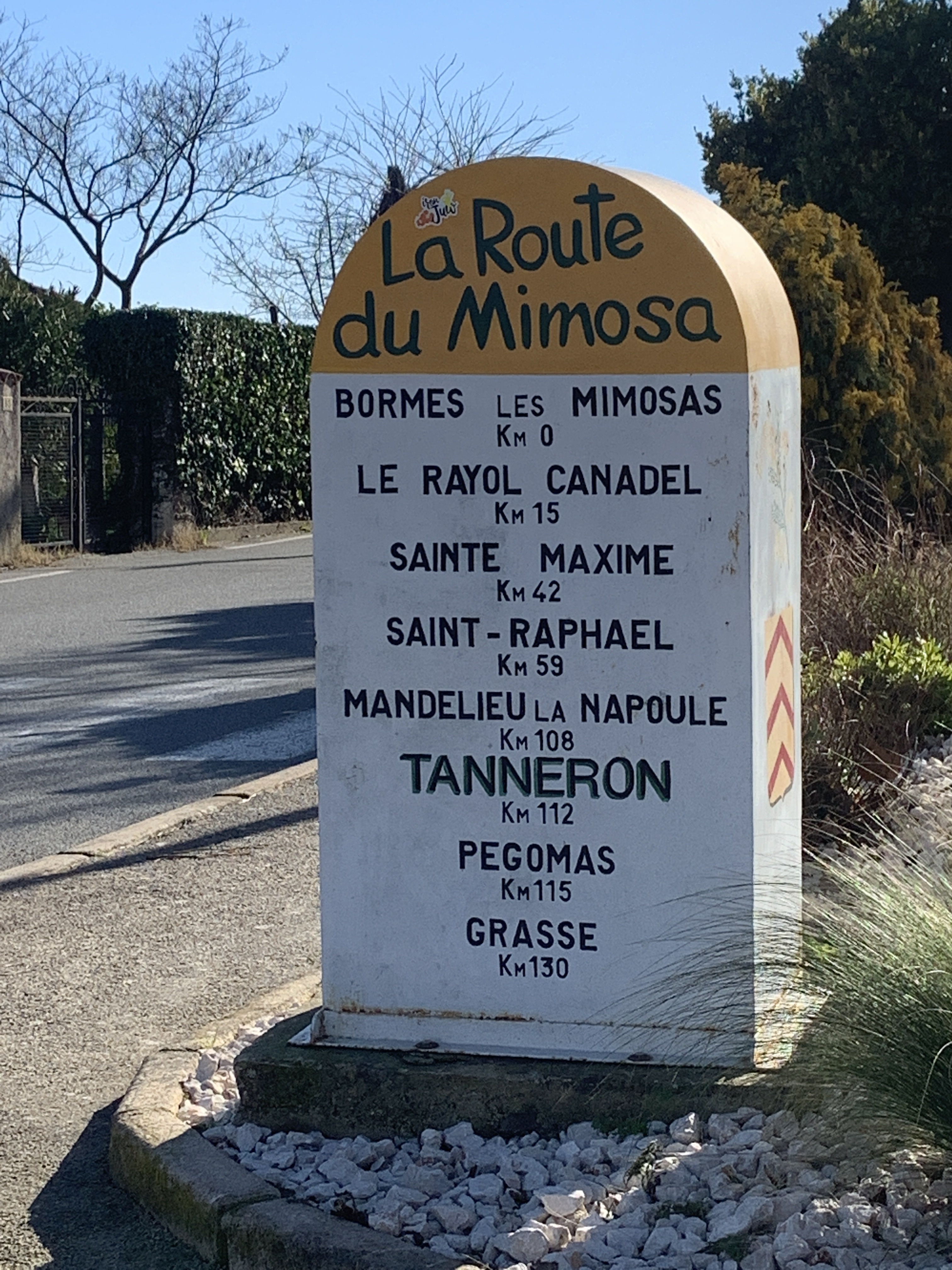
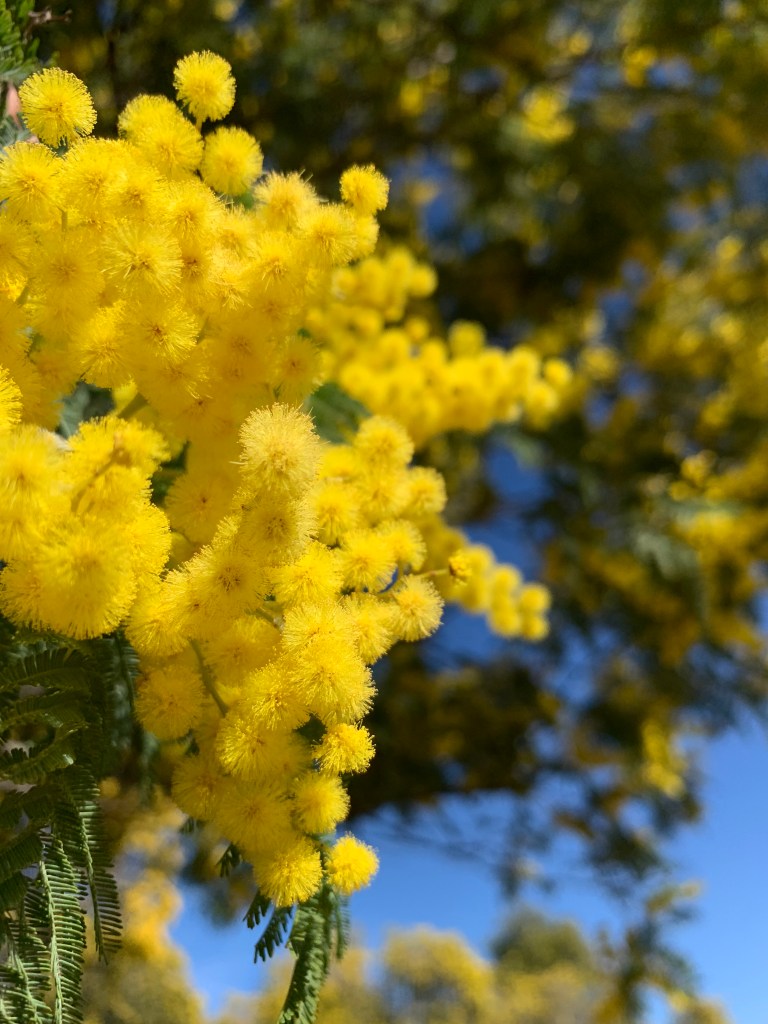
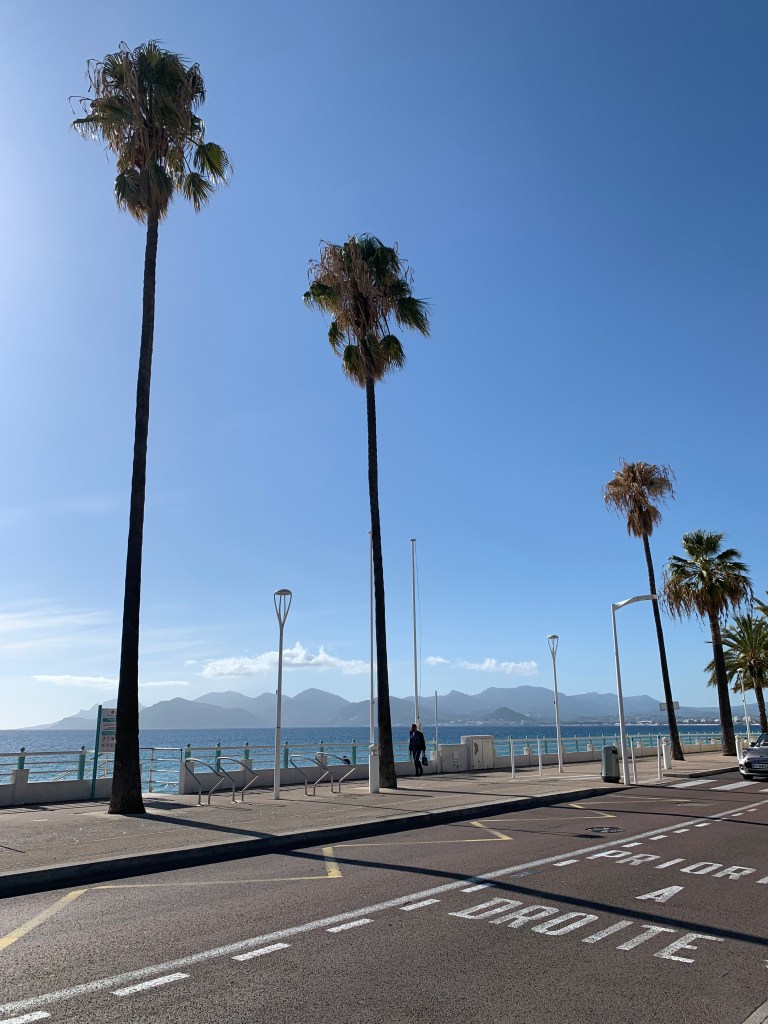
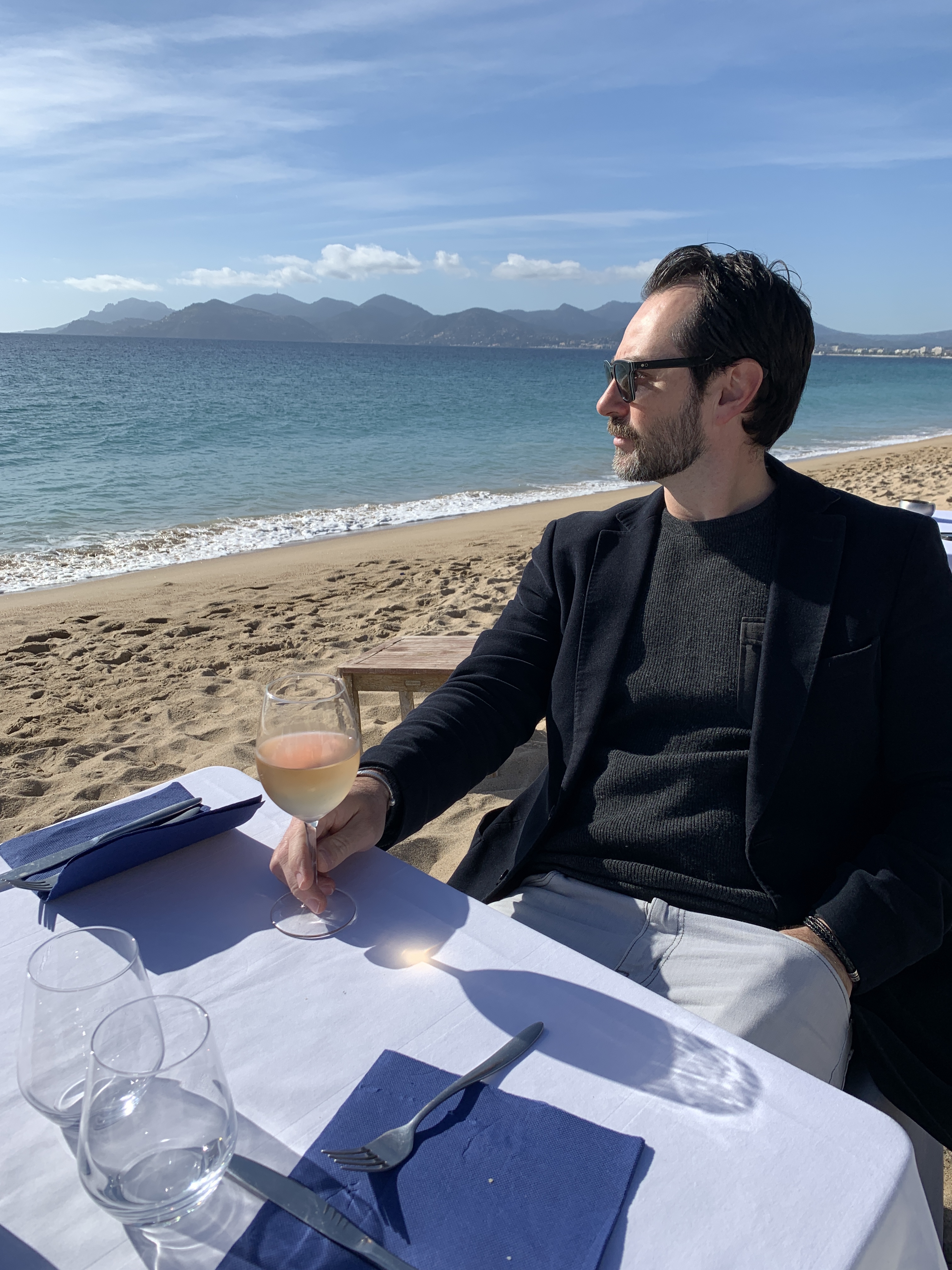
The French – Italian border town of Menton (France), is about a three hour drive from our town in the Var, headed east. Along the way, the promise of an abundance of mimosa trees in bloom on the “Route du Mimosa“, helped set the initial part of our course. February seems to be the best time to observe the yellow trees that are capable of turning a landscape from good to gold. This part of the drive paid off with several memorable views of the mountainous landscape accentuated by the pop of mimosas. As the Route wound down, we found ourselves near the coast headed towards Cannes, a place we had not visited previously. The clear sunny day prompted our lunch on the beach where the open vista of the French Riviera offered rationale as to why Cannes is so popular with many different types of crowds.
Mesmerized in Èze
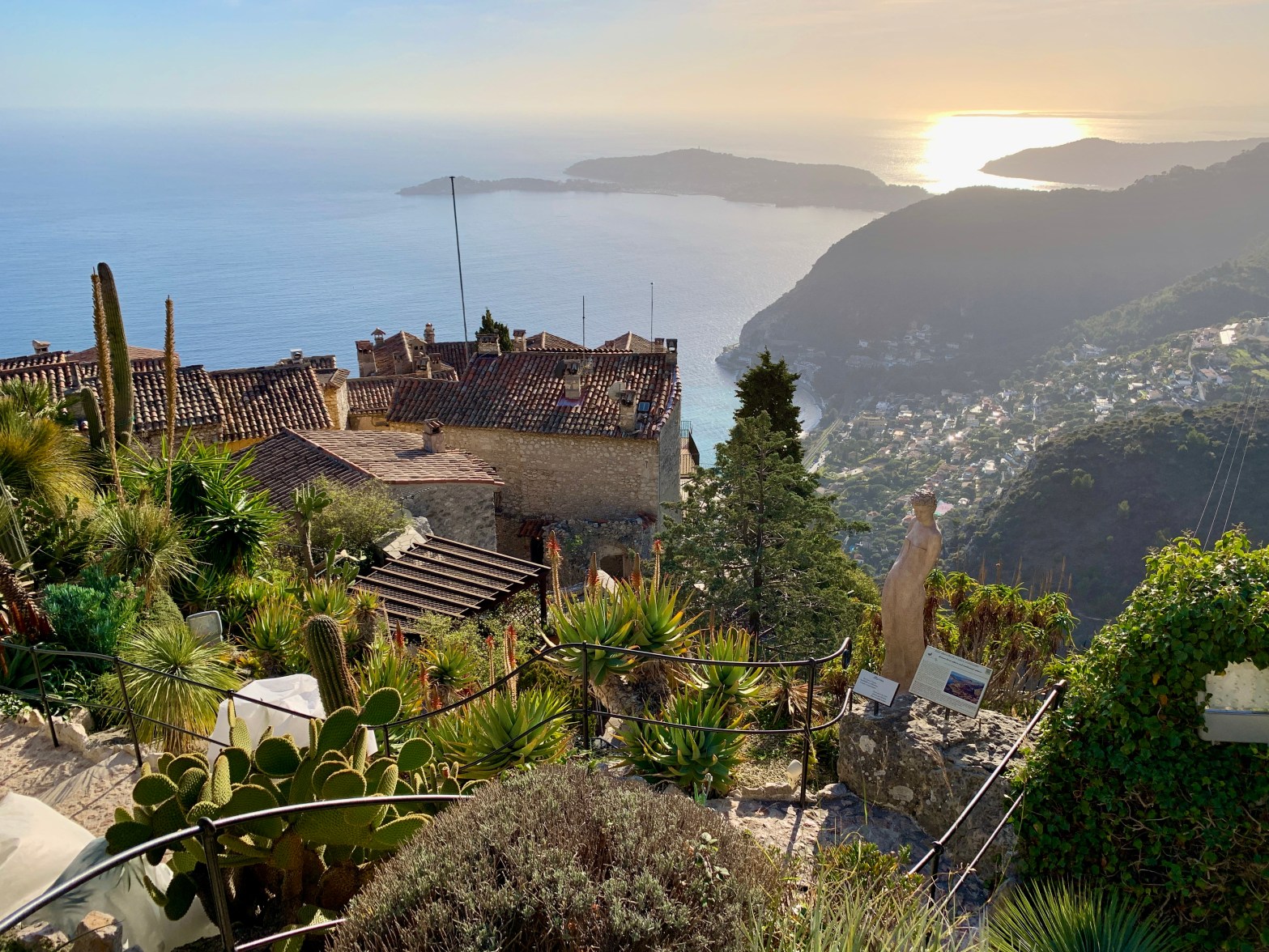
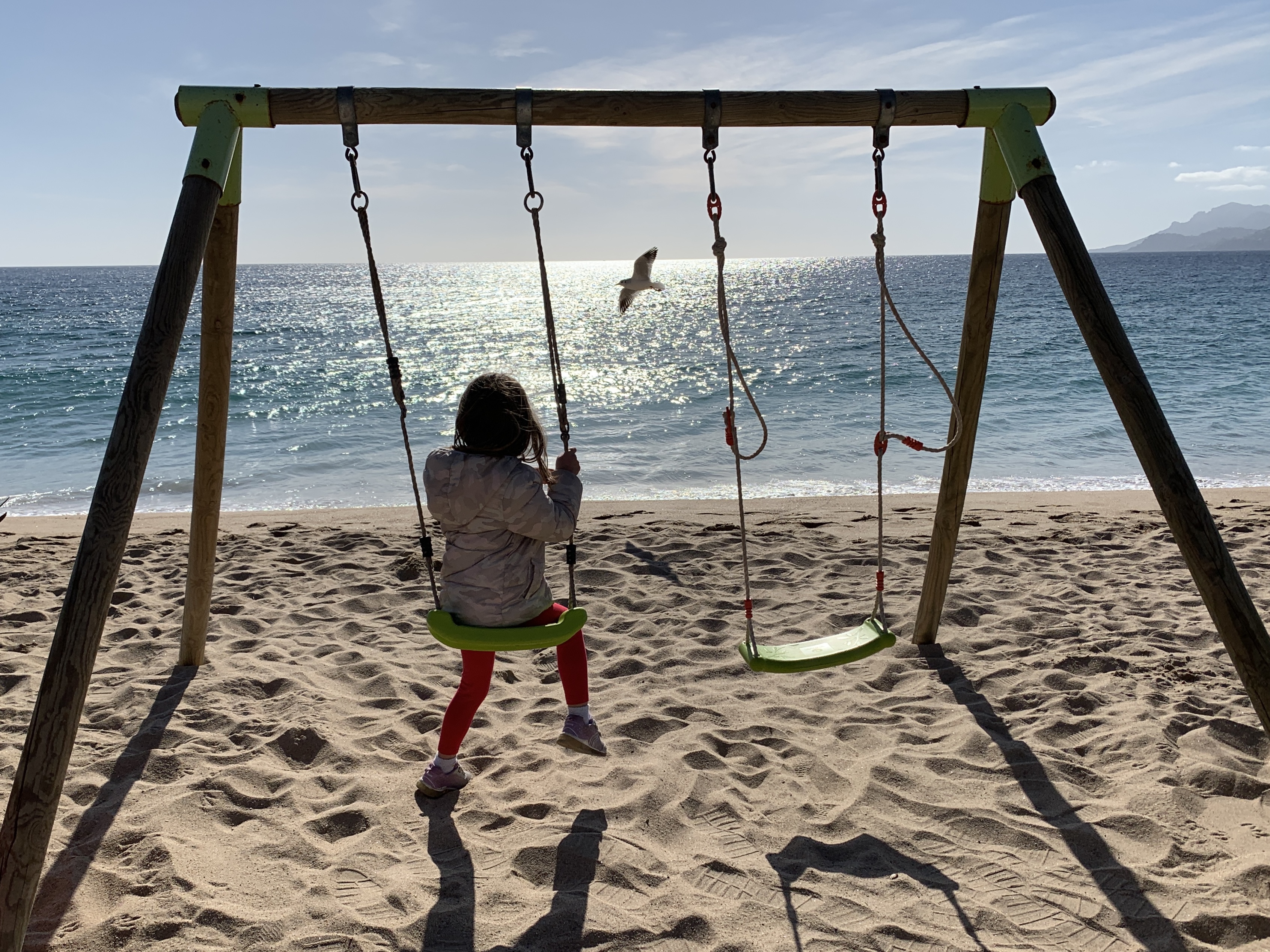
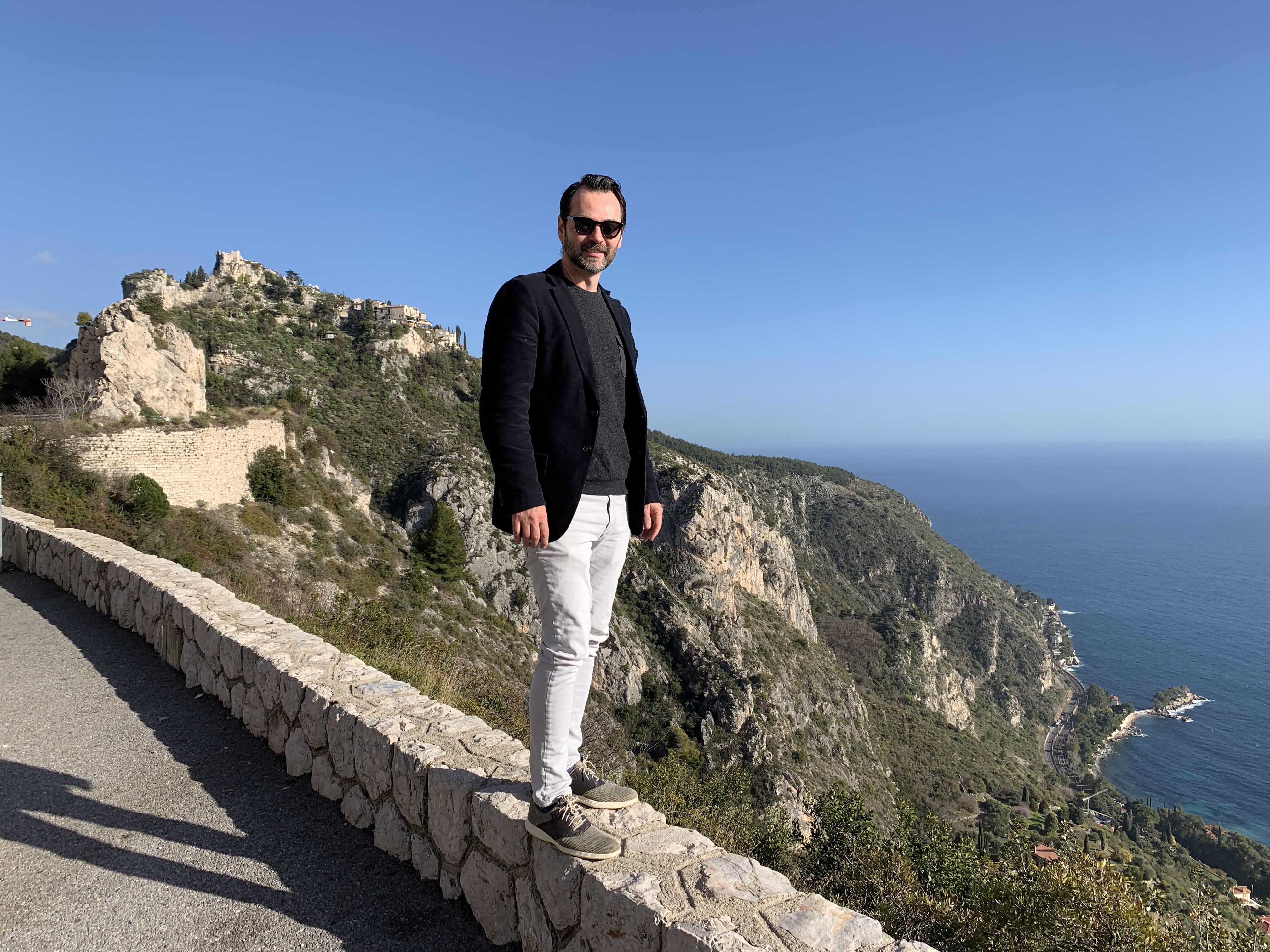
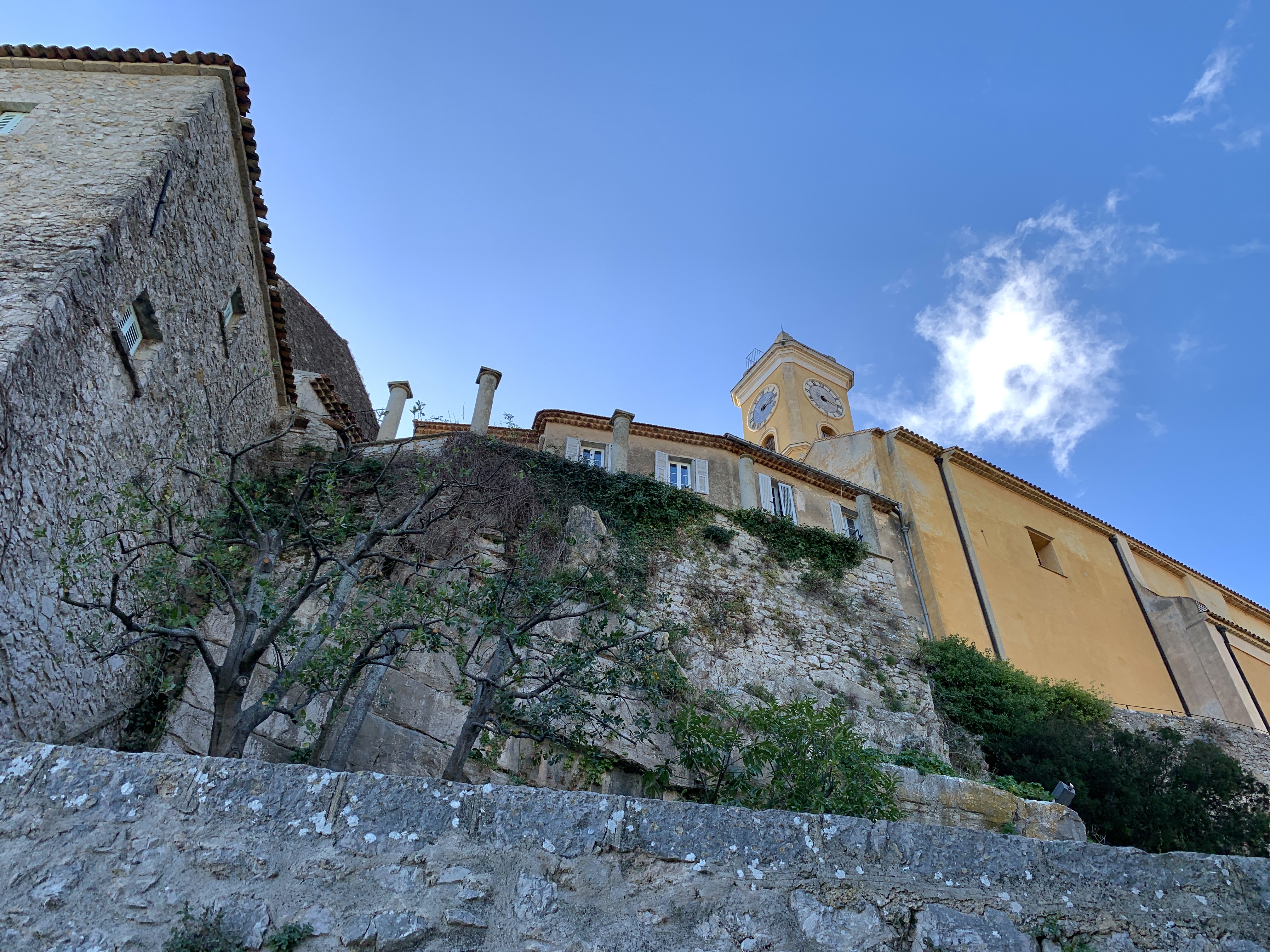
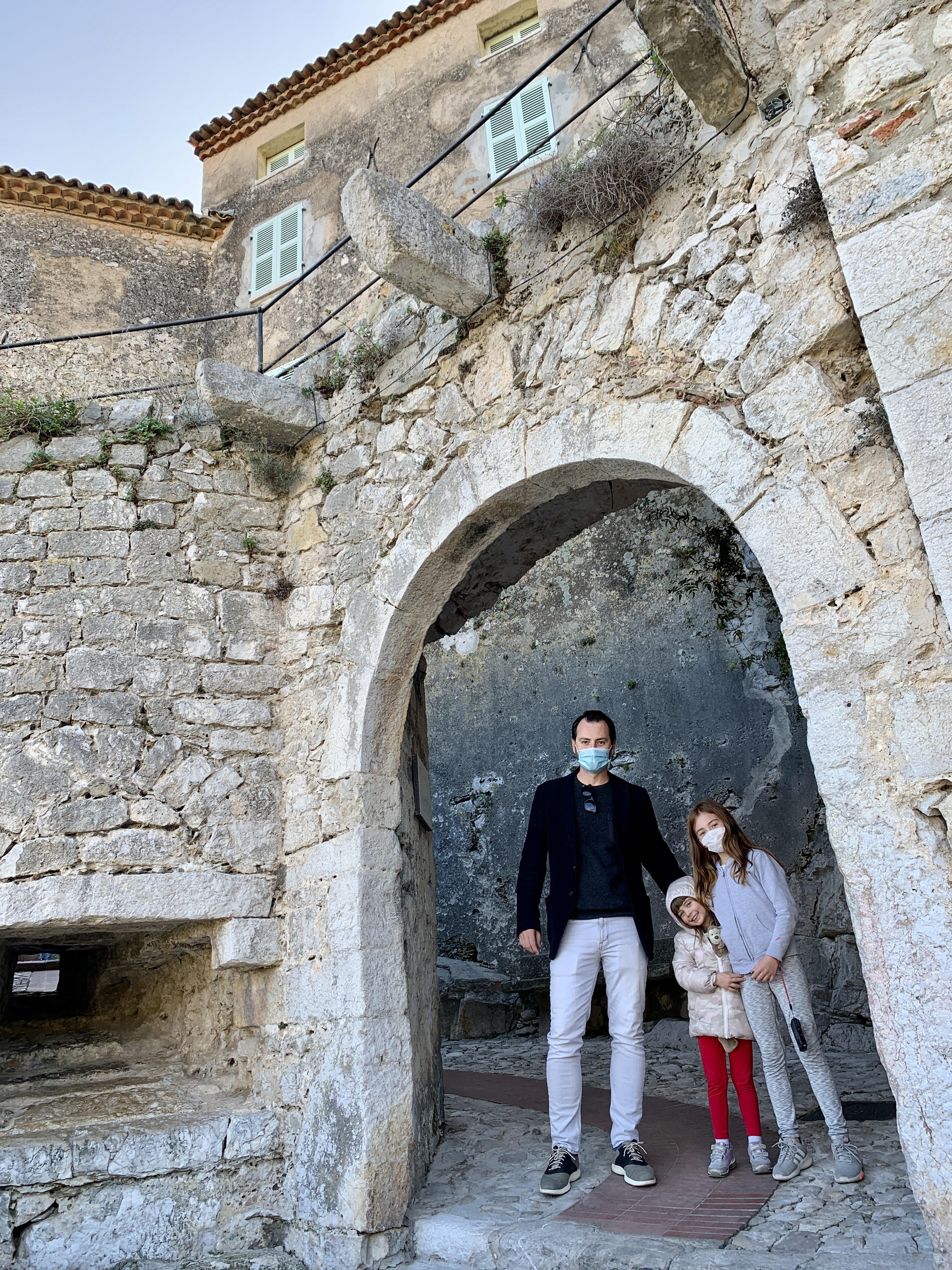
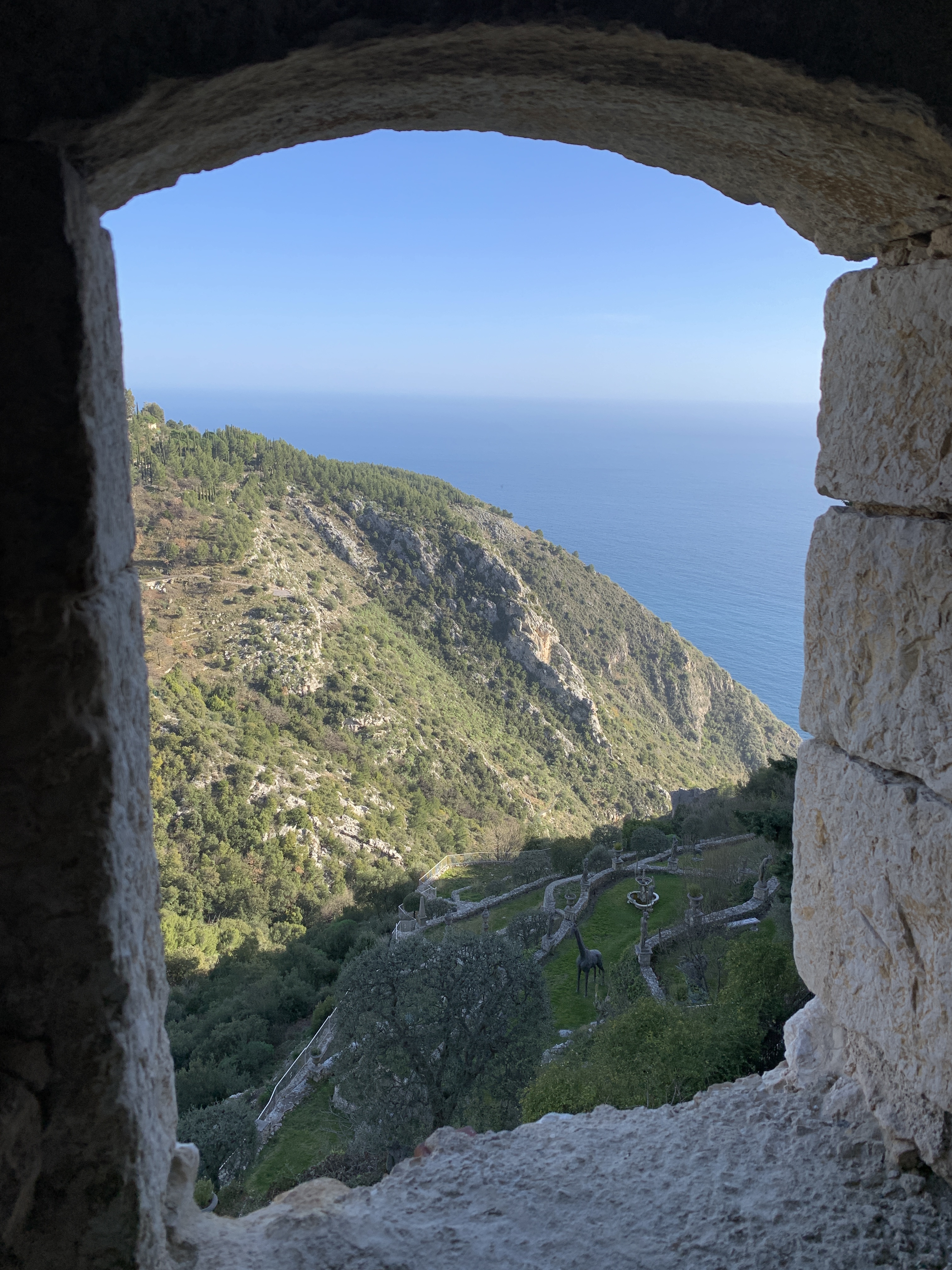
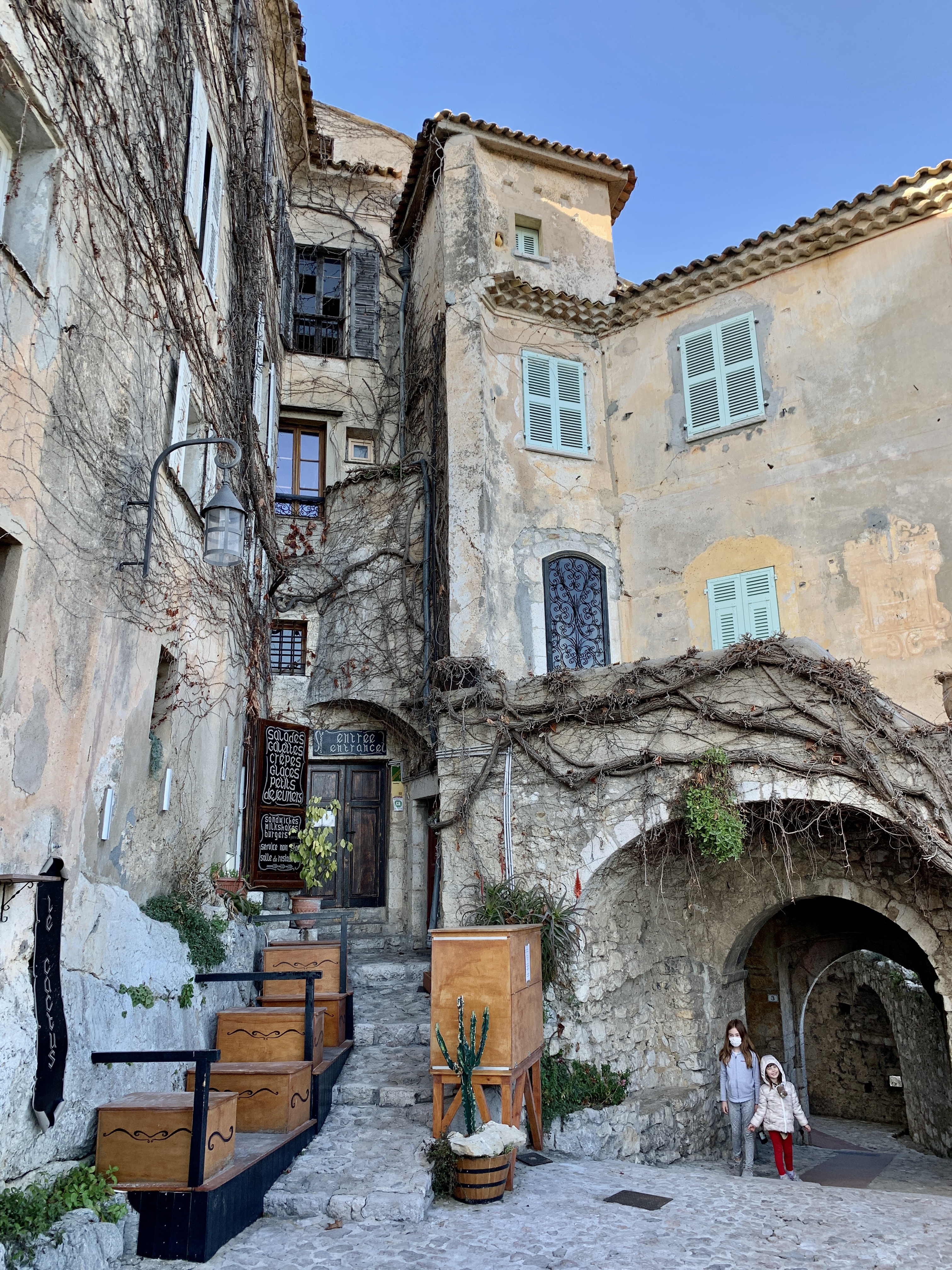
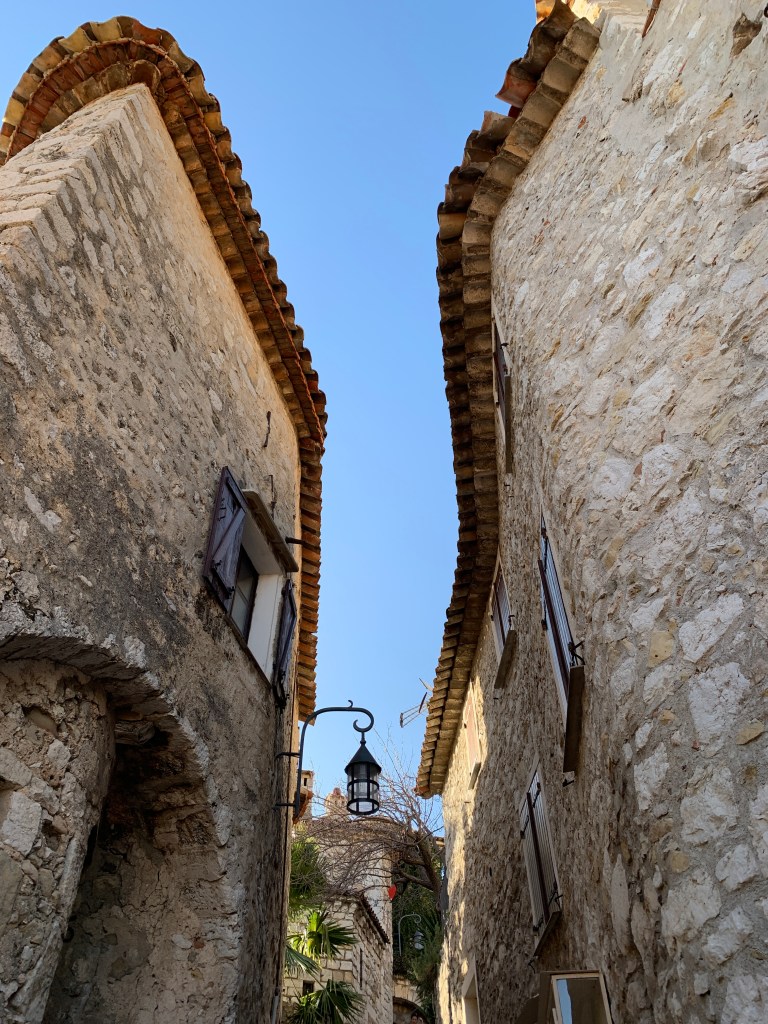
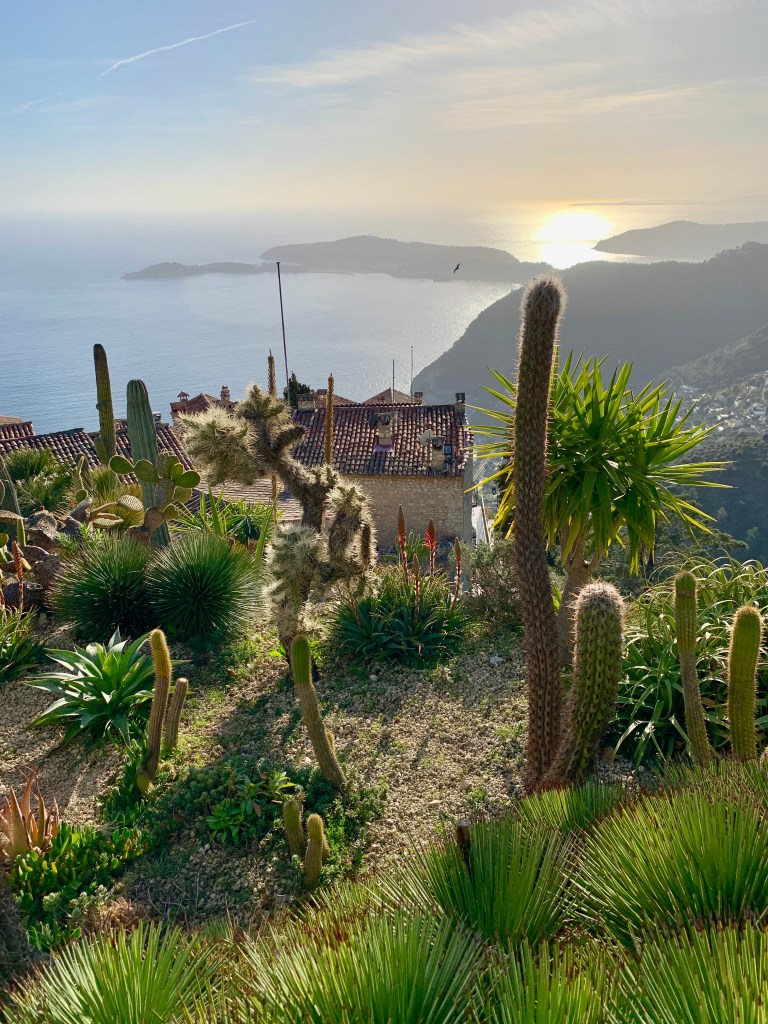
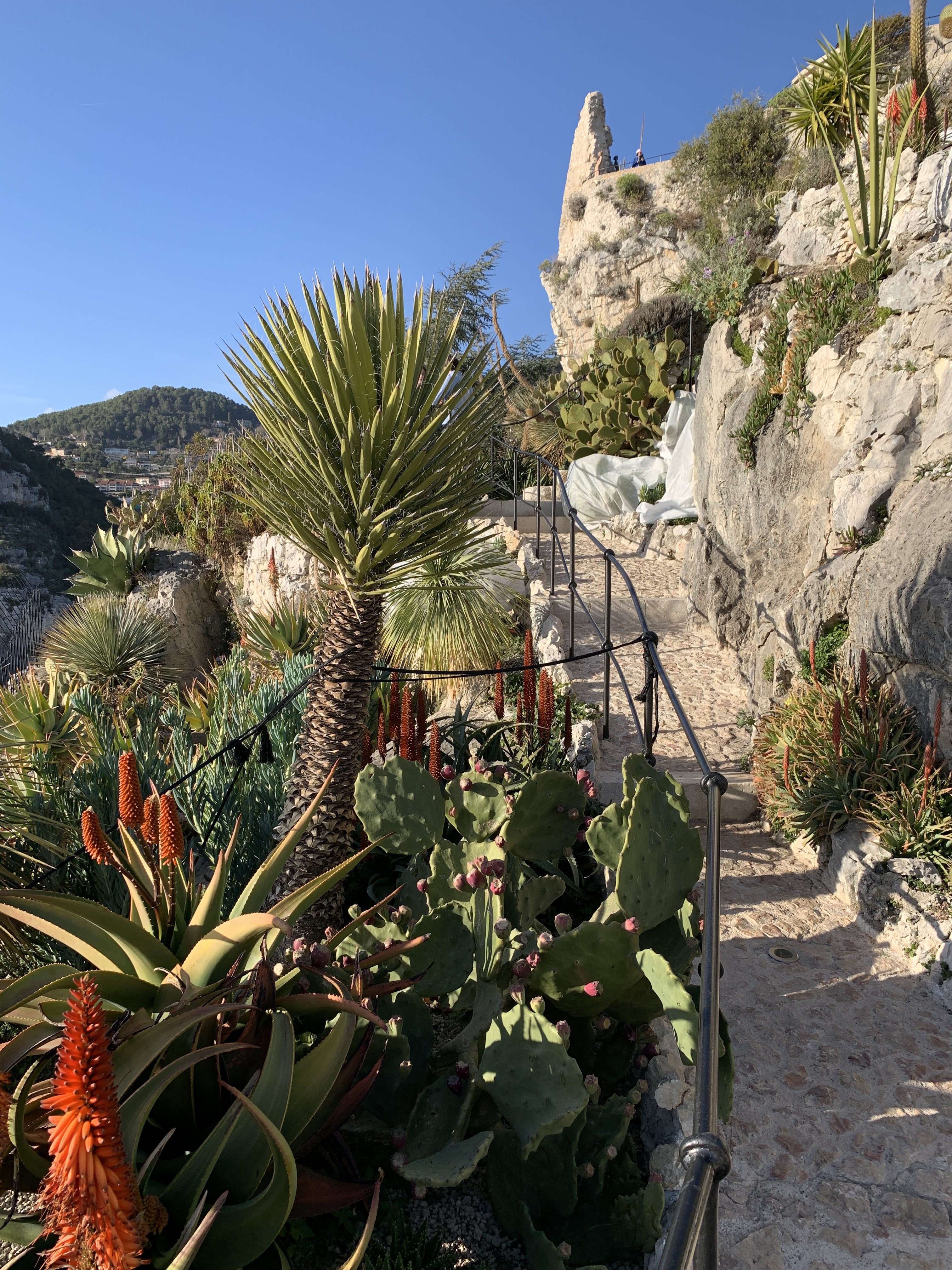
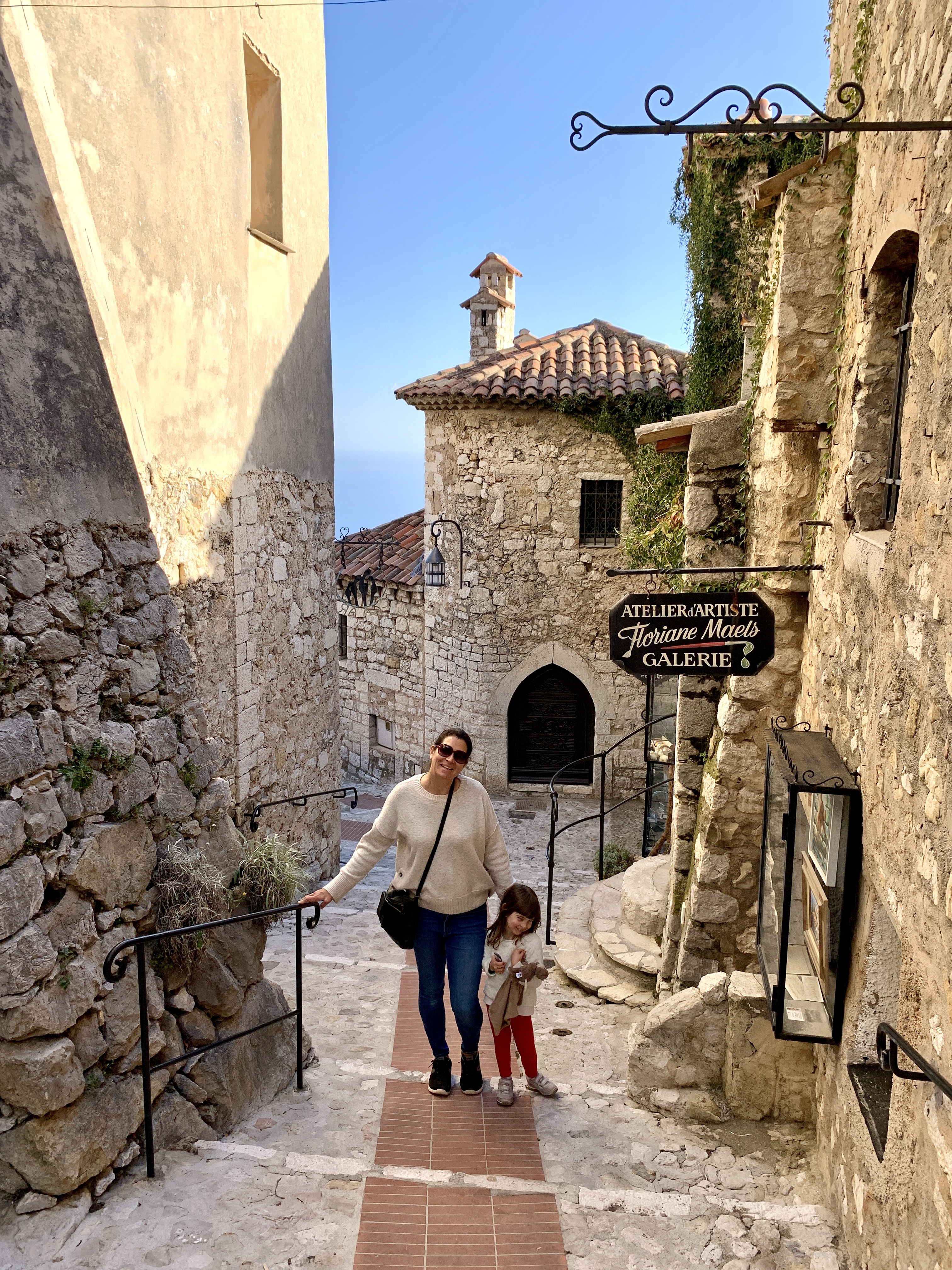
After lunch and some playtime at a kids park across the street, we continued our course towards Menton, but stopped just short of it to squeeze in a visit of the medieval village of Èze. The old town of Èze is perched atop a 1,400 foot tall cliff overlooking the Mediterranean, placing into its panorama vast views of the French Riviera (Nice is about 6.5 miles to its east while Monaco is 4.5 miles to its west). The old town is classic narrow street and cobble stone charm but one of the real attractions of the Èze is its exotic botanical garden (or Le Jardin Exotique). For this we had to climb to the apex of the cliff but the richness of the vegetation coupled with the views was a total reward. Apparently Walt Disney spent a bunch of time in this town, leading me to wonder what sort of inspiration he drew from there. With no additional stops planned, we finally reached Menton in the early evening, giving us time to relax a bit before heading out to dinner in the historic center.
Magnetic Monaco
Another first for us was checking out Monaco, or as it’s more formally known, the Principality of Monaco. Just under a square mile in size, the principality is the second smallest sovereign city-state after the Vatican. It has about 38,000 inhabitants among them some of the world’s richest people, making Monaco one of the wealthiest places on Earth. One of the reasons for this, it doesn’t impose a personal income tax on its residents, therefore being a magnet for the rich; 30% of residents are millionaires. In many ways it’s a fairytale place that’s still run by a prince (via a constitutional monarchy). And yes, he does live in a royal palace with guards that keep watch over his security, a tradition held in place since 1817. We actually caught the changing of the guards routine which happens daily around 11:55am. It was fun to see the execution unfold which nowadays includes a band making the experience more ceremonious. Another fun fact about Monaco’s royal family is that the 56-year long reign of Alfred II’s father, Prince Rainier III, was the longest of any European monarch in history. And perhaps most notably, the prince had wed Oscar-winning actress Grace Kelly in 1956, at the time a much anticipated event dubbed “the wedding of the century”.
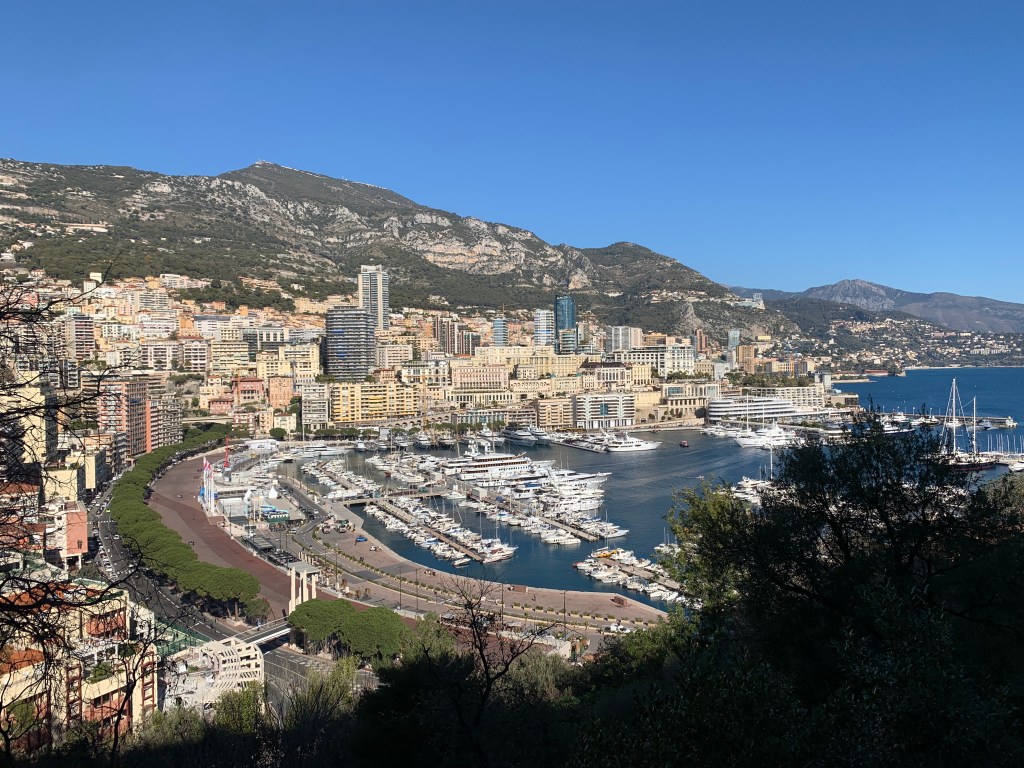
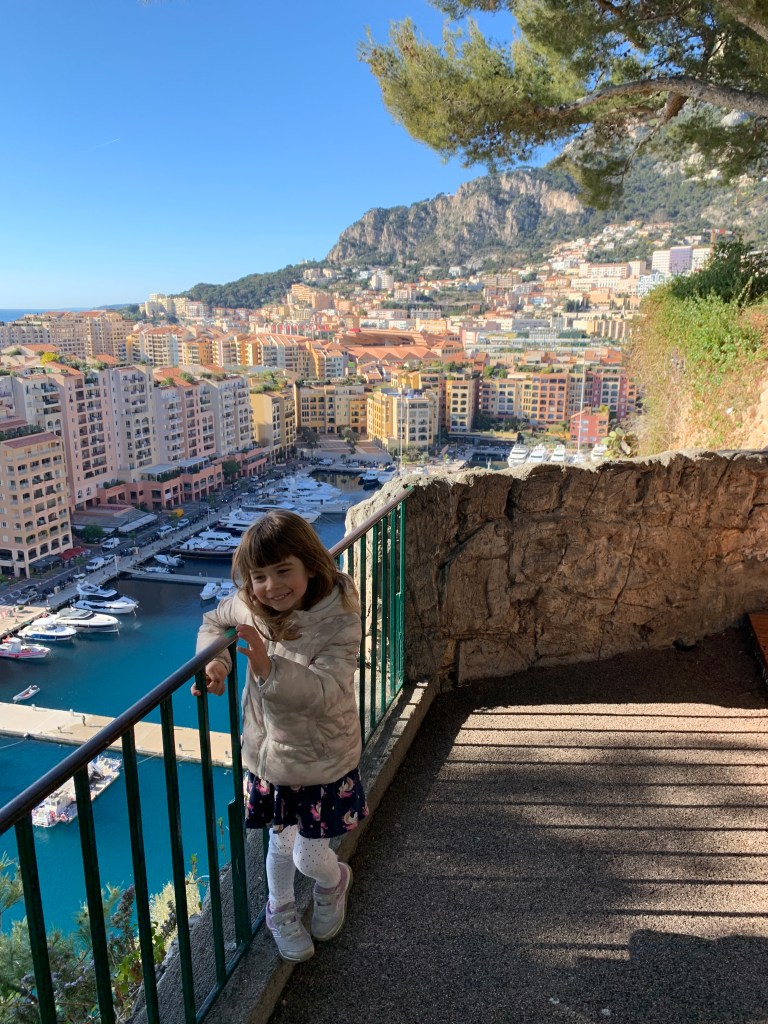
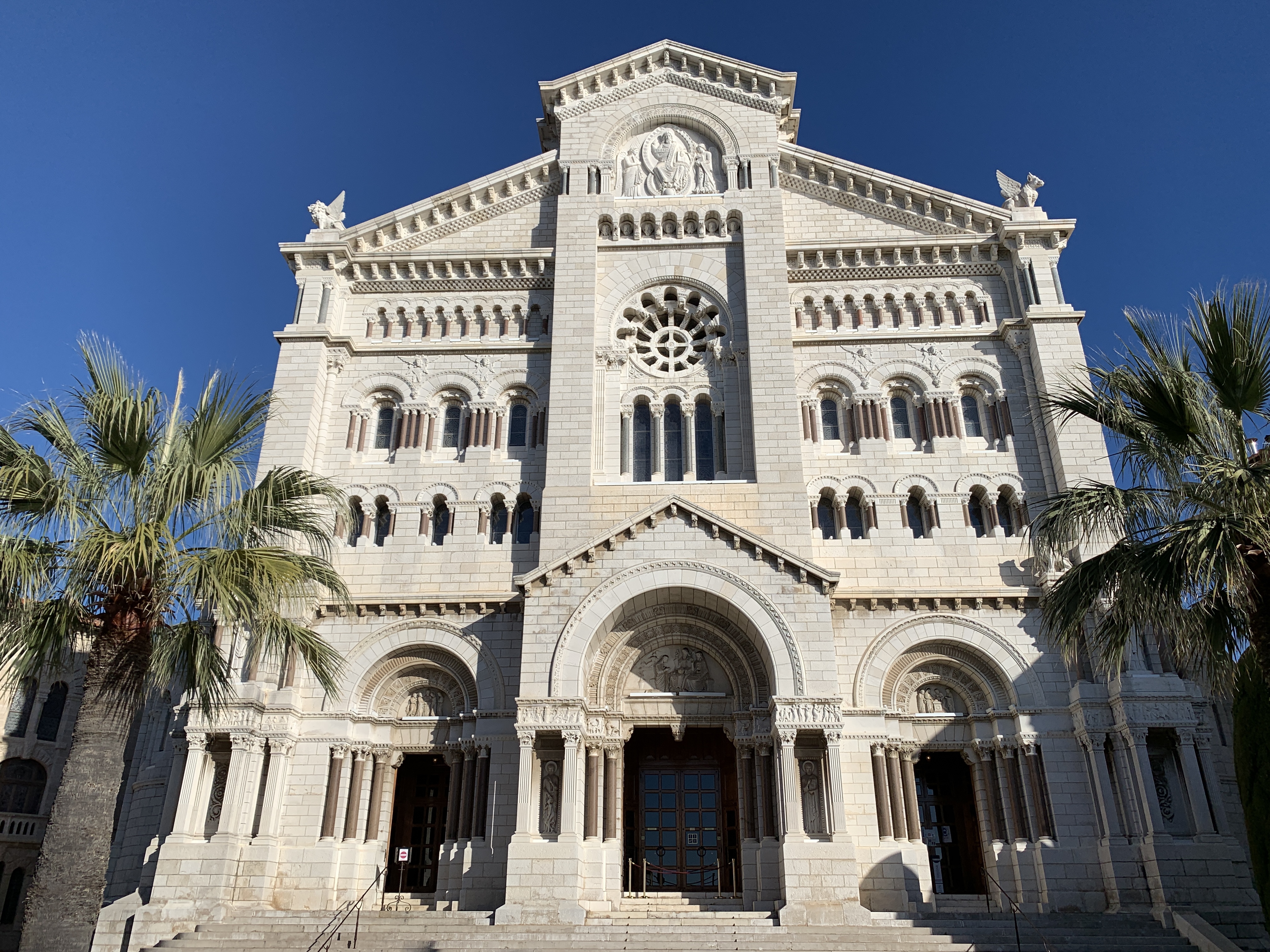

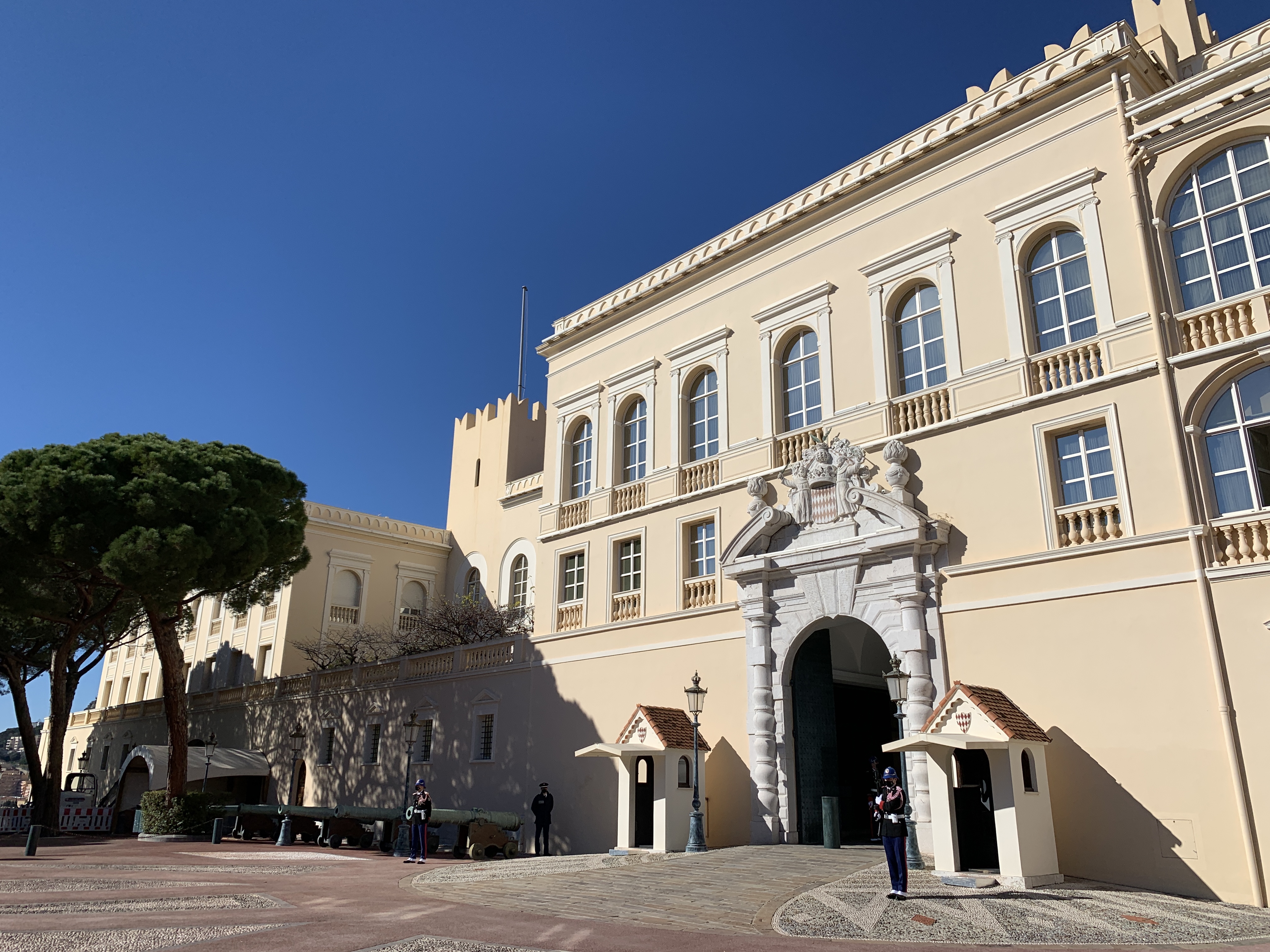

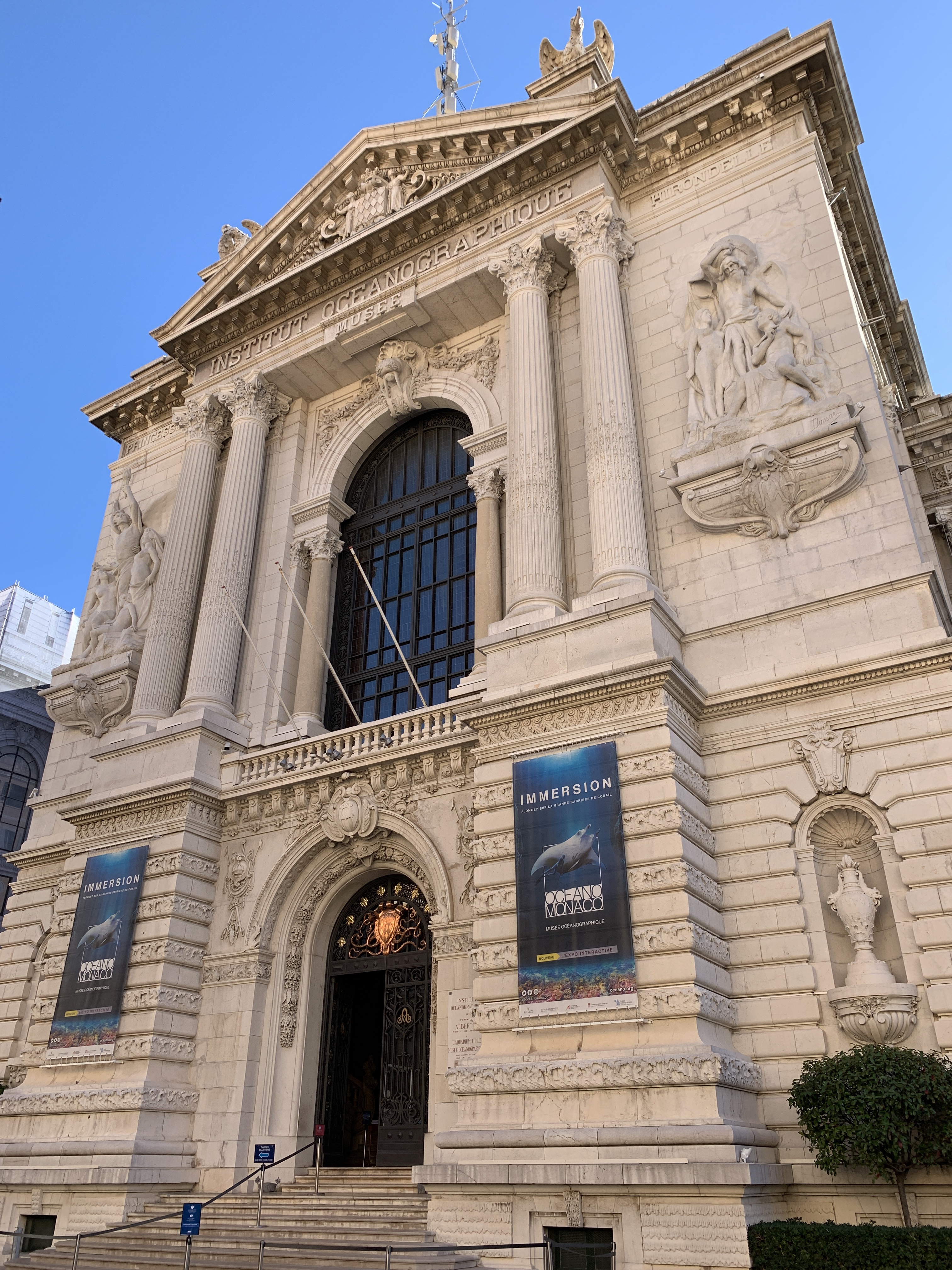
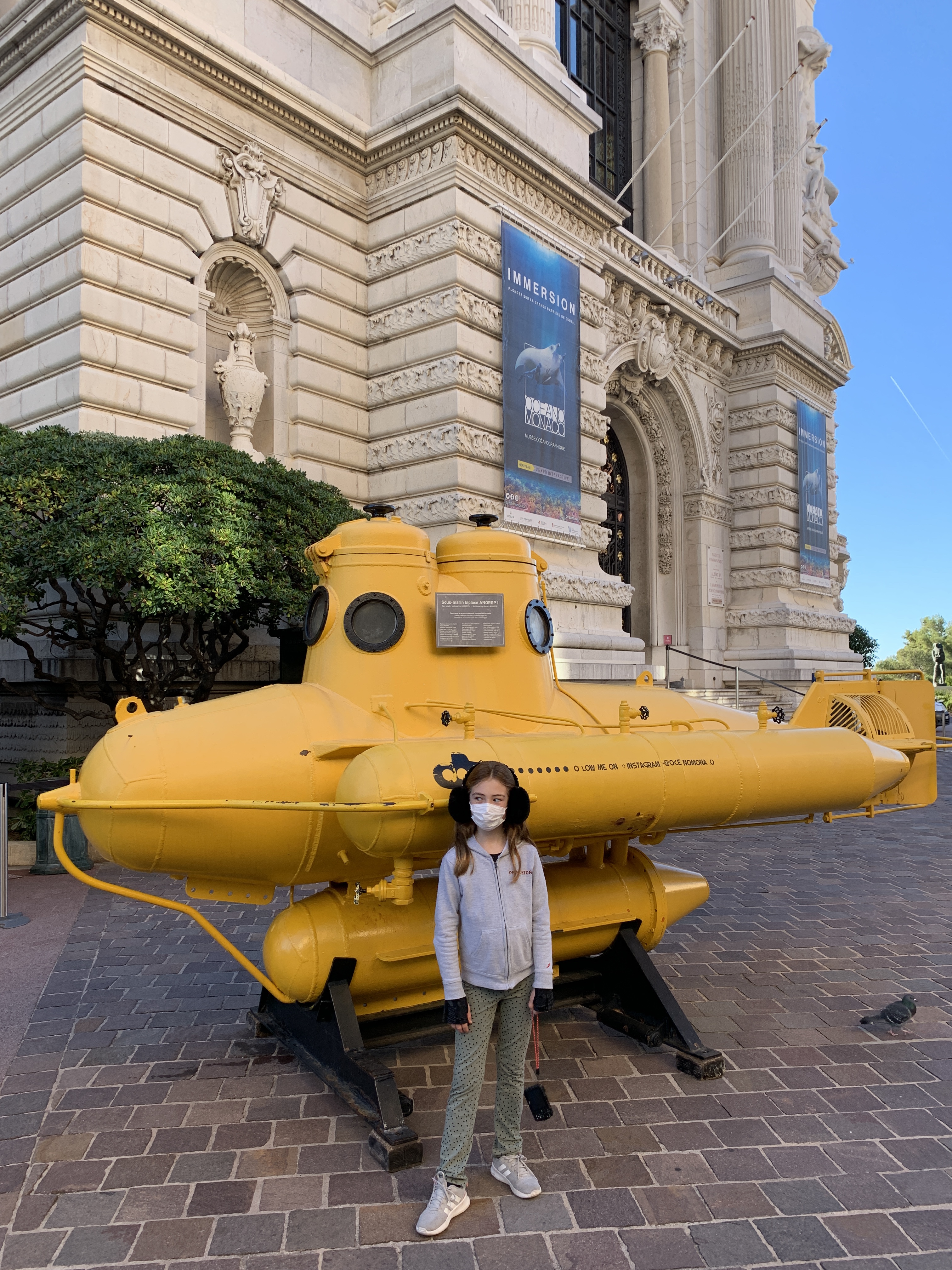
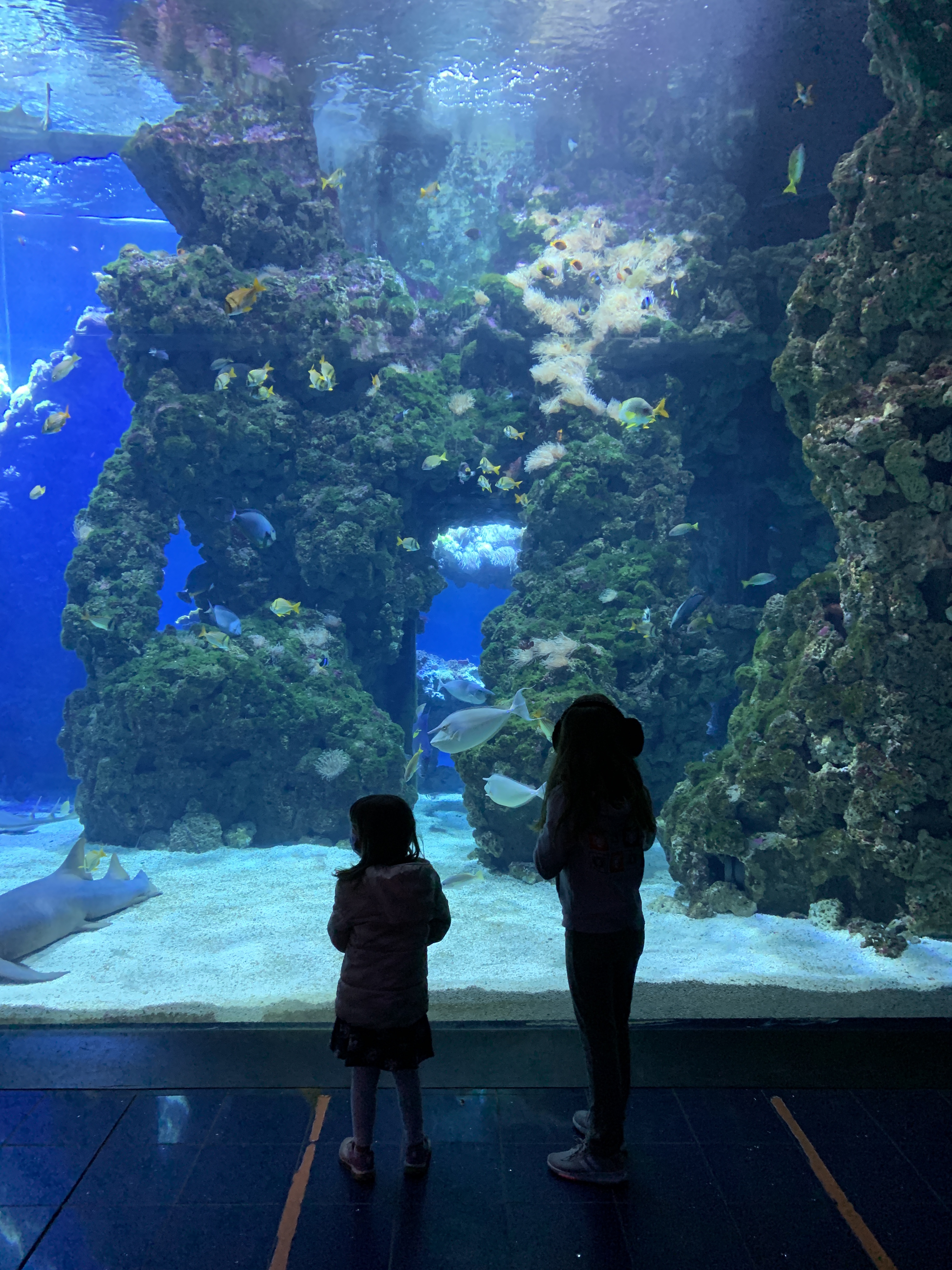
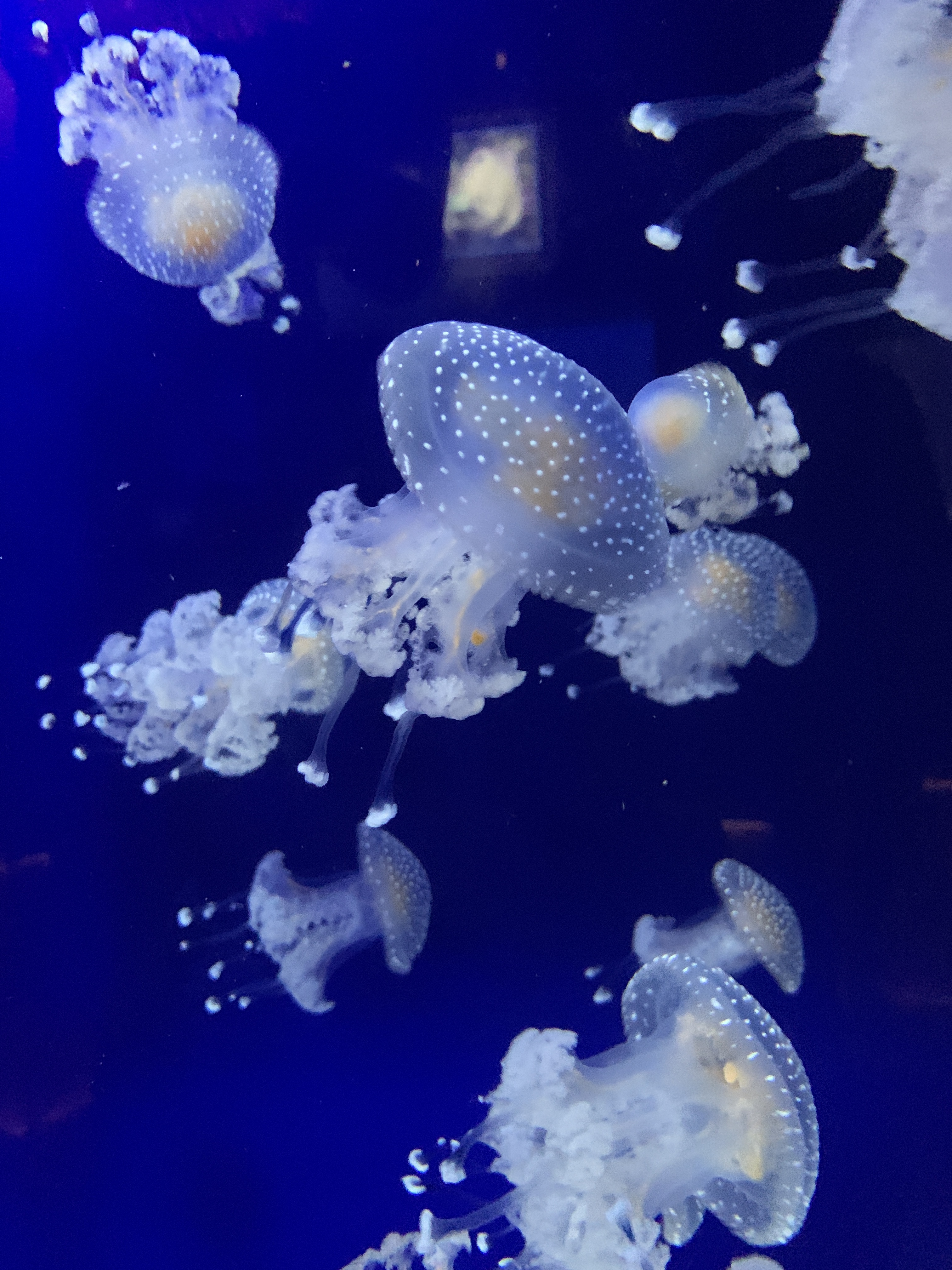
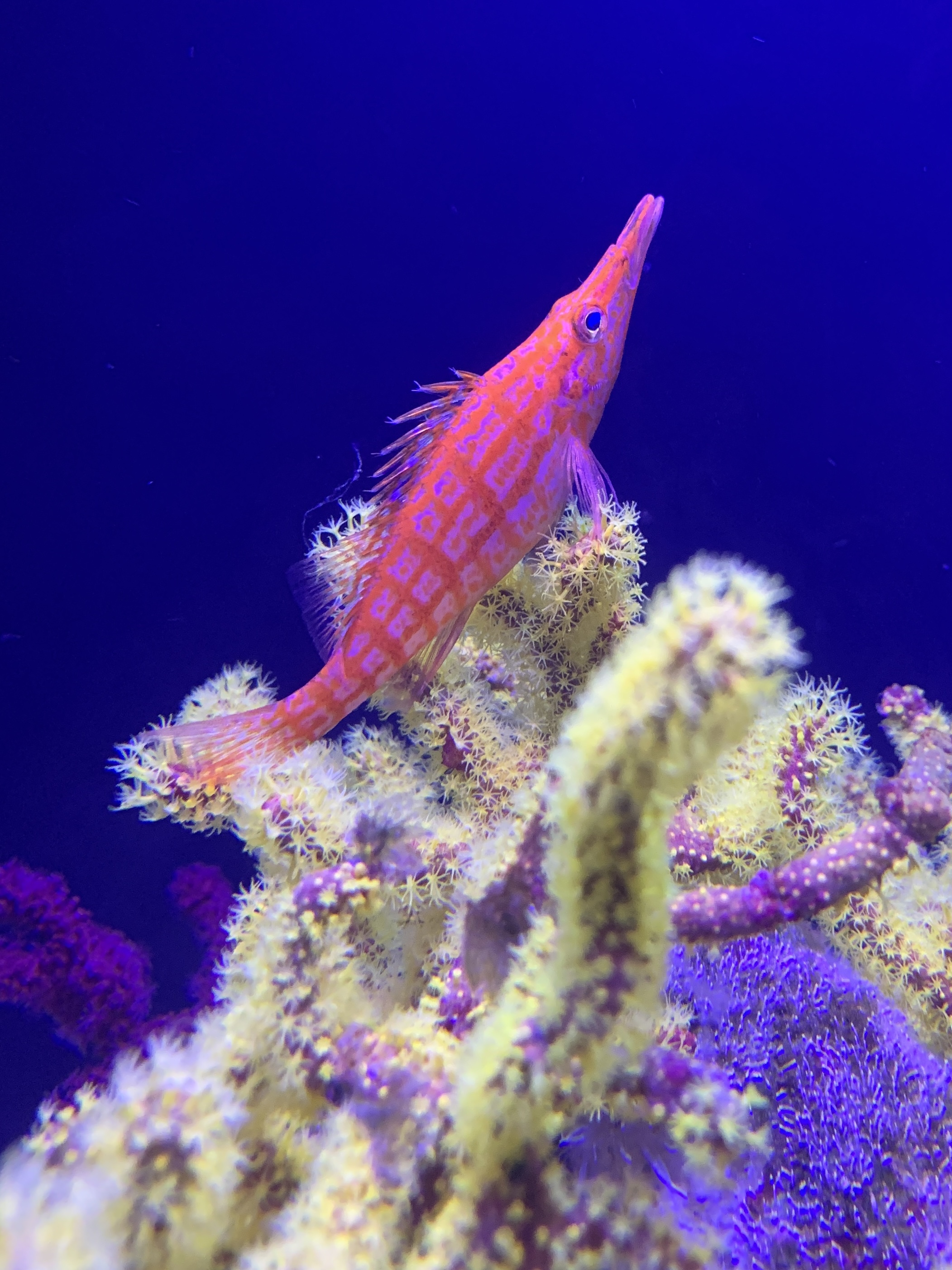
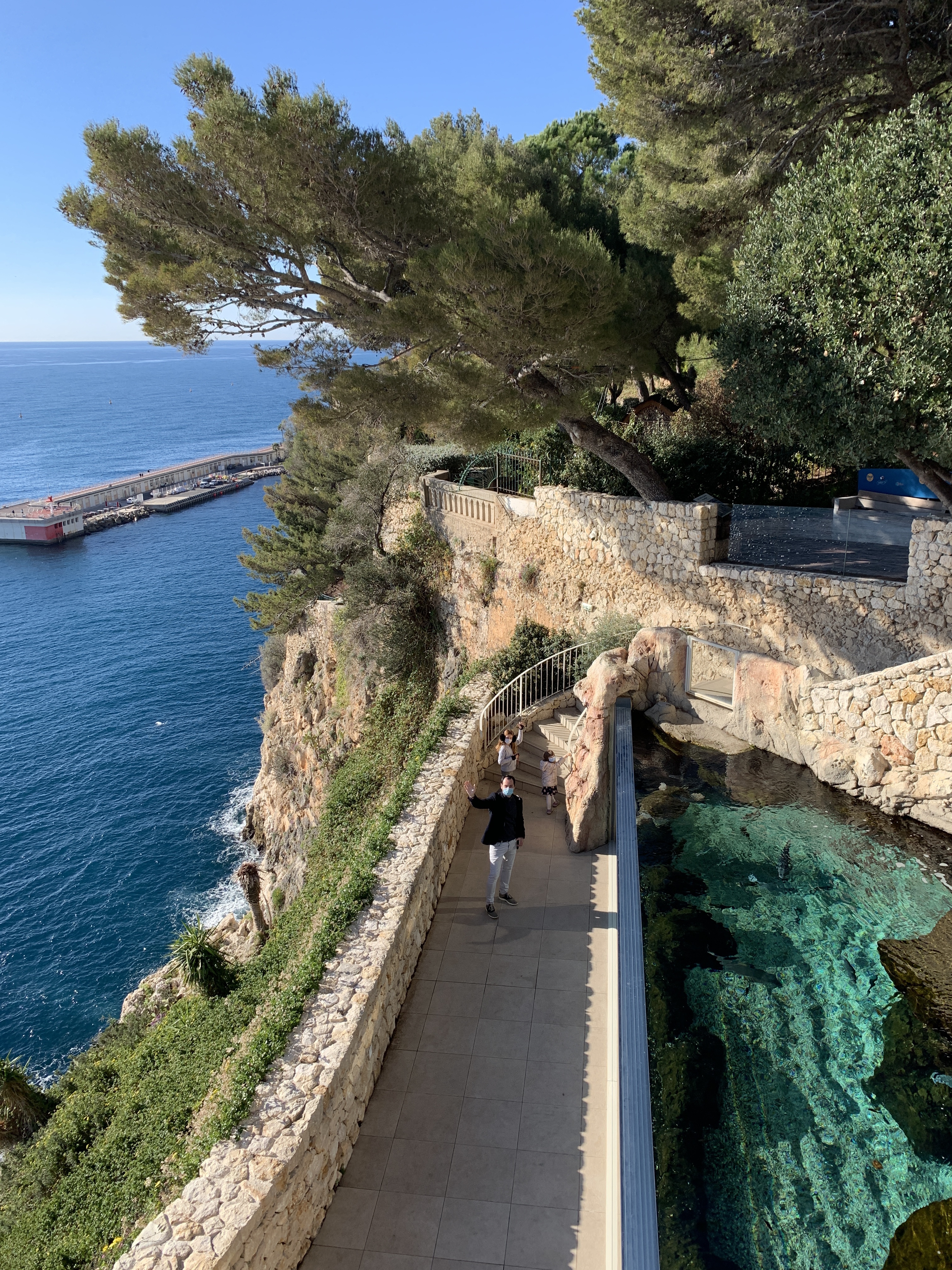
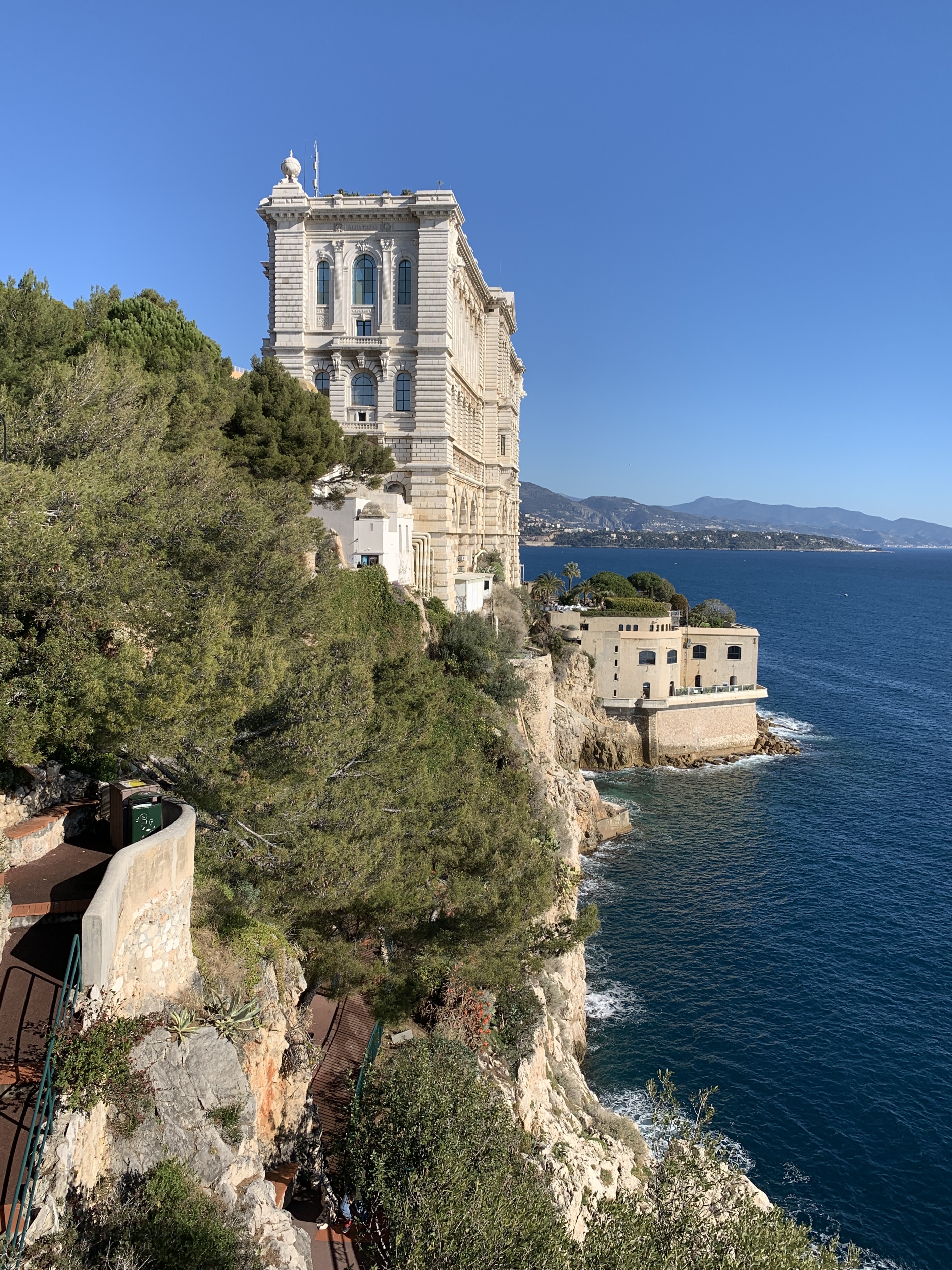
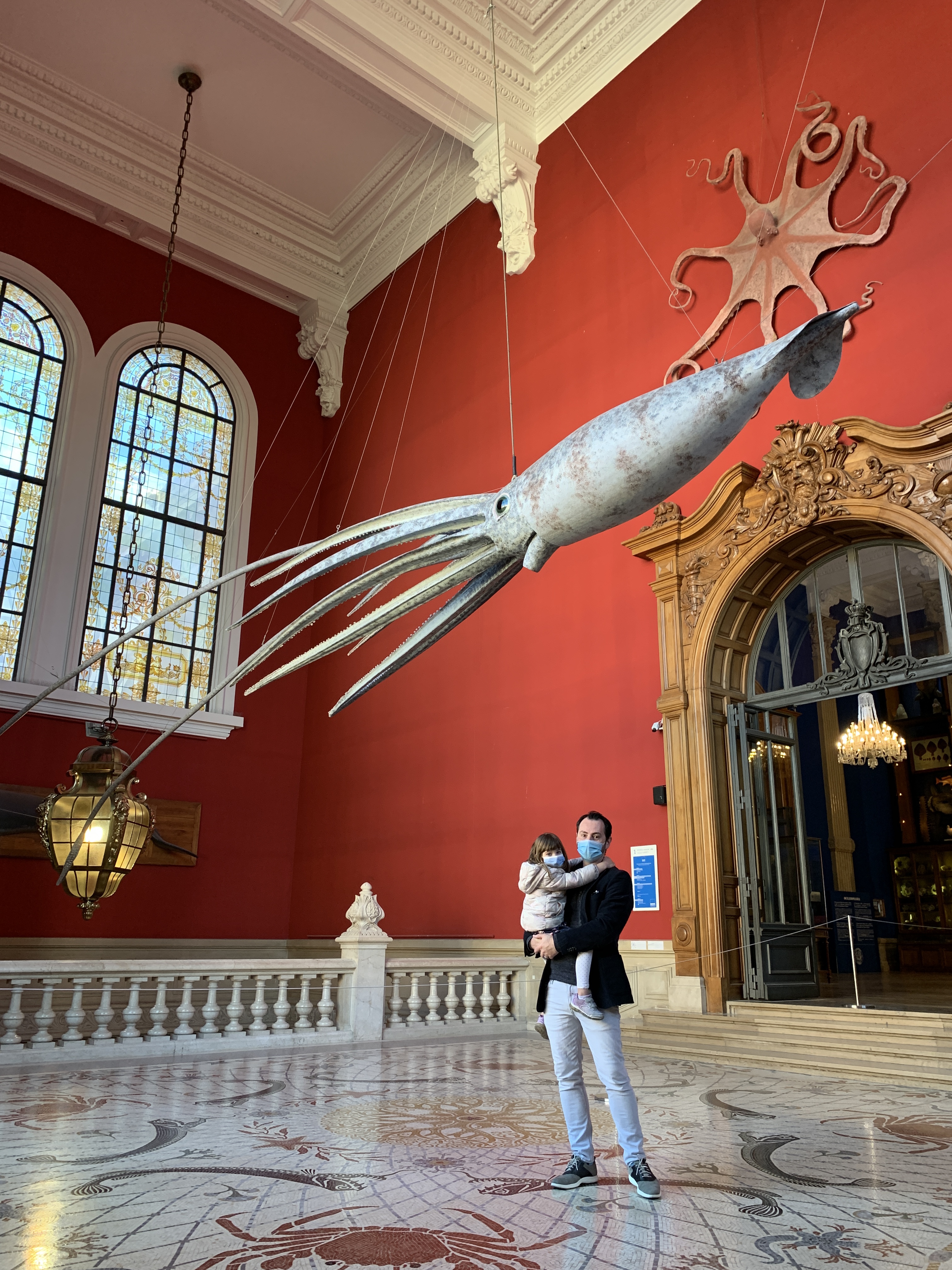
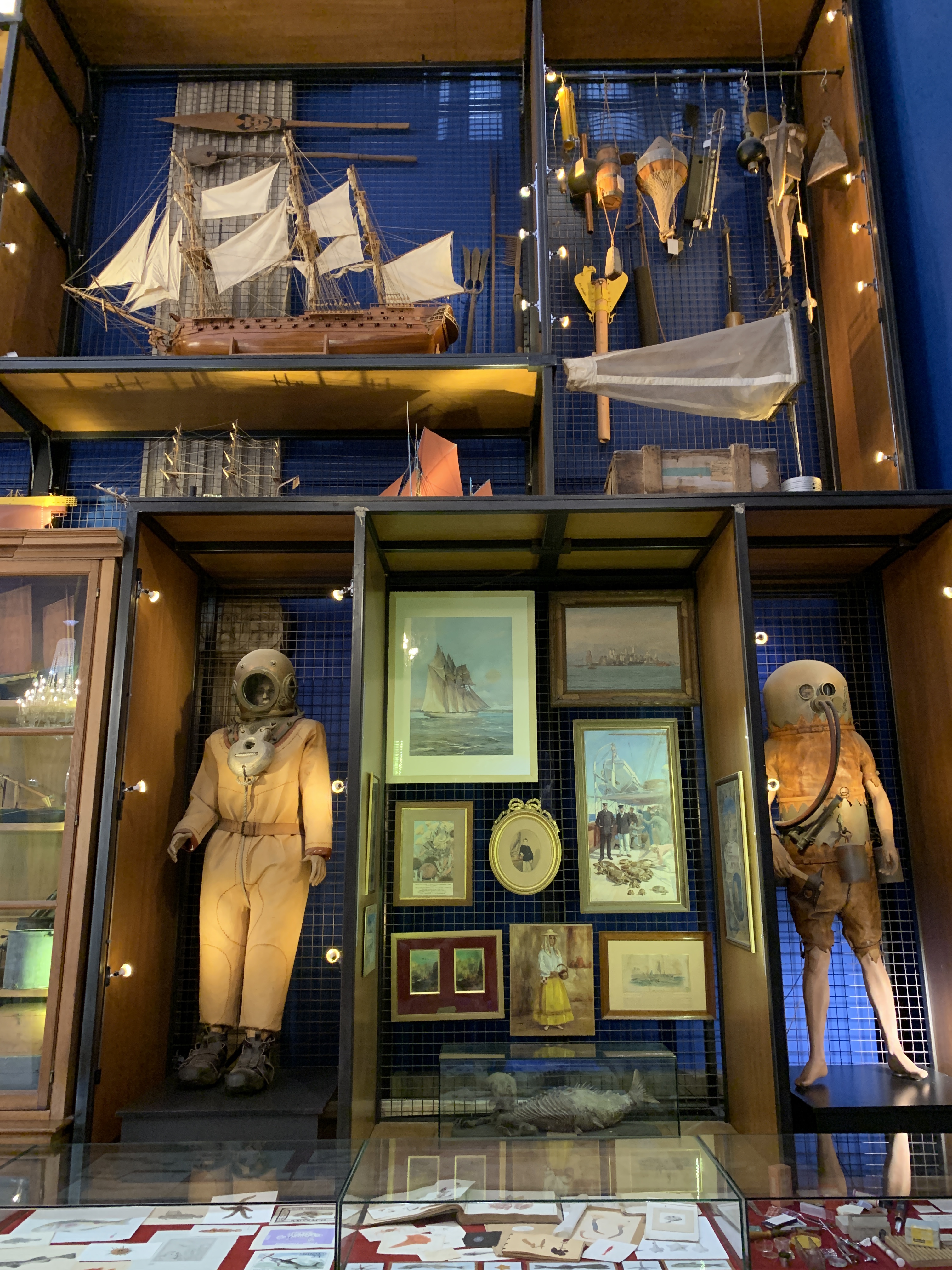
Within the palace complex and the old town of Monaco is where the renown Oceanographic Museum of Monaco is also located. The museum features numerous exhibits and collections of marine flora and fauna and is also home to an impressive aquarium comprising 4,000 species of fish. Meandering through the vastness of the place left us in awe of the biodiversity of the sea. It’s no wonder Jacques Cousteau was director of the museum for 30 years. We could’ve easily spent the better part of the day there, appreciating the immersive experience replete with discovery and educational components (a wonderful place to bring kids to).
Myriads in Menton
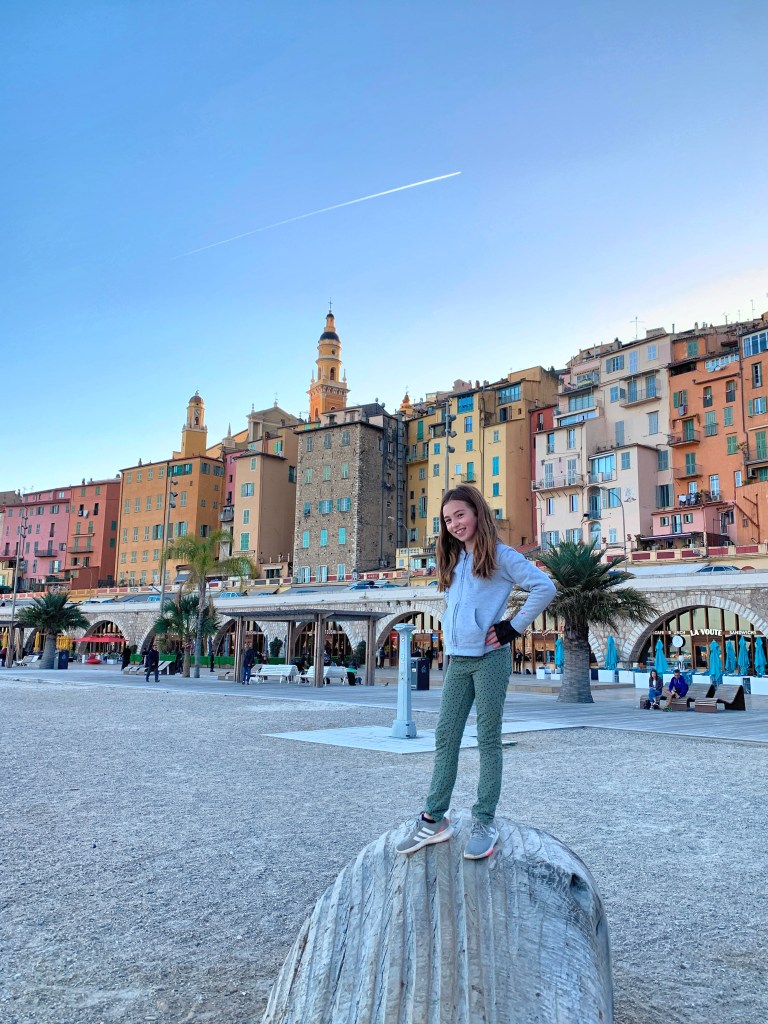
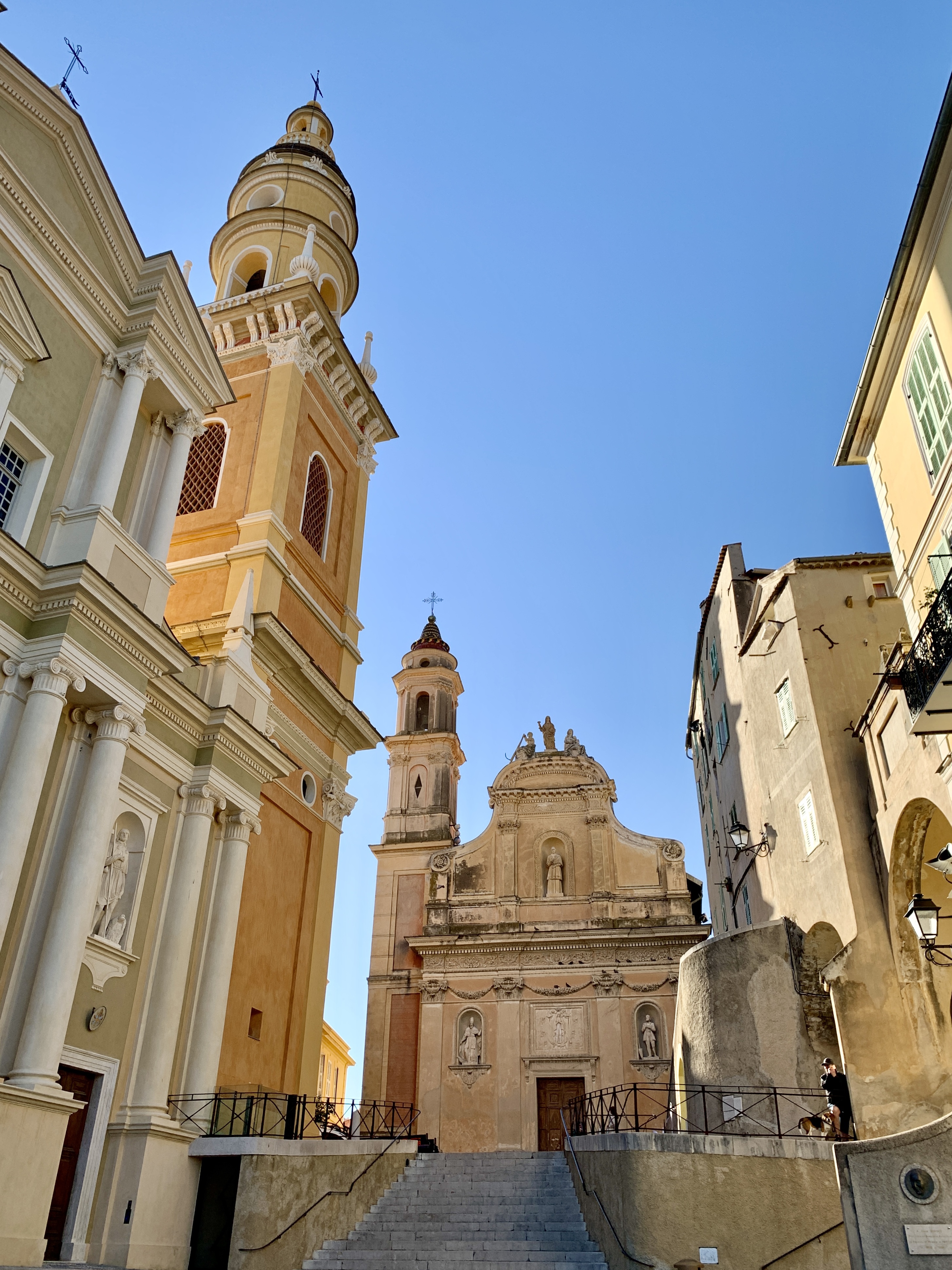
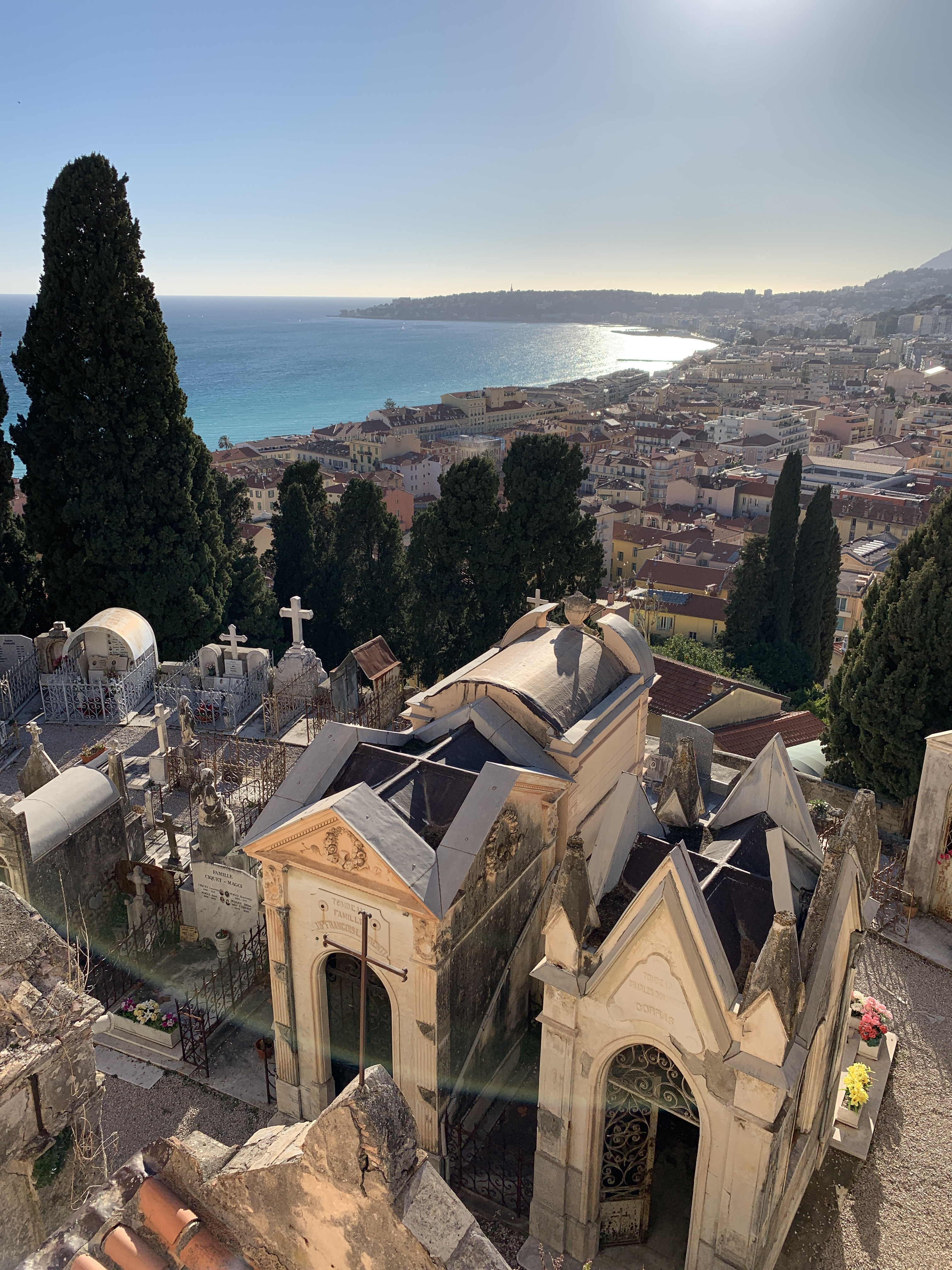
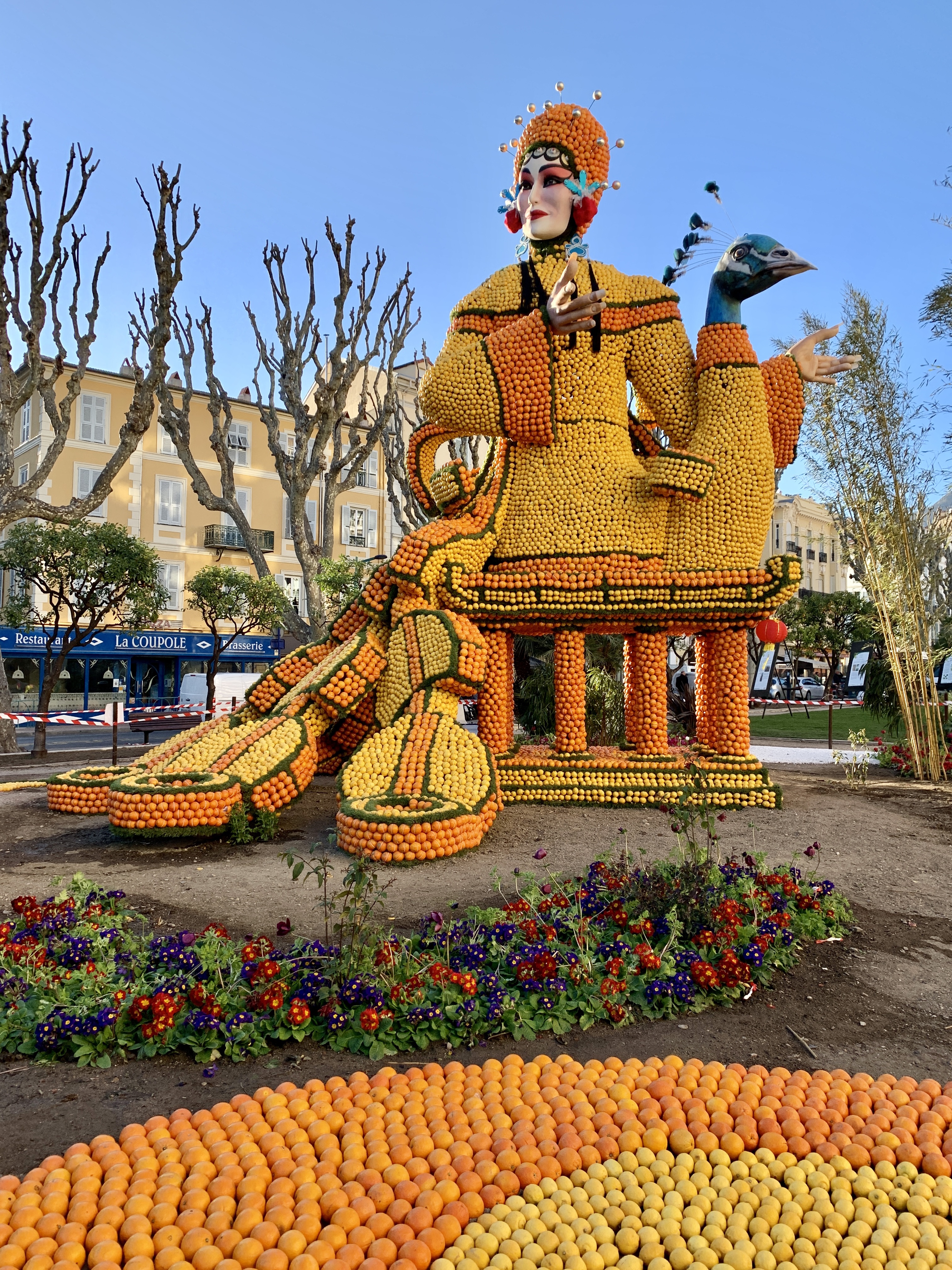
Back in Menton for the afternoon, we wandered the old town streets which seemed to naturally lead down to the city’s vast beach and old port. Looking back up at the town, Menton’s yellow complexion is fitting given that it’s famous for hosting an annual lemon festival (or “Fête du Citron“), each February since 1934. Although our trip was a few days ahead of the beginning of the festival, we still witnessed some of the preparations leading up to the event which includes floats, creative citrus statues and myriads of decorations. It is said that nowadays over 140 tons of citrus fruit are used for the floats and decorations, and an average 240,000 people attend the festival each year (perhaps it’s a good thing we missed it).
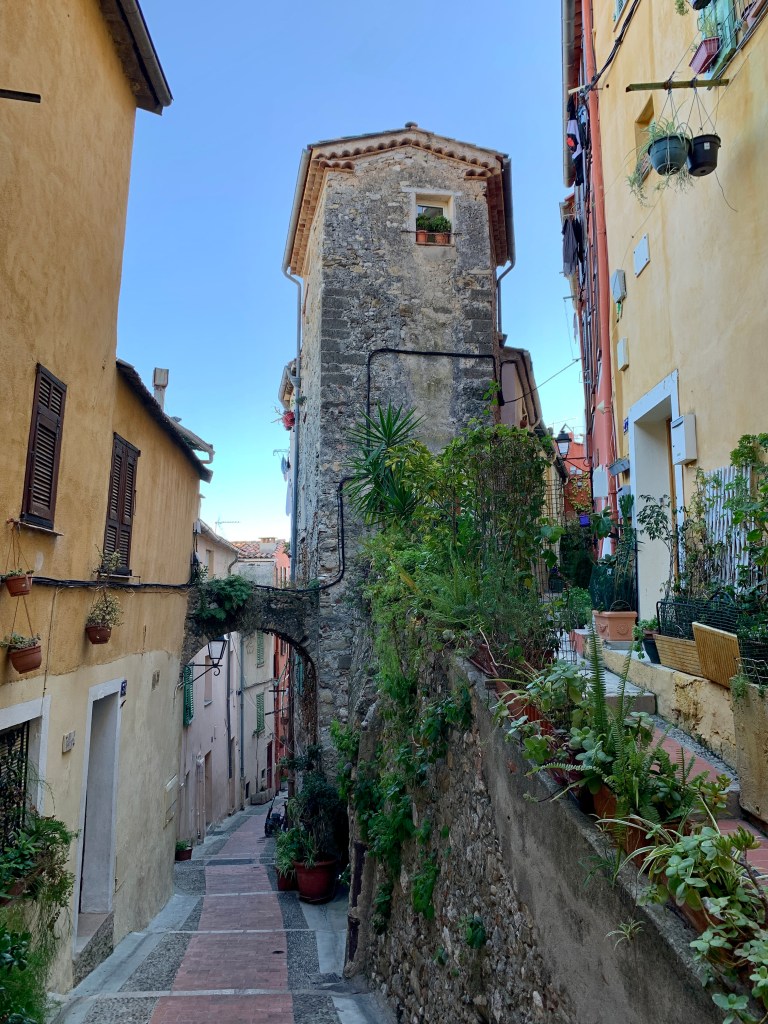
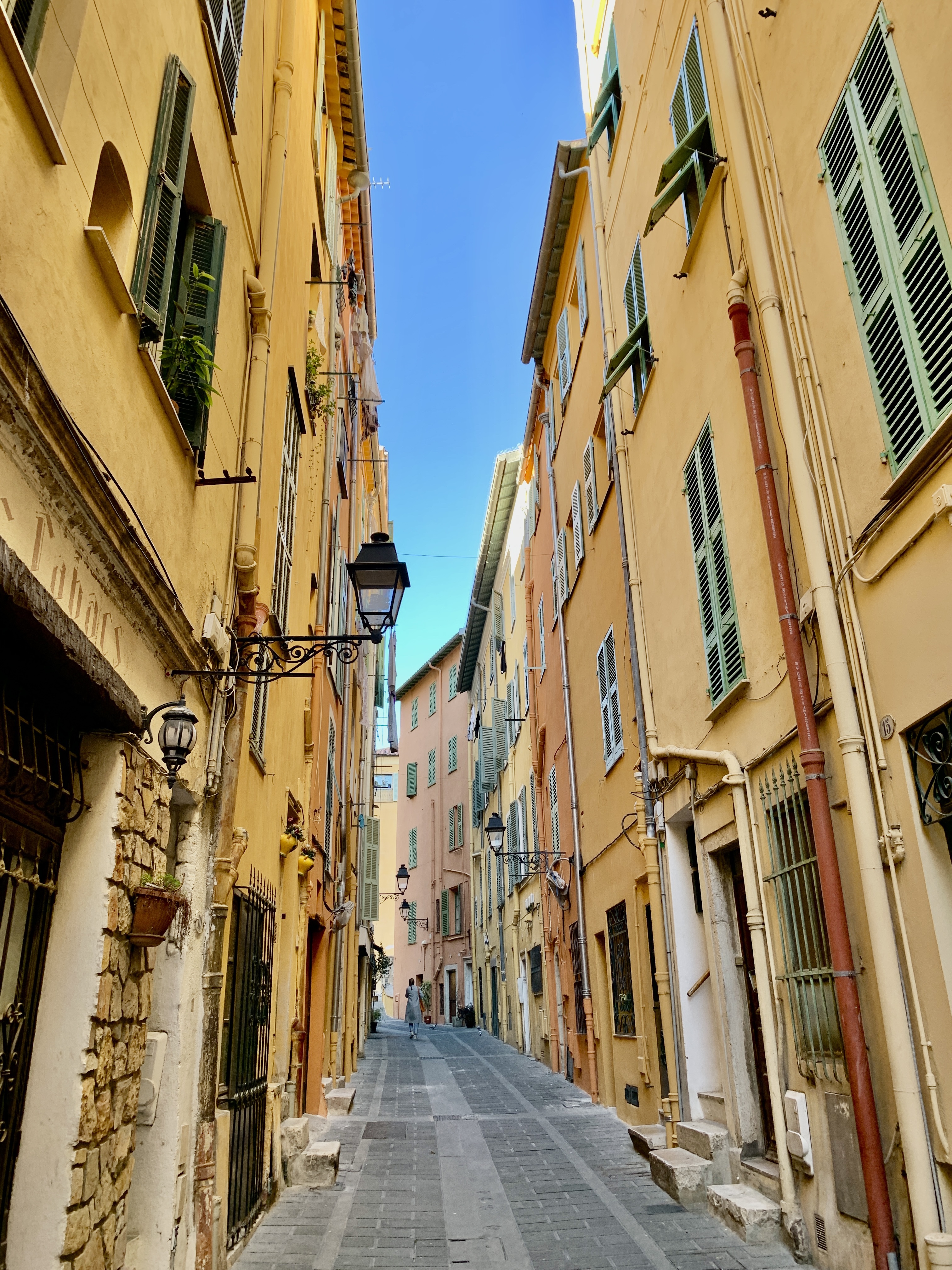

As a frontier town (which belonged to Italy until 1860), Menton’s proximity to today’s border places it only about a 15 minute drive away. Next up, Italy.
 Our Provençal Year